
Borderline Personality Disorder in Men: Signs, Symptoms, Relationships & Treatment

For decades, Borderline Personality Disorder (BPD) was widely considered a “female” diagnosis. Clinical lore suggested that for every man diagnosed, three women received the label. However, modern epidemiological research has debunked this myth, revealing that BPD affects men and women at nearly equal rates. The difference lies not in prevalence, but in expression and diagnosis.
Borderline personality disorder in men is often a hidden struggle, frequently misdiagnosed as Post-Traumatic Stress Disorder (PTSD), Antisocial Personality Disorder (ASPD), or simple “anger management issues.” Because men are often socialized to externalize pain through anger or substance use, the underlying emotional vulnerability of BPD remains masked.
This guide explores the unique landscape of bpd in men, providing clarity for those struggling with these traits and the partners seeking to understand them.
What Is Borderline Personality Disorder?
At its core, borderline personality disorder is a disorder of the emotional regulation system. It is characterized by a pervasive pattern of instability in relationships, self-image, and emotions, alongside marked impulsivity.
While many view it as a “character flaw,” clinical neuroscience views it as a “thinness” of the emotional skin. Individuals with borderline personality experience emotions—particularly rejection, shame, and fear—with an intensity that feels physically painful. When a person lacks the skills to regulate this “emotional flooding,” they resort to the behaviors we associate with the disorder: explosive anger, self-sabotage, or frantic efforts to avoid being left alone.
Is Borderline Personality Disorder Different in Men?
The diagnostic criteria for BPD are the same regardless of gender, but the borderline personality disorder in men vs women experience differs significantly in how symptoms are presented to the world.
Underdiagnosis and Misdiagnosis
Men are significantly less likely to be diagnosed with BPD. This is partly due to clinician bias and partly due to social conditioning. When a woman expresses intense fear of abandonment through crying or self-harm, BPD is often considered.
When a man expresses the same fear through physical aggression, “toughness,” or social withdrawal, he is often funneled into the criminal justice system or diagnosed with Intermittent Explosive Disorder.
Externalizing vs. Internalizing Patterns
While women with BPD often internalize their symptoms (leading to higher rates of eating disorders and self-harm), men are more likely to externalize. This means the pain is turned outward toward the environment. Men vs women with bpd data shows that men often exhibit higher levels of:
- Substance use disorders.
- Physical aggression or “road rage.”
- Risk-taking and thrill-seeking behaviors.
- Hyper-sexuality.
Common Signs and Symptoms of Borderline Personality Disorder in Men
Recognizing borderline personality disorder symptoms men exhibit requires looking past the surface level of “anger.” It requires identifying the emotional engine driving the behavior.
Emotional Symptoms
- Intense, Explosive Anger: Unlike standard anger, “borderline rage” is often disproportionate to the event. A minor criticism can feel like a total character assassination.
- Chronic Shame: Beneath the “macho” or defensive exterior often lies a profound sense of being “unlovable” or “broken.”
- Emotional Numbness: Many men describe “flipping a switch” where they suddenly feel nothing. This is often a dissociative response to overwhelming emotional pain.
- Mood Reactivity: Rapid shifts from intense joy to crushing despair within hours, usually triggered by an interpersonal interaction.
Behavioral Symptoms
- Impulsivity: This might manifest as sudden job quitting, impulsive spending, or reckless driving.
- Risk-Taking: A high tolerance for physical danger as a way to “feel something” or distract from internal agony.
- Substance Misuse: Using alcohol or drugs as a “chemical regulator” for an unstable nervous system.
- Explosive Conflict: BPD in men often leads to “scorched earth” arguments where the man pushes the partner away to avoid the pain of being rejected first.
How Do Guys With BPD Act Day to Day?

If you are wondering what does borderline personality disorder look like in men in a real-world setting, it is often a life of “highs and lows.”
Workplace Behavior
A man with BPD may be an exceptionally hard worker and highly charismatic. However, he may struggle with perceived slights from management. He might interpret a standard performance review as a sign that he is about to be fired, leading him to quit impulsively before he can be “discarded.”
Family Dynamics
At home, he may be the “hero” one day—providing intense affection and care—and the “villain” the next. This “walking on eggshells” dynamic is a hallmark of the how do guys with bpd act experience for family members.
Social Masking
Many men are “high-functioning.” They maintain successful careers and social lives by “masking” their internal turmoil. The cost of this masking is often a private collapse; when they are finally alone or with a trusted partner, the emotional dam breaks, leading to intense crying spells, self-loathing, or outbursts.
Traits of Borderline Personality Disorder in Men
Beyond the 9 standard DSM-5 traits, there are specific traits of borderline personality disorder in men that align with masculine social norms.
- Hypersensitivity to Respect: A man with BPD often interprets a lack of “deference” as abandonment or an attack on his identity.
- Possessiveness: Driven by an intense fear of loss, he may become overly controlling of a partner’s time or social circles.
- Self-Sabotage in Success: Just as things are going well, he may ruin a project or a relationship because he feels he doesn’t deserve it.
- “Testing” Others: He may purposely act out to see if his partner will leave. If they stay, he feels a temporary sense of safety; if they leave, his core belief of being “unlovable” is confirmed.
- Identity Confusion: He may frequently change his hobbies, style, or career paths, trying on different “masks” to see which one fits.
Quiet and High-Functioning Borderline Personality Disorder in Men
Not every man with BPD is explosive. Quiet borderline personality disorder in men is a presentation where the “acting out” is turned entirely inward.
A high-functioning borderline male might never raise his voice. Instead, when he feels rejected, he:
- Withdraws into stony silence (The “Silent Treatment”).
- Engages in secret self-harm (hitting himself, scratching, or excessive exercise).
- Suffers from “internal splitting,” where he devalues himself entirely but remains polite to others.
- Experiences deep relationship burnout because he is constantly trying to “read” his partner’s mind for signs of abandonment.
Because these men don’t fit the “violent” stereotype of BPD, they are frequently misdiagnosed with treatment-resistant depression or generalized anxiety.
Petulant Borderline Personality Disorder in Men
While some presentations of BPD are defined by withdrawal, petulant borderline personality disorder in men is often characterized by a “push-pull” dynamic that revolves around frustration and resentment. This subtype is particularly common in males who feel their emotional needs are perpetually unmet or ignored by the world.
Passive-Aggressive Anger
Unlike the “impulsive” type who may have a sudden explosion of rage, the petulant man often stews in passive-aggression. He may use the “silent treatment” as a weapon or engage in subtle “digs” at his partner’s character. To him, the world is an unfair place, and he feels entitled to his anger because of the pain he has endured.
Control Through Withdrawal
When a man with petulant BPD feels a threat to the relationship, he may “withdraw” his affection as a form of control. This isn’t necessarily a desire to hurt the other person, but a desperate attempt to protect himself from being hurt first. By being the one who “pulls away,” he feels he has regained the power in a situation where he actually feels powerless.
What Triggers BPD Splitting in Men?
“Splitting” is a psychological defense mechanism where a person cannot integrate positive and negative qualities of a person into a single, cohesive whole. In borderline personality disorder in men, this “black-and-white” thinking is often triggered by specific environmental cues.
Perceived Abandonment
The most common answer to what triggers BPD splitting is the feeling of being left. This doesn’t have to be a literal breakup. For a man with BPD, a partner being five minutes late to dinner, a “cold” tone of voice, or a friend cancelling plans can trigger a split. Suddenly, the “perfect” partner is seen as a malicious betrayer.
Criticism and Loss of Control
Many men with BPD are hyper-sensitive to criticism. Because their self-image is so fragile, a minor critique of their work or behavior feels like a total rejection of their existence. Similarly, a loss of control—whether in a relationship, a financial situation, or a social setting—can cause the brain to “flip” into a defensive splitting mode to manage the overwhelming anxiety.
What Are Men With BPD Attracted To?
Interpersonal attraction for someone with an unstable self-image is rarely simple. When asking what are men with BPD attracted to, we often see a pattern driven by the need for “regulation” rather than just romance.
- The “Caretaker” Personality: Men with BPD are often drawn to nurturing, empathetic individuals who provide the emotional “anchoring” they lack.
- Intensity and Trauma Bonding: There is a frequent attraction to people who also have high emotional intensity. This can lead to a “trauma bond,” where the relationship is fueled by high-stakes drama and “make-up” sessions that provide a temporary dopamine rush.
- The “Savior”: A man with BPD may seek out someone he believes can “fix” him or fill the chronic void of emptiness he feels. This puts an immense, often unsustainable pressure on the partner.
Romantic Relationships With a Man Who Has BPD

Navigating romantic relationships with borderline personality male partners can be an exhausting cycle of extreme highs and devastating lows.
Early Intensity (“Love Bombing”)
In the beginning, a man with BPD may be the “perfect” partner. He is often intensely attentive, romantic, and communicative. This “idealization” phase feels like a soulmate connection. However, this intensity is often a symptom of his fear of being alone; he is trying to “fuse” with the partner to feel safe.
The Conflict Cycle
Once the “honeymoon” phase ends and real-world stressors enter the picture, the splitting begins. The partner who was once an angel is now seen as the “enemy.” Relationships with borderline personality men often involve:
- Accusations of Infidelity: Driven by a fear of abandonment.
- Volatility: Arguing for hours over minor details.
- The “Hoovering” Phase: After a blow-up, he may beg for forgiveness and promise to change, “sucking” the partner back into the cycle.
Boundaries vs. Reassurance
The key to survival in these relationships is the balance of firm boundaries and constant reassurance. He needs to know he is loved, but he also needs to know that his explosive behavior will not be tolerated.
What Happens If Borderline Personality Disorder in Men Is Untreated?
BPD is a serious condition that rarely improves without professional intervention. What happens if BPD is untreated? In men, the trajectory can be particularly destructive due to social isolation and a lack of support systems.
- Relationship Instability: A lifetime of “scorched earth” breakups, leading to profound loneliness in middle and old age.
- Occupational Impairment: A “patchwork” resume of jobs left due to conflict with bosses or sudden “burnout” episodes.
- Legal and Financial Issues: Impulsive spending, reckless driving, or physical altercations can lead to significant debt or criminal records.
- Suicide and Self-Harm: While women make more suicide attempts, men are statistically more “successful” in their attempts. The suicide rate for men with untreated BPD is alarmingly high, often occurring during a “split” when they feel they have lost everything.
Causes of Borderline Personality Disorder in Men
Understanding what causes borderline personality disorder in men requires looking at the “Bio-Social” model. It is almost never just one thing; it is a “perfect storm” of factors.
- Childhood Trauma: Many men with BPD grew up in homes with physical abuse, neglect, or “absent” fathers.
- Invalidating Environments: A child who is told to “man up” or “stop crying” when they are feeling genuine pain learns that their emotions are wrong. This prevents them from learning how to regulate those feelings.
- Genetics and Neurobiology: Some people are simply born with a more “reactive” nervous system. Studies show that BPD runs in families, suggesting a strong hereditary component.
- Attachment Disruption: A failure to form a “secure base” with a primary caregiver in infancy can lead to the lifelong “fear of abandonment” seen in BPD.
Borderline Personality Disorder Test: Can Men Self-Assess?
When a man begins to suspect his emotional volatility is more than just “stress,” he often turns to a borderline personality disorder test online. While these tools can be a powerful catalyst for change, it is important to understand their limitations.
Screening vs. Diagnosis
A self-assessment is a screening tool, not a diagnostic one. Most online tests for bpd in men look for the “9 traits,” such as impulsivity and anger. However, because BPD in men often overlaps with other conditions (like PTSD or ADHD), a quiz might give a “false positive” for BPD when the issue is actually a different form of trauma.
Why Online Tests Aren’t Definitive
- Lack of Context: A test can’t tell if your “anger” is a lifelong personality trait or a temporary reaction to a specific life crisis.
- The “Male Mask”: Many men instinctively answer questions in a way that minimizes vulnerability (e.g., “I don’t feel ’empty,’ I’m just bored”), which can lead to “false negatives.”
- Professional Nuance: A clinician looks for the intent behind the behavior. Are you reckless because you want to die, or because you’re chasing a dopamine hit? The distinction matters for treatment.
Borderline Personality Disorder in Men: Reddit vs. Clinical Reality
If you search for borderline personality disorder in men reddit, you will find two very different worlds. One side consists of men sharing their pain and looking for “DBT buddies,” while the other is filled with “BPD Loved Ones” forums that often paint men with the disorder as inherently abusive or “monsters.”
Addressing Misinformation
It is vital to separate the clinical reality from the internet stigma.
- The Myth: Men with BPD are just “abusers” in disguise.
- The Reality: Abuse is a choice; BPD is a disorder of pain. While BPD behaviors can be abusive, many men with BPD are “Quiet” types who only hurt themselves.
- The Stigma: Reddit often suggests BPD is untreatable. In reality, BPD has one of the highest “remission” rates of all personality disorders with the right therapy.
Borderline Personality Disorder in Men Treatment Options
The good news is that borderline personality disorder in men treatment is highly effective. The goal of treatment isn’t to “cure” the personality, but to build a “life worth living” by teaching the skills the individual missed in childhood.
1. Psychotherapy (First-Line)
- Dialectical Behavior Therapy (DBT): The “gold standard.” DBT teaches men how to handle a “crisis” without exploding and how to regulate their emotions using logic and mindfulness.
- Mentalization-Based Therapy (MBT): Helps men “think about thinking.” It teaches them to realize that their partner’s “tone of voice” might not actually mean they are about to leave.
- Schema Therapy: Focuses on the “childhood scripts” that cause men to feel unlovable or defective.
2. Medication (Adjunctive Only)
There is no “BPD pill.” However, doctors may prescribe:
- Mood Stabilizers: To “lower the ceiling” on rage and “raise the floor” on depression.
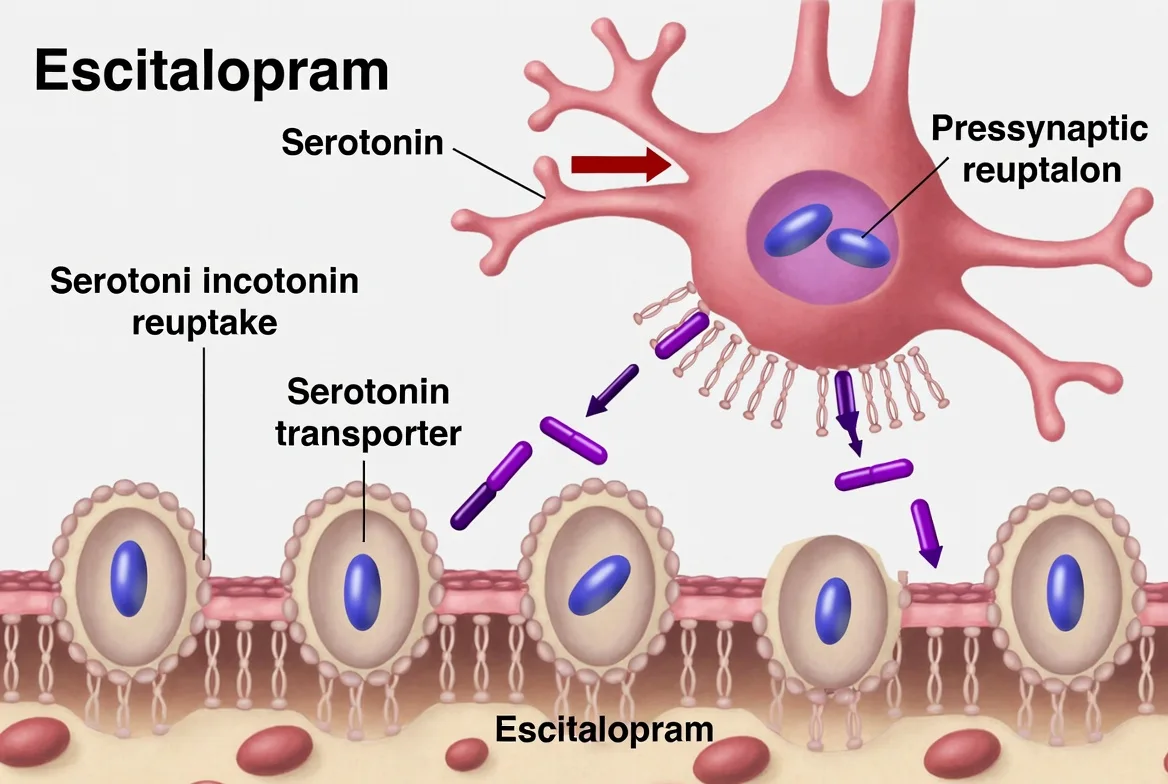
- SSRIs: To help with the co-occurring anxiety that often drives the fear of abandonment.
BPD vs. Avoidant & Dismissive Personality Patterns in Men
A major point of confusion for men is the difference between BPD and avoidant personality disorder traits. Because many men “withdraw” when they are hurt, they may be mislabeled as “avoidant.”
| Feature | Borderline (BPD) | Avoidant (AVPD) | Dismissive-Avoidant |
| Reaction to Fear | Clinging or Rage | Hiding/Social Phobia | Emotional Shutdown |
| Self-Image | Unstable (Hero to Zero) | Consistently “Inadequate” | Self-Reliant/Detached |
| Relationship Goal | Intense Connection | Wants connection but is too shy | Values independence over closeness |
While conflict avoidant personality disorder (a common lay term) describes a fear of confrontation, BPD involves a fear of the consequences of that confrontation (losing the person).
Is BPD the Same as “Jekyll and Hyde” Personality?
The term “Jekyll and Hyde personality disorder” is a popular way to describe the “splitting” seen in BPD, but it is technically inaccurate.
In the story, Jekyll and Hyde are two different people. In BPD, the “angry” version and the “loving” version are the same person experiencing different levels of nervous system arousal. When a man is in “Hyde” mode, he is in a state of sympathetic nervous system overdrive (fight-or-flight). He hasn’t changed personalities; he has lost the ability to access his “thinking brain” because he feels under attack.
When Should a Man With BPD Seek Professional Help?
If you are experiencing symptoms of being emotionally unstable, the time to seek help is before the “collapse” happens.
Red Flags for Immediate Action:
- Suicidal Thoughts: Using death as a “fantasy escape” from emotional pain.
- Violence: If your “rage” has moved from verbal to physical, or you are breaking things.
- Substance Dependence: If you cannot get through a day without numbing your feelings.
- Relationship Collapse: If you have a pattern of “scorched earth” breakups and feel you are losing your “favorite person.”
FAQs About Borderline Personality Disorder in Men
Can men have BPD?
Yes. Despite the historical stigma, research shows BPD affects men and women almost equally.
Is BPD in men more dangerous?
Not inherently. However, men are socially encouraged to express pain through anger, which can make the outward appearance of BPD more intense or frightening than in women.
Does BPD go away?
With treatment like DBT, many men “remit,” meaning they no longer meet the diagnostic criteria for the disorder.
Key Takeaways: Understanding Borderline Personality Disorder in Men
Borderline personality disorder in men is a treatable condition, but it requires the courage to face intense vulnerability.
- Gender differences matter: Men often “act out” or “numb out” rather than cry.
- Early intervention is key: The sooner a man learns “distress tolerance” skills, the less wreckage he will create in his personal life.
- You are not your diagnosis: A BPD label is simply a map of where your emotional “wounds” are—it isn’t a definition of who you are as a man.
Get Help Now: If you are in the US or Canada and feeling suicidal, call or text 988. For those seeking a clinician, use the Psychology Today “Find a Therapist” tool and filter by “DBT” or “Borderline Personality.”
Authoritative References
- American Psychiatric Association (APA): What is Borderline Personality Disorder?
- National Institute of Mental Health (NIMH): BPD Research & Statistics
- McLean Hospital: BPD in Men: Understanding the Gender Gap
- National Education Alliance for BPD (NEA-BPD): Resources for Men and Families

Related Posts





Subscribe to Our Newsletter
Get mental health tips, updates, and resources delivered to your inbox.
MORE from Author
Read More In my practice as a clinical psychologist, I often observe that the difference between a patient who crumbles under pressure…
- We all have "up" days and "down" days. Perhaps you feel energized after a promotion or sluggish on a rainy…


 To define bipolar disorder accurately, we must look at it as a chronic mood dysregulation condition. In psychology and medicine,…
 To answer whether bipolar fits the bill, we first have to define what a neurodivergent person actually is. The term…
Are you looking for a Therapist?
Connect with qualified mental health professionals who understand
bipolar disorder, mood changes, and emotional challenges.
Private • Supportive • Confidential