
Bipolar Disorder Symptoms: Signs, Triggers, Types, and Treatment Options Explained

Medically reviewed by Carolina Estevez, Psy.D Updated Date: February 24, 2026

We all have “up” days and “down” days. Perhaps you feel energized after a promotion or sluggish on a rainy Monday. However, bipolar symptoms are fundamentally different from these everyday shifts. As a physician, I describe bipolar disorder to my patients as a “disorder of regulation.” It isn’t just about feeling happy or sad; it is about the brain’s inability to keep its internal thermostat steady.
The bipolar meaning is often misunderstood by the public. People use the term “bipolar” to describe a person who is simply moody or indecisive. In reality, this is a chronic, biological brain-based condition. It affects roughly 2.8% of the US population. When someone experiences these symptoms, their energy, sleep needs, and even their sense of reality can shift dramatically.
If you are reading this because you are worried about yourself or a loved one, please know that curiosity is the first step toward stability. It is natural to feel a mix of fear and relief when searching for answers. Understanding the symptoms is the key to reclaiming your life from the unpredictable waves of the disorder.
What Is Bipolar Disorder?
Clinically speaking, what is bipolar disorder symptoms and how do we define them? According to the DSM-5-TR, it is a category of mood disorders characterized by episodes of mania or hypomania and, typically, episodes of depression. In the past, you may have heard it called bipolar disorder manic depressive illness or manic depression symptoms. While “manic depression” is now considered outdated, it accurately reflects the “poles” of the condition.
The brain of a person with bipolar disorder processes neurotransmitters—like dopamine and norepinephrine—differently. During mania, the brain’s “gas pedal” is stuck to the floor. During depression, the “engine” barely turns over.
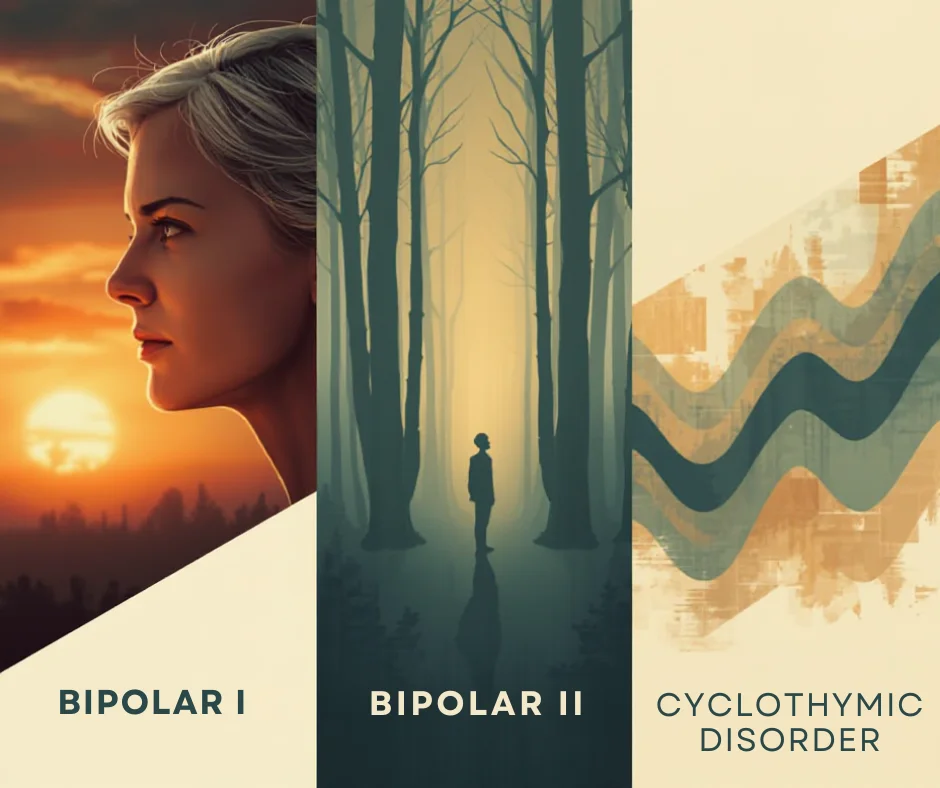
There are three primary types of this condition:
- Bipolar I: Defined by at least one manic episode that lasts at least seven days or is severe enough to require hospitalization.
- Bipolar II: Characterized by a pattern of depressive episodes and hypomanic episodes (but not full-blown mania).
- Cyclothymic Disorder: A milder, chronic form of mood cycling that lasts for at least two years.
What Are the Main Symptoms of Bipolar Disorder?
When patients ask, “What are the symptoms of bipolar disorder?” I break it down into two distinct phases. You cannot have a bipolar diagnosis without at least one period of elevated mood (mania or hypomania).
1. Manic and Hypomanic Symptoms
Mania is more than just “high energy.” It is a state of intense physiological arousal. What are the main symptoms of bipolar disorder during a manic phase?
- Elevated Mood: Feeling “on top of the world” or excessively irritable.
- Decreased Need for Sleep: Feeling fully rested after only 2 or 3 hours of sleep (or no sleep at all).
- Racing Thoughts: Known as “flight of ideas,” where the mind jumps rapidly from one topic to another.
- Impulsivity: Spending excessive money, engaging in risky sexual encounters, or making grand business plans.
2. Depressive Symptoms
The “low” phase is often what brings people into my office. Bipolar depression is frequently more paralyzing than standard unipolar depression.
- Profound Sadness: A feeling of emptiness or hopelessness that won’t lift.
- Fatigue: Feeling like your limbs are made of lead; sleeping too much.
- Cognitive Issues: Difficulty concentrating or making simple decisions, like what to eat.
- Suicidal Ideation: Thoughts that the world would be better off without you. (Please seek help immediately if this occurs).
10 Bipolar Disorder Symptoms Checklist
This 10 bipolar disorder symptoms checklist is a tool for self-reflection, not a final diagnosis. If you check off several of these, it’s time to speak with a specialist.
- Reduced sleep needs: Do you go days with little sleep but have “too much” energy?
- Pressured speech: Do you talk so fast that others can’t interrupt you?
- Unusual impulsivity: Have you made “out of character” choices lately?
- Grandiosity: Do you feel you have special powers or a “destiny” that others don’t understand?
- Anhedonia: Have you lost interest in everything you used to love?
- Psychomotor agitation: Do you feel a physical need to keep moving or pacing?
- Hypersexuality: An intense, distracting increase in sexual drive.
- Brain Fog: Feeling like your thoughts are moving through molasses.
- Social Withdrawal: Hiding from friends and family for weeks at a time.
- Irritability: Snapping at loved ones over very minor issues.
Note: These manic bipolar symptoms must represent a distinct change from your “normal” self to be considered a clinical episode.
How a Person With Bipolar Disorder Thinks

To understand what is a bipolar person like, you have to look at their internal narrative. How a person with bipolar thinks changes depending on their current “pole.”
During mania, the brain is “over-connected.” You might see patterns where none exist. You feel “brilliant,” and your confidence is bulletproof. This is often called “lack of insight”—the person doesn’t realize they are ill because they feel better than ever.
In contrast, during depression, the brain’s “filter” is purely negative. A person might believe they are worthless or that their family hates them, despite evidence to the contrary. These are cognitive distortions. They aren’t “lying”; their brain is simply providing them with false, painful data.
Bipolar Symptoms in Women
Gender plays a significant role in how the disorder manifests. Bipolar symptoms in women are often dominated by depression and “mixed states.”
When do bipolar symptoms start in women? While it typically emerges in the late teens or early 20s, many women see a spike in symptoms during hormonal shifts. This includes the menstrual cycle, pregnancy, and menopause. In fact, many women are first diagnosed after a “postpartum onset” of mania or severe depression.
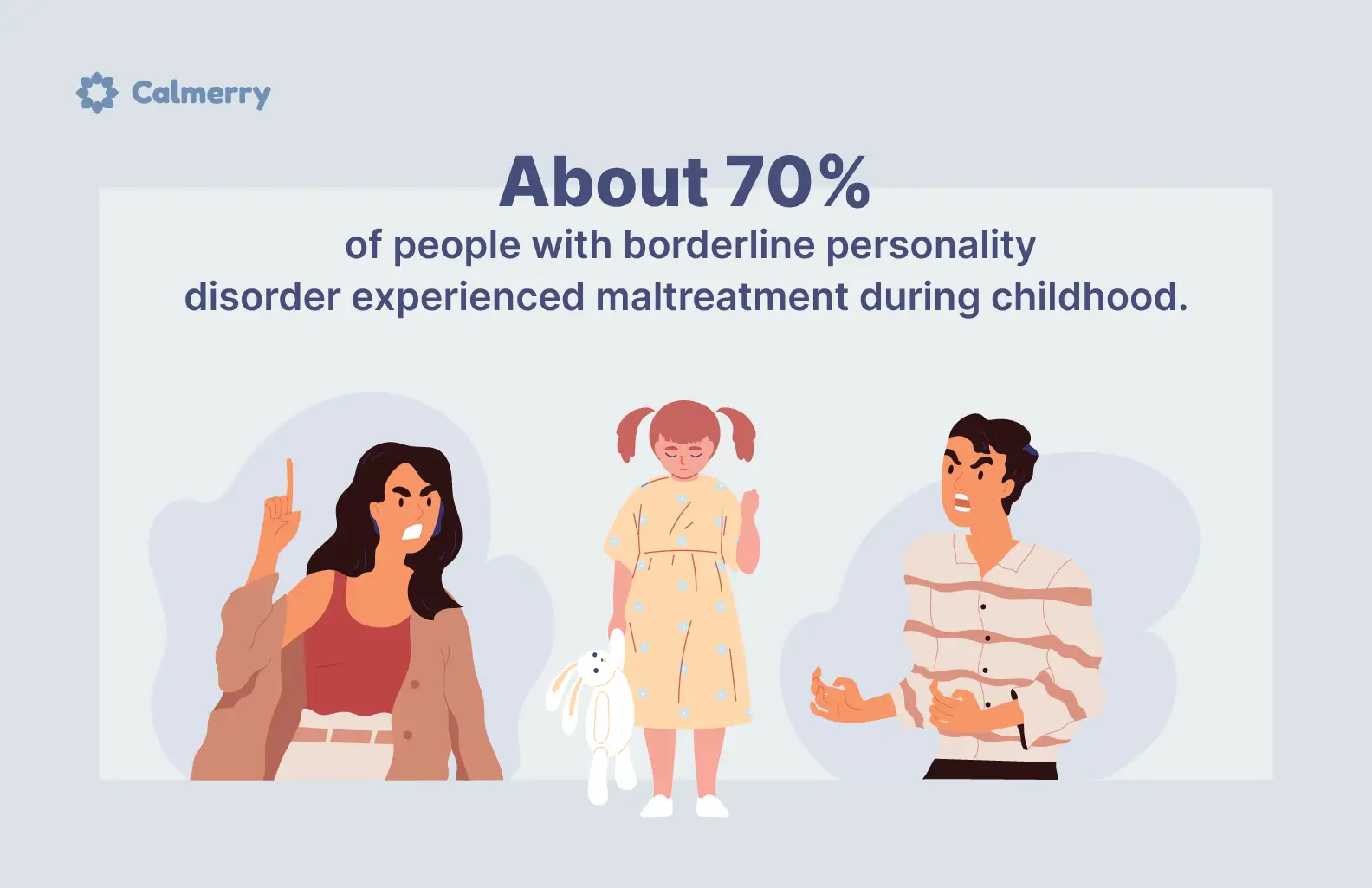
Because bipolar disorder symptoms in females often lean toward the “low” side, many are misdiagnosed with clinical depression or borderline personality disorder for years before the correct diagnosis is found.
Bipolar Symptoms in Men
While the prevalence is similar between genders, bipolar symptoms in men often take a different path. Statistically, bipolar symptoms in adult men are more likely to manifest as intense mania rather than depression. This can make the disorder appear “aggressive” or purely behavioral to an outside observer.
In my practice, I often see men express their manic energy through extreme risk-taking. This might look like gambling, sudden substance abuse, or explosive irritability. Because men are often socialized to hide sadness, their depressive phases may present as “boredom” or social withdrawal rather than overt crying. This often leads to a delayed diagnosis, as the behavior is dismissed as a “personality quirk” or “rebellion” rather than a biological mood shift.
Bipolar Symptoms in Teens and Children
Diagnosing younger patients is a delicate task. Bipolar symptoms in kids and bipolar symptoms in children under 10 rarely look like the “classic” adult version. Instead of sustained periods of euphoria, kids often show “ultra-rapid cycling.”
In bipolar symptoms in teens, we look for:
- Extreme Irritability: Not just a “moody teenager,” but “explosive rage” that is out of proportion to the situation.
- Hyper-sexuality: Sexual behavior or talk that is inappropriate for their developmental age.
- Regression: A sudden drop in grades or a “loss” of social skills they previously had.
The biggest challenge is the overlap with ADHD. However, while ADHD is a constant state of distractibility, bipolar disorder is episodic. There is a “baseline” where the child acts normally, followed by a distinct “episode” where the behavior changes.
Bipolar Symptoms in Older Adults
When bipolar symptoms in older adults appear for the first time, we call it “late-onset.” This is relatively rare and often requires a neurological workup to rule out other issues. In seniors, mania might not look “happy”; it often looks like confusion or extreme agitation.
There is also a significant cognitive overlap with dementia. A senior in a bipolar depressive phase may struggle with memory and focus so much that it mimics early Alzheimer’s. Furthermore, older adults are more sensitive to medication. A dose of lithium that worked at age 40 might be too strong at age 75.
Bipolar II Symptoms vs. Bipolar I Symptoms
Understanding the difference between bipolar 1 and 2 is crucial for treatment. The primary distinction lies in the intensity of the “highs.”
Bipolar 2 symptoms involve “hypomania.” This is a “low-grade” mania. You might be incredibly productive, talkative, and energized, but you don’t lose touch with reality. You can still hold down a job, though your friends might notice you are “revved up.”
In contrast, type 2 bipolar symptoms involve much longer and deeper depressive episodes. Patients with Bipolar II often spend significantly more time in the “basement” of depression than those with Bipolar I.
Bipolar I vs. Bipolar II Comparison
| Feature | Bipolar I | Bipolar II |
| High Phase | Full Mania (can include psychosis) | Hypomania (no psychosis) |
| Duration | Mania lasts at least 7 days | Hypomania lasts at least 4 days |
| Hospitalization | Often required during mania | Rarely required for hypomania |
| Depression | Common but not “required” for diagnosis | Required for diagnosis; often severe |
Mixed Episodes & Rapid Cycling Bipolar Symptoms
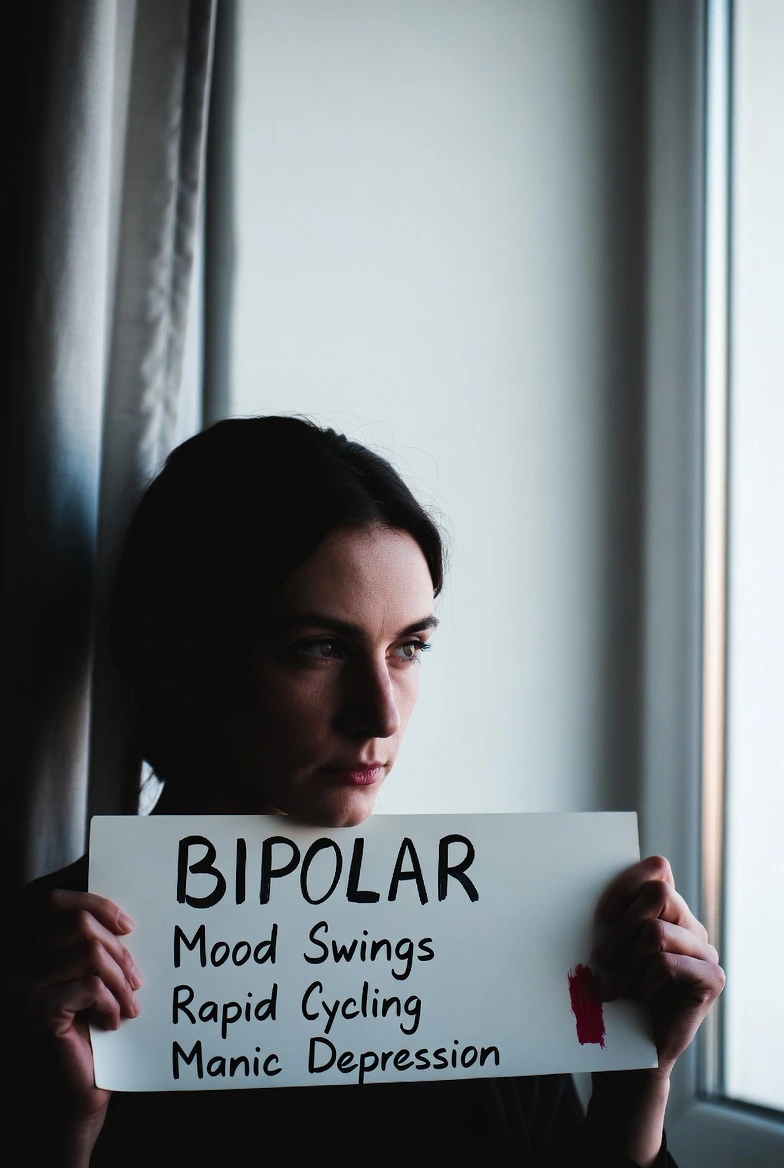
One of the most dangerous states in psychiatry is the “mixed state.” Mixed episode bipolar symptoms occur when you have the energy of mania combined with the hopelessness of depression. Imagine feeling suicidal but having the “racing engine” to actually act on it. This is why mixed states require immediate clinical intervention.
Rapid cycling bipolar symptoms involve having four or more mood episodes within a single year. This pattern is often triggered by sleep deprivation, high stress, or the improper use of antidepressants without a mood stabilizer.
ADHD and Bipolar Symptoms: How to Tell the Difference
Because both involve distractibility and high energy, adhd and bipolar symptoms are often confused. However, as an MD, I look for a few key differences:
- Consistency: ADHD is “trait-based”—it is there almost every day from childhood. Bipolar is “episodic”—it comes in waves.
- Sleep: A person with ADHD wants to sleep but can’t quiet their mind. A person in a bipolar manic phase simply doesn’t feel the need to sleep.
- Mood: ADHD involves emotional dysregulation (getting frustrated easily), but it doesn’t usually involve the “grandiose” belief that you have super-powers or millions of dollars.
What Causes Bipolar Disorder?
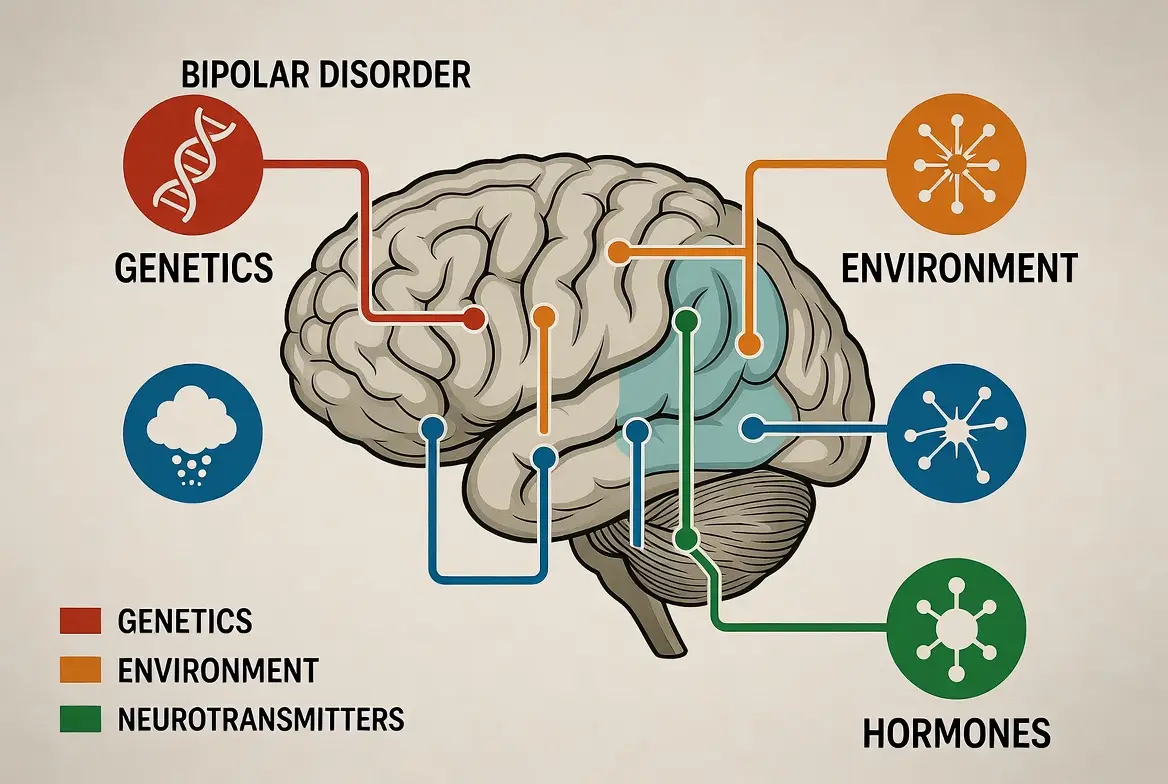
When I sit down with a newly diagnosed patient, the first question is usually, “How did this happen?” The answer is a complex “biopsychosocial” puzzle. What causes bipolar disorder isn’t a single “glitch” but a combination of factors.
- Genetics: This is one of the most heritable mental health conditions. If a parent has it, the risk for the child is significantly higher, though not guaranteed.
- Brain Chemistry: Imbalances in neurotransmitters like dopamine (too much in mania) and serotonin (too little in depression) play a role.
- Biological Rhythms: The brain’s “circadian rhythm” (internal clock) is often fragile. This is why travel or seasonal changes can trigger episodes.
- Stress & Trauma: While not a direct cause, severe stress can act as the “spark” that ignites a latent genetic predisposition.
Understanding what are the triggers for bipolar disorder is key to prevention. Common triggers include lack of sleep, substance use (especially stimulants), and major life changes—even “happy” ones like a wedding or a promotion.
When Do Bipolar Symptoms Start?
Timing is everything in psychiatry. When do bipolar symptoms start? For the vast majority, the first signs appear between the ages of 15 and 25. However, it is rarely diagnosed immediately.
In many cases, the first episode is depressive. Because a doctor sees a “sad patient,” they prescribe a standard antidepressant. If that patient has bipolar disorder, the antidepressant can “flip” them into their first manic episode. When do bipolar symptoms start in women? As mentioned earlier, it often aligns with puberty or, later, during the hormonal shifts of the postpartum period. Early warning signs—known as “prodromal” symptoms—include social withdrawal or sudden, intense interest in new hobbies.
Bipolar Symptoms & Self-Testing (Non-Diagnostic)
If you are searching for a bipolar test or a bipolar symptoms test, you are likely looking for clarity. While an online quiz cannot give you a diagnosis, it can help you organize your thoughts before seeing a doctor.
Signs of Bipolar Disorder: When Should You Take a Self-Test? If you have noticed “clusters” of symptoms—like three days of no sleep followed by two weeks of being unable to get out of bed—a self-test like the Mood Disorder Questionnaire (MDQ) is a great starting point. Could You Have Bipolar Disorder? Key Symptoms to Watch For include a feeling of being “on a different frequency” than everyone else. Use these tools as a bridge to a professional conversation, not as a final answer.
Treatment Options for Bipolar Disorder
The good news is that treatment for bipolar disorder is highly effective. We now have more interventions for bipolar disorder than ever before.
1 Medications
Medication is the cornerstone of treatment because this is a biological condition.
- Lithium for bipolar disorder: Still the gold standard for preventing both mania and suicide.
- Antipsychotics: Drugs like Quetiapine or Aripiprazole are often used for bipolar 2 medication to stabilize “hypomania” and lift depression.
- Bipolar injection: For those who struggle with daily pills, long-acting injectable (LAI) antipsychotics can provide stability for a full month.
2 Psychotherapy
Medicine fixes the “chemistry,” but psychotherapy for bipolar disorder fixes the “life.” A bipolar therapist usually focuses on:
- CBT (Cognitive Behavioral Therapy): Identifying the “lies” your brain tells you during episodes.
- IPSRT (Interpersonal and Social Rhythm Therapy): Protecting your sleep and daily routines like they are sacred.
Evidence-Based Guidelines & Medications (CANMAT)
In the medical community, we follow the CANMAT bipolar guidelines (Canadian Network for Mood and Anxiety Treatments). These are the most respected evidence-based rules for prescribing.
The best medicine for bipolar depends on your specific subtype. However, a major “red flag” in the guidelines is the use of antidepressants alone. The best antidepressant for bipolar is almost always one paired with a “mood stabilizer” (like Lithium or Valproate). Without the stabilizer, an antidepressant is like putting high-octane fuel in a car with no brakes—it can lead directly to a manic crisis.
Can You Live a Normal Life With Bipolar Disorder?
One of the most frequent questions I receive in my clinic is, “Can you live a normal life with bipolar?” The answer is a resounding yes. However, I often qualify this by saying it requires a “new normal” based on self-awareness.
Many high-achieving individuals—doctors, lawyers, artists, and CEOs—live with this condition. The key to their success is usually “radical adherence” to their treatment plan. When you manage your bipolar symptoms effectively, you aren’t “dull” or “numbed”; you are simply protected from the devastating crashes that can destroy careers and relationships.
Living a normal life means prioritizing sleep, avoiding substance use that destabilizes brain chemistry, and having a “relapse prevention plan” in place. With these guardrails, the disorder becomes a manageable part of your life rather than the center of it.
Finding Help: Specialists and Next Steps
If you recognize yourself in this guide, your next step is to find a bipolar specialist near me. General practitioners are excellent, but bipolar disorder is complex and often requires a psychiatrist who specializes in mood disorders.
- Psychiatry vs. Therapy: You likely need both. A psychiatrist manages the “hardware” (medication), while a therapist helps with the “software” (coping skills and triggers).
- Urgent Care: If you are in a manic “flight” or a deep depressive “sink,” do not wait for a scheduled appointment. Use crisis hotlines or urgent mental health clinics.
- Support Groups: Organizations like NAMI (National Alliance on Mental Illness) offer peer support that can reduce the isolation often felt after a diagnosis.
Frequently Asked Questions
What are 5 signs of a person that is bipolar?
While symptoms vary, five classic signs include: 1) Decreased need for sleep without feeling tired, 2) Rapid or “pressured” speech, 3) Extreme shifts in confidence (grandiosity to worthlessness), 4) Increased physical agitation or “pacing,” and 5) Risky impulsive behaviors.
What are the triggers for bipolar disorder?
The most common triggers are sleep deprivation, major life stressors (loss of a job or a breakup), substance use (alcohol and stimulants), and even seasonal light changes.
What are symptoms of bipolar depression?
Bipolar depression often feels “heavier” than standard depression. Symptoms include intense lethargy, sleeping too much (hypersomnia), feeling “slowed down” physically, and a total loss of pleasure in activities.
Is bipolar disorder lifelong?
Yes, it is a chronic condition. However, like diabetes or hypertension, it can be managed so effectively that it goes into long-term remission. “Lifelong” does not mean “constantly suffering.”
Can bipolar symptoms be mild?
Yes. This is often seen in Cyclothymia or Bipolar II, where the “highs” are hypomanic and might just feel like a period of high productivity and good mood. However, even mild symptoms require management to prevent them from worsening over time.
Evidence-Based References
- American Psychiatric Association.
- Yatham, L. N., et al.
- National Institute of Mental Health (NIMH).
- Vieta, E., et al.

Related Posts



Subscribe to Our Newsletter
Get mental health tips, updates, and resources delivered to your inbox.
MORE from Author
Read More Watching someone you care about struggle with bipolar depression and anxiety can be heartbreaking. You may notice that they withdraw…
 In my practice as a clinical psychologist, I often observe that the difference between a patient who crumbles under pressure…
 We all have "up" days and "down" days. Perhaps you feel energized after a promotion or sluggish on a rainy…
 To define bipolar disorder accurately, we must look at it as a chronic mood dysregulation condition. In psychology and medicine,…
Are you looking for a Therapist?
Connect with qualified mental health professionals who understand
bipolar disorder, mood changes, and emotional challenges.
Private • Supportive • Confidential