
Is Bipolar Disorder Neurodivergent? Understanding Neurodiversity, Mental Illness, and Treatment

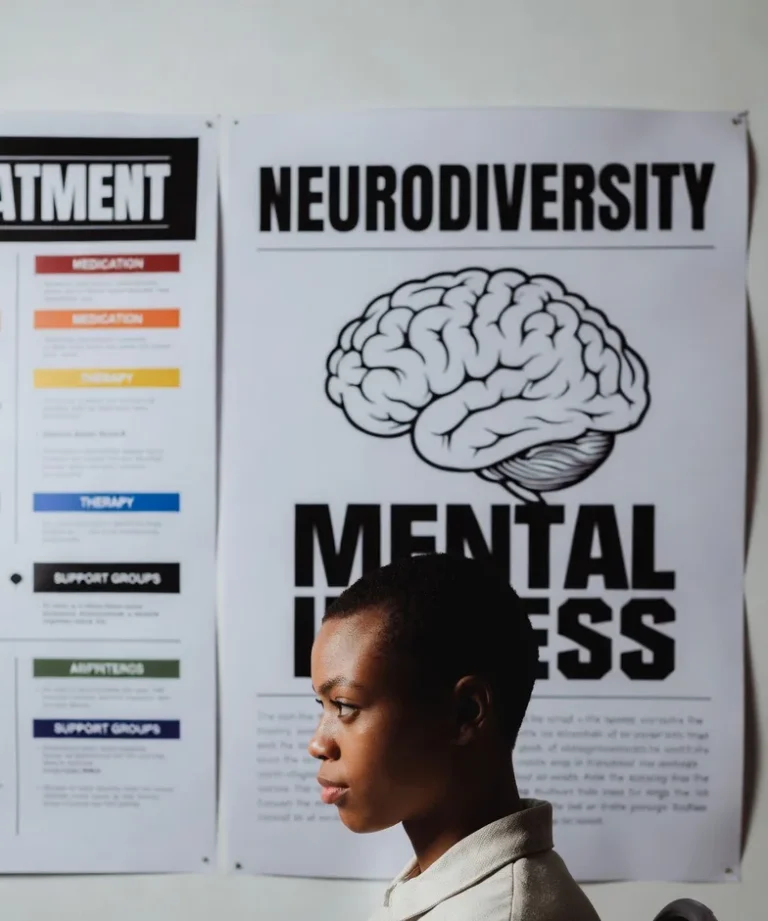
To answer whether bipolar fits the bill, we first have to define what a neurodivergent person actually is. The term “neurodiversity” was coined in the late 1990s by sociologist Judy Singer. Her goal was to shift the focus from “disability” to “diversity,” suggesting that differences in brain function are natural variations in the human genome, much like biodiversity in an ecosystem.
Neurodiversity vs. Mental Illness
There is often a tug-of-war between the terms “neurodivergent” and “mentally ill.” Traditionally, what conditions are considered neurodivergent included those present from birth—neurodevelopmental conditions like Autism and ADHD. These were seen as a “different operating system.”
In contrast, “mental illness” was traditionally reserved for conditions that were seen as “episodic” or “acquired,” such as depression or anxiety. However, the line has blurred. In 2026, many clinicians recognize that if a condition involves a fundamental, lifelong difference in brain structure and information processing, it qualifies as neurodivergence.
- Brain-based differences: Neurodivergence focuses on the hard-wiring.
- Episodic illness: Mental illness often focuses on the symptoms or “flares.”
Why Definitions Vary
The definition of neurodivergence is social and political as much as it is medical. Because it is not a formal diagnosis found in the DSM-5-TR (Diagnostic and Statistical Manual of Mental Disorders), its boundaries are flexible. This leads to the central debate: is bipolar neurodivergent or a mental illness? The answer, quite often, is both.
Is Bipolar Disorder Neurodivergent or a Mental Illness?
When we look at is bipolar disorder considered neurodivergent, we have to look at how the medical community classifies it versus how the community perceives it.
How Bipolar Disorder Is Classified Medically
Medically, bipolar disorder remains categorized as a Mood Disorder in the DSM-5-TR. It is defined by shifts in mood, energy, and activity levels. Clinicians look for specific criteria—mania, hypomania, and major depression—to make a diagnosis.
Unlike Autism, which is labeled a “neurodevelopmental disorder,” bipolar is often seen as something that “emerges” in late adolescence or early adulthood. Because it isn’t always apparent from toddlerhood, some medical traditionalists argue it isn’t neurodivergent.
What Category Does Bipolar Fall Under?
The Short Answer: Bipolar disorder is medically a mental illness and a mood disorder, but it is increasingly accepted as a form of neurodivergence. This is because research shows that even between mood episodes (a state called euthymia), the bipolar brain processes dopamine, sensory input, and emotional regulation differently than a “neurotypical” brain.
Why Do Some People Consider Bipolar Disorder Neurodivergent?
If you ask why is bipolar neurodivergent, you have to look at the “hidden” symptoms that persist even when a person isn’t in a manic or depressive state.
Brain Function, Mood Regulation, and Neurobiology
How is bipolar neurodivergent? The proof lies in the neurobiology. Modern neuroimaging in 2026 shows that people with bipolar disorder often have:
- Reduced Gray Matter: Specifically in areas related to executive function and emotional inhibition.
- Connectivity Differences: The “wiring” between the amygdala (the emotional center) and the prefrontal cortex (the logical center) is often less robust, leading to the intense emotional responses that define the condition.
- Dopamine Sensitivity: The brain’s reward system is often hyper-reactive, which explains the “highs” of mania.
Bipolar Neurodivergence Examples
Many people with bipolar disorder identify as neurodivergent because their lived experience goes beyond “mood.”
- Emotional Intensity: Even when stable, many report feeling emotions more deeply than their peers—a “thin-skinned” sensitivity to the world.
- Creativity and Divergent Thinking: During euthymic or mildly hypomanic periods, many individuals show a high capacity for “out-of-the-box” thinking and rapid problem-solving.
- Sensory Sensitivity: Similar to Autistic individuals, some people with bipolar disorder experience sensory overload—finding certain lights, sounds, or textures overwhelming during periods of high stress.
Is Bipolar Disorder on the Autism Spectrum?
A common misconception found online is the question: is bipolar on the autism spectrum? The answer is a definitive No. Bipolar disorder and Autism are distinct conditions with different diagnostic criteria and biological origins. However, the confusion is understandable because they share several “look-alike” symptoms:
- Social Withdrawal: Often seen in bipolar depression and Autistic burnout.
- Hyper-fixation: Seen in manic “projects” and Autistic special interests.
- Executive Dysfunction: Difficulty with planning, organizing, and starting tasks.
While they are not the same, it is very common for them to be comorbid. A significant percentage of Autistic adults also live with bipolar disorder, which may be why the two are frequently discussed in the same neurodivergent circles.
Which Conditions Are Commonly Considered Neurodivergent?
To understand the broader context, we should look at what mental illnesses count as neurodivergent in the current cultural climate. There is no “official” list, but the consensus usually includes:
- Is ADHD Neurodivergent? Yes. It is the most widely recognized form of neurodivergence alongside Autism.
- Is BPD (Borderline Personality Disorder) Neurodivergent? This is debated. Many in the BPD community are pushing for neurodivergent status because the condition involves a fundamental difference in emotional processing.
- Is Tourette’s Neurodivergent? Yes. It involves a clear neurological difference in motor and vocal tics.
- Is Schizophrenia Neurodivergent? Increasingly, yes. Like bipolar, it involves significant differences in how the brain filters reality and information.
The takeaway: There is no universal consensus. Neurodivergence is often an identity that people choose to adopt to better describe their experience of the world.
What Disorders Were in Axis I? (DSM-IV Context)
For those who were diagnosed a long time ago, you might remember the term “Axis 1.” What disorders are in Axis 1? In the older DSM-IV system, mental health was divided into different “axes.”
- Axis I: Clinical disorders, including Bipolar Disorder, Schizophrenia, and Major Depression.
- Axis II: Personality disorders and Intellectual Disabilities.
The medical community moved away from this system in the DSM-5 because it suggested that Axis I disorders were “temporary” or “fixable” while Axis II was “permanent.” By removing the axes, medicine acknowledged that conditions like bipolar disorder are lifelong, deeply ingrained aspects of a person’s biology—further supporting the argument for neurodivergence.
Is Bipolar Disorder Neurodivergent? A Clear Summary Answer
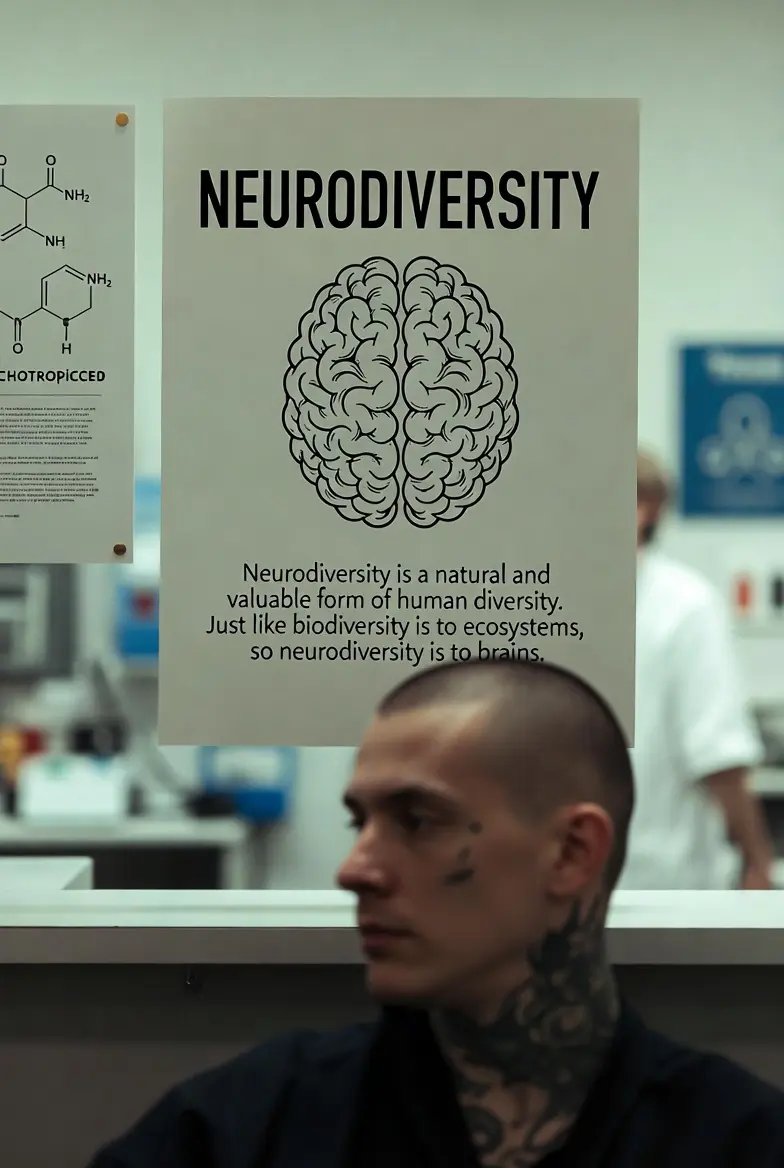
If you spend any time on Reddit, you will see a heated debate regarding this topic. Many users argue that the neurodivergent label helps them find community, while others feel that calling it “neurodivergence” minimizes the life-threatening nature of the illness.
The most accurate summary in 2026 is this: Bipolar disorder is a condition of neurodivergence because it involves a permanent, physiological difference in how the brain processes information and regulates emotion. However, unlike Autism or Dyslexia, it is also a clinical mental illness because it often requires pharmacological intervention to prevent severe disability or death.
Why Reddit and Social Media Disagree
The disagreement often stems from a conflict between the Identity Model and the Medical Model.
- Identity Model: Sees bipolar as a part of who you are—a different way of experiencing the world that can even have “perks” like creativity or high energy.
- Medical Model: Sees bipolar as a pathology—a “broken” mood regulator that must be fixed with medicine.
Most modern advocates argue that we don’t have to choose. You can be neurodivergent (identity) and still seek medical treatment for your illness (medical).
What Happens When You Ignore a Bipolar Person?
Understanding the social impact of this neurodivergence is crucial. A common search query is, “what happens when you ignore a bipolar person?” The answer depends entirely on which “pole” the person is currently experiencing.
During a Depressive Episode
When someone is in a bipolar depression, their brain is often in “survival mode.” Ignoring them can reinforce a core belief of worthlessness. Because many neurodivergent individuals also struggle with Rejection Sensitive Dysphoria (RSD), being ignored can feel like physical pain. It may cause them to spiral deeper into isolation.
During a Manic Episode
In mania, the brain’s “brakes” are cut. If you ignore a manic person’s dangerous behavior, you are not necessarily helping, but directly confronting them can sometimes lead to “redirected aggression.” The best approach is usually “compassionate boundary setting”—not ignoring the human, but ignoring the “noise” of the mania while ensuring they are safe.
The Impact of Emotional Invalidation
Whether it’s mania or depression, ignoring the reality of their experience is often seen as a form of “gaslighting.” In the neurodiversity community, “masking” (trying to act neurotypical) is exhausting. When a bipolar person stops masking and shows their true struggle, being ignored can be a devastating blow to their recovery.
Signs of Bipolar Disorder — When Should You Take a Self-Test?
If you are reading about neurodivergence and find yourself relating to these “brain-based differences,” you might be asking: Could You Have Bipolar Disorder? Recognizing the Signs of Bipolar Disorder: When Should You Take a Self-Test? is about looking at your life in “chapters.” Bipolar disorder is rarely about how you feel in a single hour; it is about how you feel over the course of days and weeks.
Medical Disclaimer: An online self-test is a screening tool, not a diagnosis. A “positive” result on a self-test means you should schedule an appointment with a psychiatrist for a full clinical evaluation.
Key Symptoms to Watch For
If you experience the following patterns, it may be time to seek a professional opinion:
- Periods of “High” Energy: Do you have at least four days where you feel “on top of the world,” need very little sleep, and find yourself starting five new projects at once?
- The “Crash”: Do these high periods always end in weeks of “brain fog,” lethargy, and a total loss of interest in hobbies?
- Pressured Speech: Do people often tell you that you are talking too fast or that they can’t “get a word in edgewise”?
- Impulsivity: Have you made major life decisions (quitting a job, spending thousands of dollars) that you later regretted once your mood “leveled out”?
What Is the Difference Between Bipolar 1 and Bipolar 2?
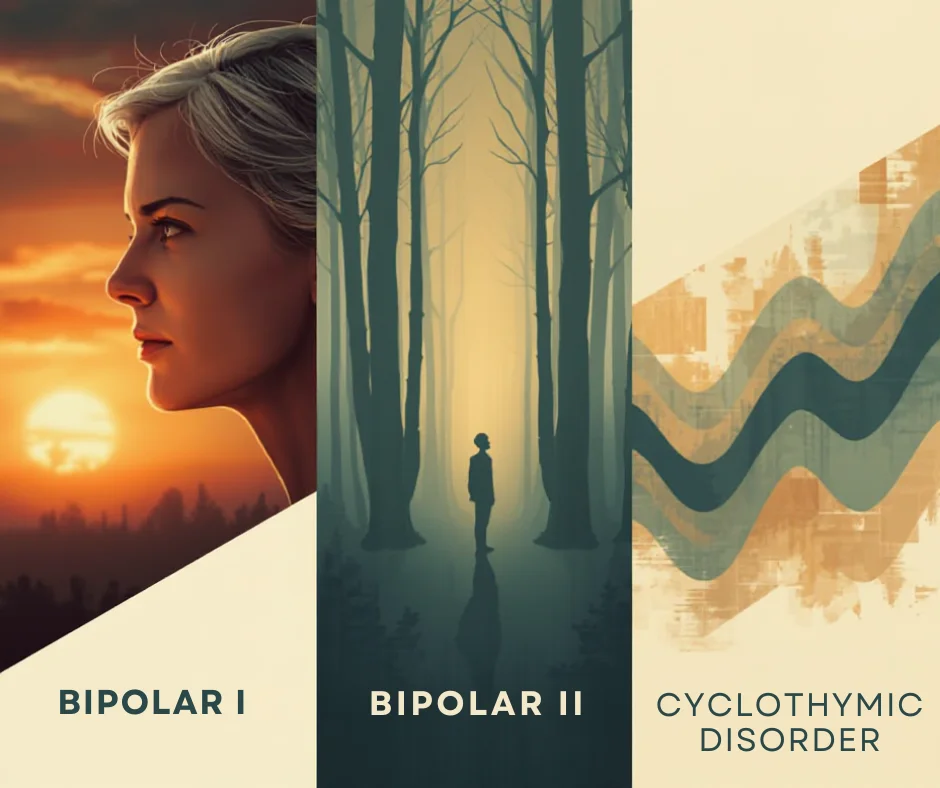
One of the most important distinctions in psychiatry is What Is the Difference Between Bipolar 1 and 2? While they are both under the bipolar umbrella, they manifest differently in the brain’s “wiring.”
Bipolar 1: The “High” Peak
Bipolar 1 is defined by the presence of at least one manic episode.
- The Intensity: Mania in Bipolar 1 is extreme. It often involves psychosis (hallucinations or delusions) and almost always requires hospitalization to keep the person safe.
- The Duration: A manic episode lasts at least one week, though it can go on for months if untreated.
- Depression: While depression is almost always present, it is not technically required for a Bipolar 1 diagnosis.
Bipolar 2: The “Low” Depth
Bipolar 2 is often misunderstood as “Bipolar Lite,” but this is a dangerous myth.
- Hypomania: Instead of full mania, Type 2 involves hypomania—a “revved up” state that is noticeable to others but doesn’t involve a total break from reality.
- Chronic Depression: The “divergence” in Bipolar 2 is heavily weighted toward the low end. People with Type 2 often spend significantly more time in debilitating depression than those with Type 1.
- The Risk: Because Bipolar 2 is often misdiagnosed as “just depression,” patients are sometimes given antidepressants alone, which can trigger a dangerous “switch” into a mixed state.
Treatment Implications
Because the “ceiling” and the “floor” are different for these two types, the bipolar 2 medication list often looks different than the Bipolar 1 list. Type 1 treatment focuses heavily on “capping” the mania (antipsychotics and lithium), while Type 2 focuses more on “lifting” the depression (lamotrigine and specialized antidepressants).
Bipolar Disorder Treatment Options
Because bipolar disorder involves a biological “mismatch” in brain signaling, treatment is rarely about “fixing” a person to be neurotypical. Instead, bipolar disorder treatment options in 2026 are focused on mood stabilization—creating a steady foundation so that the individual’s neurodivergent traits (like creativity or high energy) don’t become destructive.
Medication-Based Treatments
For the vast majority of people on the bipolar spectrum, medication is the “primary intervention.” It acts as a chemical buffer that prevents the brain from entering the “red zone” of mania or the “black hole” of depression.
- Mood Stabilizers: These are the traditional first-line defenses. They help reduce the frequency and severity of episodes.
- Atypical Antipsychotics: These work quickly to curb dopamine activity during mania and are increasingly used as the best medicine for bipolar depression as well.
- Antidepressants: These are used with extreme caution. Taking a best antidepressant for bipolar without a stabilizer is often compared to “putting a rocket engine on a car with no brakes”—it can lead to a disastrous manic switch.
Lithium for Bipolar Disorder
Even after 70 years of use, lithium for bipolar disorder remains the “gold standard.” It is unique because it is a naturally occurring element that profoundly affects the brain’s signaling pathways.
- The Neuroprotective Effect: Research suggests Lithium may actually help “regrow” gray matter in certain areas of the brain, making it a powerful tool for long-term neurodivergent health.
- Suicide Prevention: It is one of the only medications in psychiatry proven to significantly reduce the risk of suicide.
Bipolar Injections (Long-Acting Medications)
For many neurodivergent individuals, executive dysfunction makes taking a daily pill difficult. This is where a bipolar injection (also known as a Long-Acting Injectable or LAI) can be life-changing.
- Consistency: These injections (like Abilify Maintena or Aristada) last for 4 to 8 weeks.
- Freedom: They remove the daily “reminder” of the illness, allowing the person to focus on their life rather than their diagnosis.
Best Medications for Bipolar Disorder
When patients ask for the best medicine for bipolar, clinicians look at the specific “flavor” of the disorder.
Best Bipolar 2 Medication
Because Bipolar 2 is characterized by deep, recurring “lows,” the bipolar 2 medication of choice is often Lamotrigine (Lamictal).
- It is particularly effective at “lifting” the floor of depression without the high risk of a manic switch.
- Other options include Lurasidone (Latuda) and Quetiapine (Seroquel), which are FDA-approved specifically for the depressive cycles of Type 2.
Managing Bipolar Depression
Bipolar depression treatment is notoriously difficult. Standard SSRIs often fail. Modern interventions include:
- Cariprazine (Vraylar): A newer antipsychotic that treats both poles effectively.
- Symbyax: A combination of an antidepressant and an antipsychotic in one pill.
- Lumateperone (Caplyta): A 2026-favorite for its low side-effect profile regarding weight gain and movement disorders.
Psychotherapy and Supportive Care
Medication handles the “hardware” of the brain, but psychotherapy for bipolar disorder handles the “software.” It helps the neurodivergent individual navigate a world designed for neurotypicals.
Cognitive Behavioral Therapy (CBT)
CBT helps individuals identify the “cognitive distortions” that occur during a mood shift. For example, during mania, a person might think, “I am a god and don’t need sleep.” CBT provides the tools to challenge that thought before it leads to a dangerous action.
Interpersonal and Social Rhythm Therapy (IPSRT)
IPSRT is arguably the most important therapy for bipolar neurodivergence. It focuses on the circadian rhythm.
- Social Zeitgebers: The therapy helps you stabilize the timing of your sleep, meals, and social interactions.
- The Theory: If your daily rhythm is steady, your brain’s “thermostat” is less likely to break.
Finding a Bipolar Specialist Near You
Bipolar disorder is a specialized field. If you are seeking a diagnosis or a change in treatment, you need a bipolar specialist near me who understands the nuances of the spectrum.
Psychiatrist vs. Therapist
- The Psychiatrist (MD/DO): Focuses on the “medication-based treatments” and the biological side of the condition.
- The Bipolar Therapist: Focuses on the behavioral interventions, coping strategies, and the emotional impact of being neurodivergent.
What to Look For
When searching for a specialist, ask if they follow the CANMAT bipolar guidelines. A good specialist will not just prescribe a pill; they will look at your sleep hygiene, your trauma history, and your creative goals.
CANMAT Guidelines and Evidence-Based Care
In 2026, the “Bible” for bipolar treatment is the CANMAT (Canadian Network for Mood and Anxiety Treatments) guidelines.
- Why they matter: They provide a clear “if this, then that” hierarchy for doctors based on the latest scientific evidence.
- The Hierarchy: CANMAT ranks treatments by “Levels.” Level 1 treatments (like Lithium, Quetiapine, and Valproate) have the strongest evidence, while Level 4 treatments are considered experimental.
Frequently Asked Questions
Is bipolar disorder neurodivergent?
Yes. Bipolar disorder involves a permanent, physiological difference in brain structure and neurotransmitter processing. While it is also a clinical mental illness, it fits the broad definition of neurodivergence.
Can you identify as neurodivergent with bipolar?
Absolutely. Many people find that the “neurodivergent” label is less stigmatizing than “mentally ill” and helps them connect with communities that value brain diversity.
Is bipolar on the autism spectrum?
No. While they share some overlapping traits like sensory sensitivity or executive dysfunction, they are separate conditions with different biological origins.
Can bipolar be treated without medication?
While lifestyle changes and therapy are vital, most clinical evidence suggests that interventions for bipolar disorder must include medication to safely manage the extreme shifts in brain chemistry.
Conclusion: Embracing the Bipolar Brain
Is bipolar disorder neurodivergent? The answer is more than a simple “yes.” It is an invitation to see the bipolar brain not just as a collection of symptoms, but as a unique way of being in the world.
By combining the best medicine for bipolar with evidence-based psychotherapy for bipolar disorder, you can stabilize the “storms” without losing the unique spark that makes you, you. Whether you are following the CANMAT bipolar guidelines or exploring bipolar injections, remember that stability is not about becoming “normal”—it’s about becoming the healthiest version of your neurodivergent self.
Authoritative References
Related Posts



Subscribe to Our Newsletter
Get mental health tips, updates, and resources delivered to your inbox.
MORE from Author
Read More ADHD and depression often occur together, and each makes the other harder to live with. Adults with ADHD are almost…
 We all have "up" days and "down" days. Perhaps you feel energized after a promotion or sluggish on a rainy…
 To define bipolar disorder accurately, we must look at it as a chronic mood dysregulation condition. In psychology and medicine,…
Are you looking for a Therapist?
Connect with qualified mental health professionals who understand
bipolar disorder, mood changes, and emotional challenges.
Private • Supportive • Confidential