
Anxiety Medication: The Complete Guide to Options, Uses, and Alternatives

Medically reviewed by Carolina Estevez, Psy.D Updated Date: January 27, 2026
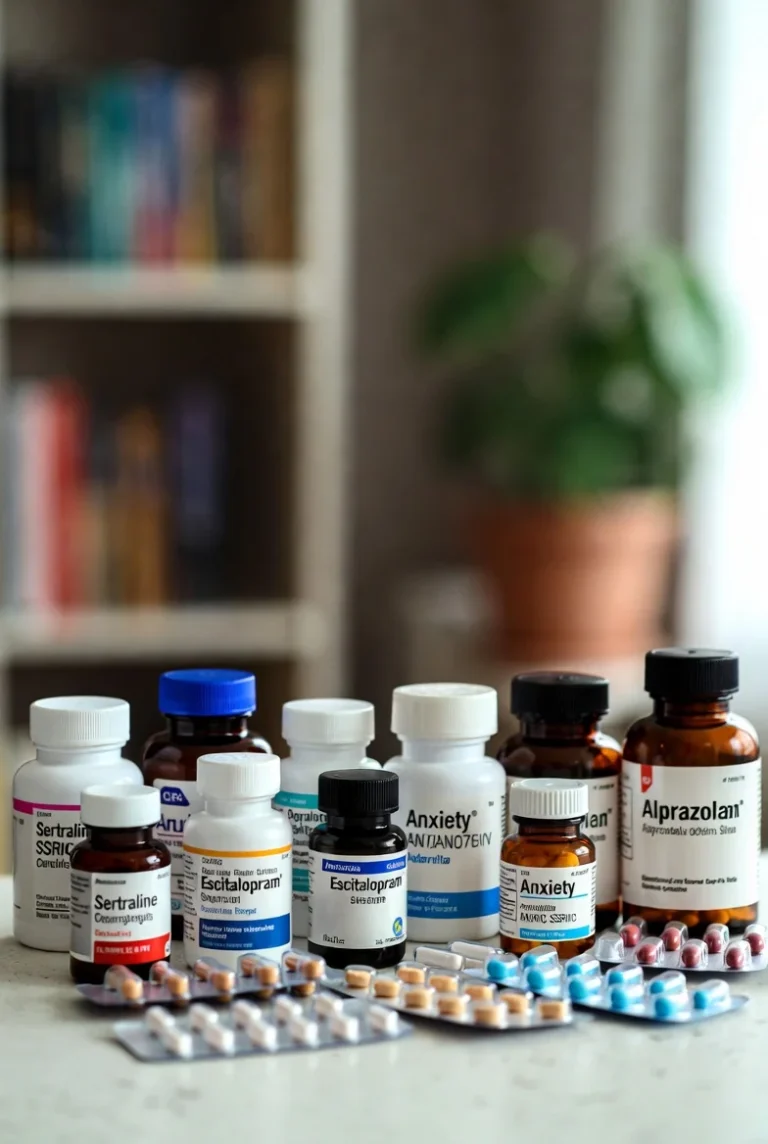
Anxiety is a natural human response—a biological alarm system designed to keep us safe from danger. However, for millions of people in 2026, this alarm system becomes “stuck” in the on position. When persistent worry, panic attacks, or social fears begin to interfere with your ability to work, maintain relationships, or enjoy daily life, it may be time to ask: is there medication for anxiety that can help?
Anxiety medication is a category of pharmaceutical tools designed to modulate the brain’s chemistry and physiological responses to stress. It is important to understand that medication is rarely a “cure” in the traditional sense; rather, it is a management tool. Think of it as a set of training wheels: it provides the stability necessary for you to engage in the hard work of therapy, lifestyle changes, and cognitive restructuring.
Medication vs. Therapy
Many people wonder what medication helps with anxiety most effectively compared to “talk therapy.” Clinical research consistently shows that for moderate to severe anxiety, a combination of medication and Cognitive Behavioral Therapy (CBT) often yields the best long-term results. While therapy addresses the roots of anxious thought patterns, anti-anxiety medication addresses the symptoms—the racing heart, the sleepless nights, and the paralyzing physical dread.
Setting Realistic Expectations
Anxiety treatment is highly individualized. What works for one person may not work for another. Safety is paramount; while these medications are generally safe when monitored by a professional, they are not without risks, including side effects and, in some cases, the potential for dependency. This guide aims to provide a clear, evidence-based roadmap so you can have an informed conversation with your healthcare provider.
What Does Anxiety Medication Do & How It Works
To understand how does anxiety medication work, we have to look at the brain’s chemical messengers, known as neurotransmitters. In an anxious brain, the delicate balance between “excitatory” signals (which rev you up) and “inhibitory” signals (which calm you down) is often disrupted.
The Role of Neurotransmitters
Most anxiety prescription medications target one of three primary chemical systems:
- Serotonin: Often called the “feel-good” hormone, serotonin helps regulate mood, sleep, and emotional stability.
- GABA (Gamma-Aminobutyric Acid): This is the brain’s primary inhibitory neurotransmitter. If the brain were a car, GABA would be the brakes. It slows down nerve activity to induce calmness.
- Norepinephrine: This chemical is linked to the “fight-or-flight” response. Medications that modulate norepinephrine help manage the physical arousal associated with stress.
What Improvement Feels Like
If you are wondering what does anxiety medication feel like, it is rarely an overnight “high.” For long-term medications like SSRIs, improvement feels like a gradual lifting of a heavy fog. You might notice that things which used to trigger a spiral of worry now feel manageable. You still feel emotions, but they no longer “hijack” your nervous system. Conversely, fast-acting medications like benzodiazepines provide a more immediate sense of physical relaxation and mental quiet, often within 30 to 60 minutes.
Short-Term vs. Long-Term Effects
Do anxiety meds actually work? Yes, but they work on different timelines. Some are “maintenance” drugs meant to be taken daily to build up a steady level of support in your system, while others are “rescue” drugs used only during acute moments of panic.
Types of Anxiety Medications (Prescription Overview)
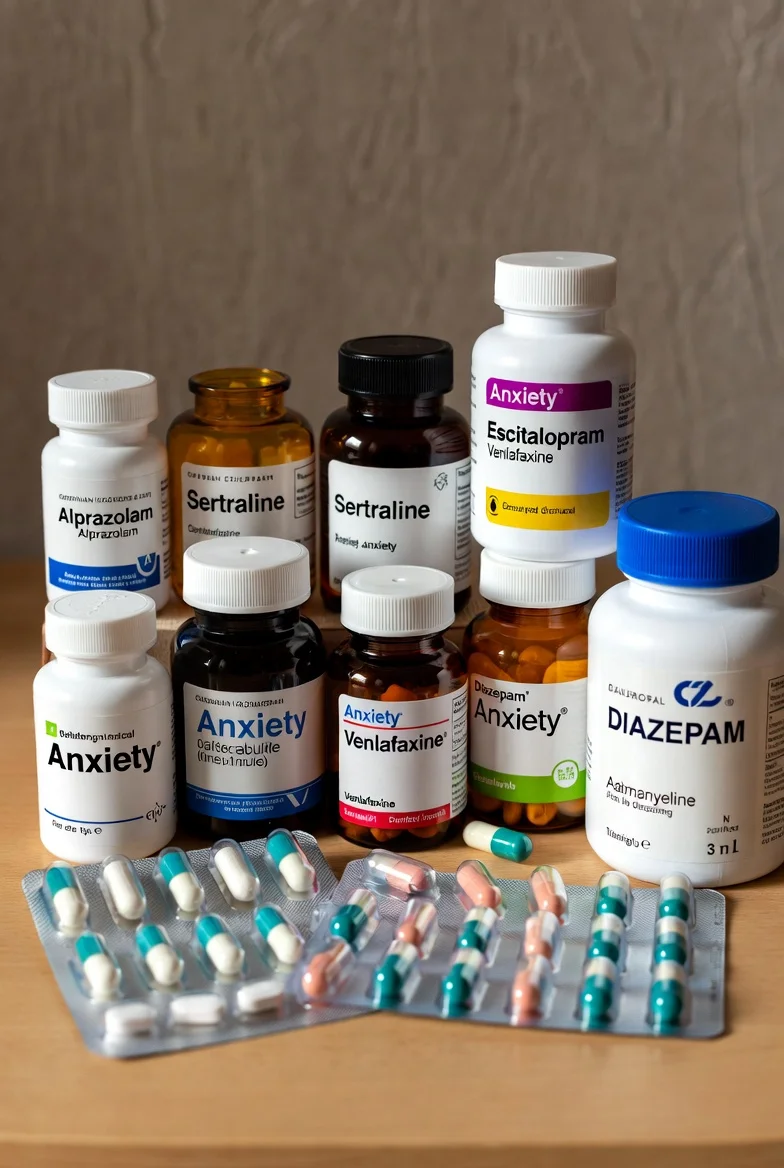
Navigating an anxiety medications list can be overwhelming due to the sheer number of anxiety medication names on the market. Most doctors categorize these drugs into five main classes based on their chemical structure and how they interact with the brain.
SSRIs (Selective Serotonin Reuptake Inhibitors)
SSRIs are typically the “first-line” treatment for most anxiety disorders. They work by blocking the reabsorption (reuptake) of serotonin in the brain, making more of this calming chemical available to send messages between neurons.
- Common Names: Sertraline (Zoloft), Escitalopram (Lexapro), Fluoxetine (Prozac).
- Best For: Generalized Anxiety Disorder (GAD), Panic Disorder, and Social Anxiety.
- Note: They can take 4 to 6 weeks to reach full effectiveness.
SNRIs (Serotonin-Norepinephrine Reuptake Inhibitors)
SNRIs are similar to SSRIs but target two neurotransmitters: serotonin and norepinephrine.
- Common Names: Venlafaxine (Effexor XR), Duloxetine (Cymbalta).
- Best For: Anxiety accompanied by chronic pain or significant lethargy.
Benzodiazepines
These are powerful sedatives that work by enhancing the effects of GABA. Because they work almost instantly, they have a high potential for abuse and physical dependency.
- Common Names: Alprazolam (Xanax), Lorazepam (Ativan), Diazepam (Valium).
- Best For: Short-term “rescue” use for panic attacks or extreme phobic situations (like flying).
- Safety Warning: These are usually only recommended for use for a few weeks at a time.
Beta Blockers
Interestingly, beta blockers are heart medications, not psychiatric ones. However, they are highly effective at blocking the physical effects of adrenaline.
- Common Names: Propranolol (Inderal).
- Best For: Performance anxiety (e.g., stage fright). They stop the shaking hands and racing heart without affecting your cognitive clarity.
Antihistamines
Certain antihistamines have a sedating effect that specifically targets the brain’s “worry” centers.
- Common Names: Hydroxyzine (Vistaril/Atarax).
- Best For: Mild to moderate GAD and as a non-addictive alternative to benzodiazepines for sleep-related anxiety.
Most Common Anxiety Medications (By Name)
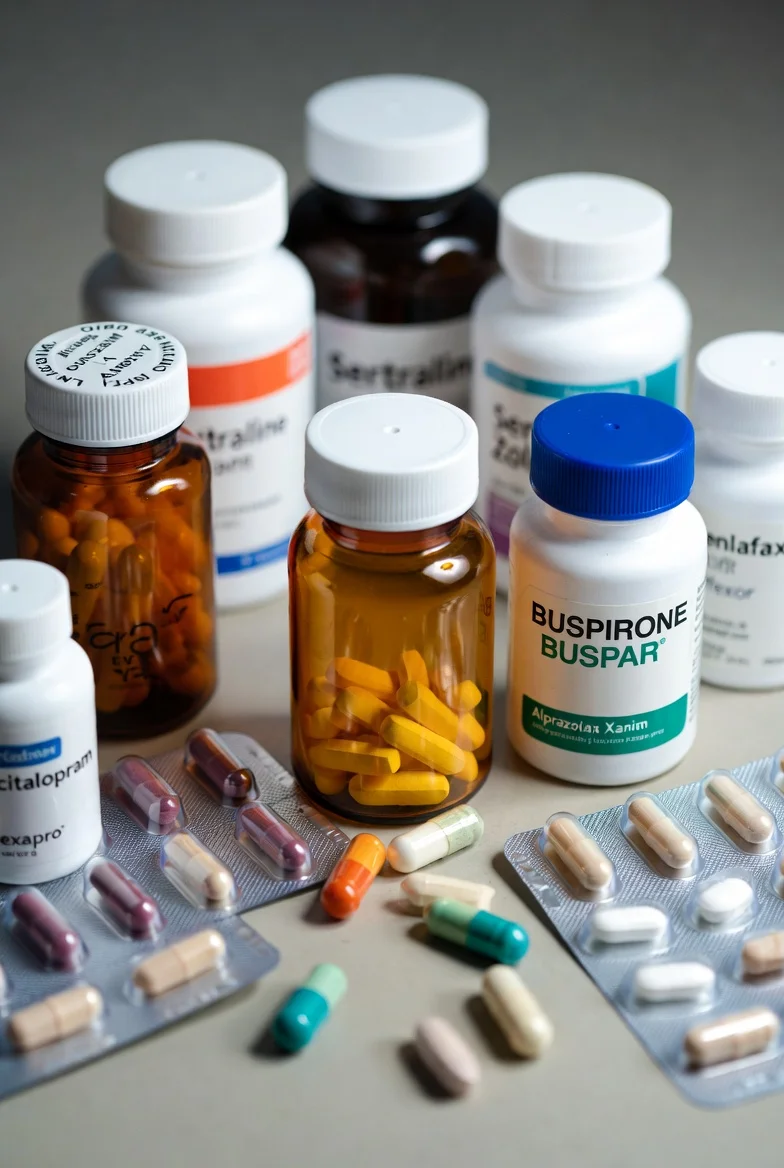
Let’s take a closer look at the “heavy hitters”—the drugs you are most likely to see on an anxiety medications prescription list.
Anxiety Medication: Sertraline (Zoloft)
Sertraline is one of the most widely prescribed depression and anxiety medications in the world. It is highly versatile, FDA-approved for GAD, Social Anxiety, PTSD, and OCD. Because it has a well-documented safety profile, it is often the first drug a doctor will suggest. It is especially useful for patients who suffer from a “comorbid” mix of both anxiety and depression.
Anxiety Medication: Hydroxyzine (Vistaril)
Anxiety medication hydroxyzine is unique because it is an antihistamine. Unlike SSRIs, it works relatively quickly (within 30 minutes), but unlike Xanax, it is not considered addictive. Doctors often prescribe anxiety medications, such as hydroxyzine, for patients who need “as-needed” relief but have a history of substance sensitivity or don’t want to risk the side effects of stronger sedatives.
Escitalopram (Lexapro)
Lexapro is often praised for being “cleaner” than other SSRIs, meaning it typically has fewer drug-to-drug interactions and may cause slightly less initial jitteriness. It is a go-to medication for anxiety and depression when a patient is concerned about side effects like weight gain or nausea.
Best Anxiety Medication: What “Best” Really Means
When searching for the best anxiety medication, it is vital to understand that “best” is subjective. Psychiatry is a highly personalized field; a drug that provides a life-saving sense of peace for one person might cause intolerable side effects for another.
Severity-Based Recommendations
The best medicine for stress and anxiety depends largely on the severity and duration of your symptoms:
- Mild Anxiety: Often best managed with non-addictive anxiety medication such as hydroxyzine or even evidence-based lifestyle changes and therapy.
- Moderate Anxiety: Usually treated with first-line SSRIs like sertraline or escitalopram to provide a stable chemical floor.
- Severe Anxiety or Panic Disorder: May require higher dosages of SSRIs or SNRIs, sometimes supplemented with a short-term “bridge” of benzodiazepines.
- Acute Performance Anxiety: The best tablet for severe anxiety in specific moments (like public speaking) is often a beta blocker like propranolol, which stops physical shaking without dulling the mind.
Top Anxiety Medications (Comparison Lists)
To help you understand the landscape of top anxiety medications, we have categorized the most commonly prescribed options by their primary clinical reputation.
Top 10 Medications for Anxiety and Depression
Because these two conditions often occur together, the best medication for anxiety and depression usually falls within the SSRI or SNRI families.
| Medication Name | Class | Primary Benefit |
| Escitalopram (Lexapro) | SSRI | High tolerability; fewer side effects. |
| Sertraline (Zoloft) | SSRI | Highly effective for “racing thoughts.” |
| Fluoxetine (Prozac) | SSRI | Long half-life (easier to taper off). |
| Venlafaxine (Effexor) | SNRI | Strong effect on low energy/lethargy. |
| Duloxetine (Cymbalta) | SNRI | Best for anxiety with physical pain. |
| Paroxetine (Paxil) | SSRI | Potent, but higher risk of weight gain. |
| Buspirone (Buspar) | Azapirone | Non-sedating, non-addictive. |
| Alprazolam (Xanax) | Benzo | Instant relief for acute panic. |
| Propranolol | Beta Blocker | Stops physical “fight or flight” symptoms. |
| Hydroxyzine | Antihistamine | Fast-acting, non-addictive sedative. |
Over-the-Counter (OTC) Anxiety Medications & Supplements
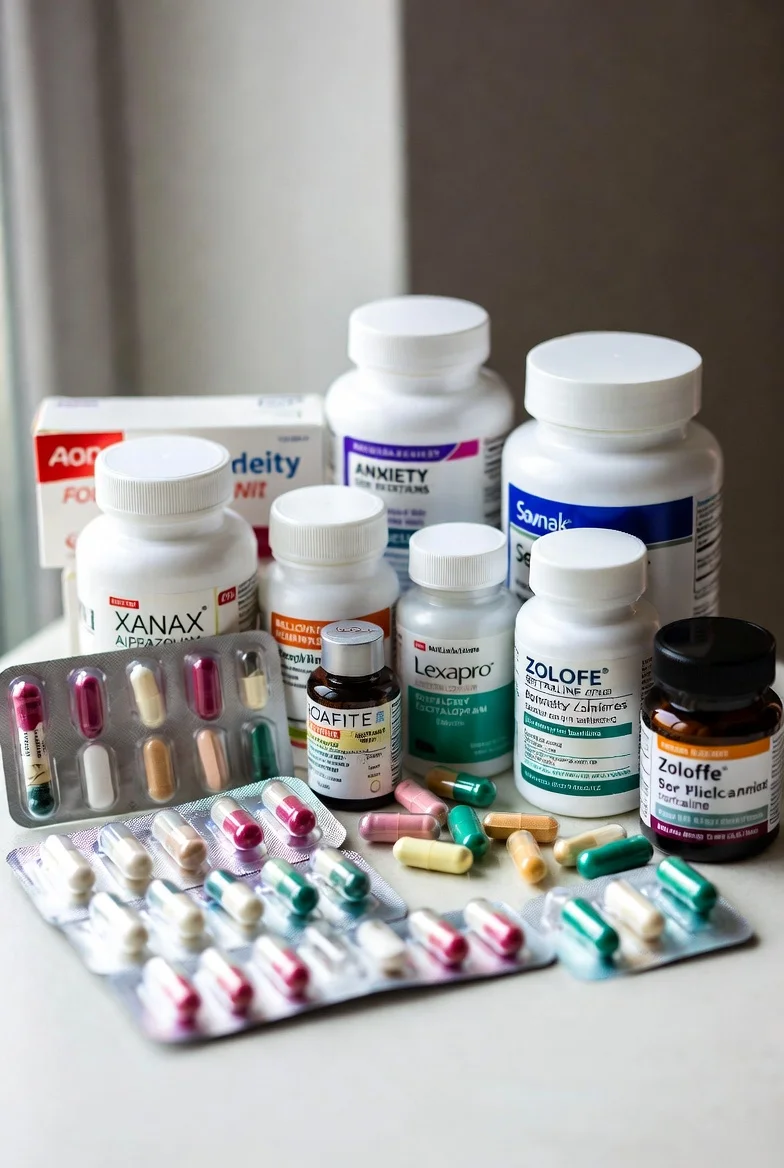
A common question for those hesitant to start prescription drugs is: is there an over the counter anxiety medication? While you cannot buy true “pills for anxiety” (like SSRIs) at a drugstore without a script, there are several otc anxiety medication alternatives and supplements that have clinical backing for mild symptoms.
What OTC Options Can and Can’t Do
Anxiety medications over the counter are typically “nutraceuticals.” They are excellent for managing the daily “edge” of stress but are generally insufficient for treating clinical panic disorder or severe GAD.
- Magnesium: Known as “nature’s muscle relaxant,” magnesium (specifically the glycinate form) can help calm the nervous system.
- L-Theanine: An amino acid found in green tea that promotes “alert relaxation” by increasing alpha brain waves.
- Ashwagandha: An adaptogenic herb that helps the body manage cortisol (the stress hormone).
Safety Considerations: Always consult a pharmacist before mixing OTC supplements with prescriptions, as some (like St. John’s Wort) can cause dangerous interactions with SSRIs.
Natural Anxiety Medication & Non-Addictive Options
For those seeking the strongest natural anxiety medication, the focus shifts toward botanical and lifestyle interventions that mimic pharmaceutical effects.
Evidence-Based Natural Options
Research has shown that certain natural anxiety medication protocols can be surprisingly effective:
- Silexan (Lavender Oil Capsules): Some clinical trials have shown that a specific preparation of lavender oil is as effective as low-dose lorazepam for GAD, without the risk of addiction.
- CBD (Cannabidiol): While still being researched in 2026, many find that high-quality CBD helps manage the “background noise” of anxiety.
Non-Addictive Anxiety Medication
If you have a history of substance abuse or are simply cautious, your anxiety medications prescription list should focus on:
- Buspirone: A unique drug that must be taken daily; it provides anxiety relief without the “buzz” or withdrawal associated with benzos.
- Hydroxyzine: As mentioned, it provides a “sleepy” calm that is entirely non-habit forming.
Anxiety Medication Side Effects & Weight Gain
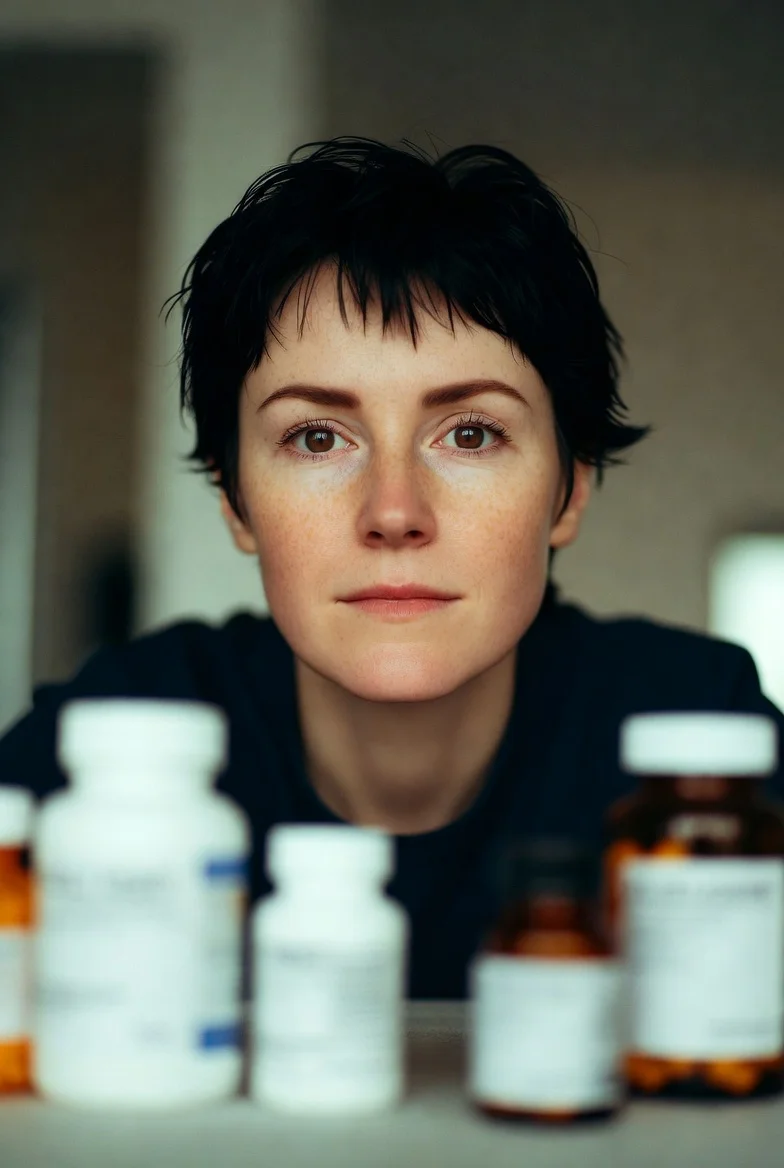
Understanding anxiety medication side effects is the biggest hurdle for most patients. It is a biological reality that changing brain chemistry involves a “trade-off.”
Does Anxiety Medication Cause Weight Gain?
This is one of the most searched queries: does anxiety medication cause weight gain?
- SSRIs/SNRIs: Some, like Paxil or Remeron, are highly linked to weight gain. Others, like Lexapro, are considered “weight neutral” for many, though individual responses vary.
- The Mechanism: Weight gain often happens because the medication increases appetite or alters metabolism, not simply because the pill itself contains calories.
Minimizing Side Effects Safely
Common side effects like nausea, dry mouth, or “brain fog” typically peak in the first two weeks and then subside. To find anxiety pills with the least side effects, doctors often start with a “micro-dose” and slowly titrate upward to allow the brain to adjust.
Social Anxiety, ADHD, and Anxiety Combinations
Anxiety rarely exists in a vacuum. In 2026, clinicians increasingly focus on “comorbidity”—where anxiety overlaps with other neurodivergent or mood conditions.
Social Anxiety Medication
Social anxiety medication is designed to lower the “interpersonal friction” of social interaction. While SSRIs remain the gold standard for long-term management, many find that the occasional use of Beta Blockers (like Propranolol) is life-changing for specific triggers, such as public speaking or job interviews.
Does ADHD Medication Help with Anxiety?
This is a complex question: does adhd medication help with anxiety? For some, treating ADHD with stimulants (like Adderall or Ritalin) actually reduces anxiety because it allows the person to feel more in control of their life and tasks. However, for others, stimulants can mimic the physical symptoms of a panic attack (racing heart and jitters). In these cases, doctors may prescribe a non-stimulant ADHD medication like Atomoxetine (Strattera) or combine a stimulant with a low-dose anti-anxiety agent.
How to Get Anxiety Medication (Step-by-Step)
If you have decided to seek help, knowing how to get anxiety medication safely is the next step. You cannot—and should not—buy these medications without a professional evaluation.
Who Can Prescribe Anxiety Medication?
You have two main options when wondering who prescribes anxiety medication:
- Primary Care Physician (PCP): Your family doctor can prescribe most basic anxiety meds like Lexapro or Zoloft.
- Psychiatrist: A specialist who understands the deep nuances of brain chemistry. If your anxiety is “treatment-resistant” or complex, a psychiatrist is the best choice.
How to Ask Your Doctor for Anxiety Medication
Many feel nervous about how to ask your doctor for anxiety medication. The best approach is honesty. Use “functional” language:
- Instead of: “I feel nervous.”
- Try: “My anxiety is preventing me from sleeping and making it hard to focus at work. I’d like to discuss if medication might be a helpful tool for me.”
Online, Urgent Care & Access Questions
The landscape of medical access changed significantly following the rise of telehealth.
Online Anxiety Medication
You can now get online anxiety medication through various licensed telehealth platforms. These are excellent for basic SSRI prescriptions and regular check-ins. However, be wary: reputable online providers will rarely prescribe “controlled substances” like Xanax or Valium due to federal regulations and safety risks.
Can Urgent Care Prescribe Anxiety Medication?
Can urgent care prescribe anxiety medication? Only in very specific, short-term circumstances. If you are having a severe, acute panic episode, they may provide a 3- to 5-day “bridge” script, but they will always refer you to a long-term provider for a permanent plan.
Do I Need Anxiety Medication? (Self-Assessment)
Before searching for a Do I Need Anxiety Medication Quiz, consider these three clinical “Red Flags” that suggest medication might be necessary:
- Duration: Has the anxiety lasted for more than six months?
- Intensity: Are you experiencing physical symptoms like chest pain, tremors, or insomnia?
- Functionality: Is the anxiety preventing you from doing your job or seeing friends?
If you answered “yes” to these, a consultation is recommended. Medication is not a sign of weakness; it is a medical intervention for a physiological imbalance.
Treating Anxiety Without Medication (Evidence-Based Alternatives)
For many, the goal is to learn how to deal with anxiety without medication. This is entirely possible, especially for mild to moderate cases.
How to Treat Anxiety Without Medication
The most successful non-drug intervention is Cognitive Behavioral Therapy (CBT). CBT teaches you to identify “cognitive distortions”—those lying thoughts that tell you the worst-case scenario is inevitable.
- Exposure Therapy: Gradually facing your fears in a controlled way to “de-sensitize” the amygdala.
- Lifestyle Shifts: Eliminating caffeine and alcohol, both of which are powerful “chemical triggers” for anxiety.
Pets & Anxiety Medication (Dogs and Cats)
Anxiety is not limited to humans. In 2026, anxiety medication for dogs and cats has become a standard part of veterinary care for issues like separation anxiety or noise phobias (fireworks).
Common Dog Anxiety Medication
Vets often use human-grade medications in animal-specific dosages:
- Fluoxetine (Reconcile): The canine version of Prozac for long-term behavior modification.
- Trazodone: Often used as an “as-needed” sedative for vet visits or storms.
- Warning: Never give your pet your own anxiety medication. Human dosages and certain “inactive” ingredients (like Xylitol) can be fatal to animals.
How Anxiety Medication Functions in the Brain
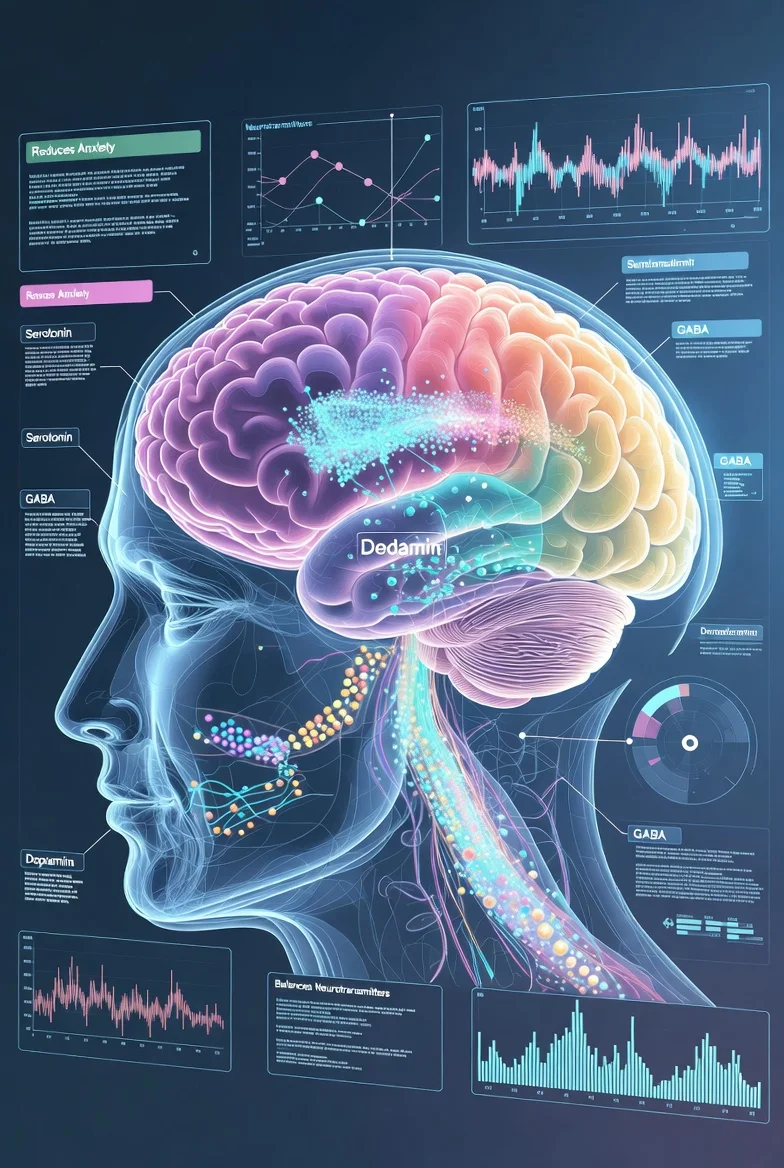
Most anxiety medications work by altering the levels of neurotransmitters—chemical messengers that carry signals between nerve cells. The primary goal is to shift the brain from a “high-alert” state to a “calm” state.
The Chemical Targets:
- Serotonin: Regulates mood and emotional stability. SSRIs block the “reuptake” of serotonin, keeping more of it available to pass messages.
- GABA (Gamma-Aminobutyric Acid): The brain’s primary “inhibitory” signal. It acts as a brake system for the nervous system.
- Norepinephrine: Manages the body’s “fight-or-flight” response.
- Microglia (2026 Discovery): Newer research shows that long-term use of certain anti-anxiety drugs, like diazepam, can interact with microglial cells (the brain’s immune system), which indirectly affects how neurons connect and communicate at the synapse.
Comprehensive Anxiety Medication List
Doctors categorize these medications based on their chemical structure and how quickly they take effect.
A. First-Line: SSRIs and SNRIs
These are typically prescribed first because they are non-addictive and effective for long-term management.
- SSRIs (Selective Serotonin Reuptake Inhibitors): Sertraline (Zoloft), Escitalopram (Lexapro), Fluoxetine (Prozac), Paroxetine (Paxil).
- SNRIs (Serotonin-Norepinephrine Reuptake Inhibitors): Venlafaxine (Effexor XR), Duloxetine (Cymbalta).
B. Fast-Acting: Benzodiazepines
Used for immediate relief of acute panic attacks but carry a high risk of dependency.
- Examples: Alprazolam (Xanax), Lorazepam (Ativan), Clonazepam (Klonopin), Diazepam (Valium).
C. Situational & Off-Label Options
- Beta-Blockers: Propranolol (Inderal). Used for performance anxiety (shaking hands, racing heart) without causing drowsiness.
- Antihistamines: Hydroxyzine (Vistaril). A non-addictive, sedating option used as a bridge for moderate anxiety.
- Azapirones: Buspirone (BuSpar). A daily medication for generalized anxiety that doesn’t cause the “buzz” or withdrawal of sedatives.
Side Effects vs. Benefits
While medication can be life-saving, it is a medical intervention with potential trade-offs.
| Medication Type | Common Side Effects | Primary Benefit |
| SSRIs | Nausea, weight gain, sexual dysfunction, “brain fog.” | Long-term stability; treats both anxiety and depression. |
| Benzos | Drowsiness, dizziness, memory issues, risk of addiction. | Near-instant relief for severe panic or insomnia. |
| Beta-Blockers | Low blood pressure, cold hands, fatigue. | Stops physical “stage fright” symptoms instantly. |
| Buspirone | Dizziness, headaches, lightheadedness. | No risk of addiction; helps with chronic “worry.” |
Emerging 2026 Treatments: The Precision Era
The pipeline for 2026 includes treatments that move away from daily pills toward “on-demand” and “durable” relief.
- MM120 (LSD-Derived): Now in Phase 3 trials, this involves a single, sublingual (under the tongue) dose that has shown to reduce anxiety for up to 12 weeks.
- Fasedienol (Nasal Spray): A first-in-class “pherine” nasal spray for Social Anxiety. It works through the nasal nerves to calm specific brain regions in minutes without entering the bloodstream.
- GlyphAllo: A new oral form of allopregnanolone (a natural neurosteroid) designed to regulate GABA with fewer side effects than traditional sedatives.
Frequently Asked Questions
What is the most commonly used drug for anxiety?
Sertraline (Zoloft) remains the most widely prescribed anxiety medication globally due to its versatility and safety profile.
Do anxiety meds actually work?
Yes. Clinical trials show that approximately 60–70% of people experience significant symptom reduction within 6 to 8 weeks of starting an SSRI.
What are the top 5 medications for anxiety?
The most common are: 1. Sertraline, 2. Escitalopram, 3. Alprazolam (short-term), 4. Duloxetine, and 5. Hydroxyzine.
Are there anxiety medications with no risks?
No. All medications carry risks, ranging from mild nausea to more serious concerns like “Serotonin Syndrome” or dependency. This is why professional supervision is required.
conclusion
Whether you choose natural anxiety medication, traditional anti-anxiety medication, or therapy alone, the most important step is moving from “suffering” to “action.”
Anxiety thrives in isolation and indecision. By educating yourself on the medication for anxiety and depression options available, you have already begun to take back control from your anxious brain. Remember: medication is a tool, not a life sentence. With the right support, you can find the “quiet” you deserve.
Authoritative References
1. National Institute of Mental Health (NIMH) – Mental Health Medications
2. Mayo Clinic – Anxiety Disorders: Diagnosis and Treatment
3. U.S. Food and Drug Administration (FDA) – SSRIs Information
4. Cleveland Clinic –Anti-Anxiety Medications Overview
5. LifeStance Health –Emerging Anxiety Treatments 2026

Related Posts


Subscribe to Our Newsletter
Get mental health tips, updates, and resources delivered to your inbox.
MORE from Author
Read More Watching someone you care about struggle with bipolar depression and anxiety can be heartbreaking. You may notice that they withdraw…
 In my practice as a clinical psychologist, I often observe that the difference between a patient who crumbles under pressure…
 We all have "up" days and "down" days. Perhaps you feel energized after a promotion or sluggish on a rainy…
 To define bipolar disorder accurately, we must look at it as a chronic mood dysregulation condition. In psychology and medicine,…
Are you looking for a Therapist?
Connect with qualified mental health professionals who understand
bipolar disorder, mood changes, and emotional challenges.
Private • Supportive • Confidential