
Is Caplyta a Mood Stabilizer

In the landscape of 2026 psychiatry, Caplyta (lumateperone) is officially classified as an atypical (second-generation) antipsychotic, rather than a traditional mood stabilizer like lithium or valproate. However, the distinction is increasingly nuanced because Caplyta is FDA-approved specifically to treat bipolar depression—the depressive “pole” of bipolar I and II disorders.
While traditional mood stabilizers are primarily valued for their ability to prevent manic “highs,” Caplyta functions as a powerful mood-regulating tool by targeting the deep “lows.” It achieves this through a unique mechanism that rebalances dopamine, serotonin, and glutamate systems with high selectivity.
Because it lacks proven efficacy in treating acute mania, clinicians typically do not view it as a comprehensive, standalone mood stabilizer. Instead, it is frequently used as monotherapy for bipolar depression or as an adjunctive therapy alongside traditional stabilizers to provide a “safety net” against depressive relapse. Its favorable metabolic profile, including a low risk of weight gain and movement disorders, makes it a preferred modern option for maintaining emotional equilibrium without the harsh side effects of older drug classes.
Why People Ask “Is Caplyta a Mood Stabilizer?”
When a patient is prescribed Caplyta (lumateperone), one of the first questions they often ask is: “Is Caplyta a mood stabilizer or an antipsychotic?” The confusion is understandable. Caplyta is frequently prescribed for bipolar depression, a condition traditionally managed by mood stabilizers like lithium or lamotrigine.
Furthermore, clinicians often describe Caplyta’s effect as “stabilizing,” which leads patients to believe it belongs to the same class as their other mood-regulating medications.
The reality is that psychiatric categories are blurring. While Caplyta is technically classified as an atypical (second-generation) antipsychotic, its unique pharmacological profile allows it to perform functions that older antipsychotics could not—specifically, providing significant relief from depressive episodes without necessarily causing the “emotional blunting” or heavy sedation associated with the class.
In this article, we will examine whether Caplyta truly acts as a mood stabilizer, how it differs from traditional treatments, and why its FDA approval for bipolar depression makes it a pivotal option for modern mental health care.
What Is Caplyta (Lumateperone)?
Caplyta (lumateperone) is a relatively new entry into the psychiatric pharmacopeia. Developed by Intra-Cellular Therapies, it represents what many researchers call a “third-generation” atypical antipsychotic.
Brief History and FDA Timeline
Caplyta’s journey to the pharmacy shelf was marked by a focus on improving the “metabolic” and “motor” side effects that plagued earlier medications (like weight gain or tremors).
- December 20, 2019: The FDA first approved Caplyta for the treatment of schizophrenia in adults.
- December 20, 2021: Exactly two years later, it received approval for the treatment of depressive episodes associated with bipolar I or II disorder (bipolar depression), both as a standalone therapy and as an add-on to lithium or valproate.
- November 2025/Early 2026: More recently, Caplyta has gained significant traction and additional clinical data supporting its use as an adjunctive therapy for Major Depressive Disorder (MDD).
A “Targeted” Approach
Unlike older drugs that “carpet bomb” various receptors in the brain, Caplyta is highly selective. It was designed to target specific pathways involved in mood and thought without triggering the receptors that lead to excessive hunger or involuntary movements.
Is Caplyta a Mood Stabilizer or an Antipsychotic?
The debate over whether a mood stabilizer usually boils down to the difference between a “class” and a “function.”
The Clinical Definition of a Mood Stabilizer
To be a “traditional” mood stabilizer (like lithium), a medication generally needs to do two things:
- Treat or prevent mania (the “highs”).
- Treat or prevent depression (the “lows”).
Many traditional mood stabilizers are actually anticonvulsants (seizure medications) that were found to help bipolar disorder. Caplyta, however, does not have a chemical structure related to lithium or valproate.
Why Caplyta Is Classified as an Antipsychotic
Technically, Caplyta belongs to the atypical antipsychotic class because its primary mechanism involves modulating the D2 dopamine receptor. This receptor is the hallmark target for all antipsychotics. Because it can treat the “positive symptoms” of schizophrenia (like delusions), it earns the antipsychotic label.
The “Mood-Stabilizing” Function
Despite its label, many psychiatrists argue that Caplyta functions as a mood stabilizer for bipolar depression.
- Lithium vs. Caplyta: While lithium is the “gold standard” for preventing mania, it is often less effective for the deep “lows” of bipolar depression.
- Caplyta’s Niche: Caplyta excels where traditional stabilizers often struggle: lifting the heavy, “leaden” weight of bipolar depression without triggering a switch into mania.
In short, it is an antipsychotic by class, but it provides a mood-stabilizing effect specifically for the depressive side of bipolar disorder.
How Does Caplyta Work in the Brain?
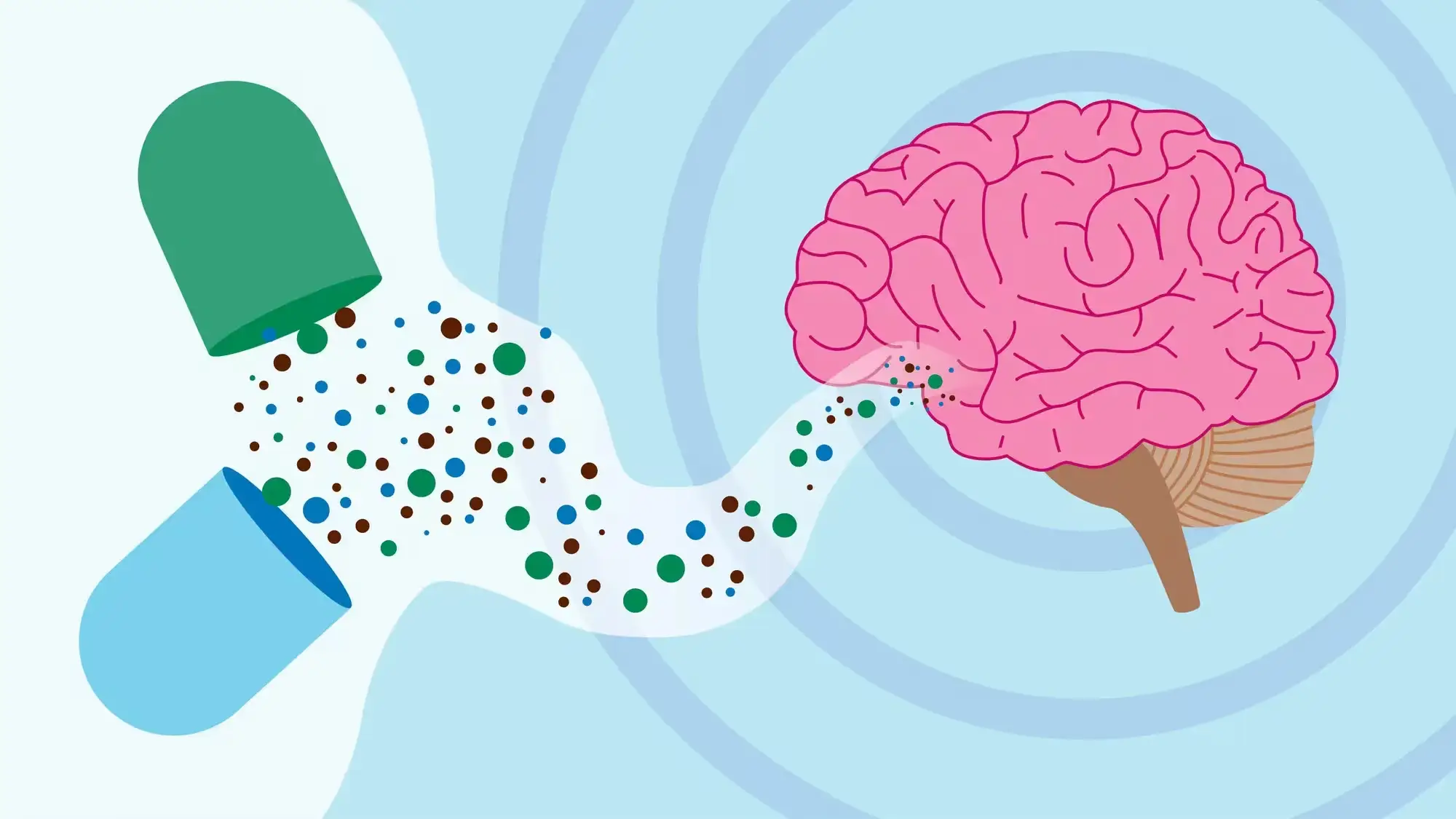
Caplyta’s mechanism of action is unique even among other atypical antipsychotics. While most drugs in this class simply block dopamine, Caplyta acts more like a “dimmer switch.”
Dopamine Modulation
Most antipsychotics act as “antagonists” at the D2 receptor—essentially blocking it entirely. Does Caplyta increase dopamine? Not exactly. It acts as a presynaptic partial agonist and a postsynaptic antagonist.
- In areas where dopamine is too high (causing psychosis), it turns it down.
- In areas where dopamine is too low (causing a lack of motivation or “flat” mood), it can help balance the scales.
Serotonin and Glutamate
Caplyta’s true strength in treating depression comes from its activity at other receptors:
- 5-HT2A Antagonism: It blocks certain serotonin receptors with high affinity, an action strongly linked to improved mood and sleep.
- Glutamate Modulation: Caplyta is believed to indirectly affect glutamate signaling via the NMDA receptor. This is significant because glutamate is the brain’s primary “excitatory” chemical, and its dysregulation is a major factor in treatment-resistant depression.
The Metabolic Advantage
Because Caplyta has very low affinity for H1 (histamine) and M1 (muscarinic) receptors, it avoids the massive hunger and weight gain typically seen with drugs like olanzapine (Zyprexa) or quetiapine (Seroquel).
What Is Caplyta Approved For?
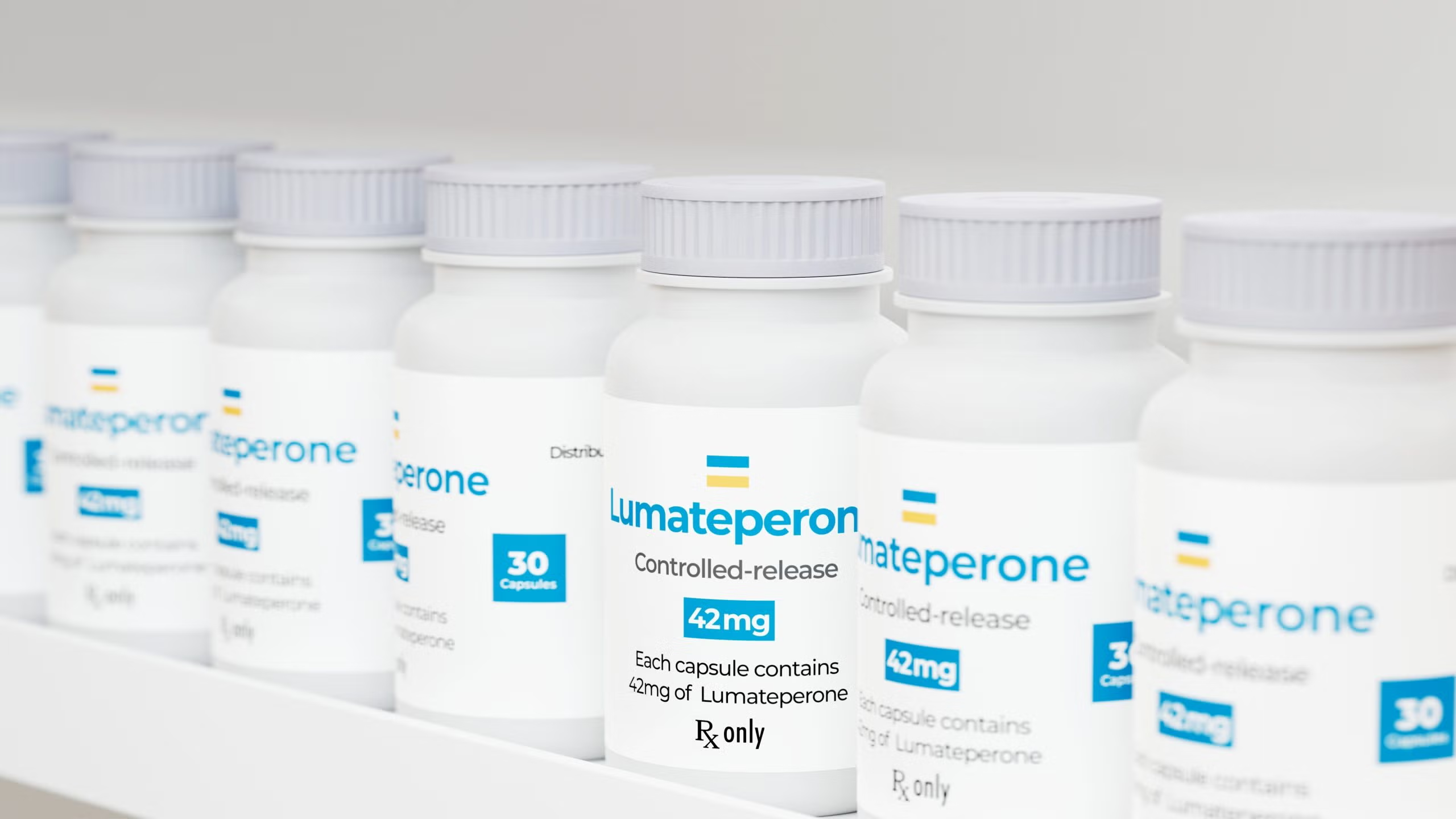
When asking “What is Caplyta used for?” it is important to distinguish between what the FDA has officially “indicated” and what doctors might prescribe “off-label” based on clinical judgment.
Official FDA-Approved Indications (as of 2026):
- Schizophrenia: For the treatment of adults experiencing hallucinations, delusions, or disorganized thinking.
- Bipolar I & II Depression: Specifically for the depressive episodes. It is approved as monotherapy (taking it alone) or as adjunctive therapy (taking it alongside lithium or valproate).
- Adjunctive Major Depressive Disorder (MDD): Most recently, it has been approved to be added to standard antidepressants for patients who haven’t found relief from antidepressants alone.
What it is NOT Approved For:
- Bipolar Mania: Currently, Caplyta is not FDA-approved to treat acute manic episodes. If a patient is primarily experiencing mania, a doctor would likely use lithium or a different antipsychotic like haloperidol or risperidone.
- Dementia-Related Psychosis: Like all antipsychotics, Caplyta has a “Boxed Warning” stating it is not approved for elderly patients with dementia, as it increases the risk of death in that specific population.
Does Caplyta Work for Bipolar Depression?
When treating bipolar disorder, the “depressive pole” is often more debilitating and longer-lasting than mania. The question of whether Caplyta works for bipolar depression has been answered with robust clinical data, leading to its FDA approval for both Bipolar I and Bipolar II.
Clinical Trial Results
In Phase 3 pivotal trials (Study 401 and 404), Caplyta demonstrated a significant reduction in depressive symptoms compared to a placebo. The primary measure used was the Montgomery-Åsberg Depression Rating Scale (MADRS).
- Rapid Improvement: Patients often showed a statistically significant improvement as early as the first few weeks of treatment.
- Bipolar I vs. Bipolar II: Caplyta is one of the few medications specifically proven to be effective for both subtypes. While many drugs work well for Bipolar I, Bipolar II depression is notoriously difficult to treat, and Caplyta’s success in this subgroup is a major clinical advantage.
Comparison With Other Treatments
How does it stack up against other “atypical” options?
- Lurasidone (Latuda): Both have low metabolic risk, but Caplyta may have a lower incidence of akathisia (restless legs/internal agitation), which is a common reason patients stop taking lurasidone.
- Quetiapine (Seroquel): Quetiapine is highly effective but often causes significant sedation and weight gain. Caplyta offers a “lighter” alternative with comparable efficacy for depression.
- Lamotrigine (Lamictal): While lamotrigine is a classic mood stabilizer, it requires a slow 6-week titration to avoid dangerous rashes. Caplyta can be started at its therapeutic dose (42 mg) on day one.
Caplyta for Anxiety: What the Evidence Says
Many patients with bipolar disorder struggle with “anxious distress.” While Caplyta for anxiety is not an officially FDA-approved use, recent 2025 and 2026 data have shed light on its potential benefits.
Secondary Anxiety Improvement
In clinical trials for bipolar depression and MDD, researchers used the GAD-7 (Generalized Anxiety Disorder) scale as a secondary endpoint. The results showed that as Caplyta lifted the depression, it also significantly lowered anxiety scores.
- Anxious Distress: For patients whose depression is accompanied by tension, racing thoughts, and restlessness, Caplyta’s modulation of serotonin and glutamate seems to provide a “calming” effect without the heavy sedation of a benzodiazepine.
- Clinical Context: It is important to note that Caplyta is not a primary treatment for Generalized Anxiety Disorder (GAD). However, for anxiety that is “nested” within a mood disorder, it is increasingly being used as a dual-action solution.
Caplyta Side Effects and Safety Profile
One of the most compelling reasons clinicians prescribe this drug is the Caplyta side effects profile, which is remarkably “clean” compared to older antipsychotics.
Common vs. Rare Side Effects
In short-term trials, the most frequently reported issues were:
- Somnolence (Sleepiness): Reported by about 24% of patients, though this often subsides after the first week.
- Nausea and Dry Mouth: Usually mild and transient.
- Dizziness: Often related to a slight drop in blood pressure when standing up (orthostatic hypotension).
The “Big Three”: Weight, Movement, and Metabolism
The most significant “pros” in Caplyta reviews involve the absence of traditional antipsychotic side effects:
- Weight Neutrality: In 6-week and 1-year studies, the average weight change was near zero (some patients even lost a small amount of weight).
- Low Akathisia Risk: Akathisia—the “inner itch” that makes you want to jump out of your skin—occurred in less than 7% of patients, a much lower rate than with Abilify or Latuda.
- Metabolic Safety: It does not typically raise cholesterol, triglycerides, or blood sugar, making it safer for patients with a family history of diabetes or heart disease.
Is Caplyta Safe for Pregnancy and Breastfeeding?
For many women, the question is Caplyta is safe for pregnancy is the deciding factor in their treatment.
Current Clinical Data
Caplyta is currently handled with caution during pregnancy. While animal studies did not show a high risk of birth defects at human-equivalent doses, human data are still being collected via the National Pregnancy Registry for Atypical Antipsychotics.
- Third Trimester Risks: Like all antipsychotics, exposure during the third trimester carries a risk of “Extrapyramidal Symptoms” (EPS) or withdrawal symptoms in the newborn (agitation, tremors, or feeding problems).
- Breastfeeding: Lumateperone does pass into breast milk. Current guidelines suggest that breastfeeding is “not recommended” while taking Caplyta, though mothers should have a risk-benefit discussion with their doctor regarding the importance of maternal stability.
How Long Does It Take for Caplyta to Work?
Patience is required when starting any psychiatric medication, but the timeline for how long it takes for Caplyta to work is relatively competitive.
- Initial Signs (Days 7–14): Many patients report a slight improvement in sleep patterns and a decrease in acute “mental noise” within the first two weeks.
- Full Therapeutic Effect (Weeks 4–6): Clinical trials measure primary success at the 6-week mark. This is usually when the “lifting” of depression becomes most apparent.
- The 42 mg Advantage: Unlike other drugs that start at a low dose and “titrate up” over months, the standard 42 mg dose of Caplyta is the therapeutic dose from day one, which can lead to a faster overall response.
Best Time to Take Caplyta and Dosing Considerations
Consistency is the cornerstone of effective psychiatric treatment. For most patients, the best time to take Caplyta is in the evening or at bedtime.
Once-Daily Simplicity
Unlike many mood-altering medications that require multiple doses throughout the day, Caplyta is a once-daily oral capsule. The standard therapeutic dose is 42 mg, and because it does not require titration (the slow “stepping up” of a dose), most patients start and stay on this single strength.
Dosing with Food and Sedation
- Food Flexibility: Caplyta can be taken with or without food. It does not require a specific caloric intake to be absorbed, which is a significant advantage over medications like lurasidone (Latuda), which must be taken with at least 350 calories.
- Managing Somnolence: Because sleepiness is the most common side effect (occurring in approximately 24% of patients), taking the medication before bed allows the peak sedative effect to occur while you sleep, potentially reducing daytime grogginess.
- Specific Populations: For those with moderate to severe liver impairment, a lower dose of 21 mg is typically recommended to ensure the drug is processed safely by the body.
Can You Stop Taking Caplyta? Discontinuation & Tapering
Patients often reach a point of stability and wonder, “Can you stop taking Caplyta?” While it is possible to discontinue the medication under medical supervision, doing so abruptly is strongly discouraged.
The Risk of Abrupt Discontinuation
Even though clinical trials did not report a specific “withdrawal syndrome” in the traditional sense, stopping any antipsychotic “cold turkey” can lead to:
- Rebound Symptoms: A rapid return of the very symptoms the drug was treating, such as deep depression or intrusive thoughts.
- Dopaminergic Hypersensitivity: The brain may become overly sensitive to dopamine once the “blocking” effect of the drug is removed, which can occasionally trigger a manic or psychotic episode.
Tapering Considerations
If you and your doctor decide to stop treatment, a gradual taper is the safest path.
- The “Slow and Low” Method: Doctors may suggest alternating 42 mg doses every other day or using the smaller 10.5 mg or 21 mg capsules to slowly lower the amount in your bloodstream.
- Monitoring: During a taper, it is critical to have a “support system” in place to watch for emerging “red flags” of a mood shift.
Is Caplyta the Best Mood Stabilizer Drug?
When patients search for what is the best mood stabilizer drug, they are looking for a “silver bullet.” In reality, the “best” drug is the one that fits an individual’s specific symptoms and metabolic profile.
Caplyta vs. Traditional Stabilizers
To understand where Caplyta fits, it helps to compare it to the “foundations” of bipolar treatment:
| Medication | Primary Strength | Main Drawback |
| Lithium | Prevents Mania & Suicide | High toxicity risk; requires blood tests |
| Lamotrigine | Prevents Depression | Risk of serious rash; slow titration |
| Valproate | Treats Acute Mania | High risk of weight gain & PCOS |
| Caplyta | Treats Bipolar Depression | Lacks evidence for preventing acute mania |
The Verdict
Caplyta is arguably one of the “best” options for bipolar depression due to its safety profile, but it is not a “best” option for acute mania. For many, the “best” regimen is actually a combination: using lithium to “guard the ceiling” against mania and Caplyta to “lift the floor” against depression.
What Patients and Clinicians Say
In the real world, Caplyta reviews are a mixed bag, reflecting the highly individual nature of brain chemistry. However, several 2026 themes have emerged from patient and clinician feedback.
Common Patient Themes
- The “Lifting” Effect: Many patients describe Caplyta not as a “sedative” that numbs them, but as a “brightener” that makes life feel participatory again.
- The Early Struggle: A common complaint is the “first-week flu”—initial headaches or nausea that can be discouraging but typically vanish after the 7th day.
- Weight Success: Unlike almost every other drug in its class, users frequently praise Caplyta for allowing them to maintain or even lose weight gained on previous medications.
The Clinician Perspective
Psychiatrists generally view Caplyta as a “clean” medication. They appreciate the lack of need for blood monitoring (unlike lithium) and the minimal risk of movement disorders. However, they often remind patients that Caplyta is a “specialist”—it is world-class at treating depression but may need a “partner” drug to manage the manic side of bipolar I.
Frequently Asked Questions
Is Caplyta a mood stabilizer or an antipsychotic?
It is officially an atypical antipsychotic, though it has mood-stabilizing properties specifically for depressive episodes.
Does Caplyta increase dopamine?
It is a dopamine modulator. It turns dopamine “down” in areas of excess (psychosis) and can help balance it in areas of deficit (depression).
Is Caplyta approved for bipolar?
Yes, it is FDA-approved for bipolar depression (Bipolar I and II) as a standalone or add-on treatment. It is not currently approved for acute mania.
Is Caplyta safe for bipolar disorder?
Yes, it is considered safe and has one of the lowest risks for metabolic side effects (weight gain/diabetes) among modern antipsychotics.
What is Caplyta used for?
It is primarily used for Schizophrenia, Bipolar Depression, and as an add-on for Major Depressive Disorder.
Is Caplyta approved for depression?
Yes, as of late 2025/early 2026, it is FDA-approved as an adjunctive (add-on) therapy for Major Depressive Disorder.
How does Caplyta work in schizophrenia?
In schizophrenia, it targets the D2 receptor to reduce hallucinations and delusions while also engaging serotonin receptors to improve the “negative symptoms” like social withdrawal and lack of motivation.
Conclusion
Caplyta (lumateperone) represents a significant milestone in psychiatric medicine. By proving that a medication can treat the complex “lows” of bipolar disorder and the “positive symptoms” of schizophrenia without causing the metabolic damage of the past, it has earned its place as a “third-generation” powerhouse.
If you struggle with bipolar depression and have found other medications too sedating or weight-inducing, Caplyta may be a game-changer. However, it is not a one-size-fits-all solution. Because it lacks strong antimanic data, it must be part of a larger, individualized plan crafted by a psychiatrist.
Authoritative References
1. Official FDA Prescribing Information (Package Insert)
2. Johnson & Johnson: Caplyta FDA Approval for Adjunctive MDD
3. StatPearls: Lumateperone (NCBI Bookshelf)
4. Lumateperone for Bipolar Depression:PMC Clinical Trial Study
5. CAPLYTA HCP: Clinical Mechanism and Dosing
Related Posts

Subscribe to Our Newsletter
Get mental health tips, updates, and resources delivered to your inbox.
MORE from Author
Read More In my practice as a clinical psychologist, I often observe that the difference between a patient who crumbles under pressure…
- We all have "up" days and "down" days. Perhaps you feel energized after a promotion or sluggish on a rainy…


 To define bipolar disorder accurately, we must look at it as a chronic mood dysregulation condition. In psychology and medicine,…
 To answer whether bipolar fits the bill, we first have to define what a neurodivergent person actually is. The term…


Are you looking for a Therapist?
Connect with qualified mental health professionals who understand
bipolar disorder, mood changes, and emotional challenges.
Private • Supportive • Confidential