
Can Bipolar Disorder Be Cured? What Science, Treatment, and Recovery Really Show

Medically reviewed by Laura Athey Updated Date: February 1, 2026
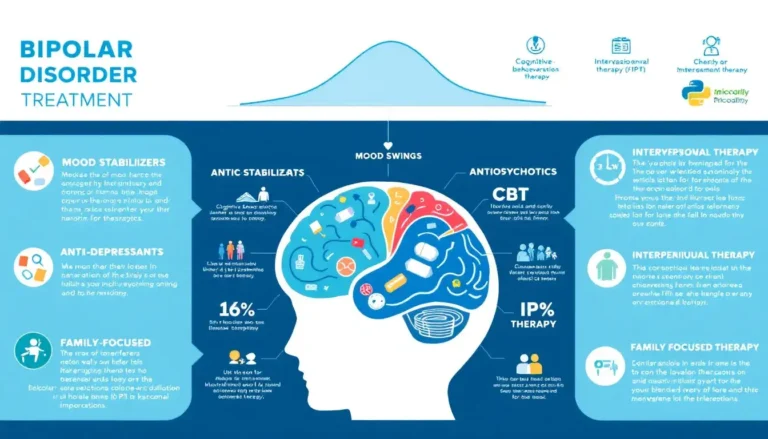
When a person first receives a diagnosis of bipolar disorder, or when a family member sees a loved one spiraling through the highs of mania and the lows of depression, the first question that almost invariably arises is: Can bipolar disorder be cured? It is a question rooted in a deep desire for a return to “normalcy,” a search for an end date to the chaos of mood swings, and a hope that medical science has a permanent solution.
The frequency with which people search for can bipolar be cured reddit or other community forums highlights a collective need for reassurance. Bipolar disorder is a heavy diagnosis, often laden with stigma and misconceptions. In these online spaces, the conversation often oscillates between despair and resilient hope. People ask this question because they want to know if they will have to manage this condition for the rest of their lives or if there is a finish line where the medication can stop and the monitoring can end.
However, in the world of clinical psychiatry and neuroscience, the word “cure” carries a very specific weight. To cure something usually means to eliminate the underlying cause so that the condition never returns. While we are currently in an era of unprecedented medical advancement, the answer to the question of a “cure” requires a nuanced understanding of the difference between a permanent medical fix, clinical remission, and functional recovery.
Can Bipolar Disorder Be Cured?
The direct, evidence-based answer is that can bipolar disorder be cured in a permanent, “once-and-for-all” medical sense is currently a no. As of 2026, there is no pill, surgery, or therapy that can alter a person’s genetic predisposition or brain chemistry so fundamentally that the disorder is eradicated forever.
However, the lack of a “cure” does not mean a lack of hope. While it cannot be cured completely or cured permanently, bipolar disorder is highly treatable and manageable.
- Remission: This is a state where symptoms are absent or so minimal that they no longer interfere with daily life.
- Management: Through a combination of medication, therapy, and lifestyle adjustments, many people stay in a state of stability for years or even decades.
- Stabilization: Modern medicine is excellent at “leveling” the peaks and valleys, allowing individuals to lead full, productive lives.
Bipolar depression is often the most grueling part of the illness, leading many to ask if bipolar depression can be cured specifically.
Bipolar depression is notoriously difficult to treat because traditional antidepressants can sometimes “flip” a patient into mania or cause “rapid cycling.” However, long-term remission from depressive episodes is a realistic goal.
- Newer Treatments: Drugs like Lurasidone or Cariprazine have shown great success in lifting the “bipolar fog.”
- Remission Statistics: With the right combination of medication and therapy, many patients experience “symptom-free” years, where the depression is effectively non-existent in their daily lives.
Can People Recover From Bipolar Disorder?
While we have established that “cure” is not the right word, we must emphasize that people can recover from bipolar disorder. In mental health, “recovery” has a different definition than “cure.”
What Recovery Looks Like
Recovery is a process of changing one’s attitude, values, feelings, and goals. It is about living a satisfying, hopeful, and contributing life, even with the limitations caused by the illness.
- Symptom Control: Using medication and therapy to keep moods within a “normal” range.
- Functional Life: Maintaining a career, raising a family, and having meaningful friendships.
- Self-Management: Becoming an expert in your own triggers and knowing exactly when to call your doctor.
What Causes Bipolar Disorder? (And Why That Matters)
To understand why a cure is so difficult, we must look at what causes bipolar disorder. It is almost never one single thing.
- Neurotransmitters: An imbalance of dopamine (linked to mania) and serotonin/norepinephrine (linked to depression).
- Brain Structure: In some cases, the amygdala (emotional center) is enlarged, or the prefrontal cortex (rational center) is less active.
- Environmental Triggers: Trauma, high stress, or major life changes can “turn on” the genes that cause the disorder.
Because the cause is “multi-factorial,” the solution must be multi-factorial. You cannot cure a genetic predisposition with a pill alone, just as you cannot cure a chemical imbalance with talk therapy alone.
Why Bipolar Disorder Is Not Considered “Curable” (But Is Treatable)
To understand why bipolar disorder cannot be cured is an incorrect framing of the condition; we have to look at what the disorder actually is. Bipolar disorder is not like a bacterial infection that can be wiped out with antibiotics; it is a chronic, episodic neurobiological condition.
Brain Chemistry and Mood Regulation
Research into what causes bipolar disorder in the brain suggests that it involves complex dysregulation of neurotransmitters—the chemicals that transmit signals in the brain—such as dopamine, serotonin, and norepinephrine. Furthermore, the brain’s “circadian system” (its internal clock) is often more sensitive in those with bipolar disorder.
Genetic Vulnerability
There is a significant genetic component to the disorder. If you have the genetic markers for bipolar, your brain is essentially “wired” to be more reactive to certain stressors or biological shifts. Since we cannot yet safely rewrite a person’s genetic code across the entire brain, the underlying vulnerability remains even when symptoms are not present. This is why doctors refer to it as a chronic illness, similar to Type 1 diabetes or asthma: it requires ongoing management rather than a one-time fix.
Can Bipolar Go Away on Its Own?
A common hope among those newly diagnosed is that the symptoms were a one-time fluke—perhaps caused by a stressful job or a bad relationship—and that the bipolar disorder will go away if they simply change their environment.
While it is true that symptoms can disappear for long periods, this is known as a “euthymic” period, not a disappearance of the disorder.
- Spontaneous Remission: Symptoms may subside temporarily without treatment, but the statistical likelihood of recurrence is extremely high.
- The Risk of the “Wait and See” Approach: Untreated bipolar disorder tends to worsen over time. Each untreated manic or depressive episode can “kindle” the brain, making future episodes more frequent and severe.
Absence of symptoms is not the same as the absence of the disorder. Without a management plan, the biological “machinery” for a mood episode remains ready to be triggered.
Can Bipolar Disorder Be Cured With Medication?
Medication is the cornerstone of treatment, but can bipolar disorder be cured permanently through pharmacotherapy? The answer is that medication acts as a “stabilizer” or a “floor and ceiling” for your moods, but it is not a cure.
Controlling Episodes vs. Removing the Disorder
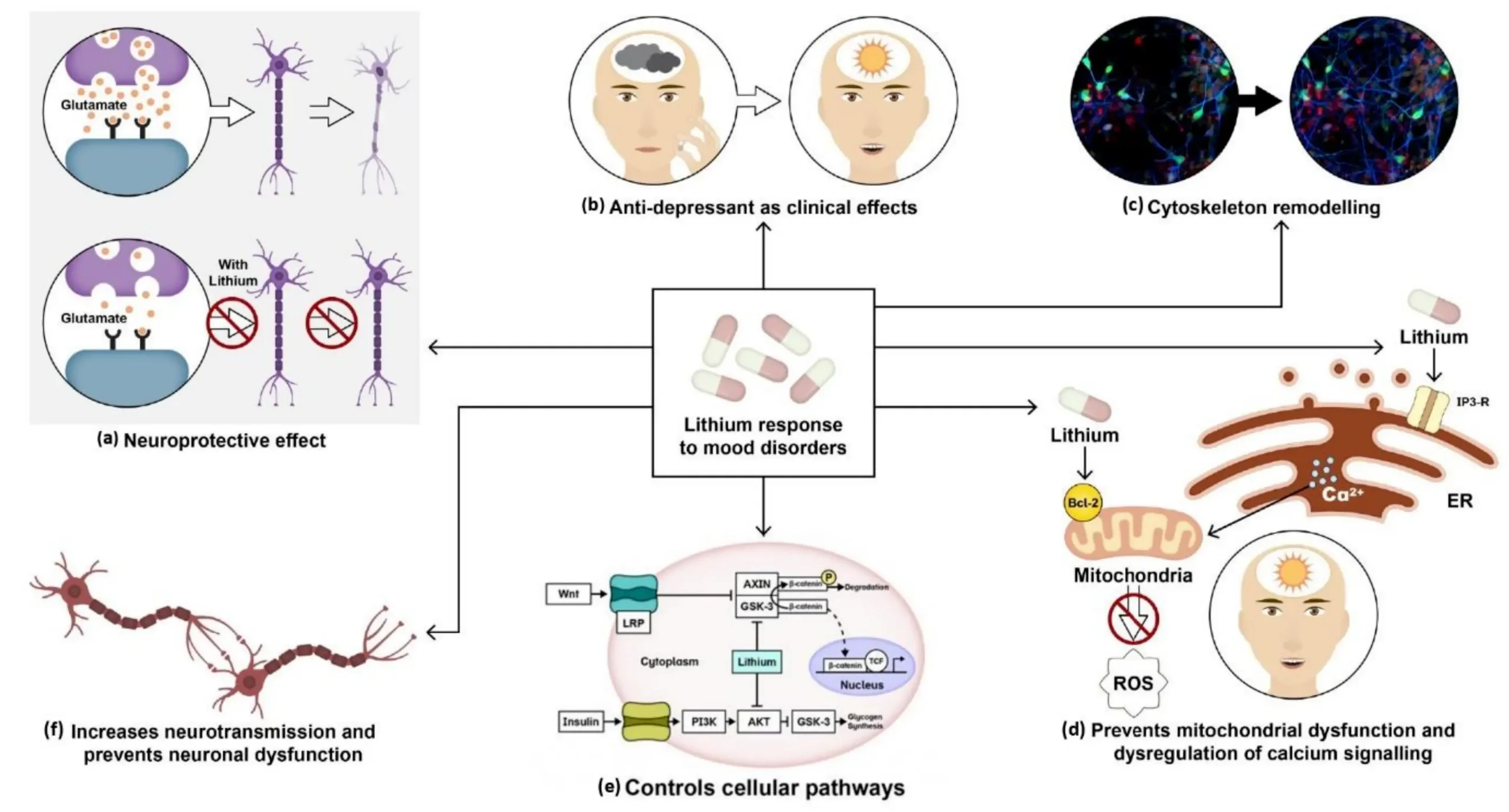
Drugs like Lithium, valproate, and atypical antipsychotics work by modulating the neurotransmitter activity that leads to mania and depression.
- Lithium: Often called the “gold standard,” it helps protect the brain’s gray matter and reduces the risk of suicide and mania.
- Mood Stabilizers: These prevent the “peaks” from becoming too high.
- Antipsychotics: These can stop an acute manic episode in its tracks.
If a person stops taking their medication because they feel “cured,” the underlying biological vulnerability usually causes a relapse. Therefore, medication should be viewed as a long-term support system that maintains the brain’s equilibrium, much like insulin maintains blood sugar.
Can Bipolar Disorder Be Cured Without Medication?
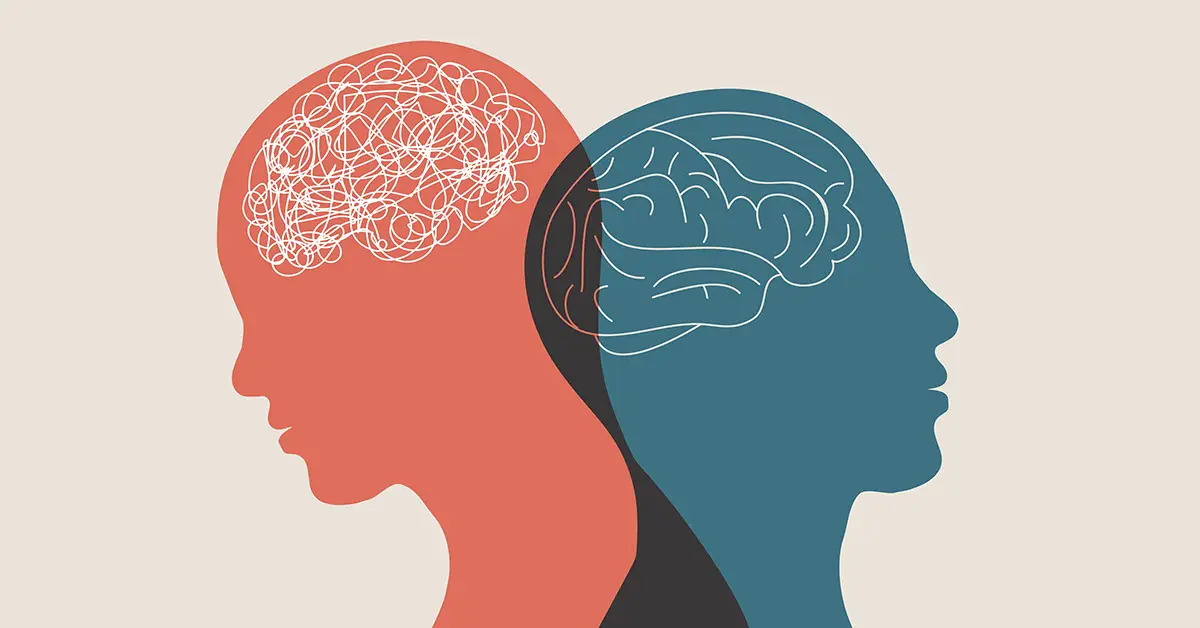
The search for whether bipolar be cured without medication is often driven by a fear of side effects or a desire for “natural” living. While some individuals with very mild forms of the disorder (such as some cases of Cyclothymia) may manage for periods using only lifestyle interventions and therapy, for Bipolar 1 and Bipolar 2, medication is almost always medically necessary.
The Risks of Medication Avoidance
Choosing to forgo medication in favor of “natural cures” can be dangerous. Mania can lead to life-altering financial, legal, and social consequences, while bipolar depression carries a high risk of self-harm.
When Non-Medication Approaches Help
Non-medication strategies are vital adjuncts to care. They include:
- Dark Therapy: Managing light exposure to stabilize circadian rhythms.
- Strict Sleep Hygiene: Ensuring 8 hours of sleep to prevent mania.
- Dietary Adjustments: Reducing inflammation.
While these can significantly reduce the dosage of medication needed or increase the time between episodes, they are rarely sufficient on their own to manage the biological “storms” of a major bipolar episode.
Can Bipolar Disorder Be Cured With Therapy?
Many patients ask if bipolar disorder can be cured with therapy, perhaps hoping that if they resolve past traumas or learn enough coping skills, the mood swings will stop.
What Therapy Can Do
Psychotherapy is an essential part of a “recovery” model. Evidence-based treatments like:
- Cognitive Behavioral Therapy (CBT): Helps patients identify the “thinking errors” that occur during mood shifts.
- Interpersonal and Social Rhythm Therapy (IPSRT): Specifically focuses on stabilizing daily routines and sleep.
- Family-Focused Therapy: Improves the support system at home.
What Therapy Cannot Do
Therapy cannot change the underlying genetic or neurochemical “hardware” of the brain. You cannot “talk your way out” of a full-blown manic episode where the brain is flooded with dopamine, nor can you “positive-think” your way out of a deep biological depression. Therapy is about management and symptom reduction, giving you the tools to recognize an episode early and minimize the damage.
Bipolar 1 vs Bipolar 2: Can Either Be Cured?
When comparing the two primary types of the disorder, people often wonder if the “milder” version can be eliminated. However, neither bipolar 1 nor bipolar 2 can be cured in the traditional sense.
- Bipolar 1: This type involves full manic episodes that often require hospitalization. While the “peaks” are more dangerous, Bipolar 1 can sometimes be easier to treat because the symptoms are so clear, and the response to medications like Lithium is often robust.
- Bipolar 2: Characterized by hypomania and long, grueling periods of depression. Because the depression is so chronic, Bipolar 2 can sometimes feel “harder” to manage over time, even though it lacks the extreme mania of Type 1.
Regardless of the type, the goal of treatment is the same: to move the patient into a state of long-term stability where the disorder is a “background” fact of life rather than a foreground crisis.
Special & Misunderstood Searches: Clarifying Confusion
Many people search for whether bipolar schizophrenia can be cured, which usually refers to Schizoaffective Disorder. This is a condition where a person experiences the mood swings of bipolar disorder and the psychotic symptoms of schizophrenia.
Like bipolar disorder, schizoaffective disorder is considered a chronic condition. Because it involves two different sets of brain mechanisms (mood regulation and thought processing), it requires a highly specialized medication plan. While it is not “curable,” modern precision psychiatry has made it possible for many people with this complex diagnosis to achieve significant stability and independence.
New & Emerging Treatments: Is a Cure Possible in the Future?
In 2026, we are closer than ever to “precision psychiatry,” which moves us toward the possibility of a future cure, though we aren’t there yet.
- Neuromodulation: Techniques like TMS (Transcranial Magnetic Stimulation) and Deep Brain Stimulation are being refined to “retrain” the brain circuits involved in mood regulation.
- Precision Medicine: Using genetic testing to find the exact medication that works for a patient’s specific brain chemistry, reducing years of “trial and error.”
- Ketamine and Psychedelics: Research into these substances is providing new ways to “reset” the brain’s neural pathways, offering rapid relief for treatment-resistant bipolar depression.
While a permanent cure for bipolar disorder remains elusive, these newest treatments for bipolar disorder are making the “management” so effective that for some, it may eventually feel like the disorder has disappeared.
30-Day Treatment Programs: Do They Cure Bipolar?
A common marketing claim for luxury rehabs is a 30-day treatment for bipolar disorder that promises to “fix” the problem. It is vital to manage expectations here.
A 30-day program is excellent for stabilization. It can help a person get through a crisis, detox from substances used to self-medicate, and start a new medication regimen in a safe environment. However, it cannot “cure” the disorder. Bipolar management is a lifelong marathon, not a 30-day sprint. The real work begins after the program ends, through consistent outpatient care.
Living a Normal Life With Bipolar Disorder
The ultimate goal of all these treatments is to answer the question: Can bipolar people live a normal life? The answer is a definitive yes.
Success stories are all around us, from famous actors and politicians to engineers, teachers, and parents. Living a “normal” life with bipolar disorder simply means you have an extra “maintenance” requirement, much like a person with a heart condition or a severe allergy.
- Work: With stability, many find that the “creativity” or “drive” associated with their temperament can be a professional asset.
- Relationships: Honesty with partners and a commitment to treatment are the foundations of healthy, long-term relationships for those with bipolar.
Triggers That Can Make Bipolar Symptoms Return
Because bipolar disorder is a chronic condition, maintaining stability requires vigilance against specific “switches” that can flip the brain back into an episode. Even when a person feels “cured,” these triggers for bipolar disorder can reignite symptoms.
- Sleep Deprivation: This is the most potent trigger for mania. Even one night of missed sleep can destabilize the brain’s circadian rhythm.
- Major Life Stress: Both “bad” stress (loss of a job) and “good” stress (getting married or a promotion) can trigger an episode.
- Substance Use: Alcohol and drugs interfere with medication and neurotransmitter balance, often leading to rapid cycling.
- Medication Non-compliance: Skipping doses or stopping medication because you “feel better” is the leading cause of relapse.
How a Person With Bipolar Thinks (During Stability vs. Episodes)
Understanding how a person with bipolar disorder thinks is crucial for recognizing that the disorder is a temporary filter over their true personality.
- During Stability: The person has full access to their logic, empathy, and long-term planning. They recognize their triggers and can engage in rational problem-solving.
- During Mania: Thinking becomes “fast,” “grandiose,” and “impulsive.” The brain’s “brakes” (the prefrontal cortex) are effectively offline. They may believe they have special powers or that risky decisions have no consequences.
- During Depression: Thinking becomes “slow,” “distorted,” and “hopeless.” The brain filters out all positive information, making it feel as though they have always been depressed and always will be.
Is Bipolar Disorder Dangerous If Untreated?
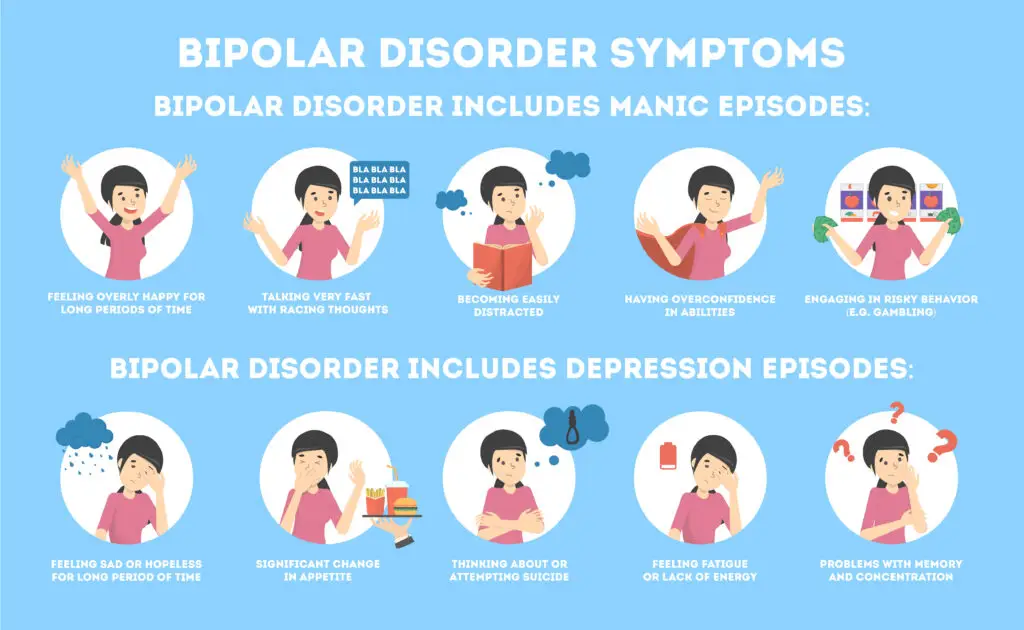
Addressing the question of whether bipolar disorder is dangerous requires a balance of candor and compassion. While people with bipolar disorder are statistically more likely to be victims of violence than perpetrators, the disorder carries internal risks.
The primary danger of untreated bipolar disorder is to the individual themselves. The suicide rate for those with bipolar disorder is significantly higher than that of the general population, particularly during “mixed episodes.” Furthermore, the reckless behavior associated with mania can lead to financial ruin, legal issues, or physical accidents. This is why ongoing treatment is a matter of safety, not just “wellness.”
Bipolar Disorder Symptoms in Females
Research shows that bipolar disorder symptoms in females often manifest differently due to hormonal fluctuations.
- Hormonal Influence: Menstruation, pregnancy, and menopause can all impact the severity of mood episodes. Postpartum psychosis is a specific and severe risk for women with Bipolar 1.
- Depressive Lean: Women are statistically more likely to experience “bipolar depression” and “mixed states” compared to the more “pure” manic highs seen in men.
- Diagnostic Delay: Because women are more prone to depressive episodes, they are frequently misdiagnosed with “unipolar depression” for years before the bipolar diagnosis is correctly identified.
What Foods Should Bipolar People Avoid?
While no diet can “cure” the condition, nutritional psychiatry suggests that certain choices can stabilize the brain. When asking what foods bipolar people avoid, focus on items that disrupt sleep or increase inflammation.
- Caffeine: Can mimic or trigger hypomania and severely disrupt sleep patterns.
- Alcohol: A central nervous system depressant that can trigger deep depression and interact dangerously with mood stabilizers.
- High-Sugar/Processed Foods: These cause blood sugar “spikes and crashes” that can lead to mood instability and irritability.
- Grapefruit: (Specific to certain medications) It can interfere with how the body metabolizes several antipsychotics and mood stabilizers.
How to Handle a Bipolar Person (Support Without Trying to “Cure”)
If you are a loved one, learning how to handle a bipolar person means shifting your goal from “fixing” them to “supporting” their management.
- Separate the Person from the Illness: When they are angry or grandiose, remember that it is the episode speaking, not their character.
- Encourage Routine: Help them maintain a regular sleep and meal schedule.
- Listen Without Judging: During depression, they don’t need “solutions”; they need to know you are there.
- Set Boundaries: You can be supportive while also protecting your own mental health and finances.
Frequently Asked Questions
Can bipolar disorder be cured permanently?
No. There is currently no permanent cure. However, it can be managed so effectively that symptoms remain in remission for many years.
Can bipolar disorder go away?
Bipolar does not “go away” on its own. While you may have long periods of feeling “normal” (euthymia), the underlying biological vulnerability remains and can be triggered if not managed.
Is there a cure coming?
While “cure” is a strong word, advancements in gene therapy and neuromodulation are bringing us closer to treatments that could potentially “switch off” the disorder in the future.
Can therapy alone cure bipolar disorder?
No. Because bipolar disorder is primarily a biological and genetic condition, therapy alone is rarely sufficient. It is most effective when used alongside medication.
Conclusion
In the journey of mental health, the word “cure” can often be a distraction. If we wait for a cure to start living, we miss the life that is available to us right now.
Can bipolar disorder be cured? Perhaps not in the way a broken bone is healed. But can you treat bipolar disorder and live a life of joy, stability, and purpose? Absolutely. By embracing the most effective treatment for bipolar disorder—a combination of medication, therapy, and radical self-care—you can achieve a state of recovery where the diagnosis no longer defines your limits.
Authoritative References
1. National Institute of Mental Health (NIMH): Bipolar Disorder
2. American Psychiatric Association (APA): What Is Bipolar Disorder?
3. Mayo Clinic: Bipolar Disorder Diagnosis and Treatment
4. National Alliance on Mental Illness (NAMI): Bipolar Disorder
5. The Lancet Psychiatry: Advances in Bipolar Treatment

Related Posts





Subscribe to Our Newsletter
Get mental health tips, updates, and resources delivered to your inbox.
MORE from Author
Read More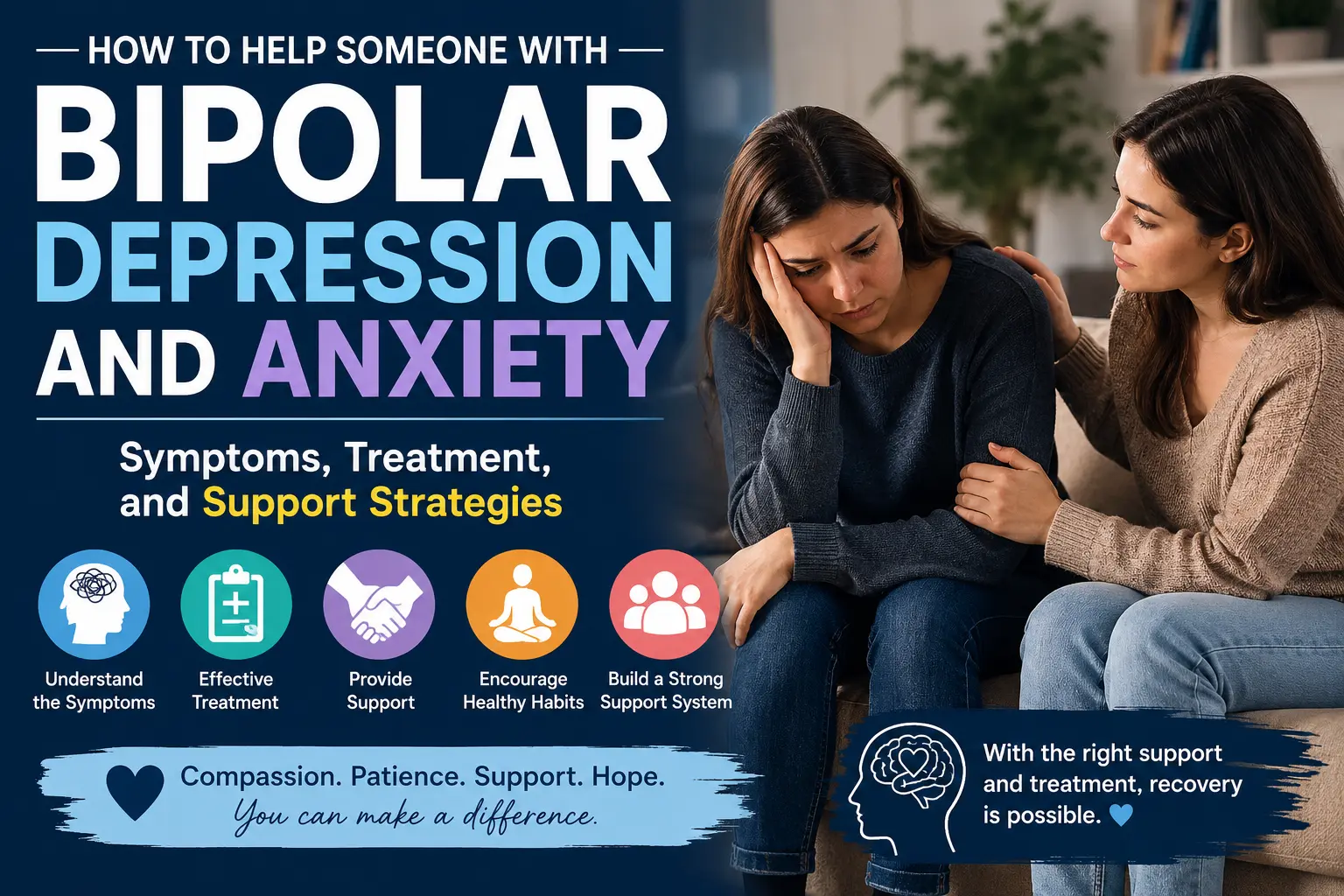 Watching someone you care about struggle with bipolar depression and anxiety can be heartbreaking. You may notice that they withdraw…
 In my practice as a clinical psychologist, I often observe that the difference between a patient who crumbles under pressure…
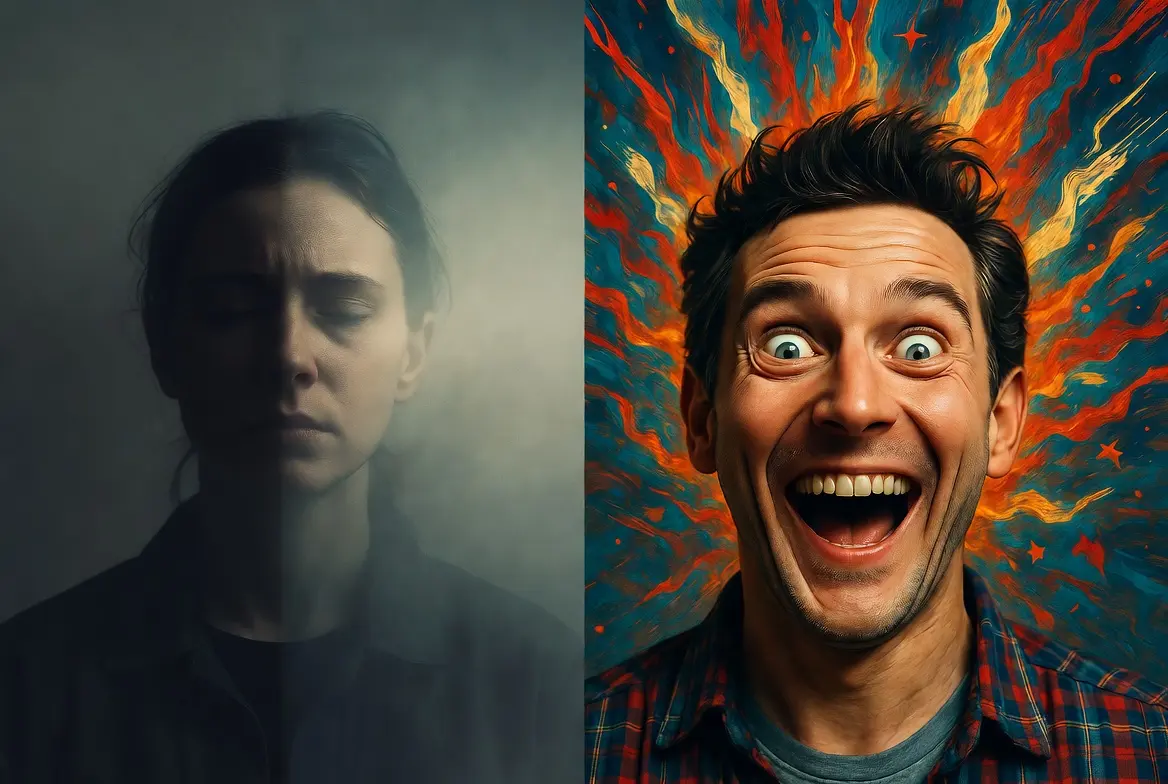 We all have "up" days and "down" days. Perhaps you feel energized after a promotion or sluggish on a rainy…
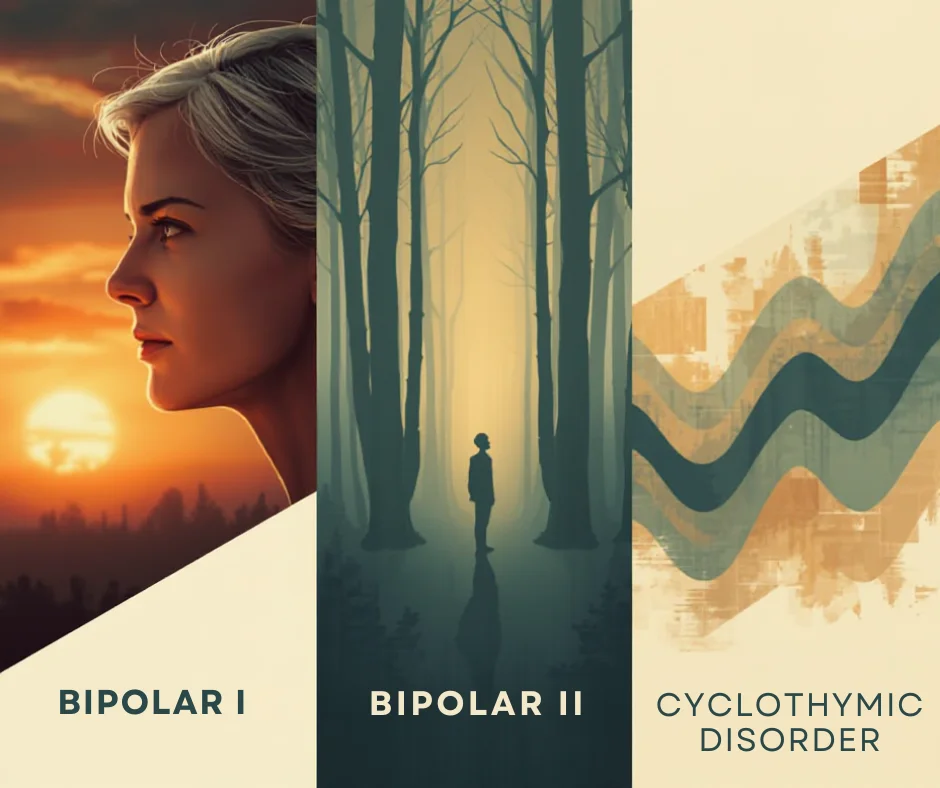 To define bipolar disorder accurately, we must look at it as a chronic mood dysregulation condition. In psychology and medicine,…
Are you looking for a Therapist?
Connect with qualified mental health professionals who understand
bipolar disorder, mood changes, and emotional challenges.
Private • Supportive • Confidential