
Sleeping Pills Explained: Types, Effectiveness, Safety, Side Effects, and Best Options for Better Sleep
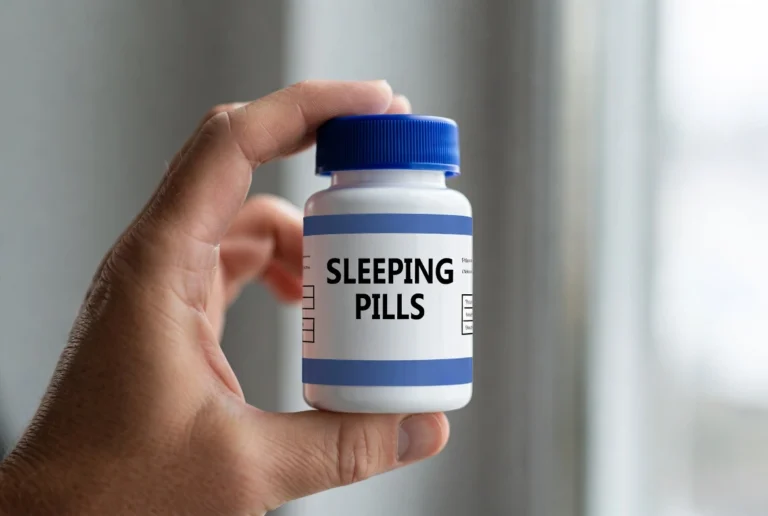
In clinical practice, the term sleeping pills medicine refers to a diverse group of compounds designed to depress the central nervous system or modulate the brain’s internal clock to facilitate rest.
Whether you are looking for a sleeping pills name for an occasional stressful night or a long-term prescription, it is vital to understand that “sleeping pill” is an umbrella term. It covers everything from powerful prescription sedatives to gentle herbal supplements. In modern public health, we categorize them based on their legal status (OTC vs. Prescription) and their specific chemical pathway in the brain.
How Do Sleeping Pills Work?
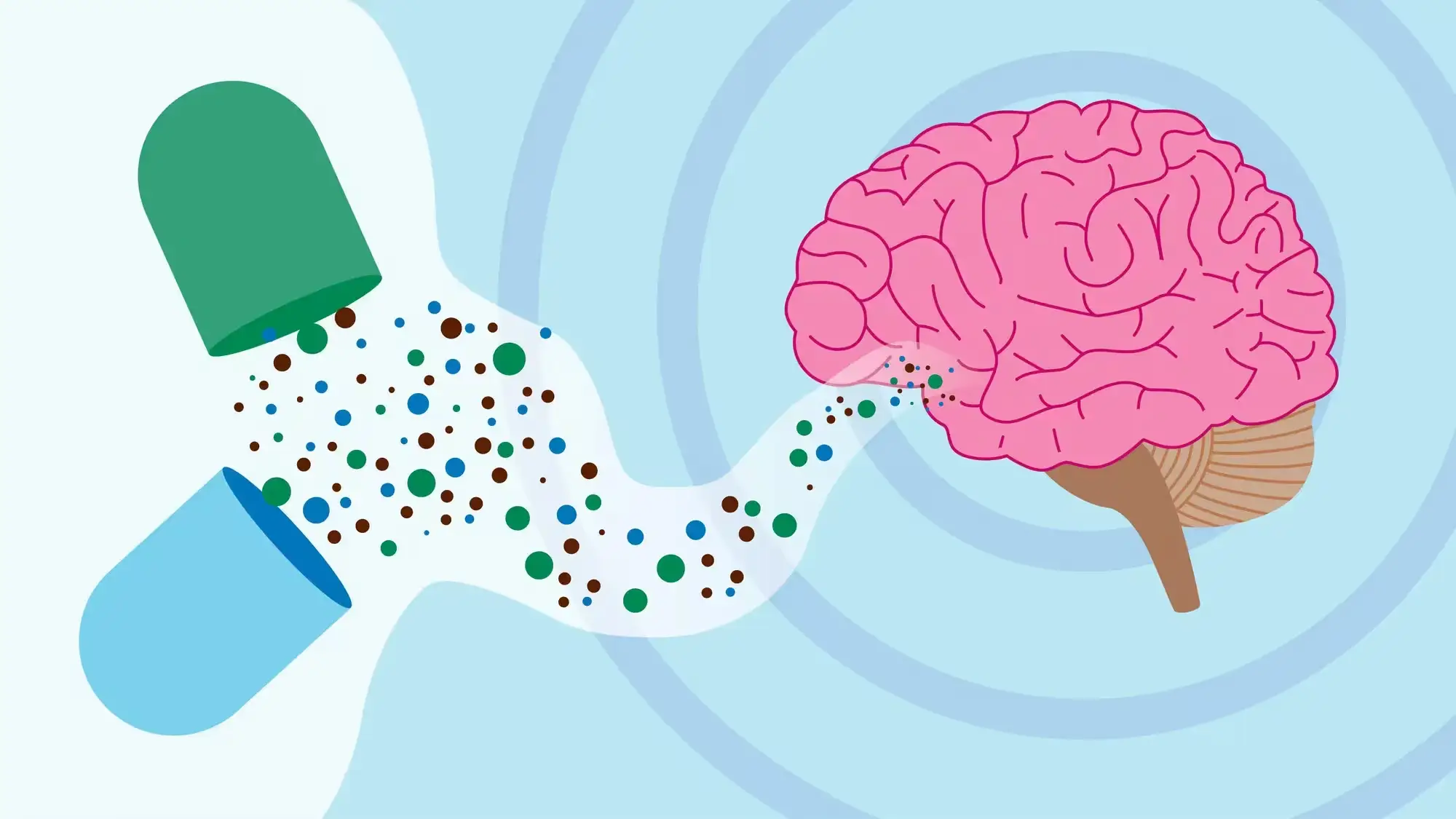
To understand how do sleeping pills work, you must understand the brain’s “sleep-wake switch.” Our brains rely on a delicate balance of neurotransmitters to stay alert or drift off.
- GABA Enhancement: Most traditional sleeping pills (like Benzodiazepines and Z-drugs) work by boosting GABA, the brain’s primary inhibitory chemical. Think of GABA as the brain’s “brake pedal.”
- Histamine Blockade: Many OTC options block histamine, a chemical that promotes wakefulness and alertness. By “turning off” histamine, these drugs induce a state of drowsiness.
- Melatonin Signaling: Supplements and certain Rxs mimic melatonin, the hormone that tells your body it is nighttime. These don’t “knock you out” but rather signal that it’s time to begin the sleep process.
- Orexin Antagonism: The newest class of drugs works by blocking orexin, a chemical that keeps you awake. Instead of pushing the “sleep” button, these drugs effectively pull the plug on the “awake” button.
Types of Sleeping Pills (By Category)
i. Prescription Sleeping Pills
These are the strongest sleeping pills and require medical oversight due to their potential for addiction and side effects.
- Z-Drugs (Non-Benzodiazepines): The most common prescription sleeping pills names include Zolpidem (Ambien), Eszopiclone (Lunesta), and Zaleplon (Sonata). They are designed to target sleep specifically with fewer muscle-relaxant effects than older drugs.
- Orexin Receptor Antagonists: A newer, often safer class for long-term use. Names include Suvorexant (Belsomra) and Lemborexant (Dayvigo).
- Benzodiazepines: Older medications like Temazepam (Restoril) or Triazolam (Halcion). While powerful, they carry a high risk of dependency and are rarely used as first-line treatments today.
- Sedating Antidepressants: Often used “off-label” for sleep, such as Trazodone or Mirtazapine.
ii. Over-the-Counter (OTC) Sleeping Pills
If you are looking for sleeping pills over the counter, you are likely buying an antihistamine.
- Diphenhydramine: Found in ZzzQuil, Benadryl, and Aleve PM.
- Doxylamine Succinate: Found in Unisom SleepTabs.
- Safety Note: These are intended for 2–3 nights of use only. Tolerance builds rapidly, often within a week.
iii. Melatonin & Supplements
Sleeping pills melatonin refers to the synthetic version of our natural sleep hormone. It is most effective for “circadian rhythm” issues like jet lag or shift work, rather than general insomnia.
Top 10 Sleeping Pills (Safety-First Comparison)
When searching for the top 10 sleeping pills, it is better to compare them by their clinical use-case rather than just “strength.”
| Name | Type | Key Use | Rx/OTC | Risk Level |
| Zolpidem (Ambien) | Z-Drug | Falling asleep | Rx | High (Parasomnias) |
| Eszopiclone (Lunesta) | Z-Drug | Staying asleep | Rx | Moderate (Bitter taste) |
| Lemborexant (Dayvigo) | Orexin Antagonist | Maintenance | Rx | Low (Next-day sleepiness) |
| Doxylamine (Unisom) | Antihistamine | Occasional use | OTC | Moderate (Groggy) |
| Melatonin | Hormone | Jet lag/Rhythm | OTC | Very Low |
| Trazodone | Antidepressant | Chronic Insomnia | Rx | Moderate (Priapism risk) |
| Ramelteon (Rozerem) | Melatonin Agonist | Sleep onset | Rx | Low |
| Diphenhydramine | Antihistamine | Short-term stress | OTC | Moderate (Dry mouth) |
| Temazepam (Restoril) | Benzodiazepine | Severe insomnia | Rx | High (Dependence) |
| Suvorexant (Belsomra) | Orexin Antagonist | Falling/Staying asleep | Rx | Low |
Which Pill Is Best for Sleeping?

The honest medical answer to “Which pill is best for sleeping?” is: It depends on your specific type of insomnia.
- Sleep Onset Insomnia: If you can’t fall asleep, a short-acting drug like Zaleplon or Melatonin may be best.
- Sleep Maintenance Insomnia: If you wake up at 3:00 AM, a long-acting orexin antagonist or Eszopiclone is often preferred.
- The “Gold Standard”: For most people, the “best” option isn’t a pill at all, but CBT-I, which has been proven more effective than drugs over any period longer than six months.
What Is the Strongest Sleeping Pill?
Many people search for the strongest pill for sleeping, usually out of desperation from chronic exhaustion. However, in medicine, “strong” often translates to “dangerous.”
The strongest sleeping pills are typically the Barbiturates (like Phenobarbital) or high-dose Benzodiazepines. These are rarely prescribed for sleep today because the dose required to sleep is uncomfortably close to the dose that can stop your breathing.
Expert Warning: Seeking the “strongest” pill without addressing the root cause of your insomnia can lead to a dangerous cycle of escalating doses and life-threatening respiratory depression.
How Long Do Sleeping Pills Take to Work & Last?
Timing is everything. If you take a pill too late, you’ll be a hazard on the road the next morning.
- How long does it take for sleeping pills to work? Most take 30 to 60 minutes to “kick in.”
- How long do they last? Short-acting pills last 4 hours; standard versions last 7–8 hours.
- The Window: Never take a standard sleeping pill unless you have a full 7 to 8 hours dedicated to sleep.
Side Effects of Sleeping Pills
As a physician, I emphasize that “every pill has a price.” While these drugs facilitate rest, they often cause “residual” effects that linger into your waking hours.
Common vs. Serious Side Effects
The most frequent complaint is the “hangover effect.” Because many sleeping pills last longer than your actual sleep cycle, you may experience:
- Daytime Drowsiness: Impaired alertness that makes driving or operating machinery dangerous.
- Cognitive Fog: Difficulty with memory, attention, and “mental slowing.”
- Physical Imbalance: Dizziness and an increased risk of falls, particularly in older adults.
- Parasomnias: Unusual behaviors performed while asleep, such as sleep-walking, sleep-eating, or even “sleep-driving.” This is a significant risk with prescription sleeping pills like Ambien.
Are Sleeping Pills Safe to Take Nightly?
The short answer for most people is no. Most otc sleeping pills and Z-drugs are intended for short-term use (2–4 weeks).
The Risk of Tolerance and Dependence
If you take sleeping pills nightly, your brain adapts. You may develop tolerance, meaning you need a higher dose to get the same effect. This can lead to psychological dependence, where you feel you “cannot” sleep without the pill, often resulting in rebound insomnia—where your sleep becomes even worse than before once you stop the medication.
The Dementia Connection
Recent longitudinal studies (updated through 2026) have sparked debate regarding whether chronic use of prescription sleeping pills increases the risk of Alzheimer’s and other dementias. While a direct causal link is still being researched, frequent use of Benzodiazepines and certain Z-drugs has been associated with a higher likelihood of cognitive decline in older white adults. The current medical consensus is to use the lowest dose for the shortest time possible.
Overdose & Safety: A Critical Warning
A common, heavy question is: Can sleeping pills kill you? or Can you overdose on sleeping pills? ### Understanding the Risks Yes, a sleeping pill overdose is a life-threatening medical emergency.
- Mechanism: Most sleeping pills are central nervous system (CNS) depressants. In excessive amounts, they can slow your heart rate and breathing until they stop entirely (respiratory arrest).
- The Danger of Mixing: The risk of death increases exponentially when sleeping pills are combined with alcohol, opioids (painkillers), or muscle relaxers.
Emergency Action: If you suspect someone has taken too many sleeping pills and they are unresponsive, have bluish lips, or are breathing very slowly, call emergency services (911/999) immediately. Do not wait for them to “sleep it off.”
Special Populations
Pregnancy
Can you take sleeping pills while pregnant? Most doctors recommend avoiding prescription sedatives. However, certain antihistamines like Diphenhydramine (Benadryl) or Doxylamine (Unisom) are generally considered “possibly safe” for short-term use under a doctor’s supervision. Benzodiazepines are strictly avoided as they can lead to “floppy baby syndrome” or neonatal withdrawal.
Menopause
The best sleeping pills for menopause often aren’t sleeping pills at all. Since menopause-related insomnia is usually caused by hot flashes (vasomotor symptoms), low-dose hormone replacement therapy (HRT) or certain SSRIs are often more effective than traditional sedatives.
Breathing Problems (Sleep Apnea)
Sleeping pills for breathing problems are a major contraindication. If you have Obstructive Sleep Apnea (OSA), sleeping pills can further relax your throat muscles, causing your airway to collapse more frequently and dangerously lowering your oxygen levels.
Pets
A Critical Warning on Sleeping Pills for Dogs: Never give your pet a human sleeping pill. While some vets use melatonin or Benadryl for anxiety, human-grade supplements often contain Xylitol, an artificial sweetener that is lethal to dogs. Always consult a veterinarian first.
How to Take Sleeping Pills Safely

If you and your doctor decide that medication is necessary, following a strict protocol is essential to minimize the risk of injury or dependency.
Best Practices for Use:
- The “7-Hour Rule”: Never take a standard sleeping pill at night unless you can guarantee 7 to 8 hours of uninterrupted rest. Taking one for a “short nap” or a 4-hour flight can lead to severe amnesia and coordination issues.
- Timing: Take the pill roughly 30 minutes before you intend to be in bed. Do not take it and then try to finish house chores or drive; it can “kick in” faster than expected.
- Empty Stomach: Most prescription sleeping pills work best on an empty stomach. A heavy, high-fat meal can delay absorption, meaning the pill might not work when you need it but will leave you groggy the next morning.
- The “Alcohol Rule”: There is no safe amount of alcohol to consume with sleep medication. Both substances depress the central nervous system; combined, they can lead to fatal respiratory suppression.
Cost and Access: OTC vs. Prescription
The sleeping pills price varies wildly depending on whether you are buying a generic antihistamine or a brand-name orexin antagonist.
- OTC Cost: Generally very affordable ($5–$20 for a month’s supply).
- Generic Prescription: Drugs like Zolpidem or Trazodone are typically covered by insurance and are inexpensive.
- Newer Brands: Orexin antagonists like Dayvigo or Quviviq can be expensive (up to $300+ without insurance), as generic versions are not yet widely available in 2026.
Alternatives to Sleeping Pills (Evidence-Based)
As a public health specialist, I cannot stress enough that pills are a “band-aid,” not a cure. For long-term success, we look at CBT-I (Cognitive Behavioral Therapy for Insomnia).
Why CBT-I is the “Best” Sleeping Pill:
- Stimulus Control: Re-associating the bed with sleep, not scrolling or worrying.
- Sleep Restriction: Temporarily limiting time in bed to increase the “drive” to sleep.
- Cognitive Restructuring: Addressing the anxiety about not sleeping, which is often what keeps people awake.
Frequently Asked Questions
Can sleeping pills cause dementia?
There is a correlation between long-term, high-dose use of certain sedatives (especially Benzodiazepines) and cognitive decline in older adults. While not everyone will develop dementia, medical guidelines suggest avoiding chronic use in patients over 65.
Can you die from sleeping pills?
Yes. An overdose, especially when mixed with alcohol or opioids, can cause the body to stop breathing. This is why strict adherence to the prescribed dose is a life-saving requirement.
What happens if you take 8 sleeping pills?
Taking any amount over the prescribed dose is a medical emergency. You may experience extreme lethargy, slowed breathing, a dangerously low heart rate, and loss of consciousness. Contact Poison Control or Emergency Services immediately.
How to reduce sleeping pill effects immediately?
If you have taken a pill and need to be “awake,” there is no safe home remedy (like coffee) that can neutralize a sedative. If you are feeling dangerously impaired, seek medical attention immediately. Do not attempt to drive.
Conclusion: A Path to Better Sleep
Sleeping pills are a powerful tool in the medical arsenal, but they are not without significant risk. Whether you are using sleeping pills over the counter for a single night of jet lag or working with a specialist on prescription sleeping pills for chronic insomnia, the goal should always be the same: finding the lowest effective dose for the shortest possible time.
By combining short-term medical support with long-term sleep hygiene and therapy, you can reclaim your rest without becoming dependent on a bottle.
Medical Disclaimer: This content is for educational purposes only and is not a substitute for professional medical advice, diagnosis, or treatment. Always consult a healthcare provider before starting or stopping any medication.
Authoritative Clinical & Medical References
- Mayo Clinic – “Sleep Aids: Understand Over-the-Counter Options”
- Cleveland Clinic – “Sedative-Hypnotic Anxiolytics (Sleeping Pills)”
- National Center for Biotechnology Information (NCBI) – PubMed Central
- U.S. Food & Drug Administration (FDA) – “Taking Z-drugs for Sleep”
- Sleep Foundation – “Prescription Sleeping Pills: Common Types and Side Effects”
Related Posts



Subscribe to Our Newsletter
Get mental health tips, updates, and resources delivered to your inbox.
MORE from Author
Read More In my practice as a clinical psychologist, I often observe that the difference between a patient who crumbles under pressure…
- We all have "up" days and "down" days. Perhaps you feel energized after a promotion or sluggish on a rainy…


 To define bipolar disorder accurately, we must look at it as a chronic mood dysregulation condition. In psychology and medicine,…
 To answer whether bipolar fits the bill, we first have to define what a neurodivergent person actually is. The term…


Are you looking for a Therapist?
Connect with qualified mental health professionals who understand
bipolar disorder, mood changes, and emotional challenges.
Private • Supportive • Confidential