
Emotional Eating: Meaning, Causes, Types, and How to Stop It (Evidence-Based Guide)

Medically reviewed by Laura Athey Updated Date: February 20, 2026

As a physician, I often tell my patients that hunger is a physiological signal, but appetite is a psychological one. Understanding the emotional eating meaning starts with recognizing that our relationship with food is deeply intertwined with our brain’s reward system.
Emotional Eating Definition
By clinical definition, emotional eating is a form of disordered eating behavior where food is used as a primary coping mechanism for emotional distress. Whether it is a celebration, a stressful deadline, or a lonely evening, the individual turns to food not because their stomach is empty, but because their “emotional cup” is overflowing or feels painfully empty.
Why It’s Common in Modern Life
In our fast-paced, high-cortisol society, food is the most accessible, legal, and socially acceptable mood-altering substance available. It provides an immediate, though temporary, hit of dopamine. Understanding what is emotional eating requires acknowledging that for many, it is a “learned” behavior from childhood—using a cookie to soothe a scraped knee or a pizza to celebrate a good grade. Over time, these associations become hardwired into our neural pathways.
Emotional Eating vs. Physical Hunger
Distinguishing between the two is the first step in recovery. Many patients ask, “How do I know if I’m actually hungry?” Physical hunger is a slow burn; emotional hunger is a flash flood.
Comparing the Two Hungers
To help you identify your patterns, consider these emotional eating examples versus physical cues:
| Feature | Emotional Hunger | Physical Hunger |
| Onset | Sudden and urgent. | Gradual and patient. |
| Food Choice | Specific (e.g., “I need chocolate”). | Open to many options (e.g., vegetables sound okay). |
| Physical Sensation | Felt “above the neck” (mental craving). | Felt in the stomach (growling, emptiness). |
| Satiety | Hard to satisfy; eating past fullness. | Stops when full. |
| Aftermath | Guilt, shame, or regret. | Satisfaction; no negative emotions. |
If you find yourself standing in front of the refrigerator at 10:00 PM without a growling stomach, you are likely experiencing emotional hunger.
What Triggers Emotional Eating?
If we want to address the behavior, we must understand what triggers emotional eating. It is rarely about “lack of willpower.” Instead, it is a biological and psychological response to internal and external pressures.
Stress and Cortisol
When you are under chronic stress, your adrenal glands pump out cortisol. Cortisol increases appetite and specifically ramps up cravings for “hyper-palatable” foods (high fat, high sugar). This is why we call it stress eating—your biology is literally screaming for quick energy to “fight or flee,” even if your stress is just a long email thread.
Restriction and Dieting Cycles
Ironically, the biggest trigger for emotional eating is often a strict diet. When you restrict food groups, your brain enters a “scarcity mindset.” The moment you feel a negative emotion, the “forbidden fruit” becomes the only thing that can soothe you.
Sleep Deprivation
Lack of sleep disrupts ghrelin (the hunger hormone) and leptin (the fullness hormone). A tired brain has less activity in the prefrontal cortex—the area responsible for impulse control—making it nearly impossible to stop emotional eating when the urge hits.
Trauma and Learned Behaviors
For some, food serves as a “numbing” agent. If you experienced trauma or lived in an environment where emotions were suppressed, food might have become your only safe way to regulate your nervous system.
What Are the 4 Types of Emotional Eating?

Not all emotional eating looks the same. Most people fall into one of these four categories:
- The Stress Eater: Eats to manage high-pressure situations. This is often “mindless” eating, like snacking on chips while working.
- The Reward Eater: Uses food as a prize. “I had a hard day, I deserve this entire cake.”
- The Numbing/Avoidance Eater: Eats to “block out” painful feelings like loneliness, grief, or boredom. Food acts as a temporary distraction.
- The Habitual/Social Eater: Eats because of the environment or social cues, regardless of hunger, often to fit in or soothe social anxiety.
Recognizing which type you are helps in choosing the right emotional eating treatments.
What Is the Root Cause of Emotional Eating?
If we dig deeper into what is the root cause of emotional eating, we find a common thread: Emotional Dysregulation. At its core, emotional eating is an attempt to solve a non-food problem with a food solution. The “root” is often a lack of alternative tools to handle big feelings.
When we haven’t learned how to sit with discomfort, sit with boredom, or process anger, food becomes the default “emergency brake” for the nervous system.
Is Emotional Eating an Eating Disorder?
This is a critical YMYL (Your Money Your Life) distinction. Is emotional eating an eating disorder? Strictly speaking, emotional eating is a behavior, not a diagnosis in the DSM-5. However, it exists on a spectrum.
- Occasional Emotional Eating: Normal and common.
- Compulsive Emotional Eating: Frequent, leading to distress.
- Binge Eating Disorder (BED): A clinically diagnosed eating disorder where emotional eating becomes frequent, involves massive quantities of food, and is accompanied by a complete loss of control.
If your emotional eating feels “out of control” or happens at least once a week for three months, it is time to seek emotional eating counseling.
In this second segment, we move from understanding the “why” to mastering the “how.” We will explore the concrete, evidence-based strategies for breaking the cycle and building a new relationship with food.
How to Stop Emotional Eating (Evidence-Based)
Breaking the habit requires more than “willpower”—it requires a structural change in how you respond to your internal environment. If you want to know how to stop emotional eating, you must address the brain’s habit loop: Trigger → Action → Reward.
The “Pause & Label” Framework
The most effective way to stop emotional eating is to create a gap between the urge and the action.
- The 5-Minute Rule: When the urge hits, tell yourself you can eat in five minutes, but first, you must do one non-food task.
- Label the Feeling: Ask yourself, “What am I actually feeling?” Is it anxiety? Boredom? Loneliness? Research shows that simply naming an emotion reduces the activity of the amygdala (the brain’s fear center).
- Check Your Biology: Have you eaten enough today? Often, what feels like an emotional urge is actually “rebound hunger” from skipping lunch.
Prevent Deprivation
You cannot control emotional eating if you are physically starving. Most “binges” are preceded by a period of restriction. To maintain stability:
- Eat balanced meals with protein, fiber, and healthy fats every 3–4 hours.
- Avoid “good” vs. “bad” food labels; moralizing food creates a shame cycle that fuels emotional eating.
10 Ways to Stop Stress Eating
Since stress is the primary driver for most, these 10 ways to stop stress eating focus on lowering your cortisol levels without using a fork.
- Box Breathing: Inhale for 4 seconds, hold for 4, exhale for 4, hold for 4. This physically resets your nervous system.
- The 20-Minute Delay: Cravings usually peak and fade within 20 minutes. Distract yourself with a game or a chore.
- Hydrate: Thirst is often mistaken for hunger. Drink a glass of water and wait 10 minutes.
- Movement: A 5-minute walk increases endorphins, which are natural stress-fighters.
- Remove Visual Cues: Don’t keep “trigger foods” on the kitchen counter. If you have to reach for them, you’re less likely to eat them impulsively.
- Phone a Friend: Social connection releases oxytocin, which buffers stress.
- Prioritize Sleep: Get 7–9 hours. A tired brain has no “brakes.”
- Keep a “Mood & Food” Journal: Track what you eat and how you felt. Patterns will emerge.
- Savor the First Three Bites: If you do eat, do it slowly. The greatest sensory pleasure comes from the first few bites.
- Practice Self-Compassion: If you slip up, don’t punish yourself. Forgive yourself and move on to the next meal.
What to Do Instead of Emotional Eating
When you take food off the table as a coping mechanism, you need a replacement. Here is what to do instead of emotional eating, categorized by the need you are trying to fill:
If You Are Bored
- Work on a puzzle or a craft that keeps your hands busy.
- Listen to an engaging podcast or audiobook.
- Start a “mini-project” (clean one drawer, organize one shelf).
If You Are Anxious or Stressed
- Take a hot shower or bath (sensory comfort).
- Use a weighted blanket.
- Practice progressive muscle relaxation.
If You Are Sad or Lonely
- Journal your thoughts for 10 minutes.
- Watch a comedy or a show that makes you feel “at home.”
- Snuggle with a pet—animals provide significant emotional regulation.
How to Control & Manage Emotional Eating Long-Term

To manage emotional eating for life, you have to move away from “fixing” a problem and toward “designing” a lifestyle.
Mindful Eating
Mindful eating is the practice of being fully present while you consume food. It’s not a diet; it’s a tool.
- Eliminate Distractions: No TV, no phone, no scrolling.
- Engage the Senses: Notice the texture, the smell, and the subtle flavors.
- Rate Your Hunger: On a scale of 1–10, where are you before, during, and after the meal?
Environment Design
You are a product of your environment. If your pantry is a “stress-eating minefield,” you will eventually step on a mine. Avoid emotional eating by stocking your home with “barrier foods”—things that require preparation (like peeling an orange or cooking an egg) rather than “grab-and-go” ultra-processed snacks.
Emotional Eating Therapy & Counseling
For some, the “root cause” is too deep for self-help. This is where emotional eating therapy becomes life-changing.
Best-Supported Therapies
- Cognitive Behavioral Therapy (CBT): Helps you identify and challenge the distorted thoughts that lead to eating (e.g., “I already ruined my diet, I might as well eat everything”).
- Dialectical Behavior Therapy (DBT): Specifically designed for emotional regulation and “distress tolerance.” It teaches you how to handle intense feelings without self-soothing through food.
- ACT (Acceptance and Commitment Therapy): Focuses on accepting difficult emotions and choosing actions aligned with your values rather than your impulses.
If you are looking for an emotional eating therapist near me, look for clinicians who specialize in “disordered eating” or “health at every size” (HAES) to ensure a non-shaming environment.
In this final segment, we address the medical interventions, the specific challenges of post-surgical life, and the long-term support systems necessary for lasting change.
Emotional Eating Treatments
When lifestyle changes and therapy aren’t enough, patients often ask: What medication is used for emotional eating? It is important to clarify that the FDA does not currently approve any medication specifically for “emotional eating.”
However, doctors may prescribe certain medications to treat the underlying conditions or the severe end of the spectrum (Binge Eating Disorder).
Indirect Medical Supports
- Anti-Anxiety or Antidepressant Medications (SSRIs): If your emotional eating is a symptom of clinical depression or GAD, treating the primary mood disorder can naturally reduce the urge to self-soothe with food.
- Lisdexamfetamine (Vyvanse): This is the only FDA-approved medication for moderate-to-severe Binge Eating Disorder (BED). It helps with impulse control and reduces the frequency of binge days.
- GLP-1 Agonists (e.g., Semaglutide): While primarily used for diabetes and weight management, these medications affect the “reward center” of the brain, potentially reducing the “food noise” that drives emotional cravings.
Warning: Medication should never be the only treatment. Without addressing the emotional root cause through emotional eating counseling, the behavior often returns once the medication is stopped.
Life After Bariatric Surgery & Emotional Eating
A common misconception is that weight-loss surgery “fixes” emotional eating. As an MD, I see many patients struggle with “transfer addiction” or persistent cravings after a procedure.
Why emotional eating persists after surgery:
- The “Physical Tool” vs. the “Mental Habit”: Surgery changes the size of your stomach, but it does not change your brain’s coping mechanisms.
- Grief and Loss: Many patients feel a sense of “loss” because their primary comfort (food) is no longer available in large quantities, leading to significant emotional distress.
- The “Slider” Effect: Patients may find they can still “emotionally eat” by grazing on soft, high-calorie foods (ice cream, chips) throughout the day, bypassing the surgery’s restriction.
For those in life after bariatric surgery, emotional eating management is vital. Success depends heavily on post-operative psychological support and joining an emotional eating support group.
Emotional Eating Support Options
Isolation fuels the shame cycle. Finding a community of people who understand the struggle is one of the most effective emotional eating treatments.
- Overeaters Anonymous (OA): A 12-step program for those struggling with compulsive eating.
- The substack/Online Communities: Many people find relief in “Body Neutrality” or “Intuitive Eating” forums where the focus is on healing the relationship with food rather than weight loss.
- Local Groups: Searching for “emotional eating Northbrook” or your specific city can lead you to hospital-based wellness programs or private practice groups.
Self-Reflection & Screening (Non-Diagnostic)
Before seeking a bipolar anxiety depression specialist or a dietitian, ask yourself these reflection questions to gauge your patterns:
- Are you prone to emotional eating when you feel criticized by others?
- Do you find yourself eating “in secret” or hiding wrappers?
- How much emotional eating have I been doing lately compared to a month ago? (Check for “seasonal” or “stress-cycle” patterns).
- Do you feel “numb” while eating, only to feel “flooded” with guilt afterward?
If you answered “yes” to several of these, you aren’t “broken”—you are simply using a tool (food) that has stopped serving you.
Frequently Asked Questions
Can not eating make you emotional?
Absolutely. “Hangry” is a real physiological state. Low blood sugar (hypoglycemia) triggers the release of cortisol and adrenaline, which makes you irritable, anxious, and more prone to an emotional outburst followed by an emotional binge.
Is stress eating the same as emotional eating?
Stress eating is a type of emotional eating. Emotional eating is the umbrella term that includes eating for stress, but also for boredom, sadness, loneliness, or even joy.
How long does it take to stop emotional eating?
Neuroplasticity—the brain’s ability to rewire—takes time. Most patients see significant improvement in how to control emotional eating within 3 to 6 months of consistent therapy and mindful eating practice.
When should I see a therapist?
You should seek professional help if your eating habits cause significant distress, lead to physical health complications, or if you feel like you have lost the ability to choose when and what you eat.
Conclusion: Reclaiming Your Power
Emotional eating is not a character flaw. It is a biological response to an emotional world. By shifting from a mindset of “restriction” to a mindset of “regulation,” you can break the cycle.
Whether you start with a simple mindful eating exercise today or reach out for emotional eating therapy, remember that every meal is a new opportunity to listen to your body instead of just your emotions.
Authoritative Clinical & Academic References
- Harvard Health Publishing – “Why Stress Causes People to Overeat”
- National Center for Biotechnology Information (NCBI) – PubMed Central
- Mayo Clinic – “Weight Loss: Gain Control of Emotional Eating”
- The American Psychological Association (APA) – “Mindful Eating”
- Cleveland Clinic – “Emotional Eating: What It Is and How to Stop It”

Related Posts





Subscribe to Our Newsletter
Get mental health tips, updates, and resources delivered to your inbox.
MORE from Author
Read More In my practice as a clinical psychologist, I often observe that the difference between a patient who crumbles under pressure…
 We all have "up" days and "down" days. Perhaps you feel energized after a promotion or sluggish on a rainy…
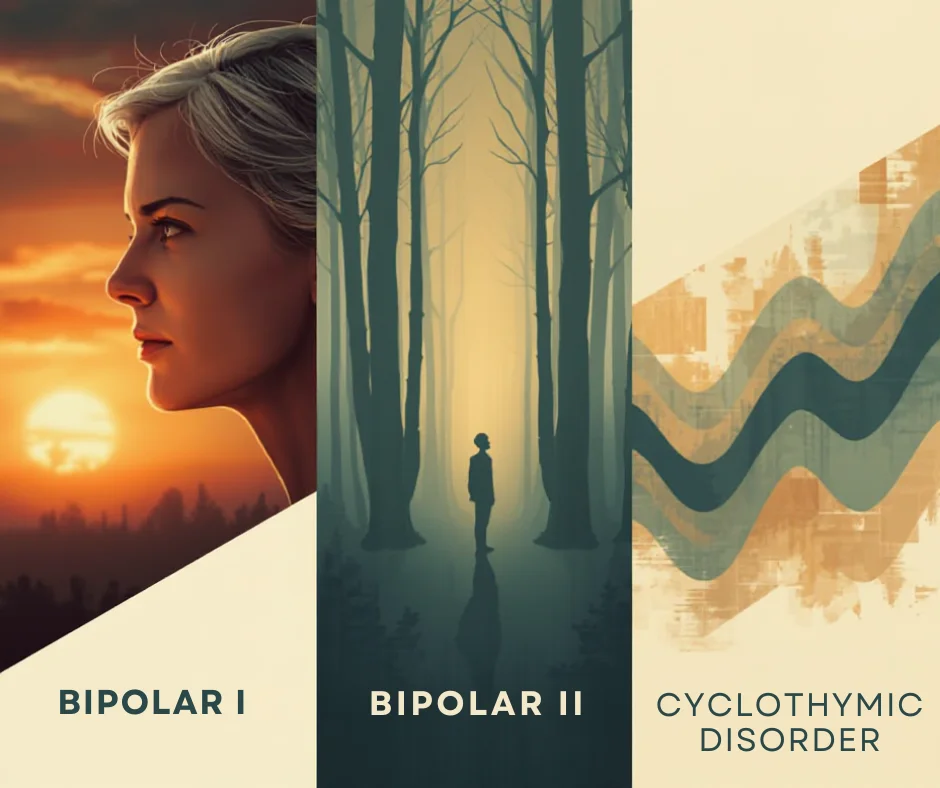 To define bipolar disorder accurately, we must look at it as a chronic mood dysregulation condition. In psychology and medicine,…
 To answer whether bipolar fits the bill, we first have to define what a neurodivergent person actually is. The term…
Are you looking for a Therapist?
Connect with qualified mental health professionals who understand
bipolar disorder, mood changes, and emotional challenges.
Private • Supportive • Confidential