
Alexithymia Test: Symptoms, Types, and How to Assess Emotional Awareness

Medically reviewed by Laura Athey Updated Date: April 22, 2026

An alexithymia test is designed to measure a person’s difficulty in identifying and describing their own emotions. The most widely accepted clinical measure is the Toronto Alexithymia Scale (TAS-20).
While online self-tests can provide a baseline for understanding your emotional profile, alexithymia is complex. It is not a formal disorder but a personality trait that affects how you process feelings and connect with others. Only a qualified mental health professional can provide a comprehensive assessment.
What Is Alexithymia?
Clinically, alexithymia is defined as a personality construct characterized by the inability to identify and describe emotions in oneself. It is not a mental disorder listed in the DSM-5 (Diagnostic and Statistical Manual of Mental Disorders). Instead, it is considered a dimensional trait—meaning it exists on a spectrum. You aren’t simply “alexithymic” or “not”; you have varying degrees of emotional awareness.
Research suggests that approximately 10% of the general population exhibits significant levels of alexithymia. However, in my clinical practice, I see much higher rates among men (due to socialization) and individuals with neurodivergent conditions like autism or ADHD.
What Are the Two Types of Alexithymia?
It is a common misconception that alexithymia is always “hard-wired” from birth. In reality, we categorize it into two distinct types based on its origin. Understanding what are the two types of alexithymia is crucial because it dictates the treatment approach.
1. Primary Alexithymia (Trait)
This is considered a lifelong, developmental personality trait.
- Origin: It is likely genetic or the result of early neurodevelopmental differences (common in autism).
- Nature: It is stable over time. The person has never really “spoken the language” of emotion.
- Treatment Goal: Learning to cognitively identify and label feelings (building a dictionary).
2. Secondary Alexithymia (State)
This is an acquired reaction to severe stress, trauma, or medical illness.
- Origin: Often stems from PTSD, depression, or a defense mechanism against overwhelming pain. If feeling emotions is too dangerous, the brain shuts down the connection.
- Nature: It can be temporary or reversible.
- Treatment Goal: Trauma processing to make it safe to feel again.
Comparison of Types
| Feature | Primary Alexithymia | Secondary Alexithymia |
| Onset | Early childhood / Birth | Later in life / After trauma |
| Cause | Genetics, Neurodevelopment | Trauma, Chronic Stress, Illness |
| Stability | Consistent personality trait | Can fluctuate with mental health |
| Defense Mechanism? | No, it is a wiring difference | Yes, a protection against pain |
Alexithymia Symptoms
When I assess a client, I don’t just look for silence. I look for specific patterns in how they relate to their internal world. The core alexithymia symptoms include:
- Difficulty Identifying Feelings: You might know you feel “bad” or “agitated,” but you cannot distinguish between anger, fear, or shame.
- Difficulty Describing Feelings: You struggle to find the right words to convey your internal state to others. You might say, “I’m fine,” even when you aren’t, because you literally cannot articulate the problem.
- Externally Oriented Thinking: Your focus is almost entirely on external events, facts, and details rather than internal experiences. You might describe what happened in a fight (“He said X, then I left”), but not how it felt.
- Somatic Confusion: You frequently mistake emotional arousal for physical illness. Anxiety might be interpreted solely as “a stomach ache” or “heart palpitations” without the emotional context.
- Limited Fantasy Life: A reduced capacity for daydreaming or imaginative play.
How Does a Person With Alexithymia Speak?
Language is the primary window I use to spot this trait. How does a person with alexithymia speak? Their speech is often described as “operative” or strictly factual.
- The “Radio Reporter” Style: They recount events like a news reporter—highly detailed, chronological, and objective—but lacking the emotional color.
- Physical Metaphors: Instead of saying, “I was terrified,” they might say, “My adrenaline spiked.”
- Vague Descriptors: When pressed on how they feel, the answers are often: “I don’t know,” “Normal,” “Weird,” or “Bad.”
- Action-Oriented: They focus on solutions immediately. If a partner is crying, the alexithymic individual may immediately offer a logistical fix rather than empathy, not out of cruelty, but because they don’t know how to navigate the emotional space.
Can People With Alexithymia Fall in Love?
This is a painful question I hear often, especially from partners of my clients. Can people with alexithymia fall in love?
Yes, absolutely.
Alexithymia is a disorder of identifying and expressing emotion, not necessarily feeling it.
- The Experience: An alexithymic person feels attachment, loyalty, desire, and care. They may experience love as a strong physical pull toward someone or a deep desire to be near them.
- The Challenge: They may struggle to recognize these sensations as “love” or verbally validate their partner. A patient might show love by fixing the car or paying the bills (actions) rather than writing a love letter (words).
- The Gap: Relationship conflict often arises when the partner interprets this lack of verbal emotional intimacy as a lack of caring.
Can Someone Have Alexithymia and Not Be Autistic?

There is a significant overlap between the two communities, leading many to ask: Can someone have alexithymia and not be autistic?
Yes. While estimates suggest that 50% of autistic individuals also have alexithymia, that leaves half who do not. Conversely, millions of neurotypical people have alexithymia.
Where else do we see it?
- PTSD: Survivors often disconnect from their bodies to survive trauma.
- Depression: Severe depression can flatten emotional affect.
- Eating Disorders: Many individuals with anorexia or bulimia struggle to identify internal hunger cues and emotional cues alike (interoception issues).
- Upbringing: Men raised in environments where “boys don’t cry” often develop a functional form of alexithymia—they unlearned the language of emotion.
Distinguishing from Autism:
Autism involves social communication deficits and repetitive behaviors. A person with “pure” alexithymia may understand social rules perfectly and have no sensory issues, yet still be completely blind to their own internal emotional landscape.
How to Test for Alexithymia
So, how do we measure something as abstract as emotional awareness? How to test for alexithymia involves a combination of self-report scales and clinical observation.
In a professional setting, I rarely rely on a single questionnaire. I look for the “alexithymic gap”—the distance between a client’s physiological arousal (e.g., they are clenching their fists) and their reported experience (e.g., “I am not angry”).
The Gold Standard: Self-Report Scales
Because emotions are internal, self-reporting is the primary method of assessment. However, this has an inherent irony: we are asking people who are bad at knowing their feelings to report on how bad they are at knowing their feelings. Despite this, standardized tests like the TAS-20 have proven to be highly reliable.
Toronto Alexithymia Scale (TAS-20)
The Toronto Alexithymia Scale (TAS-20) is the most widely researched and utilized alexithymia measure in the world. Developed in the early 1990s, it consists of 20 questions that participants rate on a 5-point Likert scale (1 = Strongly Disagree to 5 = Strongly Agree).
The Three Subscales
The TAS-20 alexithymia test doesn’t just give a single score; it breaks down the difficulty into three specific factors:
- Difficulty Identifying Feelings (DIF):
- Sample Item: “I am often confused about what emotion I am feeling.”
- Significance: Measures the confusion between emotions and bodily sensations.
- Difficulty Describing Feelings (DDF):
- Sample Item: “It is difficult for me to find the right words for my feelings.”
- Significance: Measures the ability to communicate emotion to others.
- Externally Oriented Thinking (EOT):
- Sample Item: “I prefer to talk to people about their daily activities rather than their feelings.”
- Significance: Measures the tendency to focus on surface-level details.
Scoring the TAS-20
While I cannot provide the full diagnostic scoring rubric here (as it requires professional interpretation), generally:
- Total Score: Ranges from 20 to 100.
- Non-alexithymic: Scores ≤ 51.
- Borderline: Scores between 52 and 60.
- Alexithymic: Scores ≥ 61.
Here is the second half of the comprehensive guide on alexithymia testing and management.
Alexithymia Test Online — Are Free Tests Accurate?
In our digital age, it’s natural to turn to Google for answers. A quick search for alexithymia test online yields dozens of results. But can a 5-minute quiz diagnose a complex emotional trait?
Pros of Online Tests:
- Awareness: They are excellent screening tools. If you score high on a free alexithymia test, it validates that your struggle is real and has a name.
- Vocabulary: They introduce you to the concept of alexithymia, giving you language to discuss with a therapist.
Cons and Risks:
- Lack of Context: An online test cannot distinguish between alexithymia (a trait) and depression (a state). You might score high because you are currently numb from grief, not because you lack emotional wiring.
- Self-Report Bias: As mentioned, asking someone with low emotional insight to rate their emotional insight is inherently tricky. You might answer “No” to “Do you have trouble feeling?” because you genuinely think you are feeling fine, when a clinician would see otherwise.
Verdict: Use online tests as a starting point, not a diagnosis. If you score above 60 on a TAS-20 alexithymia test online, print the results and bring them to a professional.
Alexithymia Test for Teens and Children
Can children have alexithymia? Yes, but assessing it is complicated. Children are naturally less emotionally articulate than adults; their prefrontal cortex is still developing.
Alexithymia test child versions exist, often adapted with simpler language and relying heavily on parent reports.
- The Alexithymia Questionnaire for Children (AQC): A modified version of the TAS-20 for ages 9–15.
- Observer Rated Scales: Teachers and parents fill these out. They look for signs like:
- Frequent somatic complaints (“My tummy hurts”) when anxious.
- Explosive outbursts (meltdowns) without being able to say why.
- Difficulty engaging in imaginative play.
Why Early Testing Matters: Identifying alexithymia in teens is crucial because it is a massive risk factor for eating disorders and self-harm. If a teen cannot say “I am sad,” they may use their body to express the pain.
Does My Partner Have Alexithymia?
I often work with couples where one partner is highly emotionally expressive and the other is, well, bafflingly stoic.
Does my partner have alexithymia? You cannot diagnose your partner, but you can observe patterns:
- The “Blank Face”: When you are crying or upset, do they look confused or blank rather than distressed?
- Logical Solutions Only: Do they skip validation entirely and jump to “fixing” the problem?
- Resistance to “Deep Talks”: Do they shut down or get irritable when you ask, “How do you feel about us?” because they genuinely don’t know the answer?
Couples Therapy Tip: If this sounds familiar, stop asking “How do you feel?” Instead, ask “What are you thinking?” or “What is happening in your body right now?” This bridges the gap.
Normative Male Alexithymia Test — Is Alexithymia More Common in Men?
This brings us to the controversial concept of “Normative Male Alexithymia.”
Is alexithymia more common in men? Statistically, yes. Studies consistently show higher TAS-20 scores in men than women.
- Biological Factors: Some research suggests differences in inter-hemispheric transfer (communication between the emotional right brain and logical left brain) may play a role.
- Socialization (The “Man Box”): Boys are often socialized to suppress vulnerability (“Big boys don’t cry”). Over time, this suppression becomes a skill deficit. They unlearn how to identify sadness because they were never allowed to feel it.
The Critique: Calling it “normative” risks normalizing emotional detachment. It suggests that it is “normal” for men to be emotionally cut off. In therapy, we challenge this. Just because it is common doesn’t mean it is healthy or unchangeable.
Alexithymia Treatment and Support
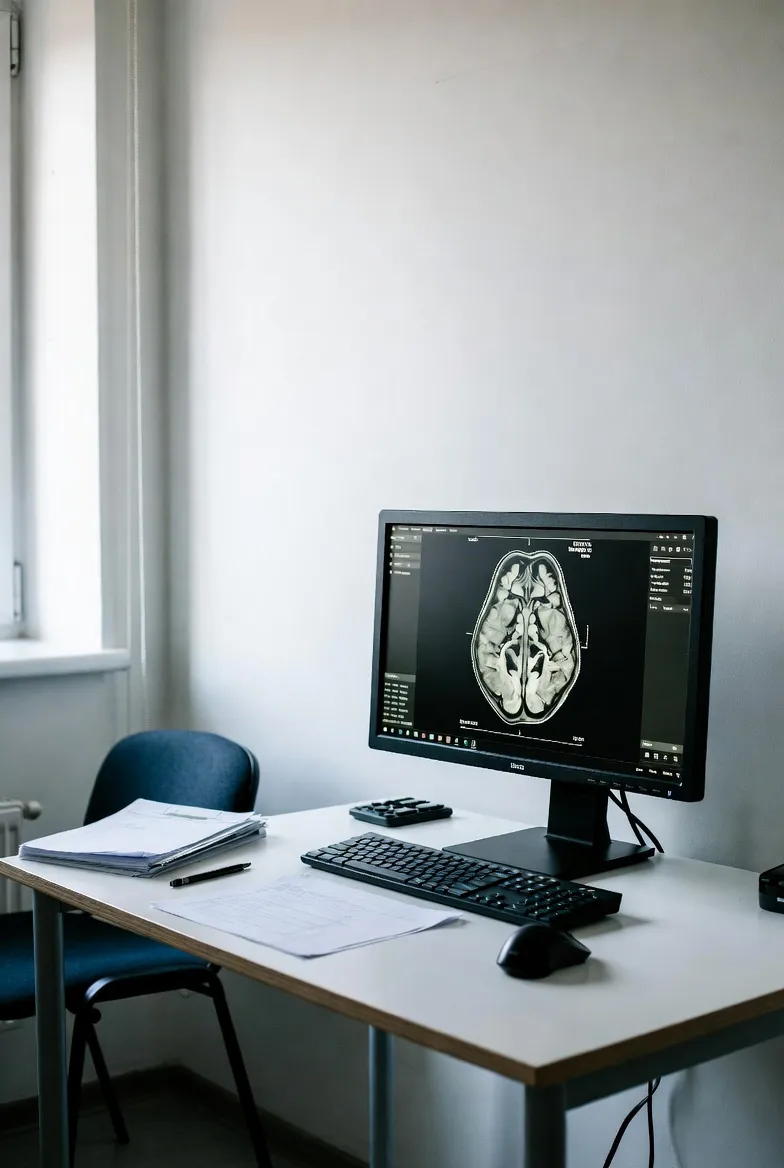
If you have a high score, is there hope? Can you learn the language of emotion? Yes. Alexithymia is a trait, but the skills of emotional intelligence can be learned.
Alexithymia treatment focuses on:
- Emotional Awareness Training: We start with the basics.
The Emotion Wheel:* Using a visual chart to pinpoint the nuance between “mad” and “frustrated.”
Body Scanning:* “My chest is tight.” -> “Tightness often means anxiety.” -> “I am anxious.” We build the bridge backward from body to mind.
- CBT Adaptations: Traditional talk therapy can be frustrating for alexithymics. We adapt it to be more concrete and skills-based. We focus on behavior and physiology first.
- Mindfulness: Learning to sit with a sensation without judging it or trying to “solve” it.
- Journaling: Writing down factual events of the day and trying to attach one emotion word to each event.
When to Seek Professional Help
Alexithymia itself isn’t a disorder, but it often travels with them. You should seek a professional evaluation if:
- Relationships are Failing: Your partner feels lonely or neglected despite your best efforts.
- Somatic Issues: You have chronic pain, headaches, or stomach issues that doctors can’t explain (this is often repressed emotion).
- Mental Health Struggles: You feel depressed or anxious but can’t articulate why.
A licensed psychologist or psychiatrist can administer the official TAS-20 and, more importantly, help you translate the results into a roadmap for connection.
Conclusion: Words Create Worlds
Living with alexithymia can feel like watching a movie in black and white while everyone else describes the brilliant colors. It is isolating. But naming it is the first step. By taking an alexithymia test and working to expand your emotional vocabulary, you aren’t just learning words—you are learning to inhabit your own life more fully.
Frequently Asked Questions
Is alexithymia a mental disorder?
No. It is a personality trait characterized by difficulty identifying and describing emotions. It is not listed in the DSM-5 as a standalone disorder.
Can alexithymia be treated?
Yes. While it is a stable trait, emotional awareness can be improved through therapy (CBT, mindfulness) and specific training in labeling emotions and recognizing bodily cues.
Is the TAS-20 reliable?
Yes. The Toronto Alexithymia Scale (TAS-20) is considered the gold standard in research and clinical practice for assessing alexithymia, with high validity and reliability.
Can children have alexithymia?
Yes. It can present in childhood, often as somatic complaints (stomach aches) or behavioral outbursts. Early intervention can help children learn emotional vocabulary.
How is alexithymia different from autism?
Autism is a broad neurodevelopmental condition affecting social communication and behavior. Alexithymia is specifically about emotional blindness. While many autistic people have alexithymia, you can have alexithymia without being autistic.
References & High-Quality Sources
- The Journal of Nervous and Mental Disease
- Nature Reviews Neuroscience
- Psychology Today
- Autism Research Institute

Related Posts




Subscribe to Our Newsletter
Get mental health tips, updates, and resources delivered to your inbox.
MORE from Author
Read More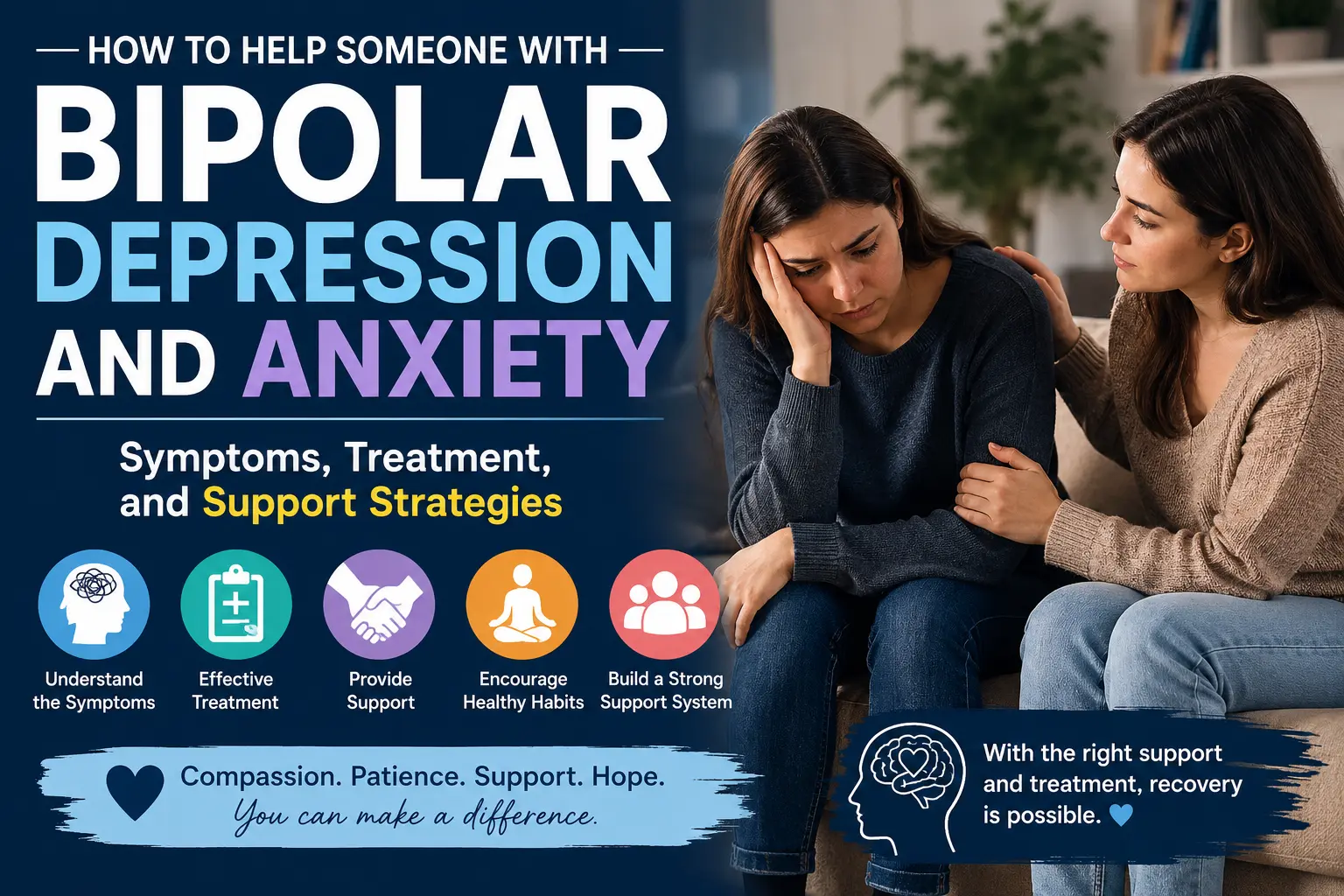 Watching someone you care about struggle with bipolar depression and anxiety can be heartbreaking. You may notice that they withdraw…
 In my practice as a clinical psychologist, I often observe that the difference between a patient who crumbles under pressure…
 We all have "up" days and "down" days. Perhaps you feel energized after a promotion or sluggish on a rainy…
 To define bipolar disorder accurately, we must look at it as a chronic mood dysregulation condition. In psychology and medicine,…
Are you looking for a Therapist?
Connect with qualified mental health professionals who understand
bipolar disorder, mood changes, and emotional challenges.
Private • Supportive • Confidential