
Bipolar Episode Triggers List: What Causes Mood Episodes and When Should You Take a Self-Test?

Medically reviewed by Laura Athey Updated Date: April 20, 2026

In my practice as a clinical psychologist, I often observe that patients feel entirely at the mercy of their mood shifts. Many people believe mood episodes happen randomly, but most bipolar episodes follow distinct biological patterns that can be identified and managed.
In general medicine, we rely heavily on pattern recognition to solve complex problems. For example, a veterinarian treating a chronic cough won’t just suppress the symptom; they will look for hidden triggers in the animal’s environment or anatomy.
Mental health requires this exact same level of pattern recognition. When we understand what triggers bipolar mood swings, we move from a place of fear to a place of proactive management.
By mapping your unique neurological patterns and keeping a bipolar episode triggers list, you can finally answer the critical question: when should you actually take a bipolar self-test?
When patients sit in my office, overwhelmed by a recent crash, they almost always ask, “What causes a bipolar mood episode?” To answer this, we must look beyond emotional stress and examine the structural reality of the brain.
The prefrontal cortex essentially loses its grip on the emotional limbic system—which often leads patients to wonder what the amygdala is and how it regulates fear—sparking a cyclical mood episode.
Bipolar Mood Episodes: Mania, Hypomania, and Depression
To effectively track what triggers mania in bipolar disorder, we must clearly define the three primary states of the illness. Each phase has a distinct biological signature and responds to different environmental catalysts.
Mania Episodes
Mania is a severe neurochemical fire. Driven by a massive flood of dopamine, individuals experience boundless energy, grandiosity, and severe impulsivity. During this phase, the brain’s executive function completely collapses, often requiring emergency intervention.
Hypomania Episodes
When looking at what triggers bipolar 2 episodes, we focus heavily on hypomania. This is a milder, highly productive elevation in mood. While it feels fantastic to the patient, it is a dangerous state of sleep deprivation that inevitably leads to a crash.
Depressive Episodes
The depressive phase is a state of profound neurochemical depletion. The brain physically slows down, resulting in leaden exhaustion, hopelessness, and an inability to experience pleasure (anhedonia).
The Most Common Bipolar Triggers

When patients ask me what triggers bipolar disorder, I explain that while the illness is genetic, the episodes themselves are almost always ignited by specific environmental or biological stressors. Let’s explore the primary categories for your bipolar episode triggers list.
1. Sleep Disruption (The Primary Catalyst)
Without question, sleep disruption is the most potent trigger for a mood episode. The bipolar brain has a highly fragile internal clock governed by circadian rhythms. A single night of significantly reduced sleep can trick the brain into a state of hyper-arousal.
If patients miss their narrow “sleep window,” their brain interprets the wakefulness as a threat, releasing cortisol and adrenaline. Recognizing severe bipolar disorder symptoms at night is critical, as this chemical cocktail actively suppresses sleep pressure, essentially locking the brain into a hypomanic trajectory by morning.
2. Stressful Life Events
High-stress events flood the brain with cortisol, which overloads a nervous system already struggling with regulation. Severe stress forces the body into a prolonged state of survival, disrupting the delicate balance of the sympathetic vs parasympathetic nervous systems.
Relationship trauma, sudden job loss, or severe financial pressure can act as the spark that ignites a latent depressive or manic cycle.
3. Medication and Substance Changes
Taking traditional SSRI antidepressants without a protective mood stabilizer can easily launch a bipolar patient into sudden, severe mania. Additionally, stimulants used for ADHD or heavy caffeine use can artificially spike dopamine, mimicking and eventually triggering an authentic manic episode.
4. Hormonal Fluctuations
Bipolar disorder symptoms in females are heavily influenced by the endocrine system. Massive hormonal shifts during the menstrual cycle, the postpartum period, or the onset of menopause can deeply destabilize mood, often leading to rapid-cycling episodes.
Biological Impact of Common Triggers
| Trigger Category | Biological Impact | Most Likely Outcome |
| Sleep Deprivation | Disrupts circadian rhythms and spikes dopamine. | Hypomania or Mania |
| Severe Stress | Flooding the brain with cortisol exhausts neuroplasticity. | Mixed State or Depression |
| Antidepressants | Unregulated serotonin surge in vulnerable brains. | Rapid Switch to Mania |
| Hormonal Shifts | Estrogen/progesterone drops destabilize neurotransmitters. | Rapid Cycling or Depression |
Let me share a brief story about a former patient, “David,” a 28-year-old software engineer. David suffered from severe, unpredictable manic episodes.
Upon mapping his lifestyle, we realized his episodes exclusively triggered after “crunch weeks” at work, where he survived on four hours of sleep and heavy energy drinks.
By utilizing Cognitive Behavioral Therapy (CBT) to challenge his boundary-setting at work and strictly enforcing a 10:30 PM sleep hygiene routine, we eliminated the environmental trigger, and his manic episodes ceased.
Early Warning Signs That a Mood Episode Is Starting
Most people recognize warning signs only after an episode begins—but subtle signs often appear days before. Learning to spot these physiological whispers can prevent a full neurochemical shout and align closely with patterns outlined in a Bipolar Episode Triggers List.
When patients frantically ask me, “Am I manic right now?” we usually find that the biological escalation started at least 48 hours prior. The earliest indicator is almost always a drastic, unexplainable reduction in the need for sleep.
Unlike standard insomnia, where a person feels exhausted the next day, early mania creates a false sense of being completely refreshed after just three hours of rest. This is a massive red flag.
Cognitively, racing thoughts begin to emerge. Patients often describe their brain feeling like a television rapidly flipping through channels. This hyperactive cognitive state severely compromises your executive function.
Behaviorally, we see immediate shifts toward impulsivity. Increased, uncharacteristic spending, sudden bursts of goal-directed activity at odd hours, and profound irritability when interrupted are classic warning patterns often included in a Bipolar Episode Triggers List.
By actively tracking these specific changes in a daily mood log, you can identify an incoming episode in the prodromal (early) phase and adjust your medication or routine before you lose cognitive control.
How a Person With Bipolar Disorder Thinks During Episodes
During mania, the brain’s reward center completely overtakes the logical reasoning center. Ideas feel urgent, important, and impossible to delay. The brain fails to accurately process negative consequences, leading to distorted risk perception and reckless financial or interpersonal choices.
Conversely, during a depressive episode, the depletion of serotonin creates a cognitive distortion where the person genuinely believes they are a burden to everyone around them.
Understanding these altered thought patterns is crucial for loved ones; the person is not simply being difficult; their neurological processing filter is actively distorting their reality.
Gender-Specific Bipolar Triggers
Female patients face distinct challenges deeply tied to their endocrine system. Estrogen plays a massive role in regulating serotonin and supporting brain neuroplasticity—factors often highlighted in a Bipolar Episode Triggers List.
The postpartum period is arguably the highest-risk window for women with bipolar disorder.
The sudden crash in hormones, combined with severe newborn-induced sleep deprivation, frequently triggers postpartum psychosis or severe mania, which are commonly associated with patterns seen in a Bipolar Episode Triggers List.
What to Expect After a Manic Episode
After intense energy phases, many people feel profound emotional and physical depletion. During a manic phase, the brain burns through its neurotransmitter reserves at an unsustainable rate.
Once the episode breaks, the nervous system collapses into involuntary hibernation—often linked to common Bipolar Episode Triggers List such as stress, sleep disruption, medication changes, or overstimulation.
This post-manic crash brings severe exhaustion, cognitive fog, and psychomotor retardation. The risk of suicidal ideation is incredibly high during this transition, making consistent psychiatric support mandatory.
Are Bipolar Disorders Permanent?

When facing a new diagnosis, patients understandably fear the future. They often ask, Is bipolar 1 a permanent disability? Clinically, bipolar disorder is a chronic, lifelong neurobiological condition—often influenced by factors highlighted in a Bipolar Episode Triggers List, such as stress, sleep disruption, and lifestyle instability.
However, “chronic” does not mean “unmanageable.” With rigorous treatment, many individuals achieve long-term remission, living highly successful, stable lives without experiencing major episodes for years—especially when they understand.
There is also frequent confusion regarding the spectrum itself, with people searching for the 7 types of bipolar disorder. In modern clinical practice, we primarily focus on three distinct diagnoses, often clarified further through patterns seen in a Bipolar Episode Triggers List.
Bipolar I involves severe, full-blown manic episodes that significantly impair daily function. Bipolar II is characterized by milder hypomania but severe, recurrent depressive crashes.
Finally, cyclothymia involves chronic, milder fluctuations between elevated and depressed moods that do not meet the full criteria for mania or major depression but still require structured clinical management, often guided by insights from a Bipolar Episode Triggers List.
Frequently Asked Questions
Identifying Personal Triggers?
The most effective way to identify your specific triggers is through daily mood tracking. By logging your sleep hours, stress levels, and emotional state on a 1-10 scale, you can quickly spot the biological patterns that precede an episode.
The Impact of Caffeine and Alcohol?
Substances drastically alter brain chemistry. Caffeine artificially spikes dopamine, which can spark hypomania, while alcohol acts as a central nervous system depressant that inevitably worsens depressive crashes.
Preventative Sleep Management?
Maintaining a strict sleep schedule is non-negotiable. Using dark therapy at night and waking up at the exact same time every morning anchors your biological clock, preventing the hyper-arousal that causes manic escalation.
Supporting a Triggered Loved One?
Avoid aggressive confrontation. Gently encourage them to contact their psychiatrist, help reduce environmental stimulation, and firmly support their nightly sleep routine.
Timing for a Clinical Assessment?
Seek a professional assessment immediately if your mood shifts are causing destructive behavior, severely damaging relationships, or making it impossible to function at work. Early intervention saves lives.
Conclusion
Navigating the turbulent waters of bipolar disorder is an immense challenge, but you do not have to do it blindly. By understanding the profound connection between your environment, your sleep, and your brain chemistry, you gain incredible power over your condition.
In my practice, the turning point for a patient is always the moment they stop blaming themselves for their mood swings and start investigating their triggers.
If you are seeing your own reflection in these warning signs, learn how to calm bipolar mood swings naturally alongside your prescribed medical treatments. Utilize self-assessments to gather your data, prioritize your daily routines, and reach out to a mental health professional today.
Authoritative References
- Stressful Life Events and the Course of Bipolar Disorder
- Sleep and Circadian Rhythm Disruption in Bipolar Disorder: A Systematic Review
- Bipolar Disorder in Women: Reproductive Events and Treatment Considerations
- Antidepressant-Induced Mania in Bipolar Disorder
- Early Warning Signs of Relapse in Bipolar Disorder

Related Posts






Subscribe to Our Newsletter
Get mental health tips, updates, and resources delivered to your inbox.
MORE from Author
Read More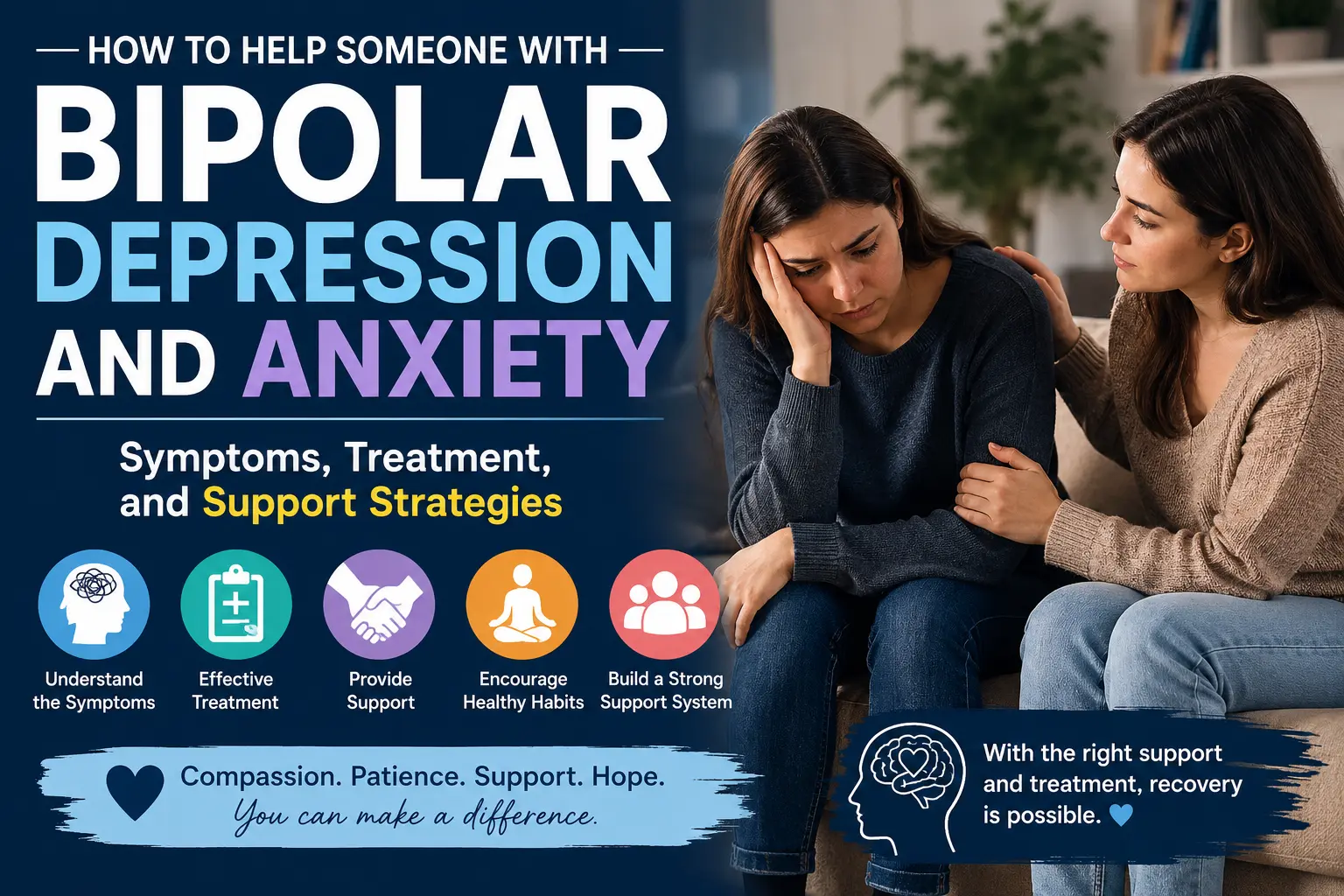 Watching someone you care about struggle with bipolar depression and anxiety can be heartbreaking. You may notice that they withdraw…
 In my practice as a clinical psychologist, I often observe that the difference between a patient who crumbles under pressure…
 We all have "up" days and "down" days. Perhaps you feel energized after a promotion or sluggish on a rainy…
 To define bipolar disorder accurately, we must look at it as a chronic mood dysregulation condition. In psychology and medicine,…
Are you looking for a Therapist?
Connect with qualified mental health professionals who understand
bipolar disorder, mood changes, and emotional challenges.
Private • Supportive • Confidential