
Can Stress Cause Bipolar Symptoms? Understanding Triggers, Warning Signs, and When to Take a Self-Test

Medically reviewed by Laura Athey Updated Date: April 20, 2026

In my practice, many people notice their worst mood episodes follow periods of intense stress, poor sleep, or emotional overwhelm. This often leads patients to ask, “Can stress cause bipolar symptoms?”
To understand this, we must look at how stress impacts the entire body. In physical medicine, gastroenterologists often explain how stress worsens systemic inflammation.
For example, when a patient asks, Is It Just Stress or Crohn’s? Recognizing the Key Symptoms in Women, the answer acknowledges that stress actively inflames the gut.
Similarly, patients frequently wonder, could stress be triggering their esophageal symptoms? Can stress relief techniques lower inflammation in ulcerative colitis?
In all these cases, stress does not cause the disease, but it acts as a powerful catalyst. The exact same biological principle applies to mental health, stress, and bipolar disorder.
Stress is a systemic inflammatory response that directly impacts brain chemistry. If you find yourself asking, Could You Have Bipolar Disorder? Key Symptoms to Watch For: Examining your stress response is the very first step.
What Causes Bipolar Disorder in the Brain?
Before we can understand how stress acts as a trigger, we must address the foundation: What causes bipolar disorder in the brain? Bipolar disorder is not a psychological weakness; it is a profound neurobiological condition.
When patients ask me what causes bipolar disorder in the brain, I explain the relationship between the limbic system (the emotional center) and the prefrontal cortex (the logical control center).
In a neurotypical brain, the prefrontal cortex uses executive function to regulate emotional spikes. In a bipolar brain, this connection is biologically vulnerable to disruption.
During an episode, the brain struggles to balance key neurotransmitters like dopamine, serotonin, and noradrenaline, leading to severe mood shifts.
This vulnerability manifests across the different types of bipolar disorder. For instance, Bipolar I features severe manic episodes that heavily disrupt daily functioning.
Conversely, Bipolar 2 is characterized by milder hypomanic episodes followed by profound, deeply debilitating depressive crashes.
Finally, cyclothymia involves chronic, milder mood fluctuations that do not meet the full diagnostic criteria for mania or major depression but still require clinical management.
Stress and Bipolar Disorder: How They Are Connected
Many individuals report mood episodes beginning shortly after stressful life transitions. To understand stress in bipolar patients, we have to look at the brain’s internal alarm system.
When you encounter severe stress, your body releases a massive surge of cortisol and adrenaline. In a healthy brain, these levels return to normal once the threat passes.

However, bipolar stress and anxiety cause an exaggerated biological response. The sustained cortisol release damages the brain’s healthy neuroplasticity, making it harder for the nervous system to calm down.
When a patient is bipolar and triggered by stress, the cortisol flood actively disrupts their internal sleep-wake cycle, known as their circadian rhythms.
Once the circadian rhythm is broken, the brain misinterprets the resulting sleep deprivation as a signal to release more dopamine, which is exactly how a manic or hypomanic episode begins.
In my clinical experience, the most dangerous aspect of stress for a bipolar patient is how it destroys sleep architecture. High cortisol prevents the brain from entering deep, restorative REM sleep.
Even if a patient lies in bed for eight hours, stress-induced micro-awakenings prevent the brain from metabolizing excess excitatory neurotransmitters, rapidly pushing the patient toward an elevated mood state.
Understanding this biological cascade is crucial. It explains why stressful life events in bipolar disorder are not just emotionally upsetting but physically dangerous to a patient’s neurological stability.
Common Stress Triggers for Bipolar Episodes
When trying to identify what triggers a bipolar person, we must look for specific environmental stressors that overwhelm the brain’s coping mechanisms.
Understanding the triggers for people with bipolar disorder is the most effective way to prevent a clinical crisis. What causes a bipolar mood episode? Usually, it is a combination of the following stress categories.
Major Life Changes
The brain craves routine. Therefore, for bipolar disorder, stressful life events—even positive ones—can act as massive clinical triggers.
Events like a sudden career transition, moving to a new city, or severe relationship conflict force the brain to process massive amounts of new stimuli.
This cognitive overload quickly burns through the brain’s regulatory neurotransmitters, leaving the patient vulnerable to an episode.
Chronic Emotional Stress
Acute stress is a single event, but chronic stress is a slow poison. Long-term caregiving, unresolved trauma, or prolonged financial anxiety keep the nervous system in a constant state of “fight or flight.”
This chronic hyperarousal erodes the prefrontal cortex’s ability to maintain executive function, eventually leading to a severe depressive crash or a mixed emotional state.
Hormonal Stress in Women
We must deeply consider the endocrine system when discussing bipolar disorder symptoms in females. Hormones act as powerful neurological messengers.
Sudden drops in estrogen and progesterone during the menstrual cycle, postpartum period, or perimenopause act as massive internal stressors.
These hormonal fluctuations directly destabilize serotonin and dopamine receptors, frequently triggering rapid-cycling mood episodes in female patients.
| Stress Trigger Category | Biological Impact | High-Risk Outcome |
| Major Life Changes | Overwhelms cognitive processing and routine. | Mania or Hypomania |
| Chronic Anxiety | Sustained cortisol damages neuroplasticity. | Severe Depression |
| Sleep Disruption | It shatters circadian rhythms and dopamine spikes. | Rapid Escalation to Mania |
| Hormonal Shifts | Destabilizes serotonin/dopamine receptors. | Mixed States or Rapid Cycling |
Let me share a story about a former patient, “Elena,” a 32-year-old marketing director. Elena came to me suffering from rapid mood swings and severe irritability.
During our clinical timeline analysis, we discovered her episodes exclusively started during quarterly review weeks. The pressure of presenting to the board spiked her anxiety, which subsequently destroyed her sleep.
We utilized Cognitive Behavioral Therapy (CBT) to reframe her performance anxiety and implemented a strict, non-negotiable sleep protocol during those high-stress weeks.
By managing the environmental stressor before it could shatter her sleep, Elena’s stress-induced hypomanic episodes completely ceased.
Can Too Much Stress Cause Bipolar Disorder?
This is perhaps one of the most common and important misconceptions I address in clinical practice. Patients and their families frequently ask, “Can too much stress cause bipolar?
The definitive answer is no: stress does not directly cause bipolar disorder. Bipolar disorder is a highly heritable, genetic condition rooted in the structural biology of the brain.
You cannot simply “stress yourself” into developing bipolar disorder if you do not carry the underlying genetic vulnerability. However, stress acts as the ultimate environmental key that unlocks this genetic door.
While severe trauma or chronic burnout does not create the illness, it is very often the catalyst that triggers the very first mood episode in a biologically predisposed individual.
Therefore, while stress is not the root cause of the disorder, it is undeniably the primary driver that worsens episodes and accelerates the progression of the condition if left unmanaged.
Early Warning Signs of Stress-Triggered Bipolar Episodes

To prevent a stress-induced crisis, we must learn to read the body’s subtle neurological cues. When asking, Could You Have Bipolar Disorder? Key Symptoms to Watch For: Timing is everything.
Often, the first warning sign is not mood—it is sleep disruption. If you are under immense pressure at work and suddenly find yourself needing only three hours of sleep, your brain is entering a danger zone.
Following the sleep loss, patients typically experience racing thoughts. The executive function begins to slip, making it difficult to focus on a single task, and speech may become rapid and pressured.
People often wonder, can bipolar disorder cause depression or mania? Yes, and the trajectory often depends on the type of stress. High-energy anxiety often escalates into irritability, increased goal-directed energy, and eventual mania.
Conversely, stress related to loss or severe burnout frequently bypasses the manic phase and immediately plunges the patient into a profound, lethargic depressive episode.
How to Calm Hypomania Triggered by Stress
When the early signs of escalation appear, immediate intervention is required to stop the neurochemical momentum. Patients urgently want to know how to calm hypomania down. before it severely impacts their lives.
The absolute first step in bipolar stress relief techniques is sleep stabilization. You must force the brain into a state of rest, often requiring the use of prescribed sleep aids or dark therapy to reset your circadian rhythms.
Next, we must focus on sensory grounding and reducing environmental stimulation. This means turning off screens, avoiding loud or crowded environments, and intentionally slowing down your physical movements.
Routine protection is another vital strategy. During a hypomanic escalation, the brain wants chaos and novelty. Counteract this by rigidly adhering to a mundane, predictable daily schedule to signal safety to your nervous system.
It is crucial to be realistic: you cannot simply meditate away a severe hypomanic episode. These behavioral techniques must be used in conjunction with contacting your prescribing psychiatrist for potential medication adjustments.
Frequently Asked Questions
The Impact of Stress on Sleep?
Stress floods the body with cortisol, a wakefulness hormone that directly attacks your brain’s ability to enter deep sleep. This resulting sleep deprivation is the most common catalyst for triggering a severe manic or hypomanic episode.
Identifying Hidden Stressors?
Often, we ignore chronic, low-level stress until it causes a crisis. Keeping a daily physical journal to track muscle tension, digestive issues, and sleep quality can reveal hidden anxiety long before it impacts your mood.
The Role of Therapy in Stress Reduction?
Therapy, specifically Cognitive Behavioral Therapy (CBT), teaches you to intercept panic-inducing thoughts before they trigger a biological cortisol response. It builds new, healthy neural pathways, enhancing your overall resilience.
Managing Work-Related Pressure?
Protecting your stability at work requires strict boundaries. Refusing to check emails after hours and taking mandatory, quiet breaks during the day prevents the cognitive overload that frequently leads to an episode.
When to Contact Your Doctor?
You should contact your psychiatrist the moment your stress begins to consistently interfere with your sleep cycle. Adjusting your care plan early prevents a temporary stressor from becoming a full-blown clinical episode.
Conclusion
Understanding the profound biological connection between stress and bipolar disorder is a pivotal moment in your mental health journey. It shifts the narrative from one of unpredictable chaos to one of manageable, scientific cause and effect.
In my practice, I see patients transform when they stop viewing their stress-triggered mood swings as personal failures. Your brain simply has a highly sensitive alarm system, and learning to manage that system is incredibly empowering.
If the symptoms and patterns discussed here mirror your own experiences, I strongly encourage you to take the next step. Use self-assessments to track your symptoms, prioritize your sleep hygiene, and advocate for yourself clinically.
You do not have to live at the mercy of your environment. By respecting your triggers, adhering to your treatment plan, and aggressively protecting your peace, you can build a stable, resilient, and deeply rewarding life.
Authoritative References
- The Role of Life Stress in Bipolar Disorder
- Hypothalamic-Pituitary-Adrenal (HPA) Axis Dysregulation in Bipolar Disorder
- Sleep and Circadian Rhythm Disruption in Bipolar Disorder
- Psychosocial Stressors and the Course of Bipolar I Disorder
- Predictors of Relapse in Bipolar Disorder

Related Posts






Subscribe to Our Newsletter
Get mental health tips, updates, and resources delivered to your inbox.
MORE from Author
Read More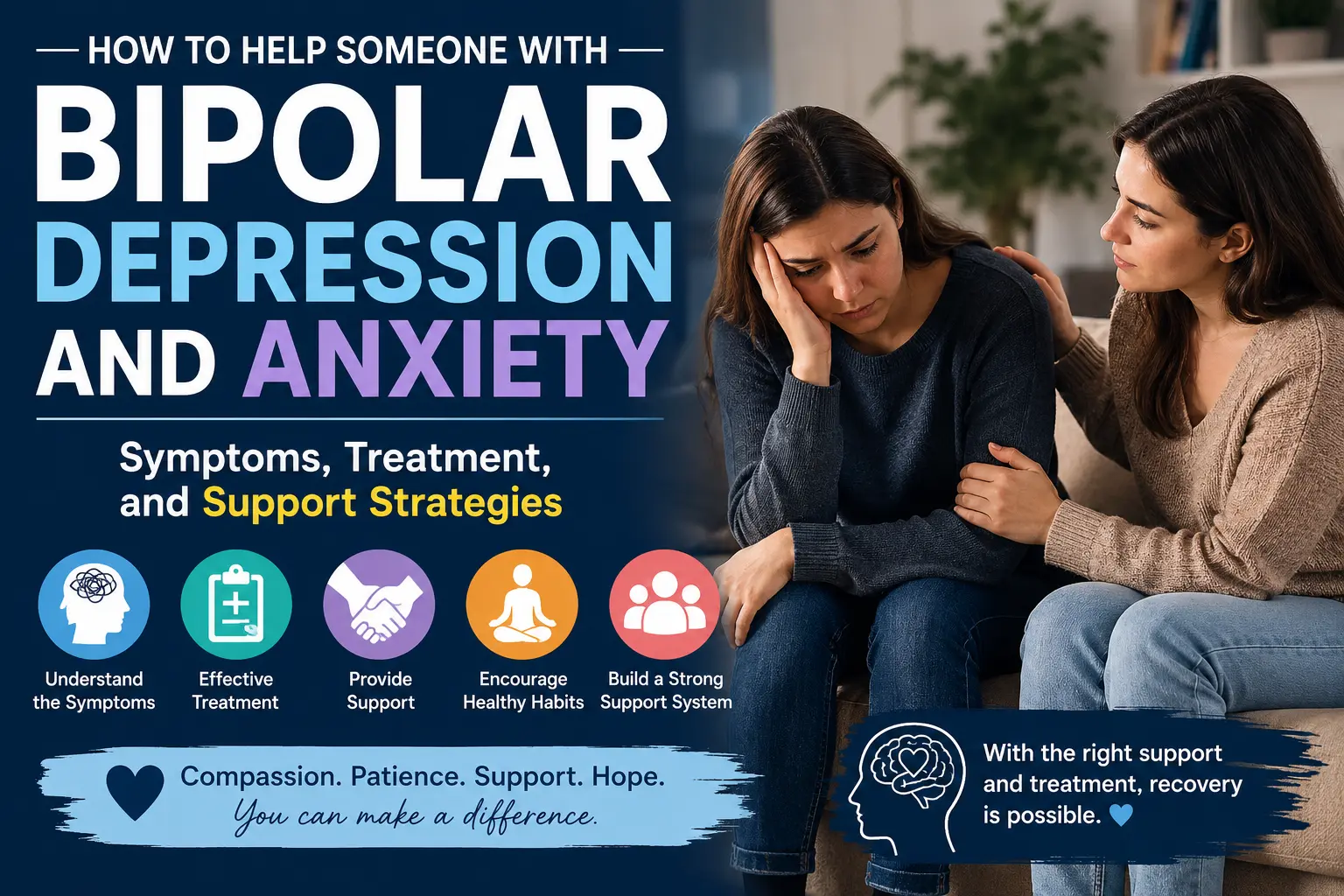 Watching someone you care about struggle with bipolar depression and anxiety can be heartbreaking. You may notice that they withdraw…
 In my practice as a clinical psychologist, I often observe that the difference between a patient who crumbles under pressure…
 We all have "up" days and "down" days. Perhaps you feel energized after a promotion or sluggish on a rainy…
 To define bipolar disorder accurately, we must look at it as a chronic mood dysregulation condition. In psychology and medicine,…
Are you looking for a Therapist?
Connect with qualified mental health professionals who understand
bipolar disorder, mood changes, and emotional challenges.
Private • Supportive • Confidential