


Subscribe to Our Newsletter
Get mental health tips, updates, and resources delivered to your inbox.
FAQ (Frequently Asked Questions)
Features
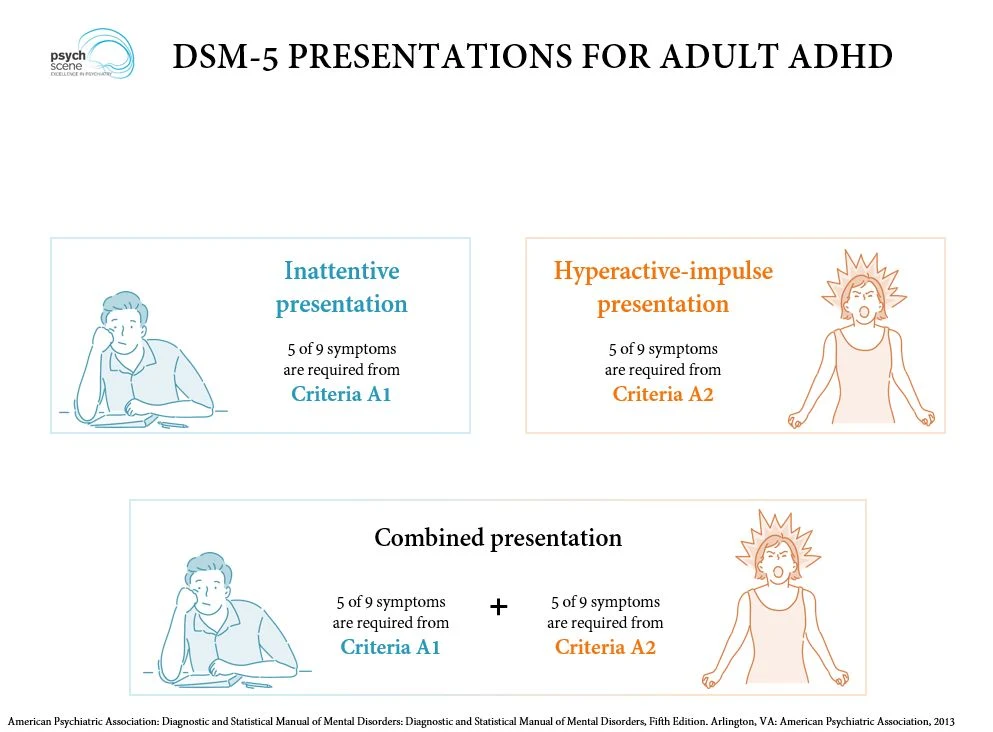
DSM-5 ADHD: What Does DSM Stand for in Psychology? Understanding Criteria, Diagnosis & Common Myths
If you have ever sat in a therapist's office or researched mental health online, you have likely encountered a specific three-letter acronym that carries immense weight. But What Does DSM…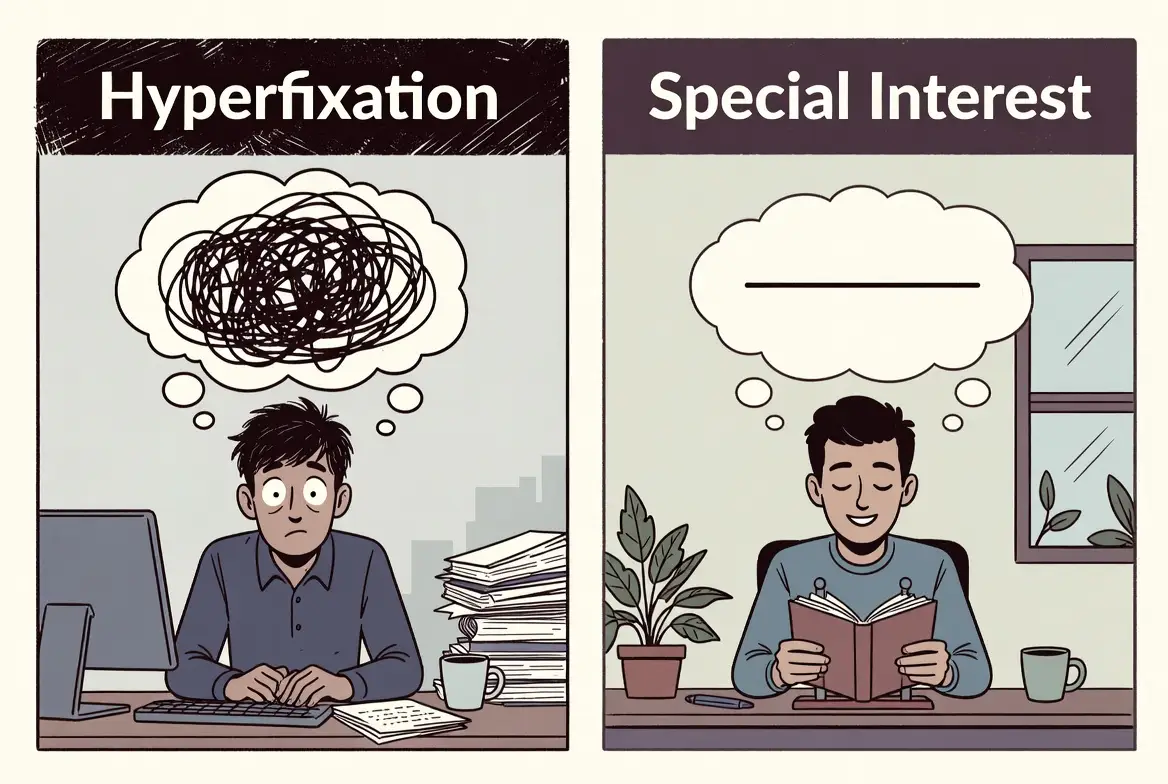
Hyperfixation vs Special Interest — And How It Shapes Big Decisions
Have you ever sat down to check one quick thing on your phone and realized four hours have passed? Maybe you intended to look up a simple recipe, but ended…
Bipolar 2 Criteria (DSM-5-TR): Symptoms, Diagnosis, and Key Differences from Bipolar 1
Bipolar II disorder is a mood disorder defined in the DSM-5-TR by at least one hypomanic episode and at least one major depressive episode, without any history of full manic…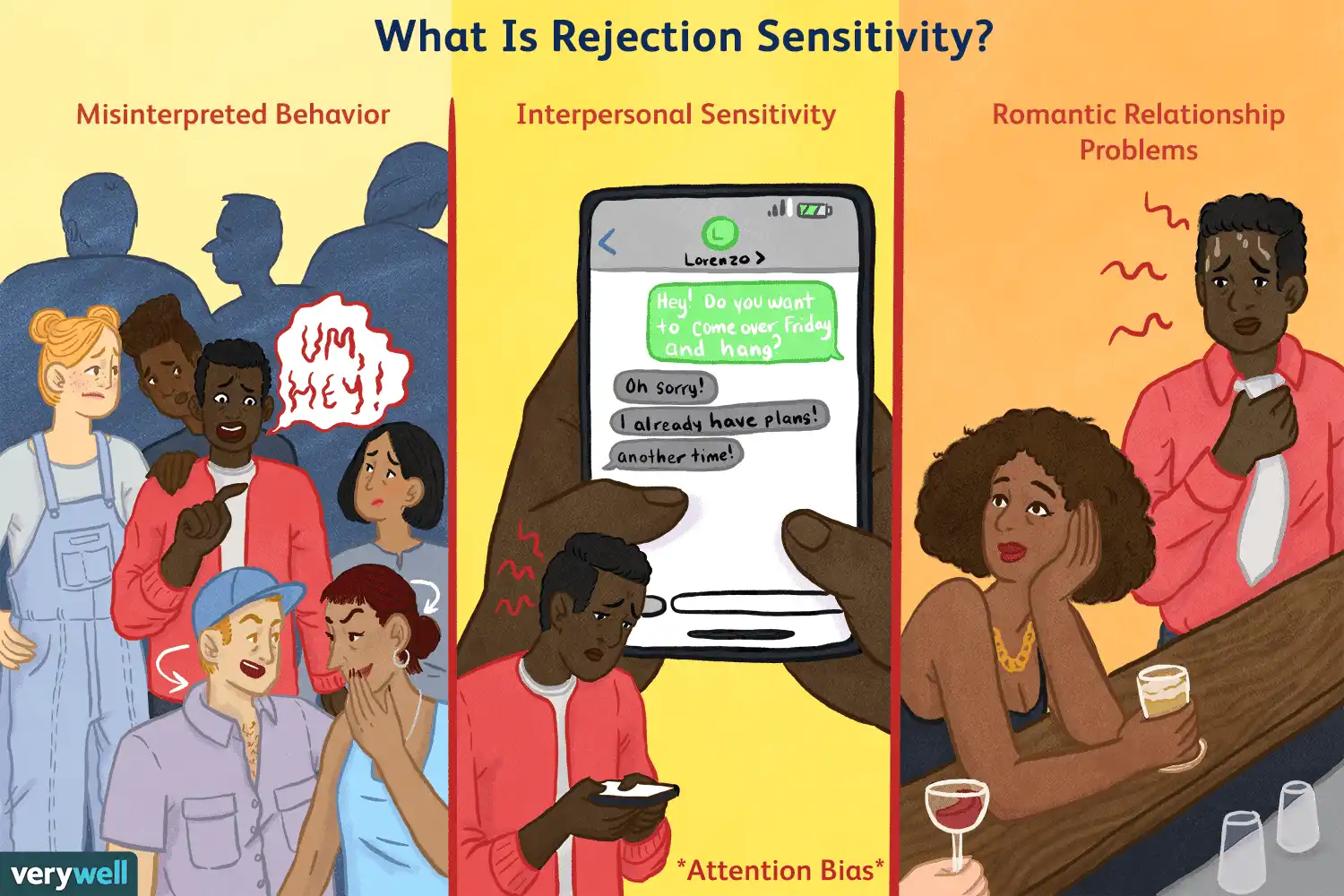
Rejection Sensitive Dysphoria in Relationships: Symptoms, Causes, and How to Cope
You send a text to your partner. Minutes pass with no reply, and suddenly anxiety takes over—“They’re ignoring me. It’s over.” This intense reaction may be linked to Rejection Sensitive…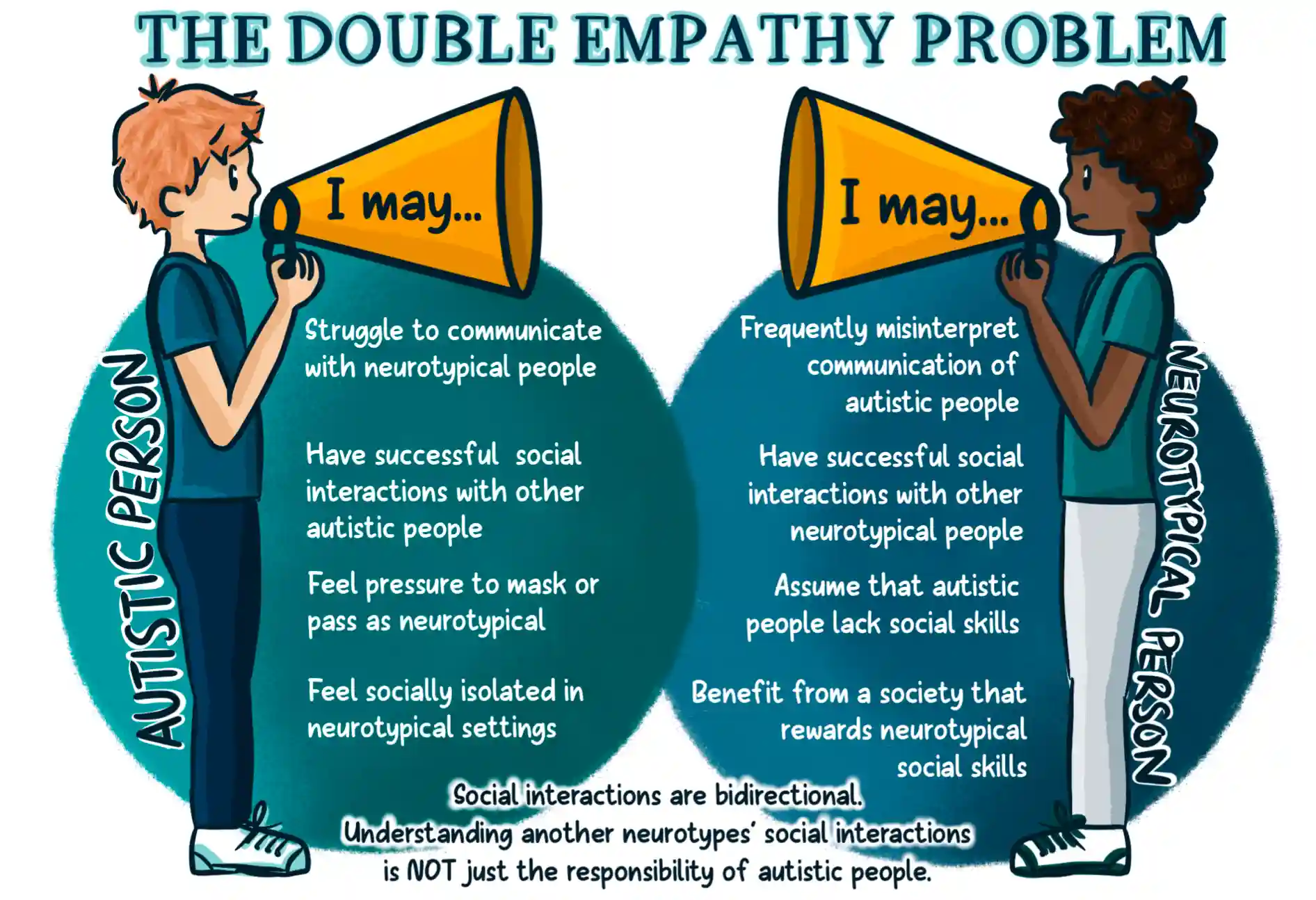
The Double Empathy Problem: A New Way to Understand Autism and Neurodivergent Communication
For decades, autism and neurodivergence have been framed through a one-sided lens: the idea that social difficulties stem from deficits within the individual. This traditional view assumes neurotypical people are…
Feelings Are Not Facts: The Psychology Behind the Phrase And Why It Matters in Real Life
You’ve probably heard the phrase, “Feelings are not facts.” It sounds simple, but in moments of anxiety or anger, emotions can feel like absolute truth. We often let these temporary…