
Celebrities With Borderline Personality Disorder, Famous People, and Success

Medically reviewed by Laura Athey Updated Date: March 28, 2026

For many people navigating a mental health journey, seeing a familiar face on a screen or a stage share a similar struggle can be transformative. When users search for celebrities with borderline personality disorder or famous people with borderline personality disorder, they are often looking for more than just gossip. They are looking for validation, a reduction in the heavy stigma surrounding the condition, and proof that a meaningful, high-achieving life is possible despite the turbulence of emotional dysregulation.
Representation in the media has the power to change public perception. For decades, Borderline Personality Disorder (BPD) was portrayed almost exclusively through a lens of chaos or villainy. Today, as more high-profile individuals speak openly about their mental health, that narrative is shifting toward one of resilience, recovery, and human complexity.
Ethical Boundaries and Clinical Disclaimers
Before diving into specific stories, it is vital to establish a clear ethical framework. Diagnosis is a private medical matter. In this article, we only reference individuals who have publicly self-disclosed a BPD diagnosis or those whose public advocacy and documented interviews are commonly discussed in credible health and news sources.
Furthermore, “armchair diagnosis”—the act of labeling a person with a disorder based on media snippets—is harmful. It oversimplifies a complex clinical condition and can be defamatory. Our goal is to highlight advocacy and reduce stigma, not to speculate on the private health of others.
What Is Borderline Personality Disorder?
To understand why certain celebrities with borderline personality redisorder sonate so strongly with the public, we must first understand the disorder itself. BPD is a mental health condition characterized by significant instability in moods, self-image, and interpersonal relationships.
Core Features of BPD
The condition is often defined by a pervasive fear of abandonment, chronic feelings of emptiness, and intense emotional reactivity. While these traits can cause significant distress, they often coexist with high levels of empathy, passion, and creativity.
Many people wonder how famous people with personality disorders can maintain high-pressure careers. The reality is that “high-functioning” BPD is common. Many individuals are able to channel their intense emotional energy into their work, whether it be acting, music, or leadership, even while struggling with internal instability. Success does not negate the presence of a disorder; it simply changes the environment in which it is managed.
How We Talk About Celebrities and Mental Health
The intersection of celebrity culture and mental health is a double-edged sword. On one hand, public disclosure can break down barriers for millions. On the other hand, the media often sensationalizes “breakdowns” or erratic behavior, labeling it as a “borderline” trait without any medical basis.
Self-Disclosure vs. Speculation
There is a profound difference between a celebrity like Pete Davidson speaking about his BPD diagnosis and a tabloid speculating about a star’s mental state because of a public argument. Speculation often leans on negative stereotypes, reinforcing the idea that celebrities with borderline personality disorder are inherently “difficult” or “unstable.”
By sticking to self-disclosed accounts and reputable advocacy sources, we increase trust and move away from the “rumor mill” culture found on platforms like Reddit. Authenticity in these discussions is what creates lasting social change, not speculation.
Celebrities Who Have Publicly Discussed BPD or Strongly Associated Traits
Several prominent figures have moved the needle on BPD awareness by sharing their personal experiences with the disorder. These individuals demonstrate that a borderline personality disorder diagnosis is not a career death sentence, but a manageable part of a multifaceted life.
Pete Davidson
Perhaps the most vocal advocate in recent years, comedian Pete Davidson has frequently discussed his BPD diagnosis in interviews and on Saturday Night Live. He has spoken about the relief of finally having a name for the “darkness” he felt and has become a champion for Dialectical Behavior Therapy (DBT), which is the gold standard for BPD treatment. His openness has made him one of the most famous people with BPD disorder.
Madison Beer
The singer and songwriter Madison Beer has been transparent with her fans about her BPD diagnosis. By discussing her struggles with suicidal ideation and the intense pressure of fame, she has helped many young people realize that external beauty and success do not insulate someone from internal emotional pain.
Marsha Linehan, Ph.D.
While perhaps not a “celebrity” in the Hollywood sense, Dr. Marsha Linehan is a “rockstar” in the mental health world. In 2011, she revealed that she herself struggled with what would now be diagnosed as BPD. As the creator of DBT, her disclosure was a watershed moment, proving that someone with the disorder could not only be a successful person with borderline personality, but also a world-renowned scientist.
Brandon Marshall
Former NFL wide receiver Brandon Marshall has become a leading voice for famous people with personality disorders. After being diagnosed with BPD, he co-founded “Project 375” to erase the stigma of mental illness. His story is particularly impactful in the world of professional sports, where “toughness” often prevents men from seeking help for emotional vulnerability.
Britney Spears and BPD: Why This Search Term Exists
One of the most frequent searches in this niche is “Britney Spears BPD.” It is a case study in how the public and the media attempt to categorize high-profile emotional crises.
The Misinformation Gap
It is important to clarify: Britney Spears has never publicly confirmed a diagnosis of Borderline Personality Disorder. The association exists largely because of the intense media scrutiny she faced during the mid-2000s and the subsequent 13-year conservatorship.
During that time, various “anonymous sources” and media pundits speculated on her mental state, often using BPD as a catch-all label for her public struggles.
This search term highlights the danger of mislabeling. While her experiences with trauma, loss of autonomy, and public scrutiny certainly caused immense emotional distress, diagnosing her from afar is a violation of her privacy and clinical ethics.
Her story is more accurately a discussion on the trauma of being scrutinized by the world, rather than a definitive example of BPD.
Indian Celebrities and Borderline Personality Disorder
In South Asia, the stigma surrounding mental health remains significant, making public disclosure rare. Searching for indian celebrities with borderline personality disorder often yields few results, not because the disorder is absent, but because of cultural pressures.
Cultural Stigma and Advocacy
In India, “personality disorders” are often misunderstood or viewed as character flaws. However, the tide is turning. High-profile stars like Deepika Padukone have opened the door for mental health discussions by speaking about clinical depression.
While few Indian celebrities have used the specific label of BPD, the increasing discussion of therapy and emotional health in Bollywood suggests that the environment is becoming safer for such disclosures. In these contexts, the focus remains on general mental health advocacy rather than naming specific diagnoses without consent.
Female Celebrities With BPD or Publicly Shared Traits

In the landscape of mental health, gender bias often influences how symptoms are perceived and diagnosed. Historically, BPD has been diagnosed more frequently in women, leading to a stereotype of the “difficult” or “overly emotional” female celebrity. However, when we look closer, we see a pattern of female celebrities with BPD or associated traits using their platforms to challenge these very labels.
- Angelina Jolie: In the late 1990s, Jolie voluntarily checked herself into a psychiatric facility, citing experiences with suicidal ideation. She was reportedly diagnosed with “presumptive borderline personality disorder” at the time. Her subsequent evolution into a globally respected humanitarian and mother of six serves as a powerful testament to the fact that a diagnosis in one’s youth does not dictate the rest of one’s life.
- Demi Lovato: While Lovato has spoken extensively about Bipolar Disorder, many of the symptoms they have shared—intense emotional fluctuations, struggles with self-harm, and identity disturbance—overlap significantly with BPD traits. Their transparency has made them a beacon for anyone navigating complex emotional terrain.
- Madison Bailey: The Outer Banks star has been incredibly open about being diagnosed with BPD at age 17. She has highlighted how the diagnosis gave her a “word” to describe her experience, allowing her to move away from self-stigma and toward self-management.
Quiet BPD and Why Many Famous People Go Unrecognized
Most public perceptions of BPD involve outward “explosions” of anger or erratic behavior. However, quiet BPD celebrities often fly under the radar because their symptoms are internalized.
Internalized Symptoms
In “Quiet” BPD (often referred to as High-Functioning BPD), the fear of abandonment and intense emotional pain are directed inward. Instead of lashing out at others, the individual may experience:
- Self-blame and intense guilt.
- Social withdrawal during emotional spikes.
- A “mask” of perfectionism to hide internal chaos.
Because these individuals often appear highly composed, successful, and professional, their distress is frequently invisible to the public. This internalized struggle can be even more exhausting, as the effort to maintain a “normal” exterior takes a massive toll on their mental energy.
Successful and High-Achieving People With Borderline Personality Disorder
It is a common myth that BPD prevents a person from reaching the top of their field. On the contrary, many successful people with borderline personality disorder find that the very traits associated with the condition—emotional intensity, hyper-perceptivity, and a drive for connection—can be “superpowers” when channeled correctly.
Creativity and Intensity
The ability to feel emotions at a “10 out of 10” level allows many actors and musicians to access a depth of performance that others cannot reach. When an artist with BPD traits creates, they aren’t just performing; they are translating their raw internal experience into a medium the world can understand.
Resilience as a Driver
Surviving the daily emotional “war” of BPD requires an incredible amount of resilience. Successful people with borderline personality are often “warriors” who have learned to navigate intense internal turmoil while simultaneously building careers, businesses, and legacies. Their success happens in spite of their pain, but their unique perspective is often forged because of it.
Famous Scientists and Historical Figures: Caution and Context
When we look at historical figures with borderline personality disorder, we must proceed with extreme caution. We cannot retroactively apply modern diagnostic criteria to people who lived in eras before those criteria existed.
Speculative Traits, Not Diagnoses
Biographers and psychologists often speculate on the psychiatric profiles of figures like Vincent van Gogh, Marilyn Monroe, and Ernest Hemingway.
- Vincent van Gogh: His “eccentric” personality, unstable moods, and ultimate suicide are often discussed as features of BPD or Bipolar Disorder.
- Princess Diana: While never officially diagnosed, her public discussions of self-harm, bulimia, and the intense “emptiness” she felt within the royal family have led many to associate her story with BPD traits.
The value in these discussions isn’t to “label” the dead, but to recognize that the human struggle with emotional regulation is a timeless part of our history, even among our most brilliant “geniuses.”
Advantages of Borderline Personality Disorder
While BPD is a source of great pain, it is not without its strengths. Many clinicians now prefer a “strengths-based” approach to the diagnosis. Some potential advantages of borderline personality disorder include:
- High Empathy: Because they feel so deeply, people with BPD can often sense the emotions of others with startling accuracy.
- Passionate Loyalty: When managed, the intensity of BPD can translate into a deep, unwavering commitment to friends, partners, and causes.
- Boldness and Courage: The impulsivity trait, when tempered, can manifest as a willingness to take risks and speak one’s mind where others might stay silent.
- Resilience: Surviving the emotional highs and lows of BPD creates a level of psychological “grit” that is often unmatched.
Famous People With Histrionic and Other Personality Disorders
When discussing celebrity behavior, the media often confuses BPD with other Cluster B personality disorders. Specifically, you will frequently see searches for famous people with histrionic personality disorder.
The Overlap and the Confusion
While BPD and Histrionic Personality Disorder (HPD) both involve high emotionality and a need for external validation, they are distinct:
- BPD is rooted in a fear of abandonment and a fragile sense of self. The “acting out” is often a desperate attempt to secure a connection.
- HPD is characterized by a pervasive pattern of excessive emotionality and attention-seeking. The individual feels uncomfortable when they are not the center of attention.
In the entertainment industry—an environment that literally rewards being the center of attention—it can be difficult to distinguish between a professional “persona” and a clinical personality disorder. This is why many famous people with personality disorders are often mislabeled by the public; what looks like “diva behavior” might be a clinical struggle, or it might simply be a byproduct of fame.
Does BPD Qualify as a Disability?
For high-profile individuals and everyday people alike, the question of legal protection is paramount. Does BPD qualify as a disability?
In many jurisdictions, including the US (ADA) and the UK (Equality Act 2010), BPD can qualify as a disability if the symptoms significantly impair the person’s ability to carry out normal day-to-day activities.
- Functional Impairment: This is the key metric. It isn’t the diagnosis itself that qualifies someone, but the impact of the symptoms on their life and work.
- Workplace Accommodations: Many high-achieving people with BPD utilize “reasonable accommodations”—such as flexible hours for therapy or the ability to work remotely during emotional “flare-ups”—to maintain their success.
Trauma and Relationships: Being Married to Someone With BPD
The public often speculates on the “chaos” of celebrity marriages, frequently asking about the trauma of being married to someone with BPD. While these relationships can be incredibly passionate and loving, they also face unique challenges.
Navigating the “Push-Pull”
Partners of those with BPD often describe a “walking on eggshells” dynamic. The fear of abandonment in BPD can lead to “testing” behaviors that put immense strain on a spouse.
- Validation without enabling: Successful marriages involving BPD usually require the partner to learn specific communication skills, such as those taught in Family Connections programs.
- Mutual Growth: When both partners are committed to treatment (like DBT), these relationships can move from a place of trauma to a place of deep, resilient intimacy.
Reddit, Rumors, and Celebrity Mental Health Speculation
If you search for celebrities with borderline personality disorder on Reddit, you will find thousands of threads dissecting every move of famous stars.
The Echo Chamber Effect
Platforms like Reddit allow for a “crowdsourced diagnosis” that is often deeply flawed. Users might point to a celebrity’s impulsive tweet or a sudden breakup as “proof” of BPD. This fuels misinformation and reinforces the stigma that people with BPD are “toxic” or “unpredictable.” It is essential to treat these threads as entertainment or opinion, rather than medical fact.
Frequently Asked Questions
Who is the most famous person with BPD?
Currently, Pete Davidson and Madison Beer are among the most famous people to have publicly disclosed their diagnosis. Historically, Princess Diana and Marilyn Monroe are the most frequently discussed in a speculative context.
Are people with BPD self-aware?
Yes. Many people with BPD are acutely aware that their emotional responses are “larger” than the situation warrants. This self-awareness often leads to intense shame, which is why therapy focuses on self-compassion alongside behavioral change.
Can people with BPD be successful?
Absolutely. Success is common among those with BPD, especially in creative fields. With treatment, the intensity of the disorder can be channeled into productive and meaningful work.
Are celebrities more likely to have BPD?
There is no evidence that fame causes BPD, but the traits associated with it—emotional depth and intensity—may draw people toward the performing arts, where those traits can be an asset.
Conclusion
The fascination with celebrities with borderline personality disorder ultimately reflects our own desire to understand the human condition. These public figures serve as mirrors, showing us that wealth and fame do not protect one from the complexities of the human mind.
If there is one takeaway from the lives of famous people with borderline personality, it is that a diagnosis is not a ceiling—it is simply a starting point. Recovery, stability, and world-changing success are not only possible; they are being achieved every day by people who refuse to be defined solely by their diagnosis.
Authoritative References
1. National Education Alliance for Borderline Personality Disorder (NEA-BPD)
2. McLean Hospital –BPD Mental Health Guide
3. Emotions Matter –BPD Advocacy & Peer Stories
4. PMC – National Institutes of Health (NIH) – Study on Celebrity Disclosure
5. TARA 4 BPD(Treatment and Research Advancements)



Subscribe to Our Newsletter
Get mental health tips, updates, and resources delivered to your inbox.
MORE from Author
Read More Watching someone you care about struggle with bipolar depression and anxiety can be heartbreaking. You may notice that they withdraw…
 In my practice as a clinical psychologist, I often observe that the difference between a patient who crumbles under pressure…
 We all have "up" days and "down" days. Perhaps you feel energized after a promotion or sluggish on a rainy…
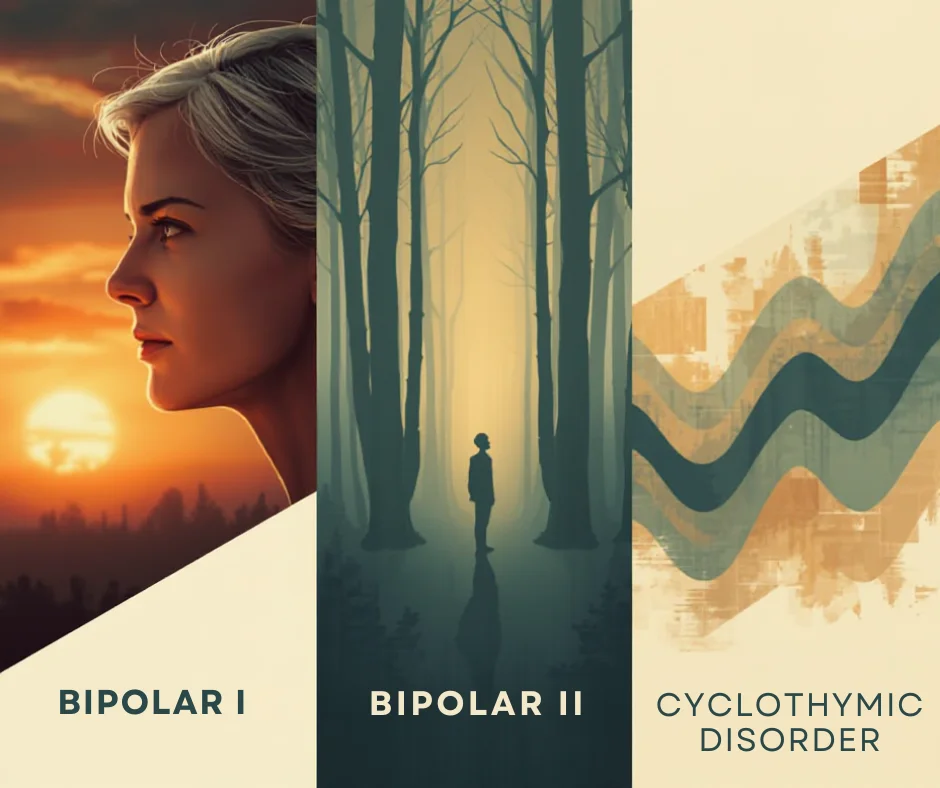 To define bipolar disorder accurately, we must look at it as a chronic mood dysregulation condition. In psychology and medicine,…
Are you looking for a Therapist?
Connect with qualified mental health professionals who understand
bipolar disorder, mood changes, and emotional challenges.
Private • Supportive • Confidential