
Bipolar Depression Test: What It Is, What It Can Tell You, and What It Can’t

Medically reviewed by Bipolar Admin Updated Date: February 2, 2026
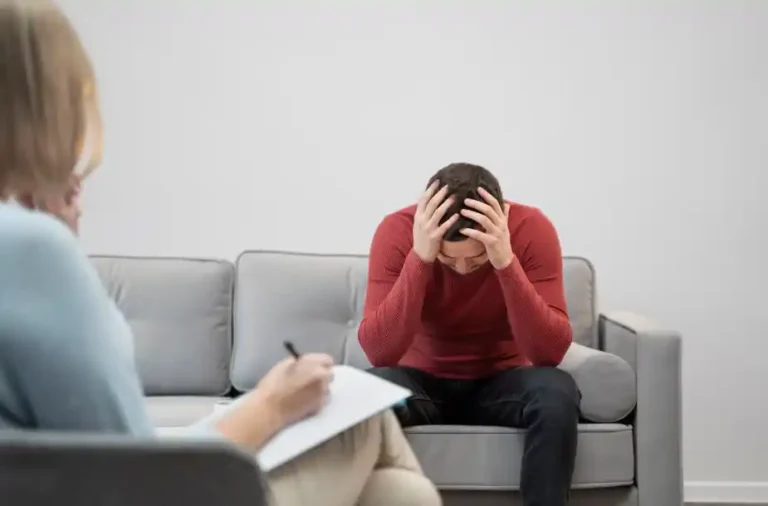
If you are searching for a bipolar depression test, you are likely experiencing a level of emotional pain that feels deeper and more complex than a typical “bad mood.” Perhaps you have been treated for depression in the past, but the medications didn’t work, or you’ve noticed that your “lows” are occasionally interrupted by bursts of restless energy or irritability.
The most important thing to understand immediately is that is there a test for bipolar depression that works like a rapid COVID test? No. What is a bipolar depression test in the modern medical landscape? It is a specialized screening questionnaire designed to distinguish between “unipolar” depression (Major Depressive Disorder) and the depressive phase of bipolar disorder.
While a free online bipolar test can be a life-saving first step, it cannot provide a final medical verdict. Its purpose is to help you gather data to present to a professional. Only a licensed clinician can provide a formal bipolar disorder diagnosis. This guide will help you navigate the screening process, understand your symptoms, and prepare for a clinical evaluation.
What Is Bipolar Depression? (Foundational Context)
To understand the results of a symptoms bipolar depression test, we must first define the condition. Bipolar disorder is not a single state; it is a cycle. Bipolar depression refers to the “low” pole of this cycle.
Bipolar Depression vs. Major Depressive Disorder (MDD)
The tragedy of bipolar disorder is that it is often misdiagnosed as “regular” depression. Statistics show that it takes an average of 10 years for a person with bipolar disorder to get the correct diagnosis.
- The Reason: People rarely go to the doctor when they feel “great” (manic); they only go when they feel “low.”
- The Risk: If a doctor prescribes a standard SSRI antidepressant to someone with bipolar depression without a mood stabilizer, it can “flip” the patient into a dangerous manic episode or cause “rapid cycling.”
Bipolar depression tends to be more frequent and longer-lasting than the manic phases, making it the most disabling part of the illness for most patients.
What Does Bipolar Depression Feel Like?
While all depression feels heavy, bipolar depression often has specific “qualities” that distinguish it from unipolar depression. When taking a symptoms of bipolar depression test, look for these specific “atypical” features.
The Emotional Weight
- Anhedonia: A total inability to feel pleasure, even in things you used to love (hobbies, sex, food).
- “Leaden” Paralysis: A feeling that your limbs are made of heavy weights, making it physically difficult to move or get out of bed.
- Intense Guilt: Feeling responsible for things that are not your fault or feeling like a “burden” to everyone you know.
The Physical and Cognitive Toll
- Hypersomnia: Unlike regular depression, where you might have trouble sleeping, bipolar depression often involves sleeping 12+ hours a day and still feeling exhausted.
- Psychomotor Retardation: Your speech and physical movements become noticeably slower to others.
- Brain Fog: Difficulty concentrating or making simple decisions, like what to eat for lunch.
Snippet Opportunity: Common Signs of Bipolar Depression
- Sleeping excessively (Hypersomnia)
- Increased appetite and weight gain
- Heavy, “leaden” feeling in arms and legs
- Extreme lethargy and lack of energy
- History of “highs” (mania/hypomania) preceding the crash
Am I in a Bipolar Depressive Episode?

If you are asking, “am i in a bipolar depressive episode?”, you should evaluate your current state through a signs of bipolar depression test framework focused on four key areas:
- Duration: Have these symptoms lasted for at least two weeks?
- Severity: Are you unable to work, maintain your hygiene, or interact with your family?
- Functional Impairment: Is the depression “stopping” your life, or is it a background sadness?
- The “Manic” Clue: This is the most vital part. Have you ever had a period of at least 4-7 days where you felt the opposite of this—wired, hyper-productive, or required very little sleep?
If the answer to the last question is “Yes,” then your depression is likely bipolar in nature, even if you feel 100% “low” right now.
What Is the 48-Hour Rule for Bipolar People?
You may encounter the “what is the 48 hour rule for bipolar people?” in online support groups. It is important to clarify that this is not an official diagnostic criterion found in the DSM-5-TR.
Rather, it is a practical self-management tool. The rule suggests that if a person with bipolar disorder experiences a significant shift in mood, sleep, or energy that lasts for 48 hours, they should contact their care team.
- Why it’s helpful: It acts as an early warning system to catch an episode before it spirals.
- Why it’s misleading: 48 hours is not long enough to “diagnose” an episode (which requires 1-2 weeks), but it is long enough to signal that a medication adjustment might be needed to prevent a full-blown crash.
What Is a Bipolar Depression Test?
A bipolar depression test questionnaire is a standardized set of questions used to “screen” for the disorder. In a clinical setting, we don’t just ask “Are you sad?” We use tools that look for the architecture of bipolar disorder.
The Purpose of Screening
The goal is to determine if your depression has “bipolarity markers.” For example, a bipolar depression test will ask about:
- Family history (bipolar disorder is highly heritable).
- Age of onset (bipolar often starts earlier than unipolar depression, typically in the teens or early 20s).
- Reaction to antidepressants (did they make you feel “crazy” or “wired”?).
What they do NOT do: They do not account for physical illnesses (like thyroid issues) that can mimic depression. This is why a “positive screen” on a free online bipolar test must be followed by blood work and a doctor’s visit.
Free Online Bipolar Depression Tests
If you are looking for a bipolar depression test online free, there are several validated options. You do not need to pay for a “premium” quiz; the most accurate tools are public domain.
Bipolar Depression Test Online (Free & No Sign-Up)
The most common tool is a combination of the PHQ-9 (for depression severity) and the MDQ (Mood Disorder Questionnaire).
- MDQ: This focuses on the “highs.” If you screen positive for depression and answer “Yes” to several MDQ questions, the likelihood of bipolar disorder is high.
- Bipolar Depression Rating Scale (BDRS): This is a specialized bipolar depression test online that looks specifically at “mixed features”—feeling agitated and depressed simultaneously.
Anxiety + Bipolar Depression Tests
Many people experience anxiety bipolar depression test overlaps. Bipolar depression is often “agitated,” meaning you feel a physical sense of panic or restlessness along with the sadness.
Printable & PDF Bipolar Tests
I always recommend patients use a bipolar disorder test pdf. Filling it out by hand and physically bringing it to your appointment is more effective than trying to show a doctor a website on your phone. It allows the doctor to scan your answers quickly and include them in your medical file.
“Do I Have Bipolar Depression?” Test Searches Explained
It is very common for individuals in distress to find themselves repeatedly searching for “do i have bipolar depression test” or “how to know if you have bipolar depression test.” This behavior is often a form of “reassurance seeking.”
When you are in the depths of a depressive episode, your brain looks for an objective reason for why you feel so poorly. If you find yourself taking a free online bipolar test multiple times a day or across different websites, it usually indicates one of two things:
- Symptom Overlap: You feel that the results don’t quite “fit” because your symptoms are a mix of anxiety, trauma, and depression.
- Validation Seeking: You are looking for “permission” to seek professional help.
The Reality Check: If you are distressed enough to be searching for a how to know if you have bipolar depression test, you have already met the threshold to talk to a professional. A quiz result—no matter how many times you take it—cannot provide the relief that a personalized treatment plan can.
Bipolar Depression Tests for Teens & Young People
Diagnosing bipolar disorder in adolescents is one of the greatest challenges in psychiatry. A bipolar depression test for teenager use must be interpreted with extreme caution due to the natural hormonal and developmental shifts of puberty.
Mood Variability vs. Illness
In teens, “normal” mood swings can be intense. However, a bipolar disorder test for someone else (like a child or teen) looks for “baseline shifts.”
- Red Flags: A teen who typically loves school suddenly cannot get out of bed for two weeks, followed by a week of staying up all night, talking excessively fast, and displaying uncharacteristic aggression.
- The “Irritability” Factor: While adults often feel “sad” during bipolar depression, teens are more likely to express depression through intense irritability and anger.
Parents should look for a bipolar depression test questionnaire specifically designed for “observer rating,” such as the Parent General Behavior Inventory (PGBI), which helps track these shifts over months rather than days.
How Do Doctors Test for Bipolar Depression?

If you move past the bipolar depression test online phase and walk into a clinic, the process of getting tested for bipolar disorder is much more rigorous than a simple checklist.
The Psychiatric Interview
This is the “gold standard.” A doctor will not just ask about how you feel today; they will conduct a “Longitudinal History.” How do doctors test for bipolar depression accurately? By looking backward. They will ask:
- “What was the highest you’ve ever felt?”
- “What was the most impulsive thing you’ve ever done?”
- “How did you react to antidepressants in the past?”
Collateral History
Because people in a “high” (manic) state often don’t realize their behavior is unusual, doctors may ask to speak with a spouse or parent. This provides a 360-degree view of your mood history that a bipolar diagnosis test online simply cannot capture.
Differential Diagnosis
How to test for bipolar depression also involves “ruling things out.” Your doctor will likely order blood tests to check for:
- Hypothyroidism: An underactive thyroid can mimic severe depression.
- Anemia: Low iron can cause the crushing fatigue associated with bipolar lows.
- Vitamin D/B12 Deficiencies: These can significantly impact mood regulation.
Bipolar Disorder Tests Beyond Depression
A bipolar depression test is only half of the story. To have bipolar disorder, there must be a “top half” to the cycle.
Mania & Hypomania Tests
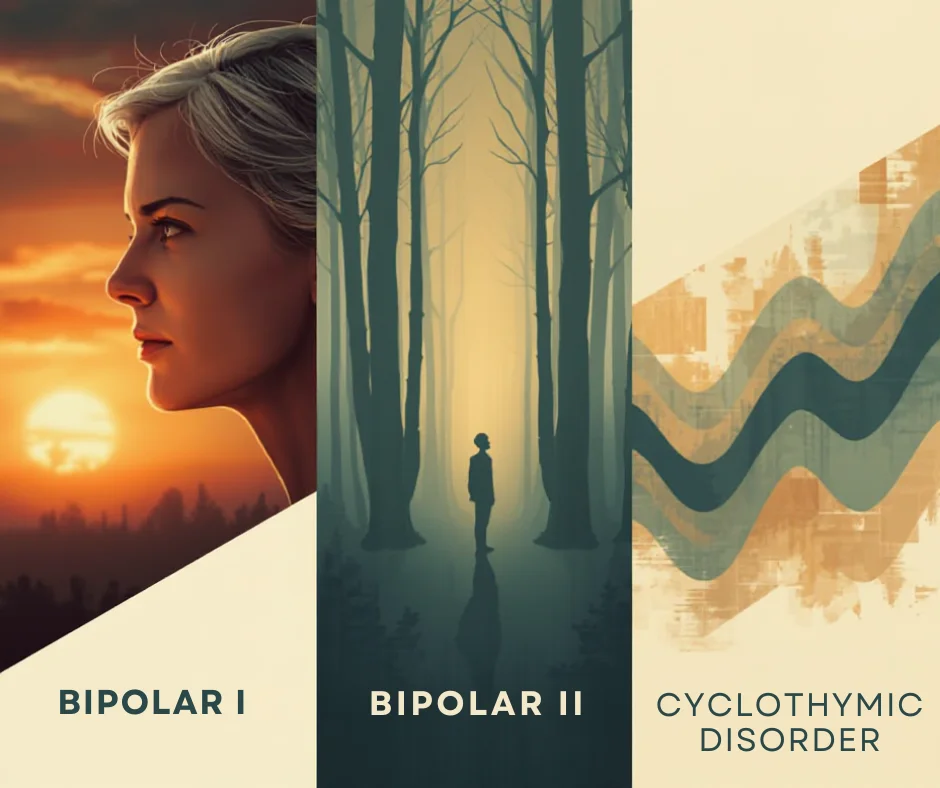
To be diagnosed with Bipolar II, you must have at least one episode of hypomania. A bipolar mania test online will ask about “decreased need for sleep” and “racing thoughts.” If you take a manic bipolar depression test, it essentially checks for both poles of the battery.
Cyclothymia & Mood Disorder Tests
If your highs aren’t quite “manic” and your lows aren’t quite “major depression,” you might be looking at Cyclothymia. A bipolar cyclothymia test looks for chronic, low-grade mood flipping that has persisted for at least two years.
Bipolar Disorder Diagnosis: Tests vs. Clinical Judgment
There is no test to determine bipolar disorder that works like a light switch. Even the most advanced bipolar disorder diagnosis test is just one data point.
The DSM-5-TR (Diagnostic and Statistical Manual of Mental Disorders) remains the “rule book.” To meet the criteria for a bipolar depressive episode, you must have 5 or more symptoms (like those listed in the PHQ-9) for at least two weeks, and they must represent a change from your previous functioning.
The “Longitudinal” View: Often, a doctor might not diagnose you with bipolar on the first visit. They may want to monitor your “mood arc” over several months. This is because a bipolar diagnosis is a life-long label that changes your treatment entirely—it is a decision that clinicians do not take lightly.
Free Bipolar Mental Health Tests (Broader Context)
When you search for free bipolar mental health tests, you are entering a space designed for “triage.” Tools like a bipolar disorder questionnaire online or an am i bipolar free quiz are meant to tell you: “Yes, your symptoms are significant enough that you should see a doctor.”
What They Capture
- Severity of current distress.
- Risk of self-harm.
- Patterns of sleep disturbance.
What They Miss
- The “Why”: A bipolar test quiz free cannot tell if your mood is caused by a medication side effect, a recent trauma, or a physical illness.
- Nuance: They often struggle to distinguish between Bipolar Disorder and Borderline Personality Disorder (BPD), which both involve intense mood shifts but require very different therapies.
Bipolar Disorder, Axis I Disorders, and Diagnostic History
Historically, in the DSM-IV, bipolar disorder was classified as an Axis I Disorder.
- What Disorders Are in Axis 1? These were “clinical syndromes” like Bipolar, Schizophrenia, and Anxiety.
- Why it changed: In the current DSM-5, we have moved away from the “Axis” system to a more unified approach.
Understanding this helps you see that Bipolar has always been categorized as a major medical illness, not a “personality flaw.” It is a biological condition that sits in the same category as other complex neurological issues.
Conclusion: Taking the Next Step
A bipolar depression test is a tool of empowerment. It gives you the language to describe your pain and the evidence to start a conversation with a doctor. If you have taken an online bipolar depression test and the results suggest you are at risk, do not wait for the “perfect time” to seek help.
Bipolar depression is a treatable, manageable condition. With the right combination of mood stabilizers, therapy, and lifestyle adjustments, the cycle can be broken.
Primary Clinical & Support References
- National Institute of Mental Health (NIMH) – Bipolar Disorder Education
- Depression and Bipolar Support Alliance (DBSA) – Screening Tools
- American Psychiatric Association (APA) – DSM-5-TR Clinical Criteria
- Mayo Clinic – Bipolar Disorder Diagnosis & Treatment Guide
- International Society for Bipolar Disorders (ISBD) – Global Practice Guidelines

Related Posts




Subscribe to Our Newsletter
Get mental health tips, updates, and resources delivered to your inbox.
MORE from Author
Read More Watching someone you care about struggle with bipolar depression and anxiety can be heartbreaking. You may notice that they withdraw…
 In my practice as a clinical psychologist, I often observe that the difference between a patient who crumbles under pressure…
 We all have "up" days and "down" days. Perhaps you feel energized after a promotion or sluggish on a rainy…
 To define bipolar disorder accurately, we must look at it as a chronic mood dysregulation condition. In psychology and medicine,…
Are you looking for a Therapist?
Connect with qualified mental health professionals who understand
bipolar disorder, mood changes, and emotional challenges.
Private • Supportive • Confidential