
Impulsive BPD: Symptoms, Examples, and How to Stop Being Impulsive

Medically reviewed by Laura Athey Updated Date: February 8, 2026

Living with impulsive BPD often feels like being strapped into a roller coaster where the operator has abandoned the controls. One moment, you are navigating life with relative stability; the next, an emotional trigger sends you spiraling into a series of actions—spending, shouting, or quitting—that leave you wondering, “Why did I just do that?”
Impulsivity is not just a character trait or a lack of discipline; in the context of Borderline Personality Disorder, it is a clinical symptom of a deeply dysregulated nervous system. Understanding the “how” and “why” behind these urges is the first step toward regaining control. This guide explores the symptoms, real-world examples, and evidence-based treatments that make recovery possible.
What Is Impulsive BPD?
When clinicians and researchers discuss what is impulsive BPD, they are usually referring to one of the four descriptive subtypes proposed by psychologist Theodore Millon. It is important to note that the DSM-5-TR (the official diagnostic manual) does not separate BPD into these subtypes; rather, it identifies “impulsivity in at least two areas that are potentially self-damaging” as a core requirement for a general BPD diagnosis.
The impulsive BPD definition highlights a specific “externalizing” pattern. Unlike “Quiet BPD,” where a person turns their pain inward, those with the impulsive subtype tend to project their distress outward through rapid, often risky actions. This behavior serves as a “pressure valve”—a desperate attempt to escape an unbearable emotional state.
BPD Explained: The Nature of the Disorder
Borderline Personality Disorder is a condition of emotional instability. For a person with BPD, emotions are not just “felt”; they are experienced as physical intrusions. When an emotion becomes too intense, the brain searches for the fastest exit strategy. In the impulsive subtype, that exit strategy is action.
Why Are People With BPD Impulsive?
One of the most frustrating aspects of this condition is the “hangover” of regret that follows an impulsive act. Many ask, “why are people with bpd impulsive?” or “why are bpd impulsive?” if they know they will regret it later. The answer lies in the BPD brain.
1. The Amygdala: The Faulty Alarm
In people with BPD, the amygdala—the brain’s “smoke detector” for danger—is hypersensitive. It perceives a neutral face as a rejecting one or a small disagreement as a total abandonment. When this alarm goes off, the body is flooded with cortisol and adrenaline, demanding immediate action to “survive” the emotional threat.
2. The Prefrontal Cortex: The Broken Brakes
The prefrontal cortex is the part of the brain responsible for logic, long-term planning, and inhibiting impulses. In the BPD brain, the connection between the emotional center (amygdala) and the logical center (prefrontal cortex) is often weakened. By the time the “logical” part of the brain realizes a decision is poor, the action has already been taken.
3. Trauma Conditioning
Many individuals with BPD grew up in “invalidating environments” where their emotions were ignored unless they were extreme. Over time, the brain learns that “big, impulsive actions” are the only way to get needs met or to stop emotional pain.
Impulsive BPD Symptoms
The impulsive bpd symptoms are diverse, but they share a common thread: they provide immediate relief at a high long-term cost. To meet the borderline personality disorder symptoms criteria, these must be present in at least two areas of life.
- Financial Impulsivity: Uncontrolled spending, gambling, or making large purchases to “fill the void” of emptiness.
- Substance Use: Using drugs or alcohol to “numb out” an emotional surge.
- Sexual Impulsivity: Engaging in risky or unprotected encounters to seek validation or escape loneliness.
- Reckless Driving: Speeding or aggressive driving when feeling angry or “numb.”
- Binge Eating: Consuming large amounts of food rapidly to soothe internal distress.
- Sudden Relationship Terminations: Ending a long-term relationship over a single argument (part of “splitting”).
- BPD Anger: “Road rage,” shouting matches, or physical destruction of property during an emotional “flood.”
What Is an Example of Impulsive BPD?

To move beyond clinical terms, let’s look at what is an example of impulsive BPD in a real-world context.
Scenario: The Text Message Trigger
Sarah feels a surge of anxiety because her partner hasn’t replied to a text in three hours. Her amygdala screams “abandonment.” To stop the pain of waiting, she impulsively sends a barrage of 15 angry messages ending with, “We’re over, don’t ever call me again.”
The Aftermath: Ten minutes later, her partner replies that they were in a dead-zone at work. Sarah is immediately hit with a wave of BPD shame and spends the next four hours impulsively begging for forgiveness.
Other bpd impulsive behavior examples include:
- Quitting a stable job on a Tuesday because of a minor critique from a manager.
- Getting a large, visible tattoo on a whim to feel “something other than emptiness.”
- Driving 100 mph on the highway because a friend didn’t invite you to a party.
Impulsive BPD in Relationships
Nowhere is impulsivity more damaging than in the “push-pull” cycle of intimacy. Impulsive BPD in relationships is often characterized by bpd splitting—viewing a partner as either an angel or a monster with no middle ground.
- The “Push”: During a split, a person might impulsively say the most hurtful thing possible to “protect” themselves from being hurt first.
- The “Pull”: Once the anger subsides, the fear of abandonment returns, leading to impulsive “clinging” behaviors.
- Repair Strategies: Couples dealing with BPD impulsivity must learn the “24-hour rule”—no major relationship decisions or “breakup talks” are allowed until the emotional surge has passed for at least one full day.
Self-Destructive BPD & Angry Externalizing Impulsive BPD
While they overlap, clinicians sometimes differentiate between self-destructive BPD and angry externalizing impulsive BPD.
- Angry Externalizing: The impulsivity is loud and directed at others. It involves shouting, breaking things, or aggressive confrontations. This is often what people imagine when they think of “classic” BPD impulsivity.
- Self-Destructive: The impulsivity is quiet and directed at the self. It includes subtle self-harm, intentional sabotage of success, or neglecting medical health. This subtype often overlaps with “Quiet BPD.”
Petulant, Discouraged & Impulsive BPD (Types Explained)
To better understand where you fit, it helps to see how impulsivity manifests across the 4 types of BPD.
| Type | Core Traits | Impulsivity Style |
| Impulsive | Thrill-seeking, charismatic, elusive. | High-arousal: Spending, sex, reckless risks. |
| Petulant | Irritable, defiant, impatient. | Interpersonal: Snapping, “bridge-burning,” demands. |
| Discouraged | Pliant, depressed, “Quiet.” | Inward: Self-harm, binging, social withdrawal. |
| Self-Destructive | Bitter, self-loathing, moody. | Sabotage: Quitting jobs, ruining good news, health neglect. |
Impulsive BPD vs. Bipolar vs. ADHD
One of the greatest challenges in mental health is the “overlap” of symptoms. When an individual seeks an impulsive BPD test, they are often surprised to find that their symptoms mimic other conditions. Distinguishing between these is vital for the correct impulsive BPD treatment.
BPD vs. Bipolar Disorder
While both involve mood swings, Bipolar is a mood disorder, whereas BPD is a personality disorder. In Bipolar mania, impulsivity (like spending sprees) can last for days or weeks. In impulsive BPD, the surge of impulsivity usually lasts only minutes or hours and is almost always triggered by a specific event, like a perceived slight or fear of rejection.
BPD vs. ADHD
ADHD impulsivity is often “thoughtless”—acting before thinking due to a lack of focus. BPD impulsivity is “emotional”—acting specifically to stop a painful feeling. However, it is very common for these two to co-occur, making the “urge” to act even more difficult to ignore.
Impulsive BPD Test & Diagnosis
If you find yourself identifying with these patterns, you may look for an impulsive BPD test online. While self-screening tools (like the MSI-BPD) are excellent for starting a conversation, they are not a substitute for a clinical BPD diagnosis.
A trained professional will look for:
- The “Pervasive” Factor: Do these impulses happen across different areas of life (work, home, dating)?
- The “Two-Area” Rule: Does the impulsivity occur in at least two potentially self-harming ways?
- Developmental History: Did these traits emerge in late adolescence or early adulthood?
Impulsive BPD Reddit — What People Say vs. Clinical Reality
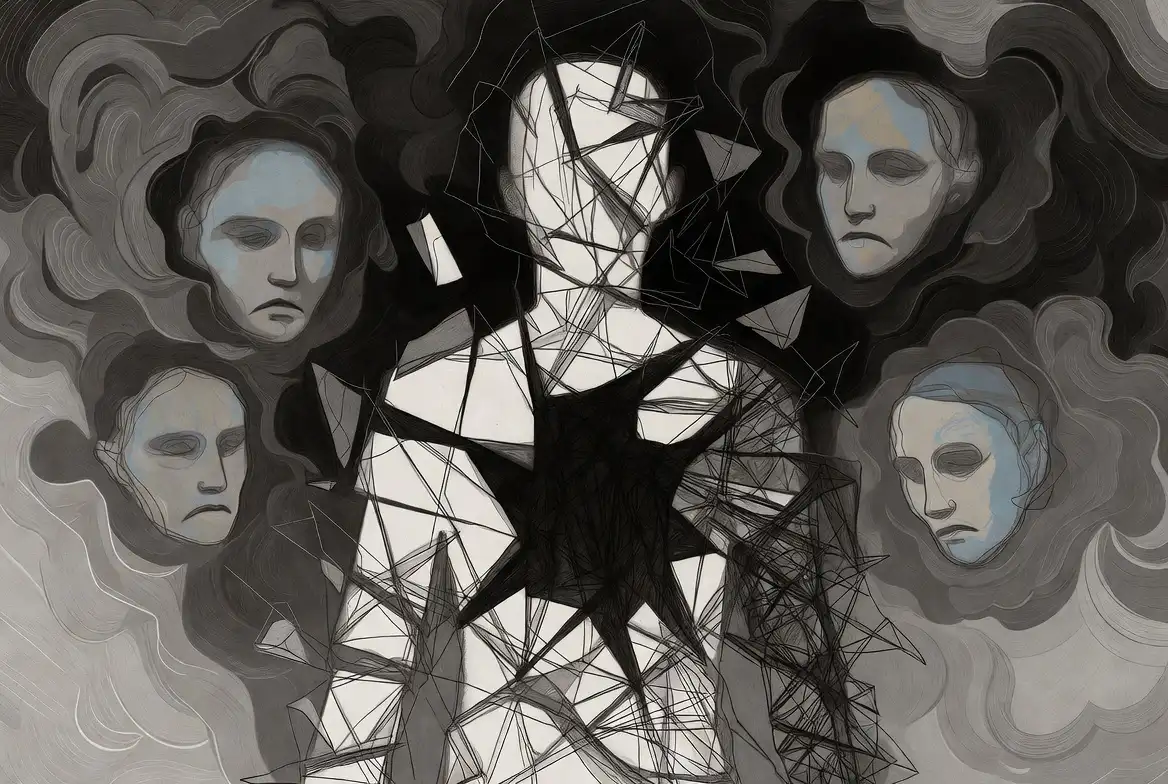
Online communities like impulsive BPD Reddit offer a raw look at the lived experience. Users often describe impulsivity as “the only way to feel real” or “a fire that only an action can put out.”
While these forums provide peer support, they can sometimes normalize “bridge-burning” as a personality trait. Clinical reality reminds us that while these urges are valid, the behaviors are maladaptive—meaning they harm you more than they help. The goal of treatment is not to stop being “you,” but to stop the behaviors that are destroying your life.
Impulsive BPD Medication
There is a common misconception that there is a “BPD pill.” There is not. However, impulsive BPD medication can be a life-saving tool to “lower the volume” of the emotional alarm system, giving the prefrontal cortex a chance to engage.
| Goal | Class | Common Examples |
| Mood Stabilization | Anticonvulsants | Lamotrigine, Valproate |
| Reducing Urgency | Atypical Antipsychotics | Quetiapine, Aripiprazole |
| Managing Co-morbidities | SSRIs | Sertraline, Fluoxetine |
Note: Medications are most effective when paired with therapy. They provide the "floor" of stability, while therapy provides the "tools" for growth.
Impulsive BPD Treatment (What Actually Works)
The gold standard for impulsive BPD treatment is Dialectical Behavior Therapy (DBT). Developed specifically to handle the high-risk impulsivity of BPD, it teaches that two things can be true: you are doing the best you can AND you need to do better.
How to Stop Being Impulsive in BPD
Learning how to control impulsive behavior BPD requires a “toolkit” of skills that you can grab the moment the surge begins.
1. The STOP Skill
- Stop: Don’t move a muscle. Your brain is lying to you right now.
- Take a step back: Physically move away from the computer, the person, or the car.
- Observe: What am I feeling? Is this “Urgency” or “Reality”?
- Proceed mindfully: Ask, “Will this action make my life better or worse in 24 hours?”
2. The TIPP Skill (Nervous System Reset)
When an impulse is at a 10/10, logic is gone. You must use biology to fight biology.
- Temperature: Splash ice-cold water on your face. This triggers the “mammalian dive reflex,” which instantly slows your heart rate.
- Intense Exercise: Do 60 seconds of burpees. Force the “rage energy” out through your muscles.
- Paced Breathing: 4 seconds in, 6 seconds out.
3. Urge Surfing
Imagine the impulse as a wave. It will peak, and it will crash. You don’t have to fight the wave; you just have to stay on your board until it reaches the shore. Most BPD impulses begin to dissipate after 15–20 minutes if you do not “feed” them with more thoughts.
Impulsive BPD Mnemonic & Acronym
To help remember the signs of a burgeoning episode, use the impulsive BPD mnemonic: “I.M.P.U.L.S.E.”
- I — Intense emotions that feel physical.
- M — Mood shifts that happen in minutes.
- P — Pressure to act immediately.
- U — Unstable sense of who you are.
- L — Losing touch with the future consequences.
- S — Splitting (Viewing people as all bad).
- E — Escalation of anger or self-harm.
High-Functioning Impulsive BPD
Many people suffer in silence because they have high functioning bpd. They may hold down high-powered jobs or be the “perfect” parent, but their impulsivity happens in secret—hidden substance use, secret spending, or “quiet” self-harm. This “masking” leads to extreme burnout and often delays diagnosis until a major life crisis occurs.
Symptoms of BPD in Females
While the criteria are gender-neutral, symptoms of bpd in females often involve more internalized impulsivity. This may look like impulsive restriction of food, “compulsive” people-pleasing followed by sudden ghosting, or high levels of self-criticism. Because society often expects women to be “emotional,” their clinical BPD symptoms are sometimes dismissed as “dramatic,” leading to a lack of proper care.
What Does Untreated Borderline Personality Disorder Look Like?
The question of what does untreated borderline personality disorder look like is a sobering one. Without treatment, the “impulse-regret” cycle deepens.
- Relationship Decay: Eventually, friends and partners “burn out” from the volatility.
- Financial Instability: Chronic job-hopping and debt.
- Legal and Health Risks: Accidental overdoses, STI risks, or legal trouble from aggressive outbursts.
However, the prognosis is excellent with care. BPD has one of the highest “remission” rates of all personality disorders. As you age and gain skills, the brain actually becomes better at regulating itself.
When to Seek Immediate Help
If your impulses are leading toward self-harm or you feel like you are in a “blackout” of rage or despair, this is a medical emergency.
- 988 Suicide & Crisis Lifeline: Call or text 988 (USA/Canada).
- Crisis Text Line: Text HOME to 741741.
- Emergency Room: If you cannot keep yourself safe for the next 15 minutes, please go to the nearest hospital.
Key Takeaways
- Impulsive BPD is a descriptive pattern of externalizing pain through action.
- Biology is at play: Your brain’s “brakes” are temporarily disconnected during an episode.
- Skills are the cure: Tools like DBT’s STOP and TIPP are the manual override for your brain.
- You are not your impulses: Your behavior is a symptom, and with the right treatment, you can change your response to the storm.
Authoritative References
- National Institute of Mental Health (NIMH): Borderline Personality Disorder
- American Psychiatric Association (APA): What Are Personality Disorders?
- McLean Hospital: Understanding the BPD Subtypes
- Behavioral Tech (Marsha Linehan): What is DBT?

Related Posts






Subscribe to Our Newsletter
Get mental health tips, updates, and resources delivered to your inbox.
MORE from Author
Read More Watching someone you care about struggle with bipolar depression and anxiety can be heartbreaking. You may notice that they withdraw…
 In my practice as a clinical psychologist, I often observe that the difference between a patient who crumbles under pressure…
 We all have "up" days and "down" days. Perhaps you feel energized after a promotion or sluggish on a rainy…
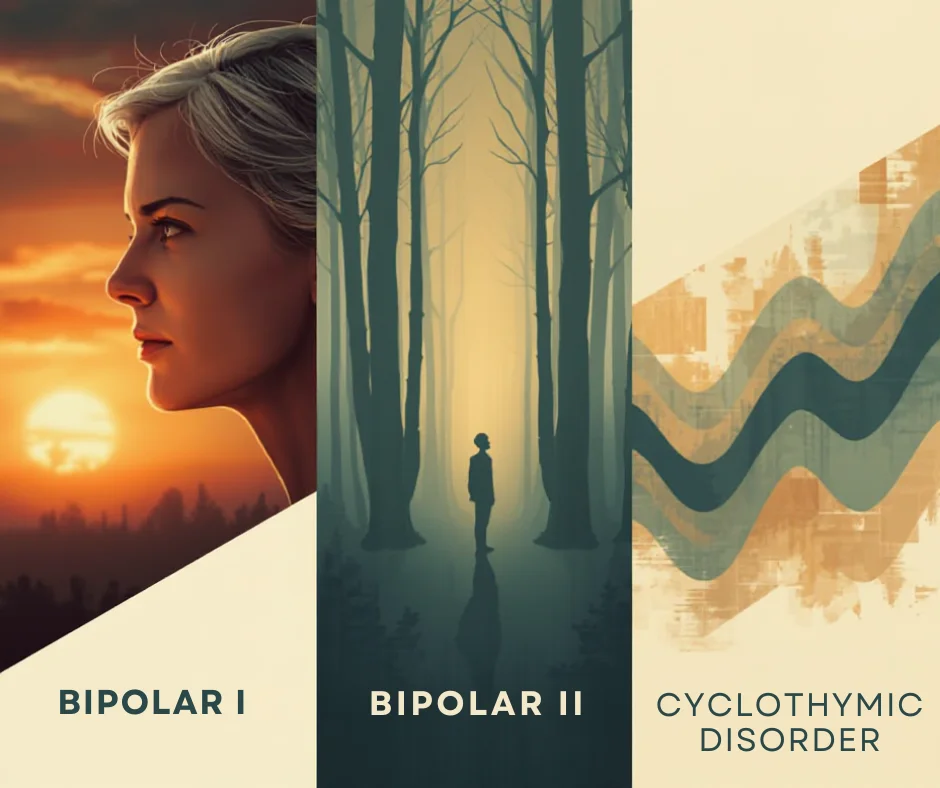 To define bipolar disorder accurately, we must look at it as a chronic mood dysregulation condition. In psychology and medicine,…
Are you looking for a Therapist?
Connect with qualified mental health professionals who understand
bipolar disorder, mood changes, and emotional challenges.
Private • Supportive • Confidential