
Is Bipolar a Disability? Social Security, ADA, SSI, Benefits & Global Laws Explained

Medically reviewed by Carolina Estevez, Psy.D Updated Date: March 28, 2026
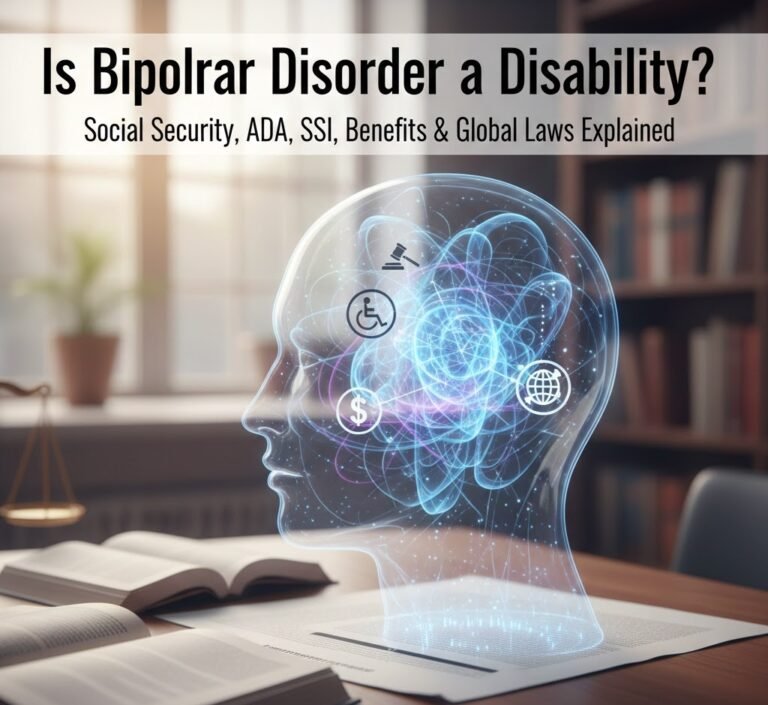
Have you ever wondered if your extreme mood swings are more than just a personal struggle? Living with the highs of mania and the lows of depression is exhausting. It affects your job, your family, and your peace of mind. Many people ask, is bipolar a disability? The answer is not just a simple yes or no. It depends on how the condition impacts your daily life and which laws apply to you. You might find it hard to hold down a steady job or manage basic tasks. This guide will walk you through the legal definitions and medical facts. We will explore how the Social Security Administration (SSA) and the Americans with Disabilities Act (ADA) view your condition. Let’s dive into what you need to know today.
What Is Bipolar Disorder?
Bipolar disorder is a chronic mental health condition that causes intense shifts in mood. It is more than just feeling “up” or “down.” Clinically, it involves clear periods of mania or hypomania and major depression.
Understanding Bipolar I and Bipolar II
is bipolar a mental disability? Yes, it is categorized as one of the most impairing mental health conditions. Doctors use the DSM-5-TR to diagnose specific types:
- Bipolar I: This involves manic episodes that last at least seven days. These episodes are often severe and may require hospital care.
- Bipolar II: This type involves a pattern of depressive episodes and hypomanic episodes. Hypomania is less severe than full mania but still disruptive.
The Real-World Impact
Is bipolar disorder hard to live with? Absolutely. It changes how a person with bipolar think and reacts. During mania, you might feel invincible or take huge risks. During depression, even getting out of bed feels impossible. These cycles make it very difficult to maintain social relationships or a 9-to-5 work schedule.
Is Bipolar Disorder Considered a Disability?
The answer depends on who you ask. From a medical standpoint, is bipolar disorder a disability? Most doctors say yes because it involves significant functional impairment. However, legal definitions vary by organization.
The Legal vs. Medical Definition
A medical diagnosis alone does not automatically mean you are “disabled” in the eyes of the law. To the SSA, is being bipolar a disability? Only if it prevents you from doing “Substantial Gainful Activity” (SGA).
The Functional Impairment Standard
: Does bipolar qualify as a disability? It does if it meets the functional standard. You must prove that your symptoms limit your ability to:
- Understand or remember information.
- Interact with others in a professional setting.
- Concentrate on tasks for extended periods.
- Adapt to changes or manage your emotions.
Why Is Bipolar Disorder Considered a Disability?
You might wonder why bipolar is a disability specifically. The primary reason is its episodic yet chronic nature. Unlike a broken bone, bipolar disorder does not just “heal” and go away.
Chronic Work Instability
is bipolar considered a disability because of its impact on employment? Yes. The relapse rates are high even with treatment. You might perform well for months and then hit a wall. This inconsistency is a nightmare for standard employers.
Medication Side Effects
Sometimes the “cure” is as hard as the condition. Strong medications can cause brain fog, fatigue, and tremors. These side effects further limit your ability to work safely or efficiently.
Is Bipolar Disorder a Permanent Disability?
Many patients ask is bipolar a permanent disability? In the medical world, it is a lifelong condition. However, the SSA uses a different timeframe.
The SSA 12-Month Rule
For the government, is bipolar disorder a permanent disability? They look for a condition that has lasted or will last at least 12 months. They do not necessarily mean “forever.” They focus on long-term duration.
Can Symptoms Improve?
You can still qualify for bipolar permanent disability even if you have good days. The SSA looks at the “longitudinal” record. This means they want to see your history over several years. They look for patterns of stability and crisis.
Bipolar I vs. Bipolar II — Do Both Qualify?
You might think only Bipolar I counts. However, is bipolar 2 a disability too? The answer is a resounding yes.
Severity vs. Frequency
While Bipolar I has more intense mania, Bipolar II often involves longer depressive states. is bipolar 2 considered a disability? Yes, because chronic depression is just as limiting as mania. The SSA evaluates both types under the same “Blue Book” listing.
Functional Limitations Comparison
| Feature | Bipolar I | Bipolar II |
| Primary Impairment | Mania & Psychosis | Chronic Depression |
| Work Impact | Sudden, severe disruptions | Consistent, low productivity |
| Disability Status | Frequently Qualified | Frequently Qualified |
Is Bipolar Depression a Disability?
Many people suffer more from the “lows” than the “highs.” Because of this, bipolar depression disability is a major focus for clinical reviewers.
The Weight of Depressive States
bipolar depression a disability? It certainly can be. It often involves “psychomotor retardation,” where you move and think slowly. This makes meeting deadlines or following instructions nearly impossible.
Co-occurring Anxiety
It is also common to seek disability for bipolar and anxiety at the same time. Anxiety often makes the social aspects of work terrifying. When these two conditions combine, your chances of approval often increase.
Bipolar Disorder and Social Security Disability (SSA)
Getting government help is a long process. You need to know is bipolar a disability for social security and how to prove it. The SSA uses a specific manual called the “Blue Book.”
SSA Blue Book Listing 12.04
This section covers depressive, bipolar, and related disorders. To meet this listing, you must provide medical evidence of:
- Criteria A: Medical documentation of the disorder (mania, depression, or both).
- Criteria B: Extreme limitation in one or “marked” limitation in two areas of mental functioning.
Essential Medical Evidence
To be successful in getting disability for bipolar, you need more than just a note from your doctor. You need years of treatment notes, hospital records, and a list of failed medications. This shows that you have tried to get better but still cannot work.
SSI vs SSDI for Bipolar Disorder
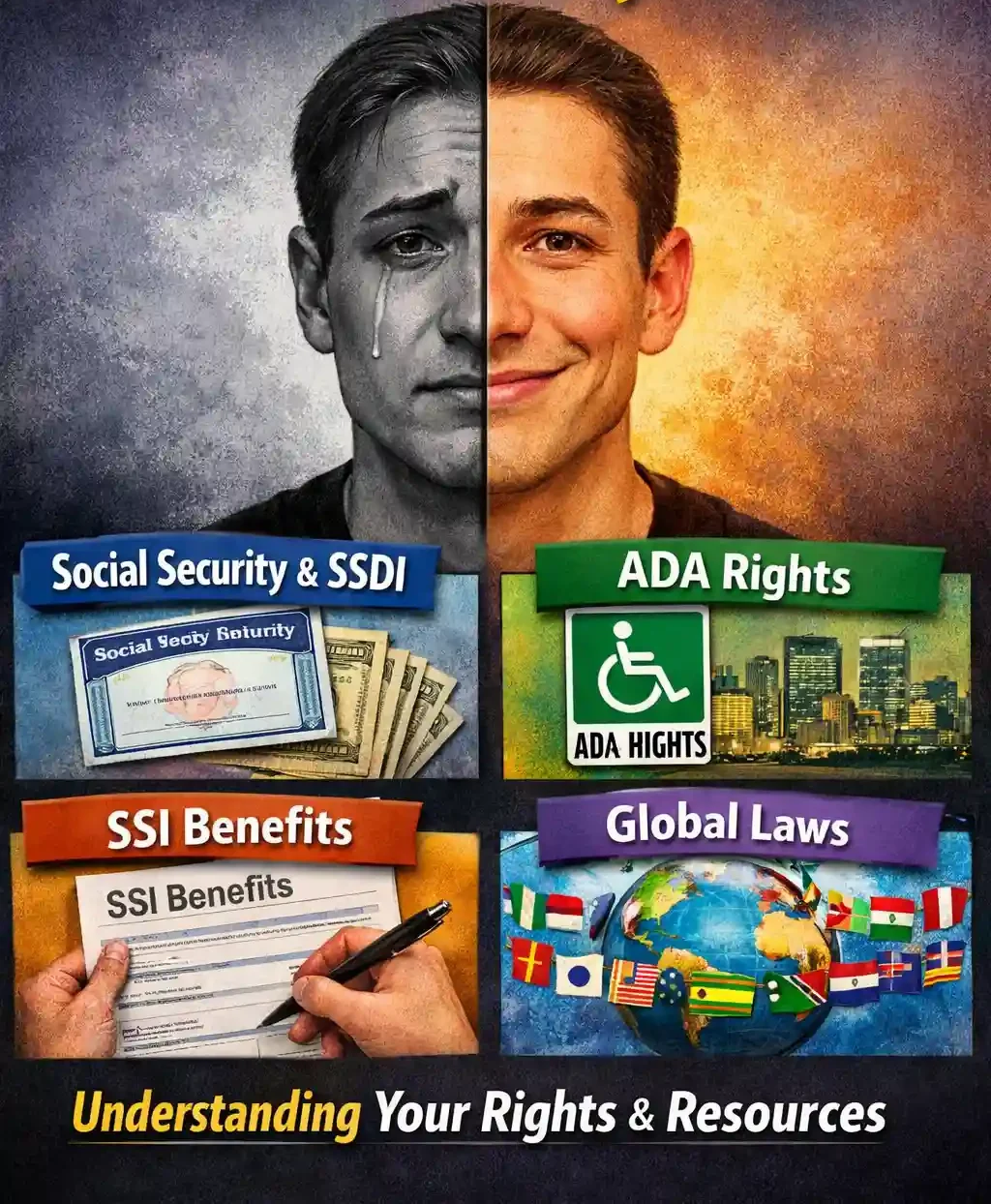
Navigating federal benefits feels like learning a new language. You may wonder is bipolar a disability for ssi or SSDI. Both programs offer help, but they have different rules.
Supplemental Security Income Basics
SSI is a needs-based program for people with limited income. If you have not worked much, this is likely your path. How much does SSI pay for bipolar disorder depends on your assets.
Social Security Disability Insurance Overview
SSDI is for those who have worked and paid taxes. It functions like an insurance policy. Your bipolar disability payments under SSDI depend on your lifetime earnings record.
How Much Is a Disability Check for Bipolar Disorder?
Money is a major concern when you cannot work. You need to know how much is a disability check for bipolar to plan your future. These amounts change every year.
Federal Benefit Rates
For SSI, the federal maximum is around $943 for individuals in 2024. However, some states add a small supplement. This can increase your bipolar disability check slightly each month.
Calculating SSDI Payments
SSDI payments are usually higher than SSI. They often range from $800 to $2,500. This is why how much does mental health disability pay varies so much between different people.
How Hard Is It to Get Disability for Bipolar Disorder?
Applying for benefits is often a steep uphill battle. You might ask is it hard to get disability for bipolar compared to physical issues. The truth is quite sobering.
Mental Health Approval Rates
The chances of getting disability for bipolar disorder on the first try are low. Roughly 35% of all initial applications get approved. Most people must go through the appeals process.
Common Denial Reasons
Claims often fail because of “insufficient medical evidence.” You must show you are following your doctor’s plan. If you stop taking meds, the SSA might deny your claim.
How Long Does It Take to Get Disability for Bipolar Disorder?
Patience is required during this long journey. How long does it take to get disability for bipolar disorder usually? The timeline often spans months or even several years.
The Initial Application Phase
The first decision usually takes three to six months. If the SSA denies you, you must request a reconsideration. This adds several more months to your total wait time.
The Hearing Stage
Most approvals happen during a hearing with a judge. Unfortunately, waiting for a hearing can take a year. This delay creates significant financial stress for many families.
How Can I Get Disability for Bipolar Faster?
Waiting years for help is not always an option. You might look for ways on how can I get disability for bipolar fast. While rare, some strategies can help.
Utilizing Compassionate Allowances
Most mental health cases do not qualify for “fast-tracking.” However, if your condition is exceptionally severe, you might qualify. Always ensure your medical records are perfectly organized.
Submitting Quality Evidence
Clear documentation speeds up the review process. Provide a complete list of all your doctors. This prevents the SSA from waiting on missing files for weeks.
Bipolar Disability Lawyers — Do You Need One?
You do not have to fight the government alone. A bipolar disability lawyer can be a massive asset. They understand the complex legal language of the SSA.
Understanding Contingency Fees
Most disability attorneys work on a “contingency” basis. This means they only get paid if you win. They typically take a percentage of your back pay.
Improving Your Success Rate
Lawyers help by gathering specific medical statements. They also represent you in front of the judge. Their expertise often improves your chances of a successful outcome.
Bipolar Disorder and the ADA (Americans with Disabilities Act)
Even if you still work, you have rights. Many ask is bipolar a disability under ADA regulations. The answer provides vital protection in the modern US workplace.
Protections in the Workplace
Is bipolar a disability under the ada? Yes, because it affects major life activities like thinking and sleeping. This means your employer cannot fire you just for having this diagnosis.
Requesting Reasonable Accommodations
The bipolar disability Act (ADA) allows you to ask for changes. You might request a flexible schedule or a quiet workspace. These “accommodations” help you stay productive while managing symptoms.
Bipolar Disorder and Medicaid
Health insurance is vital for managing your moods. You should check is bipolar a disability for medicaid in your specific state. Coverage varies depending on where you live.
Medicaid Eligibility and SSI
In most states, getting SSI automatically qualifies you for Medicaid. This ensures you can afford your therapy and medications. It is a critical safety net for recovery.
The Impact of Medicaid Expansion
Many states expanded Medicaid under the Affordable Care Act. This allows people with low income to get health coverage. You do not always need a formal disability finding.
Is Bipolar Disorder a Disability Outside the U.S.?
The struggle to work with mood swings is global. Many countries recognize the impact of this condition. Let’s look at how other nations handle these disability claims.
United Kingdom
Is bipolar a disability uk? Yes, it is protected under the Equality Act 2010. You may qualify for Personal Independence Payment (PIP) if you have daily living difficulties.
Canada
Is bipolar a disability canada? It qualifies under the Disability Tax Credit and Canada Pension Plan (CPP). You must show that the impairment is “prolonged and severe.”
Australia
Is bipolar a disability in australia? The National Disability Insurance Scheme (NDIS) often provides support. You must prove the condition results in substantially reduced functional capacity.
New Zealand
In the island nation, is bipolar a disability nz? Yes, the Ministry of Social Development offers “Supported Living Payments.” This helps those who are permanently limited in their work capacity.
South Africa
Is bipolar a disability in south africa? The South African Social Security Agency (SASSA) provides disability grants. You must undergo a medical assessment by a state-appointed doctor.
United States — Georgia
Local rules also matter within the US. Is bipolar a disability in georgia? While SSA rules are federal, Georgia has specific state vocational rehabilitation programs to help you.
Bipolar Disorder vs Other Mental Disabilities
Navigating the world of mental health requires understanding different diagnoses. You might ask, is depression a disability too? Yes, but the SSA evaluates it differently.
Comparing Bipolar and Depression
Both conditions involve severe low moods. However, bipolar disorder includes mania. The SSA groups them under Listing 12.04. This means the evidence needed is quite similar.
Schizophrenia and Bipolar Overlap
Sometimes symptoms blur between conditions. Is bipolar schizophrenia a disability? People often call this schizoaffective disorder. The SSA evaluates this under Listing 12.03. It often requires proof of hallucinations or delusions.
Can You Live a Normal Life With Bipolar Disorder?
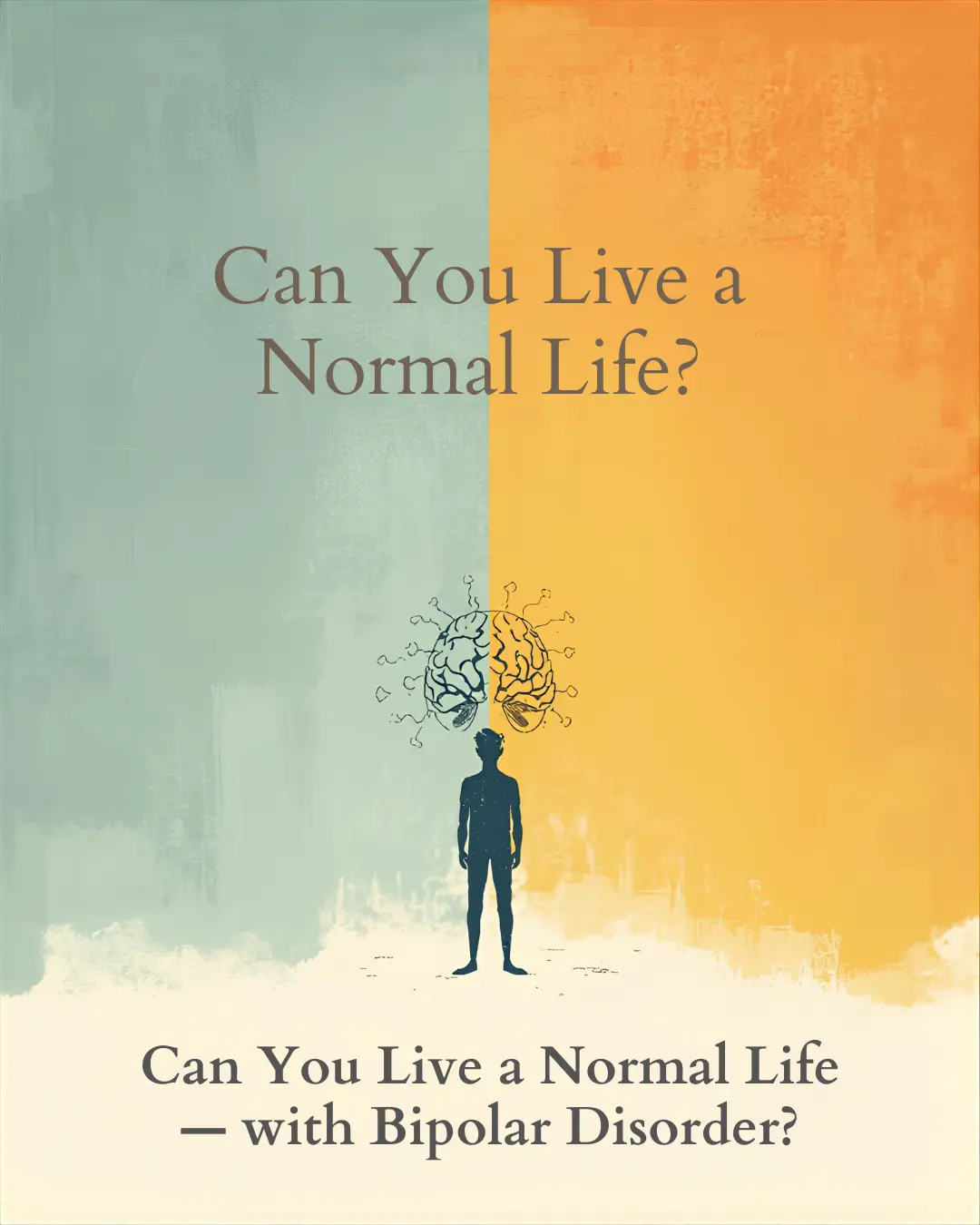
A diagnosis often feels like a life sentence. Many patients ask, can I live a normal life with bipolar? The answer is a hopeful yes.
Defining Recovery and Remission
Can someone recover from bipolar? While there is no cure, remission is possible. Remission means your symptoms are stable. You might still have the disorder but function well daily.
Employment and Bipolar Disorder
Maintaining a job is a common goal. Many people with bipolar work full-time. They use therapy and medication to stay balanced. Therefore, your career is not necessarily over.
What Benefits Can I Get If I Have Bipolar Disorder?
Financial support comes in many different forms. You should know what benefits can I get if I have bipolar early. This helps you plan your financial safety net.
Federal and State Assistance
Bipolar disability benefits include monthly checks and healthcare. SSI and SSDI are the main federal programs. Some states offer extra cash for those on SSI.
Employer Long-Term Disability Insurance
Many jobs offer bipolar long term disability through private insurance. This is separate from Social Security. Always check your employee handbook for “LTD” coverage details.
Bipolar Disorder on Reddit — What Real People Say
Online communities offer a unique look at daily life. On is bipolar a disability reddit threads, people share raw stories. They often talk about the workplace stigma.
Themes of Struggle and Support
Reddit users emphasize the need for patience. They discuss how hard it is to explain mania to bosses. Many find comfort in knowing others share their exact struggles.
Advice on Disclosure
Community members often debate telling an employer. Some prefer total honesty for ADA protection. Others worry about being judged. This real-world perspective is invaluable for new patients.
Medication Management and Side Effects
Medication is the cornerstone of bipolar stability. However, these drugs often come with challenges. You must consider how side effects impact your work ability.
Common Bipolar Medications
Doctors often prescribe mood stabilizers and antipsychotics. These help prevent high and low cycles. Lithium and valproate are common choices for many patients.
Impact of Side Effects
Side effects like tremors or fatigue are common. These issues can limit your physical and mental speed. Therefore, medication reactions are a key part of your disability claim.
The Role of Residual Functional Capacity (RFC)
If you don’t meet the “Blue Book” criteria, don’t worry. The SSA also looks at your RFC. This is a measure of what you can still do.
Evaluating Your Work Limits
The SSA assesses your ability to follow simple instructions. They look at your social skills in a work setting. This determines if any job in the US fits you.
Proving Your Limitations
Vocational experts often testify at your hearing. They discuss if your symptoms allow for “gainful activity.” A strong medical record is essential for a favorable RFC.
When to See a Clinician
Managing bipolar disorder requires professional help. You should not wait for a crisis to see a doctor. Early intervention is the key to long-term stability.
Signs of an Impending Episode
Notice changes in your sleep or energy levels. Irritability or rapid speech are also warning signs. If you feel “too good,” it might be mania starting.
Seeking Emergency Help
Seek immediate care if you have suicidal thoughts. Extreme mania can also lead to dangerous risk-taking. Hospitalization is sometimes necessary to keep you safe and stable.
Frequently Asked Questions
Does bipolar qualify as a disability?
Yes, it qualifies under the ADA and SSA. You must show that it severely limits your life. Medical documentation is the most important factor for approval.
Is bipolar permanent?
It is a chronic, lifelong condition. However, symptoms can improve with the right treatment. The SSA considers it permanent if it lasts 12 months.
Can Bipolar II get disability?
Absolutely. The depression in Bipolar II is often very severe. It can be just as disabling as the mania in Bipolar I.
How much does SSI pay?
In 2024, the federal maximum is $943. Some states may add extra funds to this. Your total income and assets affect this amount.
Is bipolar hard to live with?
It can be incredibly challenging without proper support. However, many people live full lives with treatment. Support groups and therapy make a huge difference.
Key Takeaways
Living with this condition is a journey of resilience. We have explored the legal and medical answers to is bipolar a disability. Understanding your rights under the ADA is a powerful tool. Applying for SSA benefits requires patience and detailed medical records. Remember that you are not alone in this fight. Many resources exist to help you navigate your career and finances. Stay consistent with your treatment and keep your doctor informed. Whether you are seeking SSI or workplace accommodations, help is available. Take the next step toward your stability today.
Authoritative References
- Social Security Administration (SSA) – Blue Book Listing 12.04
- U.S. Equal Employment Opportunity Commission (EEOC)
- National Alliance on Mental Illness (NAMI)
- GOV.UK – Equality Act 2010 Guidance
- Canada Revenue Agency (CRA) – Disability Tax Credit (DTC)

Related Posts





Subscribe to Our Newsletter
Get mental health tips, updates, and resources delivered to your inbox.
MORE from Author
Read More Watching someone you care about struggle with bipolar depression and anxiety can be heartbreaking. You may notice that they withdraw…
 In my practice as a clinical psychologist, I often observe that the difference between a patient who crumbles under pressure…
 We all have "up" days and "down" days. Perhaps you feel energized after a promotion or sluggish on a rainy…
 To define bipolar disorder accurately, we must look at it as a chronic mood dysregulation condition. In psychology and medicine,…
Are you looking for a Therapist?
Connect with qualified mental health professionals who understand
bipolar disorder, mood changes, and emotional challenges.
Private • Supportive • Confidential