
Does Sertraline Cause Weight Gain? What Research and Patients Say

Medically reviewed by Laura Athey Updated Date: May 6, 2026

In my clinical practice, one of the most frequent and emotionally charged conversations I have with patients revolves around the physical side effects of psychiatric medications.
When I collaborate with a patient’s psychiatrist to recommend an antidepressant, a common anxiety immediately surfaces: Will this change my body?
Weight changes are one of the most prominent concerns people have before starting treatment. Many patients prescribed this medication desperately want to know whether it will lead to unwanted pounds or unexpected weight loss.
They bring a list of valid questions to my office: Does sertraline cause weight gain? Why does sertraline cause weight gain in some but not others? Does sertraline cause weight gain or weight loss overall? And if I do gain, how much weight gain does sertraline cause?
Sertraline, universally known by its brand name Zoloft, belongs to the selective serotonin reuptake inhibitor (SSRI) class of antidepressants.
These medications fundamentally alter serotonin levels in the brain and the gut. Because serotonin is deeply intertwined with mood, appetite, metabolic rate, and eating behaviors, shifts on the scale are a biological possibility.
In this comprehensive guide, we will explore the science behind whether sertraline causes weight gain, the exact biological reasons antidepressants affect metabolism, the distinct differences between early weight loss and long-term weight gain, and how you can proactively manage these changes during your treatment.
Does Sertraline Cause Weight Gain?
When patients ask me, “Does sertraline cause weight gain?” Or specifically, if they inquire about NHS data or if Zoloft causes weight gain, I always start by validating their concern. It is not vanity; it is a valid medical inquiry about metabolic health.
Clinical research suggests that SSRIs like sertraline certainly can cause small weight changes over time, but the trajectory is rarely a straight line. During the first few months of treatment, patients typically see minimal, if any, increase on the scale. In fact, many report a slight decrease.
However, clinical studies monitoring long-term treatment frequently note a possible gradual weight gain after 6 to 12 months of continuous use. It is crucial to understand that not everyone experiences this effect; many patients remain entirely weight-neutral throughout their psychiatric care.
It is also important to differentiate between medication effects and the natural course of recovery. Large-scale data, including summaries from organizations like the NHS, suggest that any average weight change with sertraline—also marketed as Zoloft—is typically modest and influenced by multiple variables.
These include baseline weight, severity of depression or anxiety, dietary patterns, activity levels, and genetic predisposition.
Another nuance is timing. Early in treatment, side effects like mild nausea or reduced appetite can temporarily lower caloric intake. As the body adapts and symptoms improve, appetite normalizes, which may feel like “weight gain” even when it represents a return to a healthier baseline.
Additionally, improvements in mood can lead to increased social eating or more regular meals, both of which are positive outcomes but can shift weight slightly upward.
For clinicians, the key is ongoing monitoring rather than premature conclusions. Tracking trends over months—rather than reacting to short-term fluctuations—helps patients interpret changes accurately and reduces unnecessary fear around long-term treatment adherence.
Does Sertraline Cause Weight Gain or Weight Loss?

The relationship between SSRIs and body mass is a paradox. Patients are often confused when asking, “Does sertraline cause weight gain or loss?” The clinical reality is that both outcomes are entirely possible, and they usually occur in distinct phases of your treatment timeline.
In my practice, I often observe that if a patient is going to lose weight, it happens in the first two to four weeks. This early weight loss is rarely due to a suddenly accelerated metabolism; rather, it is a direct result of early treatment side effects.
Nausea and gastrointestinal upset are highly common as the heavy concentration of serotonin receptors in your gut adjusts to the medication, leading to a temporarily reduced appetite.
Conversely, patients who experience weight gain typically notice it much later in their treatment journey. As the initial nausea fades, the brain begins to heal, and the appetite that was previously suppressed by severe depression or panic suddenly returns in full force.
Why and How Does Sertraline Cause Weight Gain?
This section explores the physiological and psychological mechanisms behind SSRI-induced weight changes.
To truly answer why sertraline causes weight gain and how sertraline causes weight gain, we must look far beyond simply counting calories. The biology of serotonin is incredibly complex, acting as a master regulator for both your emotional state and your digestive system.
The Biology of Serotonin and Hypothalamic Signals
Serotonin plays a critical role in the hypothalamus, the brain region responsible for signaling satiety (the feeling of being full). In a naturally functioning brain, a healthy release of serotonin after a meal tells your body to stop eating.
However, when you introduce a continuous, artificial blockade of serotonin reuptake via sertraline, the brain’s receptors can eventually “downregulate” or become less sensitive. Over long-term treatment, this downregulation can blunt those hypothalamic appetite signals.
You might eat a full meal but neurologically still crave carbohydrates because your brain isn’t effectively registering the “full” signal.
Furthermore, long-term SSRI use has been clinically observed to cause subtle shifts in insulin sensitivity, making the body slightly more prone to storing excess glucose as fat rather than burning it for immediate energy.
The Psychology of the “Depression Diet” and “Anxiety Metabolism”
As a psychologist, the most profound changes I see are behavioral. Severe mental illness drastically alters how you eat and how you burn energy.
Consider major depression. Many of my patients arrive suffering from profound apathy; food loses its taste, and they lack the executive function—the cognitive ability to plan, organize, and execute tasks—required to grocery shop or cook.
They unintentionally starve themselves. When sertraline facilitates neuroplasticity and lifts the depressive fog, their executive function comes back online. They rediscover the joy of food. In this scenario, gaining 10 pounds is not a “side effect” of the drug’s chemistry; it is a sign of psychological recovery.
Conversely, consider a patient with severe, generalized anxiety. Their nervous system is bathed in high levels of cortisol and adrenaline. They are constantly fidgeting, their heart rate is elevated, and their body is burning excessive calories just to maintain a state of panic.
When sertraline successfully calms the amygdala, that “anxiety metabolism” slows down to a normal, healthy baseline. If they continue eating the same amount of food with a newly relaxed nervous system, weight gain naturally occurs.
Clinical Anecdote: Redefining “Healthy” Weight
I recently worked with a patient—let’s call her Elena—who was terrified of SSRIs because she struggled with body image. She suffered from crippling panic attacks that left her too nauseous to eat, resulting in her being significantly underweight.
When she finally started sertraline, the panic subsided within six weeks. Her appetite returned, and over the next six months, she gained 12 pounds.
Initially, Elena was distressed. In therapy, we had to reframe this weight gain. We explored how her previous thinness was actually a symptom of a nervous system in distress.
Through targeted cognitive behavioral interventions, we worked on separating her self-worth from the scale, focusing instead on her newly restored ability to sleep through the night, socialize without fear, and make mindful, nourishing food choices using her restored executive function.
The weight she gained was the physical anchor of her psychological healing.
When patients complain of sudden weight gain on sertraline, I immediately evaluate their sleep hygiene. Sertraline can disrupt circadian rhythms early in treatment, leading to fragmented sleep.
When you are sleep-deprived, your body overproduces ghrelin (the hunger hormone) and suppresses leptin (the satiety hormone).
Often, the weight gain patients attribute directly to the SSRI is actually caused by late-night, fatigue-driven carbohydrate cravings resulting from poor sleep architecture. Regulating your sleep-wake cycle is the first line of defense against medication-induced weight gain.
Another critical layer to consider is behavioral compensation after recovery. When anxiety and panic dominate the nervous system, daily functioning shrinks—people move less, eat irregularly, and often exist in a hyper-alert, calorie-burning state.
As symptoms improve on sertraline, there is a natural shift toward a calmer baseline. While this is therapeutically desirable, it can also mean reduced unconscious energy expenditure.
Patients may not realize that their body is no longer in a constant “fight-or-flight” mode, which previously masked normal metabolic patterns.
In addition, emotional regulation improves with SSRIs, and food can re-enter a patient’s life as a source of pleasure rather than just necessity or avoidance. This reintroduction of enjoyment—while healthy—can subtly increase caloric intake if not approached mindfully.
That’s why psychoeducation is essential. Patients benefit from understanding that their body is not “working against them,” but rather recalibrating after a period of physiological stress.
Practical strategies like structured meal timing, light physical activity, and consistent sleep routines help stabilize this transition.
Rather than focusing solely on weight, anchoring progress to functional improvements—like energy levels, concentration, and emotional resilience—creates a more sustainable and compassionate framework for recovery.
How Much Weight Gain Does Sertraline Cause?
If you do gain weight, exactly how much weight gain does sertraline cause? Setting realistic clinical expectations is vital for medication adherence.
Research suggests that, on average, changes are quite modest. Most users who experience this side effect will see an increase of 1 to 5 pounds over several months of continuous use.
It is highly unusual for sertraline to cause rapid, massive weight gain (e.g., 20+ pounds in a month) without other underlying medical or lifestyle factors at play.
| Time on Sertraline | Average Patient Weight Change | Primary Clinical Driver |
| Weeks 1 – 4 | 0 to -3 lbs | Gastrointestinal distress, nausea, and medication adjustment. |
| Months 2 – 6 | Weight Neutral | Mood stabilization and return to baseline eating habits. |
| Months 6 – 12+ | +1 to +5 lbs | Receptor downregulation, metabolic slowing, and resolved anxiety. |
Because human biology is incredibly diverse, there is immense variability in these numbers. Your baseline metabolism, daily activity levels, age, and even the specific dosage of your medication will heavily influence your personal outcome.
Does Sertraline Cause Weight Loss?
While the fear of gaining weight dominates the conversation, many patients are surprised when they step on the scale after their first month of treatment and realize they are lighter. So, does sertraline cause weight loss? Yes, it is a very common initial reaction, and it is entirely rooted in the gut-brain connection.
Approximately 95% of your body’s serotonin is produced and housed in your gastrointestinal tract, not your brain. When you introduce a selective serotonin reuptake inhibitor (SSRI), your gut receptors (specifically the 5-HT3 receptors) are suddenly overwhelmed by the increase in active serotonin.
This biological shock almost always results in mild to moderate nausea, which acts as a powerful appetite suppressant.
Furthermore, weight loss early in treatment often stems from stress reduction. Many individuals with severe anxiety suffer from “stress eating” or binge eating as a maladaptive coping mechanism to soothe their nervous system.
When sertraline successfully regulates the amygdala and lowers their baseline panic, the compulsion to self-soothe with high-calorie foods diminishes. Their caloric intake naturally drops, leading to unintentional but healthy weight loss.
Sertraline Dosage and Weight Changes
In psychopharmacology, the relationship between dosage and weight is not strictly linear. Taking twice as much medication does not guarantee you will gain twice as much weight. Instead, the dosage dictates how intensely the medication interacts with your unique metabolic baseline.
| Sertraline Dose | Typical Clinical Use | Expected Impact on Weight |
| 25 mg | Starting/adjustment dose | Highly likely to cause mild nausea and temporary weight loss. |
| 50 mg | Standard therapeutic dose | Generally weight-neutral; appetite stabilizes as mood improves. |
| 100 mg | Moderate to high dose | Slight risk of gradual weight gain over 6–12 months due to receptor downregulation. |
| 200 mg | Maximum clinical dose | Highest potential for metabolic shifts, but still highly variable by patient. |
It is crucial to understand that a 100mg dose might cause one patient to gain five pounds over a year, while another patient on the exact same dose loses two pounds because they finally have the energy to exercise. The dosage is only one piece of a much larger metabolic puzzle.
Do SSRIs Cause Weight Gain?
When comparing treatment options, patients often ask me to zoom out: do SSRIs cause weight gain in general, and which antidepressants cause weight gain the most?
Yes, antidepressants as a broad category are associated with weight changes, but not all pills are created equal. When evaluating the risk profile, psychiatrists place medications on a spectrum from “weight-positive” to “weight-neutral.”
Medications like paroxetine (Paxil) and mirtazapine (Remeron) are notorious for causing significant, rapid weight gain. They have highly potent antihistamine properties that dramatically increase cravings for carbohydrates and act as heavy sedatives, drastically lowering the patient’s daily caloric burn.
Compared to these older or more sedating medications, sertraline is generally considered moderate or “weight-neutral.” It does not possess the same aggressive antihistamine qualities.
If a patient is terrified of gaining weight but desperately needs an SSRI, sertraline or fluoxetine (Prozac) are typically my first clinical recommendations due to their milder metabolic profiles.
Frequently Asked Questions
Likelihood of Sertraline Weight Gain
Does sertraline cause weight gain?
While it is possible, sertraline is not guaranteed to cause weight gain. Some patients experience a mild increase of a few pounds during long-term treatment, while many others remain completely weight-neutral throughout their recovery.
Antidepressants and Metabolic Changes
Do antidepressants cause weight gain?
Yes, certain antidepressants can alter your metabolism, increase carbohydrate cravings, and act as sedatives, which cumulatively lead to weight changes. However, the severity varies drastically between different classes of drugs.
Early Treatment Weight Loss
Can sertraline cause weight loss?
Yes, particularly in the first few weeks. Mild nausea and gastrointestinal adjustment to the medication frequently act as temporary appetite suppressants, leading to minor weight loss.
Strategies to Prevent Weight Gain
How do you avoid weight gain on sertraline?
You can proactively manage your weight by maintaining a balanced diet, practicing mindful eating to ensure you recognize when you are full, and engaging in regular daily exercise to offset any minor metabolic slowing.
Conclusion
Sertraline is a profoundly effective, widely prescribed medication that serves as a lifeline for individuals battling severe depression and anxiety disorders.
While the fear of bodily changes is incredibly valid, research and clinical data suggest that sertraline’s impact on your weight is usually modest and highly manageable.
The clinical reality is nuanced: you may experience temporary weight loss in the first few weeks due to nausea, followed by a stabilization phase. Over the long term, a small percentage of patients may notice a gradual, mild weight gain as their nervous system heals and their appetite returns to a healthy baseline.
Remember that your dosage, your daily lifestyle habits, and your individual metabolism play massive roles in this outcome.
If you are taking sertraline, monitor your body with self-compassion, prioritize your sleep and nutrition, and always maintain an open, honest dialogue with your healthcare provider to ensure your treatment plan supports both your mental and physical well-being.
Authoritative & References
- National Institute of Mental Health (NIMH)
- U.S. Food and Drug Administration (FDA)
- American Psychiatric Association (APA)
- National Center for Biotechnology Information (NCBI) / PubMed

Related Posts




Subscribe to Our Newsletter
Get mental health tips, updates, and resources delivered to your inbox.
MORE from Author
Read More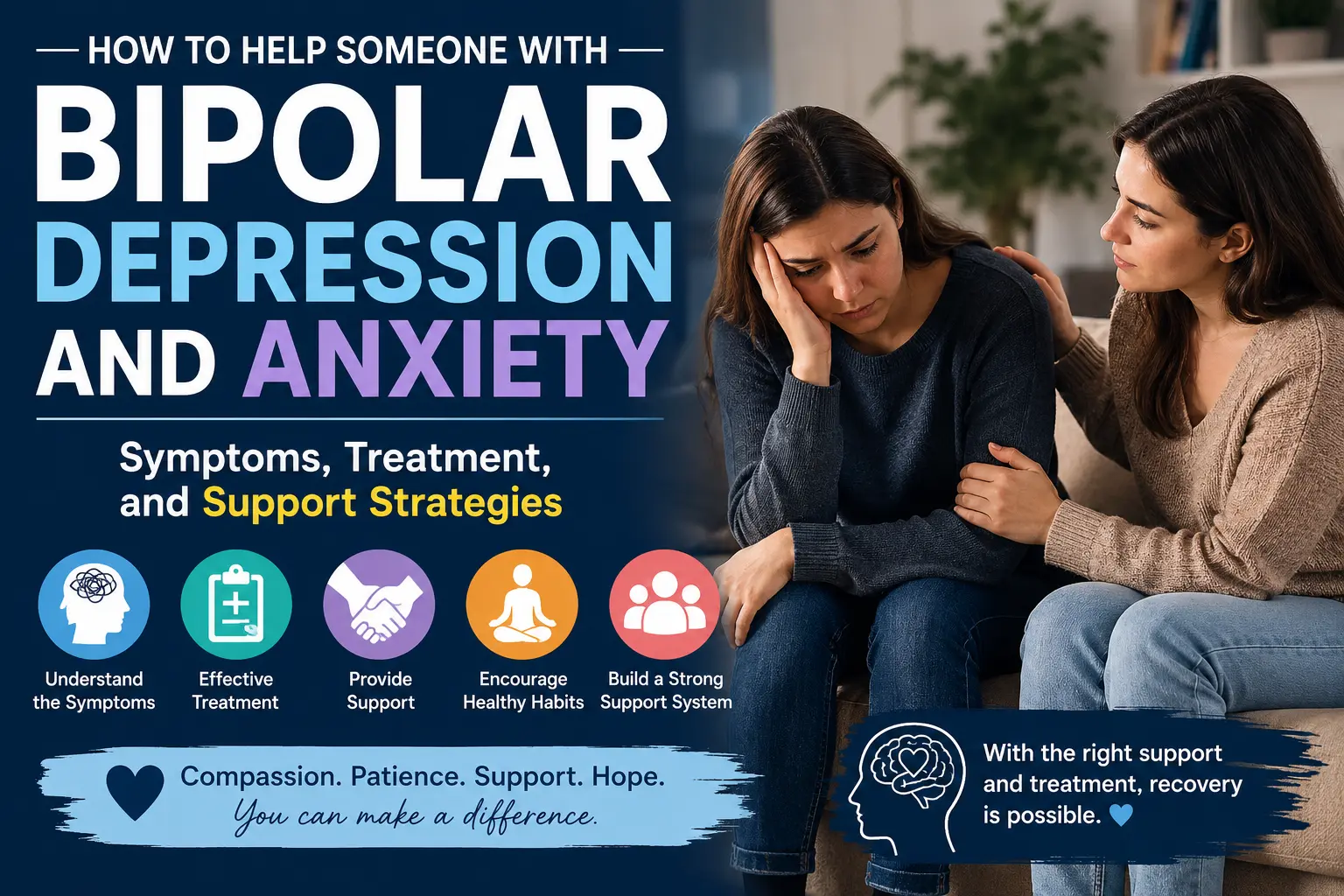 Watching someone you care about struggle with bipolar depression and anxiety can be heartbreaking. You may notice that they withdraw…
 In my practice as a clinical psychologist, I often observe that the difference between a patient who crumbles under pressure…
 We all have "up" days and "down" days. Perhaps you feel energized after a promotion or sluggish on a rainy…
 To define bipolar disorder accurately, we must look at it as a chronic mood dysregulation condition. In psychology and medicine,…
Are you looking for a Therapist?
Connect with qualified mental health professionals who understand
bipolar disorder, mood changes, and emotional challenges.
Private • Supportive • Confidential