
Selective Serotonin Reuptake Inhibitors (SSRIs): How They Work, Side Effects & Drug List

Medically reviewed by Laura Athey Updated Date: March 4, 2026
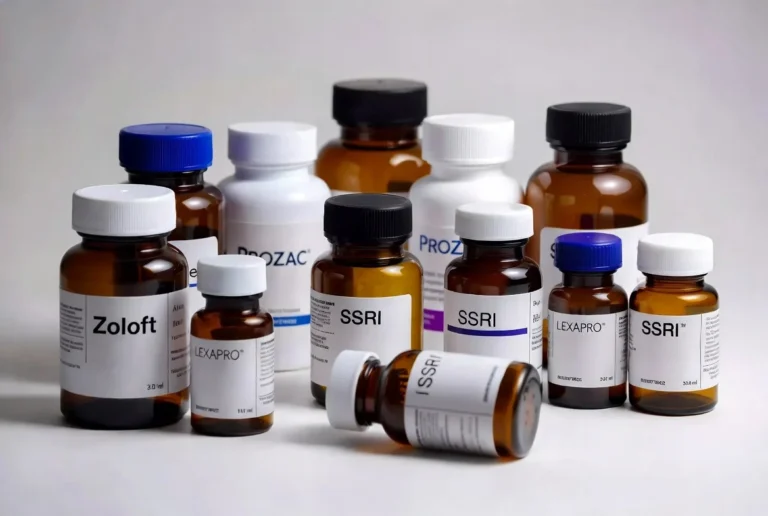
In my practice as a clinical psychologist, I often meet individuals at one of the most vulnerable points in their lives. They describe a “heavy fog” that won’t lift, or an internal “alarm system” that stays triggered long after the threat has passed. When we discuss the possibility of pharmacological support, the conversation almost inevitably turns to a specific class of medications: Selective Serotonin Reuptake Inhibitors (SSRIs).
I remember “Sarah,” a patient who came to me struggling with such profound generalized anxiety that she could no longer drive her children to school. Her psychiatrist had suggested an SSRI, but Sarah was paralyzed by what she had read online. “Is it going to change my personality?” she asked. “And how can a pill actually fix a feeling?”
Sarah’s questions strike at the heart of the selective serotonin reuptake inhibitors’ meaning. These medications are not “happy pills” that manufacture artificial joy; rather, they are sophisticated tools designed to modulate the brain’s internal communication system.
By the end of our work together, Sarah found that the medication didn’t change who she was, but it did lower the “background noise” of her anxiety enough for our therapeutic work on executive function and cognitive reframing to actually take root.
What Are Selective Serotonin Reuptake Inhibitors (SSRIs)?

To provide a clear selective serotonin reuptake inhibitor definition, we must look at their classification. SSRIs are a primary class of antidepressant medications that have become the first-line treatment for a variety of mental health conditions.
Since their introduction in the late 1980s, they have revolutionized psychiatric care due to their efficacy and generally favorable safety profile compared to older tricyclic antidepressants.
While the name is a mouthful, selective serotonin reuptake inhibitors (SSRIs) are aptly named for their precision. They are “selective” because they primarily target serotonin, rather than affecting multiple neurotransmitters like norepinephrine or acetylcholine, which often led to the heavy side effects seen in earlier generations of medicine.
Selective serotonin reuptake inhibitors (SSRIs) are drugs commonly prescribed for the following:
- Major Depressive Disorder (MDD)
- Generalized Anxiety Disorder (GAD)
- Obsessive-Compulsive Disorder (OCD)
- Post-Traumatic Stress Disorder (PTSD)
- Panic Disorder and Social Anxiety Disorder
- Premenstrual Dysphoric Disorder (PMDD)
How Do Selective Serotonin Reuptake Inhibitors Work?
Understanding the selective serotonin reuptake inhibitors’ mechanism requires a dive into the microscopic world of the synapse—the tiny gap between brain cells (neurons). This is the “Main Topic” of our discussion, and it is where the biology of the brain meets the psychology of the mind.
The Synaptic Dance
In a healthy functioning brain, neurons communicate by releasing chemical messengers called neurotransmitters. Serotonin is one of these messengers, often associated with mood regulation, sleep, and appetite.
When the “sending” (presynaptic) neuron releases serotonin into the synaptic cleft, the chemical travels across the gap to bind with receptors on the “receiving” (postsynaptic) neuron. This binding transmits the signal.
However, the brain is an efficient recycler. To prevent overstimulation, the presynaptic neuron has a “vacuum cleaner” called the serotonin transporter (SERT). Once the message is delivered, the SERT reabsorbs the leftover serotonin back into the sending cell—a process called reuptake.
Blocking the “Vacuum Cleaner”
This is exactly where SSRIs have their initial effect. When a person takes an SSRI, the drug travels to these presynaptic neurons and physically sits on the SERT “vacuum.” By blocking this reabsorption, selective serotonin reuptake inhibitors work by allowing serotonin to remain in the synaptic cleft for a longer duration.
Because the serotonin stays in the gap longer, it has more opportunities to bind with the receptors on the receiving neuron. This strengthens the signal and enhances the “volume” of serotonin-mediated communication in the brain.
The “Why” Behind the 4-6 Week Wait
Many patients ask: “If the drug blocks reuptake within hours, why don’t I feel better until next month?” This is a brilliant question that touches on neuroplasticity.
The initial increase in serotonin is just the first domino. Over several weeks, the brain responds to this increased serotonin by “downregulating” (reducing the number of) certain receptors and “upregulating” others.
This process actually stimulates the expression of brain-derived neurotrophic factor (BDNF), a protein that acts like “brain fertilizer,” helping neurons repair themselves and form new connections. We aren’t just changing chemical levels; we are physically helping the brain’s “wiring” become more resilient.
List of Selective Serotonin Reuptake Inhibitors
In clinical practice, while all SSRIs share the same primary mechanism, they are not interchangeable. Each has a slightly different chemical structure that influences how long it stays in your system and its specific side-effect profile.
Common SSRI Drugs List
| Generic Name | Brand Name | Clinical Nuance |
| Fluoxetine | Prozac | Long “half-life” (stays in system longer); often energizing. |
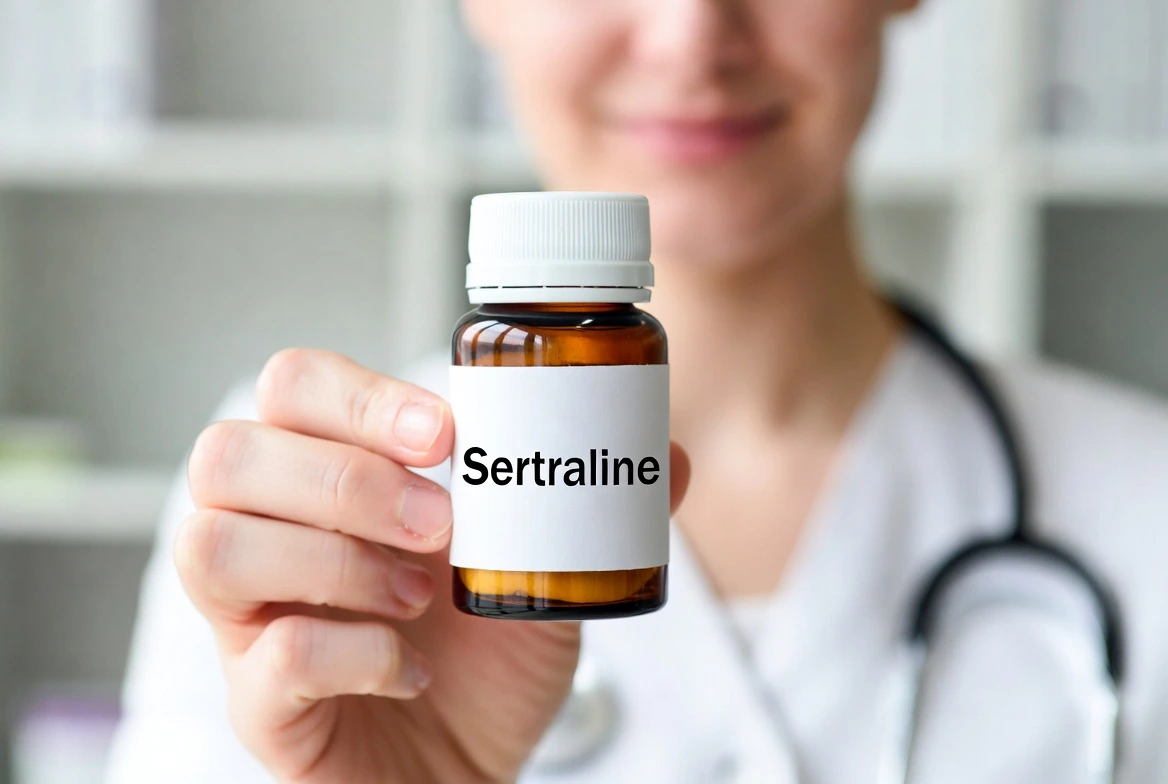
| Sertraline | Zoloft | Well-studied for anxiety; often the first choice for PMDD. |
| Escitalopram | Lexapro | Known for being “highly selective” with fewer drug interactions. |
| Citalopram | Celexa | Similar to Lexapro, it requires cardiac monitoring at higher doses. |
| Paroxetine | Paxil | Can be more sedating; often used for panic disorder. |
| Fluvoxamine | Luvox | Primarily used for obsessive-compulsive disorder (OCD). |
In my practice, I’ve observed a nuance that only becomes apparent through long-term patient monitoring: the role of circadian rhythms in medication efficacy. Serotonin is the precursor to melatonin—the hormone that signals sleep.
I’ve found that patients who maintain strict sleep hygiene (cool, dark rooms and consistent wake times) often report fewer “startup” side effects like jitters or nausea. When we stabilize the body’s internal clock, we provide a stable foundation for the SSRI to begin its work on the brain’s chemistry.
SSRI Side Effects
While the side effects of selective serotonin reuptake inhibitors are generally milder than those of older drugs, they are significant and deserve candor. Most side effects occur in the first two weeks as the body adjusts to increased serotonin in the gut (where many serotonin receptors live) and the brain.
Common Short-Term Effects
- Gastrointestinal Issues: Nausea or “upset stomach” (often mitigated by taking the pill with food).
- Sleep Disturbances: Insomnia or vivid dreams.
- Physical Jitters: A temporary increase in “nervous energy.”
Long-Term Considerations
- Sexual Dysfunction: This is a common reason for discontinuation. It can manifest as decreased libido or difficulty reaching orgasm.
- Weight Changes: While some SSRIs like fluoxetine are weight-neutral, others like paroxetine may lead to modest weight gain over time.
- Emotional Blunting: Some patients describe feeling “flat”—where the lows are gone, but the highs are also muted.
Serious Risks
All SSRIs carry an FDA boxed warning regarding an increased risk of suicidal thoughts and behaviors in children, adolescents, and young adults (under 25). Additionally, one must watch for serotonin syndrome, a rare but dangerous condition caused by too much serotonin, usually when combining an SSRI with other serotonergic substances.
Who Should Not Take SSRIs?
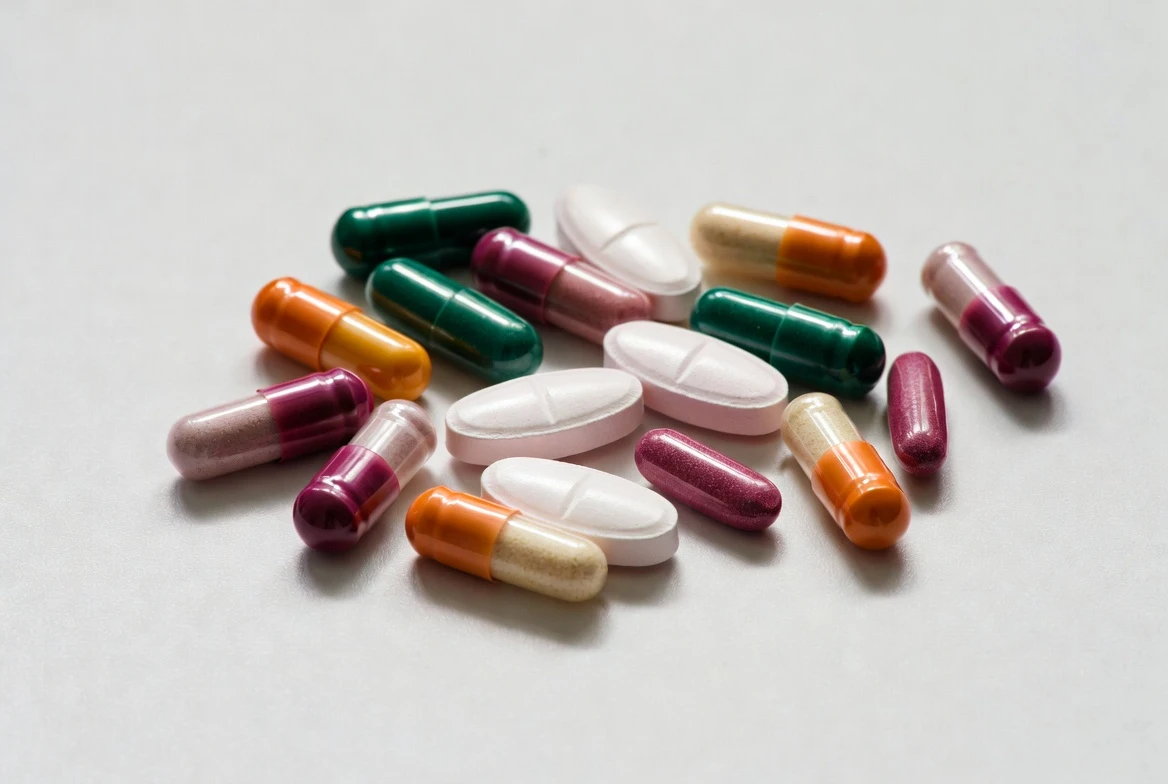
SSRIs are not a “one size fits all” solution. In my work, the most critical screening I perform is for a history of hypomania or mania. If a patient has undiagnosed bipolar disorder, starting an SSRI can trigger a “manic switch,” causing a dangerous escalation in energy and impulsivity.
Other contraindications include:
- MAOI Interactions: You must wait at least 14 days between stopping an MAOI and starting an SSRI.
- Specific Cardiac Issues: Citalopram, in particular, can affect the heart’s rhythm (QT prolongation) at high doses.
- Blood Thinners: SSRIs can slightly increase the risk of bleeding, especially when taken with NSAIDs or warfarin.
SSRIs vs. SNRIs: Understanding the Difference
In the consultation room, I am frequently asked, “What is the difference between an SSRI and an SNRI?” While they belong to the same broader family of antidepressants, the distinction lies in the “N.”
As we have discussed, SSRIs target serotonin exclusively. SNRIs (Serotonin-Norepinephrine Reuptake Inhibitors), however, block the reuptake of both serotonin and norepinephrine. Norepinephrine is a neurotransmitter closely tied to energy, alertness, and the “fight or flight” response.
Common SNRIs include:
- Venlafaxine (Effexor)
- Duloxetine (Cymbalta)
- Desvenlafaxine (Pristiq)
While SNRIs can be more effective for chronic pain conditions or for individuals whose depression is marked by extreme lethargy and “brain fog,” they often come with a slightly higher risk of increased blood pressure and more intense withdrawal symptoms if a dose is missed. In my practice, we usually start with an SSRI due to its more targeted profile, moving to an SNRI only if the initial treatment doesn’t provide sufficient relief.
Natural Selective Serotonin Reuptake Inhibitors: Myth or Reality?
With the rise of “wellness” culture, many of my patients ask about natural selective serotonin reuptake inhibitors. It is a term frequently used in marketing, but from a clinical standpoint, we must be very precise.
There is no “natural SSRI” that matches the selective precision of a pharmaceutical like escitalopram. However, there are supplements that affect serotonin levels:
- St. John’s Wort: This is perhaps the most well-known. It has shown some efficacy in mild depression, but it is notoriously “messy”—it interacts with hundreds of other medications and can lead to serotonin syndrome if combined with a prescribed SSRI.
- 5-HTP and L-tryptophan: These are precursors to serotonin. While they provide the “building blocks” for the neurotransmitter, they do not “inhibit reuptake” in the way a clinical SSRI does.
I always advise my patients: “Natural” does not mean “risk-free.” If you are considering supplements to manage your mood, they must be discussed with your healthcare provider to ensure they aren’t actually destabilizing your brain chemistry.
How Long Do SSRIs Take to Work?
The timeline for SSRI efficacy is often the biggest hurdle for patients. We live in a world of instant gratification, but neurobiology moves at its own pace.
- Weeks 1–2: This is the “Adjustment Phase.” You are likely to feel side effects (nausea, jitters) before you feel the benefits. This is where many people quit, which is why close clinical support is vital during this window.
- Weeks 2–4: The “Turning Point.” You may notice that you are sleeping slightly better or that your “internal critic” is a bit quieter.
- Weeks 6–8: The “Full Effect.” This is when the neuroplasticity we discussed earlier has truly taken hold. New neural pathways have stabilized, and the “fog” begins to lift significantly.
If you don’t feel a change after 8 weeks, that is a clinical signal to either adjust the dose or pivot to a different medication.
Are SSRIs Safe Long-Term?
The Food and Drug Administration (FDA) has cleared SSRIs for long-term use, and many of my patients have been on them for years with great success. However, long-term use requires “maintenance monitoring.”
We periodically check for:
- Bone Density: Some studies suggest a slight increase in fracture risk with decades of use.
- Sodium Levels: Particularly in older adults, SSRIs can occasionally cause low blood sodium (hyponatremia).
- The “Poop-Out” Effect: Clinically known as tachyphylaxis, this is where a medication that worked for years suddenly stops being effective. Often, a small dose adjustment or a “drug holiday” (under supervision) can reset the system.
Cost and Accessibility
One of the reasons selective serotonin reuptake inhibitor drugs are so widely used is that almost all of them are now available as generics. This makes them highly accessible. Even without robust insurance, a month’s supply of generic fluoxetine or sertraline can often be found for under $10–$20 at most pharmacies. For those struggling with the price of the selective serotonin reuptake inhibitors, programs like GoodRx or manufacturer coupons can lower the cost even further.
Frequently Asked Questions
What do selective serotonin reuptake inhibitors do?
SSRIs block the reabsorption (reuptake) of serotonin in the brain. This increases the amount of serotonin available in the synaptic cleft, which helps improve mood and reduce anxiety signals.
What are the most common SSRI drugs?
The most frequently prescribed SSRIs include fluoxetine (Prozac), sertraline (Zoloft), escitalopram (Lexapro), citalopram (Celexa), and paroxetine (Paxil).
Do SSRIs cause weight gain?
It varies. Some, like Paroxetine, are more commonly associated with weight gain. Others, like fluoxetine, are generally considered weight-neutral. Individual metabolism plays a significant role in this outcome.
What is the mechanism of action of SSRIs?
The mechanism of action involves inhibiting the serotonin transporter (SERT) on the presynaptic neuron. This prevents serotonin from being recycled, allowing it to remain active at the receptor site longer.
Can I drink alcohol while taking SSRIs?
In general, I advise against it. Alcohol is a central nervous system depressant that can counteract the benefits of the SSRI and potentially increase side effects like dizziness or drowsiness.
Conclusion
Selective serotonin reuptake inhibitors are powerful tools, but they are most effective when viewed as one piece of a larger recovery puzzle. In my practice, I have seen SSRIs act as the “scaffolding” that allows a person to stand tall enough to engage in the hard work of therapy, lifestyle changes, and relationship building.
If you are considering an SSRI, remember Sarah’s story. The goal is not to become someone else; it is to remove the chemical barriers that are preventing you from being yourself. With patience, clinical supervision, and a commitment to the process, these medications can help turn the “gray” world back into one of color.
References
- American Psychiatric Association (APA)
- National Institute of Mental Health (NIMH)
- U.S. Food and Drug Administration (FDA)
- Harvard Health Publishing

Related Posts



Subscribe to Our Newsletter
Get mental health tips, updates, and resources delivered to your inbox.
MORE from Author
Read More Watching someone you care about struggle with bipolar depression and anxiety can be heartbreaking. You may notice that they withdraw…
 In my practice as a clinical psychologist, I often observe that the difference between a patient who crumbles under pressure…
 We all have "up" days and "down" days. Perhaps you feel energized after a promotion or sluggish on a rainy…
 To define bipolar disorder accurately, we must look at it as a chronic mood dysregulation condition. In psychology and medicine,…
Are you looking for a Therapist?
Connect with qualified mental health professionals who understand
bipolar disorder, mood changes, and emotional challenges.
Private • Supportive • Confidential