
Is Bipolar Depression the Same as Bipolar Disorder?

The short answer is no, they are not the same, but they are inextricably linked. To understand the relationship, think of “Bipolar Disorder” as the umbrella diagnosis (the whole disease) and “Bipolar Depression” as one specific phase or “pole” of that disease.
Confusion often arises because the symptoms of bipolar depression can look identical to standard clinical depression. However, treating them as if they are the same can be medically dangerous. While bipolar disorder is defined by its cycles—moving between high energy (mania) and low energy (depression)—bipolar depression refers specifically to those low periods. Understanding that bipolar and bipolar depression are different is the first step in ensuring a patient receives mood stabilizers rather than just antidepressants, which can sometimes worsen bipolar symptoms.
In the following sections, we will break down the biological, historical, and clinical differences between these terms to provide a clear roadmap for patients, caregivers, and students.
What Is Bipolar Depression?
To define what is bipolar depression, we must look beyond simple sadness. In a clinical setting, this refers to a depressive episode that occurs within the context of bipolar disorder (either Type I or Type II).
The Clinical Signature of the “Low”
Bipolar depression is often characterized by “atypical” features that distinguish it from other forms of low mood. While someone with standard depression might struggle with insomnia, those in a bipolar depressive state often experience hypersomnia (excessive sleeping). Other core symptoms include:
- Psychomotor Retardation: A physical slowing of the body where limbs feel heavy, like lead.
- Extreme Lethargy: An inability to perform basic tasks like showering or eating.
- Cognitive Fog: A profound difficulty in processing information or making simple decisions.
- Anhedonia: The total loss of interest in activities that usually bring joy.
In the context of bipolar disorder, manic vs depressive phases, the depressive side is often the most enduring. Statistics show that individuals with Bipolar II, for instance, spend significantly more time in this “bipolar depression” phase than they do in their “high” or hypomanic states.
What Is Bipolar Disorder?
While bipolar depression is a state, bipolar disorder is a lifelong medical condition. It is a neurological mood disorder characterized by dramatic shifts in a person’s mood, energy, and ability to function.
The Spectrum of Mood
A person with this diagnosis doesn’t just feel “happy” or “sad.” They cycle through distinct “poles”:
- Mania: A state of abnormally elevated energy, racing thoughts, and decreased need for sleep.
- Hypomania: A less severe version of mania that may feel like “super-productivity.”
- Depression: The “bipolar depression” phase we previously defined.
- Mixed Features: A dangerous state where mania and depression happen simultaneously (e.g., feeling hopeless but having racing thoughts and high energy).
The Biological Root
If you are wondering what causes bipolar disorder, research points to a complex interplay of genetics and brain structure. It is highly heritable; if a parent has it, the risk for the child increases significantly. Neuroimaging often shows that the “circuitry” connecting the emotional centers of the brain (the amygdala) to the logical centers (the prefrontal cortex) does not communicate efficiently, leading to unregulated mood swings.
Despite its intensity, many ask: Is bipolar disorder curable? Currently, it is considered a chronic, manageable condition rather than a curable one. With the right medication, many people live symptom-free for years.
Bipolar Disorder vs. Manic Depression (Are They the Same?)
You may still hear older relatives or see older films use the term “manic depression.” Many people search for bipolar disorder vs manic depression to see if they are different illnesses.
The truth is that they are in the exact same condition. The term “manic-depressive illness” was the standard clinical label for most of the 20th century. However, in 1980, the American Psychiatric Association officially changed the name to “Bipolar Disorder” in the DSM-III.
Why the Name Changed
- Scientific Accuracy: “Bipolar” better describes the two poles (the highs and lows).
- Destigmatization: The word “manic” had become a pejorative in common language (e.g., “maniac”).
- Diagnostic Clarity: The new term allowed doctors to include people who didn’t have “wild” mania but had the “softer” highs of Bipolar II.
So, is bipolar disorder the same as manic depression? Medically, yes. If you were diagnosed with manic depression thirty years ago, your diagnosis today would be bipolar disorder.
Bipolar Depression vs. Major Depressive Disorder (MDD)

This is perhaps the most critical distinction in all of psychiatry. Many people are initially diagnosed with major depression vs bipolar disorder because they seek help during a low point and fail to mention (or don’t recognize) their previous high points.
Bipolar vs. Major Depressive Disorder: The Core Differences
While the “lows” can feel identical, the underlying biology is different.
| Feature | Major Depressive Disorder (MDD) | Bipolar Depression |
| Mood History | Only “lows” or “flat” periods. | History of at least one “high” (mania/hypomania). |
| Response to SSRIs | Usually improves mood over time. | May trigger mania, agitation, or “rapid cycling.” |
| Sleep Patterns | Often involves insomnia (can’t sleep). | Often involves hypersomnia (sleeping too much). |
| Family History | Mixed genetic links. | Very strong link to bipolar relatives. |
The Danger of Misdiagnosis
When comparing bipolar 1 vs mdd, the risk of misdiagnosis is high. If a doctor prescribes a standard antidepressant to someone with undiagnosed bipolar disorder, it can act like “fuel on a fire,” pushing the patient into a manic episode or causing “mixed states,” which carry the highest risk of suicide. This is why a thorough history of “highs” is required before starting any depression treatment.
Bipolar Depression vs. Clinical (Unipolar) Depression
The term clinical depression is often used interchangeably with Unipolar Depression or MDD. When we look at bipolar depression vs clinical depression, we are looking at the “unipolar” vs. “bipolar” divide.
“Unipolar” means the mood only moves in one direction: down. “Bipolar” means the mood moves in two directions. Doctors look for “red flags” that suggest a patient’s depression is actually bipolar:
- Early Onset: Depression that starts in the teens is more likely to be bipolar.
- Postpartum Depression: Severe depressive episodes after childbirth can sometimes be the first sign of a bipolar spectrum.
- Psychotic Features: Hallucinations or delusions during a depressive episode are more common in bipolar depression than in unipolar clinical depression.
Bipolar 1 vs. Bipolar 2 Depression
Not all bipolar depression is created equal. The experience depends heavily on whether the diagnosis is Bipolar I or Bipolar II.
Bipolar I Depression
In Bipolar I, the depressive episodes can be severe, but the “defining” feature of the illness is the manic episode. People with Bipolar I have reached the absolute peak of the mood spectrum. Their depression often feels like a devastating “crash” following the high of mania.
Bipolar II Depression
A common question is: Is bipolar depression the same as bipolar 2? Not exactly. Bipolar II is a specific diagnosis where the person never reaches full mania, but instead experiences hypomania.
However—and this is a vital point—the depression in Bipolar II is often more frequent and more disabling than in Bipolar I. Because the “highs” are less intense, people with Bipolar II are often misdiagnosed with standard depression for years. In the bipolar 1 vs 2 depression debate, Type II patients actually spend more of their lives in a state of depression than Type I patients do.
Types of Bipolar Disorder

While most people have heard of Bipolar I and II, the modern psychiatric landscape recognizes that mood disorders exist on a wide spectrum. Understanding the types of bipolar disorder is essential for creating an effective treatment plan.
The 7 Types of Bipolar Disorder (Explained Simply)
Psychiatry has evolved to recognize nuances in how mood cycles manifest. Here is a breakdown of the classifications:
- Bipolar I Disorder: Defined by at least one manic episode that lasts at least seven days or is severe enough to require immediate hospital care.
- Bipolar II Disorder: Defined by a pattern of depressive episodes and hypomanic episodes, but no full-blown manic episodes.
- Cyclothymic Disorder (Cyclothymia): A milder form of bipolar disorder where the person has periods of hypomanic symptoms and periods of depressive symptoms lasting for at least two years, but the symptoms do not meet the full diagnostic requirements for a hypomanic or depressive episode.
- Bipolar Disorder with Mixed Features: A state where symptoms of mania and depression occur simultaneously. A person may feel the “energy” of mania (racing thoughts, agitation) while feeling the “despair” of depression.
- Rapid Cycling Bipolar Disorder: This is a “specifier” used when a person experiences four or more mood episodes (mania, hypomania, or depression) within a 12-month period.
- Substance/Medication-Induced Bipolar Disorder: Mood symptoms that develop during or soon after substance intoxication or withdrawal, or after exposure to a medication (like steroids or antidepressants).
- Bipolar Disorder Due to Another Medical Condition: This occurs when mood swings are a direct physiological consequence of another medical issue, such as hyperthyroidism or a traumatic brain injury.
Understanding what the 7 types of bipolar disorder are helps clinicians move away from a “one-size-fits-all” approach and toward precision medicine.
Can You Have Bipolar Depression Without Being Bipolar?
This is a common point of confusion for those who experience “up and down” moods but don’t feel they fit the classic “manic” stereotype. To answer clearly: Can you have bipolar depression without being bipolar? No.
By definition, “bipolar depression” is a symptom of bipolar disorder. If you have depression but have never experienced mania or hypomania, you have “Unipolar Depression” (Major Depressive Disorder).
However, many people live in a “diagnostic gray area.” If a person has recurring depression and a family history of bipolar disorder—but has not yet had a manic episode—they may be considered part of the “Bipolar Spectrum.” In these cases, doctors monitor the patient closely because the first “high” could happen years after the first “low.”
Bipolar Disorder Symptoms (Including in Females)
Recognizing the bipolar disorder symptoms early can change the trajectory of the illness. These symptoms are generally categorized by the “pole” the individual is currently inhabiting.
General Bipolar Disorder Symptoms
- During Mania/Hypomania: Decreased need for sleep (feeling rested after only 3 hours), pressured speech (talking over others), grandiosity (inflated self-esteem), and excessive involvement in activities with a high potential for painful consequences (spending sprees, sexual indiscretions).
- During Bipolar Depression: Feelings of worthlessness, suicidal ideation, changes in appetite, and “brain fog” that makes simple tasks feel impossible.
Bipolar Disorder Symptoms in Females
Research shows that bipolar disorder symptoms in females often present differently than in males, which frequently leads to misdiagnosis.
- Depressive Dominance: Women are more likely to experience depressive episodes rather than manic ones, often leading to an initial (and incorrect) diagnosis of MDD.
- Mixed States and Rapid Cycling: Women have higher rates of rapid cycling and mixed episodes, where mood stability is extremely difficult to maintain.
- Hormonal Influence: Reproductive life events—such as the menstrual cycle, pregnancy, the postpartum period, and perimenopause—can significantly trigger or worsen mood episodes.
- Co-occurring Conditions: Women with bipolar disorder are more likely to struggle with comorbid conditions like thyroid disease, migraines, and anxiety disorders, which can “mask” the underlying bipolarity.
How Long Is a Bipolar Depression Episode?
Time is a major factor in diagnosis. When patients ask how long a bipolar depression lasts, the answer depends on whether the condition is being treated.
Average Duration
On average, an untreated depressive episode in bipolar disorder can last between 6 and 12 months. However, even “shorter” episodes typically last at least two weeks to meet clinical criteria.
Factors Affecting Timeline
- Treatment Adherence: Using mood stabilizers can “shorten the floor” of a depressive episode, reducing its length to weeks or even days.
- Stressors: High-stress environments or traumatic events can prolong the recovery from a “low.”
- Substance Use: Alcohol and drugs are known to extend the duration of depression and make it more resistant to medication.
Unlike unipolar depression, which can sometimes be a “one-off” event in a person’s life, bipolar depression is characterized by its recurrence. Without a long-term management plan, the episodes will almost certainly return.
How Do You Treat Bipolar Depression?

Treating the “lows” of bipolar disorder is significantly more complex than treating standard depression. Because the brain is prone to “switching” into mania, the strategy must be one of balance rather than just elevation. If you are looking into how to treat bipolar depression, the approach is usually three-pronged.
Medication Management
The cornerstone of treatment is stabilization. Doctors rarely prescribe antidepressants alone for bipolar depression because they can trigger a manic episode.
- Mood Stabilizers: Medications like Lithium or Valproate help “level the playing field,” preventing both the highs and the lows.
- Atypical Antipsychotics: Drugs such as Quetiapine (Seroquel), Lurasidone (Latuda), or the combination of Olanzapine and Fluoxetine (Symbyax) are often the first line of defense specifically for the depressive phase.
- Standard Antidepressants: These are only used cautiously and always in conjunction with a mood stabilizer to act as a “safety net.”
Psychotherapy
While medication handles the chemistry, therapy handles the lifestyle.
- Cognitive Behavioral Therapy (CBT): Helps patients recognize the “thinking errors” that occur during depression.
- Interpersonal and Social Rhythm Therapy (IPSRT): This is specific to bipolar disorder. It focuses on stabilizing daily routines—sleep, wake times, and meal times—to keep the body’s internal clock (circadian rhythm) from triggering a mood shift.
Advanced Interventions
For “treatment-resistant” bipolar depression, modern medicine offers:
- TMS (Transcranial Magnetic Stimulation): Using magnetic pulses to stimulate brain regions involved in mood control.
- ECT (Electroconvulsive Therapy): Still the most effective treatment for severe, life-threatening depression that does not respond to medication.
Is Bipolar Disorder Curable?
This is a heavy question for many newly diagnosed individuals. Is bipolar disorder curable? In the traditional sense—meaning the disease disappears forever without further need for treatment—the answer is no. It is a chronic biological condition.
Reframing the Outlook
However, “incurable” does not mean “unmanageable.” In 2026, the goal of psychiatry has shifted from “symptom reduction” to “functional recovery.” With consistent treatment:
- Many people experience years of euthymia (a stable, balanced mood).
- Patients can maintain high-level careers, healthy marriages, and fulfilling social lives.
- The risk of recurrence is significantly lowered, though it never reaches zero.
The reality is that bipolar disorder is a “relapsing-remitting” condition. Management is less about a one-time cure and more about having a “toolkit” to handle shifts as they arise.
Frequently Asked Questions
To wrap up our comparison, here are the most frequent questions people ask when trying to distinguish between these overlapping terms.
Is bipolar depression the same as bipolar disorder?
No. Bipolar disorder is the full diagnosis; bipolar depression is the name for the specific “low” periods within that diagnosis.
Are bipolar and bipolar depression different?
Yes, in the same way that “the flu” is different from “a fever.” One is the illness, and the other is a specific state or symptom of that illness.
Can you have bipolar depression without being bipolar?
No. If you only have depression without any history of mania or hypomania, your diagnosis is Major Depressive Disorder (Unipolar Depression).
How long is a bipolar depression episode?
Without treatment, it can last 6–12 months. With proper medication, it can often be resolved or significantly lessened within a few weeks.
What is the difference between bipolar 1 vs mdd?
Bipolar 1 includes at least one episode of full-blown mania (high energy, delusions, or hospitalization). MDD (Major Depressive Disorder) only involves “lows” and never involves mania.
Is bipolar depression the same as bipolar 2?
Not exactly. Bipolar 2 is a type of bipolar disorder where the person has “hypomania” (mild highs) and very severe “bipolar depression.”
What are the 7 types of bipolar disorder?
They include Bipolar I, Bipolar II, Cyclothymic Disorder, Mixed Features, Rapid Cycling, Substance-Induced, and Bipolar due to medical conditions.
Conclusion
Navigating the world of mental health terminology can feel like learning a second language. To summarize the core takeaway: Bipolar Disorder is the umbrella term for a life defined by mood cycles. Bipolar Depression is simply the name for the “valley” in that cycle.
Understanding the difference between bipolar vs major depressive disorder is perhaps the most life-saving distinction a person can make. If you or a loved one is experiencing deep lows, it is vital to look back at the “highs.” Did you ever have a week where you didn’t need sleep? Where do your thoughts move too fast? Where did you feel invincible?
Identifying those moments is what allows a doctor to move from a diagnosis of “depression” to “bipolar disorder.” While the latter may sound more daunting, it is actually the key to getting the correct medication—the kind that stops the cycle instead of just masking the sadness. With a clear understanding of these terms and a commitment to professional support, stability is not just a hope; it is a clinical expectation.
1. National Institute of Mental Health (NIMH): Bipolar Disorder
2. American Psychiatric Association (APA): What Are Bipolar Disorders?
3. Mayo Clinic: Bipolar Disorder Symptoms & Causes
4. Depression and Bipolar Support Alliance (DBSA)
5. Harvard Health Publishing: Bipolar Disorder (Manic Depressive Illness)
Related Posts
Subscribe to Our Newsletter
Get mental health tips, updates, and resources delivered to your inbox.
MORE from Author
Read More ADHD and depression often occur together, and each makes the other harder to live with. Adults with ADHD are almost…
 We all have "up" days and "down" days. Perhaps you feel energized after a promotion or sluggish on a rainy…
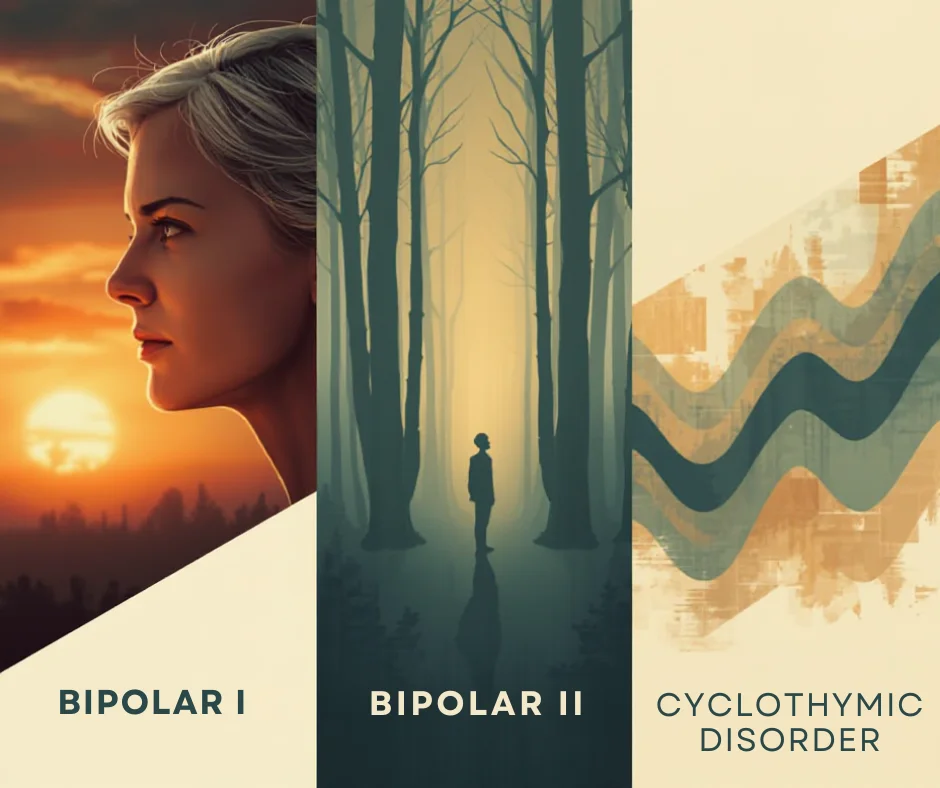 To define bipolar disorder accurately, we must look at it as a chronic mood dysregulation condition. In psychology and medicine,…
Are you looking for a Therapist?
Connect with qualified mental health professionals who understand
bipolar disorder, mood changes, and emotional challenges.
Private • Supportive • Confidential