
Major Depressive Disorder (MDD): Symptoms, Diagnosis & Treatment

Medically reviewed by Laura Athey Updated Date: February 5, 2026

Depression is more than just a passing bout of the “blues” or a bad week at work. When sadness becomes so pervasive that it interferes with your ability to eat, sleep, work, or enjoy life, it may be a clinical condition known as major depressive disorder (MDD).
Affecting millions of adults in the United States every year, MDD is a leading cause of disability worldwide. Yet, despite its prevalence, it remains shrouded in misconceptions. Understanding that major depression is a legitimate, biological medical condition—rather than a character flaw or a temporary mood—is the first step toward effective treatment and recovery. This comprehensive guide explores the clinical reality of MDD, the rigorous criteria used for diagnosis, and the evidence-based pathways to getting better.
What Is Major Depressive Disorder?
When clinicians discuss what is major depressive disorder, they are referring to a specific diagnostic entity defined by the Diagnostic and Statistical Manual of Mental Disorders (DSM-5-TR). While everyone experience sadness or grief, MDD is distinguished by its intensity, duration, and the “clusters” of symptoms that occur together.
What is a major depressive disorder symptoms profile? It is not just an emotional state; it is a full-body experience. It affects how you think, how your body feels, and how you perceive the future. Unlike “situational sadness,” which typically lifts when circumstances improve, MDD can persist even when life seems to be going well on the surface.
Major depressive disorder is a mental health condition marked by persistent low mood, loss of interest (anhedonia), and functional impairment lasting at least two weeks. It involves a combination of emotional, cognitive, and physical symptoms.
Major Depressive Disorder vs. Depression
It is common to use the word “depression” as a catch-all term, but in a clinical setting, major depressive disorder vs depression is an important distinction. “Depression” is an umbrella term that includes several different conditions.
Major Depressive Disorder is often considered the “classic” form of clinical depression. It is distinct from:
- Persistent Depressive Disorder (Dysthymia): A chronic but often less severe form of depression lasting at least two years.
- Adjustment Disorder with Depressed Mood: A reaction to a specific stressor (like a breakup or job loss) that usually resolves once the stressor is removed.
- Bipolar Disorder: Which includes depressive episodes but is marked by periods of mania or hypomania.
Is MDD the worst type of depression? Not necessarily “worst,” but it is often the most acute and debilitating. Because it involves a significant change from previous functioning, it requires more intensive intervention than mild situational sadness.
What Does Major Depression Feel Like?
Descriptions of what does major depression feel like vary, but several universal themes emerge from patient experiences. It is rarely just “crying all the time.”
- Emotional Numbness: Many describe a feeling of being “hollow” or unable to feel joy, even when with loved ones.
- The “Lead” Feeling: A sensation of physical heaviness in the limbs (psychomotor retardation), making simple tasks like brushing teeth feel like running a marathon.
- Cognitive Fog: A profound slowing of thought. Decisions become impossible, and concentrating on a book or movie feels overwhelming.
- The “Grey” Filter: A distorted perception where the past is viewed with guilt, the present with pain, and the future with total hopelessness.
Symptoms of Major Depressive Disorder (DSM-5)
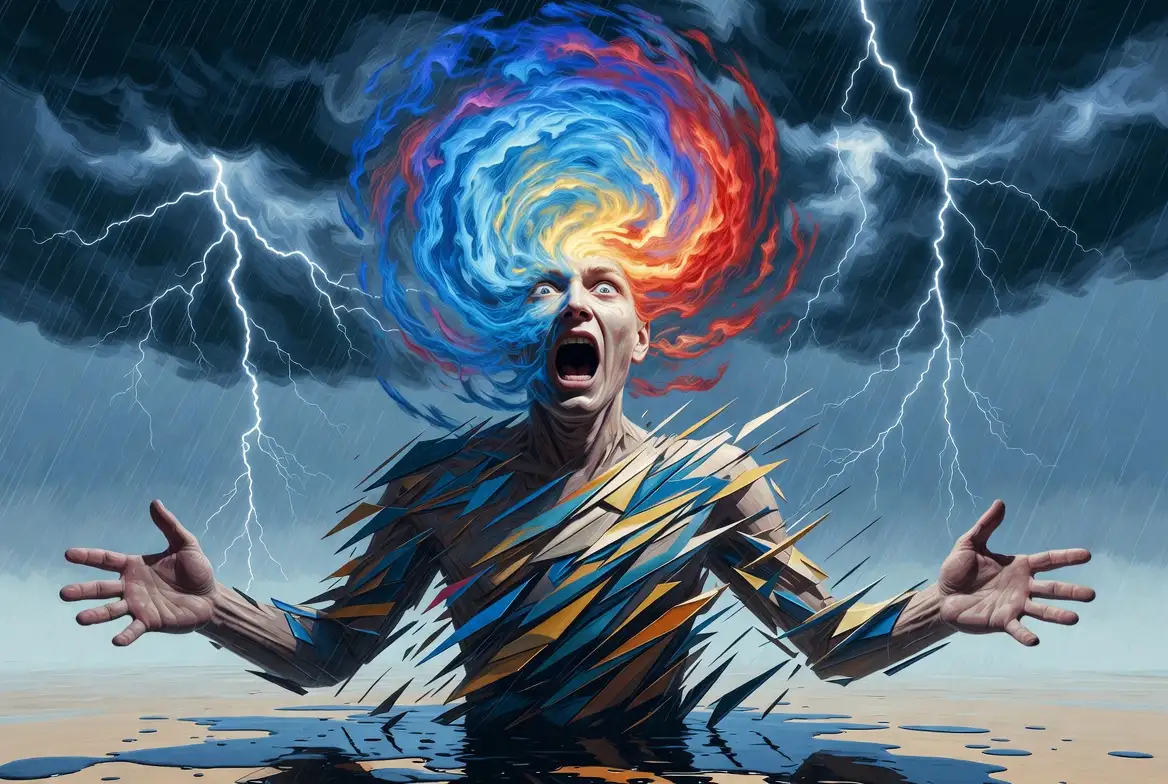
To provide major depressive disorder symptoms with diagnostic clarity, clinicians look for a specific set of indicators. According to the DSM-5, an individual must experience a significant change in functioning involving several of the following:
- Depressed Mood: Feeling sad, empty, hopeless, or tearful most of the day, nearly every day.
- Anhedonia: Markedly diminished interest or pleasure in all, or almost all, activities.
- Weight/Appetite Changes: Significant weight loss or gain, or a daily increase or decrease in appetite.
- Sleep Disturbance: Insomnia (unable to sleep) or hypersomnia (sleeping too much) nearly every day.
- Psychomotor Changes: Agitation (restlessness) or retardation (moving so slowly it is observable by others).
- Fatigue: Loss of energy nearly every day.
- Feelings of Worthlessness: Excessive or inappropriate guilt (which may be delusional).
- Diminished Concentration: Indecisiveness or inability to think clearly.
- Suicidal Ideation: Recurrent thoughts of death, suicidal ideation without a plan, or a specific suicide attempt/plan.
Major Depressive Disorder DSM-5 Criteria
The major depressive disorder DSM-5 criteria are the “gold standard” for diagnosis. A practitioner does not just look for “sadness”; they look for a specific mathematical threshold of symptoms.
MDD Diagnostic Requirement Table
| Requirement | DSM-5 Standard |
| Symptom Count | At least 5 of the symptoms listed above. |
| Core Symptom | At least one symptom must be depressed mood or anhedonia. |
| Duration | Symptoms must be present during the same 2-week period. |
| Functional Impairment | Symptoms must cause clinically significant distress or impairment in social, occupational, or other areas. |
| Exclusions | The episode cannot be attributable to a substance, a medical condition, or a manic/hypomanic episode. |
How Is Major Depressive Disorder Diagnosed?
How is major depressive disorder diagnosed? It is a process of clinical evaluation. There is currently no blood test or brain scan that can definitively diagnose MDD, though research in biomarkers is ongoing.
- Clinical Interview: A doctor or mental health professional will ask detailed questions about your history, symptoms, and family background.
- Screening Tools: You may be asked to fill out a questionnaire like the PHQ-9 (Patient Health Questionnaire), which helps quantify the severity of your symptoms.
- Medical Rule-Outs: A doctor may order blood work to check for physical conditions that mimic depression, such as hypothyroidism or vitamin D deficiency.
ICD-10 Codes for Major Depressive Disorder
In the medical billing and record-keeping world, major depressive disorder icd 10 codes are used to specify the exact nature of the diagnosis. These codes help insurance companies and healthcare providers track the severity and frequency of episodes.
Common MDD ICD-10 Codes
| ICD-10 Code | Clinical Description |
| F32.0 | Major depressive disorder, single episode, mild |
| F32.1 | Major depressive disorder, single episode, moderate |
| F32.9 | Major depressive disorder, single episode, unspecified |
| F33.1 | Moderate episode of recurrent major depressive disorder |
| F33.2 | Major depressive disorder, recurrent, severe without psychotic features |
| F33.3 | Recurrent major depressive disorder with psychotic features |
Using codes like recurrent major depressive disorder icd 10 allows doctors to see that this is a long-standing pattern rather than a one-time event, which influences the long-term treatment strategy.
Types & Severity of Major Depressive Disorder
Not all cases of MDD look the same. Clinicians categorize the disorder based on the intensity of the symptoms and the history of the patient.
- Mild/Moderate Depressive Disorder: Symptoms meet the criteria but do not completely prevent functioning. A person may still be able to work but finds it agonizingly difficult.
- Severe Major Depressive Disorder: Functional impairment is total. The individual may be unable to get out of bed, eat, or maintain personal hygiene.
- Recurrent Major Depressive Disorder: This applies when an individual has two or more episodes separated by at least two months of “normal” mood.
- Chronic Major Depressive Disorder: When a major depressive episode lasts for more than two years without lifting.
Major Depressive Disorder With Psychotic Features
In some severe cases, a person may experience major depressive disorder with psychotic features. This is a psychiatric emergency.
Psychosis in depression often involves:
- Delusions: False beliefs, often involving themes of guilt, poverty, or deserving punishment.
- Hallucinations: Hearing voices that criticize the individual or seeing things that aren’t there.
This subtype is “mood-congruent,” meaning the hallucinations and delusions match the depressed state. For example, a person may believe they have caused a global catastrophe. This requires urgent psychiatric care and usually a combination of antipsychotic and antidepressant medications.
What Causes Major Depressive Disorder?
The question of what causes major depressive disorder does not have a single answer. Modern psychiatry views MDD through a “biopsychosocial” lens, meaning it is a combination of biological, psychological, and social factors.
- Biological/Neurochemical: Dysregulation in neurotransmitters like serotonin, norepinephrine, and dopamine—which communicate between brain cells—is a primary factor.
- Genetics: If a first-degree relative (parent or sibling) has MDD, your risk is roughly three times higher than the general population.
- Hormonal Changes: Imbalances in the thyroid or adrenal glands (the “stress system”) can trigger depressive episodes.
- Trauma and Stress: Early childhood trauma or chronic adult stress (poverty, caregiving, toxic work environments) can “re-wire” the brain’s stress response, making it more prone to depression.
- Medical Illness: Chronic pain, heart disease, and diabetes have high rates of co-occurring MDD, often due to systemic inflammation.
How Long Does Major Depressive Disorder Last?
When an episode begins, the first question is often, “does major depressive disorder go away?“
- Episode Duration: Untreated episodes typically last between 6 to 12 months. With treatment, the duration can be significantly shortened.
- Recurrence: For many, MDD is not a one-time event. Approximately 50% of people who have one episode will have a second. After two episodes, the risk of a third increases to 70%.
- Is major depressive disorder permanent? No. While it can be a chronic condition for some, it is characterized by “remission” and “relapse.” Many people spend years or even decades in a state of full wellness.
Major Depressive Disorder Treatments
The goal of treatment for major depressive disorder is full remission—not just “feeling a little better,” but returning to a baseline where you can function and experience joy.
Therapy for Major Depressive Disorder
Psychotherapy is often the first line of defense for mild to moderate MDD and is a powerful adjunct for severe cases.
- Cognitive Behavioral Therapy (CBT): Focuses on identifying and changing negative thought patterns (“I am a failure”) and behaviors that reinforce depression.
- Interpersonal Therapy (IPT): Focuses on resolving relationship issues or life transitions that may be triggering the mood.
- Psychodynamic Therapy: Explores how past experiences and unconscious patterns influence current emotional states.
Medications for Major Depressive Disorder
For many, major depressive disorder medication is necessary to correct the underlying neurochemical imbalance.
Table: Common Classes of Antidepressants
| Class | Mechanism | Examples |
| SSRIs | Increases Serotonin | Sertraline (Zoloft), Fluoxetine (Prozac) |
| SNRIs | Increases Serotonin & Norepinephrine | Venlafaxine (Effexor), Duloxetine (Cymbalta) |
| Atypical | Targets Dopamine/Norepinephrine | Bupropion (Wellbutrin) |
| TCAs/MAOIs | Older, powerful but more side effects | Amitriptyline, Phenelzine |
Medical Procedures for Major Depressive Disorder
When medication and therapy are insufficient—a state known as “Treatment-Resistant Depression”—advanced major depressive disorder medical procedures can be life-saving.
- Transcranial Magnetic Stimulation (TMS): A non-invasive procedure that uses magnetic fields to stimulate nerve cells in the brain region involved in mood control.
- Electroconvulsive Therapy (ECT): Often stigmatized by movies, modern ECT is a safe, highly effective procedure performed under general anesthesia. Could Electroconvulsive Therapy Be the Breakthrough in Treating Depression? For severe, psychotic, or suicidal depression, it remains the gold standard with an 80% response rate.
- Ketamine/Esketamine: FDA-approved (Spravato) for treatment-resistant depression, providing rapid relief from depressive symptoms and suicidal thoughts.
What to Do During a Major Depressive Episode
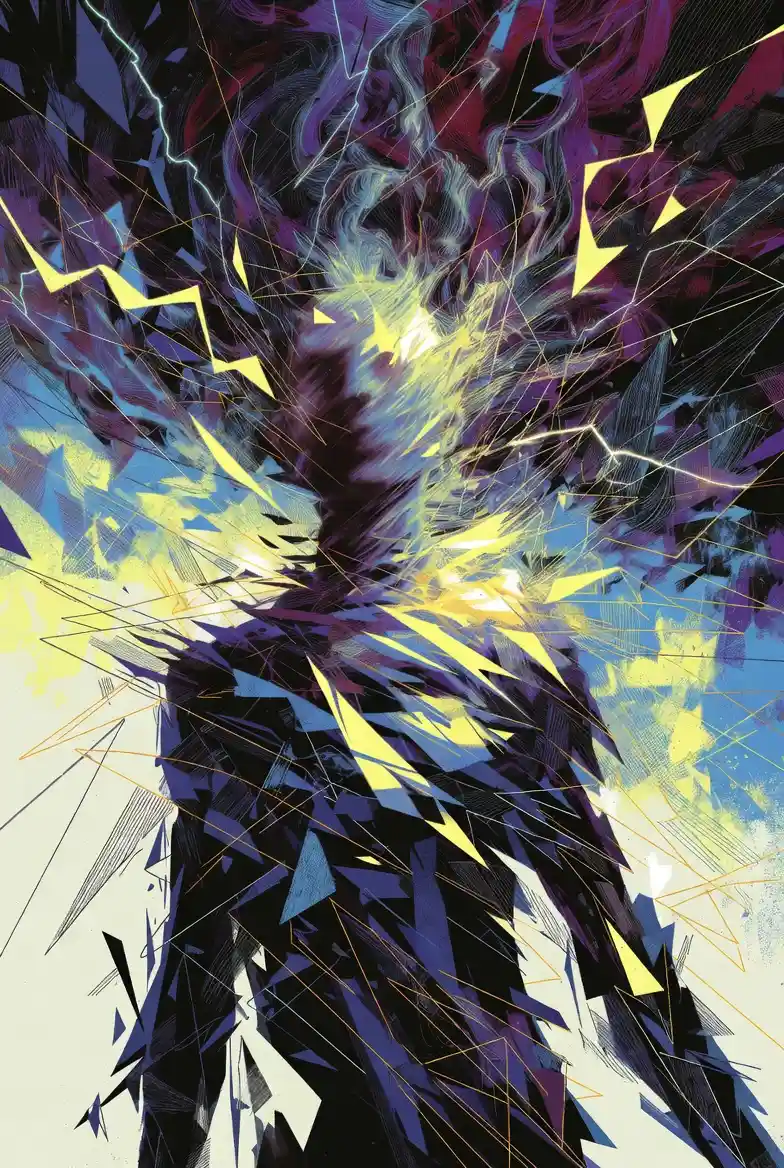
If you are currently in the depths of an episode, your “internal compass” is likely broken. Follow these actionable steps:
- Lower the Bar: Depression is a physical illness. If you had the flu, you wouldn’t expect to run a marathon. Forgive yourself for being less productive.
- The “Opposite Action” Rule: When depression tells you to stay in the dark, open the curtains. When it tells you to isolate, send one text to a friend.
- Prioritize Sleep: Depression thrives on a broken sleep-wake cycle. Try to get 15 minutes of sunlight in the morning to reset your biological clock.
- Avoid Big Decisions: Do not quit your job, end your marriage, or move houses during an episode. Wait until the “grey filter” lifts.
How to Help Someone With Major Depressive Disorder
Knowing how to help someone with major depressive disorder is about balance. You cannot “fix” them, but you can be a witness to their recovery.
- What to Say: “I can’t imagine how hard this is for you, but I’m going to stay with you until it gets better.”
- What NOT to Say: “Just look on the bright side,” or “Why are you depressed? Your life is great.” These phrases reinforce guilt and shame.
- The Practical Help: Instead of saying “Let me know if you need anything,” say “I’m bringing over dinner at 6 PM” or “I’m coming over to do one load of laundry for you.”
Is Major Depressive Disorder the Same as Bipolar Disorder?
While the depressive episodes look identical, the answer to is major depressive disorder the same as bipolar is a firm “no.”
- MDD is “unipolar,” meaning the mood only goes from stable to low.
- Bipolar Disorder involves at least one episode of mania or hypomania (high energy, euphoria, or extreme irritability).
This distinction is vital because treating Bipolar depression with antidepressants alone can trigger a dangerous manic switch.
Disability & Major Depressive Disorder
One of the most frequent practical questions asked by patients is: Is major depressive disorder a disability? Under the Americans with Disabilities Act (ADA) and the Social Security Administration (SSA) guidelines, the answer is yes, provided the condition is severe enough to prevent “substantial gainful activity.”
Does MDD Qualify for Disability Benefits?
To determine if you can get disability for major depressive disorder, the SSA looks at whether your depression meets their specific medical listing (Listing 12.04).
Requirements for SSA Disability:
- Medical Documentation: You must provide clinical records of a major depressive disorder diagnosis and ongoing treatment.
- Functional Limitations: You must demonstrate “extreme” limitation in one, or “marked” limitation in two, of the following areas:
- Understanding, remembering, or applying information.
- Interacting with others.
- Concentrating, persisting, or maintaining pace.
- Adapting or managing oneself (hygiene, safety).
If you are wondering does major depressive disorder qualify for disability in your specific case, it is highly recommended to work with your psychiatrist to document your “residual functional capacity” (what you can and cannot do on a daily basis).
How Common Is Major Depressive Disorder?
If you are struggling with MDD, you are far from alone. Understanding how common is major depressive disorder helps reduce the stigma often associated with the diagnosis.
- U.S. Prevalence: According to the NIMH, approximately 21 million adults in the United States had at least one major depressive episode in the past year. This represents about 8.3% of all U.S. adults.
- Gender Trends: Women are nearly twice as likely as men to experience MDD.
- Age Trends: The prevalence is highest among individuals aged 18-25.
Axis I Disorders & Depression (Historical Context)
In older medical records, you might see MDD referred to as an “Axis I” disorder. Patients often ask, “What disorders are in Axis 1?” In the previous version of the diagnostic manual (DSM-IV), clinicians used a “multiaxial” system to organize diagnoses.
- Axis I: Clinical disorders, including MDD, Anxiety, and Schizophrenia.
- Axis II: Personality disorders and Intellectual disabilities.
Why Axis I is no longer used: The DSM-5-TR removed this system to simplify the diagnostic process and recognize that the distinction between “clinical” and “personality” disorders was often arbitrary. Today, major depressive disorder is simply listed as a primary diagnosis without the axis label.
Related Depressive Disorders (Differential Diagnosis)
When a clinician evaluates a patient, they must distinguish MDD from other similar conditions to ensure the correct major depressive disorder treatment plan.
| Diagnosis | Key Differentiator |
| Unspecified Depressive Disorder | Used when symptoms cause distress but do not meet the full 5-symptom/2-week MDD criteria. |
| Other Specified Depressive Disorder | Used for specific patterns, like “recurrent brief depression” (short episodes) or “depressive episode with insufficient symptoms.” |
| Pervasive Depressive Disorder | A chronic low-grade depression (dysthymia) lasting $\ge$ 2 years. |
| Premenstrual Dysphoric Disorder | Depressive symptoms that occur specifically in the week before menstruation. |
When to Seek Immediate Help
Major depressive disorder is a serious medical condition. There are “red flags” that indicate a person needs urgent psychiatric intervention.
Seek help immediately if you experience:
- Suicidal Ideation: Having a plan or the means to harm yourself.
- Psychosis: Losing touch with reality, hearing voices, or having bizarre, unshakable beliefs.
- Inability to Function: Being unable to eat, drink, or care for basic physical needs.
- Severe Side Effects: Any dangerous reaction to major depressive disorder medication.
Key Takeaways
- MDD is a Medical Reality: It is a biological illness, not a lack of willpower.
- Diagnosis is Precise: It requires meeting specific major depressive disorder DSM-5 criteria under professional supervision.
- Treatment Works: A combination of therapy, medication, and lifestyle changes leads to remission for the majority of people.
- You Have Rights: If the condition prevents you from working, you may be eligible for legal and financial support through disability.
Frequently Asked Questions (FAQ)
What is major depressive disorder?
It is a clinical mental health condition characterized by persistent low mood and a loss of interest in activities, significantly impairing daily life for at least two weeks.
How is major depressive disorder treated?
Treatment usually involves a combination of psychotherapy (like CBT), antidepressants (like SSRIs), and lifestyle changes. In treatment-resistant cases, medical procedures like TMS or ECT are used.
Is major depressive disorder a disability?
Yes, MDD can be considered a disability under the ADA and SSA if it significantly limits your ability to perform basic work activities.
Does major depressive disorder go away?
While episodes can lift with treatment, MDD is often a recurrent condition. Maintenance therapy is frequently used to prevent future relapses.
What causes major depressive disorder?
It is caused by a complex interaction of genetic, biological, environmental, and psychological factors, including neurochemical imbalances in the brain.
Authoritative References & Resources
- National Institute of Mental Health (NIMH): Depression
- American Psychiatric Association (APA): What Is Depression?
- Social Security Administration (SSA): Disability Evaluation for Mental Disorders
- Mayo Clinic: Major Depressive Disorder (Clinical Overview)

Related Posts





Subscribe to Our Newsletter
Get mental health tips, updates, and resources delivered to your inbox.
MORE from Author
Read More Watching someone you care about struggle with bipolar depression and anxiety can be heartbreaking. You may notice that they withdraw…
 In my practice as a clinical psychologist, I often observe that the difference between a patient who crumbles under pressure…
 We all have "up" days and "down" days. Perhaps you feel energized after a promotion or sluggish on a rainy…
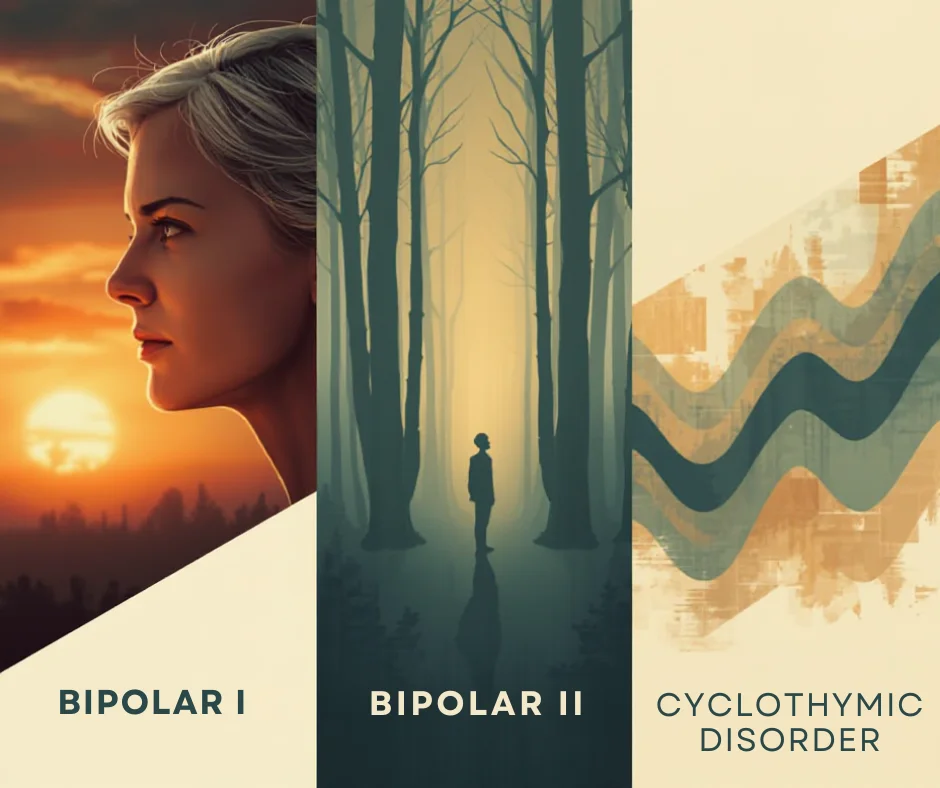 To define bipolar disorder accurately, we must look at it as a chronic mood dysregulation condition. In psychology and medicine,…
Are you looking for a Therapist?
Connect with qualified mental health professionals who understand
bipolar disorder, mood changes, and emotional challenges.
Private • Supportive • Confidential