
What Is Bipolar 1 Disorder? Understanding Bipolar 1 vs Bipolar 2, Symptoms, Causes, and Treatment

Medically reviewed by Laura Athey Updated Date: May 9, 2026
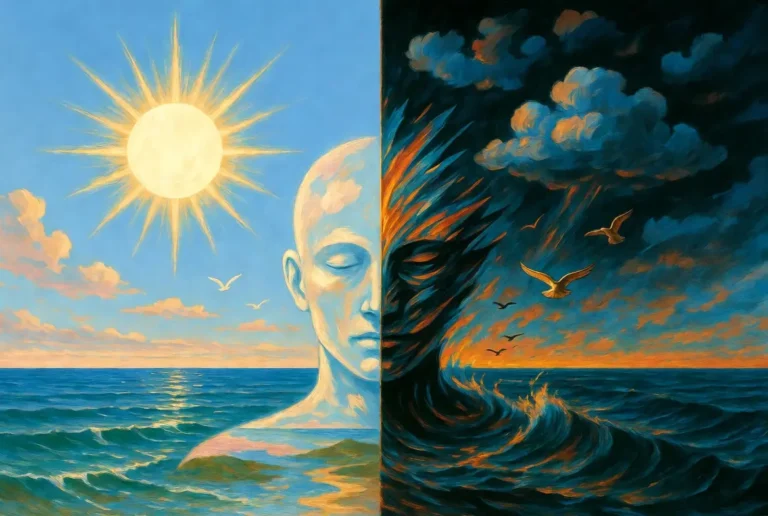
Have you ever felt like your emotions were on a high-speed roller coaster? One week you feel like you can conquer the entire world. The next, you can barely find the energy to brush your teeth. If this sounds familiar, you might be asking, what is bipolar disorder? Bipolar disorder is a complex condition that affects millions of people globally.
It is not just about having “mood swings.” It is a significant biological illness that impacts how your brain regulates energy and mood. Many people wonder, is bipolar mental illness? Yes, it is a recognized clinical condition that requires professional care.
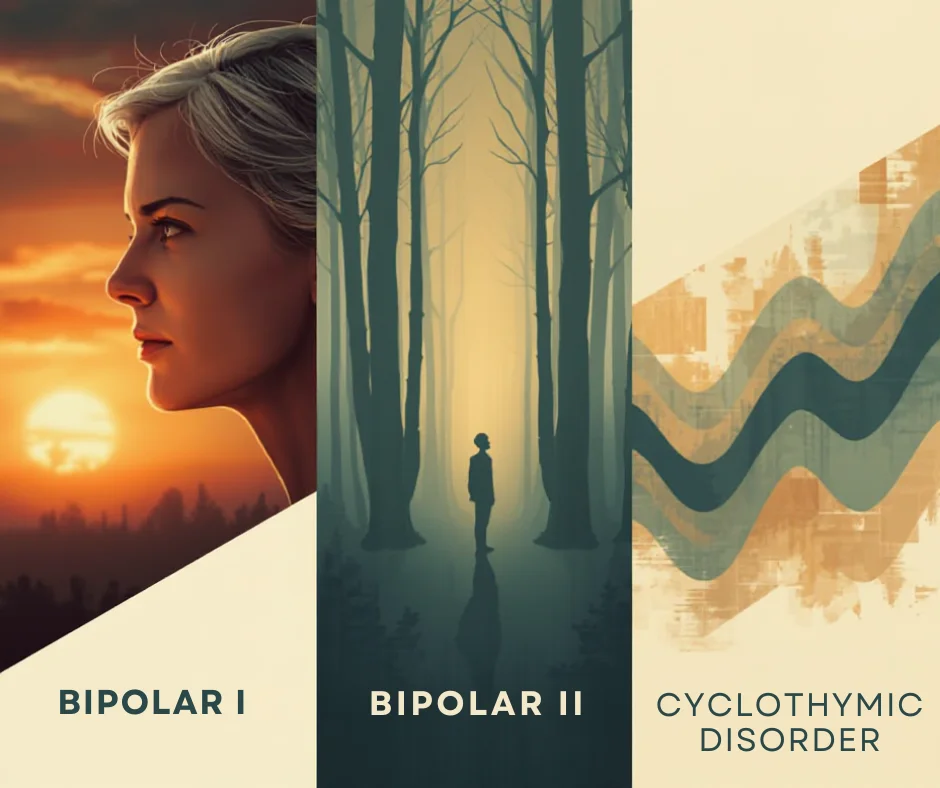
There are several types of bipolar disorder, and each one affects people differently. In this guide, we will break down the symptoms, the science, and the latest treatment options. Let’s explore what it truly means to live on this spectrum and how you can find balance.
What Is Bipolar 1 Disorder?
To understand the spectrum, we must first look at the most intense form of the illness. So, what is bipolar 1 exactly? At its core, Bipolar I is defined by the occurrence of at least one manic episode in a person’s life. This is the hallmark of the condition. You might hear doctors call it bipolar disorder 1 or simply Type 1.
A Clinical Definition of Bipolar 1 Disorder
The definition of bipolar 1 disorder is found in the DSM-5-TR, the manual used by psychiatrists. It states that for a diagnosis, a manic episode must last at least one week. During this time, the mood is abnormally elevated, expansive, or irritable.
Does what is bipolar 1 disorder mean you must have depression too? Interestingly, no. While most people do experience deep lows, the diagnosis only technically requires that one manic peak.
Who Does It Affect?
What is bipolar 1 mean for the average person? It often begins in the late teens or early twenties. However, it can appear at any age. Statistics show it affects men and women almost equally. It is a bipolar 1 description that involves high stakes, as the symptoms are often severe enough to cause major life disruptions.
Bipolar 1 Symptoms: What Does Bipolar 1 Look Like?
To understand the full scope of this condition, we have to look at the specific symptoms that doctors use for a diagnosis. While everyone’s experience is unique, most Bipolar 1 cases involve these “Big Seven” manic symptoms:
1. Inflated Self-Esteem or Grandiosity
This isn’t just feeling confident. In Bipolar 1, grandiosity can reach the level of “delusions of grandeur.” A person may truly believe they have a special relationship with a celebrity, possess a secret superpower, or have been chosen for a divine mission.
2. Decreased Need for Sleep
This is the “canary in the coal mine” for mania. Unlike someone with insomnia who feels exhausted, a person in a Bipolar 1 manic episode feels fully rested and hyper-alert after only two or three hours of sleep. If this lasts for several days, it is a major red flag.
3. Pressured Speech
You might notice the person is talking so fast that it’s hard to interrupt them. They may jump from topic to topic (known as “flight of ideas”). Their speech often feels urgent, loud, and impossible to slow down.
4. Racing Thoughts (Flight of Ideas)
Internally, the person feels like their thoughts are “tripping over each other.” This can lead to a state of extreme distractibility, where the brain cannot filter out unimportant background noise or minor details, making it impossible to focus on one task.
5. Psychomotor Agitation
This is a physical symptom. The person may pace the room for hours, be unable to sit still, or feel a constant need to be “on the go.” It’s as if their body is being physically pushed by an internal motor that won’t turn off.
6. Risky Decision-Making (Poor Impulse Control)
This is often the most destructive symptom of Bipolar 1. Because the brain’s “reward system” is overactive, the person only sees the potential gain and none of the risk.
- Financial: Spending thousands on a new hobby or “investment.”
- Sexual: Engaging in risky or uncharacteristic sexual behaviors.
- Professional: Suddenly quitting a stable job without a backup plan.
7. Psychosis (In Severe Cases)
Unique to Bipolar 1, mania can sometimes cross the line into psychosis. This includes:
- Hallucinations: Seeing or hearing things that aren’t there.
- Paranoia: Believing people are plotting against them or that they are being watched.
Why These Symptoms Matter for Diagnosis
In my clinical observations, I emphasize that for a Bipolar 1 diagnosis, these symptoms must represent a noticeable change from the person’s usual behavior and last for at least one week.
If the symptoms are so severe that the person needs to be hospitalized to prevent them from hurting themselves or others, it is automatically classified as a manic episode, regardless of how long it has lasted.
Bipolar 1 With Psychotic Features
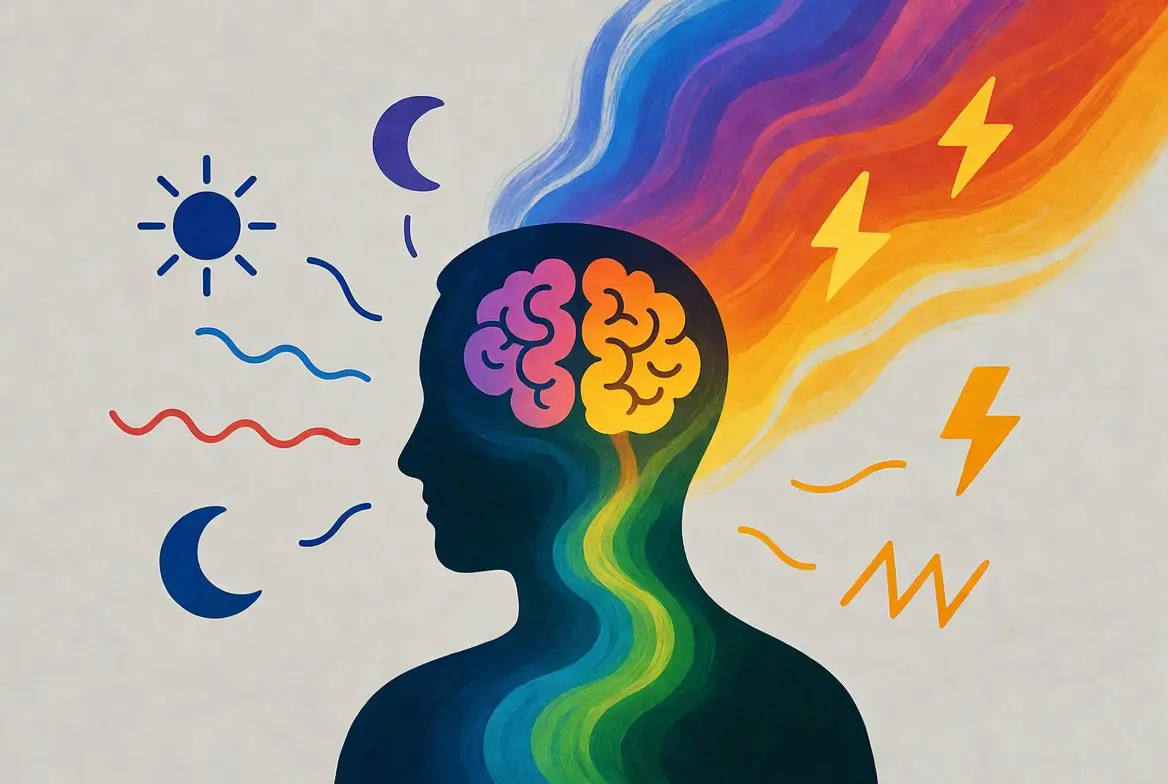
In some cases, the illness goes beyond mood shifts. This is known as what is bipolar 1 with psychotic features. This happens when a person loses touch with reality during a severe episode.
Understanding Psychosis
What is bipolar 1 with psychosis? It usually involves two things: hallucinations or delusions. Hallucinations mean seeing or hearing things that aren’t there. Delusions are strong beliefs in things that aren’t true, like thinking you have superpowers.
Why It Happens
Psychosis typically occurs during the peak of mania or the depths of depression. It is a sign that the brain is under extreme stress. While it sounds scary, it is treatable with the right medications. Recognizing these features early helps doctors choose the best “antipsychotic” tools to bring the person back to a stable reality.
Bipolar 1 vs. Bipolar 2: Key Differences Explained
This is the most common question patients ask. What is bipolar 1 vs 2? While they share a name, they look very different in daily life. Understanding what is bipolar 1 and 2 helps you get the right care.
Mania vs. Hypomania
The biggest difference between bipolar 1 and 2 is the intensity of the “up” period.
- Bipolar 1: Features full mania. This is severe and often requires hospitalization.
- Bipolar 2: Features hypomania. This is a lower-level high. The person may seem very productive or energetic, but they don’t lose touch with reality.
The Role of Depression
Another difference in bipolar 1 and bipolar 2 is how the depression manifests. People with Bipolar 2 often spend much more time in a depressed state. In fact, many are misdiagnosed with “regular” depression for years. What is the difference between bipolar type 1 and 2 regarding risk? Bipolar 1 carries a higher risk of psychosis, while Bipolar 2 carries a high risk of chronic, lingering depressive symptoms.
Is Bipolar 1 Worse Than Bipolar 2?
When you look at the names, it is easy to assume Type 1 is “severe” and Type 2 is “mild.” However, the truth is more nuanced. You might ask, what is worse bipolar 1 or 2? In reality, both can be equally devastating, just in different ways.
Severity vs. Chronicity
Is bipolar 1 more serious? In terms of immediate crisis, often yes. The full mania of Bipolar 1 can lead to legal issues or life-threatening risks. On the other hand, Bipolar 2 often involves more frequent and longer-lasting depressive episodes. What is worse bipolar 1 or bipolar 2 depends on whether you measure “worst” by the height of the peaks or the depth of the valleys.
Functional Impairment Comparison
Bipolar 1 patients often face more hospital stays due to mania. Yet, Bipolar 2 patients may struggle more with day-to-day consistency. Because their depression is so chronic, keeping a job or maintaining a marriage can be just as difficult. Neither is “easy,” and both require lifelong management to prevent functional collapse.
What Causes Bipolar Disorder?
The question of “What causes bipolar disorder?” is one of the most complex in modern psychiatry. Scientists have moved away from looking for a single “smoking gun.” Instead, we now understand that bipolar disorder is the result of a “perfect storm”—a unique intersection of biological vulnerability and environmental stress.
To truly understand why this condition develops, we have to look at the five most critical factors that contribute to the onset of Bipolar 1 and 2.
1. The Genetic Blueprint (Heredity)
Genetics is the most significant risk factor for developing bipolar disorder. Research consistently shows that the condition tends to run in families. If you have a first-degree relative (a parent or sibling) with bipolar disorder, your risk of developing the condition is roughly 10 times higher than that of the general population.
However, it is important to remember that genes are not destiny. Even in identical twins—who share 100% of the same DNA—if one twin has bipolar disorder, the other twin only has about a 40–70% chance of developing it. This tells us that while the “genetic blueprint” is there, something else must “turn the genes on.”
2. Neurobiology: The Chemical “Switch”
In a healthy brain, neurotransmitters like dopamine, serotonin, and norepinephrine act as chemical messengers that regulate mood and energy. In a bipolar brain, the system that balances these chemicals is “dysregulated.”
- Dopamine: Often called the “reward chemical.” During a manic episode, the brain becomes hypersensitive to dopamine, leading to that intense feeling of euphoria and high energy.
- Serotonin: This regulates sleep and emotional stability. When serotonin levels drop or become erratic, it can trigger the deep “crash” into depression.
3. Structural Differences in the Brain
With modern imaging technology like MRIs, researchers have observed physical differences in the brains of people with bipolar disorder. Specifically, the prefrontal cortex—the area of the brain responsible for impulse control and high-level decision-making—often appears smaller or less active during certain phases.
At the same time, the amygdala (the brain’s “emotional alarm system”) may be hyper-reactive. This explains why a small stressor can feel like a massive emotional catastrophe, or why a small “win” can spiral into an out-of-control manic high.
4. Circadian Rhythm & Sleep Dysregulation
This is a cause that is often overlooked. The human body has an internal clock (the circadian rhythm) that regulates hormones, body temperature, and sleep. People with bipolar disorder often have a “fragile” internal clock.
Major disruptions to sleep patterns—such as working night shifts, traveling across multiple time zones, or even staying up all night once—can physically “trip the circuit” in the brain. For someone with a biological vulnerability, a single night of missed sleep can be the direct catalyst that launches a manic episode.
5. The Stress-Diathesis Model (Environmental Triggers)
The most widely accepted theory in psychology is the Stress-Diathesis Model.
- Diathesis: This is your “vulnerability” (your genetics and brain structure). Think of it as a loaded spring.
- Stress: These are the environmental forces that push down on that spring.
A major life event—such as the loss of a loved one, a traumatic breakup, severe financial stress, or even a sudden “positive” life change like a major promotion—can act as the trigger. If the stress is heavy enough, it releases the spring, flipping the biological switch from “mood stable” to “mood episode.”
Bipolar Disorder Symptoms in Females
While the core symptoms are the same, bipolar disorder symptoms in females often present with unique challenges. Hormonal shifts play a major role in how the illness behaves over time.
Hormonal Influences and Rapid Cycling
Women are more likely to experience “rapid cycling.” This means having four or more mood episodes in a single year. Research suggests that fluctuations in estrogen and progesterone can trigger these shifts. Many women notice their symptoms worsen during their menstrual cycle or perimenopause.
Pregnancy and Postpartum
The period after childbirth is a high-risk time. The dramatic drop in hormones can lead to severe episodes, including postpartum psychosis. If you are planning a family, it is vital to work closely with a psychiatrist. They can help you balance the risks of medication with the need for stability.
Treatment for Bipolar 1 Disorder
The goal of treatment is “euthymia,” which is a fancy word for a stable, balanced mood. So, what is the treatment for bipolar 1 disorder? It usually involves a combination of medicine and lifestyle changes.
CANMAT and APA Guidelines
Organizations like CANMAT (Canadian Network for Mood and Anxiety Treatments) provide the “gold standard” for care. What is the best treatment for bipolar 1 disorder according to these experts? It starts with stabilizing the acute phase. If you are manic, the priority is bringing you down safely. If you are depressed, the goal is lifting you up without triggering a manic switch.
Maintenance Therapy
Treatment for bipolar disorder does not stop when you feel better. Maintenance therapy is designed to prevent future relapses. This often involves staying on a “mood stabilizer” even during the good months. Think of it like a seatbelt—you don’t wait for a crash to put it on.
Medications for Bipolar Disorder
Finding the best medicine for bipolar is a personal process. What works for one person might not work for another.
Mood Stabilizers and Lithium
Lithium for bipolar disorder remains one of the most effective treatments available. It has been used for decades to reduce mania and lower suicide risk. Other options include anticonvulsants like valproate or lamotrigine (often used for bipolar 2 medication).
Atypical Antipsychotics and Injectables
Modern medicine has introduced “atypical antipsychotics” like quetiapine or aripiprazole. These are often used as interventions for bipolar disorder to control acute symptoms quickly. For those who struggle with daily pills, a bipolar injection (long-acting injectable) can provide steady medication for weeks at a time.
| Medication Type | Common Examples | Primary Use |
| Mood Stabilizers | Lithium, Valproate | Preventing mania and suicide |
| Antipsychotics | Quetiapine, Risperidone | Rapidly stopping mania/psychosis |
| Anticonvulsants | Lamotrigine | Preventing depressive crashes |
Psychotherapy for Bipolar Disorder
While medication stabilizes the brain’s chemistry, psychotherapy for bipolar disorder provides the tools to manage the mind. It is rarely used alone for Bipolar 1, but as an “add-on” therapy, it significantly reduces the rate of hospitalizations.
Cognitive Behavioral Therapy (CBT)
CBT helps you identify the “red flag” thoughts that occur before a manic or depressive episode. For instance, if you suddenly feel like you don’t need sleep, CBT teaches you to recognize this as a symptom rather than a sudden burst of natural productivity. By challenging these thoughts, you can often dampen the intensity of the coming mood shift.
Interpersonal and Social Rhythm Therapy (IPSRT)
Bipolar brains are extremely sensitive to schedule changes. IPSRT focuses on stabilizing your “social rhythms”—specifically your sleep, meal times, and exercise. By keeping a strict routine, you protect your internal biological clock. This stability is one of the most powerful non-medical interventions for bipolar disorder available today.
Finding Professional Help

If you suspect you are struggling with these symptoms, you shouldn’t wait. Finding a bipolar specialist near me is the most important step you can take toward recovery.
Psychiatry vs. Therapy
Managing Bipolar 1 usually requires a team. A psychiatrist is a medical doctor who handles your bipolar disorder treatment options and prescriptions. A bipolar therapist or psychologist focuses on the behavioral and emotional aspects. You generally need both to achieve long-term stability.
What to Look For
When searching for a provider, ask if they have specific experience with mood disorders. Because Bipolar 1 can involve complex symptoms like psychosis, you want someone who understands the latest CANMAT bipolar guidelines. A specialized provider will be more adept at spotting the subtle signs of a “mixed episode” that a generalist might miss.
Is Bipolar Disorder Curable?
This is perhaps the most difficult question for many to hear: is bipolar disorder curable? Currently, the medical answer is no. There is no “shot” or surgery that makes the condition disappear forever.
Chronic vs. Manageable
However, “incurable” does not mean “untreatable.” Like Type 1 diabetes, bipolar disorder is a chronic condition that can be managed successfully. With the best treatment for bipolar 1 disorder, many people go years or even decades without a major episode.
The Importance of Adherence
The biggest hurdle to a “normal” life is often stopping medication when you feel good. Many patients think they are cured and stop their treatment, only to face a severe relapse. Acceptance of the condition as a lifelong journey is often the key to staying healthy for the long haul.
Bipolar 1 Disorder Today: Living Well With Treatment
The narrative around bipolar 1 disorder today is changing. It is no longer seen as a life-ending diagnosis. With modern medicine and a strong support system, the “prognosis” is better than it has ever been.
Recovery-Oriented Care
We are moving toward a model of “recovery,” which focuses on your quality of life rather than just the absence of symptoms. Can you hold a job? Can you have a healthy marriage? Can you be a present parent? For most people with Bipolar 1, the answer is a resounding yes.
A Note of Hope
Stigma is slowly fading as more people speak openly about their experiences. You are not your diagnosis. Bipolar 1 is a part of your life, but it doesn’t have to be the whole story. By staying consistent with your care and reaching out for help, you can find a level of stability that allows your true self to shine through.
Frequently Asked Questions
What is the best treatment for bipolar 1 disorder?
Most experts agree that a combination of lithium or mood stabilizers and atypical antipsychotics is the most effective. This is usually paired with psychotherapy and strict sleep hygiene.
Is bipolar 1 more serious than bipolar 2?
Bipolar 1 is often considered more “acute” because of the risk of psychosis and hospitalization during mania. However, Bipolar 2 can be more “chronic” due to long-lasting, debilitating depression.
What is the difference between bipolar 1 and 2?
The primary difference is the intensity of the “high.” Bipolar 1 involves full mania (severe), while Bipolar 2 involves hypomania (moderate).
Is there a best antidepressant for bipolar?
Antidepressants are controversial in Bipolar 1 because they can “flip” a patient into mania. If used, they are almost always paired with a mood stabilizer to prevent this switch.
Can someone recover from bipolar?
While there is no cure, many people achieve “clinical recovery,” where they lead productive, stable lives with minimal symptoms through consistent treatment.
Key Takeaways
- Bipolar 1 Requires Mania: A single manic episode lasting one week is the primary diagnostic requirement.
- Safety First: Bipolar 1 carries risks of psychosis and severe depression; hospitalization is a tool for safety, not a sign of failure.
- Medication is Foundation: Mood stabilizers like lithium are the gold standard for preventing life-altering relapses.
- Routine is Medicine: Stabilizing sleep and daily habits is just as important as the pills you take.
- Hope is Real: With the right team, you can manage the “highs and lows” and live a fulfilling, successful life.
Authoritative References
- National Institute of Mental Health (NIMH) – Bipolar Disorder Overview
- American Psychiatric Association (APA) – What is Bipolar Disorder?
- Canadian Network for Mood and Anxiety Treatments (CANMAT) – 2023 Clinical Guidelines
- Mayo Clinic – Bipolar Disorder Diagnosis & Treatment
- National Alliance on Mental Illness (NAMI) – Bipolar Disorder Fact Sheet

Related Posts





Subscribe to Our Newsletter
Get mental health tips, updates, and resources delivered to your inbox.
MORE from Author
Read More Watching someone you care about struggle with bipolar depression and anxiety can be heartbreaking. You may notice that they withdraw…
 In my practice as a clinical psychologist, I often observe that the difference between a patient who crumbles under pressure…
 We all have "up" days and "down" days. Perhaps you feel energized after a promotion or sluggish on a rainy…
 To define bipolar disorder accurately, we must look at it as a chronic mood dysregulation condition. In psychology and medicine,…
Are you looking for a Therapist?
Connect with qualified mental health professionals who understand
bipolar disorder, mood changes, and emotional challenges.
Private • Supportive • Confidential