
Abusive Husband: A Comprehensive Guide to Understanding and Addressing an Abusive Husband and Navigating the Shadows

Medically reviewed by Laura Athey Updated Date: February 15, 2026
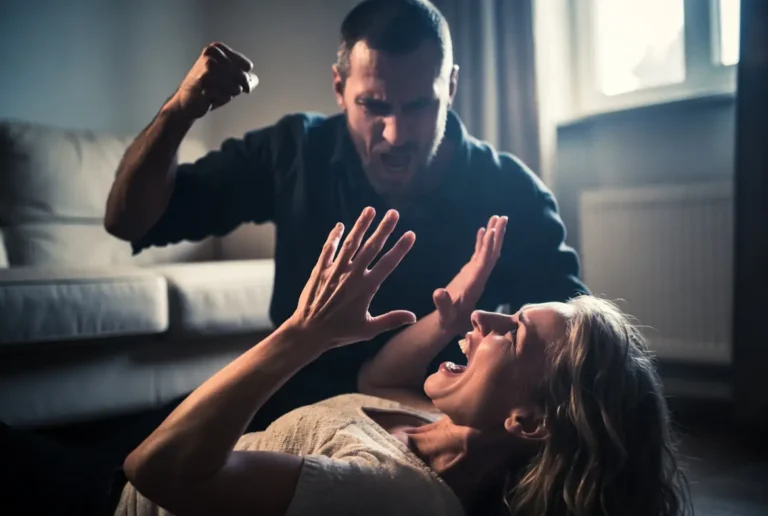
In my clinical work at Reflection Psychological Services, I have personally understood that the word “abuse” carries a weight that many find difficult to bear. I’ve realized through talking with patients that one of the greatest hurdles to seeking help is the belief that if there are no physical bruises, it isn’t “real” abuse. This is a profound misconception. Domestic violence and psychological abuse often leave scars that are invisible to the naked eye but deeply etched into the nervous system.
If you are reading this and wondering, “Is my husband abusive?” please know that your presence here is an act of immense courage. Abuse thrives in secrecy and isolation. By seeking information, you are already beginning to dismantle the walls of that isolation. In this 4,000-word guide, we will explore the nuances of an abusive husband, from narcissistic abuse to coercive control, and provide a clear, safe roadmap for your emotional and physical well-being.
In my practice, I’ve realized through talking with patients—particularly those who are neurodivergent or have complex attachment histories—that the signs of abuse are often “explained away” as personality quirks or stress. I have personally understood that for many, the husband’s behavior is interpreted through the lens of empathy: “He had a hard childhood,” or “He just doesn’t know how to communicate.”
Defining the Abusive Husband
To understand what is the definition of an abusive husband, we must look past individual arguments and toward the overarching dynamic of the relationship. Abuse is not a “loss of control.” On the contrary, it is a systematic assertion of power and control.
Abuse vs. High-Conflict Relationships
I have personally understood that many women minimize their experience by calling it “toxic” or “high-conflict.” However, in a high-conflict relationship, power is relatively equal, and both partners can voice their needs, even if they do so poorly. In an abusive dynamic, there is an imbalance. One partner uses fear, guilt, or manipulation to dominate the other.
The Broad Spectrum of Abuse
While physical violence is the most recognizable form of domestic violence, it is often the final stage of a long process. An abusive husband may use:
- Emotional Abuse: Eroding your sense of self-worth.
- Verbal Abuse: Using words as weapons to humiliate or silence.
- Psychological Abuse: Distorting your reality through gaslighting.
- Financial Abuse: Controlling all assets to prevent you from leaving.
Types of Abuse in Marriage
I’ve realized through talking with patients that abuse is often “compartmentalized.” A husband can be a respected member of the community, a hard worker, and a “great dad” while simultaneously being an emotionally abusive husband behind closed doors.
The Verbally Abusive Husband
Verbal abuse is more than just yelling. It includes name-calling, sarcasm used as a shield, and public humiliation. I have personally understood that this form of abuse is designed to keep you in a constant state of “hyper-vigilance,” where you are always scanning for the next verbal strike.
Narcissistic Abuse and Predatory Marriage
In my work with narcissistic abuse, I see a specific pattern often referred to as “Idealize, Devalue, Discard.” A narcissistic husband may have entered the relationship through “love-bombing,” making you feel like the center of the universe, only to slowly begin the process of devaluation.
A predatory marriage is one where the abuser targets a partner for their resources, empathy, or status, systematically stripping them of their autonomy.
Coercive Control
This is perhaps the most insidious form of psychological abuse. Coercive control is a pattern of behavior that makes a person subordinate through isolation, regulation of their daily activities, and threats. I’ve learned through conversations with my clients that this can feel like living in an invisible cage.
Signs of an Emotionally Abusive Husband
If you are asking, “Is my husband emotionally abusive?” look for these specific behavioral patterns. Emotional abuse is a slow erosion of the soul.
- Gaslighting: Making you doubt your memory or sanity. (“I never said that; you’re imagining things.”)
- Blame-Shifting: No matter what happens, it is somehow your fault.
- The Silent Treatment: Using withdrawal of affection as a punishment. I have personally understood this to be one of the most painful forms of emotional torture.
- Constant Criticism: Nitpicking your appearance, your parenting, or your intelligence until your self-esteem is nonexistent.
Signs of a Verbally Abusive Husband
A verbally abusive husband uses language to dominate. I’ve realized through talking with patients that this often escalates when alcohol is involved. A verbally abusive drunk husband may use his intoxication as an excuse for his cruelty, but I must be clear: alcohol does not create abuse; it only lowers the inhibitions of an already abusive mindset.
Public vs. Private Dichotomy
A key sign of a toxic husband is the discrepancy in his behavior. If he is charming and kind in public but turns into a different person the moment the car door shuts, he is demonstrating that his “anger” is controlled and targeted. This is a calculated choice, not a “loss of temper.”
“Is My Husband Abusive?”
I encourage you to look at the following checklist. This is not a formal diagnosis, but a tool for self-reflection. If you recognize more than three of these patterns, you are likely in an abusive situation.
- Do you “walk on eggshells” to avoid his anger?
- Does he monitor your phone, bank account, or whereabouts?
- Does he alienate you from friends or family?
- Does he make you feel “crazy” or oversensitive when you raise concerns?
- Has he ever threatened to hurt you, himself, or the children if you leave?
I have personally understood that the moment you begin to question the relationship, the abuser often ramps up the “honeymoon” behavior to keep you confused. This is part of the trauma bonding process.
Why Is My Husband Abusive?
A common question I hear is, “Why is my husband abusive?” and “Can an abusive husband change?“
Learned Behavior and Entitlement
Abuse is a learned behavior, often passed down through generations. However, it is also a choice rooted in entitlement. An abusive husband believes he has the right to control his partner. I’ve realized through talking with patients that they often spend years trying to “understand” their trauma to “fix” them. I have personally understood that while his trauma may be real, it is never an excuse for your victimization.
Why Change is Rare
Can an abusive man change? Statistically, the odds are low. True change requires deep, long-term accountability and a complete dismantling of his belief in his own entitlement. It is not something that can be achieved through a few therapy sessions or a promise to “do better.”
How Abuse Evolves
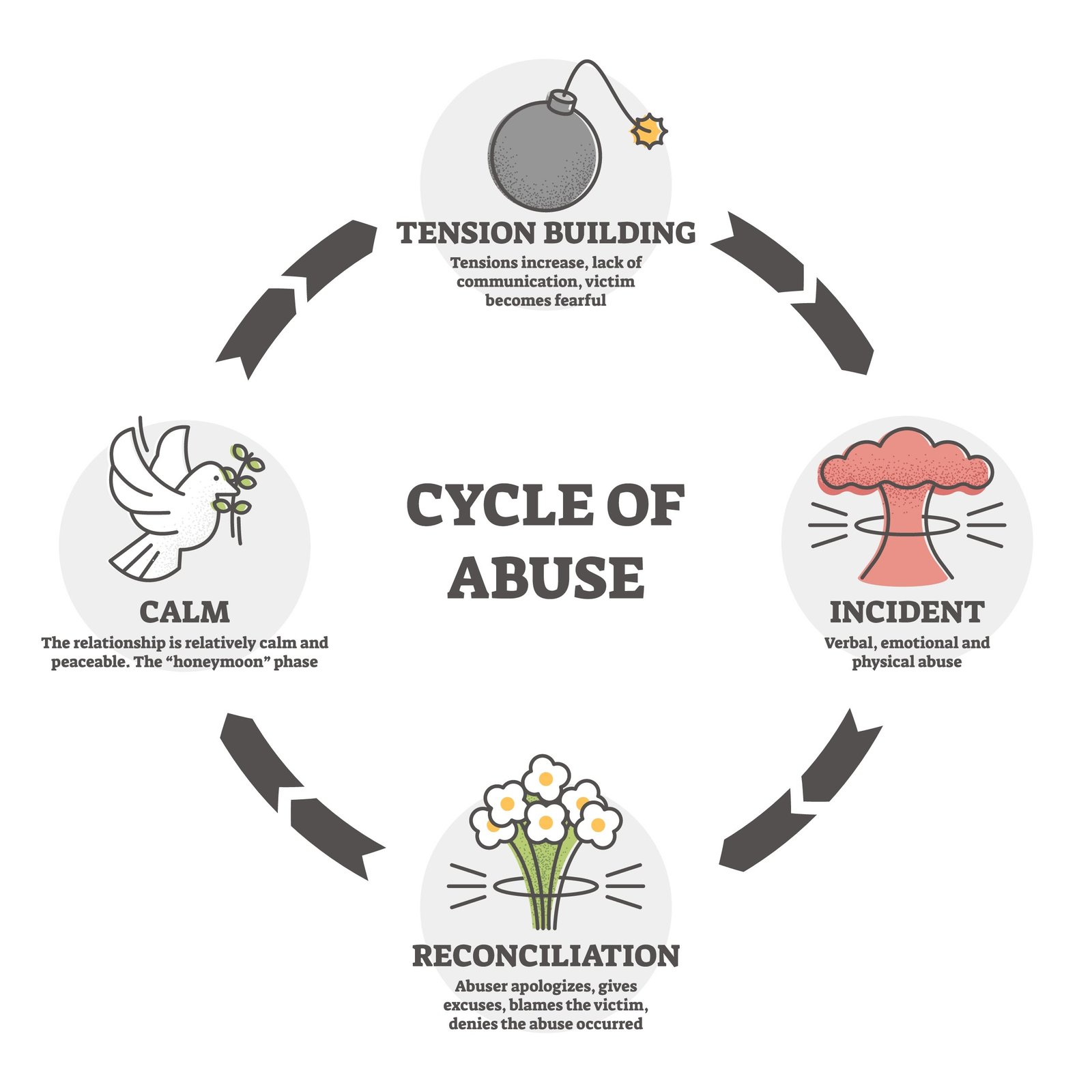
I have personally understood that abuse is almost never static; it is progressive. This is often explained through the Cycle of Abuse:
- Tension Building: The “walking on eggshells” phase.
- The Incident: The verbal, emotional, or physical outburst.
- Reconciliation/Honeymoon: He apologizes, gives gifts, and promises it will never happen again.
- Calm: A period of peace that lures the victim back into a sense of safety.
I’ve learned through conversations with domestic violence experts that the most dangerous time for a woman is when she decides to leave, as the abuser senses the ultimate loss of control.
How to Deal With an Abusive Husband
When people ask how to deal with an abusive husband, they are often looking for a way to stop his outbursts. It is vital to understand that you cannot control his behavior. You can only control your response and your proximity to the harm.
Establishing Emotional Boundaries
I have personally understood that an abuser’s greatest tool is your empathy. They use it to “hook” you back into the cycle. Dealing with an emotionally abusive husband requires a strategy of “Gray Rocking”—becoming as uninteresting and unreactive as a gray rock. By not providing the emotional “supply” or the reaction he seeks, you protect your energy.
What NOT to Do
I’ve learned through conversations with my clients that certain common-sense tactics actually escalate abuse.
- Do not argue his logic: You cannot “win” an argument with someone who uses psychological abuse to redefine reality.
- Do not try to “fix” him: His change is his responsibility.
- Do not issue empty ultimatums: Only state a boundary if you are prepared to enforce the consequence immediately.
How to Deal With a Verbally Abusive Husband
How to handle a verbally abusive husband involves a physical and mental disengagement. I have personally understood that the moment the insults begin, your priority is to leave the room.
De-escalation Tactics
If he is shouting, do not shout back. This only provides him with the “justification” to escalate further. Instead, use a neutral phrase: “I am not willing to have this conversation while you are speaking to me this way. I’m going to go for a walk/to the other room now.”
Handling the Verbally Abusive Drunk Husband When dealing with a verbally abusive drunk husband, the “rules” change. You cannot reason with a brain that is chemically altered. I have personally understood that the safest move is to avoid engagement entirely until he is sober. I’ve realized through talking with patients that many feel they have to “babysit” their husband’s drinking to keep the peace, but this is a form of hyper-vigilance that leads to profound burnout.
When Abuse Involves Alcohol or Cheating
It is a common myth that alcohol causes abuse. As a psychologist, I must be clear: alcohol is a disinhibitor, not a cause. It allows the abusive husband to act on his sense of entitlement with less restraint.
Infidelity as Emotional Abuse
I’ve realized through talking with patients that cheating husbands often use the affair as a psychological weapon. They may compare you to the other woman to make you feel “less than” or use the affair to gaslight you when you notice their disappearances. This is not just a “mistake”; it is often a component of narcissistic abuse designed to shatter your self-trust.
How to Leave an Abusive Husband Safely
Leaving is not a single event; it is a process. I have personally understood that fleeing her abusive husband is the most dangerous window of time for a woman. Therefore, “Safety Planning” is paramount.
The Safety Plan
I’ve learned through conversations with domestic violence advocates that a safety plan should be discreet and detailed.
- Document Everything: Keep a secret log of incidents, dates, and photos of any damage or injuries. Store this in a “cloud” account he cannot access.
- The “Go-Bag”: Have a bag hidden with essentials: birth certificates, passports, spare keys, cash, and medication.
- Trusted Support: Identify one or two people who know the truth. Have a “code word” that, when texted, means you need them to call the police to your home.
- Secure Your Tech: I have personally understood that abusers often use “spyware” or location tracking. If possible, get a “burner” phone that he does not know about.
Divorce and Legal Options
When you are ready to divorce an abusive husband, you need a legal team that understands the “high-conflict” and “abusive” nature of the dynamic.
Protective Orders and Custody
In my practice at Reflection Psychological Services, I often assist clients in preparing for the psychological toll of court.
- Restraining Orders: If there is a threat of violence, a temporary restraining order (TRO) can provide a legal shield.
- Custody Considerations: Abusers often use children as pawns in the divorce. I have personally understood that documenting his behavior toward the children is essential for securing a safe custody arrangement.
Can an Abusive Husband Change?
This is the hardest truth I have to share with my patients: promises of change are not the same as change. I’ve realized through talking with patients that they often stay because of “potential.”
The Requirements for Change
For an abusive husband to truly change, he must:
- Accept 100% Accountability: No more blaming his childhood, his job, or your behavior.
- Engage in Long-Term Specialized Therapy: General “marriage counseling” is actually contraindicated for abuse because it implies the victim shares responsibility for the abuser’s choice to be violent.
- Demonstrate Consistent Change Over Years: Not just weeks.
I have personally understood that without these rigorous steps, the “honeymoon” phase will always eventually cycle back into the “incident” phase.
Emotional Recovery After Abuse
Recovery from psychological abuse and narcissistic abuse is a non-linear process. I have personally understood that survivors often feel “crazy” even after they are safe because of the lasting effects of gaslighting.
Dismantling the Trauma Bond
A trauma bond is a powerful emotional attachment to someone who is intermittent with their affection and abuse. I have learned through conversations with my clients that this bond feels like an addiction. Breaking it requires “No Contact” or “Minimal Contact” to allow your brain’s dopamine and cortisol levels to stabilize.
Rebuilding Self-Trust
The most significant casualty of an abusive husband is your self-trust. I’ve realized that my primary job as a therapist is to help you hear your own voice again. We do this by:
- Validation: Acknowledging that what you experienced was real and that your reactions were survival strategies, not character flaws.
- Somatic Healing: Using techniques like EMDR or mindfulness to release the trauma stored in the body.
- Support Groups: Realizing you are not alone is the most potent antidote to the shame of abuse.
Abusive Husband in Media & Culture
Pop culture has a complicated relationship with the trope of the abusive husband. While some films accurately depict the horror, others romanticize the “jealous, protective” husband, which I have personally understood can be dangerous for young women.
Media Representation on Streaming
You can find several abusive husband movies on Netflix that aim to portray this dynamic. Films like The Invisible Man (2020) or series like Maid (2021) offer a visceral look at coercive control and the difficulty of escaping domestic violence.
- The “Amouranth” Incident: Recent public cases, such as the Amouranth abusive husband situation, have highlighted how digital control is used in 2026.
- The Danger of Memes: I have personally understood that the abusive husband meme culture can be incredibly triggering. While some use humor to cope, memes often trivialize the reality of fear that survivors live through daily. I’ve realized that we must remain vigilant in how we discuss these topics online to ensure the gravity of the trauma is not lost.
Frequently Asked Questions
What are the 5 signs of emotional abuse of a male?
While this guide focuses on husbands, men can also be victims. The 5 primary signs of emotional abuse toward any gender are: 1. Constant belittling, 2. Excessive jealousy/monitoring, 3. Gaslighting, 4. Financial control, and 5. Withholding affection as punishment.
What are the signs of emotional abuse in marriage?
In addition to the signs above, look for “Isolation.” If you find yourself cut off from your support network or feeling like you have to ask permission for basic tasks, you are experiencing emotional and psychological abuse.
What are the signs of a toxic husband?
A toxic husband differs from an abusive one in that his behavior is generally unhealthy but may not involve a systematic attempt to control you. However, toxicity often escalates into abuse. If you feel consistently drained, small, or “less than” in his presence, the relationship is toxic.
Is emotional abuse domestic violence?
Yes. In many jurisdictions and clinical frameworks, psychological abuse and emotional battery are recognized as forms of domestic violence. They often carry the same long-term psychological impact as physical battery.
My husband is abusive. What should I do?
The first step is a secret safety plan. Do not confront him or tell him you are leaving if you fear for your safety. Reach out to a domestic violence hotline or a specialized therapist at Reflection Psychological Services for a discreet consultation.
Conclusion
If there is one thing I have personally understood through years of clinical work, it is this: Abuse is a choice made by the abuser, never a consequence of the victim’s behavior. There is nothing you could have done differently to make an entitled person act with empathy.
You deserve to live in a home where the air is light, and you are free to be yourself. I’ve realized through talking with patients that the road to freedom is often paved with fear, but it leads to a life of dignity and peace. You are stronger than the lies he has told you. You are more than the bruises—visible or invisible—that he has left behind. Help is available, and you do not have to walk this path alone.
Authoritative References
1. The National Domestic Violence Hotline(The Hotline)
2. Mayo Clinic: Recognizing Domestic Violence Against Women
3. Psychology Today: The Dynamics of Narcissistic Abuse
4. WomensLaw.org (National Network to End Domestic Violence)
5. Dr. Laura Athey-Lloyd, Psy.D. –Professional Authority

Related Posts





Subscribe to Our Newsletter
Get mental health tips, updates, and resources delivered to your inbox.
MORE from Author
Read More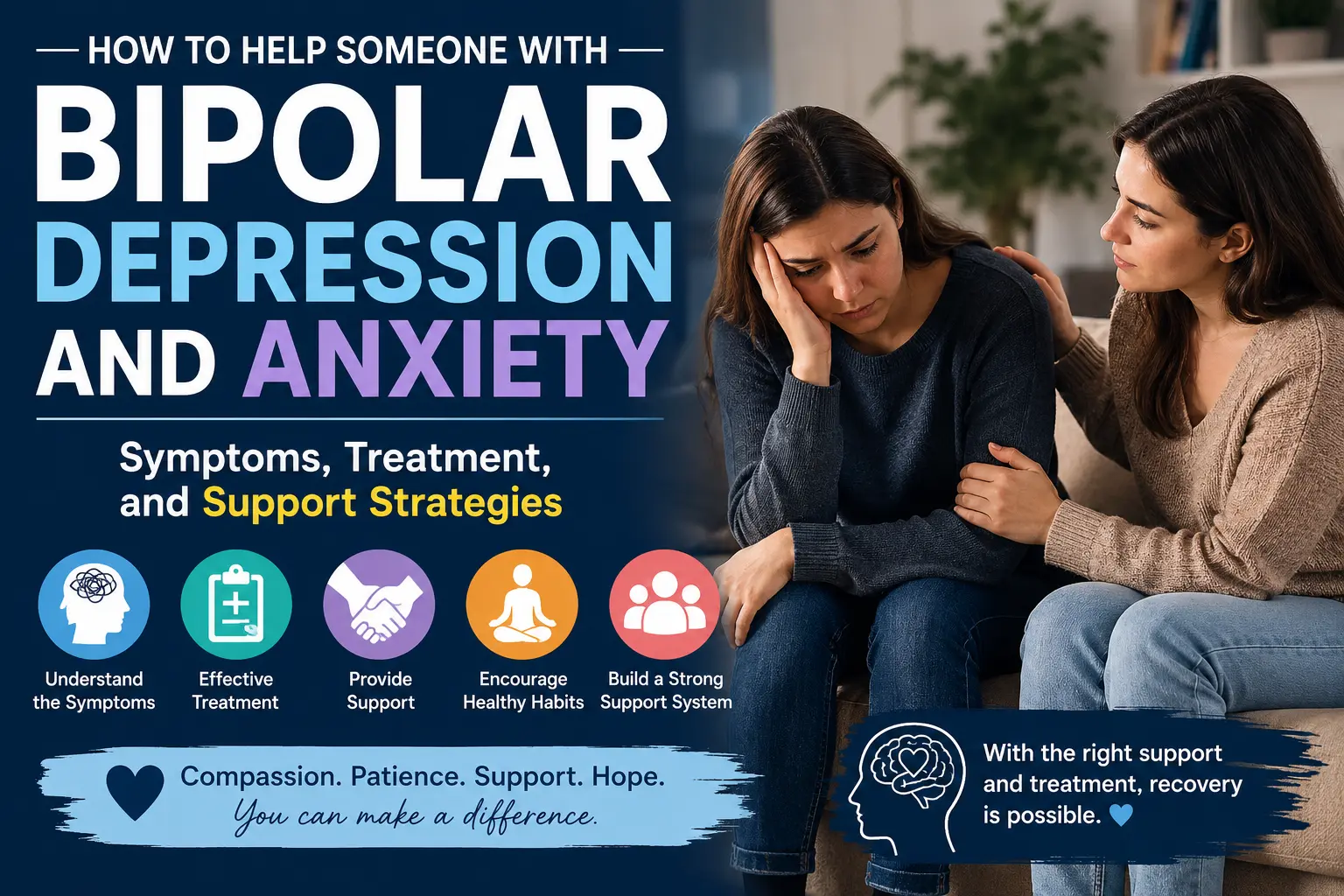 Watching someone you care about struggle with bipolar depression and anxiety can be heartbreaking. You may notice that they withdraw…
 In my practice as a clinical psychologist, I often observe that the difference between a patient who crumbles under pressure…
 We all have "up" days and "down" days. Perhaps you feel energized after a promotion or sluggish on a rainy…
 To define bipolar disorder accurately, we must look at it as a chronic mood dysregulation condition. In psychology and medicine,…
Are you looking for a Therapist?
Connect with qualified mental health professionals who understand
bipolar disorder, mood changes, and emotional challenges.
Private • Supportive • Confidential