
Foods to Avoid While Taking Lamotrigine: Alcohol, Drug Interactions & Safety Warnings Explained

Medically reviewed by Laura Athey Updated Date: April 19, 2026

One of the most common questions I hear in my clinic is: “What foods should I Foods to Avoid While Taking Lamotrigine?” I often see patients arrive with printouts from internet forums, worried that they need to overhaul their entire diet or stop eating their favorite fruits. The answer usually surprises them—and brings a visible sense of relief—because unlike many psychiatric medications, lamotrigine (Lamictal) isn’t heavily affected by what you eat.
However, “no food restrictions” does not mean “no safety restrictions.” While your dinner plate is largely safe, there are critical substances, lifestyle choices, and drug-to-drug interactions that can fundamentally alter how this medication works in your brain.
As a psychologist, my goal is to ensure that the “biological scaffolding” provided by your medication is stable enough for us to do the deep work of therapy. To keep that scaffolding secure, you need to know exactly what to avoid to prevent mood destabilization or serious physical reactions.
Does Lamotrigine Interact With Food?
If you are searching for foods to avoid when taking lamotrigine, the clinical consensus is straightforward: there are no specific dietary contraindications.
Unlike MAOIs (which require a low-tyramine diet) or certain antipsychotics that necessitate a specific caloric intake for absorption, lamotrigine is a remarkably flexible medication in terms of nutrition.
Can Lamotrigine be Taken With Food?
Yes, and in many cases, I actually recommend it. What happens if you take lamotrigine on an empty stomach? For some, it leads to gastrointestinal distress. If you find that lamotrigine causes nausea or a slight “queasy” feeling shortly after your dose, taking it with a balanced meal can slow the absorption slightly and protect the stomach lining.
Dietary Safety Overview
| Food/Drink Type | Safe? | Clinical Notes |
| Grapefruit/Juice | YES | Unlike many statins or SSRIs, lamotrigine does not use the CYP3A4 pathway heavily affected by grapefruit. |
| Dairy Products | YES | No interaction with calcium or milk proteins. |
| High-Protein Meals | YES | Does not interfere with amino acid transport in the brain. |
| Leafy Greens (Vit K) | YES | No interaction with blood-thinning properties or folate levels. |
| Tyramine (Aged Cheese) | YES | Safe; lamotrigine is not an MAOI. |
Clinical Insight: Most patients are relieved to learn that lamotrigine doesn’t require dietary changes. However, while “what can I eat while taking lamotrigine” is a short list of “everything,” the conversation regarding alcohol and supplemental “brain boosters” requires much more nuance.
Alcohol and Lamotrigine — Is It Safe?
The question of whether you can drink on lamotrigine for bipolar disorder is one I handle with both clinical authority and empathy. Many of my patients want to know if they can enjoy a glass of wine at dinner or a beer at a social event without ending up in the ER.
The Interaction Mechanics
Lamotrigine and alcohol are both central nervous system (CNS) active substances. Alcohol is a depressant that affects GABA and glutamate—the very same neurotransmitters lamotrigine is trying to stabilize. When you combine them, you aren’t just “mixing drugs”; you are sending conflicting signals to your brain’s electrical grid.
- Increased Sedation: Alcohol can amplify the “dizzy” or “foggy” side effects of lamotrigine.
- Mood Destabilization: For those with bipolar disorder, alcohol is a notorious destabilizer. It can trigger depressive “crashes” or “mixed states” that the lamotrigine is otherwise working hard to prevent.
- Can lamotrigine and alcohol kill you? While lamotrigine is not as dangerous in combination with alcohol as benzodiazepines or barbiturates, heavy drinking increases the risk of accidents, severe respiratory depression in overdose scenarios, and a total failure of the medication’s mood-stabilizing properties.
My Professional Take: I generally advise a “Rule of One” for patients who are stable: one standard drink, consumed slowly, with food, and only once they know how lamotrigine affects them. However, during the initial titration phase (the first 6–8 weeks), I recommend total abstinence to ensure we can distinguish medication side effects from alcohol-induced symptoms.
Drug Interactions You Should Not Ignore

This is the most critical section for anyone taking this medication. Lamotrigine interactions are not merely “suggestions”—they can be the difference between therapeutic success and a medical emergency.
In my practice, I have seen patients who were doing beautifully on lamotrigine suddenly “crash” or develop toxicity because of a change in another prescription. This is often due to how the liver processes these chemicals.
The “Estrogen Trap” (Birth Control)
This is perhaps the most overlooked interaction in women’s mental health. Estrogen-containing hormonal birth control can lower lamotrigine levels in the blood by as much as 50%.
- The Risk: You might start a new pill and suddenly find your depression returning because your “200 mg dose” now effectively feels like 100 mg.
- The “Placebo Week” Danger: During the week of sugar pills, your lamotrigine levels can suddenly spike back up, leading to toxicity (dizziness, double vision).
Antiepileptic Interactions
- Valproate (Depakote): This is the most dangerous interaction. Valproate doubles the level of lamotrigine in your system. If you take these together, your lamotrigine dose must be significantly lower to avoid the dreaded Stevens-Johnson Syndrome (SJS) rash.
- Carbamazepine (Tegretol): Conversely, this medication speeds up the metabolism of lamotrigine, making it less effective.
Vitamins and Supplements
What vitamins should not be taken with lamotrigine? Generally, standard multivitamins, Vitamin D, and Magnesium are safe and often helpful for patients with mood disorders.
- Avoid St. John’s Wort: This herbal supplement can induce liver enzymes that clear lamotrigine from your body too quickly.
- Caution with Trazodone: While many ask, “Can I take trazodone with lamotrigine?” the answer is usually yes for sleep, but you must be mindful of increased morning grogginess and coordination issues.
As a psychologist, I’ve noted a fascinating pattern: patients who struggle with “brain fog” on lamotrigine often have underlying poor sleep hygiene. Lamotrigine stabilizes the brain’s electrical activity, but it cannot override the neurochemical “trash” that accumulates during a night of poor sleep.
I once worked with a patient, “David,” who thought lamotrigine was making him cognitively slow. When we looked closer, he was using alcohol to fall asleep and staring at blue-light screens until 2 AM. By fixing his Circadian Rhythms, the “medication side effect” vanished. Executive Function is a biological resource—don’t blame the medication for what sleep deprivation is doing.
Lamotrigine Warnings You Should Know
When we talk about the “Why” behind lamotrigine safety, we have to look at the immune system and the brain’s baseline chemistry. Lamotrigine is an elegant drug, but it requires a “low and slow” introduction because of how it interacts with our body’s defense mechanisms.
The Boxed Warning: Stevens-Johnson Syndrome (SJS)
The FDA has issued a boxed warning (its most serious alert) for lamotrigine due to the risk of severe, life-threatening rashes.
- The Psychology of the Rash: In my practice, I observe that this warning causes significant “health anxiety.” It’s important to understand why it happens. SJS is an immune-mediated reaction where the skin and mucous membranes react violently to the medication.
- Why Titration Matters: By starting at 25 mg and increasing slowly over weeks, we essentially “introduce” the drug to the immune system gradually, preventing a panicked overreaction. If you skip this process or restart a high dose after missing several days, you are essentially “surprising” your immune system, which drastically increases the rash risk.
Liver and Jaundice Warnings
While rare, there are questions like “Can Lamictal cause jaundice?” Lamotrigine is processed by the liver. In extremely rare cases, it can cause drug-induced liver injury.
- What to watch for: Yellowing of the eyes or skin (jaundice), dark urine, or pain in the upper right side of your abdomen. These are signs of hepatic stress and require immediate medical evaluation.
Aseptic Meningitis
Another rare but serious warning involves inflammation of the protective membrane covering the brain. If you experience a stiff neck, high fever, and sensitivity to light shortly after starting or increasing your dose, this is not a “flu”—it is a medical emergency.
The Suicidal Ideation Class Warning
As with all antiepileptic drugs, lamotrigine carries a warning regarding increased suicidal thoughts. Why? When we shift the “electrical threshold” of the brain, the initial adjustment period can occasionally cause “agitated depression” or mixed features before the stabilization kicks in. This is why the first two months of treatment require close “wraparound” support from both a psychiatrist and a psychologist.
Who Should Not Take Lamotrigine?
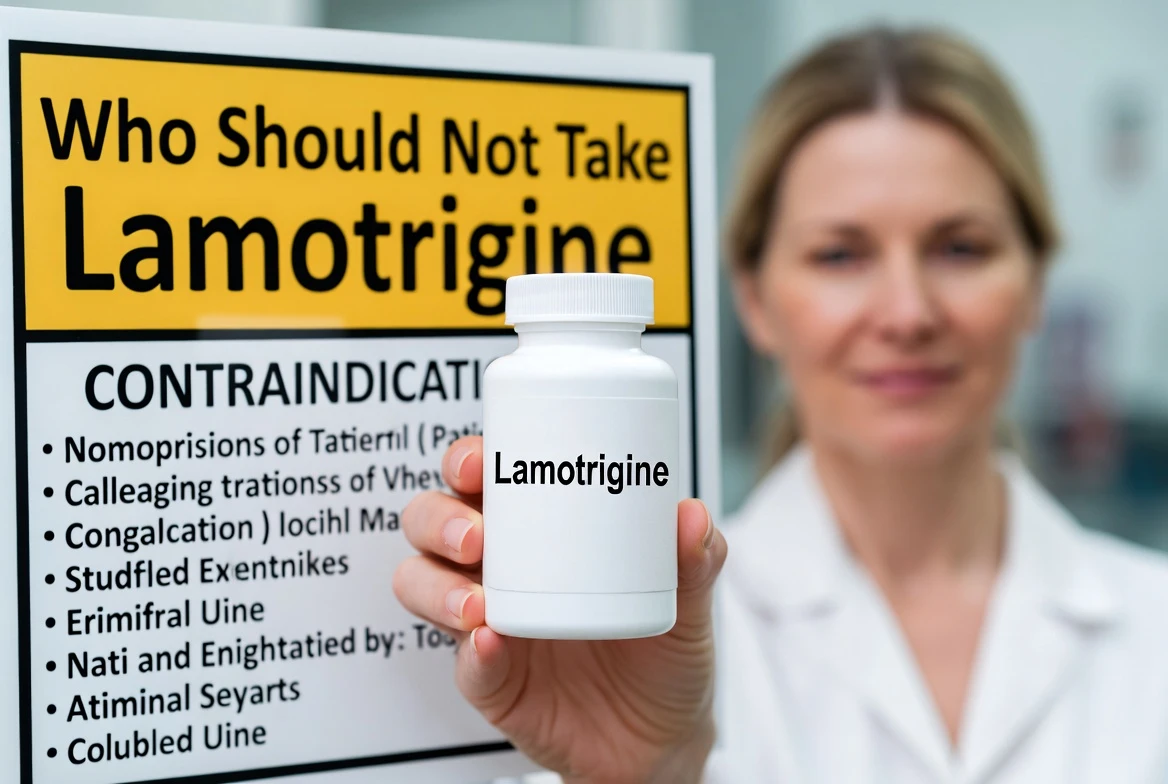
Not everyone is a candidate for this specific mood stabilizer. In my clinical screenings, I look for specific “red flags” that might make lamotrigine a poor fit.
- History of Serious Rashes: If you have ever had a severe reaction to other anticonvulsants (like carbamazepine or phenytoin), the risk of “cross-sensitivity” is higher.
- Active Liver Disease: Since the liver is the primary “processing plant” for this drug, those with compromised liver function may not be able to clear the drug effectively, leading to toxicity.
- Pregnancy Considerations: While lamotrigine is often considered one of the safer mood stabilizers for pregnancy (compared to lithium or valproate), it does cross the placenta. Furthermore, pregnancy itself changes your metabolism so much that lamotrigine levels often plummet, requiring constant dose adjustments.
- Inconsistent Adherence: If a patient has a history of frequently forgetting medications for days at a time, lamotrigine is dangerous. Because you must restart titration after missing just a few days to avoid the rash risk, an inconsistent schedule can lead to a cycle of sub-therapeutic dosing and repeated medical risk.
What Happens When You Stop Taking Lamotrigine?
In my practice, I often encounter patients who feel so stable and “normal” that they assume the medication is no longer necessary. This is a testament to the drug’s effectiveness, but it is also the most dangerous time for a patient to take matters into their own hands. If you are wondering what happens when you stop taking lamotrigine for bipolar, you must understand that the risks are not about traditional “withdrawal” symptoms, but about biological destabilization.
Unlike benzodiazepines or SSRIs, lamotrigine doesn’t typically cause a “flu-like” withdrawal syndrome. Instead, the risks are clinical:
- Rapid Mood Relapse: For those with bipolar disorder, the “floor” provided by the medication is removed. This often leads to a severe depressive crash within days or weeks.
- Seizure Risk: Even if you take lamotrigine for mood rather than epilepsy, your brain has become accustomed to a certain “seizure threshold.” Stopping cold turkey can trigger a provoked seizure in some individuals.
- The “Titration Trap”: If you stop for more than 3 to 5 days and then try to restart at your maintenance dose (e.g., 200 mg), you are at the highest possible risk for the life-threatening SJS rash. Your body “forgets” its tolerance almost immediately.
A psychologist’s advice: Never stop this medication without a doctor-led taper. We usually reduce the dose over several weeks to monitor your Neuroplasticity and ensure your mood remains buoyant without the chemical support.
Frequently Asked Questions
What foods should I avoid when taking lamotrigine?
There are no specific food restrictions. You can eat grapefruit, dairy, and high-protein meals safely.
Can lamotrigine be taken with food?
Yes. Taking it with food is often recommended to reduce the nausea that some patients experience during the titration phase.
Can you drink alcohol on lamotrigine?
Moderate alcohol (one drink) is usually safe for stable patients, but it can increase dizziness and destabilize your mood. Avoid alcohol entirely during the first 8 weeks of treatment.
Can I take trazodone with lamotrigine?
Generally, yes. Many psychiatrists prescribe trazodone for sleep alongside lamotrigine. However, you should monitor for increased sedation or coordination issues.
Can Lamictal cause jaundice?
In extremely rare cases, lamotrigine can cause liver injury. If you notice yellowing of the eyes or dark urine, seek emergency care immediately.
Conclusion
Lamotrigine is a marathon medication, not a sprint. While it doesn’t require a special diet, it does require a “special lifestyle”—one of consistency and awareness. If you can navigate the first two months safely and manage your interactions, it can provide a level of stability that allows you to finally engage fully in your life and therapy.
References:
- FDA – Lamictal (Lamotrigine) Prescribing Information
- National Institute of Mental Health (NIMH) – Bipolar Disorder Medications
- Mayo Clinic – Lamotrigine: Drug Interactions & Side Effects
- Psychiatry Online – The Use of Lamotrigine in Bipolar Disorder
- Epilepsy Foundation – Lamotrigine (Lamictal) Safety Guidelines

Related Posts






Subscribe to Our Newsletter
Get mental health tips, updates, and resources delivered to your inbox.
MORE from Author
Read More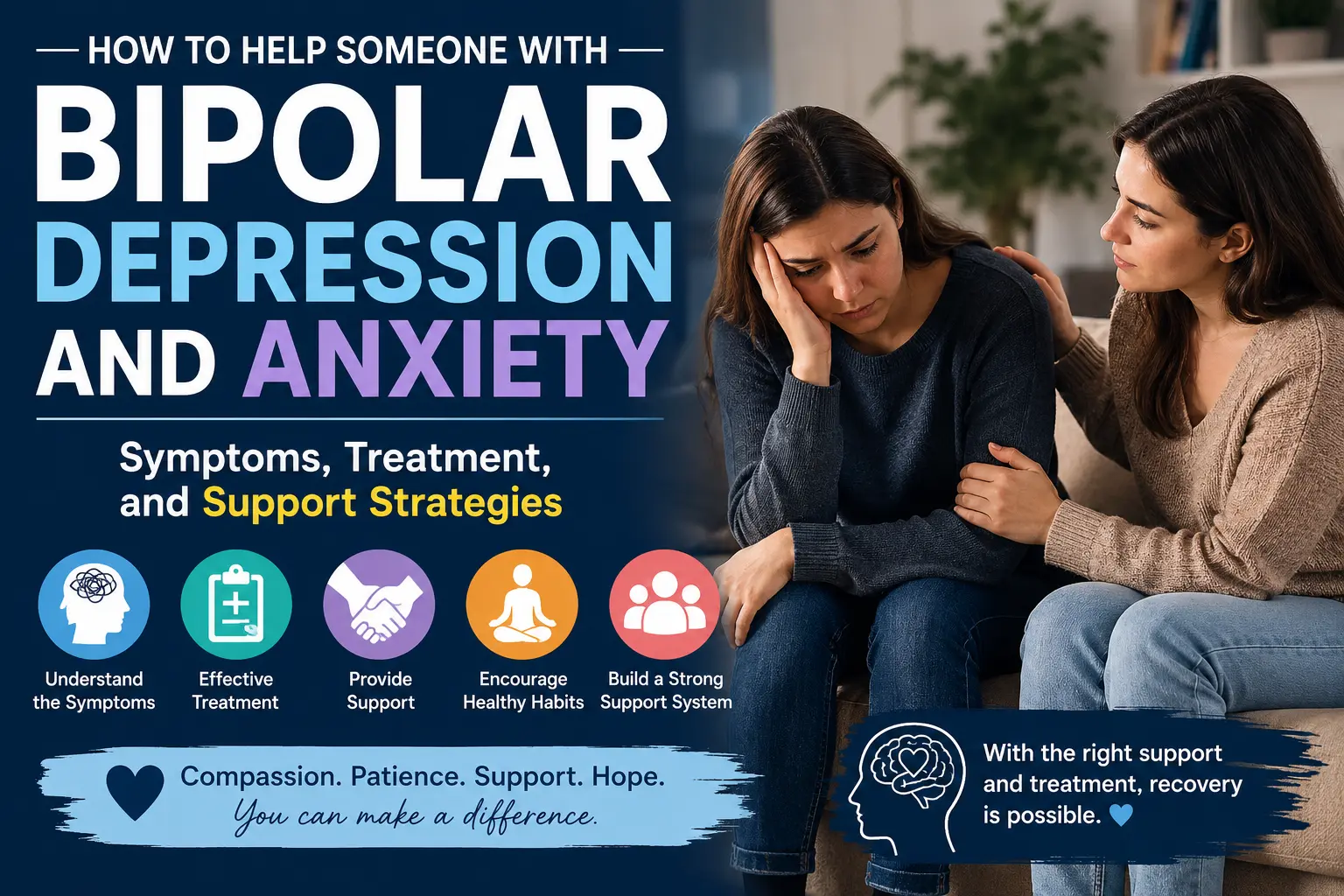 Watching someone you care about struggle with bipolar depression and anxiety can be heartbreaking. You may notice that they withdraw…
 In my practice as a clinical psychologist, I often observe that the difference between a patient who crumbles under pressure…
 We all have "up" days and "down" days. Perhaps you feel energized after a promotion or sluggish on a rainy…
 To define bipolar disorder accurately, we must look at it as a chronic mood dysregulation condition. In psychology and medicine,…
Are you looking for a Therapist?
Connect with qualified mental health professionals who understand
bipolar disorder, mood changes, and emotional challenges.
Private • Supportive • Confidential