
Bipolar Diet: Guide to Mood Stability Through Nutrition


For decades, the management of bipolar disorder focused almost exclusively on the “neck up”—pharmacology and psychotherapy. However, a revolutionary field known as nutritional psychiatry is changing the conversation. We now know that the “neck down”—what you eat, how your gut functions, and your metabolic health—plays a critical role in brain chemistry.
While there is no “magic pill” in the form of a meal, following a science-backed bipolar diet can reduce systemic inflammation, stabilize energy levels, and improve the efficacy of your medications.
This comprehensive guide explores the best foods for bipolar disorder, the science of the gut-brain axis, and the dietary triggers you should avoid to maintain stability.
The Science: Why Does Diet Matter for Bipolar Disorder?
We used to think Bipolar Disorder was strictly “all in the head.” But modern science is showing us something different. It’s a full-body experience.
Think of your body like a high-performance engine. If you put the wrong fuel in, the sensors start glitching. For someone with Bipolar, those “glitches” look like mood swings.
Here is the deep dive into the three ways your food talks to your brain:
1. Putting Out the Fire (Neuroinflammation)
Inside your brain, there’s a defense system. But sometimes, it gets too aggressive. This is neuroinflammation.
When we eat a lot of “ultra-processed” foods—think sugary cereals or deep-fried snacks—it triggers a flood of pro-inflammatory cytokines. These are like little chemical “alarm bells.”
In a Bipolar brain, these alarms don’t shut off easily. This constant state of “fire” can make a manic episode feel more chaotic or a depressive “crash” feel much heavier. Clean eating isn’t just about weight; it’s about cooling down your brain.
2. Charging the Battery (Mitochondrial Function)
Every cell in your body has a tiny power plant called a mitochondrion. These plants turn your food into the energy your brain needs to think, feel, and stay stable.
Research suggests that in Bipolar disorder, these power plants might be “leaky” or inefficient. They struggle to keep the lights on.
- The Fix: Healthy fats (like Omega-3s from salmon or walnuts) act like high-grade parts for these power plants.
- The Result: When your mitochondria work better, your brain has the “energy reserves” to prevent a mood crash.
3. The “Second Brain” (The Gut-Brain Axis)
Your gut and your brain are constantly texting each other through a massive nerve called the Vagus nerve.
Did you know that about 95% of your serotonin (the “feel-good” chemical) is produced in your gut? If your gut bacteria are out of balance because of a poor diet, the “texts” sent to your brain are basically distress signals.
When your gut is happy—full of fiber, probiotics, and whole foods—it sends “all-clear” signals. This helps keep your baseline mood much more stable.
The Bottom Line
Eating well isn’t a “cure,” but it is a powerful management tool. By choosing the right fuel, you are literally changing the chemistry of your brain, one meal at a time.
Best Foods for Bipolar Stability: The “Mood-Boosting” Essentials
Building a meal plan for bipolar stability isn’t about restriction. It’s about strategic nourishment. Think of these foods as a secondary support system for your brain. They help keep the “highs” from getting too high and the “lows” from pulling you under.
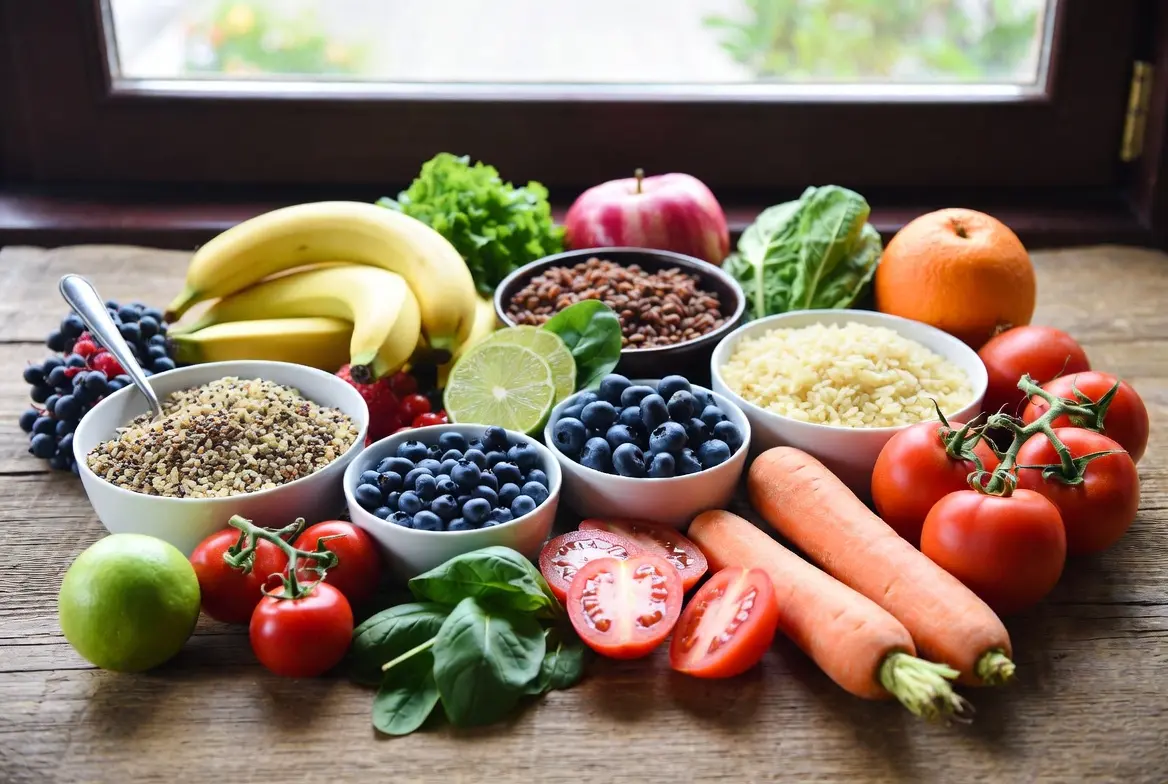
Here are the four essential categories your brain is craving:
1. Omega-3 Fatty Acids: The Brain’s Structural Support
Your brain is about 60% fat. To function, it needs “high-quality” building blocks. This is where Omega-3s (specifically EPA and DHA) come in. These fats actually become part of your brain cell membranes.
- Why they matter: They make it easier for “happy chemicals” like serotonin to move between cells. Clinical studies show that EPA-rich diets can act like a natural shield against the heavy “fog” of bipolar depression.
- The “Mood Boosters”:
- Fatty Fish: Salmon, mackerel, and sardines are the gold standard.
- Plant Power: Walnuts, chia seeds, and flaxseeds are great for daily snacking.
- Pro Tip: If you aren’t a fan of fish, an EPA-dominant supplement is often recommended by specialists.
2. Complex Carbohydrates: The End of “Sugar Crashes”
We’ve all felt a “sugar crash.” For most people, it’s an annoyance. For someone with bipolar disorder, that crash can feel like a sudden dive into a depressive episode.
- Why they matter: Simple sugars (white bread, soda, candy) cause your blood sugar to spike and then plummet. This instability mimics mood swings. Complex carbs digest slowly. They provide a steady, “drip-feed” of energy to your brain all day long.
- The “Mood Boosters”:
- Ancient Grains: Quinoa and brown rice.
- Breakfast Wins: Steel-cut oats.
- Root Veggies: Sweet potatoes and squash.
- Pro Tip: Always pair your carbs with a protein or a healthy fat to keep your energy levels even flatter and more stable.
3. Magnesium-Rich Foods: Nature’s “Chill Pill”
Magnesium is involved in over 300 reactions in your body. It is the mineral responsible for relaxation. Unfortunately, many people with bipolar disorder are naturally low in magnesium, which can lead to higher anxiety and poor sleep.
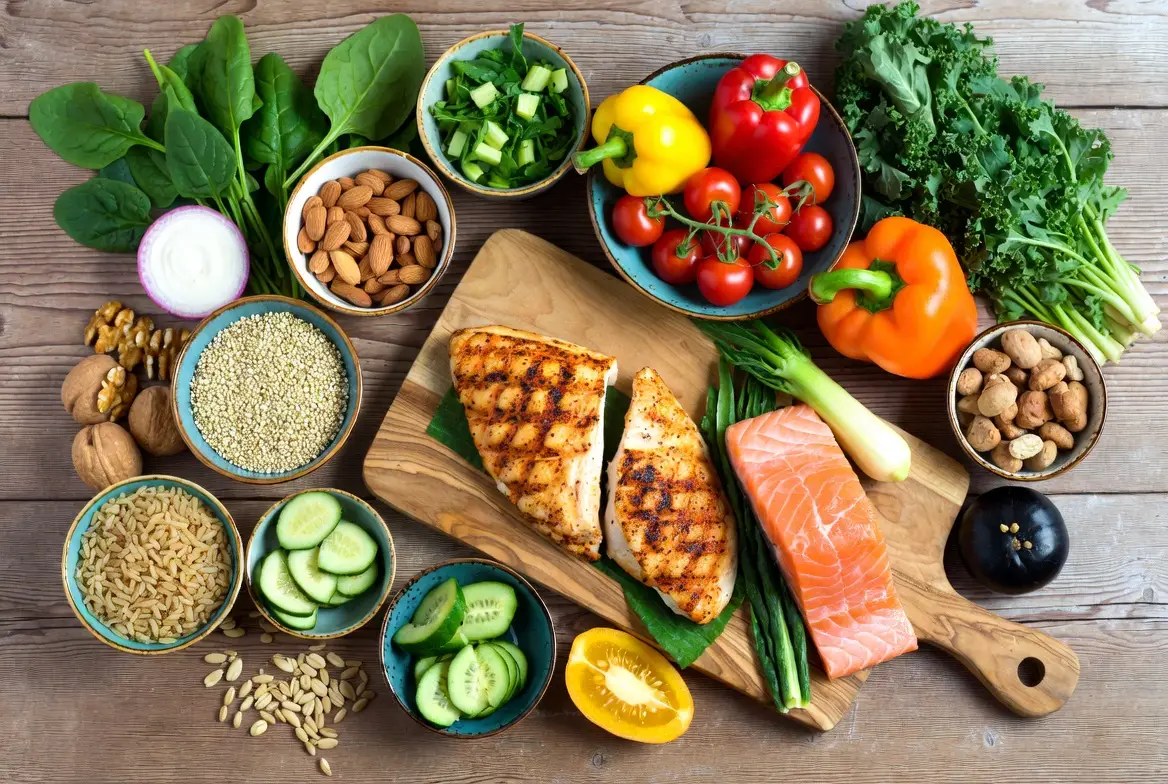
- Why they matter: Magnesium helps regulate the nervous system. It acts like a “volume knob” for stress, turning down the noise when things get overwhelming. It’s especially helpful for stabilizing the “jittery” feeling that can come with hypomania.
- The “Mood Boosters”:
- Leafy Greens: Spinach and kale (try them in a smoothie).
- Seeds & Nuts: Pumpkin seeds and almonds.
- The Treat: Dark chocolate. Look for at least 70% cacao to get the benefits without the sugar spike.
4. B-Vitamins (Folate and B12): The Neurotransmitter Factory
B-Vitamins are the “construction workers” of the brain. Without enough Folate and B12, your brain struggles to build the chemicals that keep you feeling balanced, like dopamine and serotonin.
- Why they matter: Low levels of B12 have been directly linked to more severe mood cycles. These vitamins help with a process called methylation, which is basically your brain’s way of keeping its chemistry in check.
- The “Mood Boosters”:
- Proteins: Eggs and lean poultry.
- Beans & Legumes: Chickpeas (garbanzo beans) and pinto beans.
- The Secret Weapon: Nutritional yeast. It’s great on popcorn and is packed with B-vitamins.
Emerging Research: The Ketogenic Diet for Bipolar Disorder
One of the most exciting developments in 2025-2026 research is the use of the Ketogenic Diet (Keto) as a metabolic therapy for serious mental illness.
- How it works: By shifting the brain from burning glucose (sugar) to burning ketones (fat), the diet may stabilize “over-firing” neurons, much like certain mood-stabilizing medications (e.g., Valproate).
- Recent Findings: A 2024 Stanford pilot study showed that patients on a ketogenic diet experienced significant improvements in psychiatric symptoms and metabolic health.
- Caution: Never start a ketogenic diet for bipolar disorder without medical supervision, as the shift into ketosis can occasionally trigger hypomania in sensitive individuals.
Foods and Substances to Avoid
Managing bipolar disorder is a bit like balancing on a tightrope. You want to keep your energy steady and your mind clear. While adding good foods is vital, knowing what to cut out is just as important. Some common substances act like “triggers,” pushing you toward a manic high or a depressive low before you even realize it.
Here is the “Do Not Invite” list for your bipolar-friendly kitchen:
1. Caffeine: The Sleep Stealer
We all love a morning coffee, but for the bipolar brain, caffeine is a double-edged sword. It’s a powerful stimulant that mimics the “rush” of hypomania.
- The Risk: The biggest danger is sleep disruption. Quality sleep is the #1 defense against mania. Even one late-afternoon espresso can keep your brain “wired,” skipping the deep rest you need to stay stable.
- The Medication Factor: If you take Lithium, caffeine is tricky. It changes how your kidneys process the medicine. When you cut back or increase your coffee, your Lithium levels can swing, leading to side effects or reduced effectiveness.
- The Swap: Try herbal teas like peppermint or ginger for a ritual that doesn’t mess with your nerves.
2. Alcohol: The False Friend
Many people use alcohol to “numb” a manic high or “lift” a low, but it backfires every time. It is a central nervous system depressant that destabilizes your baseline.

- The Risk: Alcohol significantly increases the risk of suicidal thoughts and severe depressive “crashes.” It also interferes with almost every psychiatric medication, either making them stop working or making them dangerously toxic.
- The Impact: It ruins your REM sleep. Even if you fall asleep faster, your brain doesn’t get the “repair time” it needs to regulate your emotions the next day.
3. High-Sugar Foods: The Emotional Rollercoaster
Sugar is inflammatory. In the “AI Era” of nutrition, we now know that sugar creates oxidative stress in the brain.
- The Risk: The “sugar crash” is a dangerous mimic. When your blood sugar drops after a donut or soda, you feel tired, irritable, and hopeless. For a healthy person, it’s a nap; for someone with bipolar, it can feel like the start of a depressive episode.
- The Cycle: This leads to “emotional eating” to get the energy back up, creating a loop of highs and lows that your brain cannot keep up with.
4. Grapefruit: The Hidden Danger
This one surprises many people, but it’s a serious medical warning.
- The Risk: Grapefruit contains compounds that block the enzymes in your gut that break down medication.
- The Impact: If those enzymes are blocked, your body absorbs way too much of the drug. If you are on carbamazepine (Tegretol) or certain antipsychotics, eating grapefruit can lead to “toxic levels” in your blood.
- The Rule: Always check your medication insert. If it says “Avoid Grapefruit,” it isn’t a suggestion—it’s a safety requirement.
Avoiding these triggers isn't about "perfect eating." It's about giving your brain a fair chance to stay level.
Frequently Asked Questions (FAQs)
Can diet alone cure bipolar disorder?
No. Bipolar disorder is a complex biological condition. Diet is an adjunctive therapy—it works alongside medication and therapy to improve your “baseline” stability and overall health.
Should I take supplements like Omega-3 or Vitamin D?
While many people with bipolar disorder benefit from these, you should always get a blood test first. Correcting a deficiency is helpful, but “megadosing” without a doctor’s guidance can be harmful.
Does “leaky gut” cause mood swings?
Research into the gut-brain axis suggests that intestinal permeability (leaky gut) can allow toxins into the bloodstream, triggering brain inflammation. Probiotic-rich foods like kefir and sauerkraut may help strengthen the gut lining.
Sample Bipolar-Friendly Meal Plan
| Meal | Suggestion | Why it works |
| Breakfast | Steel-cut oats with walnuts and blueberries. | Slow-burn carbs + Omega-3s. |
| Lunch | Spinach salad with grilled salmon and olive oil. | Magnesium + High EPA/DHA. |
| Snack | Pumpkin seeds or a small piece of dark chocolate. | Zinc and Magnesium for anxiety. |
| Dinner | Roasted chicken with sweet potatoes and broccoli. | Lean protein + B-vitamins. |
Summary Checklist for Success
- Prioritize Protein: Every meal should have a protein source to stabilize blood sugar.
- Watch Your Salt: If you are on Lithium, keep your salt intake consistent. Do not suddenly start a low-sodium diet without consulting your doctor.
- Hydrate: Dehydration can lead to medication toxicity and cognitive fog.
- Eat Regularly: Skipping meals can lead to irritability and “hanger,” which mimics hypomania or mixed states.
Authoritative References
1. Stanford Medicine: Ketogenic diet improves metabolic health, mental illness
2. ISNPR Guidelines and Research Resources
3. Nutritional psychiatry: Your brain on food
Related Posts

Subscribe to Our Newsletter
Get mental health tips, updates, and resources delivered to your inbox.
MORE from Author
Read More ADHD and depression often occur together, and each makes the other harder to live with. Adults with ADHD are almost…
 We all have "up" days and "down" days. Perhaps you feel energized after a promotion or sluggish on a rainy…
 To define bipolar disorder accurately, we must look at it as a chronic mood dysregulation condition. In psychology and medicine,…
Are you looking for a Therapist?
Connect with qualified mental health professionals who understand
bipolar disorder, mood changes, and emotional challenges.
Private • Supportive • Confidential