
Benefits of Organic Food: Health, Environment, Pros & Cons, and What Science Really Says

In the modern grocery aisle, the “Organic” seal has become one of the most powerful—and polarizing—labels in the world. For some, it represents the gold standard of health and a vital step toward saving the planet. For others, it is viewed as an overpriced marketing gimmick that offers little actual nutritional advantage over conventional produce.
The benefits of organic food are often buried under layers of marketing hype and conflicting scientific studies. Why do people eat organic food? The motivations are usually three-fold: personal health, environmental stewardship, and animal welfare. However, as consumers, we are often left wondering about the true importance of organic food. Does it actually make you healthier, or are you simply paying a “green tax”?
In this comprehensive guide, we will peel back the labels to examine the health, environmental, and ethical angles of organic agriculture. We will explore the latest data from 2026 to help you decide when “going organic” is a life-changing investment and when it’s okay to stick to conventional options.
What Is Organic Food?
Before evaluating what are the benefits of organic food, we must define what the term legally requires. “Organic” is not just a description of the food itself, but a certification of the entire production process.
USDA Organic Standards
In the United States, the USDA Organic seal ensures that the food has been produced under strict federal guidelines. These standards include:
- Soil Quality: No prohibited synthetic fertilizers or pesticides used for three years prior to harvest.
- Pest Control: Emphasis on physical, mechanical, and biological controls rather than chemical ones.
- Livestock: Animals must have access to the outdoors, be fed 100% organic feed, and receive no routine antibiotics or hormones.
Organic Farming vs. Conventional Farming
Conventional farming relies on synthetic inputs to maximize yield and prevent crop failure. Conversely, organic farming relies on ecosystem management. The importance of organic food products lies in the methodology: crop rotation, green manures, and compost are used to maintain soil fertility, while natural predators are used for pest management.
It is important to note that “organic” does not mean “pesticide-free”; it means that only naturally derived pesticides (like copper or sulfur) are permitted under specific conditions.
You may be interested to read our guide on benefits of probiotics
What Does Organic Food Do for Your Body?
When patients ask, “What does organic food do for your body?” they are usually looking for a physiological reason to spend the extra money. While the human body processes the macronutrients (proteins, carbs, fats) in organic and conventional food similarly, the benefits of organic food for the body center on the “input-output” of non-nutritional substances.
- Reduced Chemical Burden: The primary thing organic food does for your body is limit your exposure to synthetic pesticide residues, such as organophosphates and glyphosate, which the body must otherwise filter through the liver and kidneys.
- Antioxidant Delivery: Some studies suggest that because organic plants are not “protected” by synthetic sprays, they produce more natural defense compounds (antioxidants) to fight off pests. When we eat these plants, we ingest those beneficial compounds.
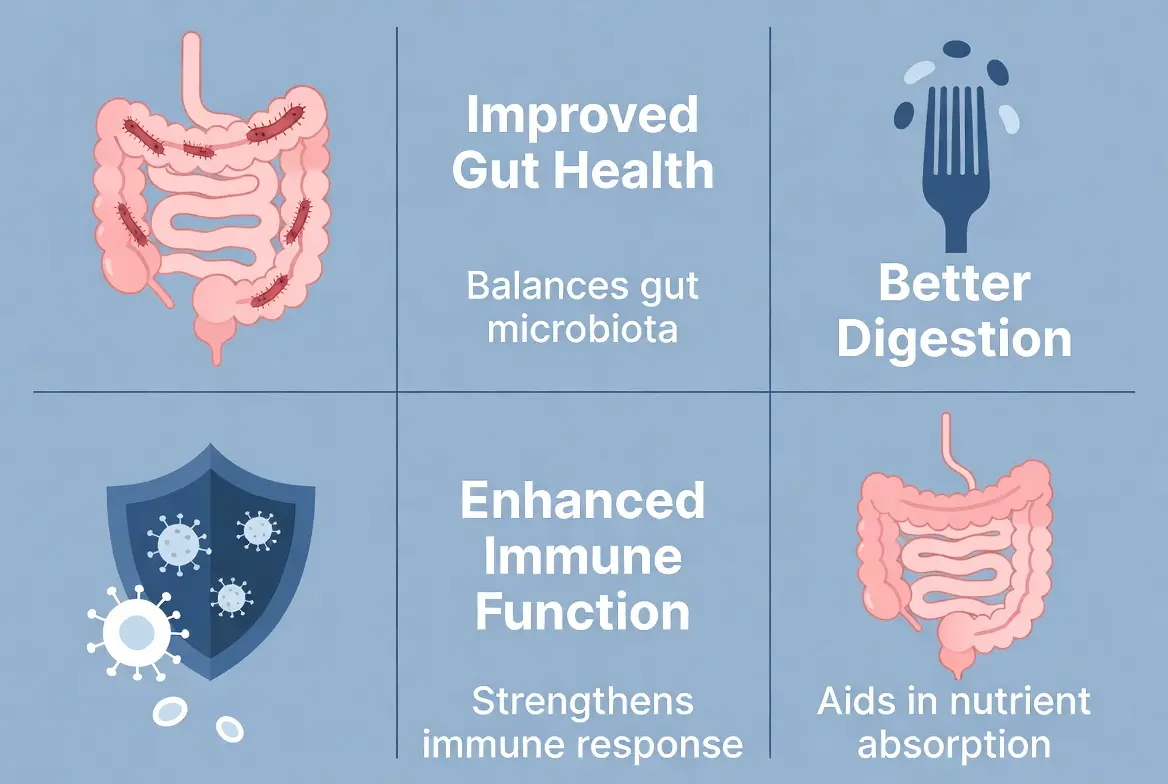
- Gut Microbiome Health: Emerging research in 2026 suggests that conventional pesticides may subtly alter the gut microbiome. By eating organic food, you may be fostering a more diverse and resilient internal bacterial ecosystem, though clinical trials in humans are still ongoing.
The Health Benefits of Organic Food: A Clinical Perspective
The debate over organic food often centers on whether it is “healthier.” In a clinical context, the value of organic produce isn’t defined solely by the nutrients it contains, but by the synthetic inputs it excludes. Choosing organic is a strategic move to minimize your “toxic load” while supporting a more resilient food system.
1. Reduced Chemical and Pesticide Exposure
The most medically significant advantage of organic food is the drastic reduction in synthetic pesticide residues. Conventional produce is statistically four times more likely to contain detectable chemical traces. Research shows that switching to an organic diet can significantly lower urinary pesticide levels in a matter of days.
For individuals with sensitive metabolic systems or those prioritizing long-term neuroprotection, this reduction is a primary health win.
2. Enhanced Phytonutrient Density
While standard vitamin levels (like Vitamin C or E) are often comparable between both types of farming, a landmark meta-analysis in the British Journal of Nutrition found that organic crops contain 19% to 69% higher concentrations of antioxidants.
Because organic plants are not protected by synthetic pesticides, they produce more polyphenols and flavonoids—their own natural defense mechanisms—which offer superior antioxidant support to the humans who consume them.
3. Antibiotic Stewardship and Public Health
Organic meat and dairy production bans the routine use of sub-therapeutic antibiotics. This is a critical defense against the global threat of “superbugs.” By choosing organic animal products, you reduce your exposure to antibiotic-resistant bacteria and support a system that preserves the efficacy of human medicine. Furthermore, organic livestock are required to forage on grass, which often results in a more favorable fatty acid profile, specifically higher levels of Omega-3s.
4. Soil Integrity and Environmental Synergy
Human health is inextricably linked to soil health. Organic farming utilizes cover crops and natural fertilizers to foster a nutrient-rich topsoil, preventing the nitrogen runoff that creates “dead zones” in our waterways.
- Biodiversity: Organic farms typically host 30% more species diversity, protecting essential pollinators like bees that are vital for future food security.
- Nitrate Reduction: Organic crops generally contain lower levels of nitrates, which are often linked to increased health risks when consumed in excess from synthetic fertilizers.
5. Verification and Transparency
The “Organic” seal serves as a rigorous third-party verification. It provides consumer transparency, ensuring that from seed to shelf, the food was handled without GMOs, ionizing radiation, or sewage sludge. This verified trail allows consumers to make informed decisions about the environmental and physiological impact of their caloric intake.
Summary: Is Organic Worth It?
While organic food is not a “cure-all,” it serves as a foundational tool for proactive health management. By maximizing dietary antioxidants and minimizing environmental toxins, an organic diet supports both the body’s internal equilibrium and the planet’s ecological stability.
Benefits of Organic Food for Babies & Infants
This is a “YMYL” (Your Money Your Life) topic where the stakes are highest. As a physician, I believe the benefits of organic food for babies are more compelling than for any other age group.
Vulnerability of Infants
Infants have a higher metabolic rate and consume more food per pound of body weight than adults. Because their neurological and reproductive systems are still developing, they are more susceptible to the potential endocrine-disrupting effects of certain pesticides.
Why Buy Organic Baby Food?
The importance of organic food for infants is centered on the “Precautionary Principle.” Studies have shown that children fed an organic diet have lower levels of organophosphate metabolites in their system. While we cannot say for certain that conventional food causes harm, choosing organic baby food is a low-risk, high-reward way to ensure the cleanest possible start for a developing brain.
In this second segment, we move from the human body to the planetary body, examining the ecological footprint of agriculture and the hard data behind the organic vs non organic food debate.
Benefits of Organic Food for the Environment
One of the most profound reasons to eat organic food has nothing to do with what you digest, but rather what the earth digests. Conventional agriculture is one of the leading drivers of environmental degradation; organic farming offers a regenerative alternative.
Soil Regeneration and Carbon Sequestration
The environmental benefits of organic food production start in the dirt. Organic farmers use cover crops and compost to build soil organic matter. This doesn’t just grow better tomatoes—it turns the soil into a carbon sink. Healthy, organic soil can store significantly more CO2 from the atmosphere than depleted conventional soil, making it a critical tool for climate resilience.
Water Protection and Biodiversity
Because organic standards prohibit synthetic nitrogen and phosphorus fertilizers, the risk of “nutrient runoff” is slashed. This protects local groundwater and prevents the massive “dead zones” in our oceans caused by algae blooms.
Furthermore, is organic food better for the environment? The data says yes: organic farms host significantly more pollinators (bees and butterflies) and birds, creating a refuge for biodiversity in a world of monocrops.
Organic vs. Non-Organic Food: What Studies Show
When we look at a organic vs non organic food study, we must distinguish between “nutritional content” and “contaminant levels.”
- The Stanford Study (2012): This famous meta-analysis concluded that there wasn’t a “strong” difference in vitamin content. However, it confirmed that organic produce had a 30% lower risk of pesticide contamination.
- The Newcastle Study (2014): A much larger review found that organic crops had 17% to 69% higher concentrations of antioxidants. It also found significantly lower levels of toxic heavy metals, like cadmium, in organic grains.
- The NutriNet-Santé Study (2018): This long-term French study of nearly 70,000 adults found that high consumers of organic food had a 25% lower risk of developing certain cancers, particularly non-Hodgkin lymphoma and postmenopausal breast cancer.
The consensus in 2026 is that while a conventional apple is still a “healthy” choice, an organic apple provides a higher nutritional benefit with a lower chemical load.
Pros and Cons of Organic Food
To make an informed choice, you must weigh the advantages of organic food against its practical limitations.
The Pros
- Health: Lowered exposure to endocrine disruptors and neurotoxins.
- Taste: Many consumers report a superior flavor profile, likely due to lower water content and higher antioxidant density in organic produce.
- Ethics: Better conditions for farmworkers who are not exposed to toxic sprays daily.
The Cons
- Cost: Organic food is typically 20% to 50% more expensive due to higher labor costs and smaller yields.
- Accessibility: In many “food deserts,” organic options are nonexistent.
- Aesthetics: Organic produce may not look as “perfect” as conventional produce; it may be smaller or have minor blemishes.
10 Disadvantages of Organic Food
For the sake of transparency, we must address the 10 disadvantages of organic food that critics often highlight.
- Higher Price Tag: The most significant barrier for average families.
- Increased Spoilage Risk: Without synthetic preservatives or waxes, organic food often rots faster.
- Lower Yields: Organic farming generally produces less food per acre, leading to debates about “feeding the world.”
- Misleading Marketing: “Organic” junk food (like organic cookies) is still junk food.
- Certification Costs: Small-scale farmers often struggle to pay for the “USDA Organic” seal, even if they follow the practices.
- Transportation Emissions: If you buy organic berries from 3,000 miles away, the carbon footprint may outweigh the environmental benefits.
- Natural Pesticide Toxicity: Some natural pesticides allowed in organic farming (like rotenone) can still be toxic to beneficial insects.
- Knowledge Intensive: Organic farming requires much more expertise than “calendar spraying” with chemicals.
- Higher Labor Costs: Weeding by hand instead of using herbicides makes the food more expensive.
- Nutritional Variability: Just being organic doesn’t guarantee high vitamins; soil quality varies farm to farm.
Is Organic Food Better for You — Or a Scam?
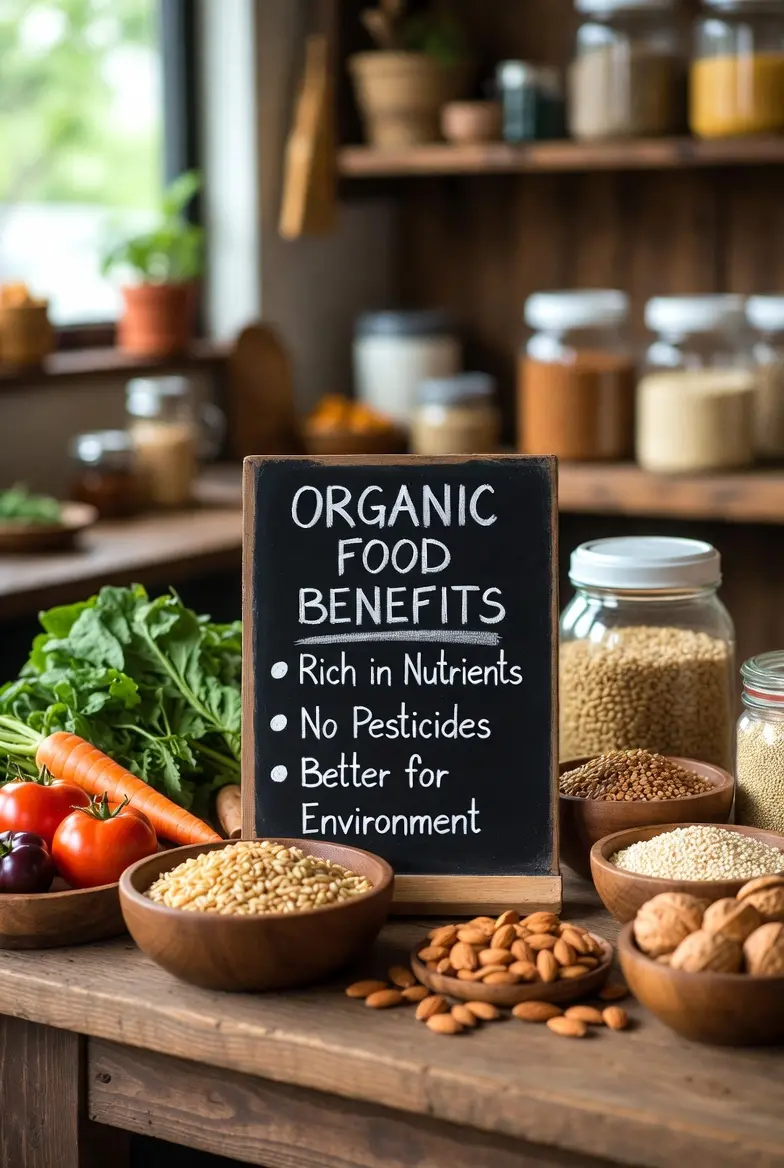
The question is organic food a scam often stems from the price gap. If the vitamin count is similar, why pay double?
The answer is that the “scam” argument only holds up if you view food solely as a delivery vehicle for Vitamin C or Potassium. If you view food as a complex biological system, then is organic food better for you? Yes.
You aren’t just paying for the nutrients; you are paying for the absence of glyphosate, the absence of routine antibiotics, and the presence of soil-based microbes. It isn’t a scam; it’s a premium for a cleaner production chain.
Reasons to Eat Organic Food
If you can’t afford a 100% organic lifestyle, use these reasons to eat organic food to prioritize your spending:
- Pregnancy & Childhood: To protect developing neurological systems.
- The “Dirty Dozen”: Prioritize organic for thin-skinned fruits like strawberries and spinach.
- Dairy & Meat: To avoid growth hormones and antibiotic-resistant bacteria.
- Environmental Ethics: If you want to support a farming system that protects bees and water.
In this final segment, we refine your shopping strategy by identifying which foods offer the highest “return on investment” for organic spending, clarify some foundational biology terms that often confuse consumers, and answer the most pressing community questions.
Organic Vegetables & Produce: Are Benefits Higher?
When discussing organic vegetables benefits, we have to talk about permeability. Not all vegetables are created equal when it comes to pesticide absorption. This is where the “Dirty Dozen” and “Clean Fifteen” come into play.
- The Dirty Dozen: These are fruits and vegetables with thin skins and high surface areas, such as strawberries, spinach, kale, and peaches. In these cases, the benefits of consuming organic food are significantly higher because conventional versions often carry multiple pesticide residues that cannot be fully washed away.
- The Clean Fifteen: These are items with thick, protective outer layers or natural resistance to pests, like avocados, sweet corn, pineapples, and onions. In these cases, the organic vs non organic food difference is negligible regarding chemical exposure, making them safe to buy conventional if you are on a budget.
Importance of Organic Food in Modern Diets
In our modern, ultra-processed food environment, the importance of organic food goes beyond simple nutrition. It acts as a “speed bump” for the consumer. Choosing organic usually forces you away from the middle aisles of the grocery store (filled with processed snacks) and toward the perimeter (fresh produce, meats, and dairy).
Benefits of going organic also include supporting a decentralized food system. Many organic purchases are made through local farmers’ markets or CSAs (Community Supported Agriculture), which keeps money within the local economy and reduces the “food miles” associated with your dinner.
Clarifying Biology Terms: How Food is Made
While researching the benefits of organic food, you may encounter technical terms describing how life on Earth creates and consumes energy. Let’s clear up two common stray queries:
- What are organisms that make their own food called? These are called Autotrophs (like plants, algae, and some bacteria). They use photosynthesis to turn sunlight and $CO_2$ into glucose. In organic farming, we focus on helping these autotrophs thrive by improving the soil they live in.
- What is an organism that cannot make its own food called? These are called Heterotrophs (like humans, dogs, and lions). We must eat other organisms (autotrophs or other heterotrophs) to survive. This is why the quality of the “autotrophs” (the plants) is so vital to our own health.
Frequently Asked Questions
Are organic foods really better for you?
Scientifically, “better” is nuanced. Organic foods are significantly better for reducing synthetic chemical exposure and providing higher antioxidants. However, a conventional vegetable is still healthier than an organic cookie.
Is organic food worth the cost?
For specific populations—pregnant women, infants, and those with chemical sensitivities—the answer is a resounding yes. For others, it depends on whether you value environmental sustainability as much as personal nutrition.
What are the benefits of eating organic food?
The primary benefits include lower intake of pesticides and heavy metals, higher Omega-3 levels in meat/dairy, and supporting a farming system that prevents soil erosion and water pollution.
Are organic foods healthier for children?
Yes. Pediatric research suggests that children’s developing brains and bodies are more sensitive to the neurotoxic effects of certain pesticides used in conventional farming.
Exploring the benefits of organic food: Is it worth the hype?
It is not a miracle cure, but it is a valid tool for long-term preventative health. The “hype” is often exaggerated, but the underlying science of reduced toxic load is solid.
Conclusion: Should You Go Organic?
The benefits of organic food represent a shift in how we value our relationship with the Earth and our own biology. While science shows that the nutritional “gap” in terms of vitamins is modest, the gap in terms of environmental impact and chemical exposure is vast.
If your budget is tight, don’t let the “organic or nothing” mindset stop you from eating vegetables. A diet rich in conventional produce is always better than a diet low in produce. However, by strategically choosing organic for the “Dirty Dozen” and your dairy/meat products, you can reap the advantages of organic food without breaking the bank.
Ultimately, a healthy diet matters more than perfection. Organic is a fantastic upgrade, but the most important step is simply choosing whole, real foods over processed ones.
Authoritative Clinical & Environmental References
Related Posts




Subscribe to Our Newsletter
Get mental health tips, updates, and resources delivered to your inbox.
MORE from Author
Read More In my practice as a clinical psychologist, I often observe that the difference between a patient who crumbles under pressure…
- We all have "up" days and "down" days. Perhaps you feel energized after a promotion or sluggish on a rainy…


 To define bipolar disorder accurately, we must look at it as a chronic mood dysregulation condition. In psychology and medicine,…
 To answer whether bipolar fits the bill, we first have to define what a neurodivergent person actually is. The term…
Are you looking for a Therapist?
Connect with qualified mental health professionals who understand
bipolar disorder, mood changes, and emotional challenges.
Private • Supportive • Confidential