
Lamotrigine (Lamictal): Uses, Dosage, Side Effects, Rash Risk & How It Works

Medically reviewed by Laura Athey Updated Date: April 19, 2026
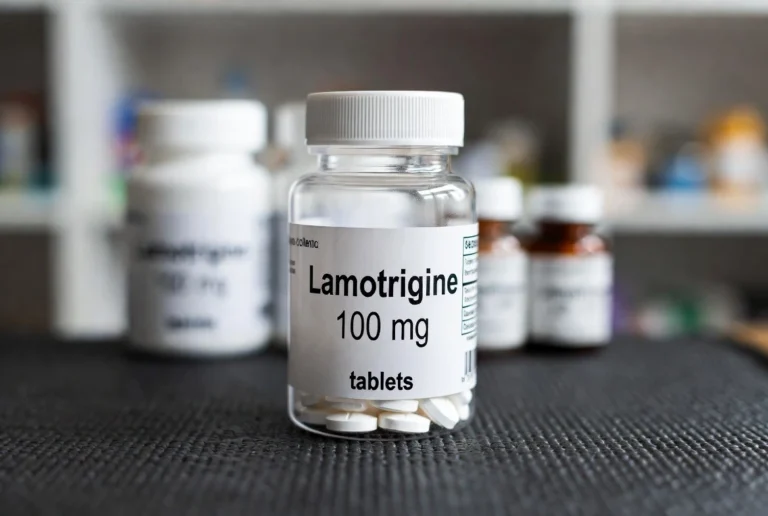
In my practice, I often observe a specific sense of relief when a patient with bipolar disorder finally finds a medication that doesn’t make them feel like a “zombie.” For many, that medication is lamotrigine. Unlike many other mood stabilizers that act like a heavy blanket over the entire nervous system, lamotrigine is often described by my patients as a tool that simply “raises the floor,” preventing the devastating plunges into depression without stripping away their personality or cognitive clarity.
However, lamotrigine is a medication that requires respect and patience. It is not a “quick fix” for an acute crisis, and its unique titration schedule can be frustrating for those in the depths of a depressive episode. Whether you are taking lamotrigine 25 mg for the first time or are curious about its long-term impact on your health, understanding the neurobiology and safety protocols of this drug is essential for a successful recovery.
What Is Lamotrigine?
Lamotrigine (pronounced: luh-MOE-tri-jeen) is a medication that falls under the drug class of anticonvulsants. While originally developed to treat seizures, it has become a cornerstone in psychiatric care, particularly for the maintenance of bipolar disorder. Many people ask, “Is lamotrigine an ssri?” or “Is lamotrigine an antipsychotic?” The answer to both is no.
Unlike SSRIs (Selective Serotonin Reuptake Inhibitors), which primarily target serotonin, or antipsychotics, which often block dopamine receptors, lamotrigine works by stabilizing electrical activity in the brain. The lamotrigine brand name is Lamictal, though it is widely available in generic form.
It is important to note that lamotrigine is not a controlled substance; it does not carry a risk for addiction or “high” potential, which makes it a preferred long-term option for many clinicians.
What Is Lamotrigine Used For?
The uses of amotrigine are split between neurology and psychiatry. While its primary FDA-approved indications are for epilepsy and Bipolar I maintenance, its “off-label” utility is vast.
Primary Indications
- Bipolar I Disorder (Maintenance): It is FDA-approved to delay the time between mood episodes, specifically to prevent the “crashes” into depression.
- Epilepsy: It treats partial-onset seizures, primary generalized tonic-clonic seizures, and seizures associated with Lennox-Gastaut syndrome.
Off-Label and Clinical Uses
In my clinical experience, I frequently see lamotrigine used for Bipolar II depression and treatment-resistant unipolar depression. What happens if you take lamotrigine and are not bipolar? In some cases, it is used as an “augmenting agent” for traditional antidepressants. It helps stabilize mood lability—those rapid “micro-shifts” in emotion—even in patients who do not meet the full criteria for a bipolar diagnosis.
It is a common misconception that lamotrigine treats mania. In reality, it is much more effective at “preventing the basement” (depression) than “lowering the ceiling” (mania). If a patient is in an acute manic state, we usually look toward lithium or antipsychotics rather than lamotrigine.
How Lamotrigine Works: The Mechanism of Action
To understand how lamotrigine works, we have to look at the brain’s “excitatory” system. Our neurons communicate via electrical signals and chemical messengers. In conditions like epilepsy or bipolar disorder, the brain can become “over-excited,” leading to seizures or mood instability.
Lamotrigine’s mechanism of action involves three primary steps:
- Sodium Channel Modulation: It blocks voltage-sensitive sodium channels. By doing this, it stabilizes neuronal membranes.
- Inhibition of Glutamate: Glutamate is the brain’s primary excitatory neurotransmitter (the “gas pedal”). Lamotrigine inhibits the excessive release of glutamate.
- Weak Serotonin Inhibition: While not its main job, it has a very slight effect on serotonin receptors, which may contribute to its antidepressant properties.
By dampening this “noise” in the brain, lamotrigine allows the Executive Function—the part of the brain responsible for logic and emotional regulation—to function without being overwhelmed by chaotic electrical signals from the limbic system.
Lamotrigine Dosage & Titration

The most important thing to know about a lamotrigine dose is that it cannot be rushed. The phrase “low and slow” is the golden rule of lamotrigine. We do this to mitigate the risk of a life-threatening skin reaction.
Typical Bipolar Titration Schedule
| Timeframe | Typical Dose | Goal |
| Weeks 1–2 | 25 mg daily | Acclimatizing the system. |
| Weeks 3–4 | 50 mg daily | Building blood levels safely. |
| Week 5 | 100 mg daily | Approaching therapeutic range. |
| Week 6+ | 200 mg daily | Target maintenance dose for most. |
The maximum dose of lamotrigine for bipolar disorder is typically around 200 mg per day, though some patients thrive on 100 mg, and others may require up to 400 mg. For epilepsy, the maximum dose of lamotrigine can go as high as 600 mg or more, often split into two daily doses.
The Lamotrigine Rash: Stevens-Johnson Syndrome (SJS)
The lamotrigine rash is the most discussed and feared side effect of this medication. While a mild, benign heat rash occurs in about 10% of patients, a very rare (approximately 0.08% in bipolar patients) but serious reaction called Stevens-Johnson Syndrome (SJS) can occur.
What to look for:
- A rash accompanied by a fever or flu-like symptoms.
- Blistering or peeling of the skin.
- Sores in the mouth, nose, eyes, or genitals.
If you develop any rash during the first eight weeks of treatment, you must contact your doctor immediately. This is why we start with lamotrigine 25mg; it allows the immune system to recognize the drug without mounting a catastrophic “over-reaction.”
Lamotrigine Side Effects
Beyond the rash, lamotrigine side effects are generally milder than those of lithium or valproate. Most symptoms occur during the titration phase and fade as the body adjusts.
Common Side Effects
- Headache and Dizziness: The most frequent complaints during dose increases.
- Nausea: Usually manageable if taken with food.
- Insomnia or Fatigue: Does lamotrigine make you tired? For some, it is activating; for others, it is sedating.
The Weight Question
Does lamotrigine cause weight gain? This is a top concern for my patients. Unlike many other mood stabilizers and antipsychotics, lamotrigine is considered weight-neutral. In long-term studies, there is no significant evidence that it alters metabolism or increases appetite significantly. In fact, for many, transitioning from other medications, it often leads to weight stabilization.
In my years of practice, I’ve observed that lamotrigine’s efficacy is deeply tied to a patient’s Circadian Rhythms. While lamotrigine stabilizes the “floor” of depression, it cannot overcome the neurological chaos of poor sleep hygiene. I had a patient, “Sarah,” who felt the medication “stopped working” every few months. Upon closer look, her “relapses” were always preceded by late-night blue light exposure and inconsistent wake times. Once we stabilized her sleep schedule, the lamotrigine was able to do its job. A mood stabilizer provides the foundation, but sleep provides the structure.
Lamotrigine and Mood — “Lamotrigine Ruined My Life”
If you search the internet, you will find forums where people claim “lamotrigine ruined my life.” As a psychologist, I take these reports seriously. Usually, these negative experiences stem from three things:
- Misdiagnosis: If someone has ADHD or Borderline Personality Disorder without a bipolar component, lamotrigine may not address the core issue.
- Rapid Titration: Being started on too high a dose can cause “brain fog” or intense irritability.
- The “Switch”: In rare cases, any medication that affects glutamate can cause increased agitation or “mixed states” if not monitored closely.
Balanced against these reports are the millions of people for whom lamotrigine has been the “missing piece” of their mental health puzzle.
Lamotrigine Interactions & Alcohol
Navigating daily life on a mood stabilizer involves understanding how it interacts with other substances. Fortunately, there are no specific foods to avoid when taking lamotrigine, unlike certain older antidepressants. However, drug-to-drug interactions can significantly alter how much medication is in your system.
Common Drug Interactions
The liver processes lamotrigine, so medications that speed up or slow down liver enzymes are the primary concern:
- Valproate (Depakote): This significantly increases lamotrigine levels. If taken together, the lamotrigine dose must be cut by half.
- Carbamazepine (Tegretol): This decreases lamotrigine levels, potentially making the dose less effective.
- Hormonal Contraceptives: Birth control pills can lower lamotrigine levels by up to 50%. Often, the dose needs to be adjusted when starting or stopping the pill.
Lamotrigine and Alcohol
While there isn’t a “fatal” interaction, lamotrigine and alcohol generally do not mix well. Alcohol is a central nervous system depressant, while lamotrigine is trying to stabilize electrical activity. Drinking can increase dizziness, impair coordination, and—most importantly—trigger the very depressive episodes lamotrigine is trying to prevent.
How Long Does Lamotrigine Take to Work?
One of the hardest parts of treatment is waiting for relief. How long does lamotrigine take to work? Because of the slow titration schedule, you may not feel a significant shift in your mood for 4 to 8 weeks.
It takes time to reach a “therapeutic dose” (usually 100 mg to 200 mg). Patients often feel a slight lift at 50 mg, but the full “floor-raising” effect typically stabilizes once you have been at your target dose for at least two weeks. For epilepsy, the seizure-reduction effect may be noticed sooner, but mood stabilization is a marathon, not a sprint.
Lamotrigine Withdrawal & Missed Doses
Stopping lamotrigine abruptly is highly discouraged. What happens when you stop taking lamotrigine for bipolar disorder? While it doesn’t have the same “physical withdrawal” as benzodiazepines, stopping suddenly can cause a “rebound” effect, leading to a severe depressive crash or, in some cases, a manic episode.
Important Safety Note: If you miss more than 3 to 5 days of your medication, you cannot simply restart at your high dose. Because the body “forgets” the drug quickly, you may be at risk for the lamotrigine rash again. In these cases, you must contact your doctor to restart the titration process from 25 mg.
Does Lamotrigine Shorten Your Life?

I often hear patients worry that long-term medication use will damage their organs. Does lamotrigine shorten your life? Current medical research suggests the opposite. There is no evidence that lamotrigine causes long-term organ damage or reduces life expectancy.
In fact, for those with bipolar disorder, a successful mood stabilizer can extend life expectancy by reducing the physiological toll of chronic stress, lowering the risk of cardiovascular disease associated with mood episodes, and significantly decreasing the risk of suicide.
Does Lamotrigine Help With Anxiety?
While it is not FDA-approved for the task, many wonder: Does lamotrigine help with anxiety? In my practice, I find that it helps with “mood-driven” anxiety. If your anxiety is a byproduct of a depressive “rumination” cycle, lamotrigine can be very effective. However, for standalone Generalized Anxiety Disorder (GAD) or Panic Disorder, it is usually not the first line of defense. It is more of a “stabilizer” than a “relaxant.”
Frequently Asked Questions
Is lamotrigine a controlled substance?
No. Is lamotrigine a controlled substance? No, it has no potential for abuse or addiction and is not scheduled by the DEA.
Does lamotrigine cause “brain fog”?
Some patients report cognitive dulling at very high doses, but at standard maintenance doses, most find it much clearer than lithium or antipsychotics.
Can I take lamotrigine while pregnant?
This is a discussion for you and your psychiatrist, but lamotrigine is often considered one of the safer options for pregnancy compared to other mood stabilizers, though it does carry some risks.
Why is lamotrigine called a “mood stabilizer” if it’s for seizures?
Many anticonvulsants work by calming “overactive” neurons. In psychiatry, we found that the same mechanism that stops a seizure can also stop a mood swing.
Conclusion
Lamotrigine is a powerful tool for reclaiming a stable life, but it works best as part of a holistic plan. Medication can raise the “floor,” but therapy, sleep hygiene, and stress management are what help you build the “house” on top of that foundation.
If you are just starting your journey with lamotrigine, keep a daily mood and sleep log. This will help your doctor determine if the lamotrigine dosage is right for you and help you catch any “prodromal” signs of a mood shift before it becomes a crisis.
References:
- FDA – Lamictal (Lamotrigine) Prescribing Information
- National Institute of Mental Health (NIMH) – Bipolar Disorder Medications
- Mayo Clinic – Lamotrigine Oral Route Side Effects
- Psychiatry Online – Lamotrigine in the Treatment of Bipolar Depression
- Epilepsy Foundation – Lamotrigine (Lamictal)

Related Posts






Subscribe to Our Newsletter
Get mental health tips, updates, and resources delivered to your inbox.
MORE from Author
Read More Watching someone you care about struggle with bipolar depression and anxiety can be heartbreaking. You may notice that they withdraw…
 In my practice as a clinical psychologist, I often observe that the difference between a patient who crumbles under pressure…
 We all have "up" days and "down" days. Perhaps you feel energized after a promotion or sluggish on a rainy…
 To define bipolar disorder accurately, we must look at it as a chronic mood dysregulation condition. In psychology and medicine,…
Are you looking for a Therapist?
Connect with qualified mental health professionals who understand
bipolar disorder, mood changes, and emotional challenges.
Private • Supportive • Confidential