
How to Fall Asleep Fast: The Ultimate 2026 Guide to Rapid Rest

In the modern world of 2026, the quest for rest has become a silent battle. Millions of people log onto their devices every night with one frantic question: how to fall asleep fast. Despite our advanced technology, we are sleeping less—and more poorly—than ever before. The culprit isn’t just one thing; it is a perfect storm of blue light from high-definition screens, the persistent hum of “always-on” work cultures, and the skyrocketing rates of nighttime anxiety.
Whether you are struggling with racing thoughts, the restlessness of ADHD, or the frustration of chronic insomnia, the inability to how to fall asleep quickly can feel like a physical weight. When your brain is wired but your body is tired, you need more than just vague advice like “relax.” You need proven, physiological hacks that bypass your overactive mind and trigger the body’s natural sleep-onset mechanisms.
This guide is designed to be your comprehensive sleep toolkit. From techniques that promise to help you how to fall asleep really fast (sometimes in under two minutes) to age-specific strategies for children and babies, we will cover the science and the practice of rapid rest. If you are searching for an immediate solution to how to fall asleep faster, your journey to a better night’s sleep starts right here.
How to Fall Asleep Fast Right Now (Immediate Techniques)
If you are reading this in bed, frustrated and staring at the ceiling, you are likely asking: “How do I sleep fast right now?” You don’t have time for a week-long habit overhaul; you need to change your physiology immediately. To how to fall asleep fast right now, you must shift your nervous system from the sympathetic (fight or flight) state into the parasympathetic (rest and digest) state.
The 4-7-8 Breathing Reset
This is arguably the most effective way to how to get sleepy in 1 minute. Developed by Dr. Andrew Weil, this technique acts as a natural tranquilizer for the nervous system.
- Place the tip of your tongue against the ridge of tissue just behind your upper front teeth.
- Exhale completely through your mouth, making a whooshing sound.
- Close your mouth and inhale quietly through your nose to a count of 4.
- Hold your breath for a count of 7.
- Exhale completely through your mouth, making a whooshing sound to a count of 8.
Body Scan for Instant Relaxation
Many people believe they are relaxed when they are actually “bracing.” To how to sleep fast in 5 minutes, perform a progressive body scan. Start at your toes and move upward. Mentally “breathe” into each muscle group, consciously releasing the hidden tension in your calves, thighs, stomach, and—most importantly—your jaw and brow.
Visualization for Rapid Sleep Onse
The brain cannot be in a state of “worry” and “creative visualization” at the same time. To how to fall asleep in 10 seconds once you are physically relaxed, visualize a serene, static scene. Imagine yourself lying in a velvet hammock in a pitch-black room, or floating on a calm lake under a clear, dark sky. If thoughts enter your mind, acknowledge them and return to the blackness of the imagery.
The Military Method: How to Fall Asleep in 2 Minutes
The “Military Method” became a viral sensation for a reason: it was designed for soldiers who need to sleep in high-stress environments, such as active combat zones. First documented in the book Relax and Win: Championship Performance, this technique is the gold standard for how to fall asleep fast military style.

Step-by-Step Military Sleep Method
- Relax the Face: This is the most critical part. Your face contains 43 muscles. Relax your forehead, eyes, cheeks, and tongue. Let your jaw drop.
- Drop the Shoulders: Let your shoulders drop as low as possible to release tension in the neck.
- Exhale: Breathe out and relax your chest.
- Clear the Legs: Relax your thighs, calves, and feet. Imagine them sinking into the bed.
- Clear the Mind: For 10 seconds, repeat the phrase “Don’t think, don’t think, don’t think” in your head.
Mastering the Method
While it aims to teach you how to sleep fast in 2 minutes, it is important to note that the US Navy Pre-Flight School students practiced this for six weeks before it became 96% effective. If it doesn’t work the first night, do not get discouraged. You are training your nervous system to respond to a physical “off switch.”
How to Fall Asleep Fast Naturally (Without Medication)
While many reach for a pill, learning how to fall asleep fast naturally provides a more restorative type of sleep without the “hangover” effect of sedatives. To how to fall asleep fast without medication, you must align your lifestyle with your body’s internal clock, known as the circadian rhythm.
Light Exposure and Circadian Rhythm
Your brain uses light to determine when to produce melatonin. To how to fall asleep fast tips, you must manage your “light diet.”
- Morning: Get 15 minutes of direct sunlight within an hour of waking. This sets your “biological timer.”
- Evening: Dim the lights two hours before bed. Use “warm” orange-toned lights instead of overhead “cool” LEDs.
Natural Supplements
If you need extra help, consider magnesium rather than melatonin. Magnesium glycinate helps relax the muscles and calm the brain. If you do use melatonin, the tips on how to fall asleep fast suggest taking a very low dose (0.5mg to 1mg) several hours before bed, rather than a high dose right at bedtime.
The Evening Routine
Consistency is the ultimate sleep hack. A successful routine might include:
- The Brain Dump: Write down everything you are worried about for tomorrow to “get it out” of your head.
- Temperature Control: The body needs to drop its core temperature by about 2 to 3 degrees Fahrenheit to initiate sleep. A warm bath 90 minutes before bed causes the blood to move to the surface, and the subsequent “cool down” mimics the natural sleep trigger.
How to Fall Asleep When You Can’t (Overthinking & Restlessness)
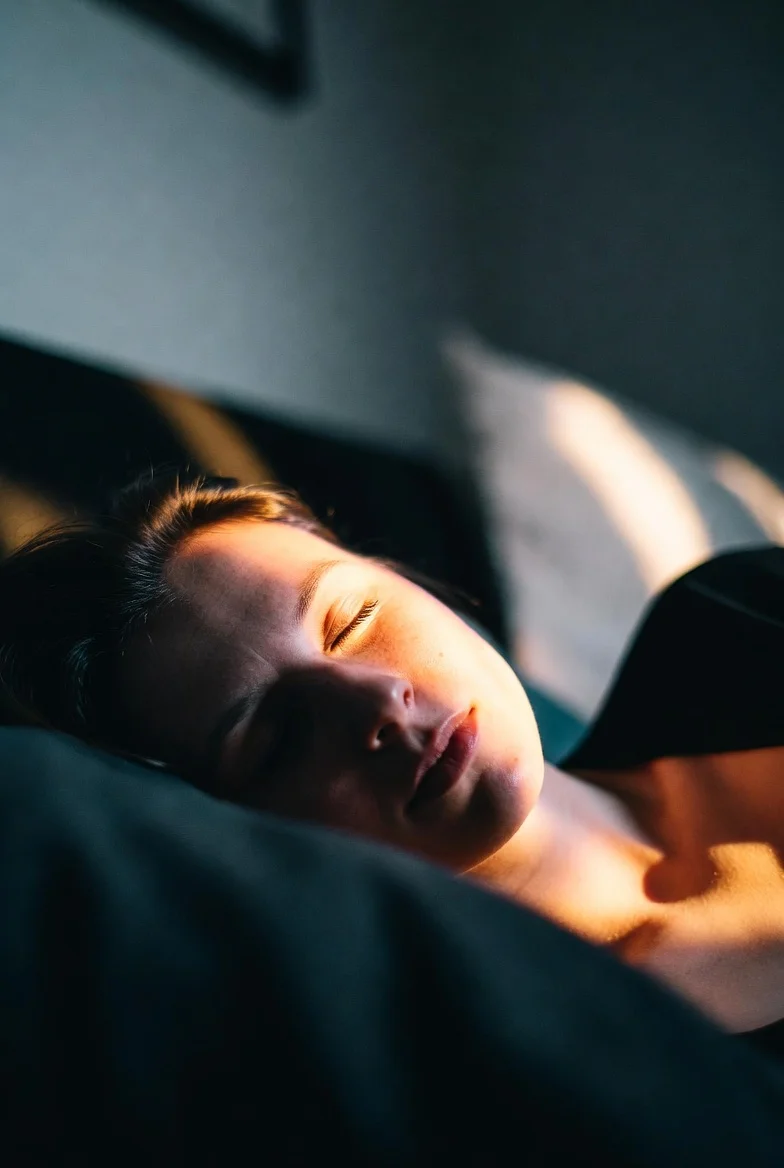
We have all experienced the “tired but wired” phenomenon. When you are looking for how to fall asleep fast when you can’t, the problem is usually a mental loop.
Cognitive Shuffling
This is a “scrambling” technique. Think of a neutral word with at least five letters (e.g., “BEDTIME”).
- Start with B: Visualize as many objects as you can starting with B (Bear, Ball, Boat). Move to the next letter when you run out.
- This prevents the brain from engaging in “analytical” or “anxious” thinking by forcing it to perform simple, non-threatening micro-tasks.
Paradoxical Intention
When you can’t sleep, the effort of trying to sleep creates performance anxiety. How to fall asleep fast when not tired? Try to stay awake. Lie in the dark with your eyes open and tell yourself, “I’m just going to stay awake for five more minutes.” By removing the pressure to fall asleep, the nervous system often relaxes enough to allow sleep to take over.
How to Fall Asleep Fast With Anxiety
Anxiety and sleep have a bidirectional relationship: anxiety makes it difficult to sleep, and lack of sleep increases anxiety. When your mind is racing with “what-ifs,” you need to ground your senses in the present moment.
The 5-4-3-2-1 Grounding Technique
This is the gold standard for how to fall asleep fast with anxiety. It forces the brain to switch from internal “threat monitoring” to external sensory processing.
- 5: Acknowledge five things you see around the room (even in the dark, notice shadows or the glow of a clock).
- 4: Acknowledge four things you can feel (the texture of the sheets, the weight of the duvet, the pillow against your ear).
- 3: Acknowledge three sounds you hear (the hum of the fan, distant traffic, your own breathing).
- 2: Acknowledge two things you can smell.
- 1: Acknowledge one thing you can taste.
The 10-5-3-2-1 Rule for Sleep
Many users ask, “What is the 10 5 3 2 1 rule for sleep?” This is a structural countdown for your entire evening to prevent anxiety from building:
- 10 hours before bed: No more caffeine.
- 5 hours before bed: No more heavy meals or alcohol.
- 3 hours before bed: No more work or stressful emails.
- 2 hours before bed: No more blue light/screens.
- 1 hour before bed: No more “checking” (news, social media, or clocks).
Finger Pressure and Acupressure
There is a common myth asking, “Which finger to press for sleep?” While no single finger acts as a “kill switch,” acupressure points like the Spirit Gate (HT7)—located at the crease of the outer wrist—can be massaged to reduce heart palpitations and anxiety.
How to Fall Asleep Fast With Insomnia
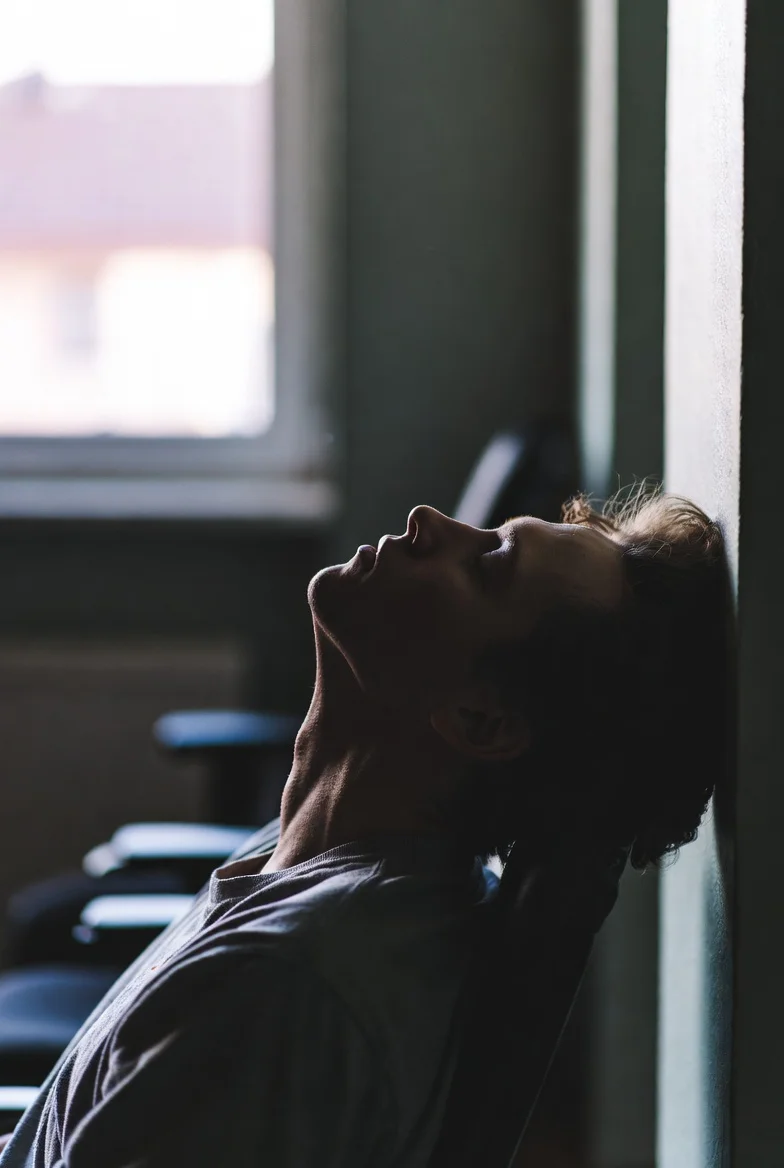
If you have struggled for more than three months, you aren’t just looking for a “hack”; you are dealing with chronic insomnia. When looking for how to fall asleep fast Reddit threads often suggest “CBT-I” (Cognitive Behavioral Therapy for Insomnia), which is the most clinically validated treatment.
The “20-Minute” Rule
If you are wondering how to fall asleep fast with insomnia, the most important rule is to stop trying. If you are still awake after 20 minutes, get out of bed. Go to another room, keep the lights low, and do something boring (like reading a manual or folding laundry). This prevents your brain from associating the bed with the frustration of being awake.
Stimulus Control
The bed should be for sleep and intimacy only. If you work, eat, or watch TV in bed, you weaken the neurological association between the mattress and sleep. By strictly enforcing this boundary, you prime your brain to start the “shutdown” process the moment your head hits the pillow.
How to Fall Asleep Fast With ADHD (Kids & Adults)
The ADHD brain often experiences a “circadian rhythm delay.” For those with ADHD, the brain feels most creative and alert at night, making it incredibly difficult to how to fall asleep fast with adhd.
Managing the “Dopamine Search”
The ADHD brain often stays awake seeking a hit of dopamine from scrolling social media or starting a new project.
- Brown Noise: Unlike White Noise, Brown Noise has a deeper frequency that many with ADHD find more soothing for “quieting the internal chatter.”
- Weighted Blankets: Sensory input is vital. A weighted blanket provides “Deep Pressure Touch,” which can increase serotonin levels and provide a sense of security that allows the brain to switch off.
For Kids with ADHD
When helping how to fall asleep fast for kids with adhd, routine is king, but flexibility is necessary. Use a “visual schedule” so the child knows exactly what comes next. Heavy sensory play (like “bear crawls” or pushing against a wall) 30 minutes before the wind-down can help “get the wiggles out” of the nervous system.
How to Fall Asleep Fast for Kids (Age-Specific)
Children’s sleep needs change drastically as they grow. What works for a toddler will not work for a pre-teen.
Techniques for 11 and 12 Year Olds
If you are researching how to fall asleep fast for 12 year olds or how to fall asleep fast for kids age 11, you are dealing with the onset of puberty. At this age, the circadian rhythm naturally shifts later.
- The “Invisible Ink” Visualization: Have them imagine they are writing their worries on a chalkboard with invisible ink that fades away immediately.
- Screen Boundaries: This is the age where phone usage peaks. Implementing a “central charging station” outside the bedroom is the single most effective way to help a 12-year-old sleep faster.
General Tips for Kids
To how to fall asleep fast for kids, focus on “Sleep Pressure.” Ensure they are physically active during the day. If a child is lying awake, use “Guided Imagery” stories—narrate a slow walk through a magical forest, focusing on the sensory details to help them drift off.
How to Make a Baby Fall Asleep Fast
The key to how to make a baby fall asleep fast is recognizing the “Sleep Window.” Once a baby is overtired, their body produces cortisol, making it nearly impossible for them to settle.
Recognizing Sleep Cues
Don’t wait for crying. Watch for:
- Eye rubbing or pulling at ears.
- Turning away from lights or people.
- Becoming suddenly quiet or still.
The “Layered” Approach
Combine White Noise, a tight (but safe) swaddle, and a dark room. This mimics the environment of the womb. Use a consistent “key phrase” like “Shhh, it’s sleep time,” so the baby associates the sound with the act of falling asleep.
Special Situations: When Sleep Is Disrupted
Life doesn’t always provide the perfect environment for rest. Whether you are battling a fever, crossing time zones, or dealing with the “night-before” jitters, specific interventions can help you how to fall asleep quickly under duress.
How to Fall Asleep Fast When Sick
Congestion and body aches are the primary enemies of sleep during illness. To how to fall asleep fast when sick:
- Elevate Your Head: Use an extra pillow to let gravity drain your sinuses.
- The Humidity Hack: Use a humidifier or take a steamy shower before bed to loosen mucus.
- Targeted Hydration: Sip warm herbal tea with honey; the honey acts as a mild sedative and cough suppressant.
How to Fall Asleep Fast With Jet Lag
Jet lag is a mismatch between your internal clock and the local time. To how to fall asleep fast with jet lag:
- Strategic Fasting: Some studies suggest that fasting for 12–16 hours before your first “local” breakfast can help reset your internal food clock.
- Anchor Sleep: Try to get at least 4 hours of sleep during the local night, even if you have to use a mild, natural sleep aid like magnesium to force the onset.
How to Fall Asleep Fast After Waking Up
If you wake up at 3:00 AM and can’t drift back, how to fall asleep fast after waking up requires avoiding the “blue light trap.” Do not check your phone. Use the Military Method mentioned in Section 3 immediately. If you are still awake after 15 minutes, use the “Cognitive Shuffling” technique from Section 5 to scramble your thoughts.
How to Fall Asleep Fast on Christmas Eve
Excitement triggers dopamine, which is an “alertness” chemical. To how to fall asleep fast on Christmas Eve (for both kids and adults), focus on “ritualizing” the end of the day. A warm bath followed by a repetitive, non-stimulating activity—like reading a physical book—helps signal to the brain that the “event” is over for now and rest is the new priority.
Bellabeat-Inspired Sleep Techniques
In 2026, wearable technology has revolutionized how we understand our rest. Platforms like Bellabeat emphasize that sleep is not just about the hours spent in bed, but about your body’s overall “readiness.”
Mindfulness-Based Sleep Tracking
Following a bellabeat how to fall asleep fast approach involves looking at your biometric data—like Heart Rate Variability (HRV)—to determine your optimal bedtime. If your HRV is low, your body is still stressed, and you may need a longer wind-down period involving meditation or deep breathing.
Data-Driven Bedtime Optimization
Using bellabeat.com how to Fall Asleep Fast resources allows you to sync your sleep habits with your hormonal cycle. For many women, sleep needs change throughout the month. Wearables help you identify these “high-need” nights so you can proactively start your 4-7-8 breathing or military sleep method earlier than usual.
Frequently Asked Questions
How to fall asleep in 10 seconds?
While rare, you can achieve this through the Military Method. Relax your entire face, drop your shoulders, exhale, and clear your mind of all thoughts for 10 seconds by repeating “Don’t think” until you drift off.
How to get sleepy in 1 minute?
Use the 4-7-8 breathing technique. Inhale for 4 seconds, hold for 7, and exhale forcefully for 8. This triggers the Vagus nerve to slow your heart rate and induce a state of calm.
What is the 10-5-3-2-1 rule for sleep?
It is a countdown to bed: 10 hours before (no caffeine), 5 hours (no food/alcohol), 3 hours (no work), 2 hours (no blue light), and 1 hour (no checking phones or news).
Which finger helps you sleep?
There is no “magic finger,” but applying pressure to the Spirit Gate (HT7) point on the crease of your inner wrist, aligned with your pinky finger, is a proven acupressure technique to reduce anxiety-related insomnia.
How do I sleep fast right now?
Perform a Progressive Body Scan. Tense and release every muscle group from your toes to your forehead. Once physically relaxed, use Cognitive Shuffling to imagine a series of unrelated objects to stop your brain from looping on worries.
Conclusion
Ultimately, the secret of how to make yourself fall asleep fast isn’t found in a single “miracle” hack, but in a personalized system. Your brain is an incredible pattern-recognition machine. If you consistently use the Military Method or the 4-7-8 breath, your brain will eventually learn that these physical signals mean “sleep is coming.”
Stop fighting with your pillow and start working with your biology. Experiment with one technique from this guide for at least seven days. Whether it’s the military sleep method for its discipline or cognitive shuffling for its mental distraction, find the tool that quiets your specific brand of nighttime noise.
Authoritative References
1. Sleep Foundation –How to Fall Asleep Fast
2. Harvard Health Publishing – Reprogramming Your Sleep
3. Mayo Clinic – Insomnia: Diagnosis and Treatment
4. National Institute of Neurological Disorders and Stroke (NINDS) –Brain Basics: Understanding Sleep
5. Johns Hopkins Medicine –Up All Night? 6 Tips to Get More Sleep
Related Posts



Subscribe to Our Newsletter
Get mental health tips, updates, and resources delivered to your inbox.
MORE from Author
Read More In my practice as a clinical psychologist, I often observe that the difference between a patient who crumbles under pressure…
- We all have "up" days and "down" days. Perhaps you feel energized after a promotion or sluggish on a rainy…


 To define bipolar disorder accurately, we must look at it as a chronic mood dysregulation condition. In psychology and medicine,…
 To answer whether bipolar fits the bill, we first have to define what a neurodivergent person actually is. The term…

Are you looking for a Therapist?
Connect with qualified mental health professionals who understand
bipolar disorder, mood changes, and emotional challenges.
Private • Supportive • Confidential