
Does Abilify Cause Weight Gain? What to Expect, Why It Happens, and How to Reduce the Risk

Medically reviewed by Carolina Estevez, Psy.D Updated Date: March 28, 2026

If you have been prescribed Abilify, you are likely navigating a complex mental health journey, whether it be for bipolar disorder, major depression, or schizophrenia. Along with the hope for stability often comes a significant worry: Does Abilify cause weight gain?
In the world of psychiatric medicine, weight gain is more than just a cosmetic concern; it is a metabolic hurdle that can impact your heart health, your self-esteem, and your willingness to stay on life-saving medication. For years, Abilify (aripiprazole) was marketed as the “weight-neutral” alternative to older antipsychotics. However, as millions of patients have shared their stories, the reality has proven to be more nuanced.
The short answer is: Abilify can cause weight gain in some people, though it is generally associated with less weight gain than many other antipsychotic medications. This guide will dive deep into the clinical data, the biological “why,” and the actionable strategies you can use to protect your metabolic health while stabilizing your mood.
What Is Abilify and Why Is It Prescribed?
Abilify is the brand name for aripiprazole, a medication classified as an “atypical antipsychotic” or a second-generation antipsychotic (SGA). Unlike older medications that simply blocked dopamine, Abilify is a “dopamine partial agonist.”
Think of it as a thermostat: if dopamine levels are too high (mania/psychosis), it turns them down; if they are too low (depression), it nudges them up.
FDA-Approved Indications
Because of its unique “balancing” mechanism, the FDA has approved Abilify for a wide range of conditions:
- Bipolar I Disorder: To treat acute manic or mixed episodes and for long-term maintenance.
- Major Depressive Disorder: As an “adjunct” (add-on) treatment when antidepressants alone aren’t enough.
- Schizophrenia: To manage hallucinations and delusions.
- Irritability in Autism: Specifically for children and adolescents.
- Tourette’s Disorder: To help manage motor and vocal tics.
The “Weight-Neutral” Reputation
In the early 2000s, Abilify was hailed as a breakthrough because it didn’t cause the massive, rapid weight gain seen with medications like olanzapine (Zyprexa) or quetiapine (Seroquel). In the hierarchy of psychiatric drugs, it is still considered one of the lower-risk options for your waistline. However, “lower risk” does not mean “no risk.” For many, the metabolic impact is subtle but cumulative.
Does Abilify Cause Weight Gain or Weight Loss?
One of the most confusing aspects of starting this medication is that you will find conflicting reports online. Some users report gaining 30 pounds, while others ask, “does abilify cause weight loss?” because they actually lost their appetite.
The Paradox of Choice
Abilify’s effect on weight is bi-directional, meaning it can go either way depending on your unique biology:
- Why Some Gain: For the majority of those who experience weight changes, the scale goes up. This is usually due to increased appetite or changes in how the body processes insulin.
- Why Some Lose: A smaller percentage of users experience nausea or a “metallic taste” in the mouth when they first start Abilify. This can lead to a temporary decrease in caloric intake and weight loss.
- The Individual Metabolic Response: Your “metabolic starting point” matters. If you are switching to Abilify from a drug that caused massive weight gain (like Zyprexa), you will likely lose weight because Abilify is less metabolically taxing. If Abilify is your first psychiatric med, you are more likely to see the numbers on the scale creep up.
How Much Weight Do People Gain on Abilify?
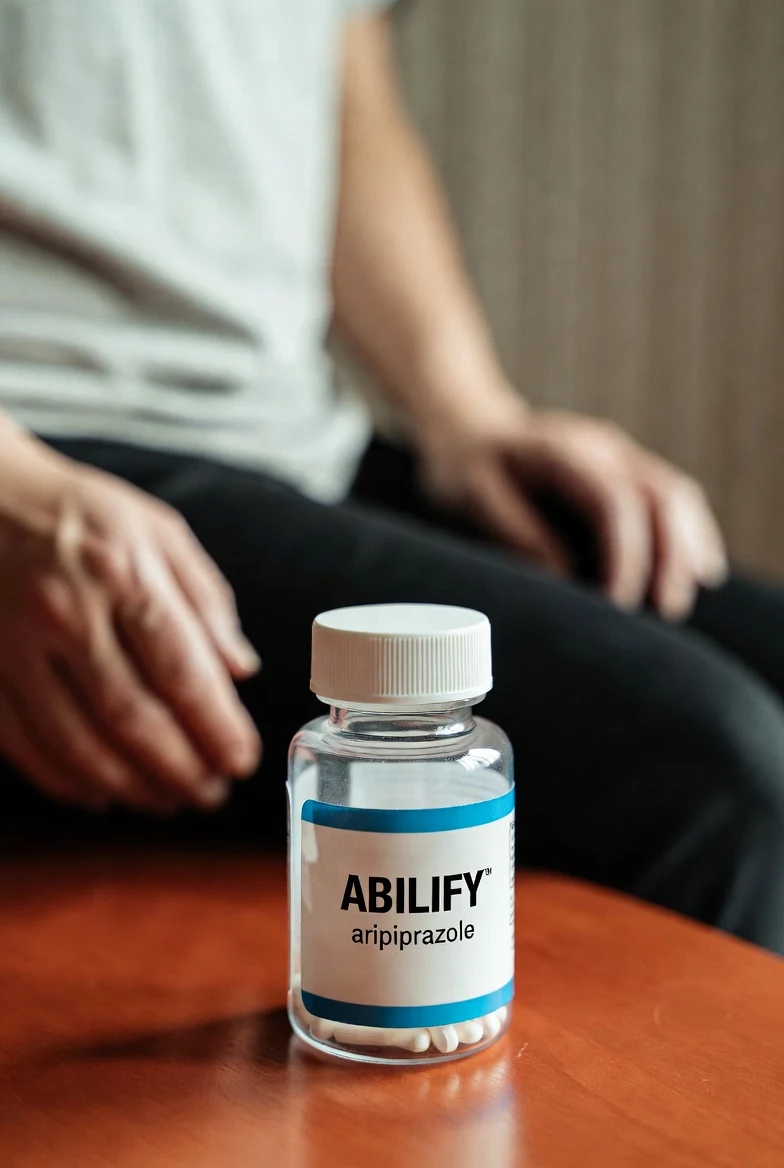
When patients ask, “how much weight do people gain on abilify?” they are usually looking for a number to prepare for. Clinical trials provide a ballpark, but the “standard deviation” is wide.
The Clinical Data
Research suggests that “clinically significant” weight gain—defined as an increase of 7% or more of your baseline body weight—occurs in about 7% to 10% of adults taking Abilify.
- The Average: Most studies show an average gain of 2 to 5 pounds (1–2 kg) over a six-month period.
- The Time Course: The risk is highest during the first 3 to 6 months of treatment. If your weight has remained stable after six months on the drug, you are likely in the “weight-neutral” group.
- Dose and Diagnosis: Interestingly, weight gain seems more pronounced in patients using Abilify for Major Depressive Disorder (where it is used at low doses) compared to those using it for Schizophrenia (at high doses).
Weight Change Comparison Table (Estimates)
| Time Period | Average Weight Change | % of Users with >7% Gain |
| 4–8 Weeks | +1.5 lbs | ~3% |
| 6 Months | +4.2 lbs | ~8% |
| 1 Year | +5.5 lbs | ~10% |
Note: Does Abilify cause weight gain in adults more than children? Actually, the reverse is true. Children and adolescents are much more sensitive to the metabolic shifts caused by aripiprazole.
Why Does Abilify Cause Weight Gain? (Mechanisms Explained)
To effectively fight weight gain, we have to understand the “invisible” ways the drug changes your body. It isn’t just about “willpower.”
Appetite Signaling (The “Munchies”)
Abilify interacts with H1 histamine receptors and 5-HT2C serotonin receptors in the brain. When these receptors are affected, the brain’s “I’m full” signal gets muffled. You might find yourself reaching for “carb-heavy” snacks or feeling like you can never quite reach satiety after a meal.
Insulin Sensitivity
Antipsychotics can interfere with how your cells respond to insulin. Even if you aren’t eating more, your body might become slightly more efficient at storing fat and less efficient at burning glucose. This can lead to increased abdominal fat over time.
Sedation and Activity Changes
While Abilify is often described as “activating” (giving you energy), it can cause sedation or fatigue in some. A subtle decrease in “NEAT” (Non-Exercise Activity Thermogenesis)—the small movements like fidgeting or walking around the house—can create a caloric surplus that results in slow weight gain.
Most Common Side Effects of Abilify
Weight gain is just one piece of the puzzle. When evaluating what is the most common side effect of abilify, we have to look at the “big three” that most patients encounter:
- Akathisia: This is an inner sense of restlessness. You feel like you must move your legs or pace the floor. It is the most common reason people stop taking Abilify.
- Nausea and GI Upset: Usually occurs in the first two weeks as the body adjusts.
- Insomnia or Somnolence: Depending on your chemistry, it will either make you feel “wired” at night or drowsy during the day.
While metabolic shifts (increased cholesterol or blood sugar) are common side effects, they are statistically much lower with Abilify than with almost any other atypical antipsychotic.
Weight Gain by Dose: Does Low-Dose Abilify Still Cause Weight Gain?
A common misconception in psychiatric medicine is that “low dose” equals “no side effects.” Many patients are prescribed a small amount of aripiprazole—often to boost the effects of an antidepressant—and are surprised when they notice a change in their appetite.
Abilify Weight Gain at 2 mg
When we look at Abilify weight gain at 2 mg, the data is surprisingly clear: even at these “baby doses,” the medication is pharmacologically active in the brain’s reward centers.
- The “Booster” Effect: At 2 mg or 5 mg, Abilify is often used as an adjunct for Major Depressive Disorder (MDD). Patients in this category sometimes report more weight gain than those on higher doses because the drug’s dopamine-balancing act can significantly increase the “reward” feeling of eating high-carb, high-fat foods.
- Metabolic Impact: Low-dose Abilify and metabolism are still intertwined. Even a small amount can block certain serotonin receptors that regulate satiety, making you feel “snackier” throughout the day.
Dose vs. Risk
While higher doses (15 mg to 30 mg) are used for schizophrenia and have a higher total metabolic load, the rate of weight gain often plateaus. If you are starting at 2 mg, do not assume you are “safe” from weight changes; instead, use the lower dose as an opportunity to establish healthy habits early.
Does Abilify Cause Weight Gain in Children and Teens?
This is an area of high concern for parents. Does Abilify cause weight gain in children more aggressively than in adults? Unfortunately, the clinical answer is yes.
Pediatric Sensitivity
Children and adolescents have developing endocrine systems that are highly sensitive to antipsychotic medications.
- Growth vs. Fat: It can be difficult for parents to distinguish between a “growth spurt” and medication-induced weight gain. However, studies show that pediatric patients are at a higher risk for significant increases in BMI and waist circumference on aripiprazole.
- The “Hunger” Factor: Teens often report an “insatiable” hunger on Abilify. Because their impulse control centers are still maturing, managing the “Abilify munchies” can be an uphill battle.
- Monitoring: For pediatric patients, doctors should monitor height, weight, and waist circumference at every visit, along with fasting glucose and lipid panels every 6 months.
What Real Users Say: Abilify Weight Gain on Reddit
If you search “does abilify cause weight gain reddit,” you will find thousands of personal anecdotes. While Reddit is not a clinical source, it provides a window into the “lived experience” of the drug.
Common Themes from User Reports
- The “Bottomless Pit”: A frequent theme on how to avoid weight gain on abilify reddit threads is the description of “mental hunger”—feeling hungry even when the stomach is physically full.
- Success Stories: There are also many users who report that by staying active and prioritizing protein, they managed to stay at their baseline weight or even lose weight.
- The “Switch” Strategy: Many Redditors discuss switching from Seroquel or Zyprexa to Abilify and describe Abilify as a “godsend” for weight management by comparison.
The Lesson: Take anecdotal evidence with a grain of salt. People are more likely to post when they have a negative experience (weight gain) than when they have a neutral one.
How to Avoid Weight Gain on Abilify
If you are starting Abilify, you are not helpless. You can “front-run” the side effects with a proactive metabolic plan.
Prioritize Protein and Fiber
Since Abilify messes with satiety signals, you need to eat foods that physically keep you full longer.
- The Goal: Aim for 25–30 grams of protein at every meal. This helps stabilize blood sugar and counters the “carb cravings” the drug can induce.
- Fiber: High-fiber vegetables act as a “volume filler” in the stomach, sending mechanical signals to the brain that you are full.
Manage the “Nighttime Munchies”
Many users find that Abilify-induced hunger peaks in the evening.
- Strategy: Establish a “kitchen closed” time. If you must snack, choose high-protein options like Greek yogurt or a small piece of turkey rather than chips or sweets.
Strategic Activity
You don’t need to run a marathon, but you do need to move.
- NEAT: Focus on “Non-Exercise Activity.” Take the stairs, use a standing desk, or go for a 10-minute walk after meals. This helps combat the subtle “sedation” that slows down your metabolism.
Lab Monitoring is Non-Negotiable
Ways to reduce Abilify-related weight gain include staying on top of your blood work. Ask your doctor for:
- HbA1c: To monitor blood sugar.
- Lipid Panel: To track cholesterol.
- Fasting Insulin: Often an early warning sign of metabolic shift before the weight even appears.
Is There an Alternative to Abilify That Doesn’t Cause Weight Gain?

If the weight gain becomes unmanageable or affects your health, there are other options. Is there an alternative to Abilify that doesn’t cause weight gain?
While no antipsychotic is 100% “weight-free” for everyone, these are generally considered the “leanest” options:
- Latuda (lurasidone): Often cited as having the lowest weight-gain profile in the class.
- Geodon (ziprasidone): Very weight-neutral, though it must be taken with a 500-calorie meal to be absorbed.
- Vraylar (cariprazine): A newer medication that, like Abilify, is a partial dopamine agonist and tends to be weight-friendly.
- Lybalvi: A newer combination of olanzapine and samidorphan (an opioid antagonist designed specifically to block the weight gain associated with antipsychotics).
When Weight Gain May Signal a Medical Issue
Not all weight gain on Abilify is “just the drug.” If you experience the following clinical red flags, contact your doctor immediately:
- Rapid Gain: Gaining more than 5 pounds in a single week (this could be fluid retention or a severe metabolic reaction).
- Extreme Thirst/Urination: These are signs of high blood sugar (hyperglycemia) or the onset of Type 2 Diabetes.
- Persistent Fatigue: While the drug can be sedating, extreme lethargy could indicate a thyroid shift or a significant change in blood pressure.
Conclusion: Balancing Mood and Metabolism
The question “Does Abilify cause weight gain?” has a complex answer. For most, the gain is modest and manageable. For a small group, it can be significant. However, compared to the “heavy hitters” in psychiatry, Abilify remains one of the best tools we have for maintaining mental stability without sacrificing physical health.
By staying proactive with your nutrition, monitoring your labs, and having honest conversations with your psychiatrist, you can harness the benefits of Abilify while keeping your metabolic health in check.
Primary Clinical References
- National Institutes of Health (NIH) – Aripiprazole (Abilify) Metabolic Profile
- The Lancet Psychiatry – Comparative Efficacy and Tolerability of Antipsychotics
- FDA – Abilify (aripiprazole) Medication Guide & Prescribing Information
- Mayo Clinic – Aripiprazole (Oral Route) Side Effects
- Journal of the American Academy of Child & Adolescent Psychiatry (JAACAP)

Related Posts




Subscribe to Our Newsletter
Get mental health tips, updates, and resources delivered to your inbox.
MORE from Author
Read More Watching someone you care about struggle with bipolar depression and anxiety can be heartbreaking. You may notice that they withdraw…
 In my practice as a clinical psychologist, I often observe that the difference between a patient who crumbles under pressure…
 We all have "up" days and "down" days. Perhaps you feel energized after a promotion or sluggish on a rainy…
 To define bipolar disorder accurately, we must look at it as a chronic mood dysregulation condition. In psychology and medicine,…
Are you looking for a Therapist?
Connect with qualified mental health professionals who understand
bipolar disorder, mood changes, and emotional challenges.
Private • Supportive • Confidential