
Which Medication Is Indicated For Treating Obsessive-Compulsive Disorder (OCD)?

Medically reviewed by Laura Athey Updated Date: April 30, 2026
In my practice as a clinical psychologist, I often work with individuals who feel as though their own minds have become a prison of intrusive thoughts and ritualistic behaviors. For many, the weight of these obsessions is so heavy that engaging in traditional psychotherapy feels nearly impossible. This is where the discussion of what medications are used to treat obsessive-compulsive disorder becomes vital.
As a clinician, I view medication not as a “cure” but as a powerful tool that can lower the “noise” of obsessive thoughts and reduce the physiological urge to perform compulsions. When the brain’s alarm system is constantly firing, medication helps turn down the volume, creating the mental space necessary for a patient to engage in exposure and response prevention (ERP) therapy.
FDA-approved medications for OCD are evidence-based, safe, and, when monitored by a skilled psychiatrist or physician, can be the catalyst that moves a patient from a state of paralysis to a state of active recovery.
FDA-Approved Medications for OCD
When we discuss which medication is indicated for treating obsessive-compulsive disorder, we are primarily looking at two classes: Selective Serotonin Reuptake Inhibitors (SSRIs) and one specific tricyclic antidepressant (TCA).
While many medications are used for depression and general anxiety, the FDA has cleared a specific list of medications approved for OCD based on rigorous clinical trials demonstrating their efficacy for this particular “stutter” in the brain’s circuitry.
First-Line SSRIs for Adult OCD
The following FDA-approved SSRIs for OCD are the standard starting point for treatment:
- Fluoxetine (Prozac): Often chosen for its long half-life, which can be helpful for patients who may occasionally miss a dose.
- Fluvoxamine (Luvox): Historically, one of the first medications specifically marketed for OCD; it is unique among SSRIs for its specific binding profile.
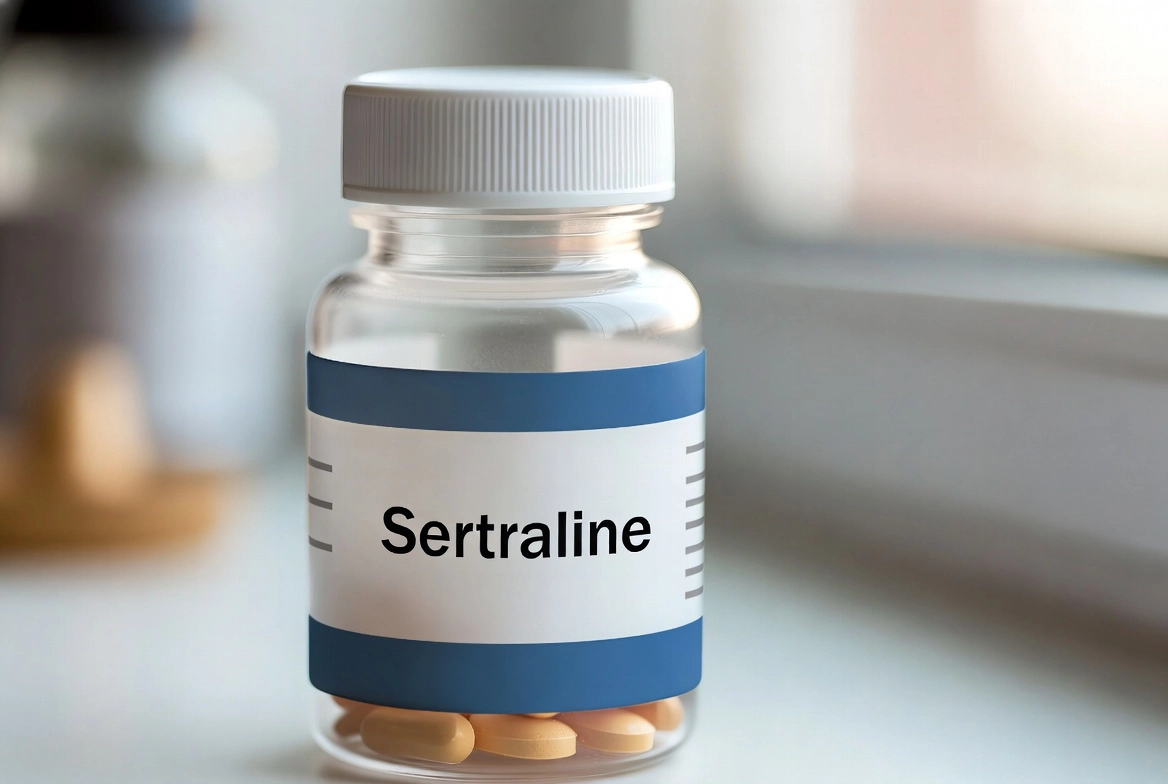
- Sertraline (Zoloft): Frequently used due to its high tolerability and safety profile across various age groups.
- Paroxetine (Paxil): A potent SSRI that is effective but requires careful tapering due to its shorter half-life.
The Tricyclic Gold Standard: Clomipramine
Clomipramine (Anafranil) holds a unique place in the history of OCD treatment. It was the first medication FDA-approved for OCD. While it is not an SSRI, it is highly serotonergic. In my experience, clomipramine is sometimes more potent than SSRIs for severe cases, though it often comes with a more significant side-effect profile, which we will discuss later.
In my practice, I often observe a “frustration gap” where patients want to stop their medication after two weeks because they don’t feel “different.”
The Nuance: I worked with a patient, “James,” who was struggling with severe checking compulsions. He almost quit his sertraline at week three because his intrusive thoughts were still present. I explained that, unlike a headache pill that works in 30 minutes, OCD medication is about neuroplasticity.
It takes 8 to 12 weeks for the brain to actually begin remodeling its serotonin receptors and for the executive function to regain control over the hyperactive amygdala. Once James understood that the “lag” was a sign of biological construction, he stayed the course and saw a 40% reduction in symptoms by month three.
Choosing the Best Medication for OCD
Selecting the best medication for obsessive-compulsive disorder is not a “one-size-fits-all” process. It requires a deep understanding of the patient’s biological makeup, their specific symptom “theme,” and their unique lifestyle.
To understand the “Why” behind the psychology and biology of these choices, we must look at how these drugs interact with the brain’s “gear shifter.”
The Biology: Serotonin and the CSTC Loop
To understand why SSRIs are the most effective medication for OCD, we have to look at the Cortico-Striatal-Thalamo-Cortical (CSTC) loop. In an OCD brain, this loop is “stuck.” The orbital frontal cortex (the alarm) sends a signal, but the caudate nucleus (the gear-shifter) fails to move the thought along.
By increasing the availability of serotonin in the synapses, these medications strengthen the “signal-to-noise” ratio in the brain. Essentially, higher levels of serotonin help the “gear-shifter” function more smoothly.
This doesn’t stop the thoughts from entering the mind—everyone has intrusive thoughts—but it gives the brain the chemical “grease” it needs to let the thought pass through without getting stuck in a compulsive loop.
Tailoring to the Symptom Profile
The best medication for obsessive thoughts might differ depending on what else is happening in the patient’s life.
- For the “High-Arousal” Patient: If a patient has comorbid panic attacks or severe physical restlessness, a more sedating or stabilizing SSRI like paroxetine or fluvoxamine might be considered.
- For the “Low-Energy” Patient: If OCD has led to secondary depression and lethargy, a more “activating” SSRI like fluoxetine might be the best medication for obsessive disorder to help them find the energy to engage in therapy.
- For the “Refractory” Patient: If two or more SSRIs have failed, we often move to clomipramine. The “Why” here is biological: clomipramine hits the serotonin system with a “sledgehammer” rather than a “scalpel,” often breaking through where others could not.
The Role of Tolerability and Side Effects
In the clinical decision-making process, “effectiveness” is useless if the patient cannot tolerate the drug. We look at the “side effect to benefit” ratio. For instance, if a patient is a professional athlete, we might avoid medications that cause significant weight gain or lethargy.
If a patient already struggles with sleep hygiene or circadian rhythm disruption, we avoid SSRIs that are known to cause significant insomnia unless paired with a behavioral sleep plan.
| Medication | Primary Benefit | Key Consideration |
| Sertraline | High safety profile | GI upset is common early on |
| Fluoxetine | Long half-life (missed dose safety) | Can feel “jittery” or too activating |
| Fluvoxamine | Highly specific for OCD | Frequent drug-drug interactions |
| Clomipramine | Potent efficacy | Higher risk of dry mouth, sedation, and constipation |
Ultimately, the “best” medication is the one that allows the patient to feel enough relief that they can finally face their fears in ERP therapy without being overwhelmed by a “tsunami” of anxiety.
Off-Label and Adjunct Medications
For many, a single FDA-approved drug is not enough. This brings us to the realm of “augmentation” or off-label use. What medications are used to treat obsessive-compulsive disorder when first-line treatments fail?
- Antipsychotic Augmentation: Adding a low dose of an atypical antipsychotic like risperidone or aripiprazole can be the best medication for OCD and anxiety when symptoms are severe. These drugs work on the dopamine system, which we now know plays a secondary but vital role in the “reward” feeling a patient gets from performing a compulsion.
- SNRIs: While not first-line, Venlafaxine (Effexor) is sometimes used off-label as a powerful serotonergic and noradrenergic agent.
- The Case of Imipramine: You may wonder about imipramine. While it is a tricyclic like clomipramine, it is much less effective for OCD specifically because it doesn’t target the serotonin system as aggressively. It is rarely the first choice for obsessive thoughts today.
- OCD and ADHD: Finding the best medication for OCD and ADHD is a delicate balance. Stimulants for ADHD can sometimes worsen OCD tics or obsessions. In these cases, we often prioritize stabilizing the OCD first or using non-stimulant ADHD meds like atomoxetine.
OCD Medication Dosages and Titration
One of the most common pitfalls I see in the clinical management of OCD is underdosing. Because the brain’s “serotonin system” in OCD is significantly more stubborn than it is in major depression, we often must use OCD medication dosages that are two to three times higher than what is standard for other conditions.
In my practice, I utilize a “Start Low, Go Slow, but Go High” philosophy. We begin at a low dose to allow the gastrointestinal system and brain to acclimate, then systematically titrate upward until we reach the “therapeutic window.” For many adults, a dose that treats depression effectively will barely touch the surface of a deep-seated obsession.
| Medication | Starting Adult Dose | Typical Target for OCD | Maximum Dose (supratherapeutic may vary) |
| Sertraline (Zoloft) | 50 mg | 200 mg | Up to 400 mg* |
| Fluoxetine (Prozac) | 20 mg | 40–60 mg | Up to 80–120 mg* |
| Fluvoxamine (Luvox) | 50 mg | 200–300 mg | 300 mg |
| Paroxetine (Paxil) | 20 mg | 40–60 mg | 60–80 mg* |
Medication Side Effects
A significant part of my role is helping patients navigate the side-effect profile of these drugs. Do medications help with OCD? Yes, but they are not without cost. Understanding what to expect can prevent premature discontinuation, which is the leading cause of “treatment failure.”
Common SSRI Side Effects
Most patients will experience transient “startup” effects such as mild nausea, headache, or jitteriness. These usually resolve within 10–14 days. However, long-term side effects can include:
- Sexual Dysfunction: Reduced libido or delayed orgasm is common and often requires a dose adjustment or “add-on” medication.
- Weight Changes: While SSRIs vary, some can lead to modest weight gain over time.
- Sleep Disturbances: Some medications are activating (insomnia), while others are sedating.
The Clomipramine Difference
Because clomipramine is an older tricyclic, it has “anticholinergic” side effects. Patients often report dry mouth, blurred vision, constipation, and significant sedation. In my practice, I emphasize that these aren’t signs the drug is “bad” but rather a reflection of its broad impact on multiple neurotransmitter systems.
Comparing SSRIs for OCD
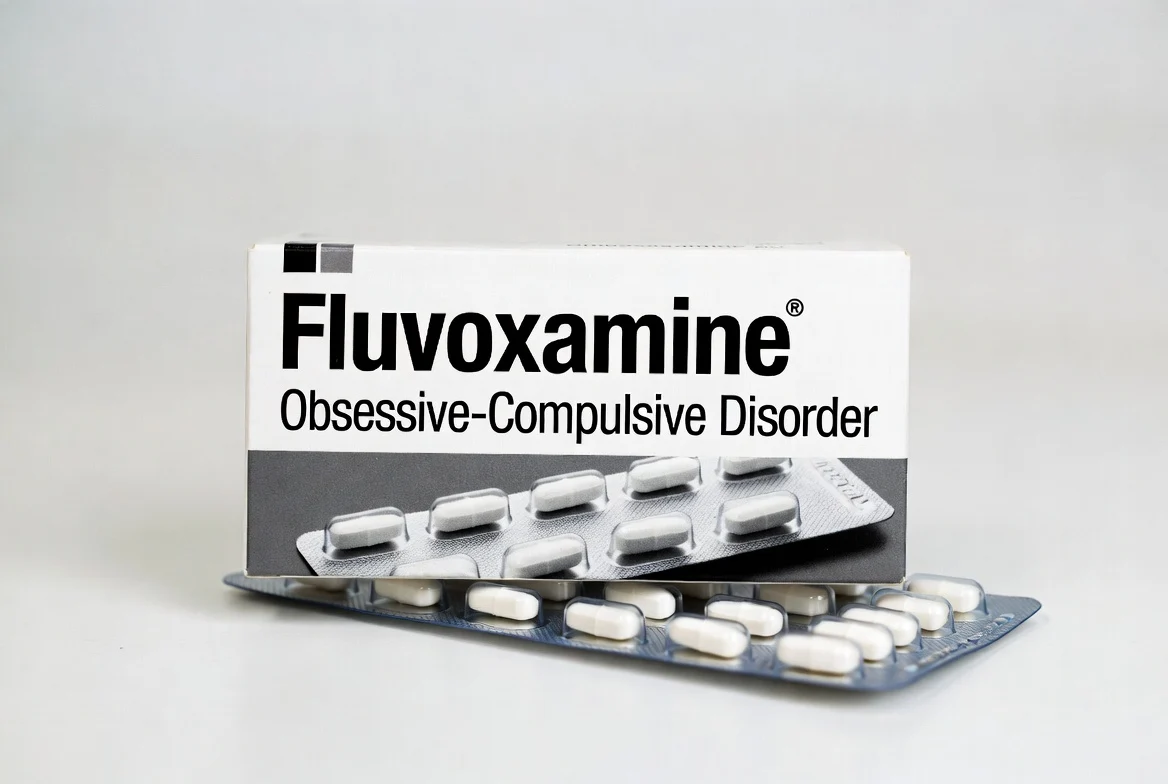
When patients ask, “medications approved for OCD“ the answer is often found in their personal medical history rather than a head-to-head study, as most SSRIs show comparable efficacy.
- Sertraline (Zoloft): Often my first choice for patients who are concerned about weight gain or those who prefer a medication with a well-established safety profile.
- Fluvoxamine (Luvox): Unique because it is specifically indicated for OCD. It is often dosed at night because it can be sedating, which is helpful for patients whose obsessions keep them awake.
- Escitalopram (Lexapro): Though not specifically FDA-approved for OCD (unlike its cousin Citalopram), it is frequently used off-label because it has the “cleanest” side-effect profile with the fewest drug-drug interactions.
In my experience, if a patient doesn’t respond to one SSRI, there is still a 30% chance they will respond to a second one. We don’t give up after the first trial.
Integrating Medications with Therapy
The most important takeaway for anyone considering how obsessive-compulsive disorder is treated is this: medication is the floor, not the ceiling.
OCD treatment is most effective when medication is paired with exposure and response prevention (ERP). Think of the medication as a “chemical shield.” It lowers the intensity of the anxiety so that when we do an exposure—such as touching a “dirty” surface and not washing—the anxiety is a 5/10 rather than a 10/10. This allows the brain to stay in the situation long enough for neuroplasticity to occur.
In my practice, I’ve found that patients who rely only on medication have a much higher relapse rate if they ever stop the drug. However, those who use medication to “get through the door” of ERP therapy develop the mental muscles needed for lifelong recovery.
Frequently Asked Questions
What is the best medication for obsessive-compulsive disorder?
There is no single “best” med, but SSRIs are considered the first-line gold standard due to their balance of efficacy and safety.
How long do I have to take these?
For a first episode, I typically recommend staying on medication for 12–18 months after reaching remission to allow the brain’s neural pathways to stabilize.
Do medications help with OCD intrusive thoughts?
Yes. They don’t make the thoughts disappear entirely (everyone has weird thoughts), but they make the thoughts feel “less sticky,” allowing you to dismiss them without doing a compulsion.
Conclusion
Navigating OCD medication treatment is a marathon, not a sprint. While SSRIs and clomipramine are powerful tools for managing the biological “glitch” of OCD, they work best when used as part of a collaborative, multimodal plan.
If you are struggling, remember that the goal is functional remission—returning to a life where you, not your obsessions, are in the driver’s seat.
References & Resources
- International OCD Foundation (IOCDF): Medication Guide
- Postgraduate Institute for Medicine: SSRI Dosing Beyond FDA Guidelines
- Stanford Medicine: OCD Pharmacotherapy Overview
- Bipolar Lives: Expert Psychologist Articles

Related Posts




Subscribe to Our Newsletter
Get mental health tips, updates, and resources delivered to your inbox.
MORE from Author
Read More Watching someone you care about struggle with bipolar depression and anxiety can be heartbreaking. You may notice that they withdraw…
 In my practice as a clinical psychologist, I often observe that the difference between a patient who crumbles under pressure…
 We all have "up" days and "down" days. Perhaps you feel energized after a promotion or sluggish on a rainy…
 To define bipolar disorder accurately, we must look at it as a chronic mood dysregulation condition. In psychology and medicine,…
Are you looking for a Therapist?
Connect with qualified mental health professionals who understand
bipolar disorder, mood changes, and emotional challenges.
Private • Supportive • Confidential