
High-Functioning BPD: Symptoms, Relationships, Diagnosis, and Treatment

Medically reviewed by Laura Athey Updated Date: April 29, 2026

Living with a personality disorder often feels incredibly isolating. It feels even worse when nobody believes you are struggling. In my clinical practice, I frequently treat individuals with high-functioning BPD. From the outside, their lives look absolutely perfect.
They hold demanding jobs and maintain social calendars. Yet, internally, they battle a constant storm of emotional pain. This condition deeply impacts self-worth and intimate connections. Therefore, understanding the hidden signs is vital for healing.
First of all, I want to validate your experience if this sounds familiar. Let’s thoroughly explore the symptoms, relationship dynamics, and treatments for high-functioning borderline personality disorder together.
What Is High-Functioning BPD?
So, what exactly is high-functioning BPD? First, we must understand that it is not an official DSM-5-TR diagnosis. Instead, it is an informal, yet highly useful, clinical description. We use the term “high-functioning borderline personality disorder“ to describe a very specific patient presentation.
These individuals function remarkably well externally. They rarely show the explosive anger typically associated with the disorder. However, they struggle immensely internally. They essentially direct all their borderline symptoms inward.
Consequently, they experience the same intense emotional pain, but they hide it flawlessly. They often suffer from a chronic sense of emptiness. Furthermore, their self-image remains incredibly fragile despite their outward success.
Many individuals with high-functioning BPD appear wildly successful professionally. Yet, they experience intense emotional instability privately. In my practice, I notice a profound link between masking behaviors and executive function depletion.
Masking requires massive cognitive effort. As a result, these patients often experience severe “emotional hangovers” or burnout after socializing. Their prefrontal cortex is simply exhausted from regulating their hidden distress.
What Does High-Functioning BPD Look Like in Daily Life?

You might wonder, what does high-functioning BPD look like on a typical Tuesday? It looks like a masterclass in emotional masking. These individuals are usually the “responsible ones” in their friend group.
They excel at maintaining employment, often becoming workaholics to distract themselves. Furthermore, they display incredible emotional masking in public spaces. However, this is paired with brutal, high self-criticism.
A Day With High-Functioning BPD
Let me give you a realistic scenario. Sarah presents a calm appearance at work during a stressful meeting. She leads her team flawlessly. Later, she experiences severe emotional overwhelm after receiving minor, constructive criticism from her boss.
Finally, she battles crippling relationship anxiety at night, convinced her partner will leave her. This hidden cycle repeats daily.
High-Functioning BPD Symptoms
Identifying high-functioning BPD symptoms requires looking beneath the surface. Because the distress is hidden, the high-functioning BPD symptoms often look like high-achieving anxiety or depression.
However, a core symptom is still high-functioning BPD splitting. Splitting means seeing people or situations as entirely good or entirely bad. They might silently idolize a new friend, only to secretly devalue them over a perceived slight.
Symptom Comparison Table
| External Behavior | Internal Experience |
| Appears stable and calm | Feels chaotic and out of control |
| Highly productive at work | Feels a chronic sense of emptiness |
| Calm and collected in public | Emotional meltdowns in private |
| Responsible and dependable | Intense, hidden fear of abandonment |
Let me share an anonymized clinical story. I worked with “David,” a successful lawyer. He came to therapy for “mild stress.” He was the reliable rock for his family. However, his neuroplasticity was stuck in a trauma response.
He lived in constant, hidden terror that his wife would abandon him. We used targeted DBT skills to help him articulate his fears instead of silently spiraling. Consequently, recognizing these hidden symptoms saved his marriage.
High-Functioning BPD vs Typical BPD
Understanding high-functioning bpd vs bpd is crucial for proper diagnosis. Both share the same core fears and emotional intensity. However, the outward manifestation differs drastically.
Typical BPD often involves visible self-harm, volatile public outbursts, or rapid job loss. In contrast, high-functioning individuals internalize the chaos. They maintain their social mask at a severe cost to their internal peace.
Feature Comparison
| Feature | High-Functioning BPD | Typical BPD |
| Employment | Often stable; may overwork | Often unstable or erratic |
| Social Image | Carefully maintained | Often publicly disrupted |
| Emotional Regulation | Poor internally; hidden | Poor externally; visible |
High-Functioning BPD in Relationships
Navigating high-functioning BPD relationships is uniquely complex. The partner often feels confused by the sudden shifts behind closed doors. The core issue remains a massive fear of abandonment.
However, the coping mechanism is different. They use intense emotional masking and relationship perfectionism. They try to be the “perfect partner” to prevent rejection.
The High-Functioning BPD Mother
A high-functioning BPD mother often shows extreme over-responsibility. She micromanages her children’s lives to feel in control. Consequently, she suffers from severe emotional exhaustion, often crying alone after the kids are asleep.
The High-Functioning BPD Wife/Partner
A high-functioning BPD wife or partner may show high caretaking behaviors initially. However, this is usually followed by sudden, confusing emotional withdrawal cycles. She might silently split on her partner, withdrawing affection without explaining why.
Discouraged, Quiet, and High-Functioning BPD: Are They the Same?
Patients frequently ask about discouraged/quiet/high-functioning BPD. Are they identical? The short answer is no, but significant overlap exists. They all involve internalizing symptoms rather than acting out.
Quiet BPD specifically focuses on turning anger and distress inward, often resulting in self-isolation. Discouraged BPD is characterized by heavy dependence and self-doubt. High-functioning BPD specifically emphasizes the ability to maintain external, societal success despite the internal pain.
| Subtype | Primary Pattern |
| Quiet BPD | Internalized distress and anger |
| Discouraged BPD | Deep self-doubt and dependency |
| High-Functioning BPD | Maintaining external stability and success |
How Is High-Functioning BPD Diagnosed?
First of all, receiving a high BPD diagnosis requires a highly skilled professional. You cannot simply diagnose yourself online. A comprehensive psychiatric interview is always the very first step.
Next, we carefully utilize specific DSM-5-TR evaluation tools. However, we must also look closely at your functional assessment. We need to uncover the hidden high-functioning BPD criteria behind your successful mask.
Clinicians look for an intense fear of abandonment hidden behind perfectionism. We also assess your internal emotional regulation skills. Ultimately, we must differentiate your internal pain from standard anxiety or depression.
What Happens If High-Functioning BPD Is Untreated?
You might naturally wonder: What happens if you have high-functioning BPD and ignore it? The long-term risks of leaving it untreated are remarkably severe. You cannot outwork a personality disorder forever.
First, profound emotional burnout usually occurs. Your brain simply cannot sustain the energy required for constant masking. Consequently, you might face a complete emotional collapse eventually.
Furthermore, severe relationship strain is almost inevitable. Your loved ones will likely feel confused by your sudden emotional withdrawals. Therefore, seeking professional help is absolutely essential for your long-term health.
High-Functioning BPD Treatment Options
Fortunately, high-functioning BPD treatment is highly effective today. Therefore, you have several incredible, evidence-based options available. You do not have to suffer in silence forever.
Dialectical Behavior Therapy (DBT) remains the absolute gold standard for treatment. DBT actively rewires your brain’s neuroplasticity over time. It specifically teaches physical distress tolerance and vital emotional regulation skills. You learn to handle stress without completely internalizing the pain.
Schema therapy serves as another excellent, deep-reaching treatment option. This approach specifically addresses your deep, maladaptive core beliefs. It helps heal those early childhood attachment wounds very effectively. Consequently, you learn to trust yourself and others again.
Next, mentalization therapy significantly improves your emotional awareness. It helps you understand your own intense thoughts clearly. Furthermore, it helps you accurately interpret other people’s intentions without immediately assuming rejection.
What about medications? Medications simply cannot cure personality disorders directly. However, psychiatrists frequently prescribe them for co-occurring mood symptoms. For instance, targeted SSRIs can help manage severe, paralyzing anxiety. Ultimately, dedicated psychotherapy remains the most critical component of your healing journey.
How Do You Manage High-Functioning BPD Daily?
So, how do I manage high-functioning BPD at home safely? First, start a daily, structured emotional journaling practice. This helps you externalize your chaotic thoughts immediately.
Next, practice physical distress tolerance techniques regularly. For example, use cold water therapy to instantly reset your vagus nerve. Furthermore, utilize cognitive reframing to actively challenge your silent splitting behaviors.
Can You Treat BPD Without Therapy?
People frequently ask me: How to treat BPD without therapy? Honestly, self-help techniques strictly support therapy. They absolutely cannot replace professional clinical intervention.
However, you can build strong self-awareness training habits completely alone. Practicing daily mindfulness significantly calms your brain’s amygdala hyperreactivity over time. Additionally, joining peer support groups offers immense, vital validation.
Can You Have BPD and Still Be Happy?

Absolutely. Can I have BPD and be happy? Yes, you certainly can. A diagnosis is not a permanent life sentence of misery. Emotional stability is completely possible with dedicated, consistent work.
Furthermore, your intimate relationships can improve dramatically over time. You will eventually learn to drop that exhausting, heavy mask completely. Consequently, you will experience genuine, lasting joy and peace.
High-Functioning BPD in Online Communities
Many people actively explore high functioning bpd reddit forums today. These digital communities offer incredible, immediate peer support value. It feels wonderfully validating to meet others who share your hidden struggles.
However, please be highly aware of the risks. There is a massive risk of misinformation on social platforms. Therefore, always verify any online medical advice with your licensed therapist directly.
Frequently Asked Questions
Defining High-Functioning BPD?
What is high-functioning BPD? It is a clinical pattern where individuals appear perfectly stable externally but struggle immensely internally.
Identifying the Condition?
How do you know if you have high-functioning BPD? You experience persistent, severe emotional instability despite maintaining functional, outward success.
Daily Appearance?
What does high-functioning BPD look like? It looks like extreme professional competence paired directly with deep, hidden emotional distress.
Treatment Feasibility?
Can high-functioning BPD be treated? Yes, it is highly treatable with structured interventions like Dialectical Behavior Therapy (DBT).
Understanding Splitting?
What is splitting in high-functioning BPD? It involves rapid, silent internal shifts between extreme idealization and harsh devaluation of others.
Conclusion
Living with high-functioning BPD often feels like carrying a massive, invisible weight. From the outside, your life probably looks incredibly successful.
Inside, however, you battle a relentless fear of abandonment and emotional chaos. Recognizing this painful contrast is your vital first step toward healing.
By engaging in evidence-based treatments like DBT and schema therapy, you can finally drop the exhausting mask. You truly deserve to experience the same peace internally that you project externally. Reach out to a qualified mental health professional today to begin your genuine recovery journey.
Authoritative References
- National Institute of Mental Health (NIMH)—Borderline Personality Disorder
- National Library of Medicine (PubMed)—Dialectical Behavior Therapy for Borderline Personality Disorder
- National Center for Biotechnology Information (NCBI)—Borderline Personality Disorder: A Review of the Current Literature
- The Lancet (PubMed)—Borderline Personality Disorder

Related Posts






Subscribe to Our Newsletter
Get mental health tips, updates, and resources delivered to your inbox.
MORE from Author
Read More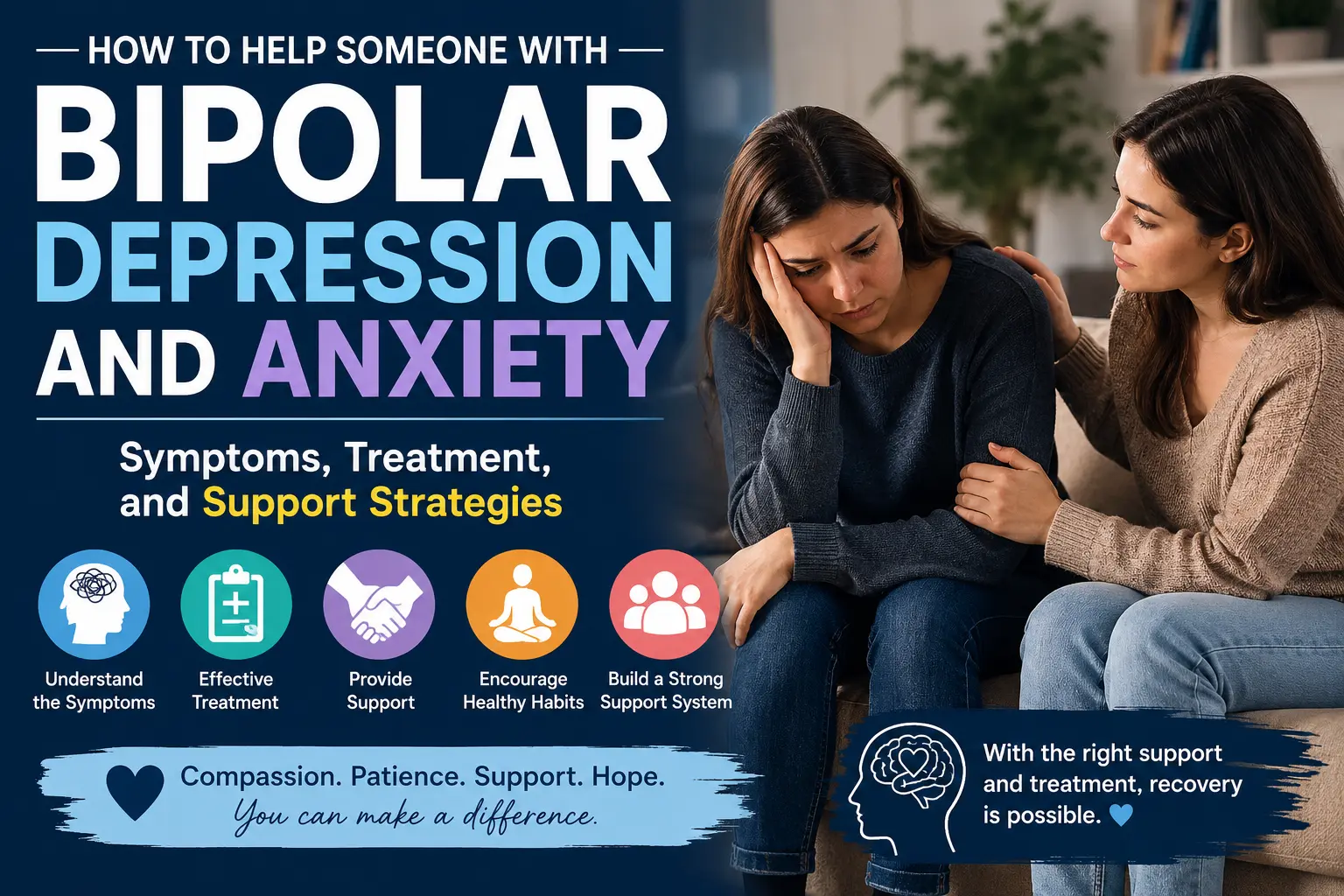 Watching someone you care about struggle with bipolar depression and anxiety can be heartbreaking. You may notice that they withdraw…
 In my practice as a clinical psychologist, I often observe that the difference between a patient who crumbles under pressure…
 We all have "up" days and "down" days. Perhaps you feel energized after a promotion or sluggish on a rainy…
 To define bipolar disorder accurately, we must look at it as a chronic mood dysregulation condition. In psychology and medicine,…
Are you looking for a Therapist?
Connect with qualified mental health professionals who understand
bipolar disorder, mood changes, and emotional challenges.
Private • Supportive • Confidential