
Post-Traumatic Stress Disorder (PTSD) Treatment: Options, Approaches, and Expert Insights

Medically reviewed by Laura Athey Updated Date: April 30, 2026

In my practice as a clinical psychologist, I often tell my patients that a diagnosis of post-traumatic stress disorder (PTSD) is not a life sentence but a signal that the brain’s natural healing process has been interrupted.
When a traumatic event occurs, the mind attempts to process the experience; however, for some, the memory becomes “stuck” in the nervous system, leading to the debilitating flashbacks and hypervigilance we recognize as PTSD.
The question I am most frequently asked is, “Can PTSD be treated?” The answer is an emphatic yes. In the modern clinical landscape, Post-Traumatic Stress Disorder (PTSD) treatment has never been more robust or evidence-based.
However, effective recovery rarely follows a “one-size-fits-all” model. Clinically, effective PTSD treatment often requires combining therapy with medication to address both the psychological “software” and the biological “hardware” of the disorder.
Whether we are looking at how to treat PTSD through traditional psychotherapy, pharmacological interventions, or integrative holistic approaches, the goal remains the same: to move the trauma from a “current threat” to a “past memory.”
Early intervention can significantly improve recovery outcomes and prevent chronic complications, such as substance use or severe depression. In this guide, we will explore the comprehensive roadmap to healing, providing the authoritative insights needed to navigate the journey back to functional health.
First-Line PTSD Treatments
When we discuss the first-line treatment for PTSD, we are referring to the “Gold Standard” therapies that have been rigorously tested in clinical trials. These are trauma-focused psychotherapies that specifically target the way the brain stores and reacts to traumatic memories.
Cognitive Behavioral Therapy (CBT) and Its Variants
CBT is the heavy lifter of PTSD treatment methods. It works by identifying the “stuck points”—distorted beliefs like “It was my fault” or “The world is entirely dangerous”—and systematically reframing them.
- Cognitive Processing Therapy (CPT): This 12-session protocol helps patients understand how the trauma changed their view of safety, trust, power, and intimacy.
- Prolonged Exposure Therapy (PE): This is one of the most effective tools in my clinical kit. Prolonged exposure therapy, when guided by a trained therapist, helps patients gradually confront trauma-related memories and situations they have been avoiding. By repeatedly “visiting” the memory in a safe environment, the brain undergoes neuroplasticity, eventually learning that the memory itself is not a present danger.
Eye Movement Desensitization and Reprocessing (EMDR)
EMDR is a unique first-line approach that uses bilateral stimulation (such as side-to-side eye movements) to help the brain reprocess traumatic material. I find this particularly effective for patients who find it too distressing to talk through their trauma in great detail, as it focuses more on the brain’s internal processing than on verbal storytelling.
Pharmacological Treatments
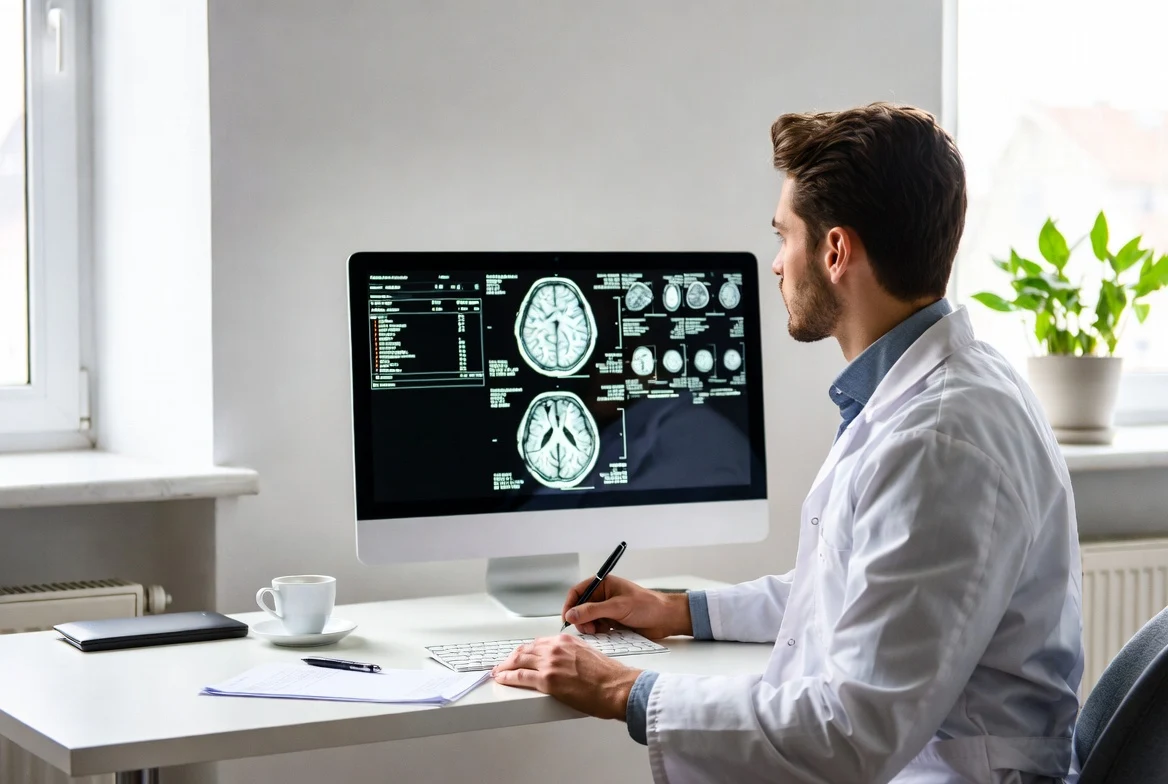
While therapy is the primary engine of recovery, post-traumatic stress disorder medication often provides the “biological floor” that makes therapy possible. In my practice, I frequently observe that if a patient’s nervous system is at a 10/10 level of arousal, they cannot access the logical parts of their brain required for CBT. Medication lowers that volume to a manageable 4/10.
FDA-Approved SSRIs and SNRIs
The primary medications for PTSD are Selective Serotonin Reuptake Inhibitors (SSRIs) and Serotonin-Norepinephrine Reuptake Inhibitors (SNRIs). These work by increasing the availability of neurotransmitters that regulate mood and anxiety.
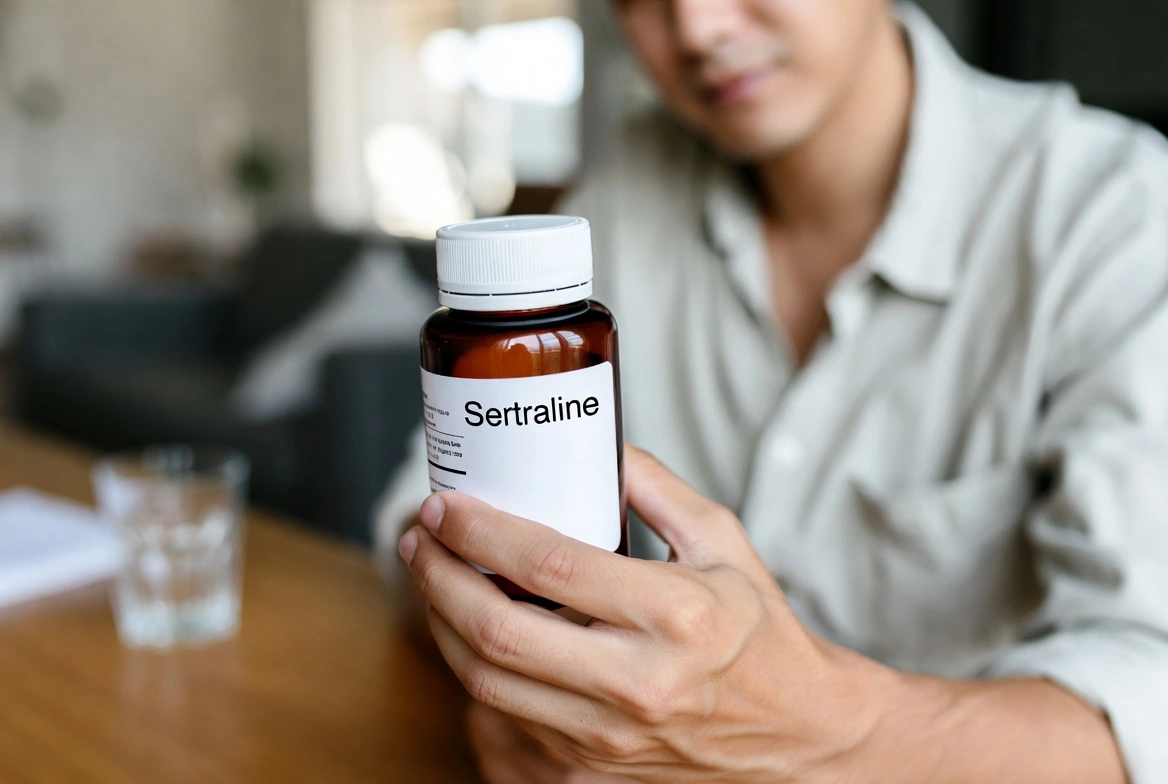
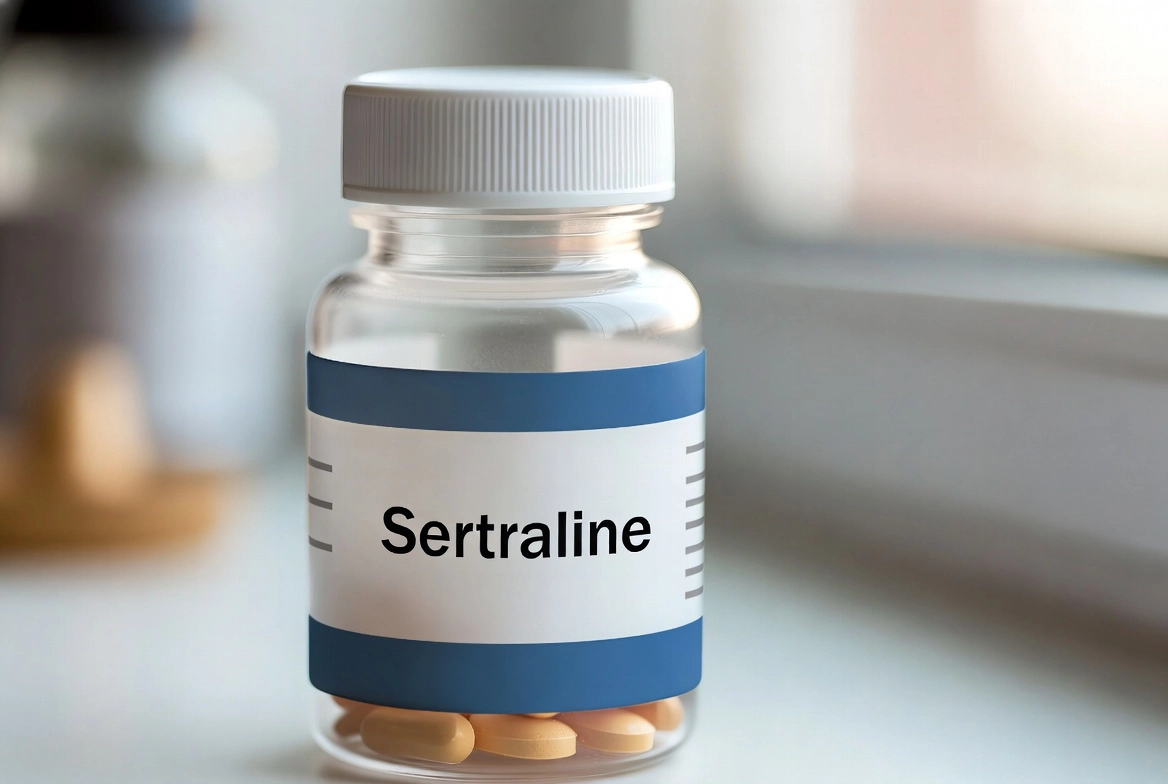
- Sertraline (Zoloft) & Paroxetine (Paxil): These are currently the only two medications specifically FDA-approved for PTSD.
- Venlafaxine (Effexor): An SNRI often used off-label to address both the anxiety and the “numbing” depressive symptoms of PTSD.
Adjunct Medications for Symptom Management
The best medication for PTSD and anxiety often involves a “cocktail” approach tailored to the patient’s specific symptom clusters.
- Prazosin for Nightmares: This is an alpha-1 blocker originally used for blood pressure. Clinically, it is a game-changer for PTSD. It crosses the blood-brain barrier to block the adrenaline spikes that cause “combat” or “assault” nightmares, allowing for restorative sleep.
- Sleep and Hyperarousal: We may use non-benzodiazepine sleep aids or low-dose sedating antidepressants (like Trazodone) to stabilize circadian rhythms.
| Medication Class | Example | Primary Target Symptom |
| SSRI | Sertraline | General anxiety, low mood, irritability |
| SNRI | Venlafaxine | Emotional numbing, intrusive thoughts |
| Alpha-Blocker | Prazosin | Nightmares, night sweats, sleep startle |
| Anticonvulsants | Topiramate | Impulse control, severe anger |
Why Biology Matters: Medications alone rarely address all PTSD symptoms, but are critical in managing anxiety, depression, and sleep disruptions to allow therapy to be more effective. Without addressing the physiological “hyper-arousal,” the brain remains in a survival state that resists the “learning” required in therapy.
A nuance only a practicing psychologist would know is that attempting trauma-processing therapy on a sleep-deprived brain is often counterproductive.
The Insight: I once treated a veteran who was “failing” exposure therapy. His irritability was sky-high, and he couldn’t concentrate. We paused therapy to address his executive function by fixing his sleep hygiene. We used Prazosin to stop his nightmares and a strict light-exposure routine to fix his circadian rhythms.
Once he was sleeping six hours a night, his “biological window” for therapy opened. He processed in three months what he couldn’t do in three years. If the hardware (the brain) is exhausted, the software (the therapy) won’t run.
Complex PTSD Treatment
Complex post-traumatic stress disorder treatment requires a shift in strategy. Unlike classic PTSD, which may stem from a single accident, C-PTSD results from prolonged, repeated trauma—often in childhood. This affects the patient’s very sense of “self.”
Post-traumatic stress disorder treatment methods for C-PTSD are typically “phase-oriented”:
- Safety and Stabilization: We don’t touch the trauma memories yet. We focus on grounding, emotion regulation, and establishing a safe daily life.
- Trauma Processing: Once the patient has the skills to “self-soothe,” we move into CPT or EMDR.
- Social Reintegration: We focus on the “complex” part—healing the ability to trust others and building a new, healthy identity.
Patients with complex PTSD benefit from this multi-phase treatment, often involving long-term psychotherapy to address the deep-seated relational wounds that SSRIs alone cannot reach.
Geographic and Center-Based Options
Finding the right post-traumatic stress disorder treatment center is a logistical hurdle that can feel overwhelming when you are already struggling. Whether you are looking for post-traumatic stress disorder treatment in NYC, Phoenix, or London, the key is to look for “trauma-informed” accreditation.
In-Person vs. Telehealth
The rise of specialized telehealth platforms has revolutionized access. In 2026, many high-intensity teen post-traumatic stress disorder treatment programs will be available virtually, which is vital for adolescents who feel more comfortable in their own environment.
Seeking a Qualified Provider
If you are searching for post-traumatic stress disorder treatment near me, prioritize clinicians who specialize in “Evidence-Based Practices.” Don’t be afraid to ask a potential therapist: “Are you trained specifically in CPT, PE, or EMDR?” Access to specialized PTSD centers increases the chances of effective recovery by providing an integrated team of psychiatrists and psychologists under one roof.
Emerging and Novel Treatments

For patients who do not find full relief through standard protocols—a group we often categorize as having “treatment-resistant PTSD”—the 2026 clinical landscape offers several breakthrough new treatments for PTSD.
These innovations represent a paradigm shift, moving from daily symptom management toward deep, neurobiological resets.
Psychedelic-Assisted Psychotherapy
The most significant shift in post-traumatic stress disorder treatment scholarly articles involves the use of MDMA and psilocybin.
- MDMA-Assisted Therapy: In supervised clinical settings, MDMA is used to reduce the amygdala’s fear response while increasing oxytocin. This allows patients to process deeply painful memories without becoming overwhelmed or dissociating.
- Ketamine Therapy: For acute symptoms of depression and suicidal ideation associated with PTSD, ketamine infusions can provide rapid relief by promoting neuroplasticity and repairing synaptic connections damaged by chronic stress.
Neurostimulation and Technology
- Stellate Ganglion Block (SGB): This involves an injection of local anesthetic into the bundle of nerves in the neck. It “reboots” the sympathetic nervous system, providing immediate relief from the physical “fight-or-flight” symptoms of post-traumatic stress syndrome.
- Transcranial Magnetic Stimulation (TMS): This non-invasive procedure uses magnetic fields to stimulate nerve cells in the brain, specifically targeting the prefrontal cortex to improve emotional regulation.
Innovative treatments like MDMA-assisted psychotherapy are showing immense promise, but it is vital to remember they require specialized supervision and are currently best accessed through clinical trial enrollment or certified centers.
Self-Help and Adjunct Strategies
While professional intervention is critical, the question of how to overcome post-traumatic stress disorder also involves what you do in the 167 hours a week you are not in therapy. Can you heal from PTSD? Yes, but healing is a gradual process that requires a supportive lifestyle.
- Grounding Exercises: Techniques such as the “5-4-3-2-1 method” help pull the brain out of a flashback and back into the present moment by engaging the five senses.
- Mindfulness and Yoga: Trauma-informed yoga focuses on “re-inhabiting” the body. Many survivors feel disconnected from their physical selves; mindful movement helps bridge that gap.
- Peer Support Groups: Sharing your experience with others who have “walked the path” reduces the isolation and shame that often keep PTSD symptoms alive.
Many patients benefit from structured daily routines. Predictability is the antidote to the chaos of a trauma-informed brain. By establishing a consistent schedule, you signal to your nervous system that you are safe.
PTSD Across Special Populations
The “Why” behind a trauma often dictates the “How” of the treatment. We must adapt our post-traumatic stress disorder treatment methods to fit the culture and developmental stage of the patient.
Combat-Related PTSD Treatment
Veterans often face unique challenges, including “moral injury”—the distress resulting from actions that transgress deeply held moral beliefs. Combat-related PTSD treatment at specialized centers often combines high-intensity prolonged exposure with group therapy that focuses on honor, grief, and reintegration into civilian life.
Adolescent and Teen Treatment
Teen post-traumatic stress disorder treatment must be family-inclusive. Adolescents are still developing their executive function, and trauma can stall this growth. Therapy for teens often focuses on building “resiliency skills” and involves parents to ensure the home environment is a stable “recovery zone.”
Complex PTSD Adaptations
As mentioned, complex PTSD treatment is a marathon. It requires a therapist who is comfortable with long-term relational work. The focus here is not just on “fixing a memory,” but on repairing the patient’s ability to exist in the world as a whole, valued person.
Frequently Asked Questions
Can PTSD ever fully resolve?
While the memory of the event remains, the disorder can resolve. We look for “functional remission,” where the symptoms no longer interfere with your ability to work, love, or enjoy life. In my practice, I have seen many patients reach a point where they no longer meet the diagnostic criteria for PTSD.
What is the best thing for PTSD?
The “best” thing is a combination of trauma-focused therapy (like EMDR or CPT) and a stable support system. If sleep is an issue, adding a medication like Prazosin is often the “missing piece” of the puzzle.
When should I seek a doctor for post-traumatic stress disorder?
If your symptoms—flashbacks, avoidance, or being “on edge”—last longer than a month and make it hard to function at work or home, it is time to seek professional help. Early intervention prevents the trauma from “hardening” into a chronic state.
Conclusion
Healing from post-traumatic stress disorder is a journey of reclaiming your narrative. By utilizing a combination of first-line treatments, pharmacological support, and adjunct strategies, you can move from a state of constant survival to a state of thriving.
The most important takeaway is this: your brain’s “alarm system” is not broken; it is simply stuck. With the right PTSD treatment options, you can teach your nervous system that the danger is over. Do not wait to seek help—personalized, evidence-based care is the key to unlocking a future free from the shadow of the past.
References & Resources
- U.S. Dept. of Veterans Affairs: National Center for PTSD
- National Institute of Mental Health (NIMH): Post-Traumatic Stress Disorder Information
- International OCD Foundation (IOCDF): Expert Specialist Finder
- Bipolar Lives: Clinical Psychologist Insights & Advocacy

Related Posts


Subscribe to Our Newsletter
Get mental health tips, updates, and resources delivered to your inbox.
MORE from Author
Read More Watching someone you care about struggle with bipolar depression and anxiety can be heartbreaking. You may notice that they withdraw…
 In my practice as a clinical psychologist, I often observe that the difference between a patient who crumbles under pressure…
 We all have "up" days and "down" days. Perhaps you feel energized after a promotion or sluggish on a rainy…
 To define bipolar disorder accurately, we must look at it as a chronic mood dysregulation condition. In psychology and medicine,…
Are you looking for a Therapist?
Connect with qualified mental health professionals who understand
bipolar disorder, mood changes, and emotional challenges.
Private • Supportive • Confidential