
Autism and Hallucinations: Causes, Psychosis Risk, and When to Seek Help

The relationship between neurodevelopmental conditions and psychiatric phenomena is often shrouded in misunderstanding. For parents of autistic children or autistic adults navigating their own mental health, the appearance of sensory experiences that others don’t share can be terrifying. It is essential to start with a clear clinical boundary: Autism is not psychosis.
Autism Spectrum Disorder (ASD) is a neurodevelopmental condition characterized by differences in social communication, restricted interests, and sensory processing. Hallucinations—sensory perceptions in the absence of an external stimulus—are not a core symptom of autism. However, the question of “can autism cause hallucinations?” is complex.
While autism itself does not generate hallucinations, autistic individuals are statistically more likely to experience them due to co-occurring conditions, high levels of chronic anxiety, sleep disturbances, or trauma.
This comprehensive guide will explore the nuances of autism and hallucinations, distinguishing between sensory overload and true psychosis, and providing a roadmap for treatment and support.
What Are Hallucinations?
To understand how these experiences manifest in neurodivergent populations, we must first define what they are. In psychology, a hallucination is a sensory experience that feels entirely real but occurs without any external trigger.
The Different Types of Hallucinations in Autism
While most people think of “hearing voices” when they hear the word hallucination, they can actually affect any of the five senses:
- Auditory Hallucinations: Hearing sounds, music, or voices that others cannot. In the context of autism, this is the most common type of “true” hallucination.
- Visual Hallucinations: Seeing people, shadows, patterns, or flashes of light that are not present.
- Tactile Hallucinations: Feeling sensations on the skin, such as insects crawling or being touched, when nothing is there.
- Olfactory Hallucinations: Detecting smells (often unpleasant ones) that have no physical source.
- Gustatory Hallucinations: Experiencing a taste (often metallic or bitter) without eating or drinking anything.
The Mysterious Origins of Hallucinations: Are They More Common Than You Think?
Recent research suggests that “sensory glitches” are more common in the general population than previously believed. However, for an autistic person, the line between a “hallucination” and a “sensory processing difference” can be incredibly thin. For example, hearing a hum that others ignore might be hypersensitivity, but hearing a hum turn into a whispering voice suggests a hallucinatory process.
Can Autism Cause Hallucinations?
This is the most frequent question asked by concerned families. Direct Answer: Autism itself does not cause hallucinations. If an autistic person is hallucinating, it is usually a sign that another biological or psychological process is at work.
Sensory Processing Differences vs. Hallucinations
Many people ask, “do autistic people hallucinate?” because they observe the individual reacting to things that aren’t there. Often, this is not a hallucination, but sensory hypersensitivity.
- Hypersensitivity: An autistic child might scream because they “see” the flicker of a fluorescent light that is invisible to neurotypical eyes. This is a reaction to a real stimulus that the brain cannot filter out.
- Hallucination: Seeing a person standing in the corner of a dark room where there is no stimulus at all.
Other Contributing Factors
- Anxiety and Stress: Chronic, high-level stress can lead to “transient” hallucinations, where the brain misinterprets shadows or white noise.
- Sleep Deprivation: Many autistic individuals struggle with sleep. Prolonged insomnia is a primary cause of visual distortions.
- Medication Side Effects: Some medications used for ADHD or irritability in autism can have hallucinatory side effects in specific populations.
- Trauma and Dissociation: Autistic individuals are at a higher risk for trauma. Hallucinations can be a part of a dissociative response to past or current stressors.
Can autism be mistaken for hallucinations?
Yes. Intense “internal worlds” or vivid “special interests” can sometimes lead an autistic person to speak aloud to themselves or react to an imagined scenario. While this looks like psychosis, it is often a form of self-regulation or imaginative play, not a loss of
When I evaluate an autistic patient reporting ‘voices,’ the first thing I look at is the Interoceptive and Sensory Profile. Many autistic individuals have such vivid internal monologues or ‘echolalia’ (repeating phrases) that they describe these internal thoughts as ‘voices.’
The key differentiator is the quality of the belief. A person with psychosis believes the voice is an external entity controlling them. An autistic person often recognizes it as their own brain ‘stuck on a loop’ or a memory playing back too loudly. We must be very careful not to over-pathologize autistic sensory richness as schizophrenia.
Autism Hallucinations in Children
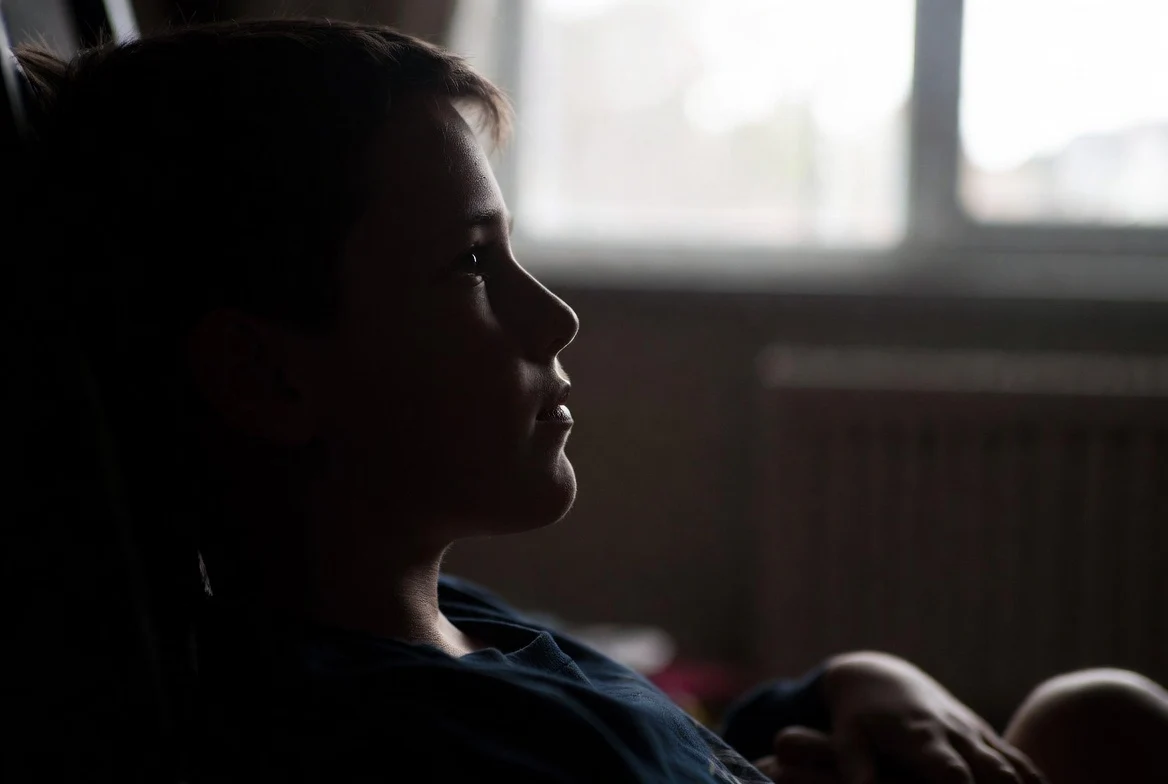
When a child says they see something or hear something, parents often worry about early-onset psychosis. However, autism hallucinations in children are rarely a sign of schizophrenia.
Imagination vs. Psychosis
Autistic children often have highly developed internal worlds. A child might engage in “scripting”—replaying scenes from a favorite movie—so intensely that they appear to be interacting with invisible characters. This is generally a healthy coping mechanism.
Red Flags for Parents
If your child has autism and you are noticing sensory anomalies, look for these specific “danger zones”:
- Paranoia: The child isn’t just seeing things; they are afraid of them or believe people are trying to hurt them.
- Functional Decline: They are losing skills they once had (e.g., stopping speaking or losing toilet training) alongside the hallucinations.
- Aggression toward Voices: If the child is arguing with or screaming at an invisible entity in a way that seems out of their control.
What Causes Hallucinations in Autistic People? (Biological View)
A major factor often overlooked is Epilepsy. Autistic individuals have a much higher prevalence of seizure disorders than the general population. “Simple partial seizures” in the temporal or occipital lobes can manifest as strange smells, flashes of light, or muffled voices, which can easily be mistaken for psychiatric hallucinations.
Autism and Psychosis
While autism is not psychosis, there is a statistical overlap. High functioning autism and psychosis (often referred to as “Level 1” support needs) can be particularly difficult to manage because the individual may be acutely aware of their loss of reality, leading to intense shame.
Signs of Schizophrenia in Autism
Studies show that autistic people may have a slightly higher risk of developing schizophrenia-spectrum disorders in late adolescence or early adulthood.
| Feature | Autism (Baseline) | Psychosis/Schizophrenia (New) |
| Social Interaction | Prefers solitude or has social awkwardness. | Active withdrawal due to fear or paranoia. |
| Communication | Literal thinking, struggles with sarcasm. | “Word salad,” disorganized thoughts, non-sequiturs. |
| Sensory Issues | Overwhelmed by real loud noises/lights. | Hearing voices or seeing things with no real stimulus. |
| Beliefs | Intense focus on a hobby or “special interest.” | Delusions: Fixed, false beliefs (e.g., “The FBI is in my toaster”). |
Do autistic people have delusions?
Generally, no. However, an autistic person might have “literal-thinking-induced” paranoia. For example, if a teacher says “I’ve got my eye on you,” a neurotypical child knows it’s a metaphor. An autistic child might develop a fear that the teacher is literally watching them through the walls. This is a misunderstanding of language, not a clinical delusion.
In this second section, we will delve into the specific nature of delusions, the experiences of autistic adults, and the critical pathways for treatment and support.
Delusions and Autism
A frequent point of confusion in clinical settings is the overlap between an autistic “special interest” and a “delusion.” What are the delusions of autism? Strictly speaking, there are no delusions inherent to autism. However, because autistic individuals process information literally and often experience social isolation, they may develop “overvalued ideas.”
Can autistic people have delusions of grandeur?
In psychosis, a delusion of grandeur is a fixed belief that one has supernatural powers or is a famous historical figure. In autism, a person may become so hyper-focused on their expertise in a subject (like astrophysics or history) that they appear arrogant or “grandiose” to others.
- The Difference: The autistic person is basing their confidence on real, accumulated knowledge. The person in psychosis is basing it on a break from reality.
- Paranoia: Autistic people are frequently victims of bullying. Over time, this can lead to “persecutory ideation”—a belief that others are out to get them. While this looks like a delusion, it is often a logical (though generalized) response to past trauma.
Autism vs Schizophrenia Symptoms
Because both conditions involve social withdrawal and “unusual” behaviors, they were historically confused. In fact, until the 1970s, autism was often referred to as “childhood schizophrenia.” We now know they are distinct, but recognizing what are the symptoms of schizophrenia in autism is vital for early intervention.
Spotting the “Shift”
If an autistic person begins to develop schizophrenia, you will notice a change in their baseline:
- True Hallucinations: They hear distinct voices that are critical, commanding, or conversing with each other.
- Disorganized Thinking: Their speech becomes “loose.” They jump from topic to topic in a way that makes no logical sense, even to those who know their communication style well.
- Negative Symptoms: A total loss of emotional expression (flat affect) and a sudden inability to perform basic self-care tasks that they previously mastered.
Do Autistic Adults Have Hallucinations?
As autistic individuals age, the risk profile shifts. Do autistic adults hallucinate? Research indicates that autistic adults report higher rates of “hallucinatory-like experiences” than the general population, but these are often linked to sensory processing sensitivity and trauma.
- The Impact of Trauma: Many autistic adults have experienced “minority stress” or complex PTSD. This can lead to “flashbacks” that are so vivid they feel like visual or auditory hallucinations.
- Substance Use: Some autistic adults may use substances to “mask” or dull sensory overload. This can inadvertently trigger temporary drug-induced psychosis or hallucinations.
Autism and Psychosis Treatment
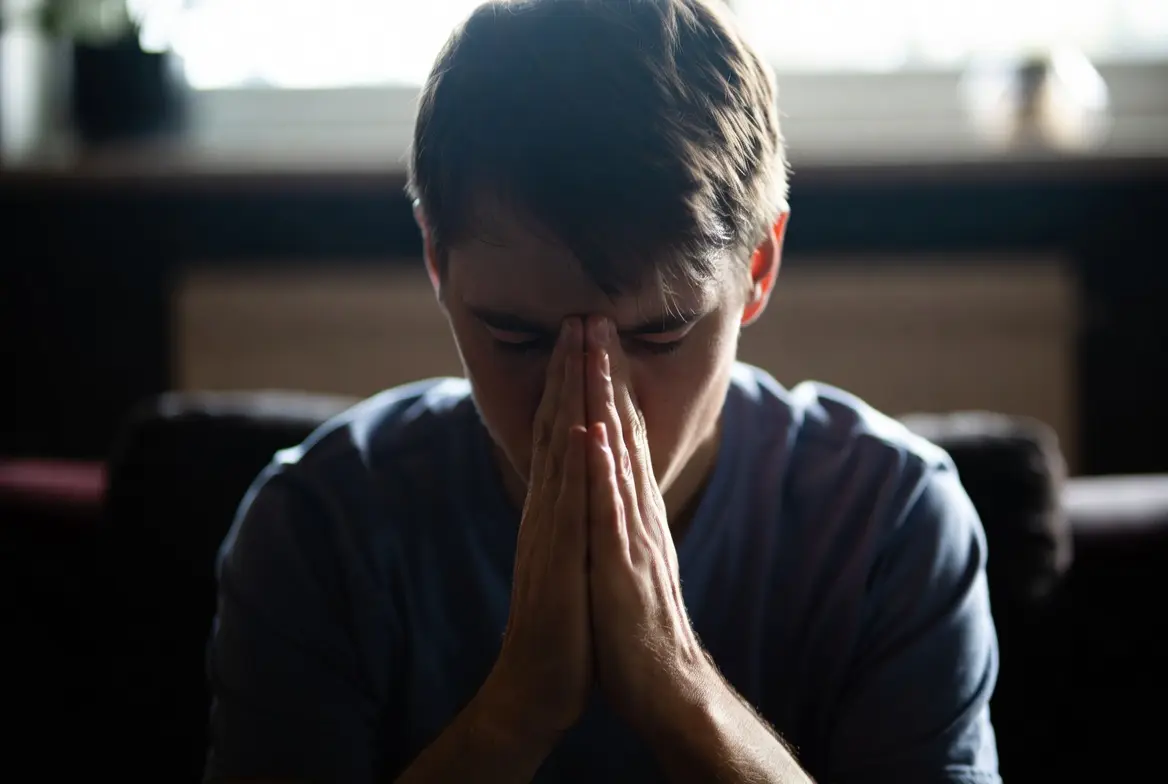
If an autistic person is experiencing psychosis, the treatment plan must be neuro-affirming. Standard psychiatric wards can be sensory nightmares for autistic people, which can worsen their symptoms.
Treatment Pathways
- Medical Evaluation: The first step is always to rule out epilepsy, sleep apnea, or vitamin deficiencies (like B12) which can cause hallucinations.
- Antipsychotic Medication: Low-dose antipsychotics (such as Risperidone or Aripiprazole) are sometimes used. However, autistic individuals are often more sensitive to side effects like weight gain or motor tics, so careful monitoring is required.
- Adapted CBT (CBT-p): Cognitive Behavioral Therapy for psychosis can be adapted for autism by using more visual aids and focusing on “reality testing” in a literal, logical way.
- Sensory Regulation: Sometimes, “hallucinations” disappear when the person’s sensory environment is stabilized. Reducing noise and providing a “safe space” can lower the brain’s stress levels enough to stop the sensory glitches.
What Is the 10 Second Rule for Autism?
In the search for answers about hallucinations, many parents encounter the 10 second rule. It is important to clarify that this is a communication tool, not a psychiatric treatment.
The Rule: When you ask an autistic person a question or give an instruction, count to ten in your head before speaking again.
- Why it matters: Autistic brains often require more time to process auditory information. If you repeat the question after only 3 seconds, you “reset” their processing clock, which can lead to frustration and meltdowns.
FAQ: Featured Snippet Block
Can autism cause hallucinations?
No, autism is a neurodevelopmental disorder, not a psychotic one. However, hallucinations can occur due to co-occurring anxiety, epilepsy, trauma, or sleep deprivation.
Do autistic people hallucinate?
Some do, but it is often due to comorbid conditions or “sensory echoes”—vivid memories or sensory hypersensitivities that feel like hallucinations but aren’t psychosis.
Can autism cause delusions?
Autism does not cause clinical delusions, but literal thinking can lead to “overvalued ideas” or paranoia stemming from negative social experiences.
What is the 10 second rule for autism?
It is a strategy where caregivers wait 10 seconds for an autistic person to process a request before repeating it, reducing communication stress.
Key Takeaways
- Autism is distinct from psychosis, but the two can co-exist.
- Sensory hypersensitivity is often mistaken for hallucinations in children.
- Medical rule-outs (like epilepsy) are the first priority when hallucinations appear.
- Neuro-affirming care is essential; treating the person’s sensory needs often reduces their psychiatric symptoms.
Authoritative Clinical & Research References
- Molecular Autism — “Sensory Hypersensitivity and Hallucinatory Experiences in Autism Spectrum Disorder”
- National Institute of Mental Health (NIMH) — “Autism and Co-occurring Conditions: Schizophrenia and Psychosis”
- Epilepsy Foundation — “Autism and Seizures: Sensory Distortions”
Related Posts


Subscribe to Our Newsletter
Get mental health tips, updates, and resources delivered to your inbox.
MORE from Author
Read More ADHD and depression often occur together, and each makes the other harder to live with. Adults with ADHD are almost…
 We all have "up" days and "down" days. Perhaps you feel energized after a promotion or sluggish on a rainy…
 To define bipolar disorder accurately, we must look at it as a chronic mood dysregulation condition. In psychology and medicine,…
Are you looking for a Therapist?
Connect with qualified mental health professionals who understand
bipolar disorder, mood changes, and emotional challenges.
Private • Supportive • Confidential