
Emotional Awareness and Expression Therapy (EAET): Manual, Research, Training & Chronic Pain Applications

In my clinical practice, I often encounter patients who have spent years navigating the exhausting maze of chronic pain. They have tried physical therapy, various medications, and traditional cognitive-behavioral approaches, yet the pain persists. When I sit with these individuals, I often observe a common thread: a deep well of “unprocessed” emotional experience.
Traditional therapy often focuses on managing symptoms, but Emotional Awareness and Expression Therapy (EAET) takes a different, more radical path. It suggests that for many, the brain uses physical pain as a protective mechanism to distract from overwhelming emotional conflicts. By learning to “feel to heal,” patients can often experience a dramatic reduction in physical symptoms that they previously thought were permanent.
What Is Emotional Awareness and Expression Therapy (EAET)?
Emotional Awareness and Expression Therapy (EAET) is a structured, evidence-based psychotherapy designed to treat chronic pain and related conditions by helping individuals identify, process, and express unresolved emotional experiences. Unlike many other therapies that teach patients how to “live with” pain, EAET operates on the premise that the pain itself may be driven by the brain’s response to stress and trauma.
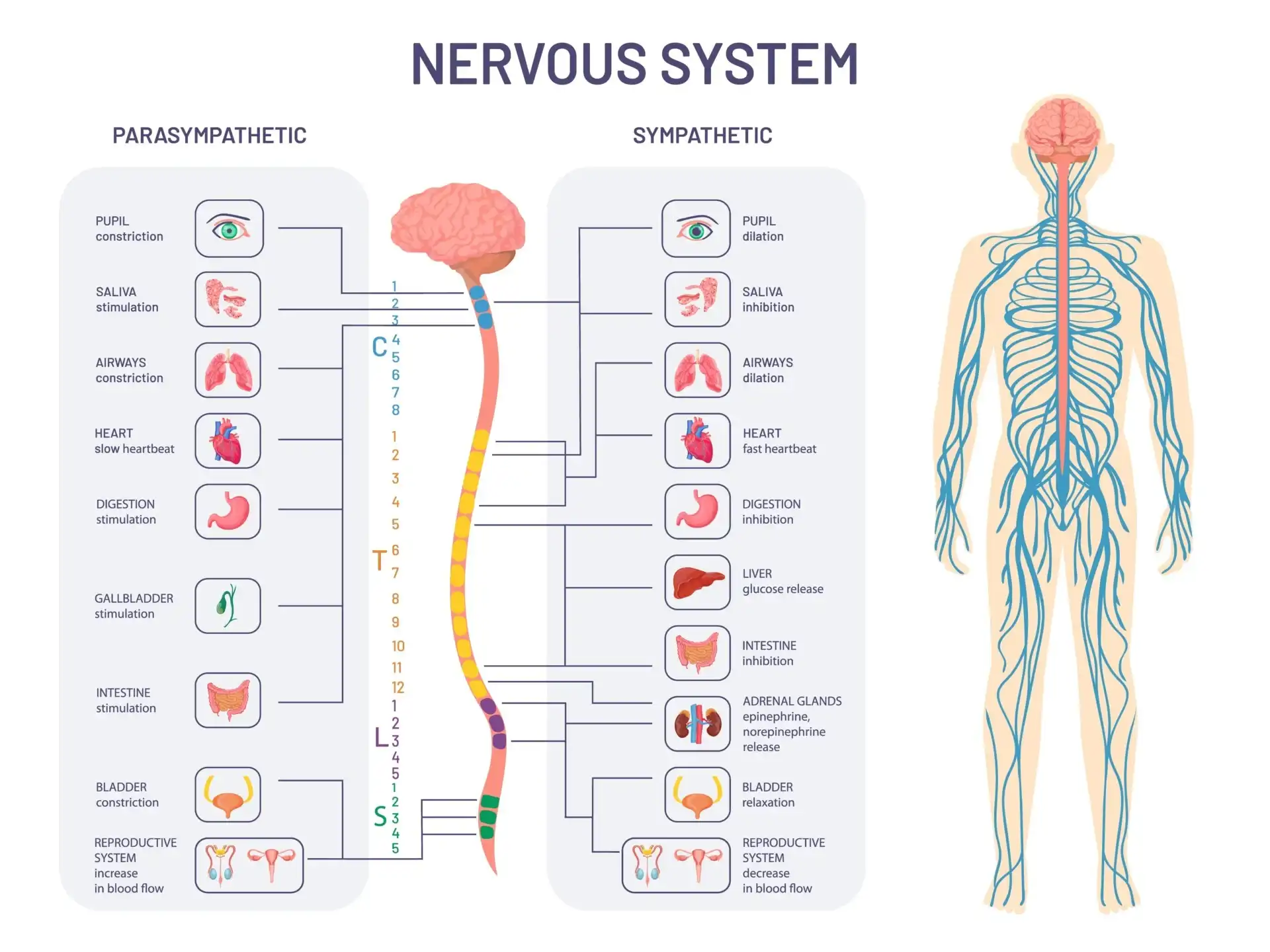
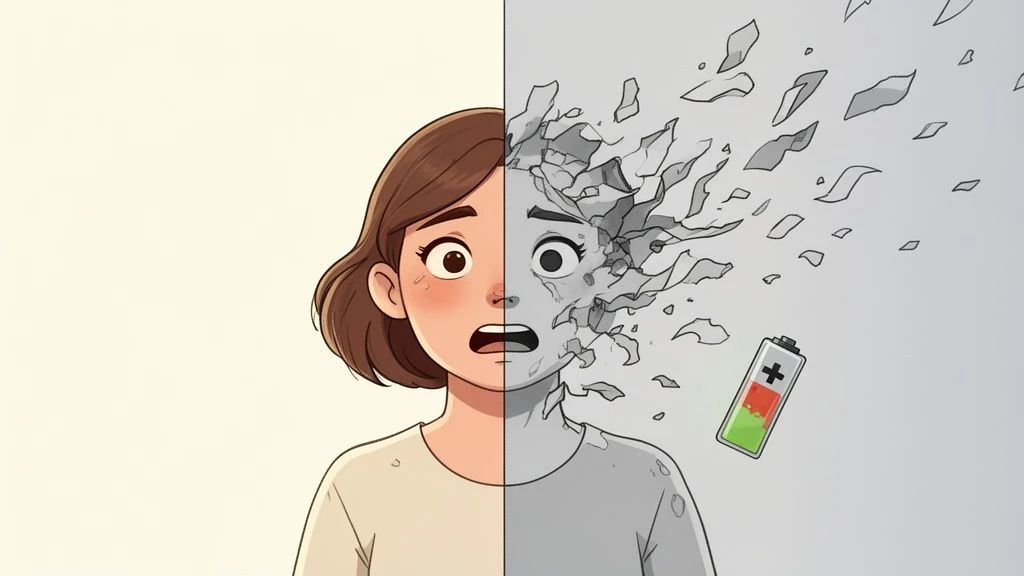
The emotional awareness therapy definition centers on the idea of “affective science.” When we suppress powerful emotions—such as anger, grief, or guilt—the nervous system remains in a state of high arousal. In many individuals, this chronic arousal manifests as physical pain. EAET provides a safe, clinical framework to confront these hidden emotions, thereby “calming” the nervous system and reducing the physical pain signals.
Who Developed EAET?
Understanding the origins of this therapy is essential for recognizing its clinical validity. Who developed emotional awareness and expression therapy? The model was primarily pioneered by Dr. Howard Schubiner and Dr. Mark Lumley, along with colleagues like David J. Clarke.
Dr. Schubiner, an internist, and Dr. Lumley, a psychologist, combined their expertise to bridge the gap between medicine and behavioral health. Their work is deeply rooted in the “Mind-Body” perspective, though it is delivered with a rigorous academic and research-focused approach.
The EAET training Schubiner offers to clinicians emphasizes the “Neuroplastic” nature of pain. This collaboration has led to numerous randomized controlled trials that have placed EAET at the forefront of modern pain management, especially for conditions where traditional medical interventions have failed.
EAET for Chronic Pain: The “Why” Behind the Biology
To understand why emotional therapy for chronic pain is effective, we must look at the neurobiology of “Central Sensitization.” In many cases of chronic pain, the body has healed from the initial injury, but the brain continues to fire pain signals. This is often referred to as neuroplastic pain.
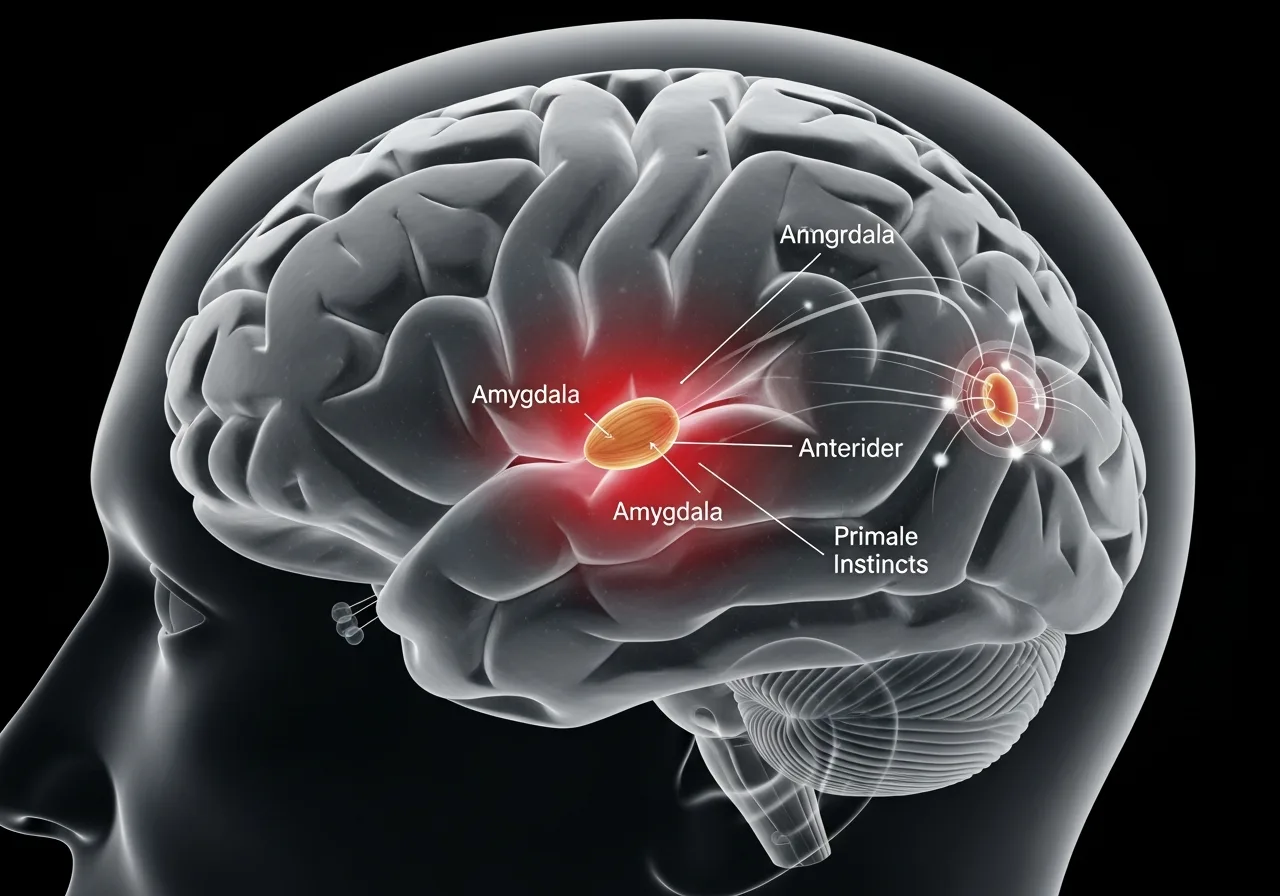
When a person experiences significant stress or childhood adversity, the brain’s “alarm system” (the amygdala) becomes hyper-reactive. If a person learns early in life that expressing anger or sadness is “unsafe,” they may subconsciously suppress these feelings.
The brain, in an attempt to protect the individual from the “danger” of these emotions, creates a physical distraction: pain. This is a function of the Executive Function being bypassed by the limbic system. By engaging in eating for chronic pain, patients learn that their emotions are not dangerous. When the brain realizes there is no need for a “distraction,” the neural pathways that maintain the pain begin to weaken.
Conditions Often Treated with EAET
- Fibromyalgia and chronic widespread pain.
- Irritable Bowel Syndrome (IBS) and pelvic pain.
- Chronic tension headaches and migraines.
- Unexplained back and neck pain.
In my practice, I have found that patients’ sleep hygiene significantly impacts their success with EAET. A brain that is chronically sleep-deprived is a brain that is stuck in “survival mode.” When a patient is exhausted, their ability to access complex emotional states is diminished, and their pain threshold is naturally lower. I often work on stabilizing a patient’s Circadian Rhythms before diving into intensive emotional expression. Once the nervous system is rested, the “emotional work” becomes much more effective and less overwhelming.
EAET Research and Clinical Studies

The emotional awareness and expression therapy study landscape is robust. One of the most famous trials, published in the journal PAIN, compared EAET to traditional Cognitive Behavioral Therapy (CBT) for patients with fibromyalgia.
The results were striking: patients in the EAET group showed significantly greater reductions in pain interference and overall symptom severity compared to the CBT group. While CBT focuses on “pacing” and “reframing,” EAET focuses on “expression” and “resolution.”
Further emotional awareness and expression therapy (eaet) research indicates that this approach is particularly potent for those with a history of trauma. By addressing the root emotional cause, the therapy achieves what clinicians call “Emotional Processing,” which leads to long-term Neuroplasticity—literally rewiring the brain to stop producing unnecessary pain signals.
A Clinical Experience: The Case of “Sarah”
I recall a patient, “Sarah” (anonymized), who suffered from debilitating migraines for over a decade. She had seen every specialist and tried every “triptan” on the market. During our initial interview, Sarah presented as incredibly “together” and kind, yet she spoke about a very difficult relationship with a parent that she had “moved past.”
As we began using the emotional awareness and expression therapy manual techniques, it became clear that Sarah hadn’t moved past the anger; she had simply buried it. In one session, we used an “imaginal dialogue” where she finally spoke the words she had been holding back for twenty years.
The physiological shift was immediate. Her posture relaxed, and she described a “coolness” washing over her head. Over the next month, her migraine frequency dropped from four times a week to once a month. Sarah didn’t need more medication; she needed to give her nervous system permission to stop guarding against her own feelings. This is the heart of the “to feel is to heal” philosophy.
EAET Training for Therapists
Because EAET is vastly different from traditional “talk therapy,” specialized emotional awareness and expression therapy training is required. This training focuses on “Attunement” and “Emotional Exposure.”
Therapists must learn how to help patients move past their “defenses”—the ways we avoid feeling pain—and reach the primary emotion underneath. EAET training, which Schubiner and other experts often provide, often involves role-playing and deep dives into the science of neuroplastic pain.
If you are a clinician, pursuing this training can be a transformative addition to your practice, particularly if you work with “treatment-resistant” chronic pain. It requires a shift from being a “problem solver” to being a “witness” and “facilitator” of deep emotional release.
EAET Activities and Techniques
What does a session actually look like? Emotional awareness and expression therapy activities are active and experiential. They are not just about talking about a feeling; they are about feeling the feeling in the room.
The 7 Basic Emotional Expressions
EAET often focuses on the “primary” emotions that are most frequently suppressed:
- Anger: Often the most “protected” emotion in pain patients.
- Sadness/Grief: Related to loss or “what might have been.”
- Fear: Regarding the future or the pain itself.
- Guilt: Often “false guilt” for things beyond one’s control.
- Shame: The feeling of being “broken” by pain.
- Joy: Interestingly, some patients struggle to express positive affect.
- Disgust: Often related to past violations of boundaries.
Techniques might include “Empty Chair” work (imaginal dialogue) or writing “Unsent Letters.” The goal is to reach a level of emotional self-awareness where the patient can feel these emotions in their body without fear.
EAET vs. Other Therapeutic Modalities
It is helpful to distinguish EAET from other common approaches. While many patients are familiar with Cognitive Behavioral Therapy (CBT), they often find the transition to EAET surprising. CBT focuses on “top-down” regulation—using the Executive Function to reframe thoughts and pace activities. In contrast, EAET is a “bottom-up” approach. It seeks to uncover the physiological roots of distress.
Unlike psychodynamic therapy, which can last years, EAET is designed to be short-term and intensive. It also differs from mindfulness-based stress reduction (MBSR). While mindfulness teaches you to observe a feeling, EAET encourages you to express it fully. By comparing EAET for pain with these other models, we see that it fills a unique gap: it targets the “centralized” alarm system of the brain rather than just the symptoms of the stress.
Emotional Awareness Foundations: The 5 Levels
To be successful in EAET, one must first build the capacity for awareness. We often reference the 5 levels of emotional awareness to help patients gauge their progress. Many chronic pain sufferers begin at Level 1, where they only notice physical sensations.
- Physical Sensations: Noticing a “tight chest” or “burning back” without a label.
- Action Tendencies: Feeling the urge to scream or hide.
- Single Emotions: Identifying a basic feeling like “I am mad.”
- Blended Emotions: Realizing you feel “angry but also deeply sad.”
- Complex States: Understanding how your past and present feelings collide.
By moving through these levels, patients develop the 4 components of emotional awareness: identification, understanding, labeling, and expression. This progression is what eventually allows the brain to release its hold on chronic pain signals.
Emotional Awareness and Expression Therapy Near Me

Finding a provider can be a challenge, as this is a specialized field. If you are searching for emotional awareness and expression therapy near me, I recommend looking for clinicians certified through the EAET training Schubiner programs or the International Association for the Study of Pain (IASP).
When interviewing a potential therapist, ask if they have experience with “Neuroplastic Pain” or “Central Sensitization.” Many practitioners now offer telehealth options, making care for chronic pain accessible even if there isn’t a specialist in your immediate area. Always verify that your therapist is “trauma-informed,” as the work of EAET involves deep emotional exposure.
Common Misconceptions: Addressing the “Reddit” Myths
In the digital age, I often see patients who have read conflicting information on platforms like emotional awareness and expression therapy Reddit threads. It is important to clear the air on a few common myths:
- “The pain is all in my head.”: No. The pain is very real and felt in the body, but the generator of that pain is the brain’s neural pathways, not a structural injury.
- “It’s just positive thinking”: EAET is actually the opposite. It requires you to sit with very “negative” and uncomfortable emotions to process them.
- “It means I’m ‘crazy’”: Absolutely not. This is a biological process of the nervous system that can happen to anyone under chronic stress.
Understanding these nuances helps reduce the stigma and allows patients to approach the emotional awareness and expression therapy (eaet) model with an open mind.
Frequently Asked Questions
Is EAET the same as “Mind-Body” medicine?
Yes, it falls under that umbrella, but it is a specific, evidence-based protocol. It uses the principles of Neuroplasticity to change how the brain processes pain signals through emotional release.
How long does EAET typically last?
Most protocols are short-term, often consisting of 8 to 12 sessions. Some intensive formats are even shorter. The goal is to give the patient the tools to continue the work independently.
Can I do EAET if I don’t have a “major” trauma?
Yes. “Trauma” in this context can include “small-t” traumas like chronic childhood invalidation, workplace stress, or suppressed grief. Any unresolved emotional conflict can drive the pain cycle.
What is the most important skill in EAET?
Willingness. You must be willing to feel emotions that you have spent a lifetime avoiding. As the saying goes, “the only way out is through.”
Will my pain go away immediately?
For some, there is a dramatic “Aha!” moment. For others, it is a gradual thinning of the pain signals as the nervous system becomes more regulated and less “alarmed” by emotions.
Conclusion
As a clinical psychologist, I must emphasize that EAET is a “high-intensity” intervention. It is not suitable for everyone at every stage of their journey. Individuals with active psychosis, severe untreated PTSD, or current substance crises should stabilize those conditions before engaging in intensive emotional expression work.
Furthermore, EAET should be part of a multidisciplinary approach. You still need your medical doctors to rule out structural issues like tumors or fractures. However, for the millions living with “unexplained” chronic pain, emotional awareness and expression therapy offers more than just a coping mechanism—it offers the possibility of a life with significantly less pain.
References:
Related Posts


Subscribe to Our Newsletter
Get mental health tips, updates, and resources delivered to your inbox.
MORE from Author
Read More In my practice as a clinical psychologist, I often observe that the difference between a patient who crumbles under pressure…
- We all have "up" days and "down" days. Perhaps you feel energized after a promotion or sluggish on a rainy…


 To define bipolar disorder accurately, we must look at it as a chronic mood dysregulation condition. In psychology and medicine,…
 To answer whether bipolar fits the bill, we first have to define what a neurodivergent person actually is. The term…

Are you looking for a Therapist?
Connect with qualified mental health professionals who understand
bipolar disorder, mood changes, and emotional challenges.
Private • Supportive • Confidential