
Emotional Dysregulation Symptoms In Adults At Night: Recognizing the Signs and Reclaiming Control

In my clinical practice, I often meet adults who describe their emotional lives as a series of “weather events” they are powerless to predict or stop. They might be sitting in a boardroom or at the dinner table when a minor critique or a small scheduling change hits them like a tidal wave.
Suddenly, they are submerged in a level of rage, despair, or panic that feels entirely disproportionate to the moment. This experience is known as Emotional Dysregulation Symptoms in Adults at Night.
Simply put, the emotional dysregulation definition refers to an inability to flexibly move through emotional experiences. It is a breakdown in the brain’s ability to “dial back” an emotional response once it has been triggered.
While everyone experiences bad moods, dysregulation is different; it is a persistent difficulty in managing the intensity and duration of emotional states. For many adults, particularly those navigating the pressures of modern life or underlying neurodivergence, this can feel like living with an “exposed nerve.”
Recognizing these patterns is the first step toward neuroplasticity—the brain’s remarkable ability to reorganize itself and learn new, more stable ways of responding to the world.
Recognizing Emotional Dysregulation in Adult Life

Identifying the Emotional Dysregulation Symptoms in Adults at Night requires looking past the emotion itself and focusing on the reaction.
We all get angry, but do you stay angry for three days over a misplaced set of keys? We all get sad, but does a sad movie leave you unable to function for the rest of the week?
Common Symptoms and Behavioral Signs
In adults, dysregulation rarely looks like a toddler’s tantrum. Instead, it manifests in more complex, often destructive ways:
- Rapid Mood Shifts: Moving from high energy to deep lethargy or “darkness” within minutes.
- Hyper-Reactivity: A “zero to sixty” escalation where a small spark causes an explosion.
- Emotional Blunting or “Shutdown”: Paradoxically, some people respond to high stress by becoming completely numb or dissociating.
- Impulsivity: Making rash decisions, spending money, or ending relationships during an emotional peak.
Gender-Specific Patterns
I often observe that symptoms of dysregulation in men frequently present as “externalizing” behaviors. Men are often socially conditioned to funnel all distress into anger. Thus, dysregulation might look like “road rage,” extreme irritability, or sudden verbal outbursts.
Conversely, emotional dysregulation in women may more frequently present as “internalizing.” This looks like intense self-criticism, social withdrawal, or “emotional flooding,” where the person feels physically drowned by their feelings.
Causes and Mechanisms
This is the main topic of our exploration: Why does the brain lose its ability to regulate? To understand this, we must look at the delicate dance between the limbic system and the prefrontal cortex.
The Amygdala vs. The Prefrontal Cortex
The “Why” of emotional dysregulation is largely found in the brain’s architecture. Think of the amygdala as your brain’s smoke detector. Its job is to sense danger and trigger the “fight-or-flight” response.
In a regulated brain, the prefrontal cortex (the “CEO” responsible for executive function) receives the alarm, assesses the situation, and says, “It’s just a burnt piece of toast, not a house fire.” ” Everyone, calm down.”
In individuals struggling with dysregulation, this “CEO” is essentially off-duty. The connection between the thinking brain and the feeling brain is frayed. When the amygdala sounds the alarm, the prefrontal cortex fails to inhibit the response. The result is a “limbic hijack.”
The Role of the Nervous System
We must also consider the autonomic nervous system (ANS). A regulated person moves fluidly between the sympathetic (active/alert) and parasympathetic (rest/digest) branches. In a dysregulated state, the nervous system often gets “stuck” in a high-arousal sympathetic state.
This leads to chronic neurotransmitter imbalances, specifically involving serotonin and dopamine, which further impair the brain’s ability to self-soothe.
Psychological and Environmental Roots
While biology provides the hardware, experience provides the software.
- Trauma: Chronic stress or childhood trauma can “prime” the amygdala to stay in a state of hyper-vigilance, making it more likely to overreact to neutral stimuli.
- Neurodivergence: Conditions like ADHD or autism often involve inherent differences in executive function, making the “braking system” of the brain naturally less effective.
- Chronic Stress: Even a neurotypical brain can become dysregulated if it is subjected to enough prolonged pressure, as the prefrontal cortex eventually “burns out.”
A nuance I frequently observe in my practice is how a patient’s circadian rhythms and sleep hygiene act as a “force multiplier” for dysregulation. I once worked with a patient, “Mark,” who was convinced he had developed a severe personality disorder because of his sudden, explosive rage at work.
Upon closer investigation, we found that Mark was a “revenge bedtime procrastinator,” staying up until 2 AM to reclaim a sense of freedom he felt he lacked during the day. REM sleep is the time when the brain “recouples” the prefrontal cortex to the amygdala.
By being chronically sleep-deprived, Mark was effectively disconnecting his brain’s brakes every morning. Once we stabilized his sleep hygiene, his “explosions” vanished. He didn’t have a character flaw; he had a biologically exhausted brain that had lost the capacity to inhibit impulses.
How to Identify Your Emotional Dysregulation State
Many people ask, “How do I know if my nervous system is regulated?” Regulation doesn’t mean being “happy” all the time; it means being able to experience a full range of emotions and return to a calm center.
Patterns of Emotional Dysregulation
We generally see two distinct patterns:
- The Emotional Rollercoaster: Frequent, high-intensity peaks and valleys throughout the day.
- The “Pressure Cooker”: Long periods of suppressed emotion (numbness) followed by a massive, seemingly random explosion.
Self-Assessment and Testing
While a formal emotional dysregulation test should be conducted by a professional (using tools like the Difficulties in Emotion Regulation Scale or DERS), you can perform a “mini-check” on your own patterns:
| Question | Regulated Response | Dysregulated Pattern |
| Reaction Time | Pause before reacting. | Immediate, impulsive reaction. |
| Duration | Feel the emotion, then let it go. | Emotion “sticks” for hours or days. |
| Intensity | Matches the situation. | “10 out of 10” for a minor issue. |
| Recovery | Can self-soothe or use logic. | Needs external validation or “explodes” to vent. |
Emotional Dysregulation Management: Strategies for Reclaiming the Calm

In my practice, I often tell patients that emotional dysregulation treatment is not about “stopping” your feelings—it is about increasing the space between a feeling and an action. This “gap” is where your freedom lies.
When an adult feels dysregulated, their brain is essentially in a state of emergency. To treat this, we use a combination of top-down (cognitive) and bottom-up (physiological) strategies.
Non-Pharmacological Interventions
- Dialectical Behavior Therapy (DBT): This is the gold standard for dysregulation. It teaches “distress tolerance”—learning to sit with an uncomfortable emotion without acting on it.
- Cognitive Behavioral Therapy (CBT): We work on “reframing” the thoughts that fuel the fire. If you think, “They ignored my text because they hate me,” your dysregulation will spike. CBT helps you see, “They might just be busy.”
- Grounding Techniques: When you are “flooding,” you need to pull your brain out of the emotional clouds and back into your body. The “5-4-3-2-1” method (naming 5 things you see, 4 you can touch, etc.) is a clinically proven way to force the prefrontal cortex back online.
Lifestyle and “The Calm Down” Protocol
Sustainable regulation requires a lifestyle that supports neuroplasticity. This includes regular exercise to burn off excess cortisol and, as mentioned, strict sleep hygiene.
How to Calm Down When Dysregulated:
- The Temperature Shift: Splash ice-cold water on your face. This triggers the “mammalian dive reflex,” which biologically slows your heart rate.
- Paced Breathing: Inhale for 4 seconds, hold for 2, exhale for 6. The long exhale signals the parasympathetic nervous system to “rest and digest.”
- The 90-Second Rule: A chemical surge of emotion only lasts about 90 seconds. If you can wait out those 90 seconds without speaking or acting, the physical intensity will drop.
Medication in Regulation
While therapy provides the skills, the best medication for emotional dysregulation can provide the “floor.” I often collaborate with psychiatrists to determine if a patient needs chemical support to lower their baseline.
| Medication Category | Common Use | Impact on Dysregulation |
| SSRIs/SNRIs | Anxiety/Depression | Increases serotonin to help “smooth out” the emotional peaks. |
| Mood Stabilizers | Bipolar Disorder | Prevents the extreme “cycling” of moods. |
| Stimulants/Non-Stimulants | ADHD | Strengthens Executive Function, helping the “brakes” of the brain work. |
ADHD and Comorbidities
It is impossible to discuss emotional dysregulation in adults without mentioning ADHD. Many adults with ADHD are misdiagnosed with mood disorders because their emotional reactions are so intense.
In ADHD, dysregulation is often a result of “impulse control” issues—the emotion hits, and the mouth moves before the brain can filter it.
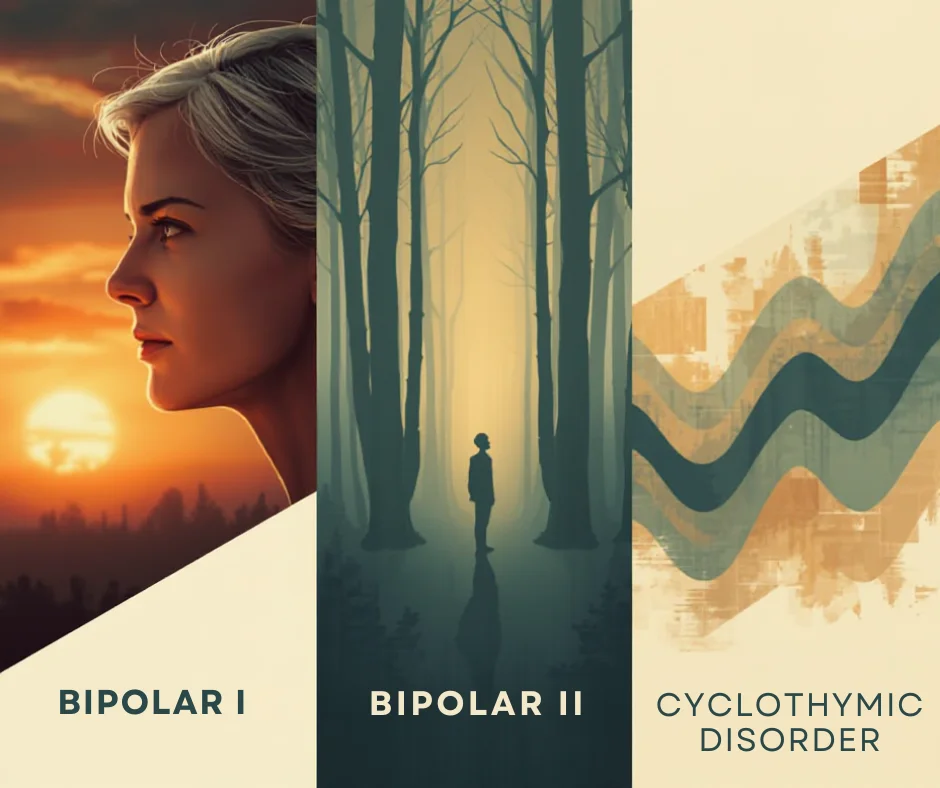
Similarly, in cases of bipolar disorder, the dysregulation is more cyclical. Understanding whether your “moodiness” is a constant trait (ADHD/personality) or a periodic wave (bipolar) is essential for correct treatment.
I always caution against self-diagnosis; a professional evaluation is the only way to ensure you aren’t treating a “focus” problem with “mood” medication.Emotional Dysregulation Symptoms In Adults At Night.
Frequently Asked Questions
What is emotional dysregulation?
It is a clinical term for an inability to manage the intensity and duration of emotional responses. It results from a disconnect between the brain’s emotional center (amygdala) and its logical center (prefrontal cortex).
How do I know if my nervous system is regulated?
A regulated nervous system can experience strong emotions (anger, grief, and joy) but can return to a calm “baseline” relatively quickly without causing destructive behavior.
Are mood swings a sign of emotional dysregulation?
Yes, rapid or extreme mood swings that interfere with your relationships, work, or self-esteem are primary indicators of a dysregulated emotional system.
What treatments help with emotional dysregulation?
The most effective treatments include Dialectical Behavior Therapy (DBT), Cognitive Behavioral Therapy (CBT), mindfulness-based stress reduction, and, in some cases, medications like SSRIs or ADHD treatments.
Conclusion
Understanding the emotional dysregulation definition is not about finding an excuse for “bad behavior”; it is about finding a map for your recovery.
Whether your struggles are rooted in ADHD, past trauma, or a simple “burnout” of your prefrontal cortex, the path forward is the same: self-awareness and professional support.
You are not your outbursts. You are a person with a nervous system that is currently over-responding to the world. By implementing the strategies we’ve discussed—from DBT skills to better sleep hygiene—you can retrain your brain’s “CEO” to take back control of the ship.
Authoritative References
Related Posts






Subscribe to Our Newsletter
Get mental health tips, updates, and resources delivered to your inbox.
MORE from Author
Read More In my practice as a clinical psychologist, I often observe that the difference between a patient who crumbles under pressure…
- We all have "up" days and "down" days. Perhaps you feel energized after a promotion or sluggish on a rainy…


 To define bipolar disorder accurately, we must look at it as a chronic mood dysregulation condition. In psychology and medicine,…
 To answer whether bipolar fits the bill, we first have to define what a neurodivergent person actually is. The term…
Are you looking for a Therapist?
Connect with qualified mental health professionals who understand
bipolar disorder, mood changes, and emotional challenges.
Private • Supportive • Confidential