
Can You Overdose on Quetiapine? Symptoms, Risks, and Treatment
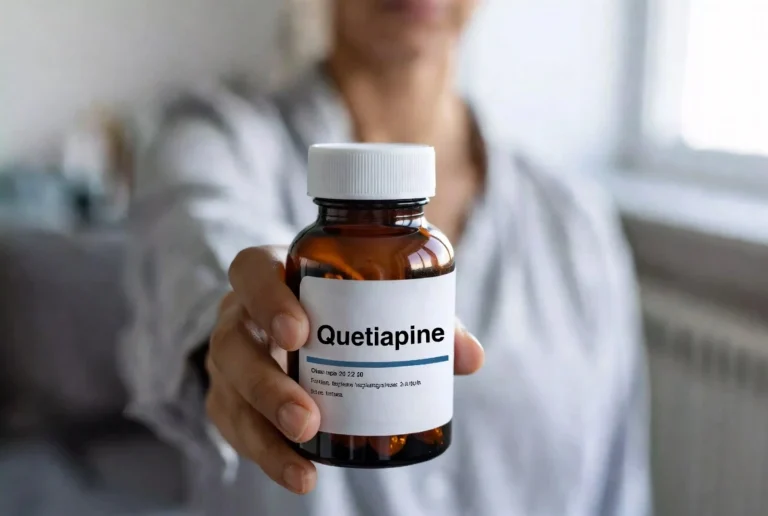
In my clinical practice, I often encounter patients who view their medications through two distinct lenses: either as a benign daily habit or as a source of profound “chemical fear.” When it comes to quetiapine (the generic name for Seroquel), the safety conversation is paramount.
Because quetiapine is used for everything from severe insomnia to complex bipolar disorder and schizophrenia, the sheer range of prescribed doses can be confusing. Patients often ask me, “If 25 mg makes me this sleepy, is 800 mg dangerous?” or “What happens if I accidentally double my dose?”Can You Overdose on Quetiapine?
As a psychologist, I prioritize the “safety alliance” between a patient and their treatment. While quetiapine is an effective, life-saving atypical antipsychotic, it is a potent substance that interacts deeply with your central nervous system and cardiovascular health.
Understanding the threshold between a therapeutic dose and a toxic one is not about inducing fear; it is about providing executive function—the cognitive control—needed to manage your health safely.
What Is Quetiapine and How Is It Used?
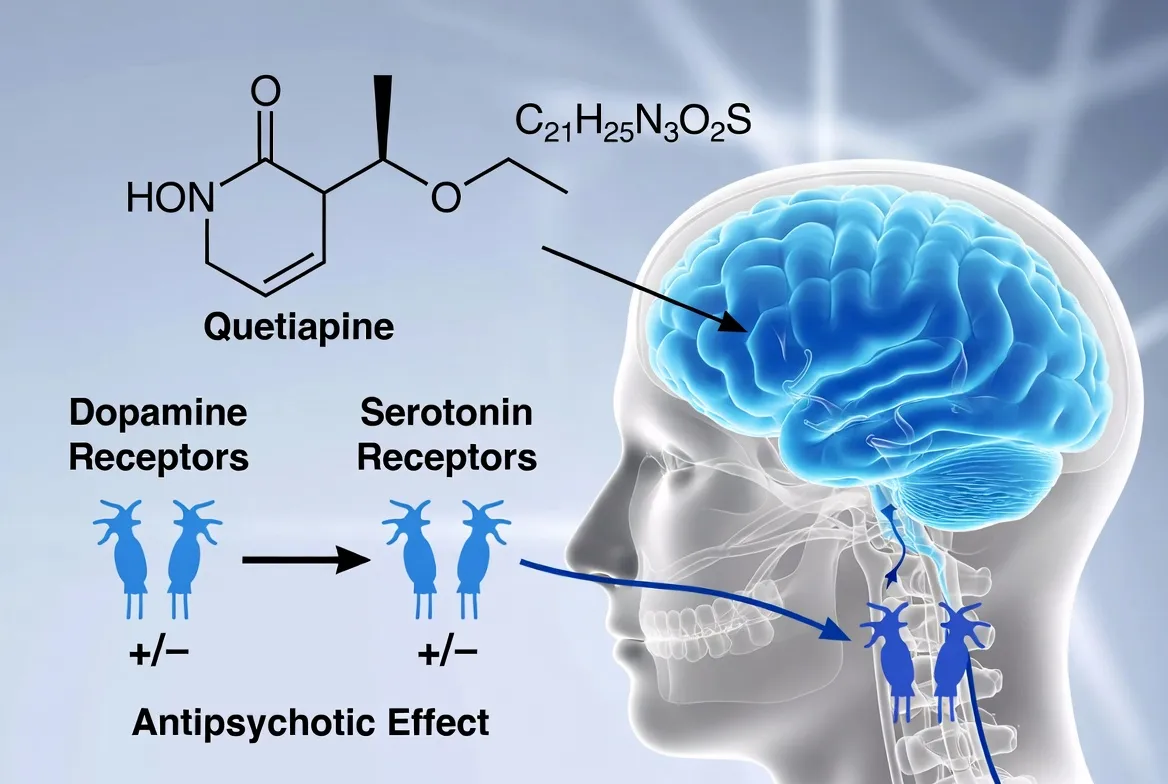
Quetiapine is a second-generation (atypical) antipsychotic that modulates dopamine, serotonin, and histamine receptors in the brain. In psychiatric practice, we utilize its “multi-receptor” profile to treat a variety of conditions.
Formulations and Dosing
It typically comes in two forms, both of which carry different risks in an overdose scenario:
- Quetiapine Fumarate (IR): The immediate-release version, which peaks in the blood fairly quickly (usually within 1–2 hours).
- Quetiapine XR (Extended Release): Designed to release the medication slowly over 24 hours. In an overdose, XR can be particularly “sneaky” because symptoms may be delayed but prolonged.
Dosages vary wildly. A patient using it for sleep might take 25 mg, while someone managing acute mania might take 800 mg daily. Because of this 32-fold difference in standard dosing, “toxicity” is relative to what your body is accustomed to.
However, when the system is flooded beyond its capacity, the very mechanisms that help stabilize mood can begin to shut down vital physical functions.
If you want to read detail about quetiapine, read our a detail guide on quetiapine
Can You Overdose on Quetiapine?
The short, direct answer is yes: you can overdose on quetiapine.
While modern atypical antipsychotics like quetiapine have a wider “safety margin” than older, first-generation drugs (like Haldol) or tricyclic antidepressants, quetiapine toxicity is a highly serious medical emergency. It requires immediate, professional intervention.
The Physical Reality of Toxicity
When an overdose occurs, quetiapine stops just blocking dopamine and serotonin and begins overwhelming the central nervous system. Clinical data shows that the most common signs of toxicity include profound somnolence (extreme sleepiness leading to coma), tachycardia (a dangerously fast heart rate), and severe hypotension (a sudden drop in blood pressure).
More critically, in high doses, quetiapine can cause QTc prolongation—an electrical disruption in the heart that can lead to fatal arrhythmias.
Accidental vs. Intentional Risks
In clinical practice, accidental overdoses are far more common than the general public realizes. Mental health conditions naturally carry cognitive symptoms. When a patient is battling the severe “brain fog” of a depressive episode, running on three hours of sleep during mania, or simply exhausted, it is incredibly easy to forget whether they have taken their nightly dose. Taking a second pill by mistake happens.
If an accidental double-dose occurs in an otherwise healthy adult, the risk of a fatal outcome is generally low, provided they seek emergency medical monitoring. However, the danger of an overdose—whether accidental or intentional—increases exponentially the moment other substances enter the bloodstream.
Polypharmacy: The Danger of “The Cocktail”
The most significant risk factor for a fatal quetiapine overdose is rarely the quetiapine alone. The true danger lies in polypharmacy—the clinical term for taking multiple medications or substances at once.
Because quetiapine is a heavy sedative, combining it with other central nervous system (CNS) depressants creates a synergistic, compounding effect. 1 + 1 doesn’t equal 2; it equals 5.
If quetiapine is taken with:
- Alcohol: Alcohol amplifies the drug’s sedative properties, leading to rapid cognitive impairment, loss of motor control, and dangerous respiratory depression.
- Benzodiazepines (e.g., Xanax, Ativan, Klonopin): Both drugs suppress the central nervous system through different pathways. Together, they can lead to profound, unarousable sedation, coma, and the loss of the body’s natural airway reflexes (increasing the risk of choking).
- Opioids (Prescription or Illicit): This is the most lethal combination. Opioids already suppress the drive to breathe. Adding high-dose quetiapine significantly increases the risk of fatal respiratory failure.
- CYP3A4 Inhibitors (e.g., Grapefruit juice, certain antibiotics): These block the liver enzymes responsible for breaking down quetiapine. Even at a normal, therapeutic dose, mixing these can cause quetiapine levels to suddenly spike to toxic levels in the bloodstream.
Even at a standard prescribed dose, adding the “wrong” second substance can rapidly push the body into a toxic, life-threatening state.
Symptoms of Quetiapine Overdose
Understanding the symptoms of quetiapine toxicity requires a look at the “why” behind the biology. Quetiapine doesn’t just “put you to sleep”; it impacts the autonomic nervous system—the system that controls things you don’t think about, like heart rate and breathing.
The Biological “Why” of Toxicity
When the brain is flooded with quetiapine, it overactivates the blockade of several receptors.
- Histamine (H1) Blockade: This causes the extreme, “unwakeable” sedation.
- Alpha-1 Adrenergic Blockade: This causes the blood vessels to relax too much, leading to a dangerous drop in blood pressure (hypotension).
- Muscarinic Blockade: This leads to “anticholinergic toxicity,” characterized by confusion, blurred vision, and a rapid heart rate.
Warning Signs by Severity
I often tell caregivers to look for the “unsteady” phase. If a patient is not just sleepy but is stumbling, slurring their words, or seems “lost” in their own home, they have likely crossed the threshold into toxicity.
| Symptom Category | Signs to Watch For | Risk Level |
| Neurological | Extreme drowsiness, slurred speech, confusion, ataxia (stumbling) | Moderate |
| Cardiovascular | Tachycardia (fast heart rate), palpitations, feeling faint | High |
| Severe/Critical | Coma, seizures, slowed breathing, “QT Prolongation” (heart rhythm issues) | Emergency |
Cardiovascular Impact: The QT Interval
A specific nuance that only clinicians tend to track is the QT interval. Quetiapine can interfere with the heart’s electrical recharging system. In a significant overdose, this can lead to a rare but fatal heart rhythm called Torsades de Pointes. This is why, in an ER setting, the first thing they will do—after checking your airway—is an EKG.
In my practice, I once consulted on a case where a caregiver thought a patient was simply “sleeping off” a rough night.
The Nuance: What only a practicing clinician might recognize is the difference between deep sleep and respiratory depression. In normal sleep, a person’s breathing is rhythmic, and they will respond to a sternal rub (a hard rub on the chest bone).
In a quetiapine overdose, the “sleep” is a depressed neurological state. If a patient is snoring loudly and irregularly, or if their skin looks slightly blue or pale, they aren’t “sleeping”—their brain is struggling to signal the lungs to breathe. Never assume someone can “sleep off” an extra-large dose of Seroquel.
How Much Quetiapine Is Dangerous? Dose Thresholds
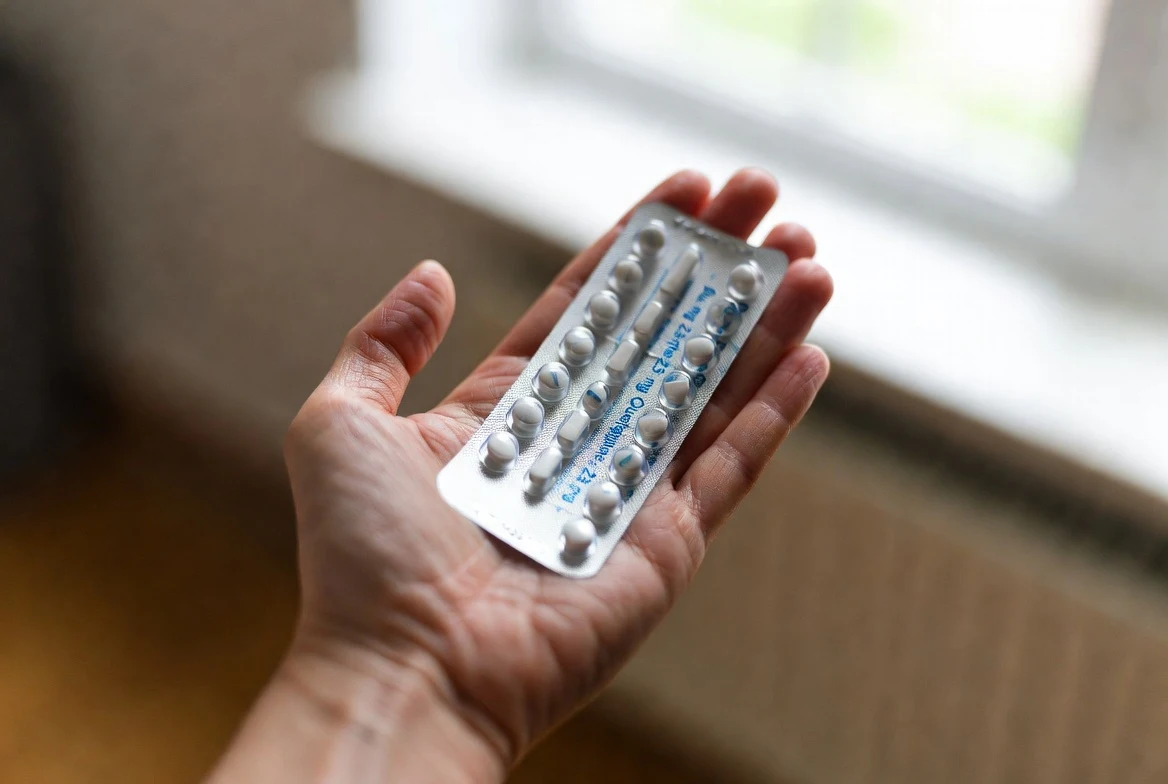
There is no “magic number” that defines a fatal dose, as it depends on your weight, age, liver health, and tolerance. However, we can look at general clinical thresholds.
- Under 300 mg: For a patient not used to the drug, this can cause severe sedation and dizziness, but it is rarely fatal.
- 800 mg – 1,500 mg: This is considered a significant overdose. Even if a patient takes 800 mg daily for schizophrenia, taking that entire amount in one sitting if they usually split the dose can cause acute toxicity.
- Over 2,000 mg: This is a life-threatening range that almost always requires intensive care (ICU) monitoring.
Does 25 mg pose a risk? While you cannot “overdose” on 25 mg in a fatal sense, a 25 mg dose can be dangerous for an elderly patient or someone with a pre-existing heart condition if it causes them to fall and sustain a head injury. In my practice, I view safety not just as “survival” but as the prevention of any medication-related harm.
Emergency Response and Treatment
If you suspect someone has ingested an unsafe amount of quetiapine, the window for intervention is narrow and critical. In my practice, I advise families that “waiting to see” is the most dangerous choice they can make. Because quetiapine can cause a rapid drop in blood pressure or a sudden seizure, a person who appears “just sleepy” can transition into a medical crisis within minutes.
Immediate Actions
- Call Emergency Services: Do not attempt to drive the person to the hospital yourself if they are unconscious or significantly confused.
- Keep the Person Awake: If they are conscious, try to keep them talking. Do not give them anything to drink, as this can increase the risk of choking if they lose consciousness.
- Collect the Evidence: Bring the medication bottle to the hospital. Knowing whether it was Quetiapine IR or Quetiapine XR helps the toxicology team predict when the symptoms will peak.
How Is a Quetiapine Overdose Treated?
There is no “reversing agent” or specific antidote for quetiapine (unlike Narcan for opioids). Treatment is primarily supportive care, meaning the doctors help the body perform its vital functions until the liver can process the drug out of the system.
- Activated Charcoal: If the patient arrives within 1–2 hours of ingestion, doctors may use activated charcoal to bind the drug in the stomach and prevent further absorption.
- Intravenous (IV) Fluids: To counter the dangerous drop in blood pressure (hypotension).
- Cardiac Monitoring: Continuous EKG monitoring is essential to watch for heart rhythm irregularities like QT prolongation.
- Airway Protection: In severe cases, if the patient cannot breathe on their own, they may be placed on a ventilator.
Quetiapine Withdrawal and Tapering
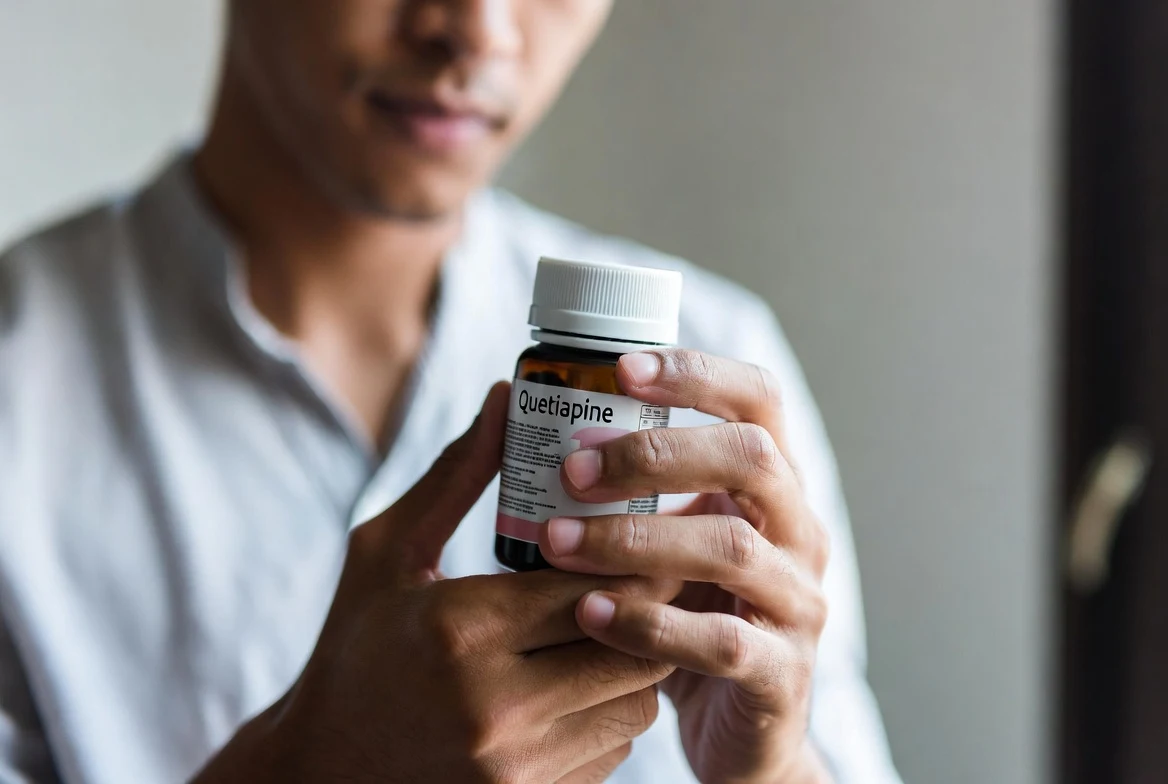
While we often focus on the danger of taking too much, there is equal clinical risk in stopping too suddenly. In my practice, I frequently observe “rebound” effects in patients who decide to quit Seroquel “cold turkey” because of side effects or a fear of toxicity.
The Danger of Abrupt Cessation
Quetiapine essentially reshapes the landscape of your brain’s receptors. When you remove it suddenly, your brain, which has adjusted to the “chemical brakes,” becomes hyper-excited.
- Rebound Insomnia: This is not just “not sleeping”; it is a state of intense, agitated wakefulness that can last for days.
- Psychological Distress: Rapid withdrawal can trigger acute anxiety, irritability, and even a relapse of the very mania or psychosis the drug was meant to treat.
The Clinical Taper
A safe tapering schedule is about supporting neuroplasticity. We reduce the dose slowly—often over weeks or months—to allow the brain to gradually re-sensitize its dopamine and serotonin receptors. In my experience, even low-dose users (25–50 mg) benefit from a structured taper to avoid the “shock” to their circadian rhythms.
Special Considerations and Risk Factors
Not everybody processes quetiapine the same way. In my work with diverse populations, I’ve noted several factors that significantly lower the threshold for quetiapine toxicity.
a. The Elderly Population
Older adults often have reduced liver and kidney clearance. A dose that is safe for a 30-year-old can lead to “toxic accumulation” in a 75-year-old, resulting in falls, confusion, or even a coma-like state.
b. Liver Health
Since quetiapine is metabolized by the liver (specifically the CYP3A4 enzyme), any impairment in liver function—or even taking other medications that interfere with that enzyme (like certain antibiotics or grapefruit juice)—can cause quetiapine levels to rise to dangerous heights in the blood.
c. Alcohol and CNS Depressants
Alcohol is the most common “multiplier” in quetiapine-related fatalities. Both substances suppress the central nervous system; combined, they can lead to a “respiratory forgetfulness” where the brain simply stops signaling the lungs to expand.
Frequently Asked Questions
What happens if I accidentally take too much quetiapine?
If it is a minor increase (e.g., doubling a 25 mg dose), you will likely experience extreme drowsiness and dry mouth. However, you should still call your doctor or a poison control center to be safe, especially if you have heart or liver issues.
How long until symptoms appear after an overdose?
With immediate-release tablets, symptoms usually appear within 1–2 hours. With Quetiapine XR, the onset can be delayed for several hours, making it vital to seek medical observation even if the person feels “fine” initially.
Can quetiapine overdose be fatal?
Yes, though it is less common than with older classes of drugs. Fatalities are usually the result of heart rhythm failure (arrhythmia), extreme low blood pressure, or respiratory failure, often in the presence of alcohol or other drugs.
Is quetiapine withdrawal dangerous?
While usually not fatal in the way alcohol withdrawal can be, it is profoundly distressing and can lead to a psychiatric emergency. Always taper under a doctor’s supervision.
Can I take quetiapine safely for sleep without risk of overdose?
When taken exactly as prescribed at low doses, the risk of overdose is extremely low. The danger arises when users “self-medicate” by increasing their dose without clinical guidance.
Conclusion
Quetiapine is a cornerstone of treatment for many, offering a path to stability that was once thought impossible. However, its power must be matched by our vigilance. By understanding the symptoms of toxicity, the risks of polypharmacy, and the necessity of a clinical taper, you can ensure that this medication remains a tool for healing rather than a source of harm.
In my practice, I always remind patients: the goal of medication is to support your life, not to overwhelm your body. If you ever feel “not quite right” on your dose, or if you are struggling with the side effects, that is a conversation for your care team. Your safety is the foundation upon which your mental health is built.
References & Resources
- National Institute of Mental Health (NIMH): nimh.nih.gov
- National Capital Poison Center: poison.org
- American Association of Poison Control Centers (AAPCC): aapcc.org
- Bipolar Lives – Seroquel Safety Guide: bipolar-lives.com
Related Posts



Subscribe to Our Newsletter
Get mental health tips, updates, and resources delivered to your inbox.
MORE from Author
Read More In my practice as a clinical psychologist, I often observe that the difference between a patient who crumbles under pressure…
- We all have "up" days and "down" days. Perhaps you feel energized after a promotion or sluggish on a rainy…


 To define bipolar disorder accurately, we must look at it as a chronic mood dysregulation condition. In psychology and medicine,…
 To answer whether bipolar fits the bill, we first have to define what a neurodivergent person actually is. The term…


Are you looking for a Therapist?
Connect with qualified mental health professionals who understand
bipolar disorder, mood changes, and emotional challenges.
Private • Supportive • Confidential