
Generalized Anxiety Disorder Medication: Best Options, Side Effects, and What Actually Works
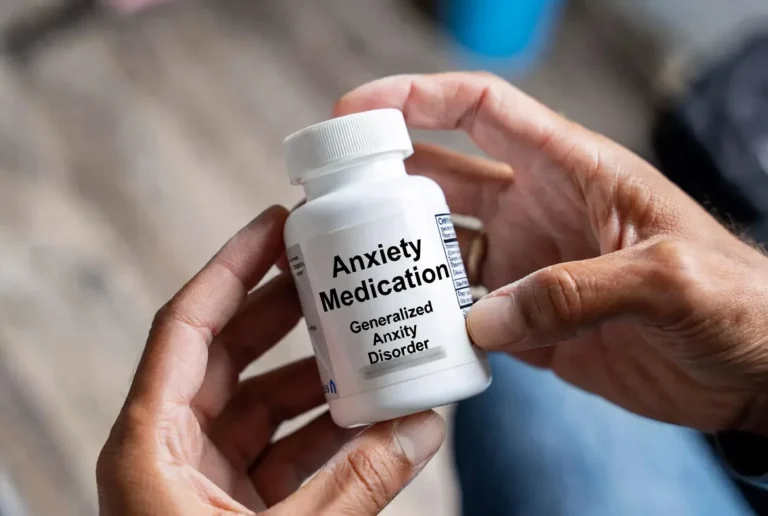
In my practice as a clinical psychologist, one of the most poignant moments in a first session often occurs when a patient leans forward and asks, “Dr. Laura, do I really need a pill to fix this, or can I just talk it out?”
This question is at the heart of generalized anxiety disorder medication treatment. For those living with Generalized Anxiety Disorder (GAD), the world feels like a minefield of “what-ifs.” It isn’t just a temporary bout of nerves; it is a persistent, chronic state of uncontrollable worry that invades every corner of life, from work performance to the ability to fall asleep at night.
While generalized anxiety disorder treatments often start with therapy, medication is frequently considered when the “low hum” of anxiety becomes a deafening roar that prevents the patient from even engaging in the therapeutic process.
According to the National Institute of Mental Health, GAD affects millions of adults, many of whom suffer in silence because they fear the stigma of psychiatric medication. My goal is to normalize this hesitation. Medication isn’t a “sign of weakness” or a “chemical crutch.”
Instead, it is a biological tool used to stabilize a hyperreactive nervous system, allowing the brain the breathing room it needs to learn new coping skills through cognitive behavioral therapy (CBT).
First-Line Treatment for Generalized Anxiety Disorder
When we discuss the first-line treatment for generalized anxiety disorder, we are referring to the medications that have the strongest evidence base for safety and efficacy. Contrary to popular belief, the “strongest medicine for anxiety” isn’t necessarily a sedative; it is often a medication that gently recalibrates the brain’s serotonin levels over time.
SSRIs (Selective Serotonin Reuptake Inhibitors)
SSRIs are widely considered the best SSRI options for generalized anxiety disorder because they are non-addictive and treat both the psychological worry and the co-occurring depressive symptoms that often follow chronic anxiety.
- Common Options: Escitalopram (Lexapro), Sertraline (Zoloft), and Paroxetine (Paxil).
- The “Why” Behind the Onset: I often have to manage expectations regarding the timeline. SSRIs do not work instantly. It typically takes 2 to 6 weeks for the brain to experience the neuroplastic changes required to lower the anxiety baseline.
- Side Effects: Patients may experience initial nausea, dry mouth, or changes in sleep patterns. Long-term, sexual dysfunction or mild weight changes are the most frequently discussed concerns in my practice.
SNRIs (Serotonin-Norepinephrine Reuptake Inhibitors)
SNRIs like Venlafaxine (Effexor) and Duloxetine (Cymbalta) are also top-tier generalized anxiety disorder medication options.
- Dual Mechanism: By targeting both serotonin and norepinephrine, SNRIs can be particularly effective for patients whose anxiety manifests as physical pain or extreme lethargy.
- Clinical Nuance: Venlafaxine is often praised for its efficacy in severe GAD, though it requires a careful tapering process to avoid “brain zaps” or discontinuation syndrome.
What Is the Best Medication for Generalized Anxiety Disorder?
If you are searching for what the best medication for generalized anxiety disorder (GAD) is, it is important to understand that in modern psychiatry, “best” is a highly individualized term. There is no one-size-fits-all “magic pill.” Instead, the selection process is a sophisticated clinical puzzle that takes into account your unique biology, history, and lifestyle.
The Psychology of Individual Response (Substance over Fluff)
The reason one person thrives on Sertraline while another feels “empty” on it comes down to the complex interplay of pharmacogenomics and the specific “phenotype” of their anxiety.
- The “Worry” Phenotype vs. The “Physical” Phenotype: In my practice, I observe that patients who struggle primarily with intrusive, racing thoughts (cognitive anxiety) often respond best to SSRIs, which dampen the repetitive “noise” in the prefrontal cortex. Conversely, patients who experience severe muscle tension, GI distress, and heart palpitations (somatic anxiety) may find more relief from SNRIs or even pregabalin, which addresses the “bottom-up” signals from the nervous system.
- Comorbidity Considerations: We must look at the “neighbors” of your anxiety. For a patient with comorbid major depressive disorder, a stimulating SSRI might be the best choice. However, for a patient with a history of it, we strictly avoid benzodiazepines and instead look toward buspirone or hydroxyzine, which provide relief without the risk of dependency.
- The Role of Executive Function: Many GAD patients feel they have “brain fog.” They worry that medication will make them feel like a “zombie.” In reality, the best medication for severe generalized anxiety disorder should actually improve cognitive function. By lowering the “background noise” of anxiety, the brain’s executive function—the ability to plan, focus, and make decisions—is finally freed from the paralysis of worry.
Why “Strongest” Isn’t Always Better
Patients often come in requesting the “strongest” medicine, usually meaning a benzodiazepine like Xanax. While these work in 20 minutes, they do nothing to “fix” the underlying circuitry of GAD. They are the clinical equivalent of a “band-aid” on a broken leg.
The “strongest” treatment for GAD is actually the one that promotes neuroplasticity—the brain’s ability to rewire itself. SSRIs and SNRIs, when combined with therapy, help the brain grow new connections that make it more resilient to stress in the long run.
A nuance that I frequently observe is that a patient’s response to medication is often mediated by their sleep hygiene.
The Insight: I once worked with a patient, “Sarah,” who felt her medication wasn’t working. We discovered she was taking her stimulating SNRI at 9:00 PM and then drinking chamomile tea to “calm down.”
By shifting her medication to 8:00 AM and regulating her circadian rhythms through consistent morning light exposure, her anxiety levels plummeted. The medication didn’t change, but her body’s ability to process it did. You cannot expect a neurochemical to fix a system that is fundamentally sleep-deprived.
Medication List for Generalized Anxiety Disorder
To help you navigate your next doctor’s visit, here is a structured generalized anxiety disorder medication list summarizing the most common drugs for generalized anxiety disorder.
| Medication Class | Example Medications | Typical Use Case |
| SSRI | Escitalopram, Sertraline, | Chronic worry and co-occurring depression are first-line. |
| SNRI | Venlafaxine, Duloxetine | Anxiety with physical pain or severe fatigue. |
| Azapirone | Buspirone | Add-on therapy, specifically for cognitive worry. |
| Antihistamine | Hydroxyzine | As-needed relief for physical jitters; non-addictive. |
| Beta-Blocker | Propranolol | Performance anxiety stops physical trembling. |
| Gabapentinoid | Pregabalin | Helpful for severe physical tension (often off-label). |
| Benzodiazepine | Alprazolam, Clonazepam, | Short-term only; acute panic or crisis. |
ADHD and Generalized Anxiety Disorder Medication
The intersection of ADHD and generalized anxiety disorder medication is a frequent topic in my practice. Treating these two together requires a “surgical” approach.
- The Stimulant Paradox: For some, ADHD stimulants (like Adderall) can worsen anxiety by over-stimulating an already “keyed-up” nervous system.
- Treating Anxiety First: In many dual-diagnosis cases, I recommend treating the anxiety first. When the “noise” of GAD is lowered, the patient often finds their ADHD symptoms—like distractibility and restlessness—improve significantly because they are no longer being bombarded by “what-if” thoughts.
- Non-Stimulant Options: Medications like atomoxetine (Strattera) can sometimes address both focus and anxiety simultaneously, making them an elegant choice for the “anxious-ADHD” profile.
Medication Side Effects & Risks
One of the most significant barriers to treatment is the fear of generalized anxiety disorder medication side effects. In my practice, I find that transparency is the best antidote to this anxiety. When you understand the “why” behind a side effect, it feels like a manageable trade-off rather than a mystery.
Common Physical Adjustments
Most side effects occur in the first two weeks as the body adjusts to increased neurotransmitter levels.
- Gastrointestinal Issues: Since a large portion of serotonin receptors are in the gut, mild nausea or changes in appetite are common.
- Sleep Changes: Some medications are “activating” (causing insomnia), while others are “sedating.” This is why I emphasize the importance of timing your dose with your natural circadian rhythms.
- Sexual Dysfunction: This is a common long-term side effect of SSRIs. It is important to know that this is often dose-dependent and can frequently be managed by switching medications or adding an adjunct treatment.
The Risk of Emotional Blunting
Some patients report feeling “numb,” or like they have lost their “creative edge.” Clinically, this usually means the dose is too high. The goal of medication isn’t to remove your emotions; it’s to lower the “volume” of the alarm so you can actually process your feelings without being overwhelmed by them.
Medication vs. Therapy — What Works Better?
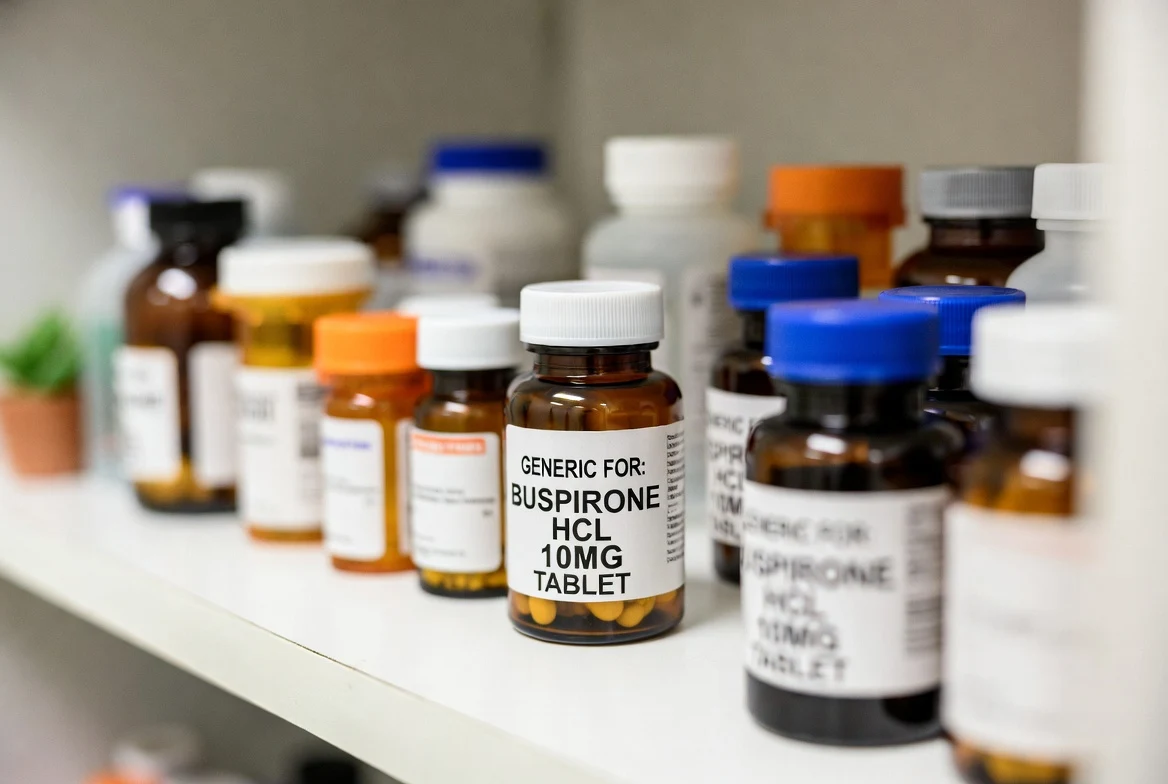
A common debate is how medications and psychotherapy treat generalized anxiety disorder differently and which is superior.
The “Hardware” vs. “Software” Analogy
I often explain it to my patients this way: medication treats the “hardware” (the biology, the receptors, and the neurotransmitter levels). Therapy, specifically Cognitive Behavioral Therapy (CBT), treats the “software” (the thought patterns, the “what-if” loops, and the behavioral avoidance).
- The Evidence: Research consistently shows that for moderate to severe GAD, a combination of both is the most effective.
- Relapse Rates: Patients who use therapy alone often have lower relapse rates because they have learned the skills to manage anxiety.
- The Synergy: Medication can “lower the floor” of your anxiety so you are calm enough to actually use the tools you learn in my office.
How to Treat Generalized Anxiety Disorder Without Medication
Many people want to know how to treat generalized anxiety disorder without medication. For mild to moderate GAD, this is entirely possible and often highly successful.
- CBT and Exposure Therapy: Learning to face the things you worry about rather than avoiding them.
- Mindfulness-Based Stress Reduction (MBSR): Training the brain to stay in the “now” rather than the “what-if.”
- Vagus Nerve Regulation: Using deep breathing and cold-water exposure to manually “reset” the nervous system.
- Caffeine and Alcohol Reduction: Caffeine mimics anxiety symptoms; alcohol disrupts the restorative sleep needed to regulate mood.
Frequently Asked Questions
What is the best medication for GAD?
There is no single “best” medication. First-line treatments are typically SSRIs (like Escitalopram) or SNRIs (like Venlafaxine), but the choice depends on your specific symptoms and medical history.
What medication is used for racing thoughts?
SSRIs are typically the most effective for the “cognitive” symptoms of GAD, such as intrusive or racing “what-if” thoughts.
What are the top 10 medications for anxiety?
The most commonly prescribed include escitalopram, sertraline, fluoxetine, venlafaxine, duloxetine, buspirone, hydroxyzine, propranolol, pregabalin, and (for short-term use) clonazepam.
Is GAD lifelong?
While GAD can be a chronic condition, it is highly manageable. Many people experience long periods of remission where they no longer meet the diagnostic criteria.
What is the first-line treatment for generalized anxiety disorder?
The gold standard is a combination of an SSRI or SNRI and Cognitive Behavioral Therapy (CBT).
Conclusion
Living with Generalized Anxiety Disorder is exhausting, but you do not have to carry the burden alone. Whether you choose the biological support of generalized anxiety disorder medication or the skill-building power of therapy, the goal is the same: to turn down the “low hum” of fear so you can hear the rest of your life again.
Recovery is not about never feeling anxious; it is about ensuring that anxiety is no longer the loudest voice in the room.
References & Resources
- National Institute of Mental Health (NIMH): Anxiety Disorders
- Mayo Clinic: Generalized Anxiety Disorder Diagnosis & Treatment
- American Psychiatric Association: What Are Anxiety Disorders?
- Bipolar Lives: Medication and Mood Regulation
Related Posts




Subscribe to Our Newsletter
Get mental health tips, updates, and resources delivered to your inbox.
MORE from Author
Read More In my practice as a clinical psychologist, I often observe that the difference between a patient who crumbles under pressure…
- We all have "up" days and "down" days. Perhaps you feel energized after a promotion or sluggish on a rainy…


 To define bipolar disorder accurately, we must look at it as a chronic mood dysregulation condition. In psychology and medicine,…
 To answer whether bipolar fits the bill, we first have to define what a neurodivergent person actually is. The term…


Are you looking for a Therapist?
Connect with qualified mental health professionals who understand
bipolar disorder, mood changes, and emotional challenges.
Private • Supportive • Confidential