
Overstimulation Symptoms: Signs, Causes, and How to Manage Sensory Overload
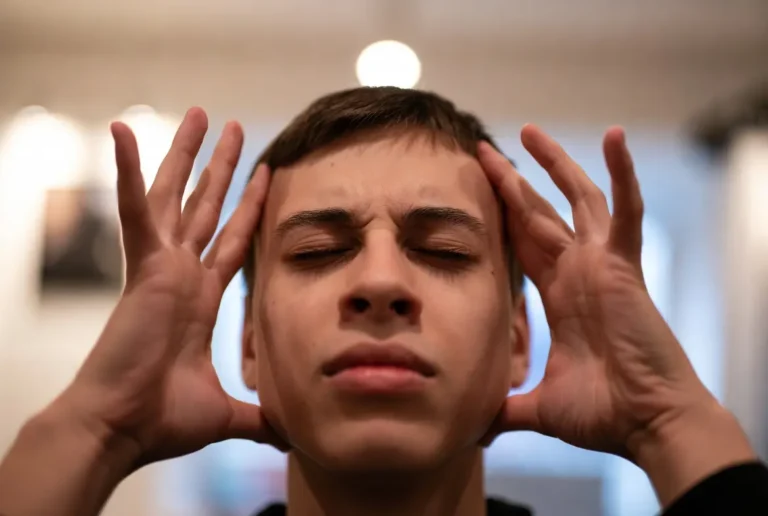
To understand overstimulation symptoms, we must first define what is happening inside the body. Overstimulation (often used as a synonym for sensory overload) is a physiological state where the brain receives more input than it can process effectively.
Imagine your brain is a computer processor. It is constantly running “background programs”—processing the hum of the refrigerator, the texture of your socks, the flickering light overhead, and your internal thoughts.
Usually, a part of the brain called the thalamus filters out the unnecessary data. However, when the volume of input exceeds the brain’s filtering capacity, the system bottlenecks.
This bottleneck triggers the sympathetic nervous system—your “fight or flight” response. You aren’t just “annoyed”; your body perceives the excess noise or data as a biological threat.
Is Overstimulation Normal?
Yes, brief periods of overstimulation are normal. If you attend a loud concert or navigate a busy airport, feeling drained afterward is a healthy response. However, chronic overstimulation—feeling this way in response to normal daily activities—is often a sign of a dysregulated nervous system or neurodivergence (like ADHD or Autism).
Overstimulation Meaning: Overstimulation occurs when the brain receives more sensory, cognitive, or emotional input than it can process comfortably. This excess data floods the nervous system, triggering stress responses like irritability, anxiety, rapid heartbeat, or mental shutdown.
What Does Being Overstimulated Feel Like?
If you asked ten of my patients what does being overstimulated feel like, you might get ten different metaphors. Some describe it as “static in the brain,” others as “wearing a wool sweater on a sunburn.”
Clinically, we categorize symptoms of overstimulation into four distinct domains. Recognizing these early signs is crucial for preventing a full meltdown.
A. Emotional Symptoms
The emotional reaction to overstimulation is often disproportionate to the situation.
- Irritability: A short fuse is the most common sign. Small requests feel like massive demands.
- Sudden Anger: You might experience “sensory rage”—an immediate, intense anger when interrupted or touched.
- Anxiety & Panic: A rising sense of dread or the feeling that you need to “escape” the room immediately.
- Tearfulness: Many adults find themselves crying for “no reason” simply to release the built-up tension.
B. Cognitive Symptoms
When the brain is over capacity, higher-level thinking shuts down.
- Brain Fog: Thoughts become sluggish, disjointed, or “muddy.”
- Racing Thoughts: Alternatively, the mind may spin in loops, unable to settle on one task.
- Decision Paralysis: Even choosing what to eat for dinner feels impossible.
- Trouble Concentrating: You may read the same email three times without absorbing it.
C. Physical Symptoms
How do you know if you are overstimulated? Listen to your body.
- Muscle Tension: Shoulders hiked up to ears, clenched jaw, or tight fists.
- Rapid Heartbeat: Palpitations or a “fluttery” feeling in the chest.
- Light/Sound Sensitivity: Normal lights seem blinding; normal conversation volume hurts your ears.
- Nausea: The gut-brain axis often reacts to overwhelm with queasiness.
D. Behavioral Signs
- Snapping at Others: Lashing out at loved ones or colleagues.
- Withdrawal: Going non-verbal or hiding in a bathroom/car.
- Covering Ears/Eyes: Physically shielding oneself from input.
- Restlessness: Pacing, fidgeting, or an inability to sit still (seeking regulation).
Signs of Overstimulation in Adults
When we hear the word “overstimulated,” we often picture a toddler having a meltdown in a crowded grocery store. However, adult overstimulation is a very real, physiological response that occurs when the nervous system is bombarded by more sensory or emotional input than it can process.
For adults—especially those navigating Bipolar Disorder, anxiety, or high-stress environments—the signs of sensory overload are often internalized. You might look completely composed on the outside while your limbic system is sounding a blaring alarm on the inside.
Here are the most common signs that your nervous system has been pushed past its capacity:
Physical Symptoms
- Sensory hypersensitivity: Normal lights suddenly feel glaringly bright, everyday background noises become physically grating, and certain textures (like a tag on your shirt) feel unbearable.
- The “wired and tired” sensation: Your body feels completely exhausted, yet your heart rate is elevated, your muscles are clenched (particularly in the jaw or neck), and you find it impossible to sit still.
- Somatic distress: Unexplained nausea, tension headaches, or a sudden feeling of being uncomfortably hot and flushed.
Emotional and Cognitive Symptoms
- Sudden irritability: A sharp, uncharacteristic spike in anger or frustration over minor inconveniences, often resulting in snapping at loved ones.
- Decision paralysis: A sudden inability to make even the simplest choices, such as what to eat for dinner, because your prefrontal cortex is too overwhelmed to process options.
- The urge to flee: An intense, panicky desire to escape your current environment, abandon your tasks, or isolate yourself in a dark, quiet room.
Recognizing these signs is not a personal failure; it is simply your brain’s biological warning engine signaling that it needs a pause. Identifying your specific overstimulation cues is the vital first step toward stepping away and resetting your nervous system before a full dysregulation episode occurs.
What Causes Overstimulation?
Identifying the root cause is essential for management. What causes overstimulation is rarely just one thing; it is usually a “stacking effect” of multiple triggers.
A. Sensory Input Overload
This is the most direct cause.
- Auditory: Construction noise, chewing sounds (misophonia), multiple conversations.
- Visual: Fluorescent lighting, cluttered rooms, flashing screens.
- Tactile: Scratchy clothing, sticky humidity, being crowded on public transit.
B. Emotional Stress
Emotional processing burns energy. High-conflict relationships, grief, or trauma history keep the amygdala (the brain’s threat center) active, lowering the threshold for nervous system overstimulation symptoms.
C. Neurochemical Factors
- Dopamine Dysregulation: Common in ADHD, where the brain seeks stimulation until it suddenly crashes.
- Cortisol Spikes: Chronic stress keeps cortisol high, keeping the body in a state of hyper-vigilance where every sound feels louder and every light brighter.
D. Chronic Stress & Burnout
When stress becomes chronic, the nervous system gets “stuck” in the “on” position. This leads to brain overstimulation symptoms even in quiet environments because the internal alarm system is broken.
Sensory Overload vs Overstimulation vs Overwhelm

Patients often use these terms interchangeably, but distinguishing them helps in choosing the right coping strategy.
| Term | Primary Trigger | Nervous System State | Common Context |
| Overstimulation | Excess input (sensory, mental, or emotional) | Hyperarousal (Sympathetic activation) | ADHD, Modern Life, Anxiety |
| Sensory Overload | Specific sensory input (Noise, Light, Touch) | Fight, Flight, or Freeze | Autism, SPD, Migraines |
| Overwhelm | Emotional or cognitive demands | Cognitive “Freeze” or Shutdown | Trauma, Burnout, Grief |
Sensory overload vs overstimulation: While overstimulation can be mental (too many tasks), sensory overload is specifically about physical senses. Overwhelmed vs overstimulated: You can be overwhelmed by sadness without being overstimulated, but being overstimulated almost always leads to feeling overwhelmed.
ADHD Overstimulation Symptoms
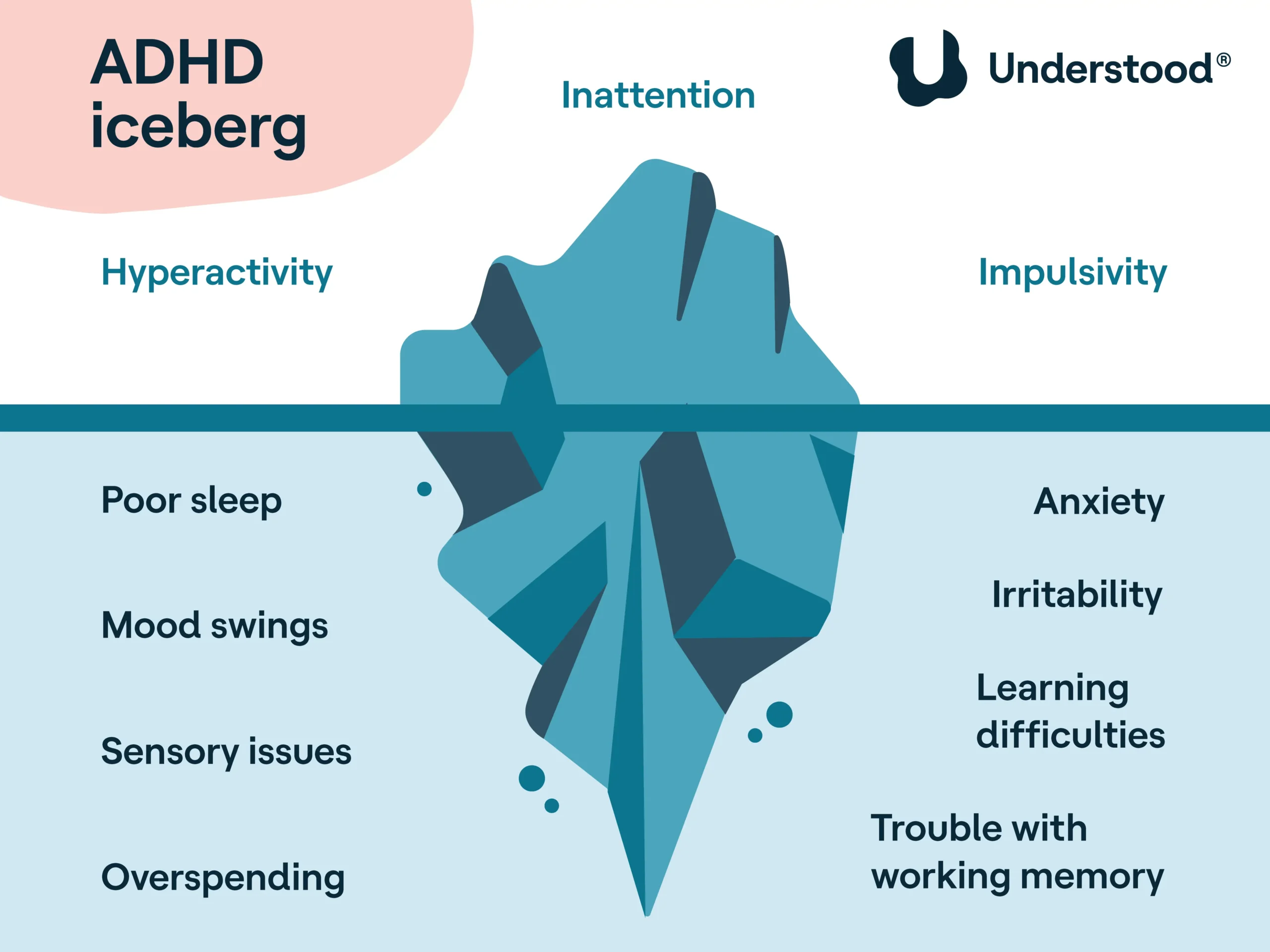
For neurodivergent individuals, overstimulation is a daily reality. ADHD overstimulation symptoms are unique because of how the ADHD brain regulates (or fails to regulate) attention.
The “Leaky Filter”
The ADHD brain struggles to filter out irrelevant stimuli. While a neurotypical brain can ignore the hum of the air conditioner to focus on a conversation, the ADHD brain processes both at equal volume. This leads to rapid depletion of cognitive energy.
Specific Signs in ADHD:
- Hyperfocus Crash: After hours of intense focus (a high-dopamine state), the brain crashes, leading to immediate irritability and exhaustion.
- Transition Fatigue: Moving from a high-stimulation task (gaming) to a low-stimulation task (chores) causes friction that feels like overstimulation.
- Medication Effects: While stimulants help focus, Adderall overstimulation symptoms can occur if the dose is too high. This looks like jaw clenching, heart palpitations, obsessive picking, or “zombie-like” staring.
In my practice, I often help ADHD clients differentiate between “under-stimulation” (boredom seeking) and “over-stimulation.” Paradoxically, the ADHD brain often seeks chaos to feel normal, only to suddenly tip over into panic when the chaos becomes too much.
Here is the second half of the comprehensive guide on overstimulation.
Autism & Overstimulation
While ADHD involves a struggle with regulating attention, autism overstimulation symptoms stem from fundamental differences in how the brain processes sensory data. In my clinical experience, autistic individuals often lack the mechanism that allows neurotypical brains to “habituate” to stimuli.
For example, a neurotypical person might hear a ticking clock and ignore it after 30 seconds. For an autistic person, that tick might stay at “Volume 10” for hours.
Is Overstimulation a Sign of Autism?
Yes, intense sensory reactivity is a core diagnostic criterion in the DSM-5. Autistic overstimulation symptoms often manifest as:
- Meltdowns: An involuntary, explosive release of tension (crying, yelling, thrashing). This is not a “tantrum”; it is a biological reboot.
- Shutdowns: The internal version of a meltdown. The person goes silent, dissociates, or becomes unresponsive to speech.
- Stimming: Repetitive movements (rocking, hand flapping) increase to help the brain regulate the chaos.
Social, Visual & Mental Overstimulation
Overstimulation isn’t always about loud noises. In our hyper-connected world, subtle forms of overload are causing rampant burnout.
Social Overstimulation Symptoms
Humans are social creatures, but social interaction requires massive cognitive effort (reading faces, tone, subtext). Social overstimulation symptoms include:
- The “Social Hangover”: Physical exhaustion or migraines after parties or networking events.
- Masking Fatigue: The intense drain of “performing” normalcy (common in autism and social anxiety).
- Irritability: Snapping at a partner immediately after returning home from a social event.
Visual Overstimulation Symptoms
Our eyes are not evolved for screens.
- Computer Vision Syndrome: Eye strain, dry eyes, and headaches from blue light.
- Clutter Blindness: Feeling anxious in messy rooms without realizing why. Visual clutter forces the brain to process thousands of objects constantly.
Mental Overstimulation Symptoms
This is “cognitive load.”
- Open Loops: Having too many unfinished tasks (emails, chores) creates a background hum of anxiety.
- Information Fatigue: The inability to process new information after scrolling social media for hours.
Sexual Overstimulation Symptoms
This is a sensitive topic that patients often hesitate to discuss, but it is a valid physiological response.
Sexual overstimulation symptoms occur when physical sensation shifts from pleasurable to painful or irritating. This is common in individuals with sensory processing differences or a history of trauma.
- Hypersensitivity: Touch may suddenly feel like burning, tickling, or chafing.
- Repulsion: An immediate, involuntary need to stop being touched.
- Emotional Crash: Feeling irritable, tearful, or “empty” immediately after intimacy (sometimes called post-coital tristesse, but often sensory-based).
Clinical Note: This is not a dysfunction of desire; it is a nervous system limit. Communication is key to managing pauses or changing sensory inputs (like lighting or fabric texture) during intimacy.
Postpartum & Hormonal Overstimulation

New mothers are arguably the most overstimulated population on the planet. Postpartum overstimulation symptoms are a “perfect storm” of biological and environmental factors.
- Sleep Deprivation: Reduces the brain’s ability to filter sensory input.
- Tactile Overload: Being “touched out” by a nursing infant or clinging toddler.
- Auditory Triggers: A baby’s cry is evolutionarily designed to trigger a cortisol spike. When this happens 20 times a day, the nervous system never returns to baseline.
- Hormonal Shifts: The rapid drop in progesterone postpartum removes a natural “calming” buffer from the brain.
Caffeine & Dopamine Overstimulation
We often induce overstimulation ourselves through substances and habits.
Caffeine Overstimulation Symptoms
Caffeine blocks adenosine (the sleepy chemical) and boosts adrenaline. Too much leads to:
- Jitteriness and trembling hands.
- Impending Doom: A specific type of anxiety panic.
- Rapid heart rate and shallow breathing.
Dopamine Overstimulation Symptoms
This is the “TikTok Brain” phenomenon. Short-form content delivers rapid dopamine hits. When you stop scrolling, dopamine drops below baseline, leading to:
- Restlessness and boredom intolerance.
- Irritability (“dopamine withdrawal”).
- The inability to focus on slower-paced activities (like reading or conversation).
Chronic Overstimulation
When acute overload becomes a daily lifestyle, it morphs into chronic overstimulation.
Chronic overstimulation means your nervous system is stuck in a sympathetic (fight-or-flight) state. You might feel “tired but wired”—exhausted but unable to sleep. Over time, this leads to:
- Adrenal Fatigue: (Clinically referred to as HPA axis dysregulation).
- Digestive Issues: IBS, bloating, nausea.
- Weakened Immunity: Frequent colds or infections.
- Burnout: Total emotional and physical collapse.
How to Deal With & Heal Overstimulation
You cannot “think” your way out of overstimulation. You must use “bottom-up” regulation—calming the body to calm the mind. Here is the 3-phase strategy I use with my patients.
Phase 1: Immediate Regulation (The “Emergency Brake”)
When you are in the red zone, do this:
- Reduce Input: Leave the room. Turn off the lights. Put on noise-canceling headphones. Stop the data flood.
- Cold Exposure: Splash ice-cold water on your face or hold an ice cube. This triggers the mammalian dive reflex, instantly lowering heart rate.
- Deep Pressure: Use a weighted blanket or squeeze your arms tight across your chest. This proprioceptive input signals “safety” to the brain.
- Physiological Sigh: Inhale deeply through the nose, then take a second, shorter inhale to fully inflate the lungs. Exhale slowly through the mouth. Repeat 3 times.
Phase 2: Daily Prevention (The “Sensory Diet”)
Build resilience so the bucket doesn’t overflow.
- Sensory Boundaries: Wear sunglasses indoors if needed. Use “Loop” earplugs in loud spaces.
- Scheduled Quiet: Build 10 minutes of silence into your day before you feel stressed.
- Screen Limits: Set strict boundaries on social media to prevent dopamine overstimulation symptoms.
- Routines: Predictability reduces the cognitive load of decision-making.
Phase 3: Long-Term Healing
How to heal overstimulation requires rewiring the nervous system.
- Therapy: Somatic Experiencing (SE) or EMDR can help heal the trauma responses that keep you hyper-vigilant.
- Occupational Therapy: An OT can help adults design a workspace and lifestyle that fits their sensory profile.
- Sleep Optimization: Protect your sleep like it is medicine. It is the only time the brain “cleans” itself of metabolic waste.
When to Seek Professional Help
If you are reading this and thinking, “I feel this way every single day,” it is time to seek support.
You should seek an assessment if:
- Managing overstimulation on your own isn’t working.
- You experience frequent panic attacks or meltdowns.
- Overstimulation is causing you to avoid work, relationships, or leaving the house.
- You suspect underlying ADHD, Autism, or PTSD.
What is overstimulation a symptom of? It is a symptom of a nervous system asking for help. It is not a character flaw. Whether it is caused by neurodivergence, trauma, or simply the crushing weight of modern life, you deserve to feel safe in your own body.
References & High-Quality Sources
Related Posts



Subscribe to Our Newsletter
Get mental health tips, updates, and resources delivered to your inbox.
MORE from Author
Read More In my practice as a clinical psychologist, I often observe that the difference between a patient who crumbles under pressure…
- We all have "up" days and "down" days. Perhaps you feel energized after a promotion or sluggish on a rainy…


 To define bipolar disorder accurately, we must look at it as a chronic mood dysregulation condition. In psychology and medicine,…
 To answer whether bipolar fits the bill, we first have to define what a neurodivergent person actually is. The term…
Are you looking for a Therapist?
Connect with qualified mental health professionals who understand
bipolar disorder, mood changes, and emotional challenges.
Private • Supportive • Confidential