
Signs of Overstimulation in Adults: Symptoms, Causes & How to Calm Your Nervous System
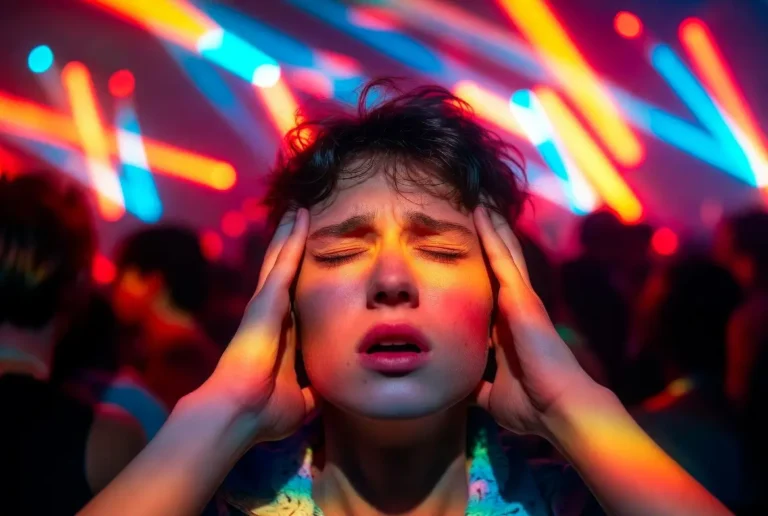
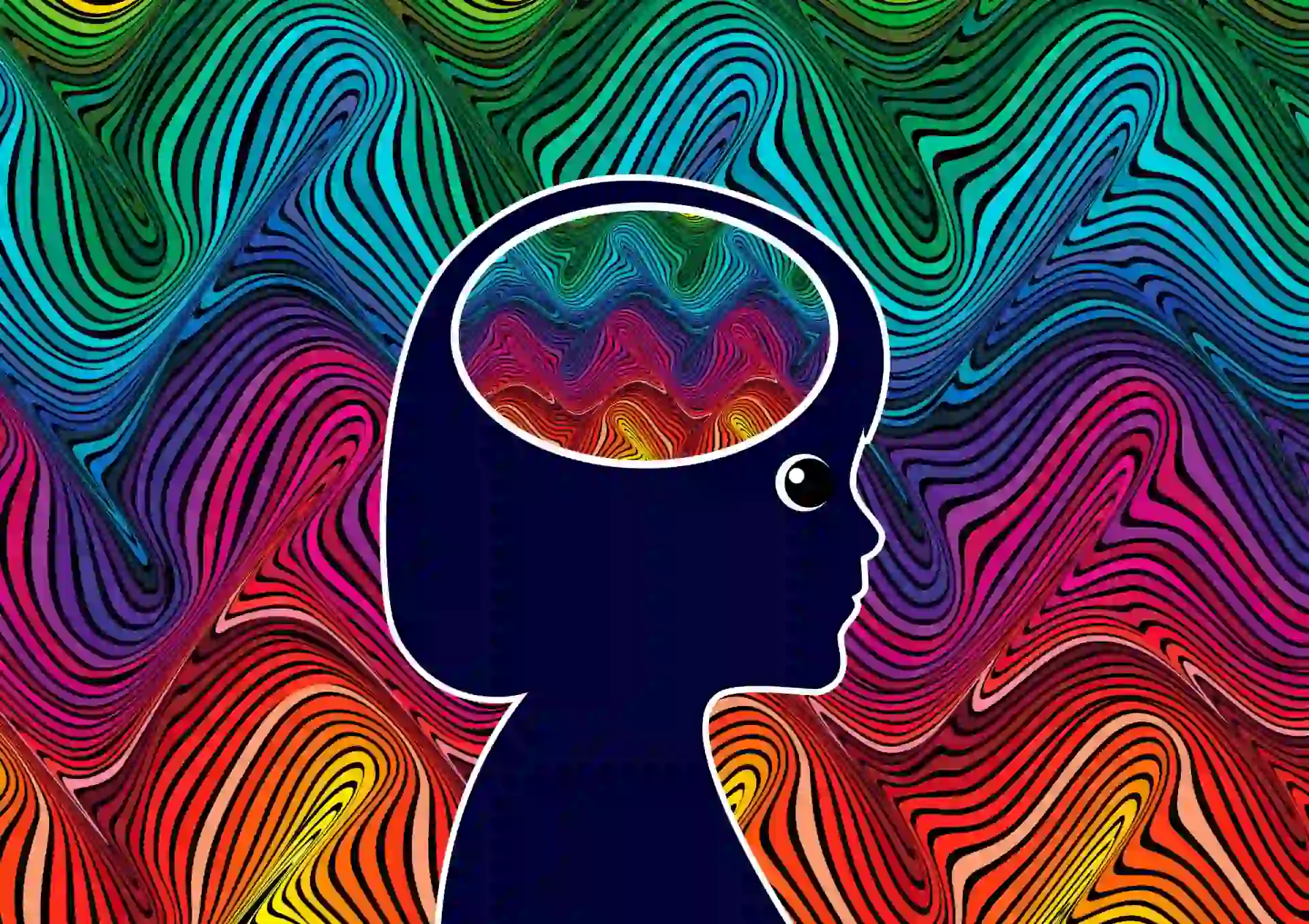
To understand overstimulation symptoms, we must first look at the mechanics of the brain. Your brain is a processing machine. Every second, it receives millions of bits of data: the hum of the refrigerator, the tightness of your waistband, the text message notification, the smell of coffee, and your internal thoughts.
Normally, a part of the brain called the thalamus acts as a gatekeeper, filtering out irrelevant noise so you can focus on what matters. Overstimulation occurs when this gatekeeper gets overwhelmed. The floodgates open, and your brain attempts to process everything at once.
This bottleneck triggers the sympathetic nervous system—your “fight or flight” response. Your body perceives the excess data not as “noise,” but as a biological threat.
Overstimulation happens when the brain receives more sensory, emotional, or cognitive input than it can comfortably process. This excess input floods the nervous system, triggering stress responses like irritability, anxiety, fatigue, or a “shutdown” state where thinking becomes difficult.
Is Overstimulation Normal?
Yes. If you stand in the middle of Times Square or a rock concert, feeling overstimulated is a healthy, expected response. However, when you start seeing signs of overstimulation in adults during normal daily activities—like grocery shopping or sitting in an office—it indicates that your nervous system’s “buffer” has been depleted.
How Do You Know If You’re Overstimulated?
Identifying signs you’re overstimulated can be tricky because they often masquerade as personality flaws. I once worked with a patient, “Mark,” who believed he had a severe anger management problem. He would come home from his job as a data analyst and snap at his children within minutes.
Through therapy, we realized he wasn’t angry; he was suffering from auditory and cognitive overstimulation. Once he started wearing noise-reducing earplugs on his commute, the “anger” vanished.
If you are wondering how do you know if you are overstimulated, look for these three categories of symptoms.
1. Emotional Signs
The hallmark of overstimulation is an emotional reaction that feels disproportionate to the trigger.
- Irritability: A “short fuse.” Small requests feel like massive demands.
- Sudden Anger: This is often called “sensory rage.” You might feel a flash of intense fury when interrupted or touched unexpectedly.
- Anxiety Spike: A rising sense of dread or panic without a clear worry thought.
- Tearfulness: Many adults find themselves crying “for no reason,” which is actually the body’s attempt to release tension.
2. Cognitive Signs
When the brain’s processor is jammed, higher-level thinking (executive function) shuts down.
- Brain Fog: Thoughts feel sluggish, muddy, or disjointed.
- Racing Thoughts: Alternatively, the mind may spin in loops, unable to settle on one task.
- Decision Paralysis: Even choosing what to eat for dinner feels impossible.
- “Fried” Feeling: A distinct sensation of mental exhaustion where you cannot process spoken language effectively.
3. Behavioral Signs
Signs someone is overstimulated are often visible in how they move and interact.
- Snapping at Others: Lashing out verbally to make the input stop.
- Social Withdrawal: Going non-verbal, looking at the floor, or hiding in a bathroom/car.
- Covering Ears/Eyes: Physically shielding oneself from input.
- Fleeing: Abruptly leaving a room, party, or meeting because the urge to escape is overwhelming.
What Are the Physical Effects of Overstimulation?
Overstimulation is not “all in your head”—it is very much in your body. When I measure the heart rate variability (HRV) of an overstimulated patient, it typically shows a system under siege.
What happens if you are overstimulated physically? Your body prepares for battle.
Short-Term Physical Symptoms
- Rapid Heart Rate: You may feel palpitations or a “fluttery” chest.
- Muscle Tension: Shoulders hike up to the ears, the jaw clenches (bruxism), and fists may tighten.
- Headache: Often a “tension band” feeling around the forehead or behind the eyes.
- Sensory Sensitivity: Normal lights seem blindingly bright; normal conversation volume physically hurts the ears (hyperacusis).
- Nausea: The gut-brain axis reacts to the stress, often leading to queasiness or a “knot” in the stomach.
Nervous System Effects
Internally, the HPA axis (Hypothalamus-Pituitary-Adrenal) releases a cocktail of stress hormones. Adrenaline spikes to give you energy to “fight” the noise, and Cortisol rises to keep you alert. This state of hypervigilance is exhausting.
It is why, after a bout of overstimulation, many people feel the need to sleep for hours—the body needs to metabolize these stress chemicals.
Does Overstimulation Affect Your Mood?

A common question I get is: Does overstimulation affect your mood? The answer is a resounding yes, but with a nuance. Overstimulation doesn’t just lower your mood; it destabilizes it.
The “Shame-Rage” Loop
When a person is overstimulated, their window of tolerance shrinks. You might swing from feeling fine to feeling enraged in seconds. This is often followed by a crash of shame.
For example, a parent might yell at their toddler for being too loud (overstimulation response), and then immediately feel deep guilt and depression (mood crash). This isn’t necessarily Bipolar Disorder or a personality disorder; it is a direct result of nervous system overload.
Emotional Reactivity:
- Defensiveness: You may interpret neutral comments as attacks because your brain is already in “threat detection” mode.
- Hopelessness: When the brain is tired, it struggles to see future solutions, leading to temporary feelings of despair.
What Causes Overstimulation in Adults?
Identifying what causes overstimulation in adults is detective work. It is rarely just one thing; it is usually a “stacking effect” of multiple triggers. I tell my patients to imagine a bucket. You can handle a few drops of water, but if the bucket is already full of stress, one drop (a loud noise) will cause it to overflow.
A. Sensory Triggers
These are the external inputs that directly assault the senses.
- Auditory: Open-plan offices, construction noise, chewing sounds (misophonia), overlapping conversations.
- Visual: Fluorescent lighting, cluttered rooms, flashing screens, bright supermarkets.
- Tactile: Scratchy clothing (tags, wool), sticky humidity, being touched by strangers in a crowd.
B. Emotional Stress
Emotional processing burns energy.
- Conflict: Arguments or tension in a relationship keep the amygdala active.
- Multitasking: Trying to answer emails while cooking dinner and listening to a podcast is a recipe for cognitive bottlenecking.
- High Expectations: The pressure to be “on” and perform socially drains the battery quickly.
C. Biological Factors
Why do I get overstimulated so easily? Sometimes, the hardware is compromised.
- Sleep Deprivation: A tired brain filters sensory input poorly.
- Hormonal Shifts: Many women report drastically lower thresholds for noise and touch during the luteal phase (PMS), perimenopause, or postpartum.
- Hunger: Low blood sugar increases irritability and sensory sensitivity.
D. Individual Sensitivity (HSP & Trauma)
Some people are born with a more porous filter. Highly Sensitive Persons (HSPs) process sensory data more deeply than others. Additionally, individuals with a history of trauma often live in a state of hypervigilance, scanning the environment for threats, which predisposes them to signs of overstimulation in adults.
Sensory Overload vs Overstimulation
These terms are often used interchangeably, but there is a distinction worth noting.
| Feature | Overstimulation | Sensory Overload |
| Primary Trigger | Too much overall input (sensory + cognitive + emotional) | Intense, specific sensory input (Noise, Light, Smell) |
| Nervous System State | Hyperarousal (Sympathetic activation) | Fight, Flight, or Freeze |
| Feeling | “I can’t think,” “Too much to do” | “It hurts,” “I need to escape” |
| Common In | ADHD, Anxiety, Modern Life | Autism, SPD, Migraines |
Sensory overload vs overstimulation: You can be overstimulated by having too many tasks at work (mental load) without any bright lights or loud noises. Sensory overload is specifically about the physical environment being too intense.
Here is Part 2 of the comprehensive guide on signs of overstimulation in adults.
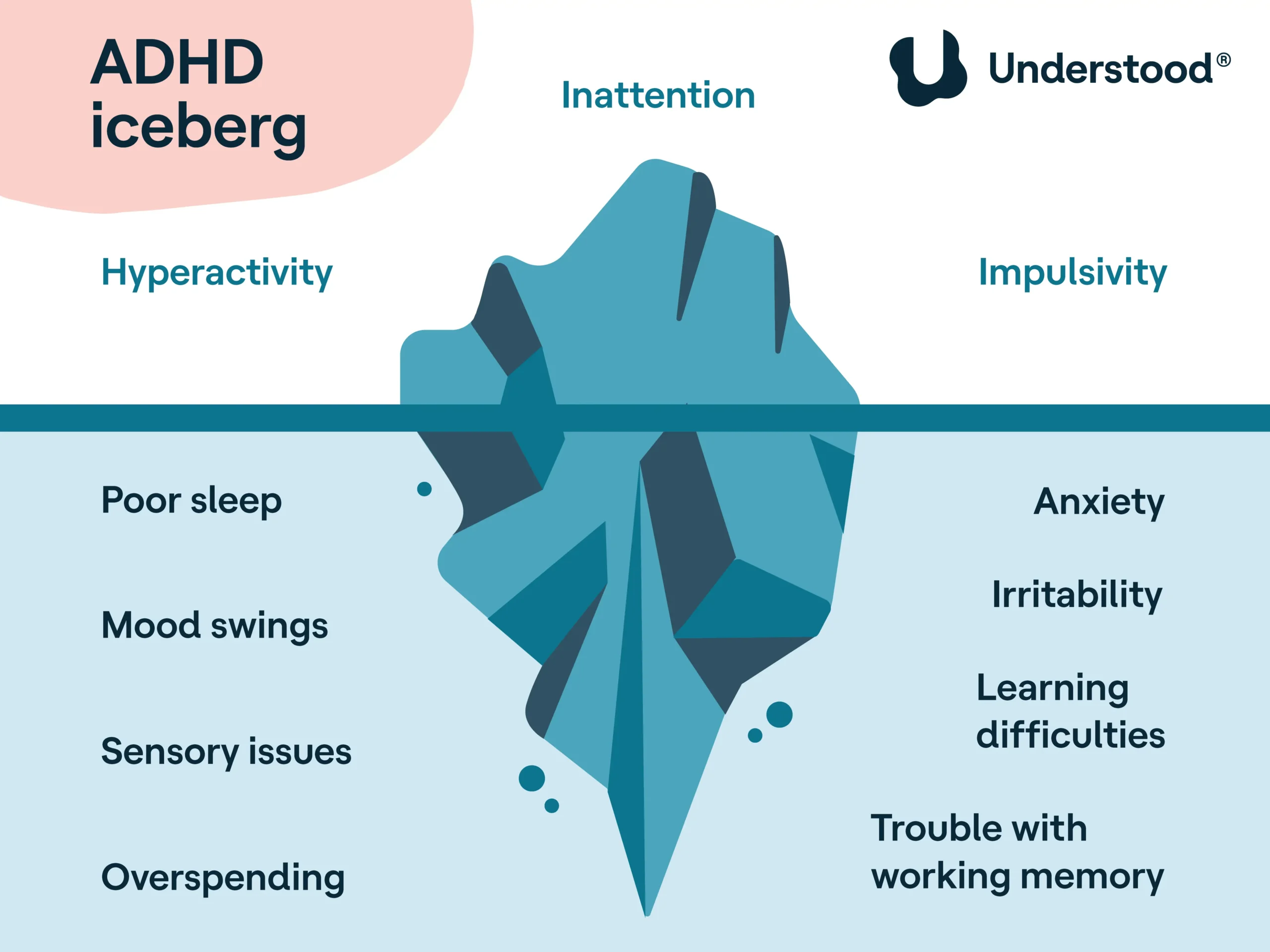
Is Overstimulation a Sign of ADHD?
One of the most common reasons adults end up in my office is because they suspect they might have undiagnosed ADHD. They often point to signs of overstimulation in adults as their primary evidence. They aren’t wrong.
Is overstimulation a sign of ADHD? Yes, absolutely. It stems from a deficit in executive functioning specifically related to filtering.
The “Leaky Filter” Hypothesis
A neurotypical brain has a built-in noise-canceling feature. It automatically ignores the hum of the air conditioner or the tag on a shirt to focus on a conversation. The ADHD brain, however, has a “leaky filter.” It processes everything at equal volume. The sound of a clock ticking is given the same priority as a boss’s instructions. This leads to rapid cognitive depletion.
Specific ADHD Overstimulation Signs:
- Hyperfocus Crash: After hours of intense focus (a high-dopamine state), the brain suddenly runs out of fuel, leading to immediate irritability and exhaustion.
- Task-Switching Fatigue: Moving from a high-stimulation task (like gaming or a crisis at work) to a low-stimulation task (doing dishes) creates a friction that feels physically painful.
- Emotional Dysregulation: The “brakes” in the ADHD brain are weaker, meaning frustration turns into rage or tears much faster than in neurotypical adults.
Is Overstimulation a Sign of Autism?
Similarly, is overstimulation a sign of autism? Yes, but the mechanism is slightly different.
For autistic adults, overstimulation is often tied to sensory processing differences and social exhaustion. The autistic brain tends to process details first (“bottom-up processing”) rather than the big picture. This means a grocery store isn’t just “a store”—it is thousands of individual labels, lights, smells, and sounds that must be processed individually.
Autistic Overstimulation Patterns:
- Social Hangovers: Physical illness or extreme fatigue after social interaction due to the cognitive load of “masking” (hiding autistic traits).
- Meltdowns vs. Shutdowns:
- Meltdown: An outward explosion of energy (crying, yelling) when the system cannot hold any more.
- Shutdown: An inward collapse. The person goes non-verbal, dissociates, or stares into space to conserve energy.
- Sensory Hypersensitivity: A lifelong pattern where specific textures (food, fabric) or sounds cause a visceral repulsion response.
What Medication Is Used for Overstimulation?
Patients often ask me, “Is there a pill for this?” The short answer is no—there is no specific “anti-overstimulation” medication. However, treating the underlying cause can help raise your threshold.
What medication is used for overstimulation symptoms?
- ADHD Stimulants (e.g., Adderall, Vyvanse): Paradoxically, stimulants can help calm the ADHD brain by improving the “filter,” allowing you to ignore distracting sensory input. However, if the dose is too high, they can cause overstimulation (jaw clenching, anxiety).
- Anxiety Medications (SSRIs): Drugs like Lexapro or Zoloft can lower baseline anxiety, making the amygdala less reactive to sensory triggers.
- Beta-Blockers: These block the physical effects of adrenaline (racing heart, shaking). They don’t stop the mental noise, but they stop the body’s panic response, which can prevent a spiral.
Disclaimer: Always consult a psychiatrist or medical doctor before starting any medication. What works for one nervous system may dysregulate another.
How to Calm Yourself When You’re Overstimulated

When you are in the “red zone,” you cannot think your way out of it. You must use “bottom-up” regulation—calming the body to signal safety to the brain.
Here is the protocol I teach my patients for how to calm yourself when you’re overstimulated:
1. The “Mammalian Dive Reflex” (Cold Water)
This is the fastest way to reset the vagus nerve. Splash ice-cold water on your face, or hold an ice pack to your chest/neck for 30 seconds. This triggers a physiological reflex that instantly slows your heart rate.
2. Deep Pressure Therapy
Proprioceptive input (pressure on the muscles/joints) is grounding.
- Wrap yourself tight in a heavy blanket.
- Squeeze your own arms firmly.
- Push against a wall with all your might.
3. Reduce Input Immediately
What to do if you are overstimulated? Stop the flood.
- Turn off the lights.
- Put on noise-canceling headphones (even with no music playing).
- Go to a small, enclosed space (a car, a closet, a bathroom).
4. The Physiological Sigh
Inhale deeply through the nose, then take a second, shorter inhale to fully inflate the lungs. Exhale slowly and fully through the mouth. Repeat 3 times to offload carbon dioxide and lower stress.
How to Deal With Overstimulation When You Can’t Leave
Real life doesn’t always allow us to go hide in a dark room. You might be in a board meeting, on a plane, or caring for crying children.
How to deal with overstimulation when you can’t leave:
1. The “Bathroom Reset”
Excuse yourself for 3 minutes. Go to the restroom, run cold water over your wrists, and do 10 jumping jacks or wall push-ups. The burst of physical exertion burns off excess adrenaline.
2. Use “High-Fidelity” Earplugs
Brands like Loop or Flare Audio make earplugs that lower the volume of the world (decibels) without muffling speech. They take the “edge” off sharp noises (like cutlery clinking or typing) while allowing you to hear your boss or child.
3. Visual Anchoring
If the room is spinning, pick one boring object (a table leg, a vent). Describe it in your head in extreme detail: “It is gray. It has three slats. It is dusty.” This forces your prefrontal cortex back online and stops the emotional spiral.
4. Grounding (5-4-3-2-1)
Acknowledge 5 things you see, 4 you can touch, 3 you hear, 2 you smell, and 1 you taste. This pulls your brain out of “threat mode” and back into the present moment.
How to Not Get Overstimulated (Prevention)
While emergency tools are necessary, the goal is to prevent the bucket from overflowing in the first place.
- Schedule “White Space”: Your brain needs downtime where it isn’t processing anything. No podcasts, no scrolling, no talking. Just 10 minutes of staring out a window or closing your eyes.
- Protect Your Sleep: Sleep deprivation is the number one cause of a lowered sensory threshold.
- Know Your Triggers: If grocery stores trigger you, use delivery services. If tags bother you, cut them out. You don’t get “extra points” for suffering through sensory pain.
- Limit Decision Fatigue: Automate what you can. Wear the same rotation of clothes; have a meal plan. Fewer decisions mean more energy for processing the unexpected.
Frequently Asked Questions
How do you know if you’re overstimulated?
You know you are overstimulated if you feel a sudden, disproportionate emotional reaction (irritability, rage, tears) to sensory input, accompanied by physical tension, a racing heart, or a “brain fog” that makes it hard to think.
What happens if you are overstimulated?
If you ignore the signs, your body enters a chronic fight-or-flight state. This can lead to a “meltdown” (explosion of emotion), a “shutdown” (dissociation), or long-term burnout, fatigue, and anxiety.
Is overstimulation a sign of ADHD?
Yes. ADHD brains have difficulty filtering out irrelevant sensory information, leading to a faster accumulation of mental fatigue and sensory overwhelm compared to neurotypical brains.
How can I calm myself when overstimulated?
Reduce sensory input immediately (dim lights, reduce noise), use deep pressure (weighted blankets), splash cold water on your face, and use slow, deep breathing to reset your nervous system.
What medication is used for overstimulation?
There is no specific pill for overstimulation. However, treating underlying conditions with ADHD stimulants, anti-anxiety medications (SSRIs), or beta-blockers can help manage the symptoms and raise your tolerance threshold.
Conclusion: You Are Not “Too Much”
If you take one thing away from this article, let it be this: Your overstimulation is real. It is a biological signal, not a personality defect. You are not “too sensitive” or “difficult.” You are likely living with a high-performance engine that simply needs a different kind of maintenance.
By recognizing the signs of overstimulation in adults early and respecting your nervous system’s limits, you can move from a life of constant survival to one of sustainable calm.
References & High-Quality Sources
Related Posts




Subscribe to Our Newsletter
Get mental health tips, updates, and resources delivered to your inbox.
MORE from Author
Read More In my practice as a clinical psychologist, I often observe that the difference between a patient who crumbles under pressure…
- We all have "up" days and "down" days. Perhaps you feel energized after a promotion or sluggish on a rainy…


 To define bipolar disorder accurately, we must look at it as a chronic mood dysregulation condition. In psychology and medicine,…
 To answer whether bipolar fits the bill, we first have to define what a neurodivergent person actually is. The term…
Are you looking for a Therapist?
Connect with qualified mental health professionals who understand
bipolar disorder, mood changes, and emotional challenges.
Private • Supportive • Confidential