
Rejection Sensitive Dysphoria in Relationships: Symptoms, Causes, and How to Cope
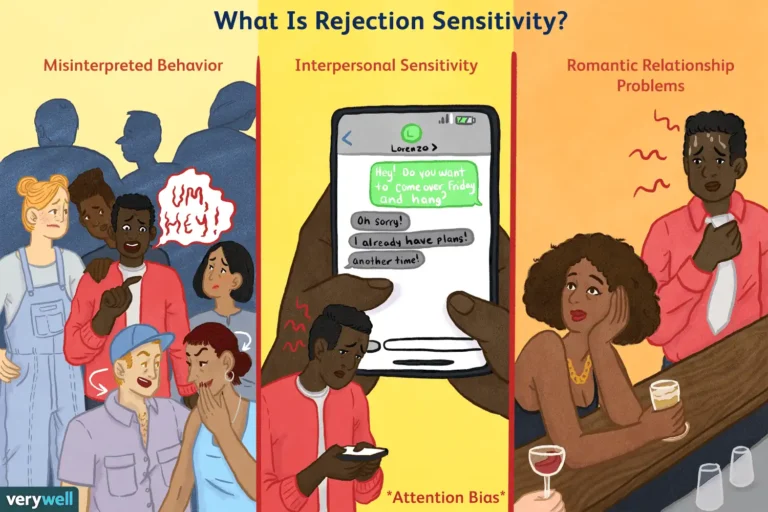
You send a text to your partner. Minutes pass with no reply, and suddenly anxiety takes over—“They’re ignoring me. It’s over.” This intense reaction may be linked to Rejection Sensitive Dysphoria (RSD), a condition where perceived rejection feels overwhelming and even physically painful.
Rejection Sensitive Dysphoria is common in people who experience heightened emotional sensitivity, often leading to misunderstandings and conflict in relationships. Small delays, neutral messages, or minor disagreements can feel like personal rejection.
In this guide, we explore the psychology behind RSD, its impact on relationships, and practical strategies for managing emotional responses. You’ll also learn how partners can better understand and support someone experiencing RSD.
As Dr. Laura Athey-Lloyd explains, the goal is not to suppress emotions, but to recognize triggers, pause, and respond with awareness rather than fear—building healthier and more secure relationships.
What Is Rejection Sensitive Dysphoria (RSD)?
To understand rejection-sensitive dysphoria (RSD), we must first look at the name itself. Dysphoria comes from the Greek word for “hard to bear.” This is not essentially sadness; it is an unbearable, sudden onset of emotional distress.
Defining the Condition
Currently, rejection-sensitive dysphoria is not formally listed in the DSM-5 (Diagnostic and Statistical Manual of Mental Disorders) as a standalone diagnosis. However, it is widely recognized by clinicians, particularly in the ADHD community, as a manifestation of emotional dysregulation.
Signs of rejection-sensitive dysphoria often include:
- Intense Emotional Pain: A reaction to perceived rejection that feels catastrophic.
- Instantaneous Shift: Going from “fine” to “devastated” in seconds.
- Physical Symptoms: Many patients report a sensation similar to being punched in the chest or stomach.
- People Pleasing: excessive compliance to avoid any possibility of disapproval.
Causes and Neurology
What causes rejection-sensitive dysphoria? Research suggests a genetic and neurological component. In neurotypical brains, the frontal cortex regulates emotional responses, dampening them before they become overwhelming. In brains with RSD, this “gating” mechanism is often impaired. The emotional signal of rejection—real or imagined—hits the limbic system (the brain’s emotional center) without a filter.
Rejection Sensitive Dysphoria vs Sensitivity
It is crucial to distinguish rejection-sensitive dysphoria vs sensitivity (often associated with Highly Sensitive Persons or HSPs).
- HSP: You feel emotions deeply and process things thoroughly. The reaction is often proportional but sustained.
- RSD: The reaction is sudden, intense, and often disproportionate to the trigger. It is a “crash,” not a mood.
While many ask about rejection-sensitive dysphoria without ADHD, clinical consensus largely ties RSD to ADHD or similar executive function disorders. However, trauma and other mood disorders can mimic these symptoms.
What Does Rejection-Sensitive Dysphoria Feel Like?
If you ask a patient, “What does rejection-sensitive dysphoria feel like?” they rarely use words like “sad” or “annoyed.” They use words like “devastating,” “humiliating,” or “torturous.”
In rejection-sensitive dysphoria relationships, this feeling manifests as a constant, low-level anxiety that the other shoe is about to drop.
- The Shame Spiral: If a partner criticizes a specific behavior (e.g., “Please do the dishes”), the person with RSD hears a character assassination (“You are lazy and worthless”).
- The Rage Response: Sometimes, the pain is so severe that the brain flips into “fight” mode. This can look like a sudden, explosive argument over something minor.
On forums like rejection-sensitive dysphoria relationships reddit threads, users describe it as “emotional sunburn.” Even a gentle touch feels like a slap because the protective layer is missing.
ADHD and RSD in Relationships
The link between ADHD and RSD in relationships is inextricable for many. Dr. William Dodson, a leading psychiatrist in this field, estimates that 99% of adults with ADHD experience RSD to some degree.
The Executive Function Connection
ADHD is not just about attention; it is about regulation. This includes regulating emotions.
- Impulsivity: An ADHD brain might react to a perceived slight immediately, sending an angry text before the rational brain can intervene.
- Object Permanence Issues: If a partner is busy and not giving attention, the ADHD brain may struggle to “feel” the love that isn’t right in front of them.
The Impact on Partners
For the partner without ADHD, this can be baffling. They might feel like they are walking on eggshells. They might search for how to deal with rejection sensitivity because they are afraid that asking for space will trigger a meltdown.
Clinical Note: It is important to remember that the person with RSD is not “being dramatic” on purpose. Their brain is firing “danger” signals that feel as real as a physical threat.
Bipolar Disorder and RSD: The Overlap and Distinction
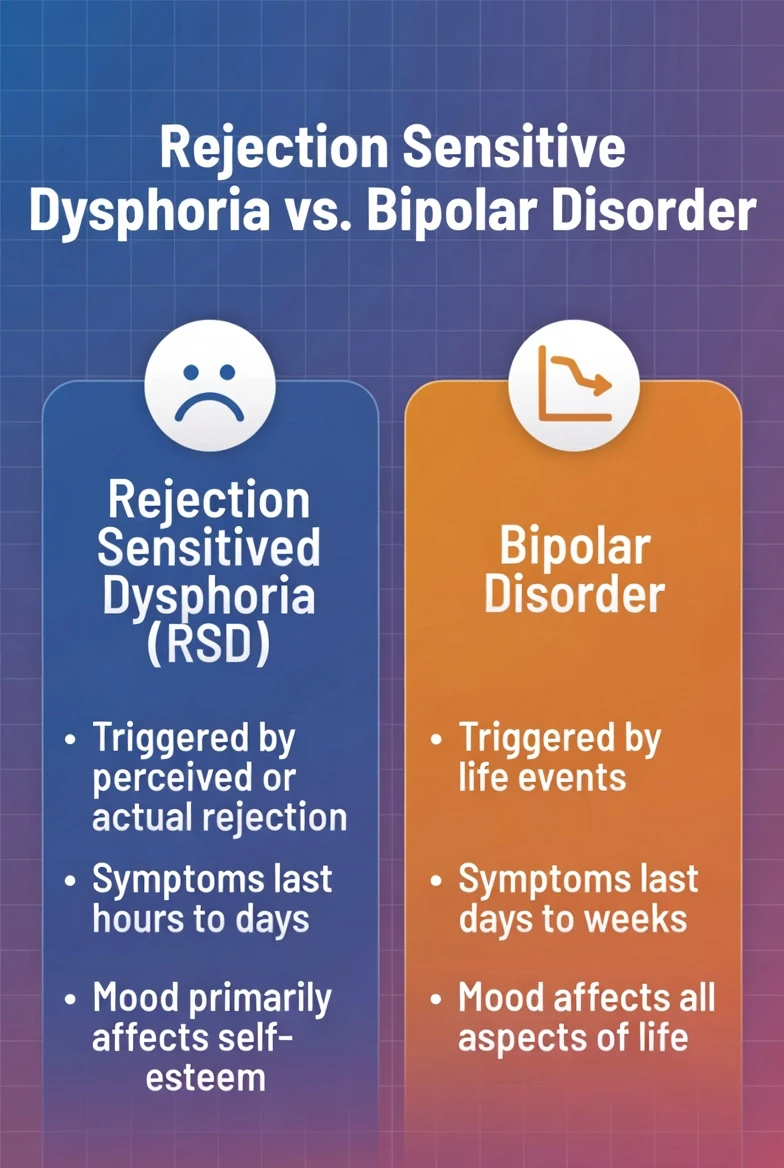
Rejection Sensitivity in Bipolar Disorder vs. ADHD-Based RSD
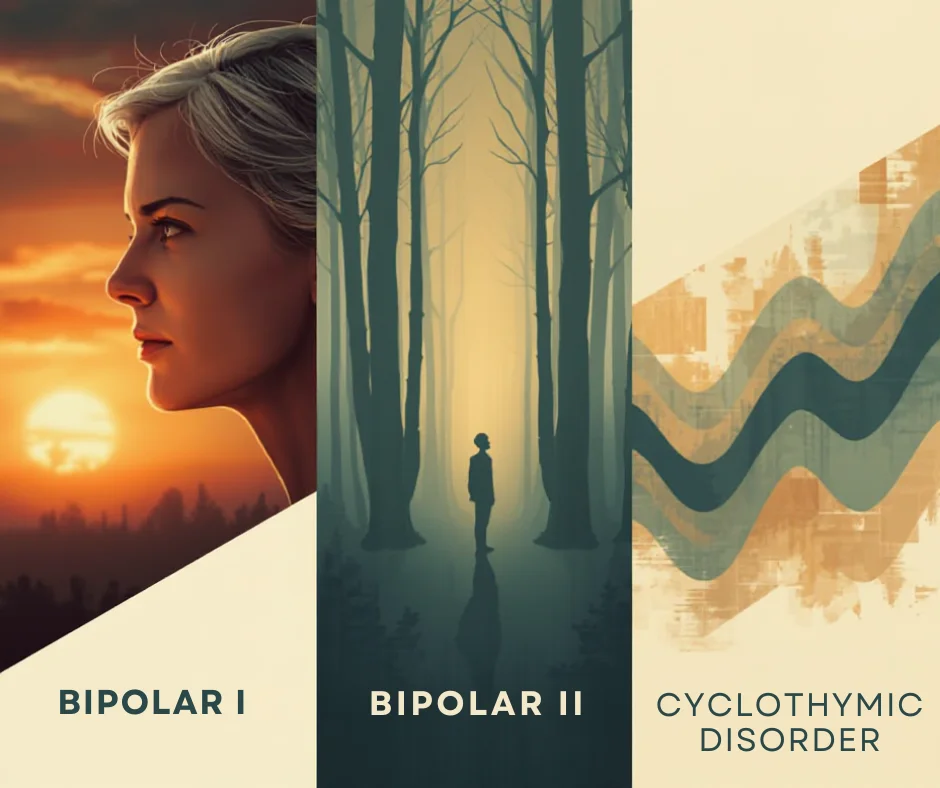
While RSD is most commonly associated with ADHD, high rejection sensitivity is also a hallmark feature of Bipolar Disorder, particularly during depressive or mixed episodes. However, the mechanism differs.
In Bipolar Disorder, rejection sensitivity is often state-dependent.
- During Mania: A patient may feel grandiose and impervious to rejection.
- During Depression: The same patient may become exquisitely sensitive to slight changes in tone or facial expression.
RSD (in the ADHD context) tends to be trait-dependent—it is always there, waiting for a trigger. However, because up to 20% of people with ADHD also have Bipolar Disorder (and vice versa), these conditions often coexist. The intense mood swings of Bipolar Disorder can lower the threshold for an RSD trigger, creating a “double whammy” of emotional volatility. Treatment plans must address both the mood cycling (mood stabilizers) and the acute rejection spikes (often alpha-agonists or therapy).
What Is an Example of RSD in a Relationship?
To truly understand the chaos of rejection-sensitive dysphoria relationships symptoms, we need to look at concrete examples. These scenarios highlight the gap between reality and the RSD interpretation.
The Text Message Delay
- The Trigger: You text your partner: “Miss you!” They do not reply for three hours.
- The Reality: They left their phone in the car while grocery shopping.
- The RSD Interpretation: “They saw it and ignored it. They think I’m clingy. They are talking to someone else.”
- The Reaction: You send five follow-up texts, ranging from “Hello?” to “Fine, don’t talk to me.” When they finally reply, you are exhausted and angry.
Constructive Criticism
- The Trigger: Your partner says, “Hey, could you try to be on time for dinner tonight?”
- The Reality: They want a warm meal with you.
- The RSD Interpretation: “They think I’m a failure. I can’t do anything right. I’m a burden to them.”
- The Reaction: You shut down completely (withdrawal) or lash out, listing all the times they were late (deflection).
Many people search phrases like “RSD is ruining my relationship” because these micro-interactions accumulate. Over time, the partner stops giving feedback to avoid the explosion, and the person with RSD feels increasingly isolated by their own reactions.
The Need for Space
- The Trigger: Partner says, “I’ve had a long week, I just need a quiet night alone to game/read.”
- The RSD Interpretation: “They are sick of me. I am too much. This is the beginning of the breakup.”
- The Reaction: Desperate attempts to reconnect or “fix” the problem, which ironically violates the space the partner asked for, creating a self-fulfilling prophecy of conflict.
Here is Part 2 of your comprehensive pillar article. This section tackles the most difficult questions about relationship longevity, coping strategies, and the delicate process of ending a relationship involving RSD.
Can RSD Ruin Relationships?
This is the question that keeps many of my patients awake at night. They type “Can RSD ruin relationships?” into search engines, terrified of the answer.
The honest medical answer is: Yes, untreated RSD can strain relationships to the breaking point. However, having RSD does not mean you are destined to be alone.
The Cycle of Self-Sabotage
When rejection-sensitive dysphoria relationships fail, it is rarely because of a lack of love. It is usually because of exhaustion. The dynamic often follows a predictable, tragic pattern:
- Perception: The person with RSD perceives a slight (e.g., a partner is quiet).
- Reaction: They lash out in defense or withdraw in despair (“I’ll leave you before you leave me”).
- Confusion: The partner feels attacked for something they didn’t do.
- Guilt: The person with RSD realizes they overreacted and drowns in shame.
- Burnout: Over time, the partner feels they cannot be themselves without triggering a crisis.
If you feel like “RSD is ruining my relationship,” it is likely because this cycle is repeating unchecked. The key to breaking it is realizing that the reaction—not the person—is the problem.
How to Deal With RSD in a Relationship
Navigating this terrain requires a map. Whether you are the one with the sensitivity or the one loving them, there are concrete, evidence-based strategies to manage the volatility.
For the Person with RSD
You are not powerless against your brain chemistry. Here is how to deal with RSD in a relationship from a clinical perspective:
- The “90-Second Rule”: Neuroscientists suggest that an emotional chemical surge lasts about 90 seconds. If you can pause—physically step away, put the phone down, close your eyes—without adding a “story” to the feeling, the intensity will crest and fall.
- Label the Beast: Say it out loud: “I am having an RSD episode.” This separates you from the symptom. It tells your partner, “I am struggling with my brain right now,” rather than “You are attacking me.”
- Fact-Check Your Thoughts: Ask yourself: Is there evidence for this rejection? Is there an alternative explanation? (e.g., “They aren’t texting back because they are driving, not because they hate me.”)
- Medication & Therapy: While SSRIs (antidepressants) are less effective for RSD, alpha-agonists like guanfacine or clonidine have shown promise in clinical practice for dampening physiological arousal. Therapies like DBT (Dialectical Behavior Therapy) are excellent for building distress tolerance. Always consult your physician.
For the Partner
Loving someone with RSD can be intense and rewarding, but it requires boundaries. If you are searching for how to communicate with someone with RSD, follow these rules:
- Validate, Don’t Fix: You cannot fix their pain, but you can witness it. Say, “I can see you are hurting right now,” rather than “You’re being crazy.”
- Eliminate Ambiguity: Uncertainty is torture for an RSD brain.
- Bad: “We need to talk later.” (Triggers instant panic).
- Good: “I want to talk about our vacation plans later. Nothing is wrong, just logistics.”
- The “Sandwich” Method is Risky: Sandwiching criticism between compliments often makes the person with RSD suspicious of all compliments. Be kind, but be direct and specific.
- Protect Your Oxygen Mask: You are allowed to have needs. You are allowed to be frustrated. Walking on eggshells helps no one.
Breaking Up With Someone With RSD
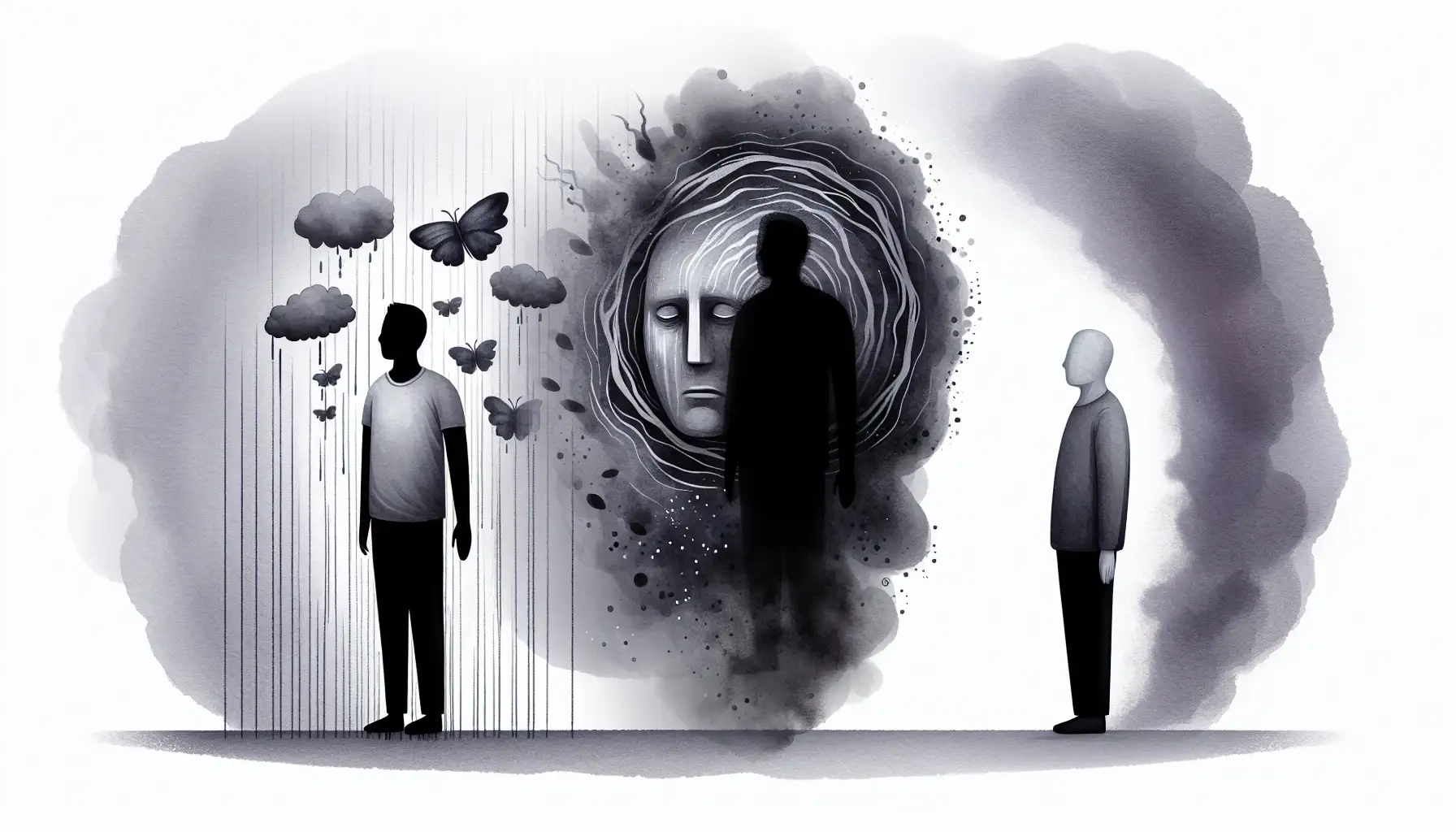
Ending a relationship is painful for anyone, but breaking up with someone with RSD carries bigger risks of emotional volatility. The fear of abandonment is their worst nightmare coming true.
Guidelines for a Compassionate Exit
- Be absolute: Do not use phrases like “maybe in the future” or “we can take a break” to soften the blow. Hope is cruel here. It keeps the RSD loop open.
- Focus on incompatibility: Frame the breakup around mismatched needs rather than their personal failings. “We are different people” is easier to process than “You are too emotional.”
- Do NOT “Just be friends” immediately: The transition is too blurry. A clean break allows their nervous system to reset without the constant micro-rejections of a demoted relationship.
- Safety First: If the RSD manifests as rage or self-harm threats, prioritize safety. Inform their support network (friends, family) if you are worried, but do not stay in the relationship solely out of fear for their safety.
What Is the Relationship Between Theory and Research?
Now, let’s pivot to the science. To truly understand why RSD is so prevalent yet so absent from official diagnostic manuals like the DSM-5, we must ask: What is the relationship between theory and research?
In medicine and psychology, theory is the map, and research is the exploration that verifies the terrain.
- Theory generates the hypothesis: Clinicians (like Dr. William Dodson) observe a pattern. They theorize: “ADHD brains seem to have a unique, extreme sensitivity to rejection that differs from depression or anxiety.”
- Research tests the hypothesis: Scientists then design studies to measure this. They look at fMRI scans, conduct surveys, and track treatment outcomes.
Applying This to RSD
Currently, RSD is largely in the theoretical stage, strongly supported by clinical anecdote and emerging research into ADHD emotional dysregulation.
- The Gap: While we have thousands of case studies and patient reports (Theory), we lack large-scale, double-blind clinical trials specifically isolating RSD (Research).
- The Consequence: This is why you might not find “RSD” on a standard insurance form or a Mayo Clinic drop-down menu yet. It doesn’t mean it isn’t real; it means the research is still catching up to the clinical theory.
This lag is common in medical history. We often treat conditions effectively long before we fully understand their mechanisms.
Why Was Alfred Wegener’s Continental Drift Theory Rejected?
To comfort those feeling rejected, it helps to look outside of psychology. Rejection is not always a sign of failure; sometimes, it is a sign of being ahead of your time.
Why was Alfred Wegener’s continental drift theory rejected? In 1912, Alfred Wegener proposed that continents were once joined and drifted apart. The scientific community ridiculed him. They rejected him not because he was wrong, but because he couldn’t explain how it happened (he lacked the mechanism of plate tectonics, which wasn’t discovered until the 1960s).
The RSD Metaphor
Just like Wegener:
- You perceive a truth: “I feel this intense pain.”
- The mechanism is unseen: Others can’t see the brain chemistry, so they reject your experience. “You’re just being sensitive.”
- Vindication comes later: Just as plate tectonics eventually vindicated Wegener, modern neuroscience is validating the emotional intensity of ADHD.
Your experience of rejection is valid, even if the “establishment” (or your partner) doesn’t have the tools to measure it yet.
Here is Part 3, the final section of your comprehensive pillar article. This section covers the broader analogies of rejection in life, the crucial comparison between RSD and sensitivity, the schema-optimized FAQs, and the final conclusion.
Rejection Sensitive Dysphoria vs High Sensitivity (HSP)
It is easy to confuse RSD with being a “Highly Sensitive Person” (HSP) or having social anxiety. However, the mechanisms—and the treatments—are distinct.
Rejection sensitive dysphoria vs sensitivity is the difference between a wave and a tsunami.
- High Sensitivity (HSP): You perceive more. The lights are brighter; the emotions are deeper. It is a constant, often beautiful, trait.
- RSD: You perceive a threat. It is a sudden, violent crash triggered specifically by the perception of being pushed away or falling short.
Here is a breakdown to help you identify which one you might be dealing with:
| Feature | Rejection Sensitive Dysphoria (RSD) | Highly Sensitive Person (HSP) | Social Anxiety |
| Trigger | Perceived rejection, criticism, or failure | Sensory input, deep emotion, art, nature | Fear of judgment or embarrassment |
| Speed of Onset | Instantaneous (seconds) | Gradual or Constant | Anticipatory (before the event) |
| Duration | Short (hours to days) | Lifelong trait | Situational / Chronic |
| Physical Sensation | Physical pain (chest/stomach), rage | Overwhelm, fatigue | Nervousness, sweating, shaking |
| Association | ADHD, Bipolar Disorder | Personality Trait | Anxiety Disorders |
| Response to SSRIs | Poor / Low Efficacy | Moderate | High Efficacy |
If you search for signs of rejection-sensitive dysphoria and find that your pain is sudden, severe, and tied to specific interactions rather than general overstimulation, you are likely looking at RSD.
Frequently Asked Questions
Here are concise answers to the most common questions, optimized for featured snippets.
What is rejection-sensitive dysphoria?
Rejection sensitive dysphoria (RSD) is an intense emotional response caused by the perception that you have been rejected, teased, or criticized by important people in your life. It is characterized by extreme emotional pain that mimics physical injury and is most commonly associated with ADHD.
What does rejection-sensitive dysphoria feel like?
Patients describe it as a physical blow to the chest or stomach. It feels like a catastrophic, unbearable sadness or sudden rage. Unlike normal sadness, the feeling is instantaneous and overwhelming, often leading to a complete mood crash within seconds of a trigger.
What is an example of RSD in a relationship?
An example is sending a text to a partner and not receiving a reply for 30 minutes. A person with RSD might immediately assume the relationship is over, spiral into panic or anger, and send multiple frantic texts or withdraw completely, interpreting the silence as abandonment.
Can RSD ruin relationships?
Yes, if untreated. The cycle of misinterpreting neutral actions as rejection can lead to constant conflict, partner burnout, and a “self-fulfilling prophecy” where the fear of abandonment actually drives the partner away. However, with communication and management, relationships can thrive.
How to deal with RSD in a relationship?
Communication is key. The person with RSD should label their emotions (“I’m having an RSD episode”) and take a “pause” before reacting. The partner should offer clear reassurance and avoid ambiguous language. Medical treatments like alpha-agonists (guanfacine) and CBT can also help manage symptoms.
What causes rejection-sensitive dysphoria?
While the exact cause is unknown, it is believed to be a genetic impairment in the brain’s emotional regulation system. It is highly prevalent in neurodivergent brains (ADHD/Autism), where the “filter” that normally dampens emotional reactions is missing or dysfunctional.
Is rejection-sensitive dysphoria recognized by Mayo Clinic?
While major medical bodies like the Mayo Clinic recognize emotional dysregulation as a core symptom of ADHD, RSD itself is not yet a formal diagnosis in the DSM-5. It is considered a clinical symptom cluster rather than a standalone disorder.
Can RSD exist without ADHD?
Technically, rejection sensitivity can exist in Bipolar Disorder, Borderline Personality Disorder (BPD), and PTSD. However, the specific dysphoria (sudden, intense crash) described as “RSD” is almost exclusively clinically associated with the neurology of ADHD.
How to communicate with someone with RSD?
Be direct, kind, and specific. Avoid phrases like “We need to talk.” Instead, say, “I have some thoughts on [Topic X], can we chat at 5 PM? Everything is fine.” Validating their feelings without validating the fact of the rejection helps de-escalate the situation.
Why was Alfred Wegener’s theory rejected?
Alfred Wegener’s continental drift theory was rejected because, although he had evidence that continents moved (fossils matching across oceans), he could not explain the mechanism (how they moved). It wasn’t until plate tectonics was discovered decades later that his theory was accepted—a lesson that rejection often stems from a lack of understanding, not a lack of truth.
Conclusion
Living with rejection-sensitive dysphoria in a relationship can feel like trying to hold water in your hands while running—exhausting, messy, and frantic. The fear that you are “too much” or “broken” is a heavy burden to carry.
But here is the truth: Your sensitivity is also your strength. The same brain that feels rejection so deeply often loves more passionately, cares more intensely, and defends its loved ones more fiercely than anyone else. The goal is not to numb yourself; it is to build a container strong enough to hold those big emotions.
By understanding the theory vs research, distinguishing RSD vs sensitivity, and using practical tools like the “90-second pause” and clear communication, you can stop the cycle of self-sabotage. You can move from a place of fear to a place of security.
If you recognize yourself or your partner in this article, know that there is hope. RSD does not have to be a life sentence of loneliness. It is just a different operating system that needs a slightly different manual. And now, you have the first few pages of that manual.
Authoritative References
2. ADDitude Magazine(Dr. William Dodson)
3. WebMD
4. CHADD(Children and Adults with Attention-Deficit/Hyperactivity Disorder)
Related Posts






Subscribe to Our Newsletter
Get mental health tips, updates, and resources delivered to your inbox.
MORE from Author
Read More In my practice as a clinical psychologist, I often observe that the difference between a patient who crumbles under pressure…
- We all have "up" days and "down" days. Perhaps you feel energized after a promotion or sluggish on a rainy…


 To define bipolar disorder accurately, we must look at it as a chronic mood dysregulation condition. In psychology and medicine,…
 To answer whether bipolar fits the bill, we first have to define what a neurodivergent person actually is. The term…
Are you looking for a Therapist?
Connect with qualified mental health professionals who understand
bipolar disorder, mood changes, and emotional challenges.
Private • Supportive • Confidential