
Learn How Thyroid and Bipolar Issues Can Interact

Medically reviewed by Carolina Estevez, Psy.D Updated Date: February 8, 2026

What is thyroid and Bipolar connection?
According to Doctors Goodwin and Jamison in Manic-Depressive Illness: Bipolar Disorders and Recurrent Depression: “Thyroid dysfunction associated with bipolar disorder is a significant problem”.
The thyroid is a relatively large, butterfly shaped gland in the neck. A normally functioning thyroid uses iodine and the amino acid tyrosine to produce exactly the right amounts of the important thyroid hormones thyroxine (T4) and triiodothyronine (T3).
Through these thyroid hormones, the thyroid controls many important bodily functions, including:
- regulating metabolism (how quickly the body
burns energy) - production of protein
- sensitivity to proteins
The thyroid hormones produced by the thyroid gland are responsible for how every
cell in your body converts oxygen and calories into energy. However, sometimes the thyroid malfunctions and does not produce the very precise and balanced amounts of T3 and T4 needed for optimal health.
There are two ways things can get out of whack:
- Under-active thyroid = too little thyroid hormone, which results in hypo
- Overactive thyroid = too much thyroid hormone, which results in hyper
People who have a thyroid gland that is not functioning properly are more likely to have bipolar disorder, panic disorder, OCD, major depression, and/or a whole range of other mood disorders than the population in general.
3 (hypothyroidism common in bipolar disorder)
So what DO we know about the thyroid and bipolar relationship?
Research such as the STEP-BD clinical study has shown that:
- The connection between thyroid problems and bipolar disorder is far more common amongst women than men.
4(women had higher rates of thyroid disease than men) - Also, Bipolar II or “soft bipolar” is more strongly connected to thyroid disorders than Bipolar I.
- There is also a link between rapid cycling bipolar and hypothyroidism. (Hypothyroidism, which means an under-active thyroid is the most frequent manifestation of thyroid dysfunction.)
ALL people suffering from bipolar disorder should also be carefully screened by their doctor(s) for the other mental and physical health complications that commonly occur along with bipolar, for example substance abuse, anxiety disorders, heart disease, diabetes and so forth.
However, based on the information above, it is particularly important that ALL WOMEN WITH BIPOLAR II ALWAYS BE CHECKED FOR AN UNDER-ACTIVE THYROID.
Note that in the table above, I have included symptoms of overactive thyroid (hyperthyroidism) as well. However, there is relatively less evidence of a strong link between hyperthyroidism, but it has been described.
5 (they found a clear association between hyperthyroidism and BD)
The link between bipolar and hypothyroidism is supported by consistent and plentiful data.
Therefore, we will focus on underactive thyroid and bipolar as this is of most relevance.
How the Thyroid Affects Mood and Mental Health
Many patients ask, can the thyroid affect mood? The answer is a resounding yes. Thyroid hormone and bipolar disorder are linked because the brain is one of the most thyroid-sensitive organs in the body. The hormones produced by the thyroid—primarily thyroxine ($T_4$) and triiodothyronine ($T_3$)—regulate how every cell in your body converts oxygen and calories into energy.
The Brain-Thyroid Connection
In the context of thyroid and mood disorders, these hormones act as “gatekeepers” for neurotransmitters. If your levels of bipolar and thyroid hormones are out of balance, your brain may not effectively utilize serotonin, dopamine, or norepinephrine. This can lead to:
- Neurotransmitter Sensitivity: Low thyroid levels can make the brain less responsive to serotonin, leading to “treatment-resistant” depression.
- Circadian Rhythm Disruption: Thyroid issues often mess with sleep-wake cycles, a major trigger for bipolar episodes.
- Cognitive Dampening: Thyroid hormones are essential for the “speed” of thought processing.
Thyroid Hormone Effects on the Brain
| Hormone State | Effect on Neurotransmitters | Resulting Psychiatric Symptoms |
| Low ($T_3$/$T_4$) | Decreased Serotonin receptor sensitivity | Depression, lethargy, “brain fog” |
| High ($T_3$/$T_4$) | Increased Norepinephrine activity | Anxiety, irritability, racing thoughts |
| Fluctuating | Dysregulated Dopamine signaling | Rapid cycling, emotional instability |
Can Thyroid Problems Cause Bipolar Disorder?
This is a nuanced clinical question: Can thyroid problems cause bipolar disorder? To be clear, thyroid disease does not “cause” bipolar disorder in the sense that a germ causes an infection. Bipolar disorder is a complex neurobiological condition with genetic roots.
However, does hypothyroidism cause bipolar disorder symptoms? Absolutely. A malfunctioning thyroid can trigger bipolar-like symptoms or “unmask” an underlying bipolar vulnerability in someone who was previously stable.
Diagnostic Overlap and Misattribution
Because the symptoms are so similar, a doctor might misdiagnose a primary thyroid issue as a psychiatric one, or vice-versa. This is why we call the thyroid the “great mimic.” If a patient presents with sudden mania but also has a racing heart and bulging eyes, a savvy clinician will look at the thyroid before reaching for a mood stabilizer. Longitudinal symptom history is the only way to tell if the mood shifts started before or after the physical thyroid symptoms appeared.
Hypothyroidism and Bipolar Disorder
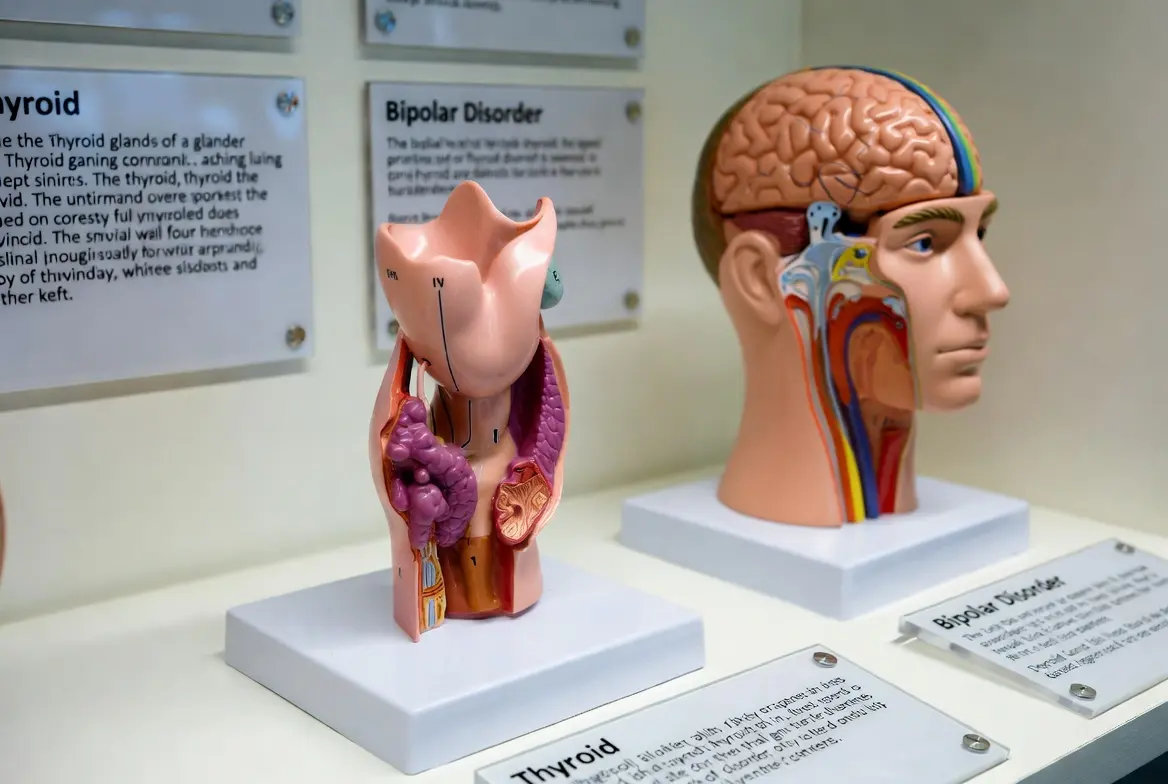
The link between hypothyroidism and bipolar disorder is supported by consistent and plentiful data. Low thyroid and bipolar disorder are particularly common in women and those with the Bipolar II subtype. When you have an underactive thyroid, your body is essentially running in slow motion.
Mood Symptoms of Hypothyroidism
In the world of thyroid and bipolar connection, hypothyroidism usually manifests as:
- Depression and Anhedonia: A total loss of interest in activities.
- Cognitive Slowing: Feeling like your thoughts are moving through molasses.
- Atypical Agitation: While most are “slow,” some experience a “myxedema madness” characterized by confusion and irritability.
Why Hypothyroidism Is Sometimes Misdiagnosed as Bipolar
The most common error is seeing the fatigue and lethargy of low thyroid and labeling it “bipolar depression.” Furthermore, hypothyroidism misdiagnosed as bipolar can happen because of medications. Lithium, a gold-standard treatment for bipolar, can actually induce hypothyroidism in up to 10% of patients. If a patient is stable on Lithium but suddenly crashes into depression, it might not be a “bipolar relapse”—it might be a side effect of the medicine on the thyroid gland.
Hyperthyroidism and Bipolar Disorder
While less frequent than the low-thyroid link, hyperthyroidism bipolar interactions are equally dangerous. An overactive thyroid and bipolar patient may feel like they are “plugged into a light socket.”
Behavioral and Psychiatric Symptoms of Hyperthyroidism
What are the behavioral issues of the thyroid when it is hyperactive? A hyperactive thyroid causes:
- Anxiety and Irritability: A “short fuse” that can look like a manic “mixed state.”
- Racing Thoughts: Speeding speech and flight of ideas that mimic mania.
- Insomnia: Inability to sleep despite feeling exhausted (tired but wired).
Because mood swings and thyroid problems often travel together, a hyperthyroid flare can trigger a full-blown manic episode in a person with Bipolar I. Treating the mania without addressing the thyroid “storm” is like trying to put out a fire while someone is still pouring gasoline on it.
Thyroid Psychosis: Symptoms, Causes, and Treatment
In rare, severe cases, thyroid dysfunction can lead to a break from reality. This is a critical area for patients to understand.
Definition and Emergency Overview
Thyroid psychosis occurs when hormone levels are so extreme that the brain can no longer process sensory input correctly. In hyperthyroidism, this is often called “Thyroid Storm” psychosis. In hypothyroidism, it is referred to as “Myxedema Madness.”
How do you treat thyroid psychosis?
- Medical Stabilization: This is the priority. Using anti-thyroid medications, beta-blockers to slow the heart, or high-dose steroids to reduce inflammation.
- Psychiatric Support: Short-term use of antipsychotics to keep the patient safe while the hormones are brought back into range.
- Co-Management: This requires a “tag-team” approach between an Endocrinologist and a Psychiatrist.
When to Seek Urgent Care: If you or a loved one experience hallucinations, extreme paranoia, or a heart rate over 120 bpm alongside a known thyroid or bipolar diagnosis, go to the Emergency Room immediately.
Hashimoto’s Thyroiditis and Bipolar Disorder
In recent years, medical research has shifted focus toward the role of the immune system in mental health. Hashimoto’s thyroiditis, an autoimmune condition where the body’s immune system attacks the thyroid gland, has a surprisingly high prevalence in the bipolar community.
The Autoimmune Burden
Studies suggest that people with bipolar disorder have a significantly higher “autoimmune burden” than the general population. Specifically, the presence of thyroid peroxidase (TPO) antibodies is often found in patients who struggle with rapid mood shifts, even when their standard thyroid levels ($TSH$) appear “normal.”
- Thyroid Peroxidase (TPO): These antibodies are the clinical markers for Hashimoto’s.
- Euthyroid Hashimoto’s: This is a confusing state where a patient has a “normal” thyroid function lab result but high antibodies. These patients often report brain fog, depression, and anxiety that don’t respond well to standard psychiatric meds until the underlying inflammation is addressed.
Bipolar Disorder Types and Thyroid Overlap
Not all bipolar experiences are created equal, and the thyroid and bipolar connection manifests differently depending on your specific diagnosis.
Bipolar 1 vs. Bipolar 2 vs. Thyroid Mimics
The distinction between Bipolar 2 and Bipolar 1 is often found in the “height” of the highs. However, a thyroid flare can make these lines very blurry.
| Feature | Bipolar I | Bipolar II | Thyroid Mimics (Hyper/Hypo) |
| High State | Full Mania (Psychosis possible) | Hypomania (High energy, no psychosis) | “Thyroid Storm” (Anxiety, palpitations) |
| Low State | Deep Depression | Chronic, heavy Depression | Lethargy, cold intolerance, weight gain |
| Lab Clues | Usually normal labs | High correlation with low $T_4$ | Abnormal $TSH$ and Free $T_4$ |
| Episode Length | Weeks to months | Days to weeks | Constant until hormones are treated |
What is the difference between Bipolar 1 and 2 in the context of thyroid health? Research suggests that Bipolar II is much more sensitive to subtle thyroid fluctuations. If you have Bipolar II, even a “slightly low” thyroid level can keep you stuck in a depressive cycle for months.
What is an “under-active” thyroid?
This is where things get extremely interesting for people with bipolar disorder, but also a tad confusing. The problem is that the whole notion of what is an adequate, “normal” level of thyroid hormone is increasingly debated and controversial.
Usually when you have blood work done, your doctor will base treatment decisions on what the lab where your blood was tested has flagged as “out of range” versus “normal” in their report.
Currently, the majority of US labs report the “normal” reference range for the Thyroid Stimulating Hormone (TSH) as being between 0.5 – 5.0.
However, in January 2003, the American Association of Clinical Endocrinologists, started advising doctors that a more accurate range would be a range of TSH level from 0.3 – 3.0.
This means that based on the latest medical evidence, millions of Americans have low thyroid function in the TSH range of 3.0 – 5.0 but are not getting identified in the lab reports relied on by their family doctor.
Using the updated range would put 20% of the population as hypothyroid, as opposed to just 5% as measured now. Some experts even believe the correct range should be even narrower, at 0.4 – 2.5. (You can read a simple description of the research on www.About.com’s Thyroid Testing webpage.)
THIS MEANS YOU COULD BE HYPOTHYROID, DESPITE WHAT A BLOOD TEST SAYS.
On top of the confusion around testing ranges, studies have shown that many people
with bipolar disorder, particularly those who are in depressive episodes, have “sub-clinical” low levels of thyroid hormone.
They do not meet the “official” diagnosis of hypothyroid with a TSH of over 5.0, but their TSH is still at the low end of the scale.
6 (treatment of subclinical hypothyroidism should be based on patient’s age and cardiovascular risk factors)
It boils down to this: thyroid malfunction is a very important complication in bipolar disorder, but is commonly overlooked.
It is imperative that you have your thyroid function tested immediately if you have been diagnosed with bipolar disorder.
If your thyroid function level is low but “normal” (that is, if your TSH is in the range of 2.5 – 5.0), or definitely low by even the out-dated standard (TSH over 5.0), then starting thyroid supplementation immediately is likely to be highly beneficial.
(This was MY problem. After being diagnosed with bipolar disorder I had good results from taking a mood stabilizer but my physical health was definitely off. Even though my TSH was supposedly normal at 3.0, my doctor worked with me to get it down to 1.0.
The result? In my 50s I am in the best shape of my life because my thyroid AND bipolar disorder are both finally being treated together.)
Also please understand: in modern developed nations there is so much iodine in our diet that thyroid malfunction is not related to malnutrition, and you cannot boost your thyroid back to normal through natural supplements based on vitamins or minerals.
If you are low on thyroid, you will need to take thyroid hormone supplements to correct the problem.
Testing your thyroid function and augmenting thyroid hormones where necessary should be the first step in treatment of bipolar depression, right alongside prescribing a mood stabilizer. However, lithium can actually induce hypothyroidism as well.
My own thyroid and bipolar experience has been the wonderful discovery that by taking thyroid hormone supplements and a mood stabilizer (both generics from my local CVS), I have transformed my mental and physical health at a cost of only $9 per month!!
Thyroid Medications and Bipolar Disorder
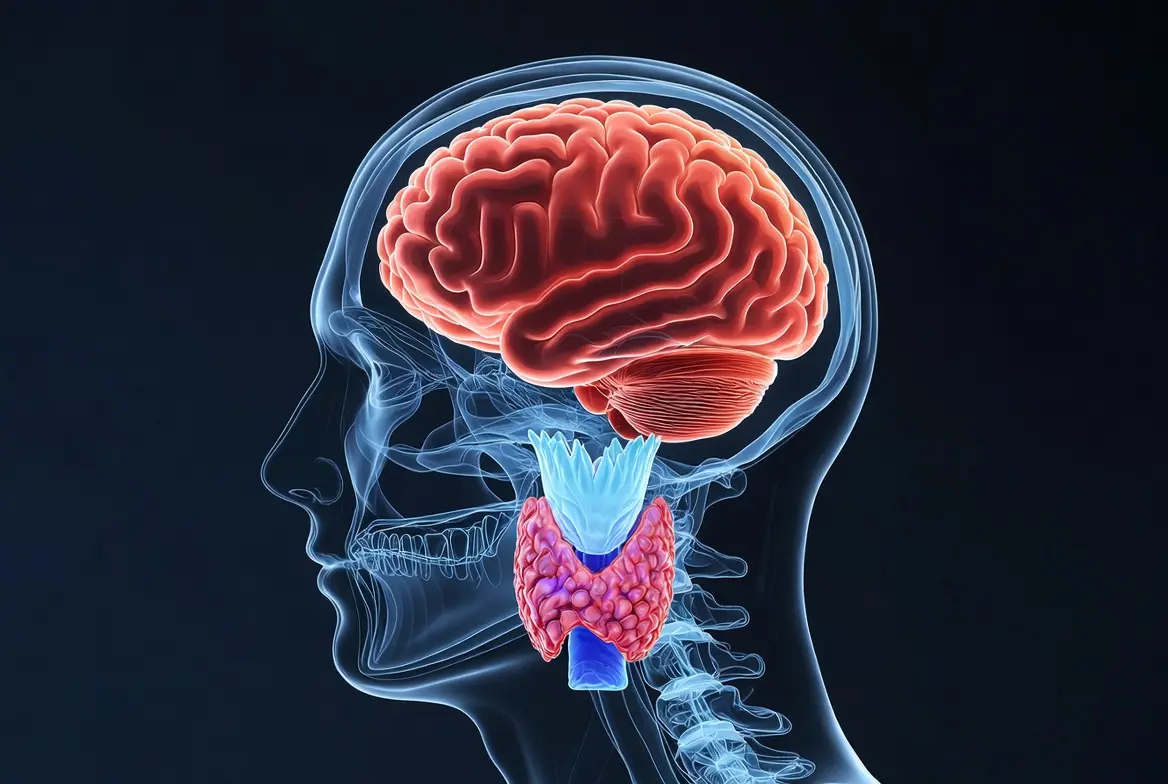
When managing thyroid and bipolar, the medications used for one can drastically affect the other. This requires a delicate balancing act by your medical team.
Levothyroxine Use in Bipolar Patients
Levothyroxine and bipolar disorder have a complex relationship. Levothyroxine (synthetic $T_4$) is the standard treatment for hypothyroidism.
- The Benefit: Resolving low thyroid can lift the “heavy” depression of Bipolar II.
- The Risk: “Over-replacement.” If the dose is too high, it can push a patient into a state of “medical hypomania,” causing anxiety, tremors, and insomnia.
High-Dose T4 as Adjunct Therapy (Specialist Use Only)
There is an emerging area of research regarding thyroid medication for bipolar depression. Some specialists use high-dose $T_4$ to treat “treatment-resistant” bipolar depression, even in patients whose thyroid labs are normal.
Strong Disclaimer: This is an off-label treatment. It must only be done under the strict supervision of a psychiatrist and endocrinologist, as it carries risks for heart health and bone density.
Can Emotional Trauma Cause Hyperthyroidism?
A question that frequently arises in trauma-informed care is: Can emotional trauma cause hyperthyroidism? The evidence-based answer is: Stress does not directly cause hyperthyroidism. However, intense emotional trauma and chronic stress cause a massive spike in cortisol. In individuals who are already genetically predisposed to autoimmune issues, this “stress storm” can trigger a flare of Graves’ disease or Hashimoto’s. In this way, trauma can “wake up” a dormant thyroid condition, which then destabilizes your bipolar symptoms.
Thyroid Nodules, Cysts, and Structural Thyroid Disease
While most of the thyroid and mood disorders conversation focuses on hormones, structural issues can also occur.
- What Causes Thyroid Cysts? These are usually fluid-filled sacs caused by degenerating nodules. They are rarely cancerous.
- What Causes Thyroid Nodules? These are solid or fluid-filled lumps. Most are benign, but they can occasionally become “hot,” meaning they start producing extra thyroid hormone independently, leading to hyperthyroid symptoms.
- Physical Signs: A swollen thyroid or an enlarged thyroid (goiter) should always be evaluated with an ultrasound. While thyroid carcinoma is rare, early detection is key, and most structural issues can be managed without affecting your mood—provided your hormone levels remain stable.
Thyroid Testing in Bipolar Disorder
Standard lab “ranges” can be misleading for mental health patients. If you are struggling with thyroid and bipolar symptoms, you need a full panel, not just a $TSH$ screening.
Recommended Thyroid Labs
To get the full picture of your thyroid function and thyroid hormone health, ask your doctor for:
- TSH (Thyroid Stimulating Hormone): The basic “thermostat” check.
- Free T4 and Free T3: Measures the actual available hormone in your blood.
- TPO Antibodies: Checks for autoimmune activity (Hashimoto’s).
Home TSH Test: Should I Take a Thyroid Test at Home?
With the rise of “bio-hacking,” many ask: Home TSH Test: Should I Take a Thyroid Test at Home?
- Pros: It’s a convenient screen if you’re curious about thyroid problems.
- Cons: Finger-prick tests can be less accurate than venous blood draws. More importantly, a home test won’t provide the clinical interpretation needed to balance thyroid and bipolar connection medications. Use them as a “first step,” but always confirm results with a lab-grade test.
When Bipolar and Thyroid Disorders Coexist
Treating thyroid and bipolar disorder when they occur together is not a matter of simply adding two medications; it is about managing a dynamic system. Because the thyroid and brain are in constant communication, your medical team must adopt a “coordinated care” model.
Coordinated Care: The Psych-Endocrine Alliance
The most effective clinical best practice is to have your psychiatrist and endocrinologist speak to one another. If your psychiatrist increases your lithium, your endocrinologist needs to know so they can watch for a “dip” in your thyroid function. Similarly, if your thyroid medication is adjusted, your psychiatrist should monitor you for signs of thyroid and bipolar connection shifts, such as increased anxiety or improved mood.
Medication Interactions to Watch
Certain mood stabilizers have a profound impact on thyroid hormone levels:
- Lithium: The most well-known culprit. Lithium concentrates in the thyroid gland (3–4 times higher than in plasma) and inhibits the release of $T_3$ and $T_4$. Up to 25% of lithium users develop an elevated $TSH$.
- Valproate (Depakote): While less common than lithium, valproate can also lead to elevated $TSH$ levels, particularly in children and adolescents.
- Carbamazepine: This medication can actually speed up the metabolism of thyroid hormones, leading to lower-than-expected levels of $T_4$ in the blood.
Monitoring Frequency Recommendations
If you are stable, a thyroid panel every 6 to 12 months is often sufficient. However, if you are starting a new medication or experiencing a “breakthrough” mood episode, more frequent testing—every 6 to 8 weeks—is recommended until stability is restored.
When to See a Doctor (Red Flags)
Knowing when to call your medical provider can prevent a minor shift from becoming a major crisis. Watch for these “red flags” that suggest your thyroid and bipolar symptoms are out of alignment:
- New Mania or Psychosis: If you have been stable and suddenly experience racing thoughts or hallucinations, it may be a “thyroid storm.”
- Weight Changes + Mood Shifts: Rapid weight gain with depression or rapid weight loss with anxiety are classic signs of a thyroid hormone imbalance.
- Physical Goiter: Any swelling or “fullness” in the front of your neck requires an immediate ultrasound to rule out enlarged thyroid or thyroid nodules.
- Heat or Cold Intolerance: Feeling “freezing” when everyone else is comfortable, or sweating in a cool room, are key markers of a metabolic thyroid issue.
Thyroid and Bipolar Resources
An excellent book for the lay reader is Thyroid Power byRichard Shames, M.D. and Karilee Shames, R.N., PH.D.
It describes how fatigue, weight gain, depression, high cholesterol, low sex drive, and a host of other difficulties are often due to low thyroid. It also explains how to talk to your doctor about misconceptions about hypothyroidism, and what is really “normal”.
Also see this expert for simple explanation of the thyroid dysfunction / bipolar disorder relationship, which concludes:
Frequently Asked Questions (FAQ)
Can the thyroid affect mood?
Yes. Thyroid hormones are essential for the production and sensitivity of neurotransmitters like serotonin and dopamine. Even “subclinical” thyroid issues can lead to profound depression or anxiety.
Can thyroid problems be misdiagnosed as bipolar?
Frequently. Hypothyroidism is often mislabeled as bipolar depression, while hyperthyroidism can mimic the racing thoughts and irritability of mania. A full thyroid panel is necessary to rule this out.
Is Hashimoto’s common in people with bipolar?
Yes. Research indicates a higher prevalence of autoimmune thyroiditis (Hashimoto’s) in those with bipolar disorder, suggesting a shared inflammatory or immune system link.
Should I take a thyroid test at home?
A home TSH test can be a helpful screening tool if you are curious, but it should not be used for a formal diagnosis. Always follow up a home test with a clinical blood draw that includes Free $T_4$, Free $T_3$, and antibodies.
Does stress cause thyroid issues?
Stress does not directly cause thyroid disease, but it can trigger autoimmune “flares” in people who are already genetically predisposed to conditions like Hashimoto’s or Graves’ disease.
Key Takeaways
- The Thyroid is a Mimic: Thyroid disorders can mimic or significantly worsen bipolar symptoms, making diagnosis a challenge.
- Testing is Non-Negotiable: Routine, comprehensive thyroid testing (not just $TSH$) is essential for anyone with a mood disorder.
- Lithium Vigilance: If you take lithium, you must be particularly vigilant about monitoring for hypothyroidism.
- Individualized Treatment: There is no “one-size-fits-all” for thyroid and bipolar disorder. Treatment must be individualized, balancing hormone levels alongside psychiatric stability.
Final Thought: Your hormones and your moods are two sides of the same coin. By treating the “butterfly gland” in your neck with the same care you treat your brain, you can finally find the stability you deserve.
Authoritative References & Resources
- American Association of Clinical Endocrinology (AACE)
- Journal of Clinical Psychiatry
- National Institute of Mental Health (NIMH)
- Thyroid Federation International

Related Posts




Subscribe to Our Newsletter
Get mental health tips, updates, and resources delivered to your inbox.
MORE from Author
Read More Watching someone you care about struggle with bipolar depression and anxiety can be heartbreaking. You may notice that they withdraw…
 In my practice as a clinical psychologist, I often observe that the difference between a patient who crumbles under pressure…
 We all have "up" days and "down" days. Perhaps you feel energized after a promotion or sluggish on a rainy…
 To define bipolar disorder accurately, we must look at it as a chronic mood dysregulation condition. In psychology and medicine,…
Are you looking for a Therapist?
Connect with qualified mental health professionals who understand
bipolar disorder, mood changes, and emotional challenges.
Private • Supportive • Confidential