
Schizoid vs Autism: Key Differences, Overlap, and How to Tell Them Apart

When we talk about schizoid vs autism, we are comparing two distinct categories of mental health: a neurodevelopmental disorder (Autism) and a personality disorder (Schizoid).
Autism is a neurodevelopmental condition that affects how a person perceives and socializes with others, causing problems in social interaction and communication. It also includes limited and repetitive patterns of behavior. Crucially, symptoms must be present in the early developmental period (childhood).
What is Schizoid Personality Disorder (SPD)?
Schizoid Personality Disorder is characterized by a pervasive pattern of detachment from social relationships and a restricted range of expression of emotions in interpersonal settings. These individuals often choose solitary activities and appear indifferent to praise or criticism.
The “Surface” Overlap
Why is the autism schizoid overlap so confusing? Because from the outside, the behaviors look nearly identical:
- Social Withdrawal: Both may avoid parties or gatherings.
- Flat Affect: Both may speak in a monotone voice or show little facial expression.
- Solitary Interests: Both often prefer hobbies they can do alone.
Schizoid personality disorder and autism can both involve social detachment and limited emotional expression, but autism is a neurodevelopmental condition present from childhood, usually involving sensory sensitivities and repetitive behaviors.
In contrast, schizoid personality disorder is a personality pattern marked by a genuine lack of desire for relationships and emotional indifference, typically diagnosed in adulthood.
Do I Have Autism or Schizoid Personality Disorder?
If you are typing “Do I have autism or schizoid?” into Google, you likely feel disconnected from others. However, the texture of that disconnection is what matters.
In my practice, I look for three specific differentiators: Desire, Developmental History, and Sensory Experience.
1. The “Want” Factor (Social Motivation)
This is often the biggest clue.
- Autism: Many (though not all) autistic adults want connection but struggle to navigate the complex, unwritten rules of socialization. They might withdraw because they have been burned by rejection or because socializing is exhausting (masking). They often feel lonely.
- Schizoid: The hallmark of SPD is a lack of desire for intimacy. They are not anxious about rejection; they simply do not see the point of bonding. If they are alone on a Saturday night, they don’t feel “lonely”; they feel content.
2. Sensory Processing
- Autism: Sensory issues are a core diagnostic criterion. Loud noises, bright lights, or certain textures can cause physical pain or a meltdown.
- Schizoid: People with SPD generally have neurotypical sensory processing. They don’t wear noise-canceling headphones to the grocery store because the lights hurt; they might wear them just to avoid talking to people.
3. Developmental History
- Autism: By definition, autism is present from birth. Parents will report that as a toddler, the child didn’t point, didn’t make eye contact, or lined up toys.
- Schizoid: SPD is rarely diagnosed before age 18. As children, they may have been relatively typical, though perhaps shy. The profound detachment usually solidifies in late adolescence or early adulthood.
What Is an Example of a Schizoid Person?
To understand the condition, we need to move past clinical jargon. What is an example of a schizoid person?
Case Study: “The Lighthouse Keeper”
Imagine a man named Arthur, aged 45. He works as a data archivist in a basement office—a job he chose specifically because it requires zero human interaction.
- Relationships: He has no close friends and hasn’t dated in 15 years. He describes sex as “too much hassle.”
- Family: He visits his mother on Christmas out of obligation but feels no emotional warmth during the visit.
- Emotions: When his boss praised him for a perfect audit, Arthur simply nodded and went back to work. When a coworker was fired and crying in the breakroom, Arthur felt no empathy or discomfort; he just felt nothing.
- Inner World: He isn’t hallucinating. He isn’t paranoid that the government is watching him (which would be Schizotypal). He just prefers the company of his own mind.
This is the classic presentation of Schizoid Personality Disorder. It is a life lived at a distance.
Autism vs Schizoid — Core Differences
When differentiating schizoid vs autism, clinicians look at the “Cluster A” traits versus “Neurodevelopmental” traits.
Comparison Table: Autism vs. Schizoid
| Feature | Autism Spectrum Disorder (ASD) | Schizoid Personality Disorder (SPD) |
| Onset | Early childhood (Developmental). | Early adulthood (Personality structure). |
| Social Desire | Often wants connection but lacks skills/energy. | Indifferent to connection; prefers solitude. |
| Sensory Sensitivity | Core Feature: High sensitivity to sound/touch. | Rare: Sensory processing is usually normal. |
| Routine/Repetition | Needs sameness; repetitive movements (stimming). | May like routine but lacks “stimming.” |
| Empathy | Cognitive empathy struggles, but often high affective empathy. | Emotional detachment; low affective empathy. |
| Communication | Literal thinking; struggle with sarcasm/nuance. | Can understand nuance but chooses not to engage. |
Clinical Insight:
I often ask clients: “If you could push a button and suddenly have a large group of friends who understood you perfectly, would you push it?”
- The Autistic client usually says: “Yes, absolutely.”
- The Schizoid client usually says: “No, that sounds exhausting.”
Can You Have Both Autism and Schizoid Personality Disorder?
This is a common question in schizoid vs autism reddit threads: Can you have both autism and schizoid personality disorder?
The Short Answer: Yes, but it is complex.
Comorbidity (having two conditions at once) is possible. However, many clinicians, myself included, are cautious about diagnosing both.
Why the overlap exists:
There is a growing theory in the psychological community that many people diagnosed with SPD historically were actually undiagnosed autistic people who learned to shut down.
- The “Burnout” Theory: An autistic child who is constantly bullied and overwhelmed may grow up into an adult who decides, “People are unsafe and exhausting. I will detach completely.”
- Diagnostic Hierarchy: Usually, if a person meets the criteria for Autism, we diagnose Autism instead of Schizoid Personality Disorder, because the autism diagnosis explains the symptoms better (neurodevelopmental root).
However, a dual diagnosis might be appropriate if the detachment is extreme and includes personality-based traits (like anhedonia) that go beyond typical autistic social fatigue.
Schizotypal vs Autism
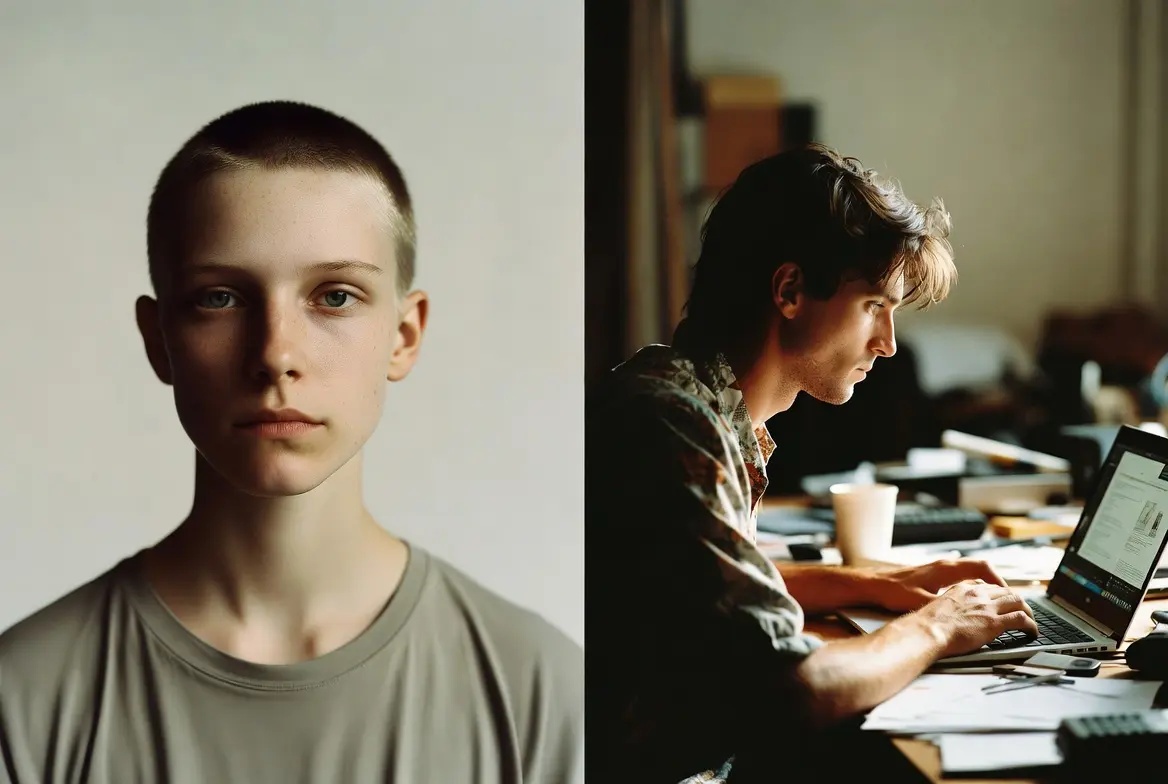
Now we enter the territory of confusing names. Schizotypal vs autism is another frequent mix-up.
What is Schizotypal Personality Disorder (STPD)?
Schizotypal is different from Schizoid. While Schizoid is “detached,” Schizotypal is “eccentric.”
People with STPD experience intense discomfort in close relationships, but they also have cognitive or perceptual distortions and eccentricities of behavior.
Is Schizotypal Just Autism?
No, though they look similar.
- Magical Thinking: STPD involves “magical thinking”—believing in telepathy, aliens, or that they have a “sixth sense.” Autism generally does not involve this; autistic thinking is usually logical and concrete.
- Paranoia: People with STPD often have social anxiety rooted in paranoia (“They are plotting against me”). Autistic social anxiety is usually rooted in performance anxiety (“I don’t know what to say”).
- Speech Patterns: STPD speech can be vague, metaphorical, or overly elaborate. Autistic speech is often blunt, factual, or monologue-heavy regarding special interests.
Key Distinction:
- Autism: “I don’t understand the social rules.”
- Schizotypal: “The social rules don’t apply to me because I am on a different wavelength/dimension.”
Schizoid vs Schizotypal
To clarify the confusion further, we must distinguish between “Cluster A” personality disorders.
Schizoid vs Schizotypal represents the difference between detachment and distortion.
Comparison Table: Schizoid vs. Schizotypal
| Feature | Schizoid Personality Disorder | Schizotypal Personality Disorder |
| Social Interest | Low: Genuine indifference to others. | Variable: Desires connection but is paralyzed by paranoia/anxiety. |
| Emotional Expression | Flat: “Robot-like” detachment. | Constricted/Inappropriate: Laughing at sad news, or stiff/odd mannerisms. |
| Beliefs | Reality-Based: Logical and grounded. | Magical: Belief in telepathy, aliens, sixth sense, or superstitious rituals. |
| Speech | Normal: Concise, perhaps monotone. | Odd: Vague, metaphorical, over-elaborate, or hard to follow. |
| Psychosis Risk | Low: Rarely develops into full schizophrenia. | Higher: genetically linked to schizophrenia; can have transient psychotic episodes under stress. |
Clinical Insight:
If a client tells me, “I don’t talk to people because I don’t care,” I lean toward Schizoid.
If a client tells me, “I don’t talk to people because I can feel their negative energy fields disrupting my aura,” I lean toward Schizotypal.
Schizoid vs Schizophrenia
The names sound similar because they share a root (schizo = split/cut off), but the severity is vastly different.
Schizoid vs Schizophrenia:
- Schizophrenia is a severe, chronic psychotic disorder characterized by positive symptoms (hallucinations, delusions, disorganized speech) and negative symptoms (withdrawal, flat affect).
- Schizoid Personality Disorder consists only of the negative symptoms.
- No Hallucinations: A person with SPD does not hear voices.
- No Delusions: They do not believe the FBI is bugging their phone.
- Reality Testing: Their grasp on reality is intact; they just choose not to participate in the social aspect of it.
Autism vs Schizoaffective Disorder
This diagnosis often confuses families because Schizoaffective Disorder combines mood issues (Bipolar/Depression) with psychosis.
Autism vs Schizoaffective Disorder:
- Autism: A stable, lifelong neurodevelopmental trait. The social struggles are constant, not cyclical.
- Schizoaffective Disorder: Episodic. The person functions well for months, then has a manic or depressive episode accompanied by hallucinations.
- Differentiation: An autistic person might have a “meltdown,” but they do not lose touch with reality (psychosis) or believe they are God (mania).
What Personality Disorder Is Most Similar to Autism?
If we look purely at social behavior, three personality disorders mimic Autism:
- Schizoid PD: Due to the social withdrawal and flat affect.
- Schizotypal PD: Due to the odd speech patterns and social awkwardness.
- Avoidant Personality Disorder (AvPD):
- What is it? Extreme social inhibition, feelings of inadequacy, and hypersensitivity to negative evaluation.
- The Autism Overlap: Like autistic people, those with AvPD want friends but are terrified of rejection. They avoid parties not because they don’t care (Schizoid) but because they are scared (Avoidant/Autistic).
Key Difference:
- Avoidant: “I am terrified you will reject me.”
- Schizoid: “I am indifferent to whether you reject me.”
- Autism: “I don’t understand why you rejected me.”
Why Autism Is Not a Personality Disorder
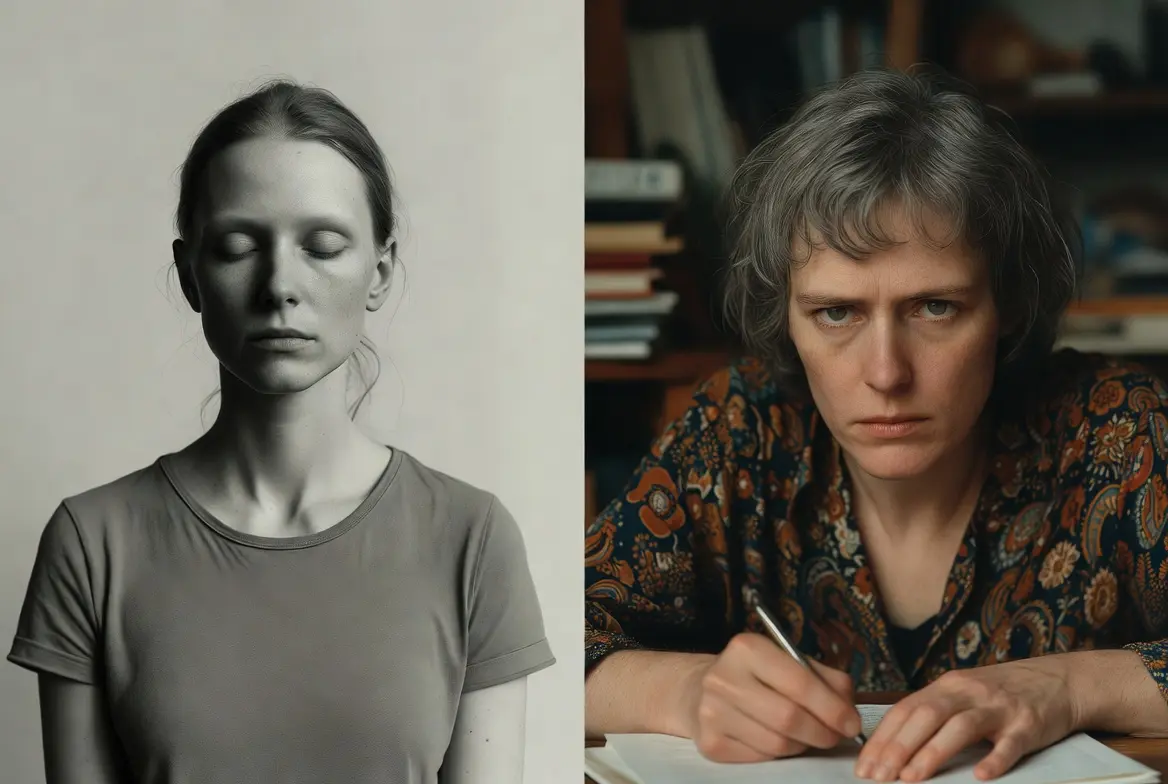
It is crucial to understand that Autism is not a personality disorder.
- Hardware vs. Software:
- Autism (Neurodevelopmental): It is a “hardware” difference. The brain is wired differently from birth. It affects sensory processing, motor skills, and information processing.
- Personality Disorders (Schizoid/Schizotypal): These are “software” issues. They are deeply ingrained patterns of behavior and inner experience that usually solidify in adolescence or early adulthood, often as a coping mechanism for trauma or temperament.
- Sensory Processing:
- You cannot “develop” sensory processing disorder as a personality trait. If loud noises physically hurt you, that is neurological (Autism), not psychological (Schizoid).
Reddit Discussions — Why Confusion Is Common
If you search “schizoid vs autism reddit”, you will find thousands of threads. Why?
- The “Lost Generation” of Autistic Adults:
Many adults (especially women) were never diagnosed as children because they didn’t fit the “hyperactive boy” stereotype. As adults, they google “why don’t I like people?” and land on Schizoid PD.- Reality: Many “Schizoid” diagnoses in the 80s and 90s were likely undiagnosed Autism.
- The Masking Effect:
Autistic adults often learn to “mask” (hide) their traits. This suppression can look like “emotional detachment” (Schizoid) because they are too exhausted to show emotion. - Trauma Response:
Complex PTSD (C-PTSD) from childhood bullying can make an autistic person withdraw completely. Is it Schizoid detachment? Or is it an autistic person in survival mode? This is where professional diagnosis is vital.
When to Seek Professional Evaluation
Self-diagnosis has limits. You need a professional assessment if:
- Impairment: Your withdrawal is costing you jobs, relationships, or health.
- Distress: You feel confused about who you are or why you feel “alien.”
- Comorbidity: You suspect you might have depression or anxiety layered on top of your personality style.
Who to see:
- Neuropsychologist: The gold standard for Autism assessments (ADOS testing).
- Psychiatrist: For medication management (though SPD has no specific medication).
- Psychotherapist: To explore why you detach and if you want to change it.
Conclusion: The Label Matters Less Than the Life
Whether you are Autistic, Schizoid, or simply an introvert, the label is only useful if it helps you live a better life.
If the label “Autism” helps you understand your sensory needs and find community—embrace it.
If the label “Schizoid” helps you accept your need for solitude without guilt—embrace it.
The goal of diagnosis is not to put you in a box; it is to give you the keys to unlock your own potential.
FAQ Section
What is the difference between schizoid and autism?
The main difference is the desire for connection and the onset age. Autism is a developmental condition starting in childhood where people often want connection but struggle with social cues. Schizoid is a personality disorder emerging in adulthood defined by a genuine lack of desire for relationships.
Can you have both autism and schizoid personality disorder?
Yes, it is possible, but rare. Since social withdrawal is a symptom of both, clinicians are careful not to double-diagnose. Usually, if Autism is present, it is considered the primary diagnosis because it explains the sensory and social traits better.
Is schizotypal just autism?
No. Schizotypal Personality Disorder involves “magical thinking,” paranoia, and odd beliefs (e.g., believing in telepathy). Autism involves social communication deficits and repetitive behaviors but typically does not involve these cognitive distortions.
What personality disorder is most similar to autism?
Schizoid Personality Disorder is most similar regarding social withdrawal and flat affect. However, Avoidant Personality Disorder is most similar regarding the internal experience of wanting friends but fearing rejection (which many autistic people feel).
How do I know if I have autism or schizoid personality disorder?
Look at your childhood. Did you have sensory issues (hating loud noises/tags on clothes) and repetitive play (lining up toys)? That points to Autism. If you were a relatively typical child who slowly detached from people in adulthood because you simply prefer being alone, that points to Schizoid.
References & High-Quality Sources
Related Posts


Subscribe to Our Newsletter
Get mental health tips, updates, and resources delivered to your inbox.
MORE from Author
Read More In my practice as a clinical psychologist, I often observe that the difference between a patient who crumbles under pressure…
- We all have "up" days and "down" days. Perhaps you feel energized after a promotion or sluggish on a rainy…

 To define bipolar disorder accurately, we must look at it as a chronic mood dysregulation condition. In psychology and medicine,…
 To answer whether bipolar fits the bill, we first have to define what a neurodivergent person actually is. The term…
Are you looking for a Therapist?
Connect with qualified mental health professionals who understand
bipolar disorder, mood changes, and emotional challenges.
Private • Supportive • Confidential