
Bipolar insomnia

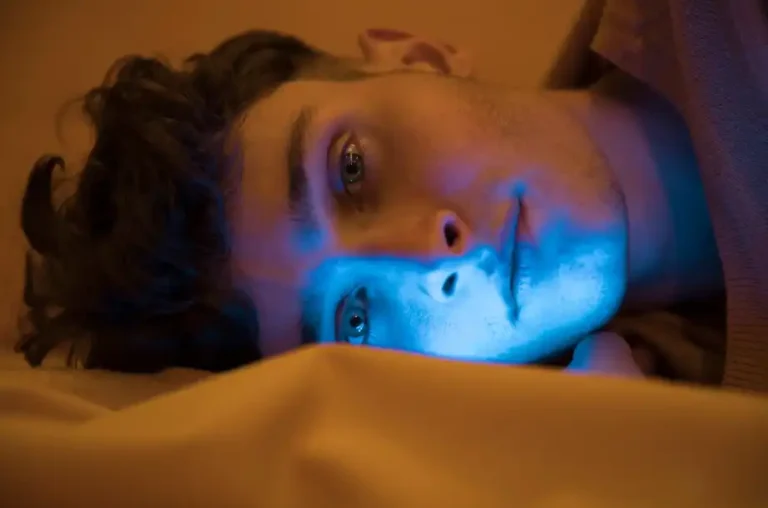
What is bipolar insomnia? How are bipolar disorder and insomnia connected?
Sleep disturbance is a significant feature of bipolar disorder and is one of several criteria used for diagnosis, as it is a frequent symptom of both mania and depression.
During manic episodes, it’s common to feel a decreased need for sleep or suffer from insomnia; however, these are distinct entities.
But insomnia, and the associated sleep loss inherent to bipolar disorder, aren’t just symptoms of mania; reduced sleep can also trigger manic episodes and is a good predictor of the onset of mania.
The depressed phase of bipolar disorder is characterized by hypersomnia, where a person sleeps for extended periods or naps frequently throughout the day. This irregularity in sleeping patterns then tends to increase the risk of new episodes of mania or depression.
Interestingly, research has found that disrupted sleep patterns are common in people with bipolar disorder, even between bipolar episodes.
For reasons not yet understood, people with bipolar disorder have more delicate body clocks. 4 (bipolar disorder with mixed features showed a greater severity of insomnia and chronobiological rhythm desynchronization)
The treatment of sleep disturbances and maintaining a regular sleep/wake cycle are important components in the prevention of mood episodes in bipolar disorder.
Bipolar Insomnia Is Not “Normal Insomnia”
The first step in bipolar insomnia treatment is acknowledging that we are dealing with a “circadian rhythm disorder.” Most people suffer from insomnia due to stress, caffeine, or blue light. While these factors affect everyone, the bipolar brain has a “brittle” pacemaker.
The suprachiasmatic nucleus (the brain’s master clock) in a bipolar individual is highly sensitive to disruption. When a person with bipolar disorder loses sleep, it doesn’t just cause tiredness; it causes a neurochemical shift. The lack of sleep increases dopamine signaling, which can “ignite” a manic episode. This creates a self-perpetuating cycle: the mood interferes with sleep, and the lack of sleep further destabilizes the mood.
Circadian rhythms, bipolar, and sleep
A circadian rhythm is approximately a 24-hour cycle in our biochemical, physiological, and behavioral processes.
Reminder
Not sleeping but still feel energized? This is a classic sign of bipolar mania.
Our circadian rhythms govern sleep, hormonal function, appetite, and body temperature.
Scientific research suggests that the Clock gene, which regulates the body’s circadian rhythms, may be involved in the development of bipolar disorder.
5 (CLOCK genotype associated with worse insomnia)
People with bipolar disorder generally have irregularities in their circadian functions, including the body clock and its sleep/wake cycle.
Exhaustion, sleeplessness, and disruptions to sleep patterns can trigger a bipolar episode.
6 (strategies for sleep to avoid mood disruption)
Establishing and maintaining a regular sleep/wake schedule, as well as stabilizing the circadian rhythm, are the primary elements of a relatively new treatment for bipolar disorder.
Some scientists believe that the widespread use of artificial light causes an increase in bipolar disorder in modern times. Before artificial light, people’s sleep/wake cycles were regulated by the sun; people who are genetically predisposed to bipolar disorder may develop the condition without the overall patterns of dark and light changing slowly and naturally.
Regular sleep helps bipolar
Sleep is an essential part of good health in all people and is vital to our well-being. Insufficient sleep causes significant health problems such as increased stress on the immune system, anxiety, depression, and increased risk for gastrointestinal and cardiovascular disease.
Deep restful sleep is of particular importance to manic depressives, as bipolar disorder can impair judgment, and lack of sleep can exacerbate this.
Daytime mood regulation and nighttime sleep form a two-way relationship; once rhythms are disturbed, such as with bipolar insomnia, a self-perpetuating cycle can begin where moods interfere with sleep, and then disrupted sleep affects mood regulation the following day.
It is recommended that people suffering from bipolar insomnia and hypersomnia sleep between 7 and 9 hours a night, go to bed at the same time each night, and get up at the same time each morning.
Regular schedules and sleep patterns have a positive effect on bipolar treatment, and it is advised that activities that disturb normal routines be avoided. Re-establishing and maintaining a regular sleep, meal, and activity schedule is one of the reasons why a stay in a bipolar treatment center can be so helpful.
The 48-Hour Rule for Bipolar Disorder
In psychiatric circles, we often discuss what is the 48 hour rule for bipolar people. This is an informal but vital clinical benchmark for relapse prevention.
The rule states that if a person with bipolar disorder experiences a significant loss of sleep (less than 4 hours) for two consecutive nights (48 hours), it should be treated as a medical emergency.
- Why it matters: 48 hours is the typical “tipping point” where the brain’s dopamine levels become high enough to trigger a full-blown manic switch.
- The Action Plan: If you hit the 48-hour mark, you should contact your clinician immediately to discuss a temporary adjustment in medication (such as an increase in an antipsychotic or a temporary sedative) to “force” the brain back into a sleep cycle before psychosis or mania sets in.
Bipolar sleep tips
Some tips for establishing healthy sleep patterns to combat bipolar insomnia are:
- Determine your need for sleep and meet it nightly.
- Go to bed at the same time and get up at the same time.
- Create a bedtime routine.
- Limit napping to one short, early afternoon nap.
- Use sleep as an aid to deal with oncoming mood episodes that are foreshadowed by prodromal signs.
- Use a journal to record any thoughts that might be keeping you awake.
- Try relaxation tapes and techniques.
- Exercise regularly.
- Avoid caffeine.
- Avoid alcohol.
- Follow the Bipolar Diet to manage swings in blood sugar and mood, and improve overall stress levels.
How to Tell When a Manic Episode Is Ending
Sleep is not only the first thing to disappear during mania; it is also the first thing to return when the episode begins to break. Knowing how to tell when a manic episode is ending is largely about monitoring your “sleep pressure.”
- The Return of Sleep Pressure: You will start to feel a heavy, physical tiredness rather than the “vibrant exhaustion” of mania.
- Slowing Thought Processes: Your “racing thoughts” begin to pace more like a walk than a sprint.
- Increased Insight: You may suddenly feel a sense of embarrassment or concern about your actions over the previous days.
When you start sleeping more than 6 hours again, it is a sign that the acute phase is resolving. However, this is also a high-risk period for “the crash” into depression, making medical monitoring essential.
Bipolar Insomnia vs. Bipolar Hypersomnia
In the bipolar journey, the pendulum often swings from one sleep extreme to the other. While we focus heavily on insomnia, bipolar sleeping too much (hypersomnia) is equally disruptive to the circadian rhythm.
- Bipolar Hypersomnia: Common during depressive episodes. You may feel a “leaden paralysis” where you physically cannot move out of bed.
- The Danger of the Swing: Oversleeping during depression can further desynchronize your body clock, making it harder to return to a stable state.
- Medication Sedation: Sometimes, what looks like hypersomnia is actually “residual sedation” from medications like Quetiapine or Olanzapine. Distinguishing between the two requires tracking your mood alongside your sleep hours.
Medications for Bipolar Insomnia
Choosing a bipolar insomnia medication is a delicate task. Most standard “sleeping pills” (like Ambien or Lunesta) can be risky for bipolar patients because they don’t address the underlying mood instability.
Mood Stabilizers and Sleep
- Lithium for Bipolar Disorder: While not a sedative, Lithium stabilizes the “Clock genes.” Over time, it helps regularize sleep-wake cycles.
- Valproate (Depakote): Often helpful for the “agitated” insomnia of a mixed state.
Sedating Antidepressants (Use With Caution)
- Trazodone for Bipolar Insomnia: Trazodone is a frequent choice because it is non-addictive. However, in Bipolar I patients, any antidepressant—even a sedating one—carries a small risk of “flipping” the patient into mania if not balanced with a mood stabilizer.
Antipsychotics and Sleep
- Quetiapine (Seroquel): At low doses, it is a potent sleep aid. At high doses, it is a mood stabilizer.
- Bipolar Injection Options: Long-acting injectables (LAIs) don’t treat acute insomnia nightly, but by maintaining a steady state of medication, they prevent the mood swings that cause insomnia in the first place.
Evidence-Based Guidelines: CANMAT & Bipolar Sleep
The CANMAT bipolar (Canadian Network for Mood and Anxiety Treatments) guidelines are the international “gold standard.” According to CANMAT, treating sleep is not a secondary goal—it is a primary intervention.
The guidelines emphasize that bipolar insomnia treatment should first prioritize mood stabilization. If the mood is stable but sleep is still broken, clinicians move to targeted sleep interventions. CANMAT specifically highlights that treating sleep early in a manic episode can reduce the total duration of the episode.
Treating Insomnia Without Triggering Mania

Non-drug interventions for bipolar disorder are often overlooked but are highly effective.
- CBT-I (Modified): Standard Cognitive Behavioral Therapy for Insomnia includes “sleep deprivation” to build sleep drive. This is dangerous for bipolar patients. A modified version focuses on stimulus control and cognitive restructuring without the forced wakefulness.
- IPSRT (Interpersonal and Social Rhythm Therapy): This is the most successful non-drug treatment for bipolar sleep. It focuses on the “Social Zeitgebers”—regular meal times, exercise times, and wake times—to anchor the circadian rhythm.
Best Antidepressant for Bipolar Disorder? (Contextual Sleep Focus)
Searching for the best antidepressant for bipolar to help you sleep is often a misunderstanding of the condition. In bipolar disorder, “classic” antidepressants (like Prozac or Lexapro) can actually worsen insomnia by increasing agitation.
If depression-induced insomnia is the issue, doctors often prefer “atypical” antidepressants or mood stabilizers with antidepressant properties (like Lamotrigine or Caplyta) that don’t have the same “manic-switching” risk.
Bipolar I vs. Bipolar II: Sleep Differences
What is the difference between Bipolar 1 and 2? When it comes to sleep, the difference is intensity.
- Bipolar I: The “decreased need for sleep” is total. A person may feel superhuman on zero rest.
- Bipolar II: Characterized by bipolar 2 insomnia reddit users as “hypomanic nights”—you might sleep 4-5 hours, feel productive and “buzzy,” but the crash into depression is often more frequent and involves severe hypersomnia.
When to See a Specialist or Sleep Clinic
If your bipolar sleep problems persist even when your mood is stable, you may have a comorbid sleep disorder like Sleep Apnea or Restless Leg Syndrome.
- Bipolar Specialist Near Me: Always start with your psychiatrist.
- Sleep Clinics: A sleep study (polysomnography) can rule out physical issues. Many bipolar medications cause weight gain, which can lead to obstructive sleep apnea, further destabilizing your mood.
Self-Assessment & Education
If you are reading this and wondering, “Could you have bipolar disorder?“, look at your sleep history.
- Do you have “key symptoms” like periods of high energy on no sleep?
- Do you have family members with the condition?
Signs of Bipolar Disorder: While a “self-test” can be a helpful starting point, it is not a diagnosis. Use your sleep logs as data to show a professional.
FAQ Section
Can lack of sleep trigger mania?
Yes. It is the single most common environmental trigger for a manic “switch.”
Is trazodone safe for bipolar insomnia?
Generally yes, but it must be monitored by a doctor to ensure it doesn’t cause a mood shift.
Why do bipolar people sometimes sleep very little?
During mania, the brain’s “reward system” is overactive, suppressing the signals that normally tell the body it is tired.
Should I go to the ER for insomnia during mania?
If you have been awake for 48+ hours and feel “high” or “out of control,” yes. Rapid intervention can prevent a full-blown crisis.
Authoritative References for Bipolar Insomnia
Subscribe to Our Newsletter
Get mental health tips, updates, and resources delivered to your inbox.
MORE from Author
Read More ADHD and depression often occur together, and each makes the other harder to live with. Adults with ADHD are almost…
 We all have "up" days and "down" days. Perhaps you feel energized after a promotion or sluggish on a rainy…
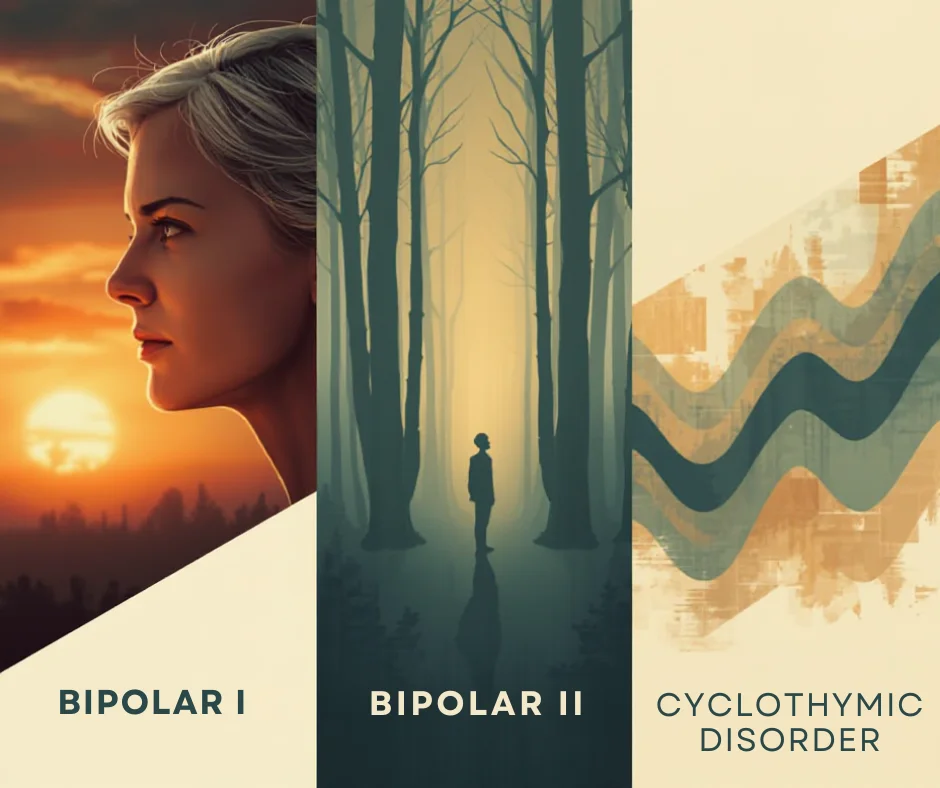 To define bipolar disorder accurately, we must look at it as a chronic mood dysregulation condition. In psychology and medicine,…
Are you looking for a Therapist?
Connect with qualified mental health professionals who understand
bipolar disorder, mood changes, and emotional challenges.
Private • Supportive • Confidential