
Borderline Personality Disorder (BPD): Symptoms, Causes, Diagnosis & Treatment

Medically reviewed by Laura Athey Updated Date: March 28, 2026

Borderline Personality Disorder (BPD) is one of the most frequently discussed, yet deeply misunderstood, mental health conditions in modern psychiatry. Often shrouded in stigma and misinformation, BPD is a complex disorder of emotional regulation that affects millions of people globally.
For those living with it, life can feel like an unending emotional roller coaster; for their loved ones, it can feel like navigating a landscape where the weather changes without warning.
What Is Borderline Personality Disorder?
If you are asking what borderline personality disorder is, it is helpful to view it through the lens of emotional “third-degree burns.” Just as a person with physical burns lacks the skin to protect them from the slightest touch, an individual with BPD lacks the emotional “skin” to regulate intense feelings.
What is a borderline personality disorder at its core? It is a mental health condition characterized by a pervasive pattern of instability in interpersonal relationships, self-image, and affect (mood), along with marked impulsivity.
Understanding what borderline personality disorder means requires looking past the behaviors and seeing the underlying pain. It is not a character flaw or a choice. It is a legitimate psychiatric condition that usually begins in early adulthood.
What’s borderline personality disorder doing to the individual? It is creating a world where emotions are experienced more intensely and take longer to return to a baseline than in the average person. This chronic emotional dysregulation affects identity and makes stability in daily life a significant challenge.
Why Is It Called “Borderline” Personality Disorder?
The nomenclature of this disorder is a frequent source of confusion. Patients and families often wonder, why is it called borderline personality disorder? Does it mean the person is on the “border” of sanity?
The term originated in the 1930s when psychoanalysts encountered patients who did not fit neatly into the two primary categories of the time: “neurotic” (anxiety and depression) or “psychotic” (detachment from reality). These patients seemed to exist on the “borderline” between the two.
Today, many clinicians and advocates find the name controversial and outdated, as it does not accurately describe the biological and psychological reality of the disorder (emotional dysregulation). There have been various pushes to rename it “Emotional Intensity Disorder” or “Emotionally Unstable Personality Disorder” (EUPD), the latter of which is already used in the ICD-11. Despite the controversy, “Borderline” remains the official DSM-5 term.
How Common Is Borderline Personality Disorder?
When considering how common borderline personality disorder (BPD) is, the numbers are more significant than many realize. National surveys suggest that approximately 1.6% to 5.9% of the general population meets the criteria for BPD. This means that in a room of 100 people, at least one or two are likely struggling with the condition.
Historically, BPD was thought to be much more common in women. While clinical settings show a 3:1 ratio of women to men, recent epidemiological studies suggest that men are affected at nearly equal rates.
The discrepancy is often attributed to gender bias in diagnosis—men with BPD are more likely to be misdiagnosed with Post-Traumatic Stress Disorder (PTSD) or Antisocial Personality Disorder, or they may simply be less likely to seek help for emotional instability.
Symptoms of Borderline Personality Disorder
The borderline personality disorder symptoms are diverse, making every individual’s experience unique. However, to provide a standardized framework, clinicians look for specific patterns. While different sources may mention what the 7 symptoms of BPD or what the 5 signs of BPD are, clinical diagnosis generally follows the nine criteria established by the DSM-5.
The 9 Main Symptoms of BPD
- Fear of Abandonment: An intense, often irrational fear of being left alone. This can lead to frantic efforts to keep people close, which ironically often pushes them away.
- Unstable Relationships: A pattern of “idealization and devaluation.” One day, a friend is a “soulmate”; the next, they are an “enemy.”
- Identity Disturbance: An unstable sense of self. People with BPD may suddenly change their goals, values, career paths, or even their sexual identity.
- Impulsivity: Engaging in risky behaviors in at least two areas (e.g., spending, unsafe sex, substance abuse, reckless driving, or binge eating).
- Self-Harm and Suicidality: Recurrent suicidal behavior, gestures, threats, or self-mutilating behavior (like cutting).
- Affective Instability: Intense “mood crashes” that can last from a few hours to a few days.
- Chronic Emptiness: A persistent feeling of a “hole” or “void” inside that cannot be filled.
- Inappropriate Anger: Difficulty controlling temper, frequent displays of sarcasm, or physical fights.
- Paranoia or Dissociation: During times of extreme stress, feeling “spaced out” or suspicious of others’ motives without cause.
Understanding what the symptoms of borderline personality disorder are is the first step toward empathy. These signs of borderline personality disorder are not “manipulation”—they are maladaptive coping mechanisms for unbearable internal pain.
DSM-5 Diagnostic Criteria for BPD
To receive a formal diagnosis, a person must meet at least five of the nine borderline personality disorder criteria mentioned above. The borderline personality disorder DSM-5 entry emphasizes that these patterns must be “pervasive” and “inflexible.”
It is important to distinguish between “traits” and a “disorder.” Many people experience a fear of abandonment or impulsivity at some point in their lives, especially during a breakup.
However, borderline personality disorder dsm 5 standards require that these symptoms cause significant distress or impairment in social, occupational, or other important areas of functioning and have been present since early adulthood.
Quiet Borderline Personality Disorder & BPD Subtypes
Not everyone with BPD “acts out.” In recent years, the term quiet borderline personality disorder has gained traction. In this subtype, the individual “acts in.” Rather than directing their anger and instability toward others, they direct it toward themselves. They may appear high-functioning and calm to the outside world, while experiencing a “perfect storm” of self-loathing and suicidal ideation internally.
Furthermore, many clinicians recognize the 4 types of borderline personality disorder as proposed by psychologist Theodore Millon:
- Discouraged (Quiet) BPD: Compliant, submissive, but deeply depressed.
- Impulsive BPD: Charismatic but reckless and thrill-seeking.
- Petulant BPD: Negativistic, stubborn, and easily frustrated.
- Self-Destructive BPD: Inward-turning anger, frequently engaging in self-harm.
Causes of Borderline Personality Disorder

If you are wondering what causes borderline personality disorder, the answer lies in a “Bio-Social” model. It is rarely a single event that leads to BPD; rather, it is a combination of nature and nurture.
- Is borderline personality disorder genetic? Yes, studies show a strong hereditary component. If a first-degree relative has BPD, an individual is five times more likely to develop it.
- Brain Structure: Neuroimaging shows that in BPD, the amygdala (the brain’s emotional “alarm”) is overactive, while the prefrontal cortex (the “brakes”) is underactive.
- Environmental Causes: Borderline personality disorder causes frequently include childhood trauma, such as physical or sexual abuse, neglect, or early separation from caregivers. An “invalidating environment”—where a child’s emotional needs were dismissed or punished—is a common factor.
Triggers & Daily Challenges
What triggers a person with borderline personality disorder? The most common triggers are interpersonal. A late text message, a perceived “tone” in a conversation, or a partner spending time with someone else can trigger a “split.”
How do people with borderline personality disorder act when triggered? They may “split”—a defense mechanism called black-and-white thinking. In an instant, a person goes from being “all good” to “all bad.” This rejection sensitivity is the primary daily challenge, making steady employment and long-term romance difficult without treatment.
Borderline Personality Disorder vs. Bipolar Disorder
One of the most frequent clinical puzzles is the distinction between borderline personality disorder and bipolar disorder. Because both involve intense emotional shifts, it is common for patients to ask: is borderline personality disorder the same as bipolar?
The short answer is no, though they can co-occur. The primary differences lie in the timing and the trigger.
- Duration of Moods: In Bipolar Disorder, mood episodes (mania or depression) usually last for days, weeks, or even months. In BPD, mood shifts are “micro-episodes” that can change several times in a single day.
- The Trigger: Bipolar shifts are often biological and can occur without an external cause. BPD shifts are almost always triggered by an interpersonal event, such as a perceived rejection or a disagreement.
- Stability: Between bipolar episodes, a person may have periods of complete stability. In BPD, the instability of identity and relationships is a constant, underlying baseline.
Diagnosis & Self-Assessment
If you have found yourself searching for a borderline personality disorder test, you are not alone. Many people experience high emotionality and wonder, “Do I have borderline personality disorder?“
Screening Tools vs. Clinical Reality
While online quizzes can be a helpful starting point to help you understand how to know if you have borderline personality disorder, they are not diagnostic. A formal diagnosis requires a comprehensive clinical interview with a psychiatrist or a licensed psychologist specializing in personality disorders.
A professional will look at your long-term history, not just how you feel in a moment of crisis. They will often use standardized tools like the SCID-5 (Structured Clinical Interview for DSM-5) to differentiate BPD from other conditions like Complex PTSD or Bipolar II.
Treatment Options for Borderline Personality Disorder
There was once a time when BPD was considered “untreatable.” Today, that myth has been debunked. Borderline personality disorder treatment is highly effective, and the majority of people who engage in evidence-based borderline personality disorder therapies see a significant reduction in symptoms.
Dialectical Behavior Therapy (DBT)
DBT is the “gold standard” for how to treat borderline personality disorder. Developed by Dr. Marsha Linehan (who herself lived with BPD), it focuses on four key skill sets:
- Mindfulness: Being present in the moment without judgment.
- Distress Tolerance: Learning how to survive an emotional crisis without making it worse (e.g., avoiding self-harm).
- Emotion Regulation: Learning to identify and “down-regulate” intense feelings.
- Interpersonal Effectiveness: Learning how to ask for what you need and set boundaries while maintaining relationships.
Mentalization-Based Therapy (MBT)
This therapy focuses on the ability to “mentalize”—to understand the mental states (thoughts and feelings) of oneself and others. People with BPD often struggle to accurately read others’ intentions during stress; MBT helps bridge that gap.
Schema Therapy
Schema therapy combines elements of CBT, psychoanalysis, and attachment theory. It aims to identify and “re-parent” the deeply ingrained, maladaptive patterns (schemas) formed in childhood, such as the “abandonment schema.”
Medication for Borderline Personality Disorder
When patients ask for the best medication for borderline personality disorder, they are often surprised to learn that there is no FDA-approved medication specifically for BPD.
Medication for borderline personality disorder is used to treat “symptom clusters” rather than the disorder itself:
- Antidepressants (SSRIs): May help with co-occurring depression or anxiety, though they are often less effective for BPD-specific “emptiness.”
- Mood Stabilizers: Can help dampen the intensity of “affective storms” and reduce impulsivity.
- Antipsychotics: In low doses, these can help with the paranoia or dissociative symptoms that occur during high stress.
Borderline personality disorder medication should always be an adjunct to therapy, not the primary treatment, as pills cannot teach the coping skills required to manage the disorder.
Is Borderline Personality Disorder Curable or a Disability?
The question of whether borderline personality disorder can be cured is complex. In the traditional sense of a “cure” (like an antibiotic for an infection), the answer is no. However, is borderline personality disorder curable in terms of remission? Absolutely.
Recovery vs. Remission
Long-term studies (such as the McLean Study of Adult Development) show that after 10 years of treatment, up to 86% of BPD patients no longer meet the diagnostic criteria. They still have their temperament, but they no longer have the “disorder.”
Is BPD a Disability?
Whether borderline personality disorder is a disability depends on the functional impairment. In the U.S., BPD can qualify an individual for Social Security Disability (SSDI) if the symptoms are severe enough to prevent gainful employment despite treatment. It is recognized as a significant mental impairment under the law.
How to Help Someone With Borderline Personality Disorder

Learning how to help someone with borderline personality disorder requires a delicate balance of empathy and structure. If you are learning how to deal with borderline personality disorder in a loved one:
- Validation is Key: You don’t have to agree with their version of reality to validate that they are feeling pain. Saying “I can see you’re really hurting right now” can de-escalate a crisis.
- Don’t Take it Personally: When a person with BPD lashes out, it is usually a reflection of their internal agony, not your character.
- Encourage Professional Help: Support them in attending DBT sessions or therapy, but avoid becoming their “unpaid therapist.”
How to Detach or Set Boundaries Safely
Maintaining a relationship with someone struggling with untreated BPD can be emotionally taxing. Learning how to detach from someone with borderline personality disorder does not necessarily mean abandonment; rather, it often means practicing “loving detachment” to protect your own mental health.
The Importance of Emotional Boundaries
Boundaries are not meant to punish the person with BPD; they are meant to keep you safe and sane.
- Define Your Limits: Clearly state what you will and will not tolerate. For example, “I will listen to you, but if you begin to yell or use insults, I will hang up the phone, and we can talk tomorrow.”
- Consistency is Vital: If you set a boundary and then break it, you inadvertently teach the person that your boundaries are negotiable, which can increase their anxiety and instability.
- Safety First: If the person uses threats of self-harm to prevent you from leaving or setting a boundary, call emergency services. Do not allow yourself to be held hostage by their emotional crises.
BPD in Context: Related Disorders
To fully understand BPD, clinicians must perform a differential diagnosis to ensure it isn’t another condition. One common comparison is with schizoid personality disorder.
While both might involve social isolation, the intent is opposite. A person with schizoid personality disorder lacks a desire for close relationships and prefers to be alone. In contrast, a person with BPD desperately wants connection but struggles with the emotional volatility that relationships bring.
Other related disorders include Histrionic Personality Disorder and Narcissistic Personality Disorder, which fall under the same “Cluster B” (dramatic, emotional, or erratic) category in the DSM.
Frequently Asked Questions
What is borderline personality disorder?
It is a mental health condition defined by chronic emotional instability, difficulty managing impulses, and a pattern of intense, volatile relationships.
What are the symptoms of borderline personality disorder (BPD)?
The 9 main symptoms include fear of abandonment, unstable relationships, identity confusion, impulsivity, self-harm, intense mood swings, feelings of emptiness, explosive anger, and transient paranoia/dissociation.
How is borderline personality disorder treated?
The most effective treatment is Dialectical Behavior Therapy (DBT). Other options include Mentalization-Based Therapy (MBT), Schema Therapy, and in some cases, medications to manage specific symptoms like anxiety or depression.
Can BPD be cured?
While the term “cure” is debated, BPD has a high rate of remission. With consistent therapy, the majority of people eventually no longer meet the diagnostic criteria and go on to lead stable, fulfilling lives.
Is BPD genetic?
Yes, there is a significant genetic component. Research suggests that about 40% to 60% of the risk for developing BPD is linked to heritable factors.
Conclusion
For too long, a diagnosis of Borderline Personality Disorder was seen as a life sentence of instability. However, the modern clinical landscape is filled with hope. We now know that borderline personality disorder is a complex mix of biology and environment, and more importantly, we know that borderline personality disorder treatment works.
If you recognize these borderline personality disorder symptoms in yourself or a loved one, the most important step is to seek a professional evaluation. BPD is not a life of “choice”—it is a life of struggle that can be transformed through the skills of mindfulness, distress tolerance, and emotional regulation. Recovery is not just a possibility; for those who stay in treatment, it is a statistical probability.
Authoritative References
1. National Institute of Mental Health (NIMH) –BPD Overview
2. Mayo Clinic – Symptoms and Causes of BPD
3. National Education Alliance for BPD (NEABPD) – Treatment and Training
4. StatPearls (NCBI/NIH) – Borderline Personality Disorder Clinical Review
5. McLean Hospital (Harvard Medical School Affiliate) – BPD Guide

Related Posts






Subscribe to Our Newsletter
Get mental health tips, updates, and resources delivered to your inbox.
MORE from Author
Read More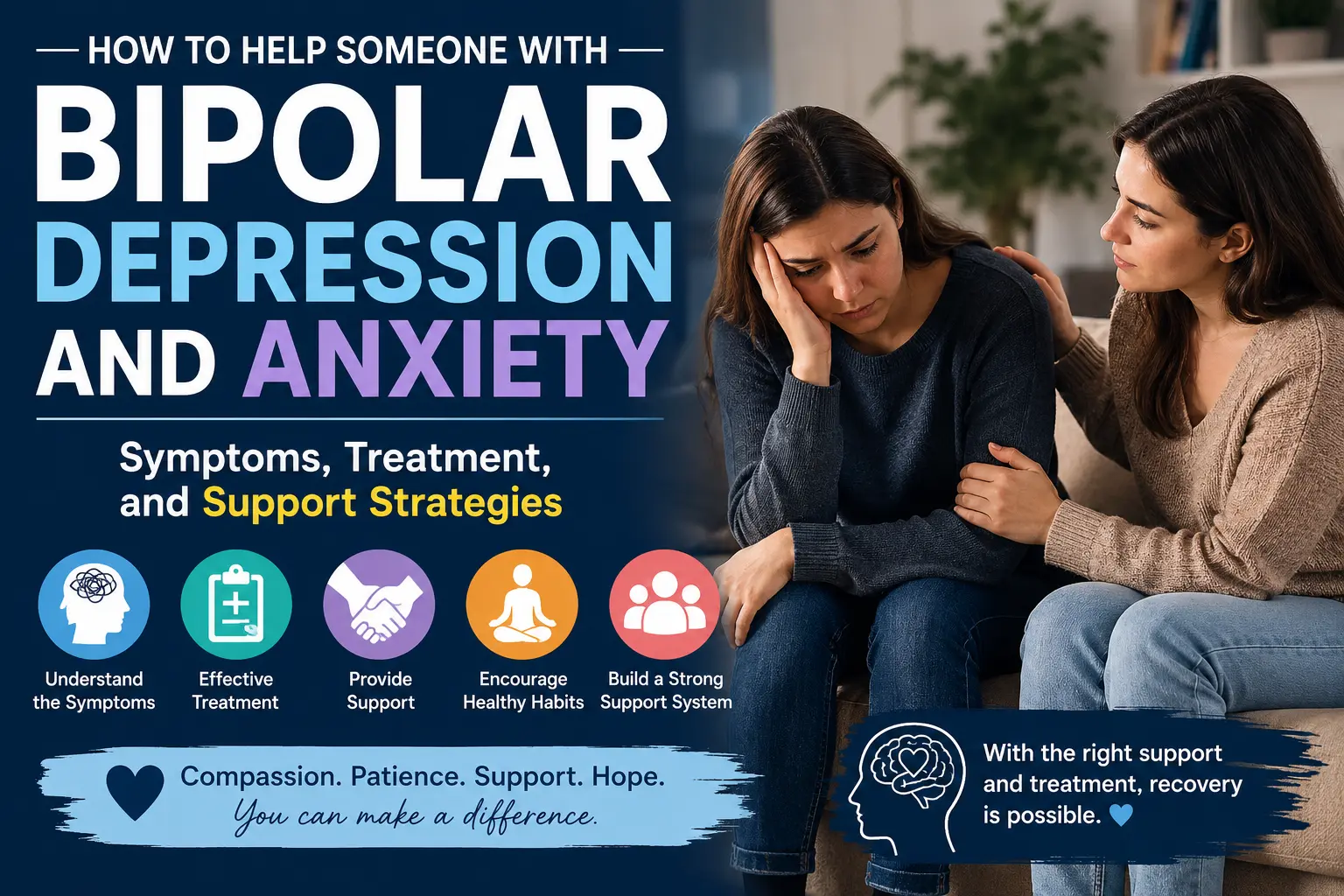 Watching someone you care about struggle with bipolar depression and anxiety can be heartbreaking. You may notice that they withdraw…
 In my practice as a clinical psychologist, I often observe that the difference between a patient who crumbles under pressure…
 We all have "up" days and "down" days. Perhaps you feel energized after a promotion or sluggish on a rainy…
 To define bipolar disorder accurately, we must look at it as a chronic mood dysregulation condition. In psychology and medicine,…
Are you looking for a Therapist?
Connect with qualified mental health professionals who understand
bipolar disorder, mood changes, and emotional challenges.
Private • Supportive • Confidential