
Dating Someone With BPD: What It’s Really Like, Red Flags, Trauma, and Healthy Relationship Strategies

Medically reviewed by Laura Athey Updated Date: February 14, 2026
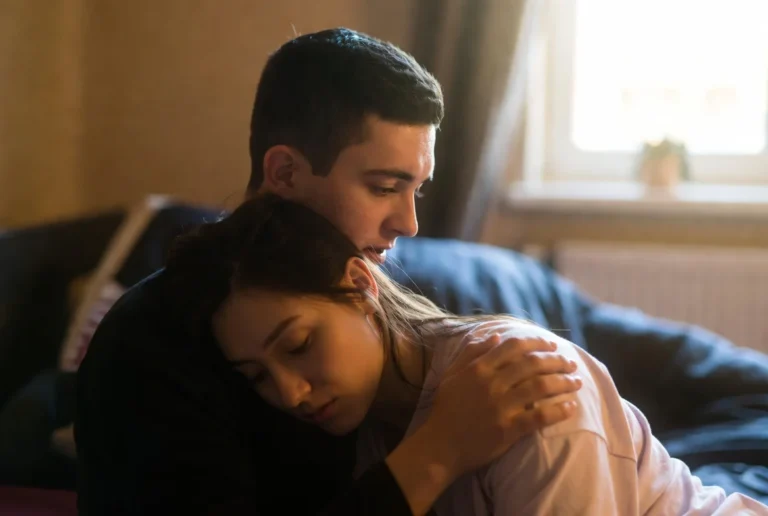
If you are dating someone with BPD, you likely know a level of emotional intensity that few other relationships can match. Many partners describe the experience as a “technicolor romance”—the highs are incredibly vibrant, the passion is unparalleled, and the sense of being “the only person in the world” to your partner is intoxicating.
However, what it’s like dating someone with BPD often includes a darker flip side: a rapid descent into confusion, exhaustion, and volatility. One day you are the hero of their story; the next, you may feel like the villain. This emotional whiplash can leave you questioning your own reality, your worth, and your future.
The goal of this guide is to move beyond the internet’s often polarizing “demonize vs. romanticize” narrative. We will look at dating someone with BPD through a clinical yet compassionate lens, examining why these relationships are so intense, how to recognize red flags, and how to maintain your own mental health while supporting a partner with a complex emotion-regulation disorder.
In my clinical experience, the most heartbreaking part of dating someone with BPD is the ‘Self-Fulfilling Prophecy.’ Because the individual is so terrified of being abandoned, they often behave in ways that eventually exhaust and drive the partner away. This ‘proves’ to the person with BPD that they were always destined to be left.
To the partner reading this: You must understand that you cannot ‘love’ the BPD out of someone. Your love is a support, but it is not a cure. The only way to break this cycle is through professional Dialectical Behavior Therapy (DBT), where the partner with BPD learns to self-soothe rather than relying on you to regulate their world.
What Is Borderline Personality Disorder?
To navigate dating someone with borderline personality disorder, it is essential to understand the “why” behind the behavior. Borderline Personality Disorder (BPD) is primarily a disorder of emotional dysregulation.
Imagine a person born with “emotional third-degree burns.” While most people have a protective layer that helps them process slights or delays, someone having a partner with BPD is essentially experiencing someone with no such barrier.
- Fear of Abandonment: This is the core driver. Even a small event—like a late text or a partner hanging out with friends—can trigger an existential panic.
- Identity Disturbance: They may struggle to know who they are, often mirroring their partner’s interests or values to stay connected.
- Affective Instability: Mood shifts aren’t just “bad moods”; they are intense emotional storms that can last hours or days.
Being in a relationship with someone with BPD means interacting with a nervous system that is perpetually on high alert for rejection. It is a treatable condition, often rooted in early childhood trauma or biological sensitivity, but it requires specialized clinical intervention.
What Is It Like Dating Someone With BPD?
For many, the first few weeks of dating someone with BPD are a whirlwind of “soulmate” energy. This is often due to idealization. Your partner may put you on a pedestal, viewing you as the perfect person who will finally save them from their pain.
The “Push-Pull” Dynamic
As the relationship deepens, the fear of losing that “perfect” person creates a paradox. What dating someone with BPD is like usually transitions into a “push-pull” cycle:
- The Pull: They crave intense closeness and may move very fast (moving in, talking marriage).
- The Fear: This closeness makes them feel vulnerable. Vulnerability feels like a threat.
- The Push: They may pick a fight, withdraw, or become hostile to “reject you before you can reject them.”
Featured Snippet Target: What is it like dating someone with BPD? Dating someone with BPD is characterized by extreme emotional cycles, intense bonding followed by sudden withdrawal, and a pervasive fear of abandonment. Partners often experience a “push-pull” dynamic where the person with BPD seeks closeness but reacts with hostility or distance when they feel too vulnerable or threatened by perceived rejection.
Signs You’re Dating Someone With BPD (Without Diagnosing)
While only a licensed professional can provide a diagnosis, there are common behavioral patterns that serve as signs you’re dating someone with BPD.
- Black-and-White Thinking (Splitting): You are either “all good” or “all bad.” There is very little middle ground for human mistakes.
- Extreme Emotional Reactivity: A minor disagreement might escalate into a full-scale emotional crisis within minutes.
- Impulsivity: You may notice sudden, risky behaviors—spending sprees, substance use, or impulsive quitting of jobs.
- Chronic Feelings of Emptiness: Your partner may frequently express that they feel “hollow” or “bored” regardless of how much you do for them.
Disclaimer: These signs are for informational purposes. Many other conditions (like CPTSD or Bipolar Disorder) can look similar. Avoid using these signs to “label” your partner; instead, use them to describe the behaviors that affect the relationship.
Dating Someone With BPD: Red Flags vs. Normal Relationship Conflict
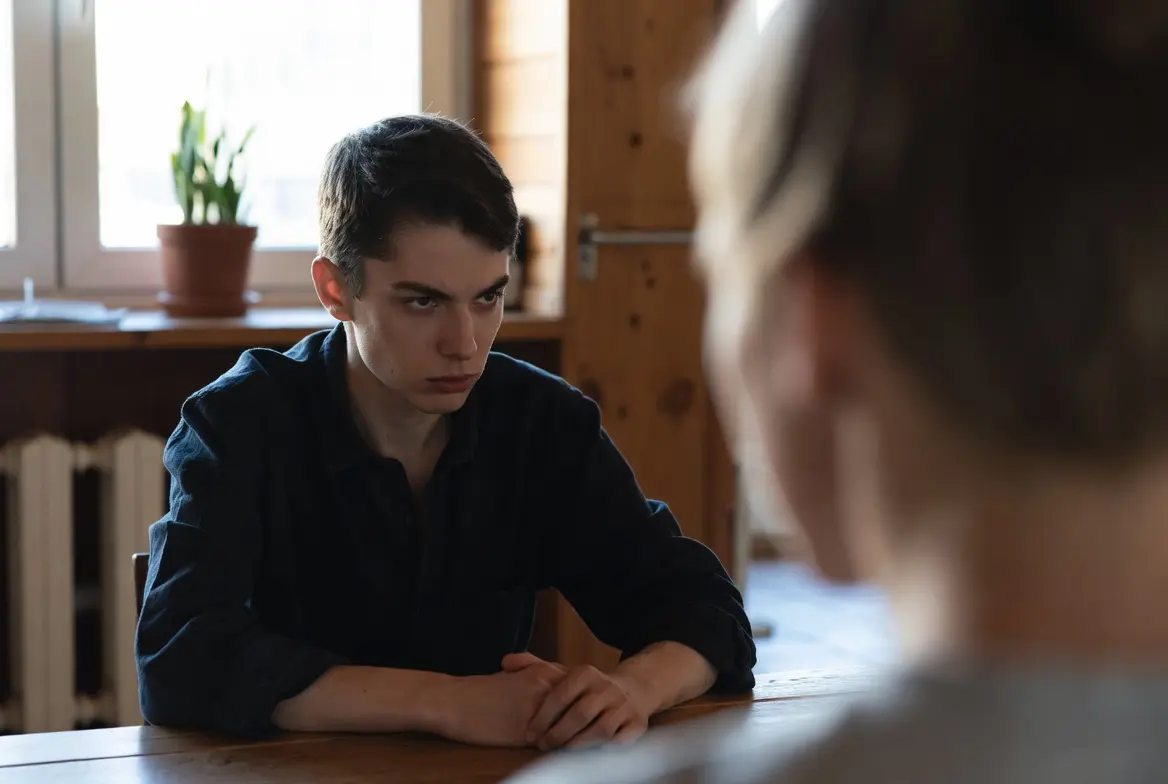
It is vital to distinguish between dating someone with BPD red flags and the standard growing pains of a relationship.
- Normal Conflict: You disagree, both feel heard, and you find a compromise.
- BPD Symptom: You disagree, and the partner feels so threatened they threaten self-harm or threaten to leave to regain a sense of control.
- The Danger Zone: A major question people ask is, “is dating someone with BPD dangerous?” Most people with BPD are more of a danger to themselves than others. However, if the “push-pull” manifests as physical aggression, property destruction, or severe psychological manipulation, these are red flags for abuse, not just BPD. Mental illness is an explanation for behavior, but it is never an excuse for abuse.
“Dating Someone With BPD Is Exhausting”: Why Partners Burn Out
A common sentiment found in support groups is that dating someone with BPD is exhausting. This is often due to “Caretaker Fatigue.”
- Emotional Labor: You become the “emotional regulator.” If they are sad, it’s your job to make them happy. If they are angry, it’s your job to calm them.
- Walking on Eggshells: You begin to censor your own thoughts, needs, and plans to avoid triggering a “split” or an outburst.
- Isolation: Over time, the intensity of the relationship may cause you to withdraw from friends and family, either because your partner is jealous of them or because you are too exhausted to explain what is happening at home.
The effects of dating someone with BPD on the partner can include chronic stress, weight changes, and clinical depression.
The Breakup Cycle in BPD Relationships
One of the most agonizing aspects of this journey is the breakup cycle of borderline personality disorder. Unlike a standard relationship ending, a BPD breakup is rarely a clean break. It often follows a predictable, yet destructive, loop:
- Idealization: The “Honey-Moon” phase where you are perfect.
- Devaluation: A trigger (real or perceived) occurs, and the partner begins to see you as flawed, uncaring, or malicious.
- The Breakup (The Push): In a moment of intense emotional pain, the partner with BPD may end the relationship abruptly or engage in behavior that forces you to leave.
- The Hoovering (The Pull): As the fear of being alone sets in, the partner “hoovers” (sucks you back in) with intense apologies, promises of change, or crises that require your help.
This creates a trauma bond—a psychological attachment fueled by intermittent reinforcement. The highs are so high that they keep you hooked through the devastating lows, making it feel impossible to walk away permanently.
Trauma From Dating Someone With BPD (Partner Perspective)
It is crucial to validate the experience of the person who is not diagnosed. Trauma from dating someone with BPD is a real and documented phenomenon. It is often referred to as “Secondary Trauma” or “Caregiver Trauma.”
What Is the Trauma After Dating Someone With BPD?
- Hypervigilance: Even after the relationship ends, you may find yourself jumping at text notifications or constantly “scanning” people’s moods for signs of anger.
- Loss of Self-Trust: Because of the “gaslighting” effect that occurs when a partner’s reality shifts rapidly, you may struggle to trust your own memory or judgment.
- Cognitive Dissonance: You hold two conflicting truths: “This person loves me more than anyone” and “This person treats me worse than anyone.”
We must validate this pain without demonizing the person with BPD. Their behavior is often a desperate attempt to regulate unbearable pain, but the damage to the partner is nonetheless significant.
Reddit Stories: Why “Dating Someone With BPD Reddit” Is So Popular
If you search for support, you will inevitably find the dating someone with BPD Reddit communities. These forums are popular for a specific reason: they offer the only place where people feel understood in their “walking on eggshells” reality.
However, a word of caution for those reading dating someone with BPD stories online:
- Selection Bias: People rarely post on Reddit when their BPD relationship is stable and healthy. You are often reading accounts from people at their absolute breaking point.
- Emotional Amplification: These communities can sometimes become “echo chambers” of resentment.
- The Benefit: They can provide a “sanity check” for partners who have been told they are the problem for years.
Are There Benefits to Dating Someone With BPD?
To maintain a balanced perspective, we must ask: Is it worth dating someone with BPD? For many, the answer is a nuanced “yes,” provided there is treatment and accountability.
Potential Positives
- Emotional Depth: People with BPD often experience joy and passion with the same intensity they feel pain. When they are “on,” the connection can feel incredibly profound.
- Empathy and Compassion: Many individuals with BPD are highly attuned to the emotions of others (even if they occasionally misinterpret them).
- Growth: Being in this relationship forces a partner to develop rock-solid boundaries, emotional intelligence, and self-awareness that they might not have gained otherwise.
Is dating someone with bpd worth it? It depends on whether the person with BPD is in an active treatment program and if you are able to maintain your own identity within the bond.
Can Someone With BPD Have a Healthy Relationship?
The short answer is yes, but it requires a “Double-Active” approach.
Can a person with BPD have a healthy relationship? Only if two conditions are met:
- The BPD Partner is in Treatment: Specifically DBT (Dialectical Behavior Therapy). BPD is not a condition that heals via “love” alone; it requires learning specific skills to manage distress.
- The Partner has Boundaries: A healthy relationship cannot exist if one person is constantly sacrificing their mental health to keep the other stable.
Tips for Dating Someone With BPD (Practical & Protective)
If you choose to stay, you need a toolkit. Here is what to know about dating someone with BPD to survive the storms:
- Validate the Feeling, Not the Fact: If they say, “You hate me because you’re late,” don’t argue the fact (that you were in traffic). Validate the feeling: “I can see you’re feeling really scared and unimportant right now. I’m here.”
- Set Clear Boundaries: “I love you, but I will hang up the phone if you start calling me names. We can talk again when we are both calm.”
- Don’t “JADE”: Do not Justify, Argue, Defend, or Explain. In a BPD flare-up, logic is not your friend. Emotional safety is the only goal.
How to Deal With Someone Who Has BPD (Without Losing Yourself)
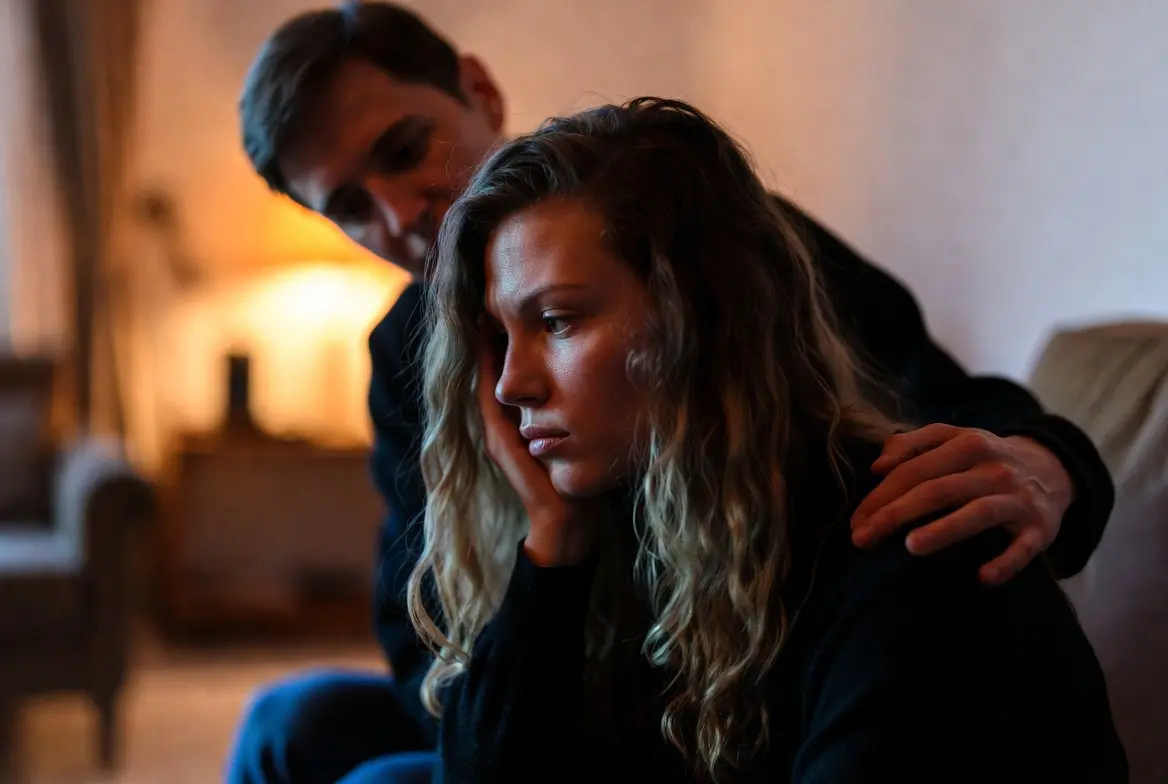
The greatest risk of how to deal with dating someone with bpd is “identity erosion.” Over time, your world can shrink until it only contains your partner’s moods. To prevent this, you must implement a strategy of differentiation.
- Maintain Separate Hobbies: Do not give up your passions. Having a life outside the relationship provides the “emotional oxygen” you need to stay resilient.
- Parallel Support: If they are in therapy, you should be too. Seek a therapist who understands BPD and “Caregiver Trauma” to help you process the how to deal with someone borderline personality disorder triggers.
- The 50/50 Rule: Remind yourself that you are responsible for 50% of the relationship’s health, but 0% of your partner’s internal emotional state. You can provide the environment for healing, but you cannot do the healing for them.
When to Leave: “Never Date Someone With BPD?”
There is a controversial trope online: “Never date someone with BPD.” As a clinical professional, I find this stigma unhelpful, but I do support the right to leave.
It is okay to leave if:
- There is physical, sexual, or severe financial abuse.
- The partner refuses to acknowledge their diagnosis or participate in a treatment program.
- Your own mental or physical health has deteriorated to a point of no return.
- The “cycles” are not getting longer or less intense over time.
You are not a “failure” for leaving. No one is obligated to stay in a relationship that requires the total sacrifice of their own well-being. Compassion for a partner’s trauma does not negate your right to a peaceful life.
Recovery After Dating Someone With BPD (Partner Healing)
If the relationship ends, the recovery period is often more intense than a standard breakup. How to recover from dating someone with bpd requires a focus on your nervous system.
- Go “No Contact” if Possible: To break the trauma bond, the brain needs time away from the intermittent reinforcement of the “push-pull” cycle.
- Address the Gaslighting: Write down a timeline of events. Review it when you feel the urge to “idealize” the relationship again. This helps re-anchor you in reality.
- Identity Rebuilding: Ask yourself, “Who was I before this relationship?” Reconnect with the values and friends that were sidelined during the “walking on eggshells” era.
Professional Help & Treatment Options for BPD
If you or your partner are seeking a path forward, knowing the clinical landscape is vital. BPD is one of the most treatable personality disorders if the right modalities are used.
The Gold Standard: DBT
DBT (Dialectical Behavior Therapy) is the primary treatment. It teaches four key modules: Mindfulness, Distress Tolerance, Emotion Regulation, and Interpersonal Effectiveness. Look specifically for a dbt bpd specialist.
Levels of Care
- BPD Therapy Online: Many platforms now offer specialized DBT skills groups virtually, which can be a great starting point.
- BPD Clinic / Outpatient: Intensive Outpatient Programs (IOP) involve several hours of therapy per week while living at home.
- BPD Residential Treatment: For severe cases involving self-harm or inability to function, a bpd residential treatment center provides 24/7 support in a therapeutic environment. This is often more effective than traditional bpd inpatient (hospitalization), which is usually for short-term crisis stabilization only.
To find a provider, search for a bpd psychiatrist or use directories like Psychology Today to find a bpd therapist near me.
Books & Learning Resources
Education is your best defense against the confusion of BPD. If you are dating someone with bpd, these books are essential reading:
- Stop Walking on Eggshellsby Paul Mason & Randi Kreger: The definitive guide for partners and family members.
- Loving Someone with Borderline Personality Disorder by Shari Manning: Offers a highly compassionate, skills-based approach.
- The Buddha and the Borderline by Kiera Van Gelder: A memoir that provides a raw, first-person look at what it feels like to live with the disorder.
FAQ Section
Is dating someone with BPD dangerous?
Most people with BPD are not dangerous to others. However, the emotional volatility can lead to high-conflict situations. If physical aggression occurs, it is an issue of safety/abuse that transcends the BPD diagnosis.
Can BPD relationships work long-term?
Yes, but they rarely work without the person with BPD being in active, long-term therapy (like DBT) and the partner having strong boundaries.
Why do BPD breakups hurt so much?
Because of the “Idealization” phase, you were made to feel uniquely special. The loss of that “perfect” reflection, combined with the suddenness of the “split,” creates a deep sense of rejection and cognitive dissonance.
Is it abusive behavior or just untreated symptoms?
The impact is the same. While the intent might not be malicious, if the behavior is controlling, demeaning, or violent, it is abusive. Symptoms explain the “why,” but they don’t change the “what.”
Conclusion: Compassion Without Self-Sacrifice
Dating someone with BPD is an extraordinary challenge that requires an extraordinary level of emotional maturity. It is a journey that can lead to profound growth or profound depletion.
Remember that people with BPD are not “monsters”—they are individuals navigating a world that feels chronically unsafe. However, your role is to be a partner, not a therapist or a martyr. By prioritizing your own boundaries and insisting on professional bpd help online or in person, you create the only possible environment where a healthy bond can survive. You are allowed to love them, but you are also allowed to love yourself enough to stay healthy.
Authoritative Clinical & Research References
- National Institute of Mental Health (NIMH) — Borderline Personality Disorder
- The National Education Alliance for Borderline Personality Disorder (NEA.BPD)
- Mayo Clinic — BPD: Diagnosis and Treatment
- The Linehan Institute — What is DBT?
- Psychology Today — Borderline Personality Disorder

Related Posts





Subscribe to Our Newsletter
Get mental health tips, updates, and resources delivered to your inbox.
MORE from Author
Read More Watching someone you care about struggle with bipolar depression and anxiety can be heartbreaking. You may notice that they withdraw…
 In my practice as a clinical psychologist, I often observe that the difference between a patient who crumbles under pressure…
 We all have "up" days and "down" days. Perhaps you feel energized after a promotion or sluggish on a rainy…
 To define bipolar disorder accurately, we must look at it as a chronic mood dysregulation condition. In psychology and medicine,…
Are you looking for a Therapist?
Connect with qualified mental health professionals who understand
bipolar disorder, mood changes, and emotional challenges.
Private • Supportive • Confidential