
Depression and Feeling Alone: Understanding, Coping, and Seeking Support

Medically reviewed by Laura Athey Updated Date: February 15, 2026

There is a specific kind of silence that accompanies the heaviest days of our lives. It is not just the absence of noise, but a profound, hollow sense of being unreachable. When you are navigating Depression and Feeling Alone, the world can feel as though it is moving behind a thick pane of glass—you can see others living, laughing, and connecting, but you feel entirely cut off from the experience.
This sensation is often described as a dark, dark depression, feeling alone, where the isolation isn’t necessarily due to a lack of people around you, but a psychological barrier that makes you feel invisible even in a crowded room. If you are reading this and feeling that weight, know that this “emotional ghosting” is a documented, physiological, and psychological symptom of depressive disorders.
This guide is designed to help you understand why depression creates this void, how it intersects with anxiety and life changes like new parenthood, and—most importantly—how to begin building bridges back to the world when you feel you have no one to talk to.
Understanding Depression and Loneliness
One of the most frequent questions people ask their doctors or therapists is: Can depression make you feel lonely? The answer is a resounding yes. However, the relationship between the two is a complex, “chicken-and-egg” cycle.
The Cycle of Isolation
In many cases, isolation, depression, and feeling alone become a self-perpetuating loop. Depression saps the energy required for social interaction (a phenomenon known as psychomotor retardation). When you don’t have the energy to call a friend or attend a gathering, you withdraw. This withdrawal leads to a lack of social reinforcement, which leads to deeper levels of sadness, leading to further isolation.
Being Alone vs. Feeling Alone
It is vital to distinguish between solitude and the sad depression feeling of depression.
- Solitude is often a choice; it is the physical state of being by yourself to recharge.
- Loneliness in depression is a perceived discrepancy between the connections you want and the connections you feel you have. You may have a supportive family and a partner, yet feel entirely solitary because the depression prevents you from “feeling” their love or support.
The Biological and Social Factors
Research suggests that depression can actually alter your social cognition. When depressed, your brain is more likely to interpret neutral social cues as negative. A friend’s delayed text isn’t seen as them being busy; it is seen as proof that they don’t care. This “cognitive distortion” makes the world feel much more hostile and lonely than it truly is.
Depression, Anxiety, and Feeling Alone
It is rare for depression to travel alone. Most individuals experience a “co-occurrence” of anxiety, depression, and feeling alone. When these two forces combine, the sense of isolation is magnified by fear.
Social Anxiety and the Fear of Burdening Others
While depression tells you that you are unworthy of connection, anxiety tells you that you are a burden. You might feel a desperate need to talk to someone, but your anxiety whispers, “They have enough on their plate,” or “You’re going to bring them down.” This results in a “functional paralysis” where you stay silent to protect others, which only deepens your feelings of depression and feeling alone.
The Physicality of Anxious Isolation
Anxiety introduces a physical “buzz” to the loneliness. It is not just a quiet sadness; it is a restless, heart-pounding fear that you are losing your place in your social circle. This state of high alert is exhausting, often leading to a “crash” back into the dark, quiet isolation of depression.
Postpartum Depression and Feeling Alone
The arrival of a new child is culturally framed as a time of peak connection, yet for many, it is the onset of a profound postpartum depression, a feeling of being alone.
The Silent Struggle of New Motherhood
Postpartum depression (PPD) creates a unique form of isolation. A new mother may feel a deep sense of shame because she isn’t experiencing the “instant bond” she was promised. This shame prevents her from reaching out, leading to a secret, internal isolation while she is physically tethered to an infant 24/7.
Factors Contributing to PPD Isolation
- Hormonal Shifts: The rapid drop in estrogen and progesterone affects neurotransmitters that regulate mood.
- Lifestyle Collapse: The sudden loss of a previous identity, career, and sleep schedule can make a woman feel like she has disappeared.
- The “Perfect Mother” Myth: Social media depictions of motherhood can make a struggling mom feel like a failure, causing her to withdraw to hide her perceived “weakness.”
Mental Health Symptoms that Make You Feel Disconnected
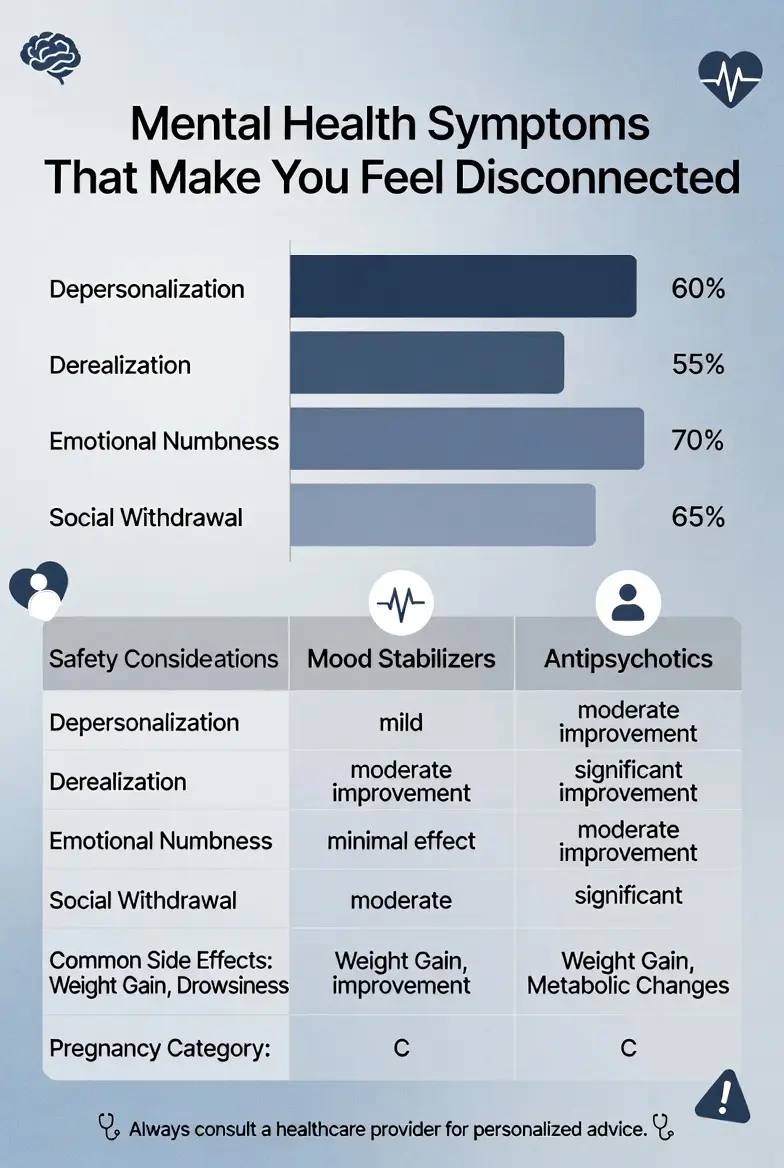
Sometimes the loneliness isn’t about people; it’s about a disconnect from your own self. You may find yourself asking: Why do I feel like I’m not here mentally?
Depersonalization and Dissociation
In the midst of a dark, dark depression, a feeling of being alone, the brain may utilize dissociation as a defense mechanism against emotional pain. This can feel like:
- Feeling like you are watching your life from outside your body.
- Feeling “foggy” or like the world isn’t real.
- Emotional numbness, where you can neither feel joy nor deep sadness.
The “Invisible” Sensation
When you ask, “Why do I feel like I have no one to talk to?” it is often because your depression has convinced you that your voice doesn’t matter or that you aren’t being heard. This “emotional invisibility” is a hallmark of major depressive disorder. You are physically there, but mentally, you feel like a ghost.
The Psychological Effects of Loneliness in Depression
Loneliness is not just a feeling; it has a measurable impact on the body and mind. When you are struggling with depression and feeling alone, the psychological “wear and tear” can be significant.
Impact on Physical Health
Chronic loneliness triggers the body’s stress response. It can lead to:
- Sleep Disturbances: Difficulty falling asleep or waking up feeling unrefreshed.
- Appetite Changes: Overeating for comfort or a total loss of interest in food.
- Inflammation: Sustained loneliness is linked to higher levels of cortisol, which can weaken the immune system.
Changes in Social Perception
Long-term isolation actually changes how your brain processes social information. You become hyper-vigilant for signs of rejection. If someone doesn’t smile back at you in the grocery store, a lonely, depressed brain processes that as a personal attack rather than a random occurrence.
Coping Strategies for Feeling Alone When Depressed
Breaking the cycle of isolation, depression, and feeling alone is rarely about one grand gesture; it is about small, repeatable actions that slowly lower the psychological barriers between you and the world. If you are wondering what to do if you’re depressed and alone, consider these evidence-based steps:
Reaching Out for Social Support
The hardest step is the first one. When you feel you have no energy, don’t aim for a three-hour dinner. Aim for a “low-stakes” connection.
- The Text Check-In: Send a simple text to one person: “I’ve been feeling a bit down and isolated lately. Just wanted to say hi.”
- The “Double Bubble” Strategy: If you can’t talk, just being in the physical presence of others—like sitting in a library or a coffee shop—can reduce the edge of isolation without the pressure of conversation.
Structured Daily Routines and Self-Care
Depression thrives in the “vague.” When days blend together, the loneliness feels infinite.
- Anchor Points: Create three non-negotiable points in your day (e.g., making the bed at 8 AM, a 10-minute walk at 1 PM, and a shower at 8 PM). These provide a sense of agency.
- Grounding Techniques: If you feel like you aren’t “there” mentally, use the 5-4-3-2-1 technique: Identify 5 things you can see, 4 you can touch, 3 you can hear, 2 you can smell, and 1 you can taste.
Journaling and Expressing Feelings
If you feel you have no one to talk to, talk to the paper. Writing down the specific “flavors” of your loneliness helps externalize the pain. Instead of the pain being inside you, it is now something you are looking at on the page. This creates a tiny but vital bit of psychological distance.
Using Quotes to Validate and Inspire
In the depths of a dark, dark depression, feeling alone, sometimes the words of others can act as a bridge. Depression feeling alone quotes remind us that our “unique” pain has been felt and survived by others before us.
“Loneliness is the poverty of self; solitude is the richness of self.” — May Sarton
“The sun is a lonely star. Even when he shines, he is alone. But he keeps on shining.” — Unknown
“I am a forest, and a night of dark trees: but he who is not afraid of my darkness, will find banks full of roses under my cypresses.” — Friedrich Nietzsche
Reading these isn’t about a “quick fix”; it’s about validation. When you see your internal world reflected in the words of a poet or a survivor, the ” pane of glass” between you and humanity gets a little thinner.
Social Connections and Building Support Networks
Building a support network while depressed feels like trying to build a plane while it’s in a nosedive. However, a network doesn’t have to be a dozen best friends.
The Three Layers of Support
- The Inner Circle: 1–2 people who know the full truth of your struggle. They don’t need to fix it; they just need to know.
- The Community Layer: Support groups (online or in-person). There is a specific healing power in hearing someone else say, “I feel exactly like that.”
- The Professional Layer: Therapists or counselors who provide the tools to dismantle the cognitive distortions that keep you isolated.
Tips for Reaching Out When It Feels Impossible
Use “The 10-Minute Rule.” Tell yourself you will engage with one person for just 10 minutes. If it’s too much after that, you have full permission to withdraw. Often, the hardest part is the transition from “alone” to “connected.”
When to Seek Professional Help
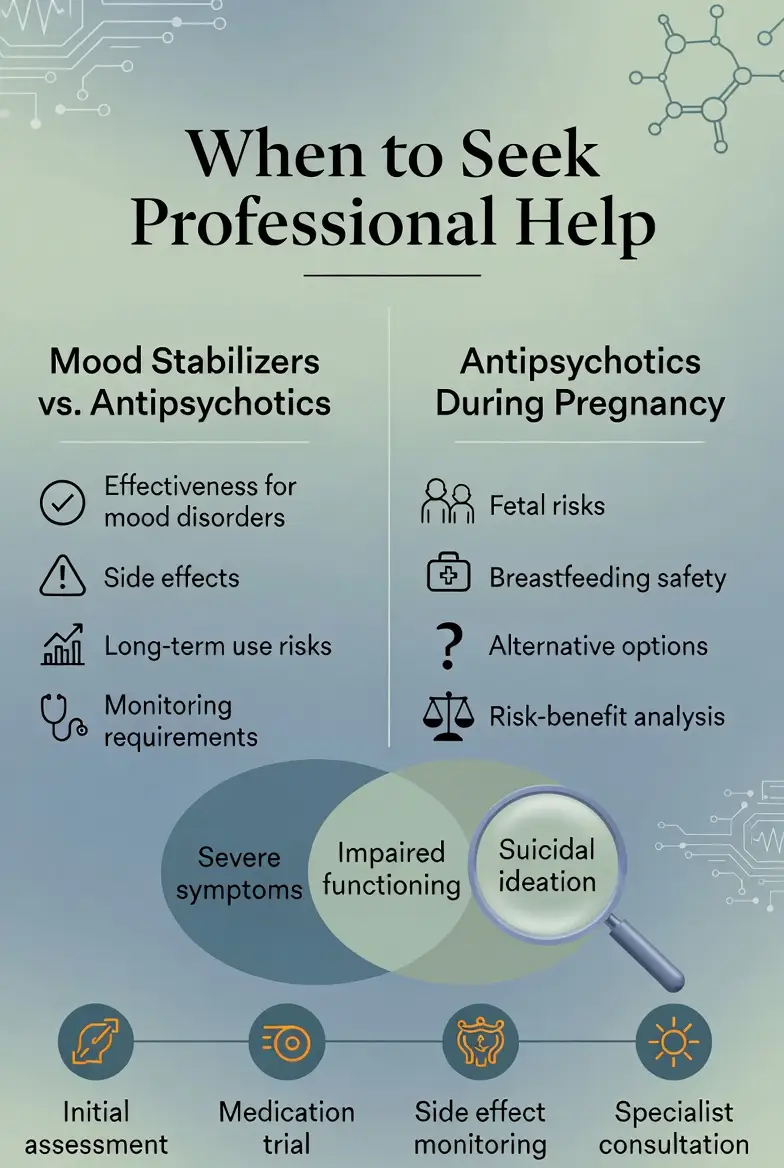
It is important to recognize when depression feeling alone has moved beyond a “rough patch” and into a clinical emergency.
Signs That Professional Intervention is Needed
- Duration: Feeling this way for more than two weeks without any “light” days.
- Functional Impairment: Being unable to work, maintain hygiene, or eat properly.
- Passive Suicidal Ideation: Thinking “I wish I just wouldn’t wake up,” or “Everyone would be better off without me.” This is the depression talking, and it requires immediate professional support.
Types of Therapy for Isolation
- CBT (Cognitive Behavioral Therapy): Helps identify the “lies” your brain tells you about being alone.
- Interpersonal Therapy (IPT): Specifically focuses on improving your relationships and social functioning to reduce depressive symptoms.
Self-Help Strategies at Home
While waiting for therapy or medication to take effect, you can implement home-based strategies to combat the sad, depressed feelings alone.
Physical Activity and Light Exposure
Movement is a natural antidepressant. You don’t need a gym; a walk around the block is enough to shift your physiology. Sunlight is equally vital, as it helps regulate your circadian rhythm and boosts serotonin levels.
Creative Expression
Art, music, and writing allow you to communicate feelings that are too heavy for words. This is a form of “connection to the self,” which is often the first connection that must be repaired.
Technology and Online Support
In the modern era, technology often gets a bad reputation for increasing isolation. However, when used intentionally, it can be a lifeline for those experiencing depression feeling alone. When you lack the physical energy to leave the house, the digital world offers accessible bridges to human connection.
Mental Health Apps and Digital Tools
There are numerous apps designed to bridge the gap between clinical therapy sessions and daily life. Tools like Daylio or Moodfit allow you to track your moods and see the correlation between your activities and your feelings of isolation. Other apps provide AI-based chat support, offering a “safe” space to vent without the fear of social judgment.
Online Communities and Moderated Forums
Websites like Reddit (specifically subreddits like r/depression or r/lonely) and specialized forums like The Mighty provide a platform where you can read others’ stories. Seeing your own dark, dark depression, feeling alone, mirrored in the experiences of thousands of others,s can strip away the “uniqueness” of the pain, making it feel more manageable.
The Power of Teletherapy
If the thought of sitting in a waiting room is overwhelming, video and phone counseling have made professional help more accessible than ever. Telehealth removes the physical barriers to entry, allowing you to speak with a professional from the safety of your own “sanctuary.”
Frequently Asked Questions
Can depression make you feel lonely?
Yes. Depression often causes social withdrawal and “cognitive distortions” that make you feel disconnected from others, even when they are physically present. It changes how you perceive social cues, often making you feel unwanted or invisible.
What to do if you’re depressed and alone?
Focus on “micro-connections.” Start by texting a trusted friend, joining an online support group, or simply going to a public space like a park. Pair this with a structured routine and, if possible, reach out to a mental health professional.
Why do I feel like I’m not here mentally?
This is often a symptom called dissociation or depersonalization. In times of extreme emotional pain or dark, dark depression, your brain may “numb” your experience to protect you, leading to a feeling of being a detached observer of your own life.
Why do I feel like I have no one to talk to?
Depression often creates a “filter” that makes you believe you are a burden or that others won’t understand. This is a symptom of the illness rather than a reflection of your actual support network.
Conclusion
The most important thing to remember about depression, feeling alone is that your brain is currently a biased narrator. It is telling you that you are alone, that you are a burden, and that this silence is permanent. But these are symptoms, not facts.
Feeling alone is a common, albeit painful, part of the depressive experience. Whether you are navigating postpartum depression, feeling alone,e or a long-term struggle with clinical depression, support exists in multiple layers. From the low-stakes connection of an online forum to the deep, structured work of interpersonal therapy, there are many ways to start dismantling the wall of isolation.
The path out of the dark begins with a single, small action. It could be writing a sentence in a journal, stepping outside for five minutes of sunlight, or sending a one-word text to a family member. These small daily actions are the bricks used to build a bridge back to a life of connection and emotional health. You are not invisible, and you are not unreachable.
Authoritative References
1. Mayo Clinic: The Impacts of Social Isolation and Loneliness
2. National Institute of Mental Health (NIMH): Understanding Depression
3. World Health Organization (WHO): Depressive Disorder Fact Sheet
4. Harvard Health: Conquering Loneliness and Its Link to Mental Health
5. National Alliance on Mental Illness (NAMI): Managing Loneliness


Subscribe to Our Newsletter
Get mental health tips, updates, and resources delivered to your inbox.
MORE from Author
Read More Watching someone you care about struggle with bipolar depression and anxiety can be heartbreaking. You may notice that they withdraw…
 In my practice as a clinical psychologist, I often observe that the difference between a patient who crumbles under pressure…
 We all have "up" days and "down" days. Perhaps you feel energized after a promotion or sluggish on a rainy…
 To define bipolar disorder accurately, we must look at it as a chronic mood dysregulation condition. In psychology and medicine,…
Are you looking for a Therapist?
Connect with qualified mental health professionals who understand
bipolar disorder, mood changes, and emotional challenges.
Private • Supportive • Confidential