
Passive-Aggressive Behavior: Meaning, Psychology, Examples, and How to Respond

Medically reviewed by Laura Athey Updated Date: February 11, 2026
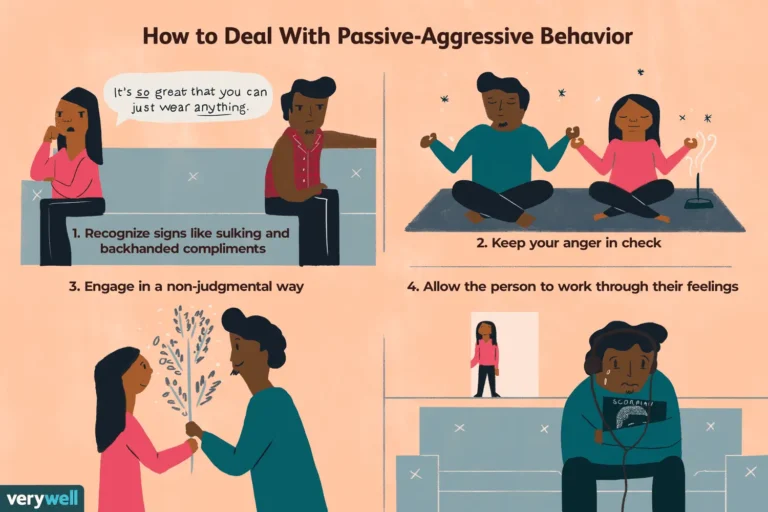
We have all experienced that stinging sensation of a comment that sounds polite on the surface but feels like a slap underneath. It is the colleague who “forgets” to cc you on a vital email, the partner who sighs loudly while doing the dishes but insists “nothing is wrong,” or the friend who offers a compliment that leaves you feeling insulted. This is the realm of passive-aggressive behavior—a confusing, frustrating, and deeply common form of communication that erodes trust in every corner of life.
Passive aggression is the “sugar-coated” version of hostility. Because it avoids direct confrontation, it can be incredibly difficult to name or address. When you try to call it out, the other person often retreats into plausible deniability, making you feel as though you are the one overreacting. This comprehensive guide will pull back the curtain on the passive-aggressive meaning, the deep-seated psychology behind it, and practical strategies to handle these behaviors with assertiveness rather than retaliation.
Passive-Aggressive Meaning
What is the true passive-aggressive meaning? At its core, passive-aggressive behavior is a pattern of indirectly expressing negative feelings instead of openly addressing them. There is a “disconnect” between what a person says and what they actually do.
The Psychological Framing
In clinical psychology, passive aggression is viewed as a defense mechanism. The individual feels an emotion—usually anger, resentment, or frustration—but they feel unsafe or incapable of expressing it directly. Instead of stating, “I am angry that you asked me to work late,” a passive-aggressive person might agree to the task but then “accidentally” lose the files or perform the work so poorly that it cannot be used.
What Passive Aggression Is Not
It is important to distinguish this behavior from other concepts:
- It is not direct aggression: There is no shouting or obvious hostility.
- It is not simple forgetfulness: We all forget things occasionally. Passive aggression is a pattern where “forgetfulness” serves a specific purpose (avoiding a task or punishing someone).
- It is not social anxiety: While both can involve a fear of conflict, social anxiety is rooted in fear of judgment, whereas passive aggression is rooted in hidden hostility.
The Psychology of Passive Aggression
To effectively handle this behavior, we must ask: What is the psychology of passive aggression? Why do people choose this confusing path instead of just saying what they mean?
Fear of Conflict
Most passive-aggressive individuals grew up in environments where direct anger was punished or discouraged. If a child is told “don’t you dare talk back” whenever they express a grievance, they learn that the only “safe” way to express anger is under the radar.
The Need for Control without Confrontation
Passive aggression is a power play. By refusing to engage directly, the person maintains control over the situation. If they don’t admit they are angry, you cannot “win” the argument because, technically, there is no argument. This leaves the recipient in a state of “baffled behavior,” wondering if they are imagining the tension.
Learned Avoidance
For many, this behavior is a learned survival trait. It is a way to “get back” at an authority figure or partner without facing the consequences of an open fight. Over time, this becomes the default setting for any situation involving negative emotions.
The 6 Traits of the Passive-Aggressive
Identifying this behavior becomes easier when you look for consistent patterns. What are the 6 traits of the passive-aggressive?
- Indirect Resistance: They agree to requests but use procrastination or intentional inefficiency to avoid following through.
- Sarcasm Masked as Humor: They make “cutting” remarks and then follow up with “I was just joking” or “You’re too sensitive” if you take offense.
- Chronic Forgetfulness: They “forget” birthdays, meetings, or promises specifically when they are unhappy with the person involved.
- The Silent Treatment: Using silence as a weapon to punish others while claiming they are “just tired” or “have nothing to say.”
- Victim Positioning: They twist the narrative so that they are the misunderstood martyr, and you are the demanding or “aggressive” one.
- Denial of Anger: The classic “I’m fine” response, even when their body language (clenched jaw, avoiding eye contact) screams the opposite.
5 Passive-Aggressive Phrases People Use All the Time
There are certain phrases that have become the “universal language” of indirect hostility. Here are 5 passive aggressive phrases you likely hear weekly:
- “No offense, but…” (Usually followed by something highly offensive.)
- “Fine.” (The shortest, coldest way to end a conversation while remaining angry.)
- “I’m surprised you’d want to do that.” (A subtle judgment intended to make you doubt your choices.)
- “If that’s what you want…” (Implies that your choice is wrong or foolish without saying it directly.)
- “You’ve done a great job… for someone with your background.” (A classic qualifier that strips away the value of the compliment.)
Examples of Passive-Aggressive Behavior
Because this behavior is so subtle, seeing it in action is the best way to understand it. What are examples of passive-aggressive behavior? In everyday life, it often acts as a “covert strike” against your peace of mind.
Weaponized Incompetence
This is a common passive-aggressive example where a person pretends to be bad at a task so they won’t be asked to do it again. A partner might wash the laundry but “accidentally” shrink your favorite sweater, ensuring you never ask them to touch the laundry again.
The Backhanded Compliment
“You look so much better than you did in your last profile picture!” or “I’m so impressed you managed to get that promotion despite your lack of experience.” These are insults wrapped in the packaging of praise.
Delayed Compliance
When asked to do something, the person says “Sure, in a minute,” but then takes hours or days to complete a five-minute task. This is a way of saying, “I’ll do it, but I’ll make sure you know I’m doing it on my terms, not yours.”
Passive-Aggressive Sentences and Statements
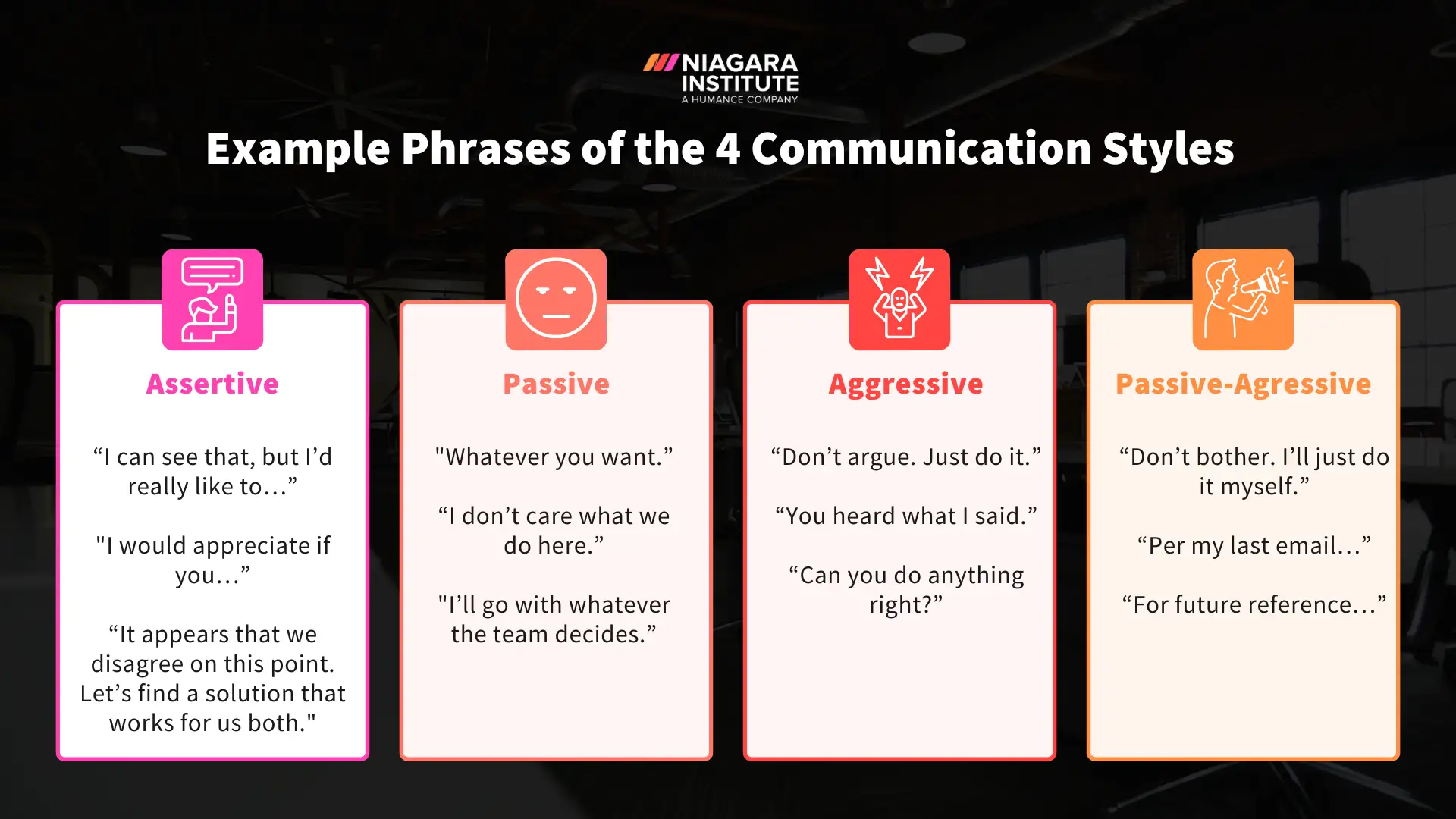
Sometimes the best way to identify the behavior is to look at the specific language used. What are some passive-aggressive sentences? Here are common statements and what they actually mean:
- “I thought you knew.” (Translation: I intentionally withheld information to watch you fail.)
- “Whatever you want to do is fine with me.” (Translation: I am unhappy, but I won’t tell you why, and I will be miserable the whole time we do what you want.)
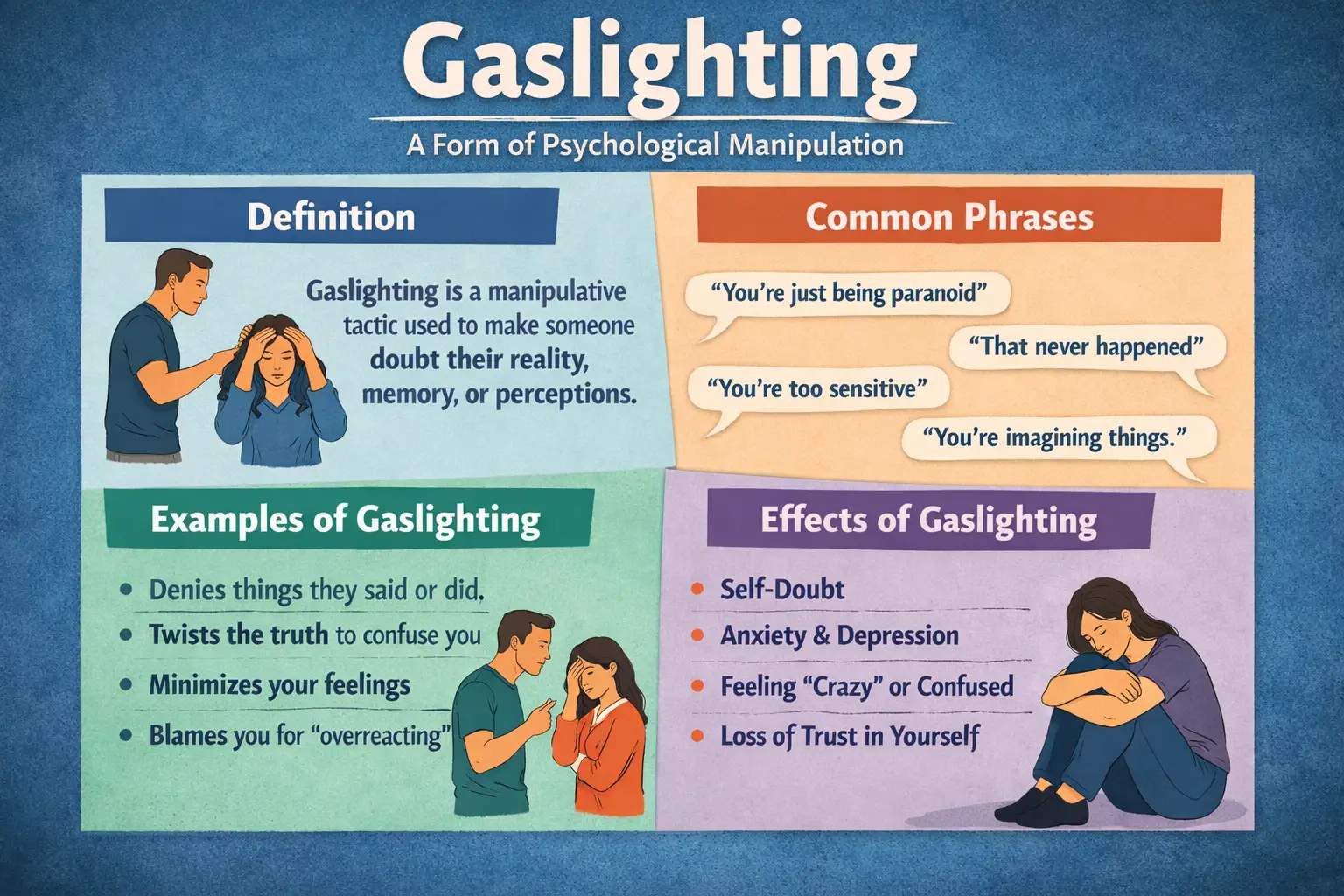
- “I was only joking, why are you so upset?” (Translation: I said something mean on purpose and now I’m gaslighting you so I don’t have to apologize.)
- “I guess I’ll just do it myself since no one else is going to help.” (Translation: I want to make you feel guilty without actually asking for help.)
- “Per my last email…” (Translation: You aren’t listening, and I’m documenting your failure to keep up.)
Passive-Aggressive Examples in Relationships
In romantic or family dynamics, passive-aggressive behavior in relationships acts like a slow-acting poison. It prevents intimacy because true intimacy requires honesty.
Emotional Withdrawal
Instead of discussing a hurt feeling, a partner might become physically present but emotionally “absent.” They stop initiating affection, give one-word answers, and wait for the other person to “guess” what is wrong. This creates a cycle of anxiety for the recipient.
Triangulation
In families, a parent might be passive-aggressive by complaining about one child to another. Instead of confronting the child they are upset with, they use a third party to vent their frustration, creating a “big baffling behavior” that confuses the family hierarchy.
Passive-Aggressive Examples at Work
The workplace is a breeding ground for passive aggression because professional “politeness” often prevents people from being direct.
The “cc” Power Play
A coworker might cc your manager on a minor correction that could have been handled in a private chat. This is a public way of highlighting your mistake under the guise of “transparency.”
Meeting Sabotage
This involves staying silent during a brainstorming session, only to complain to everyone in the breakroom later about how the ideas were “stupid” or “won’t work.” This undermines the team without the person having to offer an alternative during the actual meeting.
Passive Aggression vs. Related Concepts
To fully grasp the impact of these behaviors, it is helpful to compare them to other psychological phenomena that often overlap or are confused with passive aggression.
Passive Aggression vs. Reactive Abuse
Reactive abuse occurs when a victim of long-term manipulation or gaslighting finally “snaps” and reacts with aggression or shouting. The original manipulator then uses that reaction to claim they are the victim. Passive-aggressive people often bait others into reactive abuse to maintain their “calm, rational” facade while the other person looks “crazy.”
The Escalation: Passive to Active
Passive aggression is rarely static. If the indirect behavior doesn’t get the desired result (control or attention), it can escalate into active aggression. This is known as the “simmering pot” effect. The person stays passive until their resentment reaches a boiling point, leading to a sudden, explosive outburst that seems to come out of nowhere.
Big Baffling Behaviors
This term is often used in neurodiversity-affirming spaces to describe actions that don’t make sense on the surface. While passive aggression is a choice (conscious or unconscious) to avoid conflict, some “baffling behaviors” in children or neurodivergent adults are actually sensory or emotional regulation issues. It is crucial not to label a struggling individual as “passive-aggressive” if they simply lack the tools to communicate their needs.
Passive Aggression in Families and Parenting
When passive aggression enters the parenting dynamic, it can have long-lasting effects on a child’s emotional development. Because children look to parents to learn how to handle big feelings, “covert” hostility can be more confusing than an open argument.
The 17 Alienating Behaviors
In high-conflict divorces or toxic family units, passive aggression often manifests as “parental alienation.” This includes:
- The “Sigh and Shrug”: When a child asks about the other parent, the custodial parent sighs and looks sad, indirectly signaling that the other parent is “bad” without saying it.
- Guilt Tripping: “Oh, go have fun at the party while I stay here and clean the whole house by myself.”
- Triangulation: Making a child the messenger for adult conflicts to avoid direct communication with a spouse.
This teaches children that emotions are dangerous and that the only way to get what you want is through manipulation and guilt rather than clear requests.
What is a Positive Word for Aggressive?
A common reason people fall into passive-aggressive traps is the negative stigma attached to the word “aggressive.” Many people—especially women and those in certain cultural backgrounds—are taught that being “aggressive” is a character flaw.
To break the cycle, we need a positive word for aggressive that describes the healthy middle ground: Assertive.
- Assertive vs. Aggressive: Aggression is about winning at the expense of others. Assertiveness is about stating your needs clearly while respecting the needs of others.
- Direct: Being direct isn’t “mean”; it is a form of clarity that saves everyone time and emotional energy.
- Boundaried: Having strong boundaries is a proactive way to prevent the resentment that leads to passive aggression.
By reframing “aggressive” energy into assertiveness, you give yourself permission to speak your truth without the need for sugar-coating or subtext.
How to Respond to Passive-Aggressive Behavior
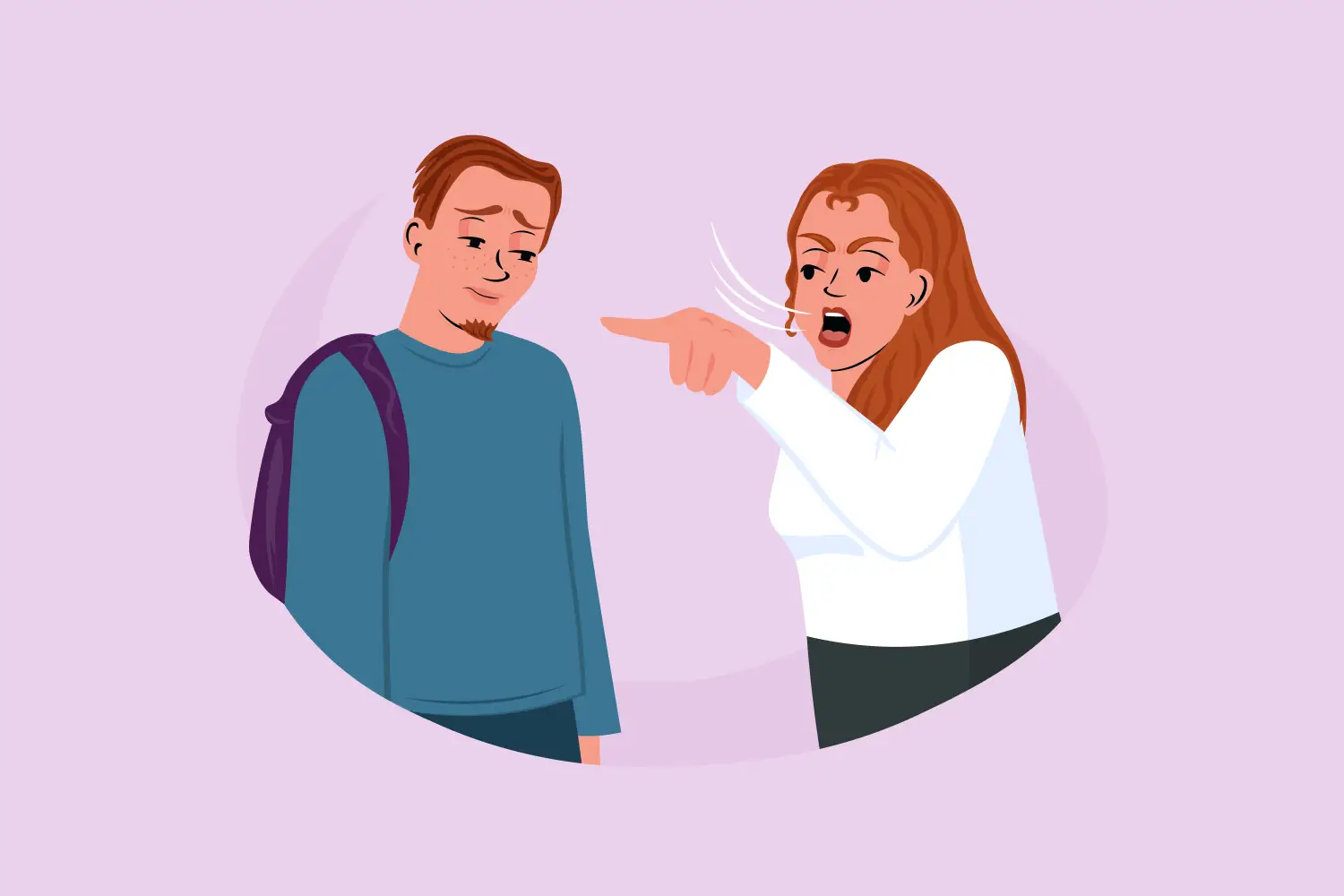
Responding to a passive-aggressive person is a delicate art. If you get angry, they “win” by making you the aggressor. If you ignore it, the behavior is reinforced. Here is how to handle it in 2026:
1. Name the Behavior, Not the Person
Don’t say, “You’re being passive-aggressive.” That is a label that triggers defensiveness. Instead, point out the discrepancy.
- The Script: “I noticed you said you were fine with the plans, but you’ve been sighing and haven’t looked at me since we left. Is there something we should talk about?”
2. Refuse to Play the Guessing Game
If someone is using the silent treatment or “forgetting” things, do not chase them. Do not ask “What’s wrong?” fifty times. State your observation once and leave the door open.
- The Script: “You seem upset. When you’re ready to talk about it directly, I’m here. Until then, I’m going to finish my work.”
3. Set Clear Consequences
In the workplace or at home, focus on the result of the behavior.
- The Script: “When you ‘forget’ to send the report, it delays the whole team. If it happens again, we’ll have to discuss a different workflow with the manager.”
4. Stay Calm and Professional
Passive aggression is a hook. If you don’t bite, the “game” stops working. Maintaining a neutral, “matter-of-fact” tone is the most effective way to disarm a manipulator.
Passive-Aggressive
On the internet, specifically in spaces like Reddit, passive aggression is often celebrated as a form of “petty revenge.” While these stories can be entertaining, they highlight the thin line between a harmless prank and the destruction of a relationship.
- The “Funny” Side: You may see passive-aggressive examples on Reddit where a roommate puts a label on every single item in the fridge, or a neighbor mows their lawn but leaves a perfect square of tall grass around a misplaced property marker. In these contexts, the behavior is used as a humorous way to signal a boundary without a shouting match.
- The Harmful Reality: What makes these stories “funny” is the distance. In real life, living with a roommate who communicates solely through sticky notes is exhausting. It creates an atmosphere of “walking on eggshells.” Humor becomes a weapon when it is used to avoid accountability. If you confront someone and they say, “It was just a joke, you’re so dramatic,” they are using humor to gaslight you.
Frequently Asked Questions
What is passive-aggressive behavior?
It is a pattern of indirectly expressing negative feelings, such as anger or resentment, instead of openly addressing them. It creates a disconnect between a person’s words and their actions.
What causes passive-aggressive behavior?
It is usually a learned behavior from childhood, often resulting from an environment where direct expression of anger was discouraged or punished. It can also stem from a low sense of self-worth or a fear of rejection.
What are examples of passive-aggressive comments?
Common examples include: “I thought you knew,” “I’m not mad,” “I was only joking,” and “Whatever you want to do is fine.”
How do I deal with a passive-aggressive person?
The most effective strategy is to stay calm, name the behavior directly without being accusatory, and refuse to engage in the “guessing game.” Set clear boundaries regarding the impact of their actions.
Conclusion
Passive-aggressive behavior is a silent killer of connection. It allows anger to fester in the shadows, where it can never be resolved or healed. While it may feel “safer” than a direct confrontation, the long-term cost is the erosion of trust and the loss of authentic intimacy.
If you recognize these traits in yourself, remember that passive aggression is not a permanent personality trait—it is a communication habit that can be unlearned. Moving toward assertiveness requires courage. It requires the belief that your needs are valid and that a direct conversation, even an uncomfortable one, is kinder than an indirect strike.
If you are dealing with a passive-aggressive person, your job is not to “fix” them or win the argument. Your job is to stay grounded in your own reality. By refusing to play the game of subtext and hints, you force the relationship into the light of clear communication. Boundaries aren’t meant to punish the other person; they are meant to protect your peace.
Authoritative References
1. American Psychological Association (APA): Passive-Aggressive Personality
2. Mayo Clinic: Passive-Aggressive Behavior
3. Harvard Business Review (HBR):Handling Passive-Aggressive Coworkers
4. Cleveland Clinic:Identifying and Handling Passive-Aggressive People
5. The Journal of Psychology: Passive-Aggressive Behavior in Modern Communication



Subscribe to Our Newsletter
Get mental health tips, updates, and resources delivered to your inbox.
MORE from Author
Read More In my practice as a clinical psychologist, I often observe that the difference between a patient who crumbles under pressure…
 We all have "up" days and "down" days. Perhaps you feel energized after a promotion or sluggish on a rainy…
 To define bipolar disorder accurately, we must look at it as a chronic mood dysregulation condition. In psychology and medicine,…
 To answer whether bipolar fits the bill, we first have to define what a neurodivergent person actually is. The term…
Are you looking for a Therapist?
Connect with qualified mental health professionals who understand
bipolar disorder, mood changes, and emotional challenges.
Private • Supportive • Confidential