
Benefits of Probiotics: Evidence-Based Uses, Signs They’re Working, Best Types & Safety

In the last decade, the benefits of probiotics have moved from the fringe of alternative medicine to the forefront of clinical gastroenterology. But to understand what the benefits of probiotics are, we must first look at the “inner garden” of the human body: the gut microbiome.
Your gut is home to trillions of microorganisms, including bacteria, fungi, and viruses. When this ecosystem is in balance (homeostasis), your health flourishes. When it is disrupted (dysbiosis), it can lead to issues ranging from bloating to chronic inflammation.
Are probiotics good for you? Yes—but with a caveat. By definition, probiotics are live microorganisms that, when administered in adequate amounts, confer a health benefit on the host.
They aren’t just “good bacteria”; they are active biological tools that can modulate your immune system, synthesize vitamins, and protect your gut lining. While they are most famous for digestive health, emerging science suggests their reach extends to the skin, the brain, and even metabolic health.
What Are Probiotics?
Probiotics are live, beneficial microorganisms—primarily specific strains of bacteria and yeasts—that provide significant health benefits when consumed in adequate amounts. Often referred to as “good” or “friendly” bacteria, they play a foundational role in maintaining the delicate balance of your body’s gut microbiome.
When the gut’s internal ecosystem is disrupted by chronic stress, poor diet, acute illness, or the use of antibiotics, harmful bacteria can easily proliferate. Probiotics work by actively repopulating the digestive tract with beneficial microbes, restoring this crucial biological balance.
From a clinical perspective, their function extends far beyond simple digestion. A thriving microbiome strengthens the immune response, reduces systemic inflammation, and plays a vital role in the gut-brain axis.
In fact, a significant portion of the body’s neurotransmitters, including mood-regulating serotonin, is synthesized in the gut. These beneficial microbes can be introduced through fermented foods like kefir, kimchi, and yogurt, or via targeted clinical supplements.
10 Evidence-Based Benefits of Probiotics
When we look at the clinical literature, these ten areas show the most consistent results for probiotic supplements’ benefits.
1. Improves Gut Health & Digestion
Evidence: Strong.
Mechanism: Probiotics like Lactobacillus and Bifidobacterium help break down indigestible fibers and produce enzymes that aid nutrient absorption.
2. Reduces Antibiotic-Associated Diarrhea (AAD)
Evidence: Strong.
Mechanism: Antibiotics kill both good and bad bacteria. Taking probiotics (specifically Saccharomyces boulardii) during and after antibiotics prevents the “overgrowth” of opportunistic pathogens like C. diff.
3. Supports Immune Function
Evidence: Moderate to Strong.
Mechanism: Approximately 70-80% of your immune cells reside in the gut. Probiotics stimulate the production of natural antibodies and T-lymphocytes.
4. Helps with IBS Symptoms
Evidence: Moderate.
Mechanism: Certain strains reduce gas production and visceral hypersensitivity (the pain associated with Irritable Bowel Syndrome).
5. Improves Lactose Digestion
Evidence: Moderate.
Mechanism: Many probiotics produce the enzyme lactase, which helps people with lactose intolerance digest dairy more effectively.
6. Supports Vaginal & Urinary Health
Evidence: Moderate.
Mechanism: In women, Lactobacillus strains maintain an acidic pH in the vaginal tract, preventing yeast infections and Bacterial Vaginosis (BV).
7. May Improve Skin Conditions
Evidence: Emerging.
Mechanism: By reducing systemic inflammation, probiotics may help manage acne, eczema, and rosacea.
8. Supports Weight Management (Modest)
Evidence: Emerging.
Mechanism: Some strains, like Lactobacillus gasseri, may prevent the absorption of dietary fat in the intestines.
9. Improves Gut Barrier Function
Evidence: Moderate.
Mechanism: Probiotics increase the production of mucin, a protective layer that keeps toxins from leaking into the bloodstream.
10. Supports Mood via Gut-Brain Axis
Evidence: Emerging.
Mechanism: “Psychobiotics” produce GABA and serotonin, which communicate with the brain via the vagus nerve to reduce anxiety.
Benefits of Probiotics for Gut Health (Deep Dive)
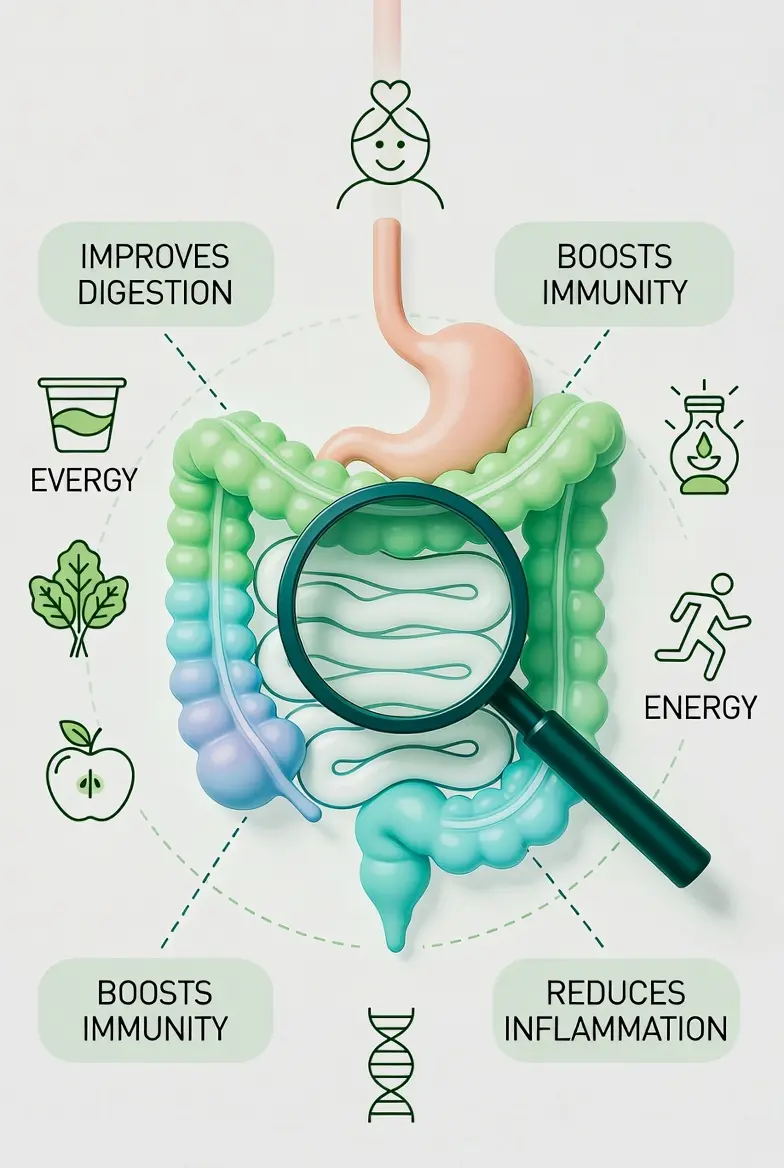
The benefits of probiotics for gut health go beyond simple “regularity.” The real magic happens at the molecular level through the production of Short-Chain Fatty Acids (SCFAs) like butyrate.
Butyrate is the primary fuel source for the cells lining your colon. When probiotics ferment prebiotics in your gut, they produce SCFAs that lower the pH of the colon, making it an inhospitable environment for pathogens like E. coli.
This process also helps seal the intestinal barrier, addressing the root cause of what many call “leaky gut.”
What Are the Benefits of Taking a Probiotic Daily?
Is it good to take a probiotic daily? For many, the answer is yes, but it depends on your goal.
- Maintenance: A daily low-dose probiotic can help maintain microbiome diversity in a world filled with processed foods and stress.
- Therapeutic: High-dose daily use is usually reserved for specific conditions like ulcerative colitis or post-antibiotic recovery.
Who should NOT take them daily? People with SIBO (Small Intestinal Bacterial Overgrowth) may find that daily probiotics worsen their bloating because they are adding more bacteria to an already overcrowded small intestine.
How Long Does It Take to See the Benefits of Probiotics?
Patience is key. You are trying to shift a living ecosystem, which doesn’t happen overnight.
- 3–7 Days: You may notice changes in bowel habits or a decrease in urgent diarrhea.
- 2–4 Weeks: This is the typical window for reduced bloating, better gas management, and improved stool consistency.
- 8–12 Weeks: Long-term benefits like improved skin clarity, better immune resilience, and mood stabilization generally take three months of consistent use.
Signs Probiotics Are Working
Many people stop taking their supplements because they don’t know what signs that a probiotic is working. Look for these five indicators:
- Improved Bowel Regularity: You have a consistent, easy-to-pass bowel movement daily.
- Reduction in Bloating: Your stomach feels flatter and less “tight” after meals.
- Improved Stool Consistency: Moving toward a “Type 3 or 4” on the Bristol Stool Chart.
- Temporary Gas: Paradoxically, a slight increase in gas in the first 3-5 days is often a sign that the new bacteria are successfully competing with the old ones.
- Increased Energy: As gut inflammation decreases, nutrient absorption improves, often leading to better energy levels.
In this second segment, we move into the critical areas of safety, population-specific benefits, and the reality behind “weight loss” claims. Understanding who should use probiotics—and who should be cautious—is essential for medical safety.
Side Effects of Probiotics & Safety Considerations
While we often discuss how probiotics are good for you, they are active biological agents. Most people tolerate them well, but side effects can occur.
Common Side Effects
In the first week, some users experience gas, bloating, or mild abdominal gurgling. This is usually temporary and signifies a shift in the microbial balance.
- The “Die-Off” Effect: As beneficial bacteria crowd out harmful ones, the shifting environment can cause minor digestive upset.
Serious Safety Warnings
Probiotics are generally safe for the healthy population, but certain groups should avoid them unless under strict medical supervision:
- Immunocompromised Patients: Those with HIV/AIDS, cancer, or on immunosuppressant drugs risk the bacteria entering the bloodstream (bacteremia).
- Critically Ill Patients: People in ICU settings or those with central venous catheters should exercise extreme caution.
- Post-Surgery: Specifically, after abdominal surgery, the gut barrier may be compromised.
What Should You Not Mix With Probiotics?
To get the full benefits of probiotics, you must ensure the bacteria survive the journey to your colon.
- Antibiotics: If you take them at the exact same time, the antibiotic may kill the probiotic. The Rule: Wait at least 2 hours between your antibiotic dose and your probiotic dose.
- Alcohol: High-proof alcohol can damage the delicate cell walls of live bacteria.
- Hot Beverages: Taking a probiotic with boiling tea or coffee can “cook” the bacteria before they reach your stomach. Use room temperature or cold water.
- Antifungals: If you are taking a yeast-based probiotic like S. boulardii, antifungal medications will neutralize it.
Benefits of Probiotics and Prebiotics (Synergy Explained)
To maximize the health benefits of probiotics, you must feed them. This is where prebiotics come in.
- Probiotics are the “live seeds.”
- Prebiotics are the “fertilizer.”
When you combine the two, it is called a Synbiotic. Prebiotics are non-digestible fibers that pass through the small intestine and provide food for the bacteria in the large intestine. Without prebiotics, your expensive probiotic supplements may simply pass through your system without colonizing.
Examples of Prebiotics
Incorporating these whole foods into your diet ensures your gut bacteria have the fuel they need to produce those beneficial Short-Chain Fatty Acids (SCFAs).
| Prebiotic Type | Primary Food Source | Why It Matters |
| Inulin | Chicory root, Jerusalem artichoke | Supports Bifidobacteria growth. |
| FOS (Fructooligosaccharides) | Onions, Garlic, Bananas | Improves mineral absorption. |
| GOS (Galactooligosaccharides) | Lentils, Chickpeas, Cashews | Enhances the gut barrier. |
| Resistant Starch | Cooked and cooled potatoes/rice | High butyrate producer. |
Benefits of Probiotics for Women
When patients ask about what are the benefits of women’s probiotics, they are usually referring to the urogenital microbiome. The vaginal environment is dominated by Lactobacillus.
- Vaginal Microbiome: Strains like L. rhamnosus and L. reuteri can migrate from the rectum to the vagina to maintain an acidic environment, preventing Yeast Infections and BV.
- UTI Prevention: By maintaining healthy flora near the urethra, probiotics can make it harder for E. coli to take hold.
- Hormonal Transitions: During menopause, estrogen drops, which can change the vaginal pH. Uro probiotics help stabilize this environment during hormonal shifts.
Benefits of Probiotics for Men
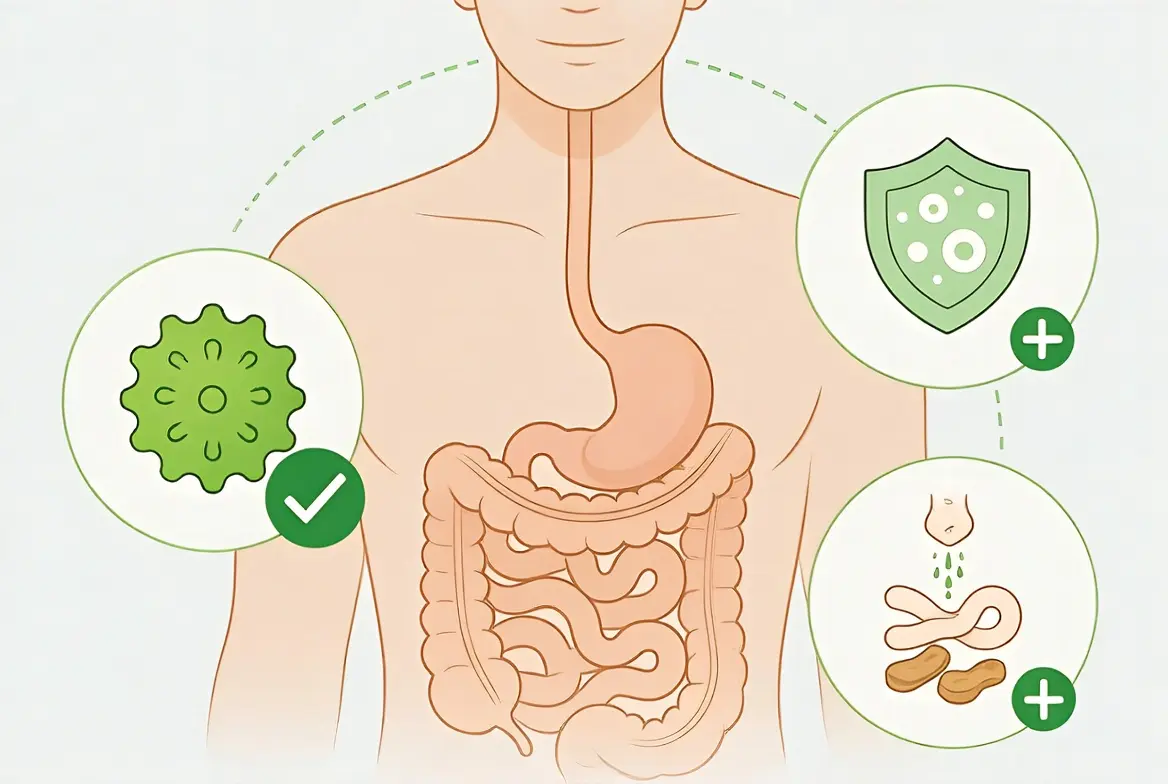
While men share the same digestive needs, the benefits of probiotics for men often focus on the metabolic and inflammatory axes.
- Metabolic Support: Men are statistically more prone to visceral fat (belly fat). Certain probiotics can improve insulin sensitivity.
- Prostate Health: Emerging research is looking at the “gut-prostate axis,” suggesting that reducing gut inflammation may have secondary benefits for systemic inflammation affecting the prostate.
Benefits of Probiotics for Babies & Kids
The benefits of probiotics for babies are most documented in three specific areas:
- Colic: Strains like B. lactis have shown a reduction in crying time for breastfed infants.
- Eczema: Early exposure to certain Lactobacillus strains may reduce the risk of atopic dermatitis in children with a family history.
- Antibiotic Recovery: Since children are frequently prescribed antibiotics for ear infections, probiotics help prevent the resulting diarrhea and diaper rash.
Warning: Never give a probiotic to a premature infant or a baby with a serious underlying health condition without a pediatrician’s direct order.
Benefits of Probiotics for Skin & Skincare
The “gut-skin axis” is a burgeoning field of study. The benefits of probiotics for skin work from the inside out and the outside in.
- Oral Probiotics: By reducing “leaky gut,” fewer inflammatory markers enter the bloodstream, which can reduce the severity of acne and rosacea.
- Topical Skincare: Probiotics in skin care (like creams) help reinforce the skin’s natural acid mantle, protecting it from environmental pollutants and “bad” bacteria like P. acnes.
Benefits of Probiotics for Weight Loss
It is important to manage expectations regarding the benefits of probiotics for weight loss. Probiotics are not a “fat-burning pill.”
- The Evidence: A meta-analysis of studies showed that people taking certain strains (like Lactobacillus gasseri) lost about 2–3 pounds more than a placebo group over 12 weeks.
- The Mechanism: Probiotics may change the way you absorb calories from food or alter the hormones that control appetite (GLP-1).
- The Reality: They are a supportive tool for metabolic health, not a primary weight-loss intervention.
Benefits of Probiotics for Beginners
If you are just starting, the benefits of probiotics for beginners are best achieved through a “slow and steady” approach.
- Start Low: Don’t jump into a 100-billion CFU (Colony Forming Unit) supplement. Start with a 5-billion or 10-billion dose to allow your gut to adjust.
- Food First: Try incorporating one serving of fermented food daily before moving to expensive pills.
- Consistency: Choose a time of day—ideally 30 minutes before a meal—and stick to it.
Probiotic Foods vs. Supplements
One of the most common debates is whether you should get your bacteria from probiotic yogurt or a capsule.
The Case for Food
Probiotic milk benefits (like Kefir) and probiotic drink benefits (like Kombucha) provide a matrix of nutrients. Fermented foods often contain multiple strains that grew together naturally, plus the proteins and fats that help protect them from stomach acid. Yakult probiotic drink benefits, for instance, center on a specific patented strain (L. casei Shirota) that has decades of research.
The Case for Supplements
Supplements allow for strain specificity. If you are taking a probiotic for a specific reason—like preventing a UTI or treating IBS—you need a specific dose of a specific strain. You cannot guarantee that a random bowl of yogurt has the exact strain or the “therapeutic dose” needed for a clinical result.
| Source | Pros | Cons |
| Yogurt/Kefir | Delicious, contains calcium/protein | Often high in added sugar. |
| Supplements | High CFU count, targeted strains | Can be expensive; quality varies. |
| Kimchi/Kraut | Provides prebiotic fiber + probiotics | High sodium; may cause bloating. |
Best Probiotics: What Doctors Recommend
When looking for probiotics recommended by doctors, we ignore the marketing and look at three technical factors:
- Strain Specificity: The label should list the genus, species, and the specific strain (e.g., Lactobacillus rhamnosus GG).
- CFU at Expiry: Look for brands that guarantee the live count at the date of expiration, not the date of manufacture.
- Third-Party Testing: Since the FDA does not regulate supplements like drugs, look for seals from NSF, USP, or Consumer Reports-style testing to ensure the bottle actually contains what it claims.
Brand-Specific & Trend Queries (Neutral Analysis)
In 2026, several “boutique” probiotics have dominated the market.
- What are the benefits of Seed probiotics? Seed uses a “nested capsule” technology designed to protect the bacteria from stomach acid. While the technology is impressive, the primary benefit remains the high-quality, diverse strains they select.
- What are the benefits of Goli pre-post probiotics? These often come in gummy form. While convenient, be mindful of the sugar content and ensure the CFU count is high enough to be therapeutic.
- Consumer Reports Findings: Historically, many store-brand probiotics fail to meet their label claims. It pays to invest in reputable, transparent brands.
Frequently Asked Questions
Are probiotics good for you?
Yes, for the majority of the population, probiotics are a safe and effective way to support digestion, immunity, and skin health.
Are probiotics the missing link to perfect digestion?
They are a tool, not a cure-all. They work best when combined with a high-fiber diet, adequate sleep, and stress management.
Plant-based vs. dairy probiotics: which is better?
Both are effective. Dairy-based (Kefir/Yogurt) often has a higher natural density of bacteria, but plant-based (Sauerkraut/Vegan supplements) is excellent for those with sensitivities.
Should probiotics be taken before bed?
Taking them on an empty stomach—either first thing in the morning or right before bed—allows them to pass through the stomach more quickly, increasing their survival rate.
Conclusion
The health benefits of probiotics are no longer a matter of “belief”—they are a matter of biology. By choosing the right strain for your specific needs, feeding those bacteria with prebiotics, and being consistent with your intake, you can significantly improve your metabolic and digestive resilience.
Always remember: food first, supplements second. Start with fermented vegetables and yogurts, and use high-quality supplements to target specific health goals.
Authoritative References


Subscribe to Our Newsletter
Get mental health tips, updates, and resources delivered to your inbox.
MORE from Author
Read More ADHD and depression often occur together, and each makes the other harder to live with. Adults with ADHD are almost…
 We all have "up" days and "down" days. Perhaps you feel energized after a promotion or sluggish on a rainy…
 To define bipolar disorder accurately, we must look at it as a chronic mood dysregulation condition. In psychology and medicine,…
Are you looking for a Therapist?
Connect with qualified mental health professionals who understand
bipolar disorder, mood changes, and emotional challenges.
Private • Supportive • Confidential