
Interoception in Autism: Symptoms, Treatment, Diagnosis & Support Guide

Medically reviewed by Laura Athey Updated Date: April 7, 2026

When we discuss sensory processing in the context of neurodivergence, we usually focus on the “big five”: sight, sound, touch, taste, and smell. However, for many individuals on the spectrum, the most significant challenges arise from a less-discussed “eighth sense” known as interoception.
What is interoception in autism? Simply put, interoception is the sense that allows us to feel and understand what is happening inside our bodies. It is the internal messaging system that tells us when our heart is racing, when our bladder is full, or when we are hungry. For those with interoception autism profiles, these messages are often garbled, delayed, or overwhelmingly loud.
Poor interoception can lead to significant hurdles in daily life, impacting everything from interoception autism, toileting, and bed wetting to more complex issues like emotional regulation and interoception autism eating habits. Whether you are navigating interoception autism in adults or supporting interoception autism in children, understanding this internal sensory system is the key to unlocking better self-regulation and quality of life.
In this guide, we will also address critical logistical questions: Who can provide a reliable autism diagnosis? What makes a daycare autism-friendly? And what do the various colors of the autism awareness ribbon truly represent?
What Is Interoception in Autism?
To understand interoception in autism, we must first look at the body’s internal hardware. While our skin senses the external world, our internal organs (heart, lungs, stomach, bladder) send constant signals to the brain via the insula—a small part of the cerebral cortex.
What Does Interoception Mean?
The interoception definition of autism focuses on the perception of internal bodily states. This includes:
- Homeostatic signals: Hunger, thirst, temperature, and the need to use the bathroom.
- Physical sensations: Heartbeat, respiration, and muscle tension.
- Pain awareness: The ability to locate and quantify physical discomfort.
In the autistic brain, the processing of these signals is often atypical. This is what we call interoceptive awareness for autism. Rather than a “standard” level of awareness, autistic individuals often fall into two extremes: poor interoception (hypo-sensitivity) or hyper-interoception (hyper-sensitivity)
You may be interested to read our guide on autism and ocpd
Interoception Autism Examples
Interoceptive differences aren’t just clinical concepts; they manifest in specific, often frustrating ways during daily routines.
- Interoception Autism Hunger: An individual might not realize they are hungry until they are “hangry,” lightheaded, or experiencing a meltdown because their brain didn’t register the gradual signals of an empty stomach.
- Interoception Autism Toileting: Children (and sometimes adults) may not feel the urge to urinate until the bladder is at absolute capacity, leading to interoception autism bed wetting or daytime accidents.
- Interoception Autism Pain: Some autistic individuals have an incredibly high pain threshold. They may walk on a broken bone for days because the signal of “pain” didn’t reach the brain with the necessary urgency. Conversely, others may feel internal sensations (like digestion) as agonizing pain.
- Interoception Autism Eating: Because the signals of “fullness” (satiety) are often missed, an autistic person might overeat or, conversely, find the sensation of food in the stomach so aversive that they restrict their intake.
Poor vs. Hyper Interoception in Autism
The spectrum of interoception is vast, and an individual can even be hyper-sensitive to some signals (like heartbeat) while being hypo-sensitive to others (like thirst).
Poor Interoception Autism (Hypo-sensitivity)
What are the symptoms of poor interoception? When signals are “muted,” the individual often appears disconnected from their physical needs. Symptoms include:
- Difficulty with potty training or frequent “leaking.”
- Not realizing they are cold until they are shivering or hot until they are dizzy.
- Inability to describe how they feel emotionally (Alexithymia), because they can’t feel the physical sensations that accompany emotions (e.g., butterflies in the stomach for anxiety).
Hyper Interoception Autism (Hypersensitive)
Hyper-interoception autism occurs when internal signals are turned up to a deafening volume.
- Anxiety Amplification: Feeling every single heartbeat can lead to a state of constant panic or health-related anxiety.
- Sensory Overload from Within: The feeling of blood pumping or the movement of air in the lungs can be so distracting that it interferes with the ability to focus on the external world.
Interoception, Autism, and ADHD
There is a significant overlap between interoception, autism, and ADHD. Both neurodivergent profiles often struggle with “Executive Dysfunction,” which is the brain’s management system.
In ADHD, poor interoception often contributes to “Time Blindness” and emotional impulsivity. Because the person isn’t checking in with their body, they may forget to eat or drink for hours while hyper-focusing, leading to a massive physical and emotional “crash.”
When autism and ADHD co-occur (AuDHD), the interoceptive challenges are often compounded, making scheduled “body checks” a vital part of daily survival.
In my clinical work with autistic adults, I find that many people have spent decades “masking” their lack of interoception. They learn to eat when the clock says 12:00, not when they feel hungry. While this is a functional coping mechanism, it is incredibly draining.
I often tell my patients, “You aren’t broken; your body is just speaking a different language than your brain.” The goal of therapy isn’t to “fix” the sense, but to build a translator. Whether we use visual hunger scales or “Scheduled Toileting,” we are essentially building an external interoceptive system to take the pressure off the internal one.
Interoception Autism Research Review
The field of interoception autism research review has exploded in the last decade. One of the most cited studies is the interoception autism Garfinkel 2016 review. Sarah Garfinkel and her team distinguished between “Interoceptive Accuracy” (how well you actually perceive a signal like a heartbeat) and “Interoceptive Sensibility” (how much you think you are aware of your body).
The research found that autistic individuals often have a “disconnection” between these two. They may be very sensitive to the idea of their body (sensibility) but struggle to accurately identify specific signals (accuracy). This research has led organizations like the National Institute of Mental Health to prioritize sensory processing as a key area for intervention, moving away from purely behavioral models.
In this second section, we transition from the “what” and “why” of interoception to the “how.” We will explore practical frameworks for interoception autism treatment, specific strategies for interoception autism in adults, and answer the most pressing questions from the neurodivergent community.
Interoception Autism Treatment & Activities

A common question among parents and neurodivergent individuals is: Can autistic people improve interoception? The answer is a resounding yes. While the neurological wiring may always be different, the brain’s neuroplasticity allows us to strengthen the “internal neural pathways” through consistent, structured practice.
How to Improve Interoception in Autism
The goal of interoception autism treatment is to move from “accidental awareness” to “intentional check-ins.” This is rarely achieved through talk therapy alone; it requires somatic (body-based) intervention.
The Body Check-In Framework
Instead of asking “How do you feel?” (which is too broad), use specific interoception autism activities that focus on one organ or sensation at a time.
- The Heartbeat Exercise: Have the individual do jumping jacks for 30 seconds, then place their hand over their heart. This “amplifies” the signal, making it easier for a hypo-sensitive brain to register.
- The Heavy Blanket Press: Using weighted items can provide deep pressure input that “grounds” the body, making internal signals feel more distinct.
Teaching Interoception Autism Through Mapping
Teaching interoception autism involves connecting a physical sensation to an emotion.
- Example: “My stomach feels tight” → “That might mean I am anxious.”
- Example: “My throat feels dry.” → “That means I am thirsty.”
Interoception Assessment for Autism
Before starting treatment, an interoception assessment for autism is usually conducted by an Occupational Therapist (OT). Using tools like the Interoceptive Awareness Interview or the MAIA (Multidimensional Assessment of Interoceptive Awareness), the clinician identifies which signals are being missed and which are causing distress.
Interoception Autism in Adults
While much of the focus is on children, interoception in autism faces a unique set of challenges. By the time an autistic person reaches adulthood, they have often become experts at “masking” their lack of body awareness, which leads to chronic burnout.
Masking Body Signals
An autistic adult might sit in a meeting for four hours without realizing they need to use the bathroom, or they may work through a migraine because they didn’t “detect” the early warning signs of light sensitivity. This leads to:
- Interoception Hunger Adults: A tendency to forget to eat all day and then “binge” at night when the hunger signals finally become painful.
- Workplace Implications: Difficulty managing stress because the physical “pre-alerts” of a meltdown (shaky hands, tight chest) aren’t noticed until the person is already in a state of total collapse.
Interoception for Autistic Adults: Strategies
For adults, the focus is on externalizing the internal.
- Wearable Tech: Using smartwatches to set “hydration alerts” or “movement reminders.”
- Scheduled Regulation: Not waiting to feel stressed to use a coping skill, but instead doing a “sensory reset” every two hours, regardless of how they “think” they feel.
Who Can Provide a Reliable Autism Diagnosis?
Navigating the path to a reliable autism diagnosis is often the most stressful part of the journey. Because autism is a developmental spectrum, a simple blood test doesn’t exist. Instead, diagnosis relies on expert clinical observation and standardized tools like the ADOS-2 (Autism Diagnostic Observation Schedule).
Who Should You Consult?
To ensure the diagnosis is respected by schools and insurance companies, you should seek out:
- Developmental Pediatricians: Specialists in child development and behavior.
- Clinical Psychologists: Particularly those specializing in neuropsychology.
- Neurologists: Who can rule out other neurological conditions that may mimic autism?
The Centers for Disease Control and Prevention (CDC) and the American Academy of Pediatrics emphasize that early screening is vital, but it is never too late for an adult to seek an assessment to gain the “user manual” for their own brain.
Are Adult Autism Residential Programs Right for Your Family?

As autistic individuals transition into adulthood, the question of living arrangements becomes paramount. For some, independent living is the goal; for others, adult autism residential programs offer the necessary structure to thrive.
When to Consider Residential Care
The decision to transition to a residential program is often driven by the need for “wraparound” support that a family home can no longer provide. Key factors include:
- Safety and Supervision: If the individual has significant elopement risks or medical needs.
- Skill Development: Programs that focus on “Activities of Daily Living” (ADLs), such as cooking, hygiene, and money management.
- Social Connection: Providing a built-in community of peers, reducing the profound isolation many autistic adults feel.
Independence vs. Supervision
The modern trend in adult autism residential programs is moving away from institutionalized settings and toward “Supported Living.” This allows the individual to have their own apartment or room while having staff available for interoceptive reminders (like checking if they’ve eaten) or emotional regulation support.
What Color Are Autism Awareness Ribbons?
The iconography of autism is currently in a state of evolution, reflecting the shift from “awareness” (viewing autism as a puzzle to be solved) to “acceptance” (viewing autism as a natural part of human diversity).
The Traditional Blue and Puzzle Pattern
The puzzle pattern ribbon, often in primary colors or autism awareness ribbon blue, was popularized by Autism Speaks. While it remains the most recognized symbol, it has become controversial within the neurodivergent community. Many feel the “puzzle” implies that autistic people are “missing a piece” or are “perplexing” to society.
The Shift to the Rainbow Infinity
In recent years, the Autistic Self Advocacy Network (ASAN) and other grassroots organizations have championed the Rainbow Infinity Symbol.
- The Meaning: The infinity loop represents the infinite variations of the human brain (neurodiversity).
- The Colors: The rainbow gradient signifies the “spectrum” of support needs and strengths.
When choosing symbols for an event or social media, many now prefer the Gold Infinity (Gold = Au, the chemical symbol for Gold and the first letters of Autism) or the Red Ribbon (“Red Instead”) to signify acceptance over mere awareness.
Interoception Autism Reddit Insights
The interoception autism reddit communities (such as r/autism or r/spicyautism) provide a “street-level” view of what it’s like to live without a reliable internal compass.
Common Community Themes:
- The “Suddenly I’m Screaming” Phenomenon: Many users describe feeling “fine” for hours and then suddenly experiencing a full-blown meltdown because they didn’t feel the gradual buildup of sensory irritation or hunger.
- The Hunger Paradox: A common thread involves “executive dysfunction” meeting “poor interoception,” where a user knows they should eat, but they can’t feel hungry, so the task of making food feels like an insurmountable chore.
- Toileting Struggles in Adulthood: Reddit discussions help destigmatize the fact that many autistic adults still struggle with “accidents” or “bed wetting” due to interoceptive delays, providing a sense of community for an often-shameful topic.
In this final section, we integrate the clinical nuances of mood stability with interoceptive challenges and provide a definitive roadmap for long-term management and advocacy.
The Bipolar Connection: Interoception as a Mood Stabilizer
For individuals navigating both Autism and Bipolar Disorder, interoception is not just a sensory issue—it is a critical component of mood stability. There is a high degree of overlap between neurodivergent interoception and the “prodromal” (early warning) signs of a Bipolar episode.
When a person has poor interoception, they may fail to notice the physiological shifts that signal a transition into mania or depression. For example, a “racing heart” or “decreased need for sleep” are vital interoceptive markers of hypomania. If an autistic individual cannot feel these internal shifts, they may not realize they are entering an episode until it has reached a crisis point. In my practice, we use “interoceptive training” as a form of relapse prevention, teaching patients to monitor their internal “speedometer” to keep their mood within a stable range.
Frequently Asked Questions
What is interoception in autism?
It is the atypical processing of internal body signals, such as hunger, pain, and heart rate. It is often referred to as the “eighth sense.”
What are the symptoms of poor interoception?
Symptoms include delayed awareness of hunger or thirst, difficulty with potty training, high pain tolerance, and challenges identifying emotions (alexithymia).
Can autistic people improve interoception?
Yes. Through Occupational Therapy, mindfulness, and “amplification” exercises, autistic individuals can learn to better identify and respond to their body’s signals.
What is the 6-second rule for autism?
While often used in various contexts, in sensory processing, it refers to pausing for at least 6 seconds when a demand is placed to allow the “delayed processing” of the autistic brain to catch up with the sensory input.
What is the hardest age for autism?
While subjective, many clinicians and parents identify the transition into middle school (ages 11-13) as the most difficult. This is when social demands increase in complexity, and the hormonal changes of puberty send interoceptive signals (like cramps or skin changes) into overdrive.
Conclusion
Understanding interoception in autism is a paradigm shift. It moves us away from viewing “difficult behaviors”—like restricted eating, bathroom accidents, or sudden meltdowns—as choices or “naughtiness.” Instead, we see them as the logical result of a person trying to navigate a world while their own body’s “GPS” is malfunctioning.
Whether you are seeking a reliable autism diagnosis, looking for a daycare autism friendly enough to support a toddler, or an adult trying to stop the cycle of interoception hunger adults face, the answer lies in compassion and adaptation. By building external structures to support internal gaps, we can help neurodivergent individuals move from a state of constant survival to a state of true belonging.
Authoritative Reference
1. National Library of Medicine (NIH)
2. The Autistic Self Advocacy Network (ASAN)
3. Centers for Disease Control and Prevention (CDC)
4. American Occupational Therapy Association (AOTA)

Related Posts






Subscribe to Our Newsletter
Get mental health tips, updates, and resources delivered to your inbox.
MORE from Author
Read More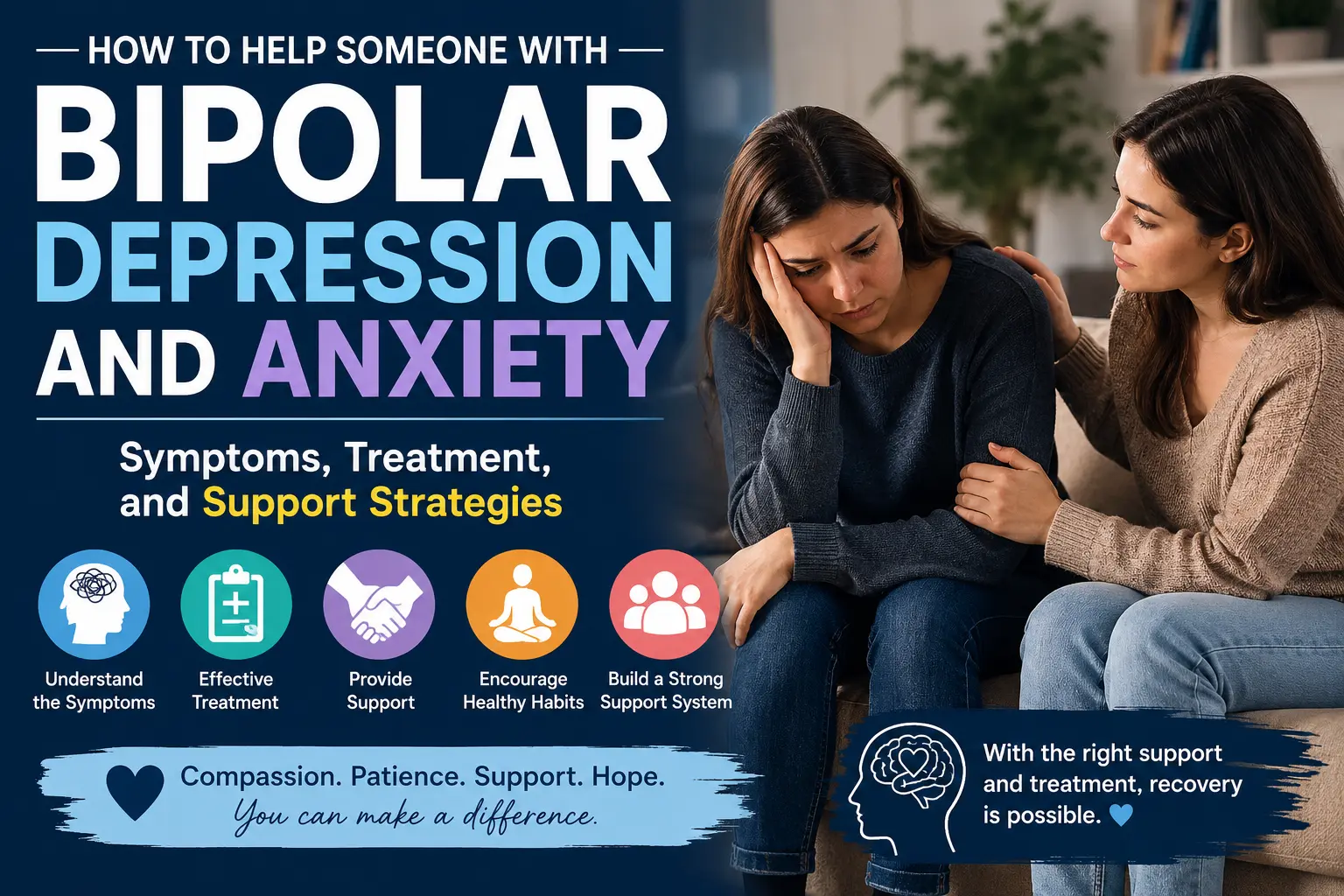 Watching someone you care about struggle with bipolar depression and anxiety can be heartbreaking. You may notice that they withdraw…
 In my practice as a clinical psychologist, I often observe that the difference between a patient who crumbles under pressure…
 We all have "up" days and "down" days. Perhaps you feel energized after a promotion or sluggish on a rainy…
 To define bipolar disorder accurately, we must look at it as a chronic mood dysregulation condition. In psychology and medicine,…
Are you looking for a Therapist?
Connect with qualified mental health professionals who understand
bipolar disorder, mood changes, and emotional challenges.
Private • Supportive • Confidential