
Bipolar and Hypersensitivity: Emotional, Sensory, and Psychological Sensitivity Explained

Medically reviewed by Laura Athey Updated Date: March 29, 2026
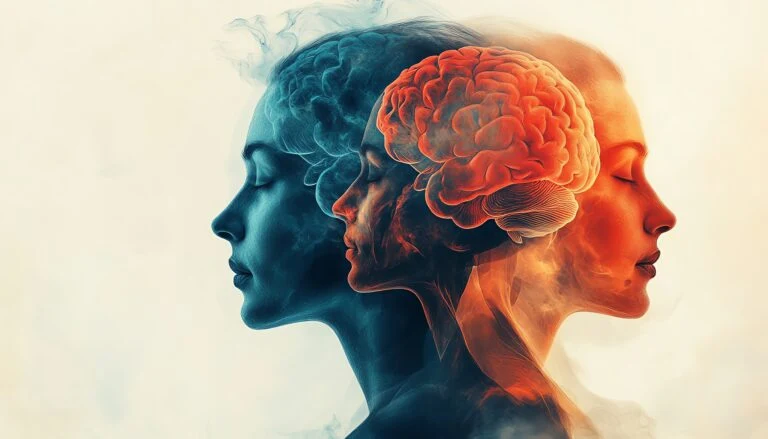
Living with Bipolar Disorder often feels like living without a skin. The world touches you more directly, more intensely, and often, more painfully than it seems to touch others. In my clinical practice, patients rarely describe their experience just as “mood swings.” They describe it as a raw, exposed nerve—where a sad song can trigger profound grief, a fluorescent light can feel like an assault, and a critical comment can feel like a physical blow.
This is the intersection of bipolar and hypersensitivity. While Bipolar Disorder is primarily defined by shifts in energy and mood, the sensory sensitivity and emotional reactivity that accompany these shifts are often what make the condition so debilitating.
Understanding this link is crucial for management. It shifts the narrative from “I am too sensitive” to “My brain is currently processing stimuli differently.”
In this guide, we will unpack the psychology behind bipolar sensitivity, the differences between Bipolar I and II, and how to distinguish between a mood episode and a personality trait.
Is Bipolar Disorder a Mental Illness?
To understand bipolar and hypersensitivity, we must first clarify the medical reality.
Yes. Bipolar Disorder is a chronic mood disorder listed in the DSM-5-TR (Diagnostic and Statistical Manual of Mental Disorders). It is characterized by significant shifts in mood, energy, activity levels, and concentration. These shifts range from manic highs to depressive lows.
In my work with patients, I often have to deconstruct the stigma around this term. “Mental illness” does not mean “broken.” It means there is a neurobiological basis for what you are experiencing.
Bipolar Disorder involves dysregulation in the brain’s behavioral activation system (BAS) and circadian rhythms. This biological variance is exactly why hypersensitivity during bipolar disorder occurs—the brain’s “volume knob” for processing emotional and sensory input is malfunctioning.
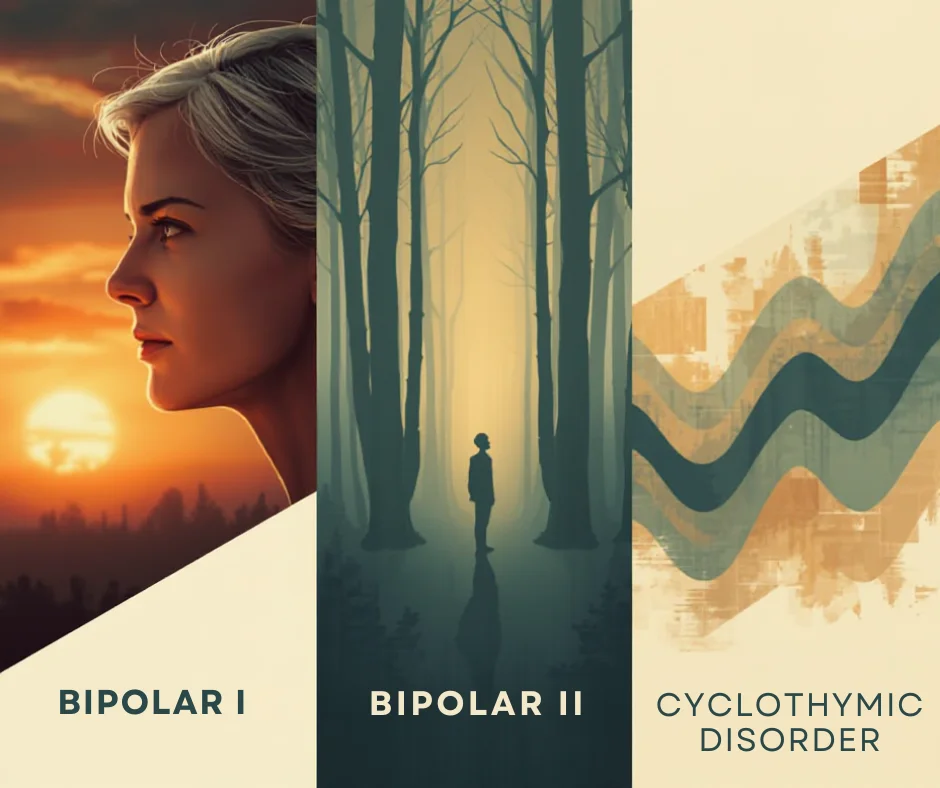
What Is the Difference Between Bipolar 1 and 2?
A common source of confusion for newly diagnosed patients is the distinction between the types. What is the difference between bipolar 1 and 2? The primary difference lies in the intensity of the “up” episodes.
Bipolar I Disorder
This is the classic presentation. To be diagnosed with Bipolar I, a person must have experienced at least one episode of mania. Mania is a severe elevation in mood or irritability that lasts at least one week (or requires hospitalization). Depression is common but not technically required for the diagnosis, though the vast majority of patients experience it.
Bipolar II Disorder
Bipolar II is often harder to diagnose because the “up” periods are less obvious. It requires at least one episode of major depression and at least one episode of hypomania. Hypomania is a milder form of elevation that lasts at least four days but does not cause the severe impairment or psychosis seen in full mania.
Here is a breakdown to help visualize the difference:
Comparison: Bipolar I vs. Bipolar II
| Feature | Bipolar I Disorder | Bipolar II Disorder |
| Mania | Required. Must last 7+ days or require hospitalization. May include psychosis. | Does not occur. If full mania appears, the diagnosis changes to Bipolar I. |
| Hypomania | Can occur, but full mania is the defining feature. | Required. Lasts at least 4 days. Observable change, but usually functional. |
| Depression | Common and often severe, but not required for diagnosis. | Required. Must have at least one Major Depressive Episode (2+ weeks). |
| Hospitalization | Frequent during manic episodes due to risk-taking or psychosis. | Less common for elevation; more likely during severe depressive crashes. |
| Impairment | Mania causes severe social/work impairment. | Hypomania often allows for (or even increases) productivity, making it hard to spot. |
Clinical Insight: Many of my patients with Bipolar II struggle significantly with bipolar disorder, sensitive to criticism and emotional volatility, even if they never experience the “high highs” of mania. The depression in Bipolar II can be relentless and profoundly sensitive.
Bipolar Mood Swings and Emotional Hypersensitivity
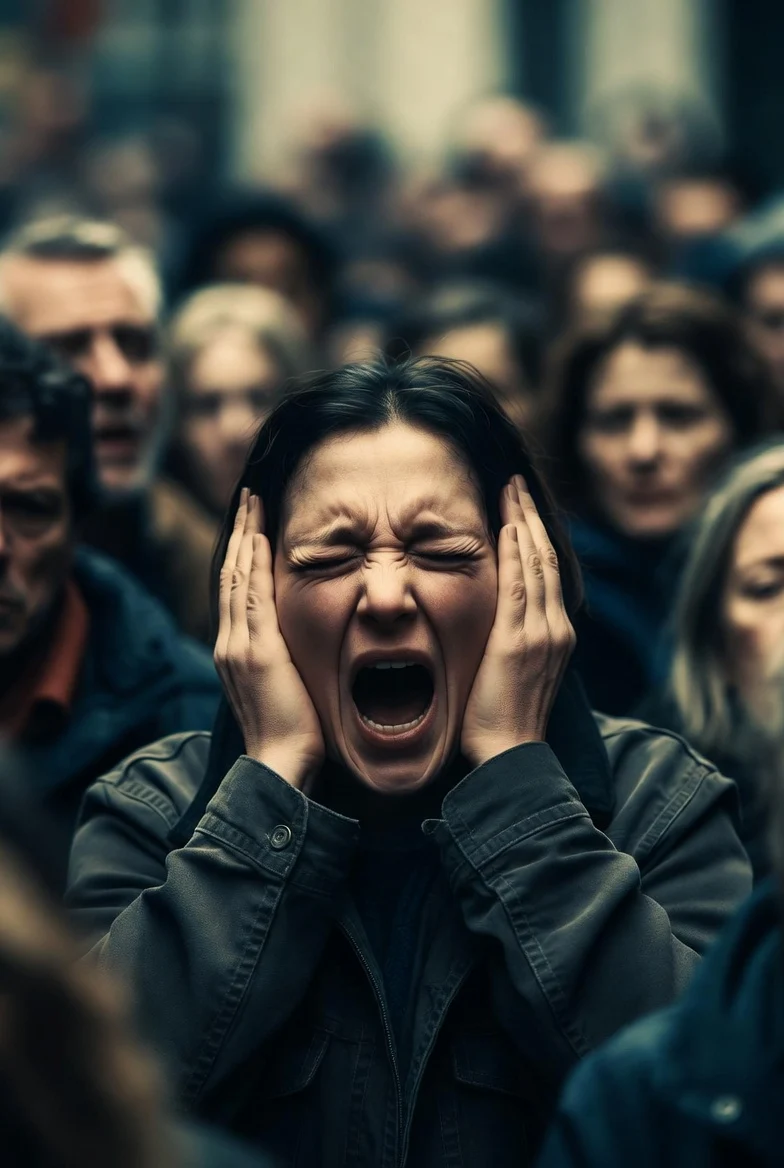
When we talk about bipolar mood swings, we aren’t just talking about being happy one minute and sad the next. We are talking about a fundamental shift in how the brain assigns value to emotions. Hypersensitivity during bipolar disorder manifests differently depending on the pole of the mood.
Emotional Reactivity in Mania
During mania or hypomania, bipolar sensitivity psychology shifts toward activation.
- Irritability: This is the dark side of mania. A slight delay, a minor annoyance, or a person walking too slowly can trigger rage. The “skin” is too thin to handle frustration.
- Grandiosity: The person may feel a heightened sense of connection to the universe or others. They might fall in love in an hour or feel devastating empathy for a stranger. The emotional volume is turned up to 11.
- Impatience: The sensitivity here is to speed. Anything slow feels painful.
Emotional Pain in Depression
During depressive episodes, the sensitivity becomes internalized.
- Rejection Sensitivity: A neutral text message is read as angry. A lack of a smile is interpreted as hatred. The brain is scanning for confirmation of worthlessness.
- Rumination: The mind grabs onto a sensitive topic (a past failure, a perceived slight) and loops it endlessly.
- Rawness: Patients often describe feeling “porous,” where the sadness of the world leaks in and cannot be kept out.
Important Note: This sensitivity is usually state-dependent. When a patient is euthymic (stable mood), they may handle criticism or delay just fine. This fluctuation can be confusing for partners, who ask, “Why did this bother you today when it didn’t last week?”
Does Bipolar Cause Hypersensitivity?
This is a frequent question in therapy: Does bipolar cdisorder ause hypersensitivity?
The direct answer is: Yes, Bipolar Disorder causes state-dependent hypersensitivity.
However, it is important to distinguish this from other causes.
- Bipolar Disorder: Causes sensitivity that fluctuates with mood cycles.
- Sensory Processing Disorder (SPD): A neurological condition where sensory issues are constant.
- Trauma (PTSD): Causes hypervigilance (sensitivity to threat).
- ADHD: Causes sensitivity to distraction and emotional dysregulation.
What mental illness causes hypersensitivity?
While Bipolar Disorder is a major one, Anxiety Disorders, Borderline Personality Disorder (BPD), and Autism Spectrum Disorder (ASD) also feature high sensitivity. The key with Bipolar is the cyclical nature. If your sensitivity spikes only when you are not sleeping or when you are depressed, it is likely tied to the mood disorder.
Sensory Sensitivity and Bipolar Disorder
Beyond emotions, sensory sensitivity, and bipolar issues are incredibly common. We call this bipolar sensory overload. The brain’s ability to “gate” or filter incoming sensory data breaks down during episodes.
Sensory Issues During Mania/Hypomania
- Visual Intensity: Colors may appear more vivid, glowing, or “HD.” Patterns on a rug might seem to move or vibrate.
- Auditory Amplification: Background noise (a ticking clock, a humming fridge) becomes impossibly loud. Patients often cannot filter out conversation in a crowded room.
- Tactile Sensitivity: Clothing tags, tight waistbands, or certain fabrics can feel unbearable. This can contribute to the agitation seen in mania.
Sensory Issues During Depression
- Photophobia: Bright lights can feel physically painful or exhausting. Patients often retreat to dark rooms not just to sleep, but to escape visual assault.
- Noise Intolerance: Even the sound of a loved one’s voice can feel grating or draining.
- Physical Heaviness: Gravity feels stronger. The body feels leaden (leaden paralysis), which is a sensory distortion of weight and proprioception.
Do bipolar people have sensory issues?
Yes. While not listed in the DSM-5 criteria, studies show that sensory processing abnormalities are a core feature of the disorder. In my practice, teaching patients to manage sensory overload—using noise-canceling headphones or blue-light blocking glasses—is often a key part of their stability plan.
Bipolar Sensitive to Criticism
One of the most painful aspects of bipolar sensitivity psychology is how it impacts relationships. Bipolar sensitivity to criticism is real and can be destructive.
This is often linked to Rejection Sensitivity Dysphoria (RSD), though that term is more commonly associated with ADHD. In Bipolar Disorder:
- Depressive Lens: When depressed, the brain’s “negative bias” interprets neutral feedback as a confirming attack on one’s character. “Please do the dishes” becomes “You are lazy, and I hate you.”
- Manic Defensiveness: When manic, the ego is inflated. Any criticism is seen as an attempt to control or stifle the person’s brilliance. This leads to explosive arguments.
I work with patients to recognize the “filters” their mood states place on communication. We use a strategy called “Fact-Checking”: Did they actually say they hate me, or is my depression writing a script for them?
Bipolar Sensitivity vs Highly Sensitive Person (HSP)
A frequent point of confusion in my practice is distinguishing between Bipolar Disorder and being a Highly Sensitive Person (HSP). Many people with Bipolar II, in particular, may initially identify as HSPs because of their intense emotions and sensory awareness.
Is high sensitivity a mental illness?
No. High Sensitivity (Sensory Processing Sensitivity) is a stable personality trait found in about 20% of the population. It is not a disorder. Bipolar Disorder is a treatable mood disorder.
Here is how to tell the difference:
Comparison: Highly Sensitive Person (HSP) vs. Bipolar Disorder
| Feature | Highly Sensitive Person (HSP) | Bipolar Disorder |
| Nature | A stable temperament trait. | A cyclical mood disorder. |
| Consistency | Sensitive all the time, regardless of mood. | Sensitivity fluctuates with episodes (high/low). |
| Sleep | Needs more sleep to recover from stimulation. | During mania/hypomania, needs less sleep but feels energetic. |
| Impulsivity | Generally cautious; thinks before acting. | During episodes, often highly impulsive or risk-taking. |
| Treatment | Lifestyle adjustments (quiet time, boundaries). | Medication (mood stabilizers) and therapy are standard. |
Clinical Insight: You can be both. A person can have the HSP trait and have Bipolar Disorder. In these cases, the sensory overload during a manic episode is often excruciating because the baseline sensitivity is already high.
How a Person with Bipolar Thinks During Episodes
Understanding how a person with bipolar disorder thinks helps demystify the “mood swings.” It is not just about feeling happy or sad; it is a shift in cognitive processing speed and content.
Thinking During Mania/Hypomania
- Racing Thoughts (Flight of Ideas): The brain feels like a browser with 50 tabs open, and they are all playing music. Ideas connect rapidly, often leading to brilliant (but sometimes chaotic) insights.
- Grandiosity: “I can do anything.” The internal editor that usually says “That’s too risky” or “You can’t afford that” goes offline.
- Urgency: There is a relentless pressure to act now. “I must start this business today,” or “I must call this person at 3 AM.”
Thinking During Depression
- Cognitive Slowing (Psychomotor Retardation): Thoughts feel like they are moving through molasses. It can take a long time to answer a simple question.
- Negative Bias: The brain filters out positive data. If ten people say “good job” and one says nothing, the brain fixates on the silence as proof of failure.
- Hopelessness: This is a cognitive distortion where the future looks exactly like the painful present, forever.
Are Bipolar People Smart?
Are bipolar people smart?
This is a complex question. Bipolar Disorder itself does not determine intelligence. You can have a high, average, or low IQ and have Bipolar Disorder.
However, research has long noted a link between bipolar disorder and creativity. Many artists, writers, and musicians have historically lived with the condition. The rapid associative thinking during hypomania can facilitate unique problem-solving and artistic expression.
- The Caveat: While the “spark” of hypomania can feel brilliant, the cognitive impairment of severe mania or depression often hinders the ability to execute those ideas. Stability is usually better for sustained success than untreated mania.
Psychological Theories of Bipolar Disorder
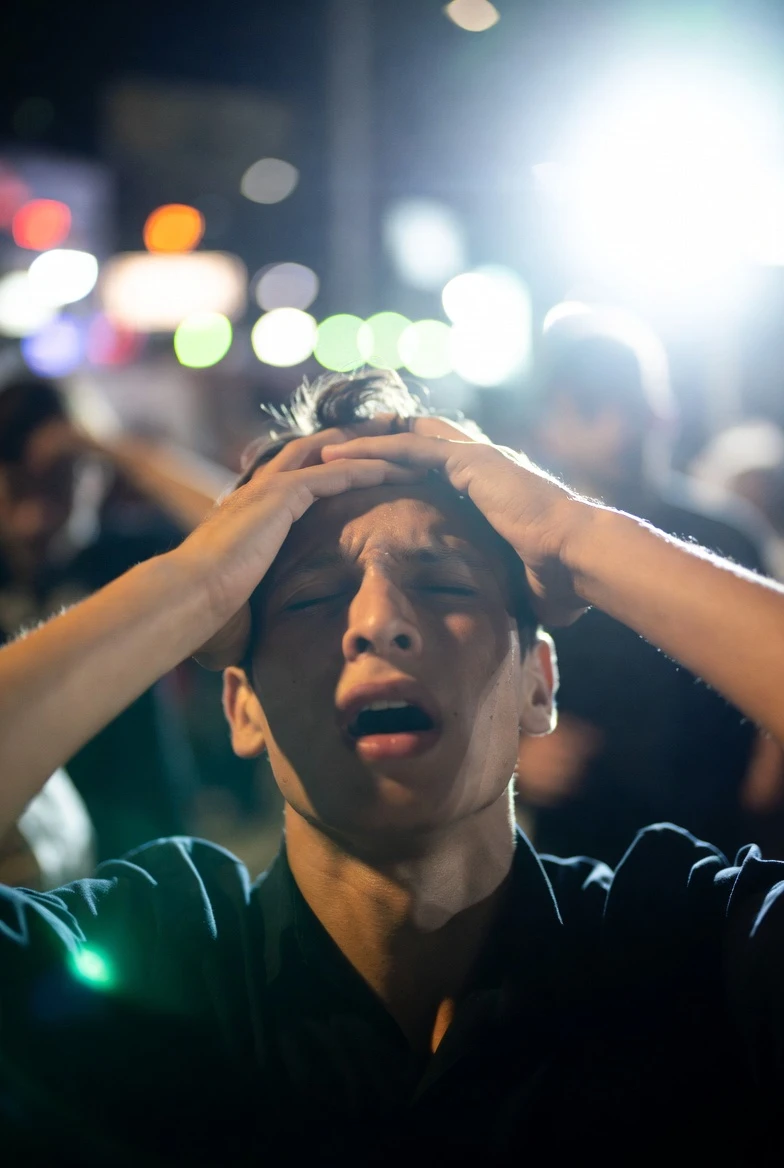
To understand bipolar adisorder nd hypersensitivity fully, we look at the psychological theories that explain why the brain reacts this way.
The Kindling Theory
This theory suggests that early episodes of mania or depression “sensitize” the brain. Like kindling wood for a fire, each unmedicated episode makes the brain more susceptible to future episodes, even with smaller stressors. This explains why bipolar symptoms can worsen over time without treatment.
Circadian Rhythm Dysregulation
People with Bipolar Disorder have a fragile internal clock. Disruptions to sleep-wake cycles (shifting, staying up late, travel) can trigger episodes. The “hypersensitivity” here is biological—the body cannot handle routine changes that a neurotypical person could shrug off.
Behavioral Activation System (BAS) Sensitivity
The BAS is the system in the brain that regulates goal-directed behavior.
- High BAS Sensitivity: In Bipolar, the BAS is over-reactive. A small success (getting a promotion) can trigger excessive activation (mania). A small failure (a rejection) can trigger excessive deactivation (depression).
Signs of Bipolar Disorder — When Should You Take a Self-Test?
If you recognize the signs of bipolar disorder, you might be wondering, “Could you have bipolar disorder?” or “When should you take a self-test?”
Key Symptoms to Watch For:
- Decreased Need for Sleep: You sleep 3 hours but feel fully rested and energetic (a hallmark of mania).
- Pressured Speech: You talk so fast that others can’t interrupt.
- Cyclical Depression: You have recurrent depressions that don’t respond well to standard antidepressants.
- Impulsivity: Sudden spending sprees, sexual indiscretions, or reckless driving that is out of character.
Recommendation: Online self-tests (like the Mood Disorder Questionnaire – MDQ) are screening tools, not diagnostic instruments. If you score high, print the results and take them to a psychiatrist or clinical psychologist for a full evaluation.
Can Bipolar Disorder Be Coped With Stress?
Can bipolar disorder be coped with stress?
No. Bipolar Disorder is not a “coping mechanism” or a personality quirk; it is a biological condition.
However, stress is a major trigger. According to the Stress-Diathesis Model, a person has a genetic vulnerability (diathesis) to bipolar disorder, and stress (the environment) can trigger the onset of the illness or a new episode.
A manic episode might feel like a coping mechanism (the brain escaping into euphoria to avoid pain), but it is a symptom of the disease, not a conscious choice.
Frequently Asked Questions
Does bipolar disorder cause hypersensitivity?
Yes. Bipolar Disorder causes state-dependent hypersensitivity. During mania, sensory input (lights, sounds) can be amplified. During depression, emotional sensitivity to rejection and criticism is heightened.
Do bipolar people have sensory issues?
Yes. While not a formal diagnostic criterion, many people with Bipolar Disorder experience sensory overload. This can include intolerance to loud noises, bright lights, or chaotic environments, particularly during mood episodes.
What is the difference between bipolar 1 and 2?
The main difference is the severity of the “up” episodes. Bipolar I involves full mania (lasting 7+ days, often requiring hospitalization). Bipolar II involves hypomania (less severe elevation) and requires at least one major depressive episode.
Is high sensitivity a mental illness?
No. Being a Highly Sensitive Person (HSP) is a personality trait, not a mental illness. However, people with Bipolar Disorder may also have this trait, or their symptoms may mimic it during episodes.
Are bipolar people smart?
Bipolar Disorder does not determine intelligence, but it is linked to higher rates of creativity. Many high-functioning individuals have the disorder, but untreated symptoms can impair cognitive function over time.
What mental illness causes hypersensitivity?
Besides Bipolar Disorder, conditions like ADHD, Autism Spectrum Disorder (ASD), PTSD, and Anxiety Disorders frequently cause emotional and sensory hypersensitivity.
Do people with bipolar disorder get overstimulated easily?
Yes, especially during manic or mixed states. The brain’s “filter” for sensory information is weakened, leading to rapid overstimulation in crowded or loud environments.
When should you take a bipolar self-test?
You should consider a screening if you experience periods of unusually high energy/decreased need for sleep followed by crashes into depression, or if friends/family have commented on your mood swings being “extreme.”
Conclusion
Bipolar and hypersensitivity are inextricably linked. Whether it is the raw nerve of depression or the electric wire of mania, living with this condition requires navigating a world that often feels “too loud” and “too much.”
Recognizing that your sensory overload and emotional reactivity are symptoms—not character flaws—is the first step toward stability. You are not “just being dramatic.” You are navigating a complex neurological reality. With the right treatment (medication to stabilize the mood, therapy to manage the triggers), you can turn down the volume on the chaos without losing the vibrant depth that makes you who you are.
References:
- National Institute of Mental Health (NIMH)
- Mayo Clinic
- National Library of Medicine (PubMed Central)
- The Highly Sensitive Person (Dr. Elaine Aron)
- American Psychological Association (APA)

Related Posts

Subscribe to Our Newsletter
Get mental health tips, updates, and resources delivered to your inbox.
MORE from Author
Read More In my practice as a clinical psychologist, I often observe that the difference between a patient who crumbles under pressure…
 We all have "up" days and "down" days. Perhaps you feel energized after a promotion or sluggish on a rainy…
 To define bipolar disorder accurately, we must look at it as a chronic mood dysregulation condition. In psychology and medicine,…
 To answer whether bipolar fits the bill, we first have to define what a neurodivergent person actually is. The term…
Are you looking for a Therapist?
Connect with qualified mental health professionals who understand
bipolar disorder, mood changes, and emotional challenges.
Private • Supportive • Confidential