
How Long Does Quetiapine Take to Work for Sleep? A Complete Timeline & Safety Guide

Medically reviewed by Laura Athey Updated Date: April 25, 2026
In my practice as a clinical psychologist, I often observe that sleep is the first domino to fall when mental health begins to shift. Whether a patient is navigating the highs of mania or the heavy fog of depression, the inability to find restorative rest becomes a secondary trauma. How Long Does Quetiapine Take to Work for Sleep?
When a psychiatrist introduces quetiapine (widely known by the brand name Seroquel) into the treatment plan, the most pressing question I hear is almost always: “How long until I finally sleep?”
Quetiapine is a second-generation (atypical) antipsychotic, but its utility in modern medicine stretches far beyond its original intent. While it is fundamentally designed to manage complex neurochemistry in conditions like schizophrenia and bipolar disorder, its potent sedative properties have made it a frequent, albeit debated, tool for managing severe insomnia.
Understanding the timeline of this medication is crucial because, unlike its effects on mood stability—which can take weeks—its impact on sleep is often immediate.
What Is Quetiapine and Why Is It Prescribed?
Quetiapine is what we call a “broad-spectrum” psychiatric medication. As a second-generation antipsychotic, it was developed to be more targeted and carry fewer movement-related side effects than the older medications of the 1950s. You will usually see it prescribed as quetiapine fumarate, which is the stable salt form of the drug.
However, in real-world clinical settings, quetiapine is frequently prescribed “off-label” for sleep. Why? Because quetiapine is a “dirty drug” in the pharmacological sense, it hits many different receptors.
Specifically, it has a massive affinity for histamine (H1) receptors. Think of it as a very high-powered antihistamine that silences the “wakefulness” signals in the brain, making it a powerful ally for those whose racing thoughts prevent them from entering a sleep state.
If you want to read detail about quetiapine, read our a detail guide on quetiapine
How Long Does Quetiapine Take to Work for Sleep?
If you are taking quetiapine for sleep, the timeline is fortunately quite short. Unlike antidepressants that require a “loading period” to alter your baseline mood, the sedative effect of quetiapine is a direct physiological response to the medication entering your bloodstream and hitting your histamine receptors.
The Immediate Timeline
For most people, the “heavy” feeling of sleepiness begins within 30 to 90 minutes of ingestion.
- Onset (30–60 mins): You may begin to feel a “leaden” sensation in your limbs and a slowing of thoughts. This is the medication beginning to block histamine and alpha-1 receptors.
- Peak Drowsiness (1–3 hours): This is when the concentration of the drug in your blood reaches its highest point. At this stage, most patients find it difficult to remain upright or engage in complex tasks.
- Maintenance (6–8 hours): The immediate-release version of quetiapine usually provides a solid window of sedation that lasts throughout the night.
Does Seroquel work right away for sleep? Yes. In my experience, patients often report a significant improvement in sleep latency (the time it takes to fall asleep) on the very first night of treatment.
However, it is important to note that while it helps you fall asleep quickly, the quality of that sleep and your morning alertness may take a few days to stabilize as your circadian rhythm adjusts to the new chemical input.
You will get clear idea about quetiapine by reading guide on how quetiapine works in human body.
Is 25 mg enough for sleep?
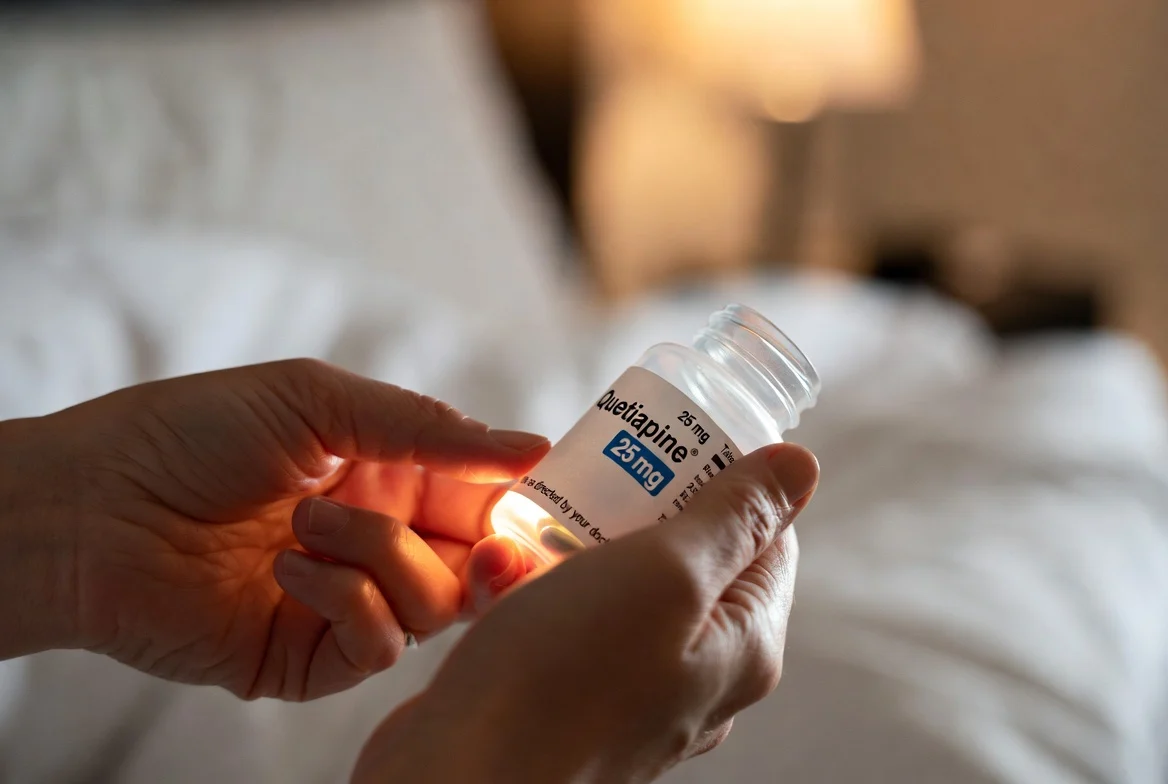
A common point of confusion for patients is the dosage. They might see a friend taking 600mg for bipolar disorder and wonder why they were only given quetiapine 25mg tablets.
In the world of quetiapine, “more” does not always mean “sleepier.” ” This medication is highly dose-dependent. At lower doses, it acts primarily as an antihistamine. As the dose increases, it begins to affect serotonin and dopamine.
The 25mg Profile
For many, 25mg quetiapine is highly sedating. At this level, it effectively “turns off” the histamine response that keeps you alert. In my practice, I find that 25mg is often the “sweet spot” for sleep because it provides enough sedation to bypass insomnia without the heavier dopamine-blocking effects that can cause “zombie-like” feelings the next day.
| Dosage | Primary Action | Common Clinical Use |
| 25mg – 50mg | Histamine H1 Blockade | Insomnia, Anxiety, Titration Start |
| 100mg – 300mg | Serotonin Modulation | Bipolar Depression, Adjunct MDD |
| 400mg – 800mg | Dopamine D2 Blockade | Schizophrenia, Acute Mania |
In my practice, I once worked with a patient, “Sarah,” who was terrified of taking her 25mg dose because she felt she would be “knocked out” and unable to wake up for her children in the morning.
The Nuance: What only a clinician might observe is that the timing of the dose is more important than the dose itself for morning clarity. Sarah was taking her medication at 11:00 PM and trying to wake up at 6:00 AM.
By moving her dose to 8:30 PM, we allowed the drug to reach its peak and begin its half-life decline before her alarm went off. This protected her executive function the next morning while still providing the sedation she needed to break her cycle of hyper-aroused insomnia.
How Long Does the Sleepiness Last?
One of the most frequent complaints about quetiapine is the “Seroquel hangover.” Because the medication has a half-life of about 6 to 7 hours, it stays in your system long enough to ensure you don’t wake up at 3:00 AM, but this can be a double-edged sword.
How long does Seroquel make you sleepy? Generally, the primary sedative effect lasts between 6 and 8 hours. However, if you have a slower metabolism or if you are taking the Extended Release (ER) version, you may feel lingering grogginess for up to 12 hours.
Factors that increase the duration of sleepiness include:
- Alcohol consumption: Alcohol synergistically increases the sedative effects and can make the medication “knock you out” in a way that is unsafe.
- Age: Older adults metabolize the drug more slowly.
- Liver Function: Since quetiapine is processed by the liver, any impairment can lead to the drug staying in the system longer.
How Long Does It Take to Work for Anxiety, Depression, and Schizophrenia?
While the sleep effects are nearly instantaneous, it is vital to manage expectations if you are taking this for mood or thought stabilization. If you are asking how long quetiapine takes to work for anxiety or depression, you are looking at a much longer horizon.
This is because mood stabilization requires neuroplasticity—the actual physical remodeling of neural pathways—rather than just the temporary blocking of a receptor.
Timeline Comparison Table
| Condition | Initial Effects (Physical) | Full Therapeutic Effect (Psychological) |
| Sleep | 30–90 minutes | 1–2 Nights |
| Anxiety | 1–3 Days (via sedation) | 2–3 Weeks |
| Bipolar Depression | 1 Week | 4–6 Weeks |
| Schizophrenia | 1–2 Weeks | 6–8 Weeks |
In clinical practice, I often remind patients that the “calm” they feel in the first few days is the sedative effect taking the edge off their physical anxiety. The true “work” of the medication—where it helps you regulate your emotions and maintain a stable mood—is a marathon, not a sprint.
Does Quetiapine “Knock You Out”?
In my sessions, patients often use the phrase “knocked out” to describe their fear of losing control or being rendered unconscious by their medication. It is important to distinguish between clinical sedation and anesthesia. Quetiapine does not “knock you out” in the sense of a medical procedure; rather, it creates a powerful physiological “pull” toward sleep.
For some, this feels like a heavy, warm blanket descending over their thoughts. For others, it is more of a cognitive slowing—a reduction in the mental “static” that makes it possible to finally close their eyes.
Will Seroquel make you sleepy? Almost certainly. However, the intensity of this sleepiness varies. If you are in a state of high-arousal mania, the medication may simply make you feel “normal” or calm. If you are taking it for simple insomnia, that same dose may feel much more potent.
When Is the Best Time to Take Quetiapine for Sleep?
Timing is arguably the most critical factor in avoiding the dreaded “Seroquel hangover” and protecting your executive function for the following day. If you take your dose too late, the medication will still be at peak levels in your bloodstream when your alarm goes off, leading to significant morning grogginess.
What time should I take Seroquel at night? I generally recommend taking quetiapine 1 to 2 hours before your intended bedtime.
- The Logic: This allows the medication to hit its peak concentration right as you are getting into bed, helping you bypass the “toss and turn” phase of insomnia.
- The “Clearance” Window: By taking it earlier in the evening (e.g., 8:30 PM for a 6:30 AM wake-up), you give your liver more time to metabolize the drug, ensuring that the sedative effects are wearing off just as you need to start your day.
Side Effects That Affect Sleep Quality
While quetiapine is highly effective at initiating sleep, there are certain side effects that can complicate the overall quality of your rest or your health over time.
a. Can Seroquel Cause Nightmares?
Though not the most common side effect, some patients report vivid dreams or nightmares when starting quetiapine. This often occurs because the medication alters the structure of your sleep cycles, sometimes leading to a “REM rebound” effect.
If your brain has been deprived of deep sleep for weeks, the sudden shift into a sedated state can trigger intense dreaming as the brain attempts to catch up on its “housekeeping.”
b. Weight Gain and Metabolic Shifts
One of the most significant concerns I address is: Can quetiapine cause weight gain? The answer is a clinical yes. Quetiapine can increase appetite and change how your body processes glucose.
In my experience, this often manifests as “midnight snacking”—patients may wake up partially sedated and crave high-carbohydrate foods. Monitoring your metabolic health with regular blood tests is a non-negotiable part of long-term quetiapine use.
C . Obstructive Sleep Apnea
There is a nuanced relationship between quetiapine and sleep apnea. Because quetiapine is a potent muscle relaxant and sedative, it can potentially worsen the airway collapse seen in obstructive sleep apnea (OSA).
If you are a heavy snorer or have been diagnosed with OSA, your doctor must monitor your breathing closely, as the deep sedation can make it harder for your brain to “wake you up” when your oxygen levels drop.
Pros and Cons of Using Quetiapine for Sleep
Before committing to this medication, it is helpful to look at the balance of benefits and risks through a clinical lens.
Pros
- Reliability: Unlike many herbal supplements, quetiapine’s sedative effect is biologically consistent.
- Mood Synergy: If your insomnia is a symptom of bipolar disorder or depression, quetiapine treats the root cause while also providing sleep.
- Anxiety Reduction: It effectively “calms the mind” and stops the ruminative loops that often cause late-night distress.
Cons
- Metabolic Impact: The risk of weight gain and blood sugar changes requires diligent monitoring.
- Morning Grogginess: Some individuals find the “hangover” effect too disruptive for their work life.
- Long-Term Monitoring: Unlike over-the-counter aids, this requires regular psychiatric follow-ups and blood work.
Frequently Asked Questions
How long does quetiapine take to kick in?
For sleep, you will typically feel the effects within 30 to 60 minutes, with peak sedation occurring between 1 and 2 hours after taking the tablet.
Will 25mg help me sleep?
For the majority of patients, 25 mg is a highly effective dose for sleep because it acts as a potent antihistamine without the heavier dopamine blockade of higher doses.
How long does Seroquel make you sleepy?
The primary sedative effects last about 6 to 8 hours, though some residual grogginess can persist into the next morning if the dose is taken too late.
Is quetiapine safe for long-term sleep?
Quetiapine can be used long-term under medical supervision, but it requires regular monitoring of metabolic markers (weight, cholesterol, and blood sugar) to ensure safety.
Can quetiapine stop working for sleep?
While some people develop a slight tolerance to the sedative effect, it rarely “stops working” entirely. Often, a perceived loss of efficacy is due to increased stress or changes in other lifestyle factors.
Conclusion
In my years of practice, I have seen quetiapine serve as a vital bridge for people who had forgotten what a full night’s sleep felt like. It is a powerful tool that, when used with respect for its timeline and its metabolic “price tag,” can stabilize a life that has been derailed by insomnia.
The goal of using quetiapine for sleep is not just to “turn off the lights” but to restore your circadian rhythm so that you can show up fully in your life the next day.
If you find that the morning grogginess is outweighing the benefits of the nighttime rest, speak with your doctor about adjusting your timing or your dose. Sleep is the foundation of mental health, and finding the right way to achieve it is worth the effort.
References & Resources
- National Institute of Mental Health (NIMH): nimh.nih.gov
- The American Journal of Psychiatry: ajp.psychiatryonline.org
- Bipolar Lives – Medication Guide: bipolar-lives.com
- National Sleep Foundation: thensf.org

Related Posts





Subscribe to Our Newsletter
Get mental health tips, updates, and resources delivered to your inbox.
MORE from Author
Read More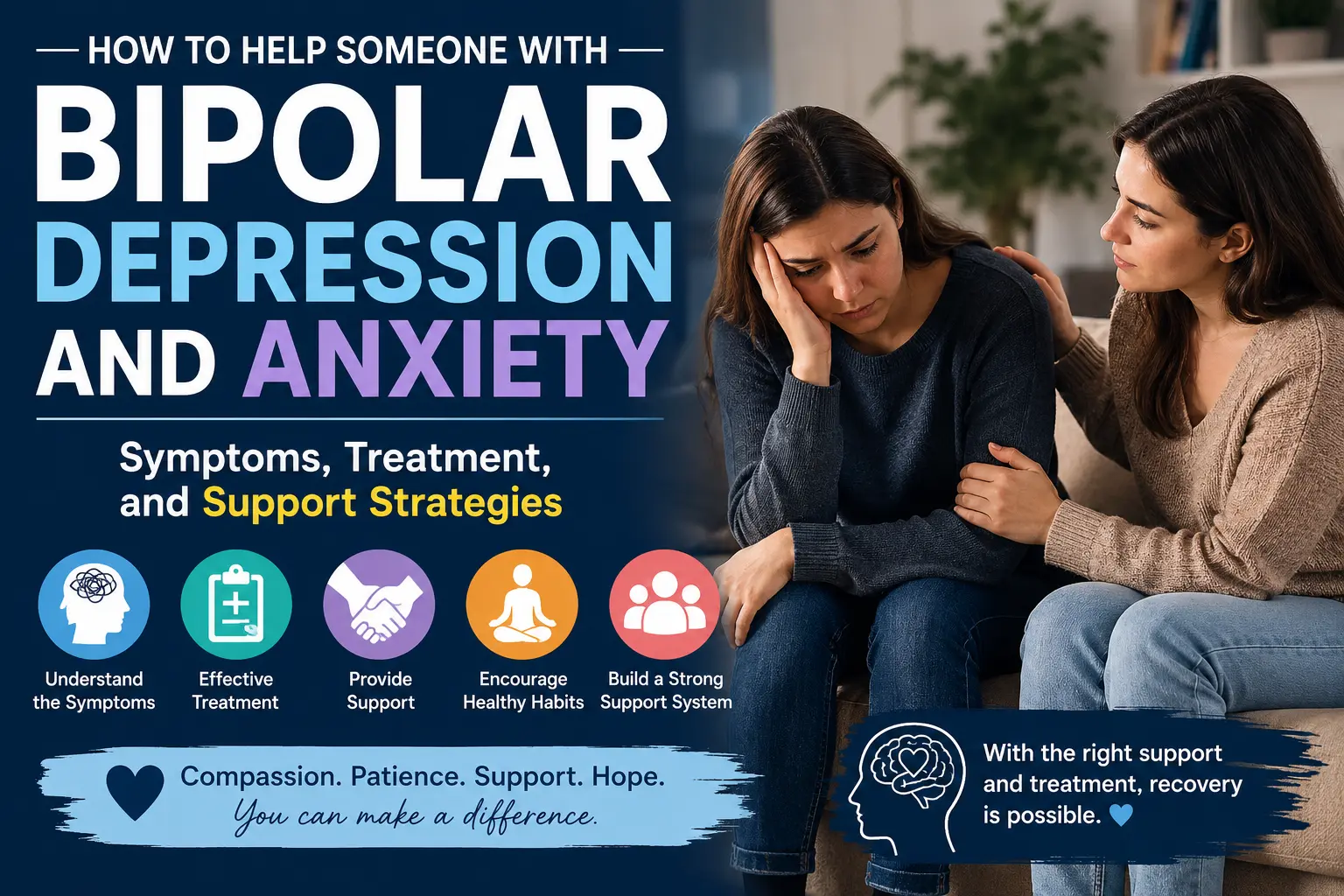 Watching someone you care about struggle with bipolar depression and anxiety can be heartbreaking. You may notice that they withdraw…
 In my practice as a clinical psychologist, I often observe that the difference between a patient who crumbles under pressure…
 We all have "up" days and "down" days. Perhaps you feel energized after a promotion or sluggish on a rainy…
 To define bipolar disorder accurately, we must look at it as a chronic mood dysregulation condition. In psychology and medicine,…
Are you looking for a Therapist?
Connect with qualified mental health professionals who understand
bipolar disorder, mood changes, and emotional challenges.
Private • Supportive • Confidential